The timeline can vary, but typically, it might take a few weeks to a couple of months from filing the motion to the court making a decision.
Not every property qualifies for lien avoidance, but if it's your primary residence and you can prove it meets certain conditions, you may have a good shot at it.
If you don't address a judicial lien, it can stick around and negatively affect your ability to sell or refinance your property, putting a serious dent in your financial plans.
While you can do it on your own, having a lawyer can really help make the process smoother and ensure you're covered from all angles.
First, gather your paperwork and show why the lien should be avoided. Then, file your motion with the court and be ready to present your case before a judge.
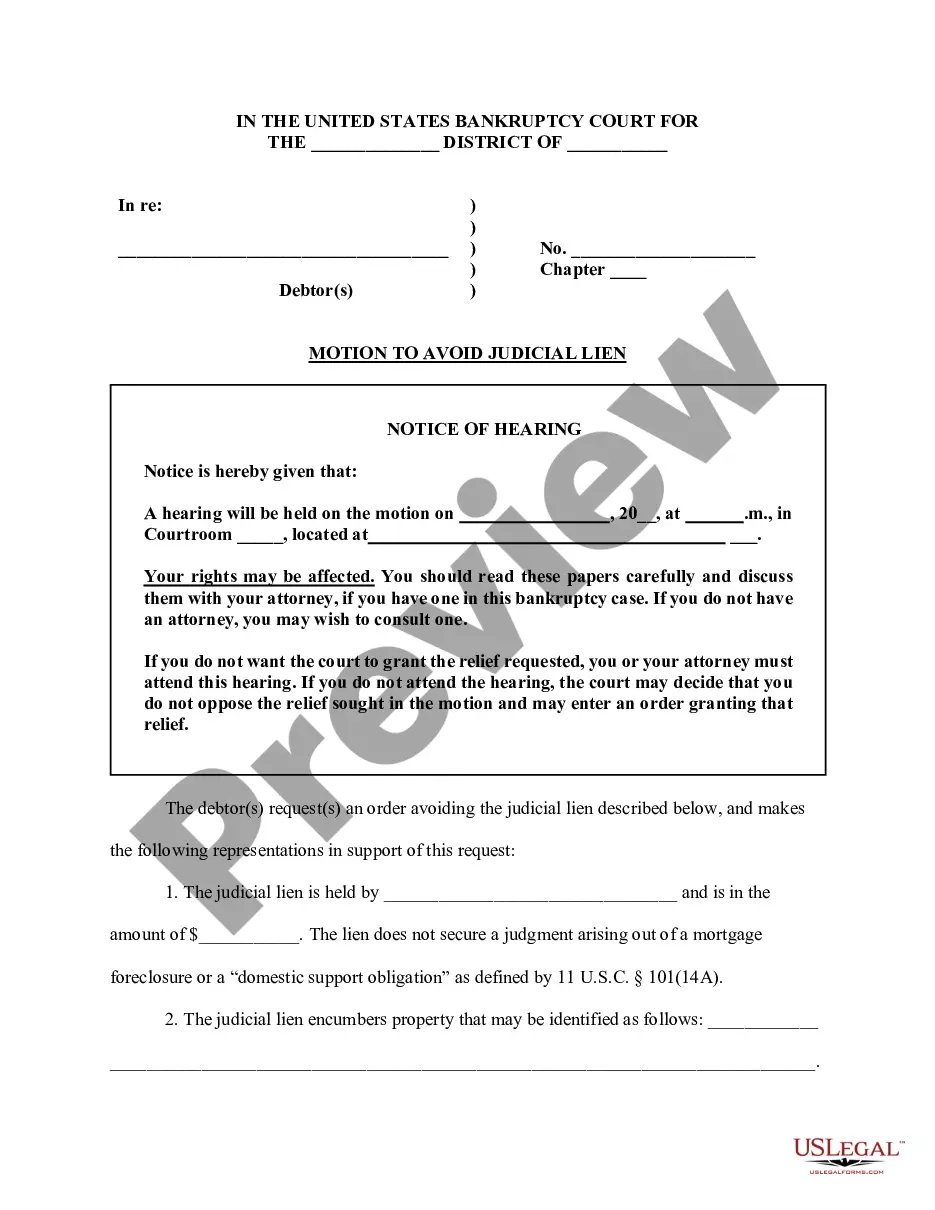
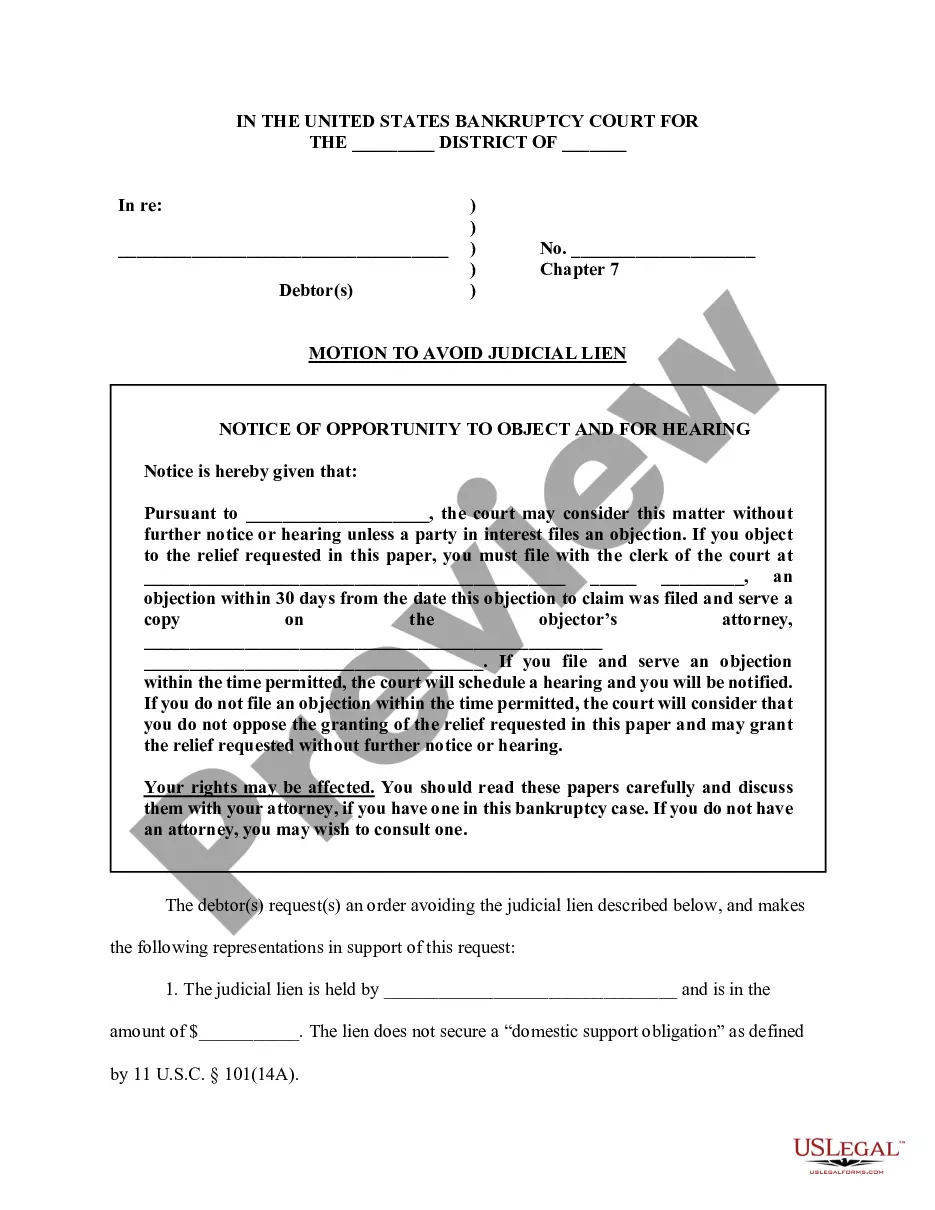
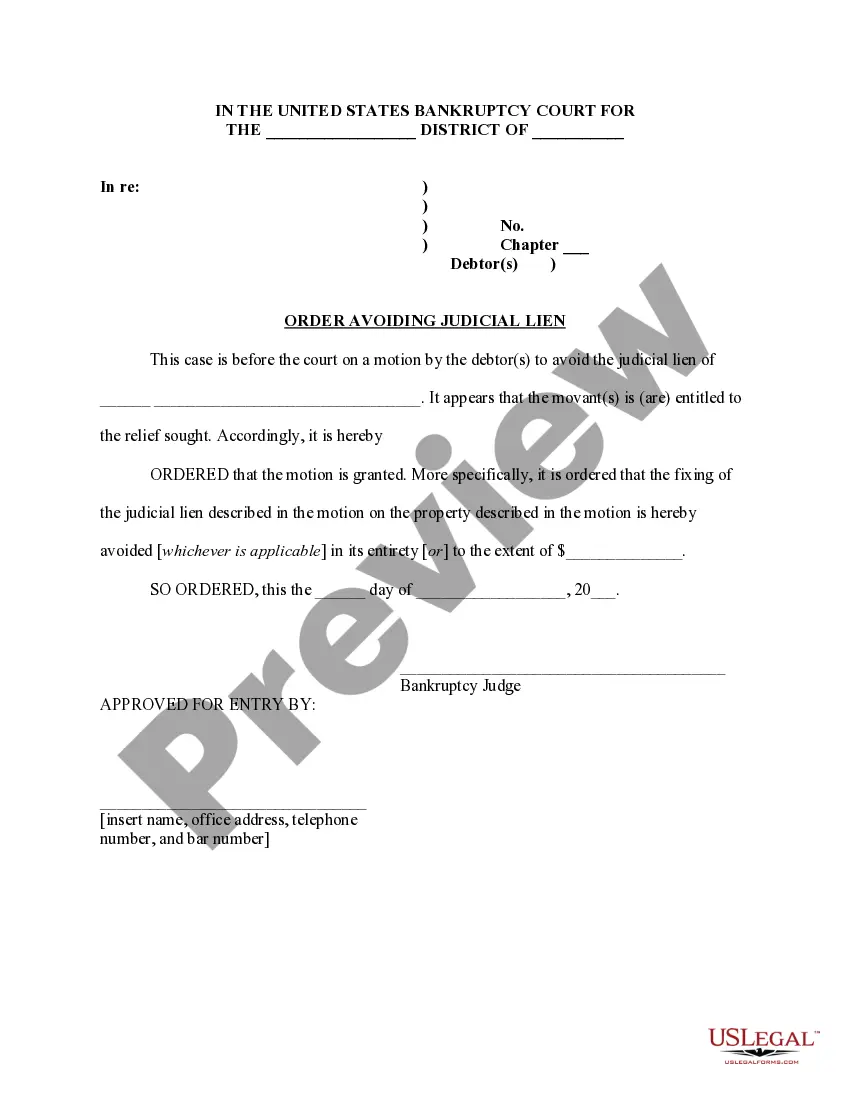
You can avoid a judicial lien by filing a motion in court to get it removed, showing that the lien is affecting your exemption rights or demonstrating that it’s not valid.
Avoiding a judicial lien means that you're asking the court to remove a lien placed on your property, usually because of an unpaid debt, so you can enjoy your property without that financial burden hanging over you.