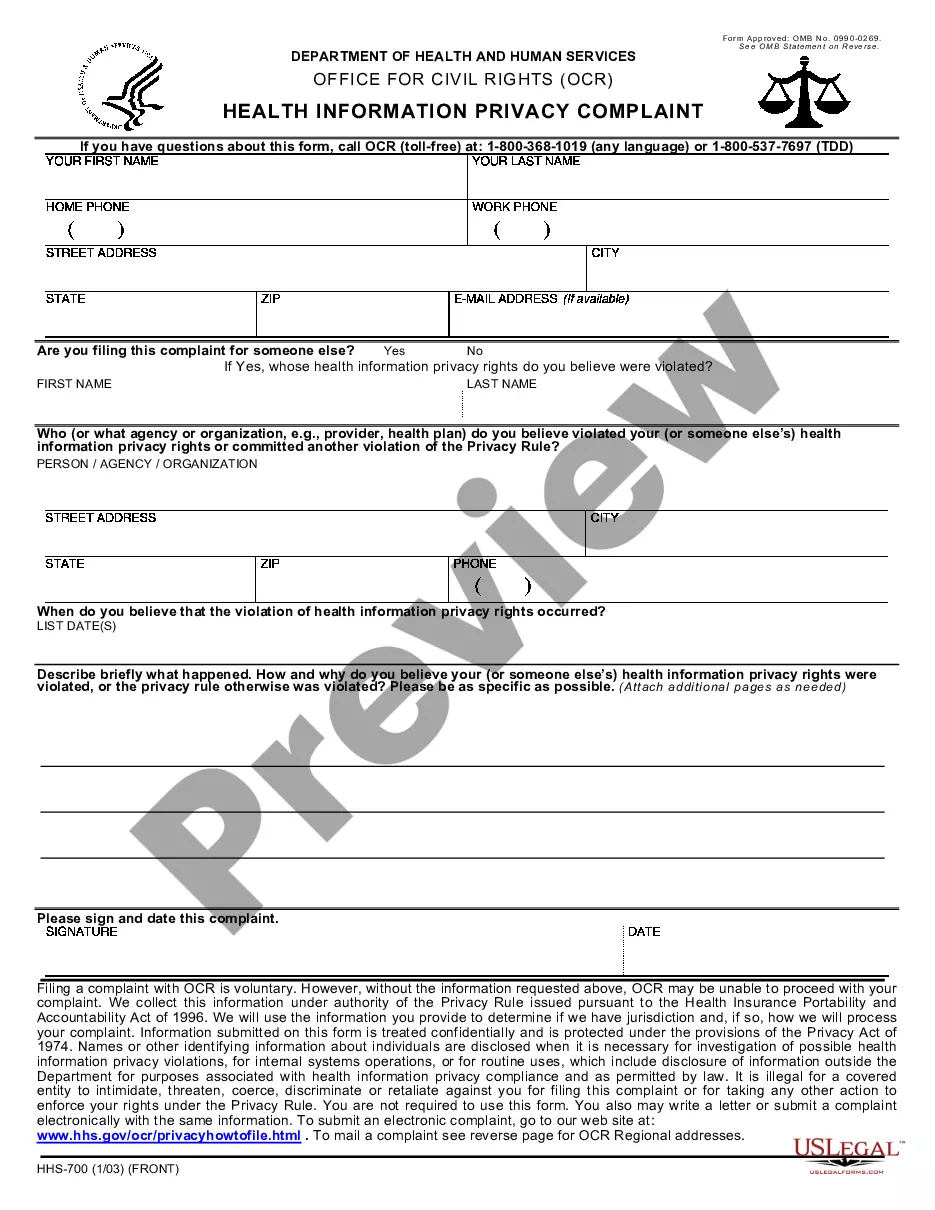
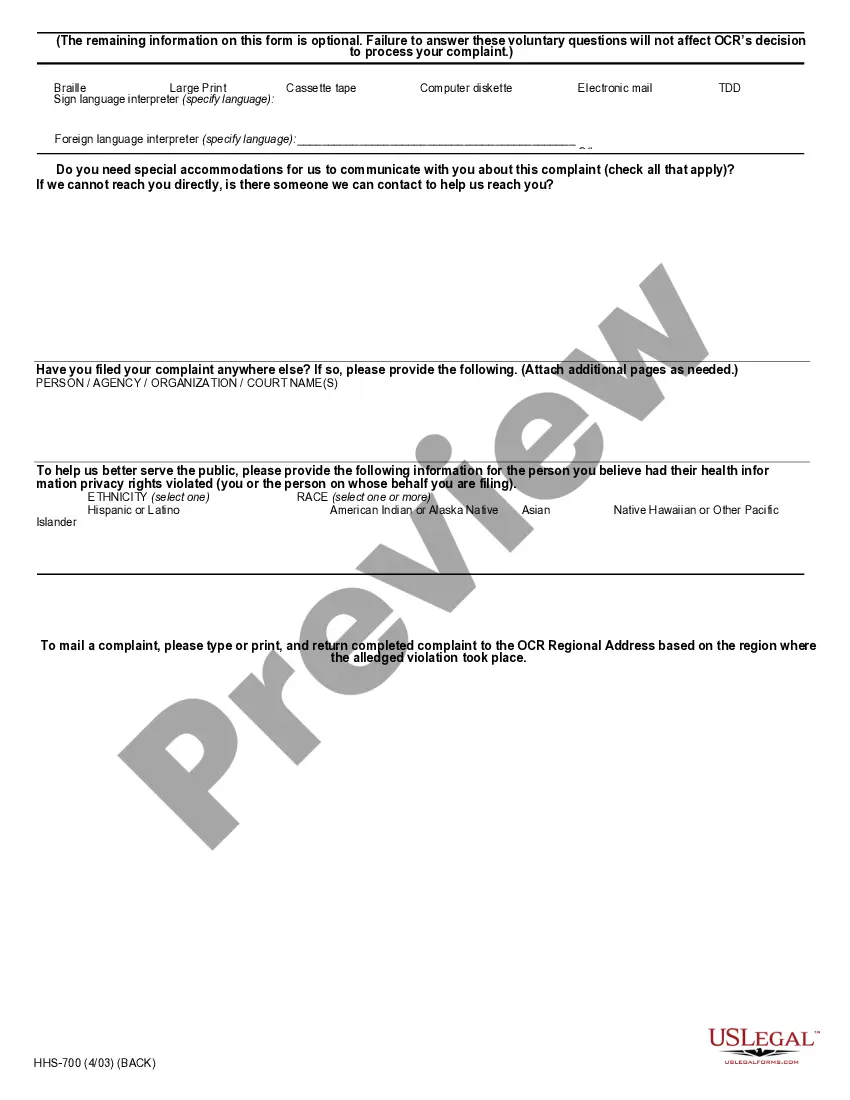
Broward Florida Health Information Privacy Complaint for filing with Dept. of Health and Human Services Office of Civil Rights
Description

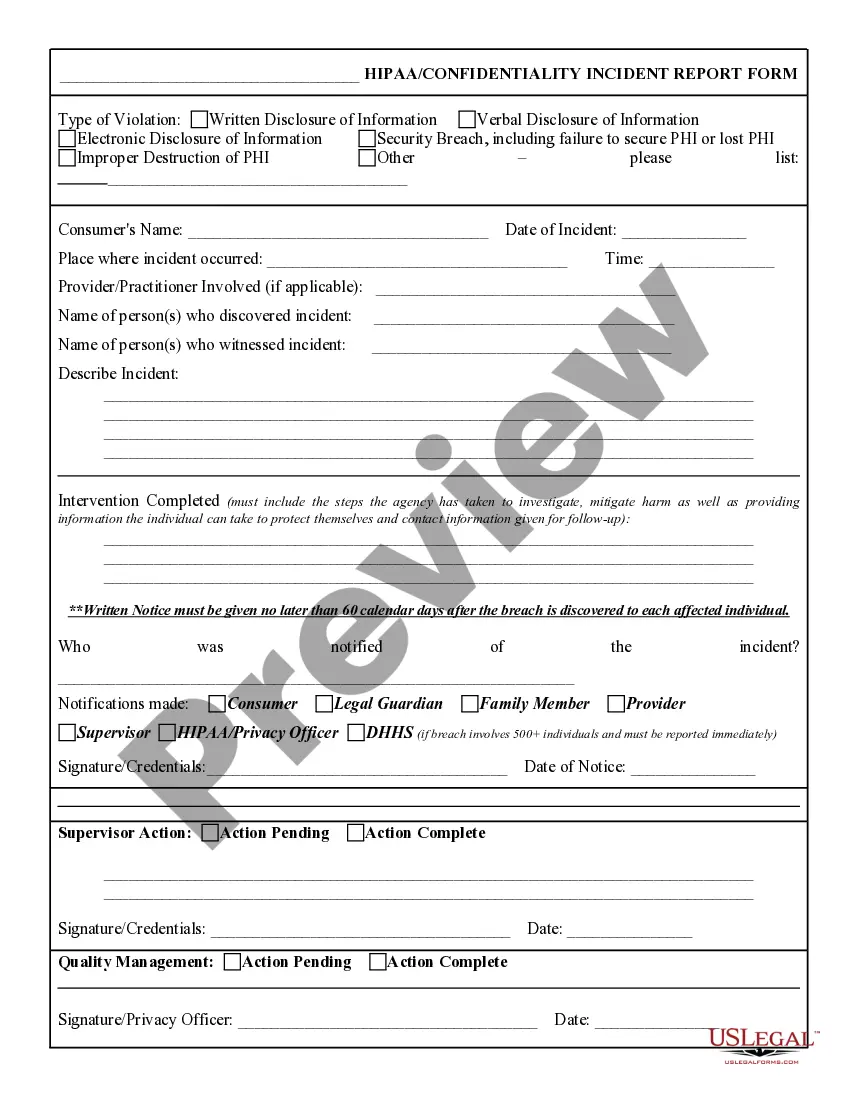
Get your form ready online
Our built-in tools help you complete, sign, share, and store your documents in one place.
Make edits, fill in missing information, and update formatting in US Legal Forms—just like you would in MS Word.
Download a copy, print it, send it by email, or mail it via USPS—whatever works best for your next step.
Sign and collect signatures with our SignNow integration. Send to multiple recipients, set reminders, and more. Go Premium to unlock E-Sign.
If this form requires notarization, complete it online through a secure video call—no need to meet a notary in person or wait for an appointment.
We protect your documents and personal data by following strict security and privacy standards.

Make edits, fill in missing information, and update formatting in US Legal Forms—just like you would in MS Word.

Download a copy, print it, send it by email, or mail it via USPS—whatever works best for your next step.

Sign and collect signatures with our SignNow integration. Send to multiple recipients, set reminders, and more. Go Premium to unlock E-Sign.

If this form requires notarization, complete it online through a secure video call—no need to meet a notary in person or wait for an appointment.

We protect your documents and personal data by following strict security and privacy standards.
Looking for another form?

How to fill out Health Information Privacy Complaint For Filing With Dept. Of Health And Human Services Office Of Civil Rights?
Creating documents for business or personal requirements is consistently a significant responsibility.
When formulating an agreement, a public service request, or a power of attorney, it's crucial to consider all national and state regulations of the specific area.
However, smaller counties and even municipalities also have legislative processes that you need to factor in.
The excellent aspect of the US Legal Forms library is that all the documents you've ever acquired are never lost - you can access them in your profile within the My documents tab at any time. Join the platform and effortlessly obtain verified legal forms for any circumstance with just a few clicks!
- All these elements make it burdensome and time-consuming to prepare a Broward Health Information Privacy Complaint for submission to the Dept. of Health and Human Services Office of Civil Rights without professional assistance.
- It's feasible to avoid unnecessary expenses on lawyers drafting your documents and create a legally binding Broward Health Information Privacy Complaint for submission to the Dept. of Health and Human Services Office of Civil Rights independently, utilizing the US Legal Forms online library.
- It is the largest online collection of state-specific legal templates that are professionally verified, so you can be assured of their legitimacy when selecting a sample for your county.
- Previously subscribed users only need to Log In to their accounts to retrieve the necessary document.
- If you still lack a subscription, follow the step-by-step instructions below to obtain the Broward Health Information Privacy Complaint for submission to the Dept. of Health and Human Services Office of Civil Rights.
- Review the page you've opened and confirm if it has the document you need.
- To do this, utilize the form description and preview if these options are available.
Form popularity
FAQ
The U.S. Department of Health and Human Services (HHS) Office for Civil Rights (OCR) enforces federal civil rights laws, conscience and religious freedom laws, the Health Insurance Portability and Accountability Act (HIPAA) Privacy, Security, and Breach Notification Rules, and the Patient Safety Act and Rule, which
OCR also conducts compliance reviews to determine if policies, procedures and actions of covered entities are consistent with civil rights laws. Finally, OCR educates covered entities about their obligations under civil rights laws, and educates members of the public about their rights under those laws.
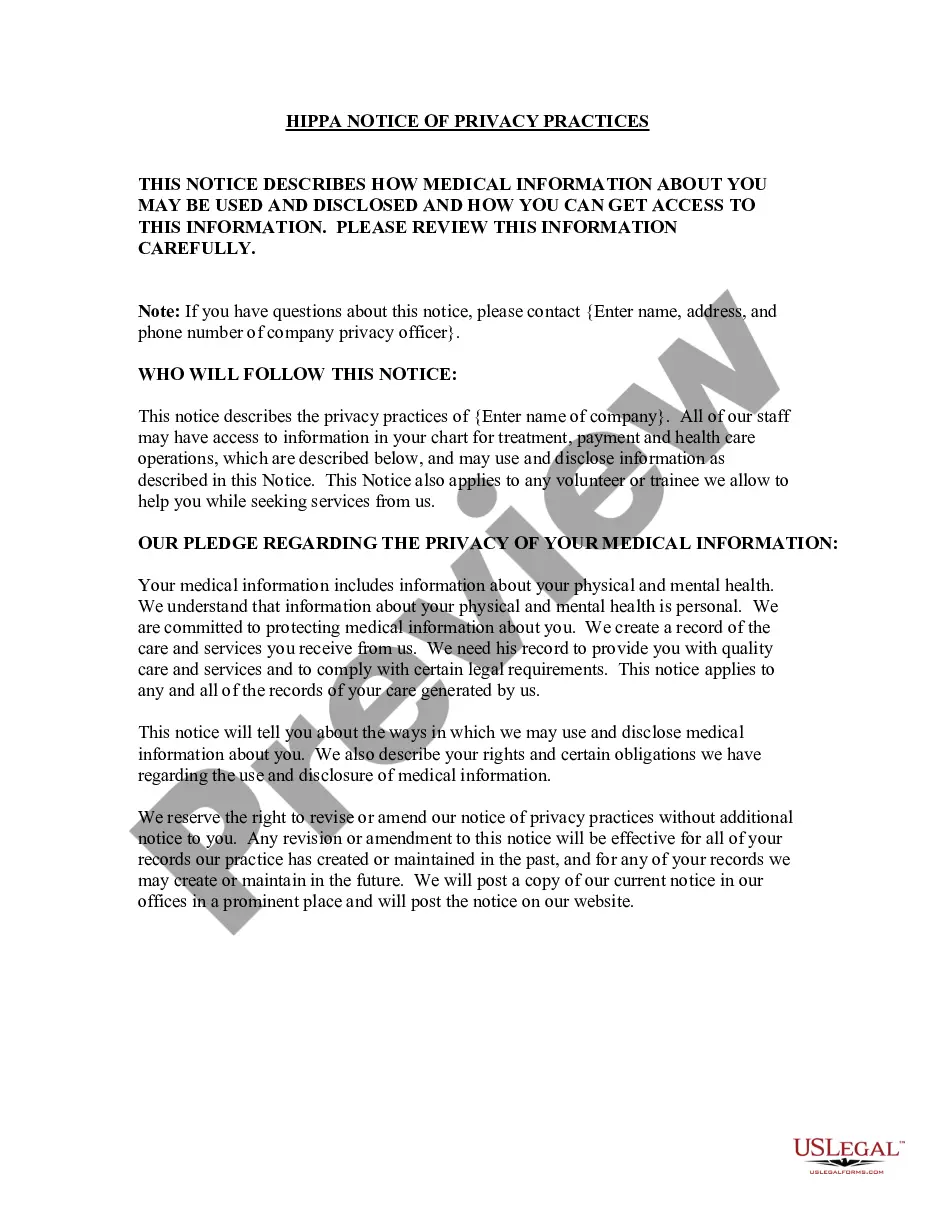
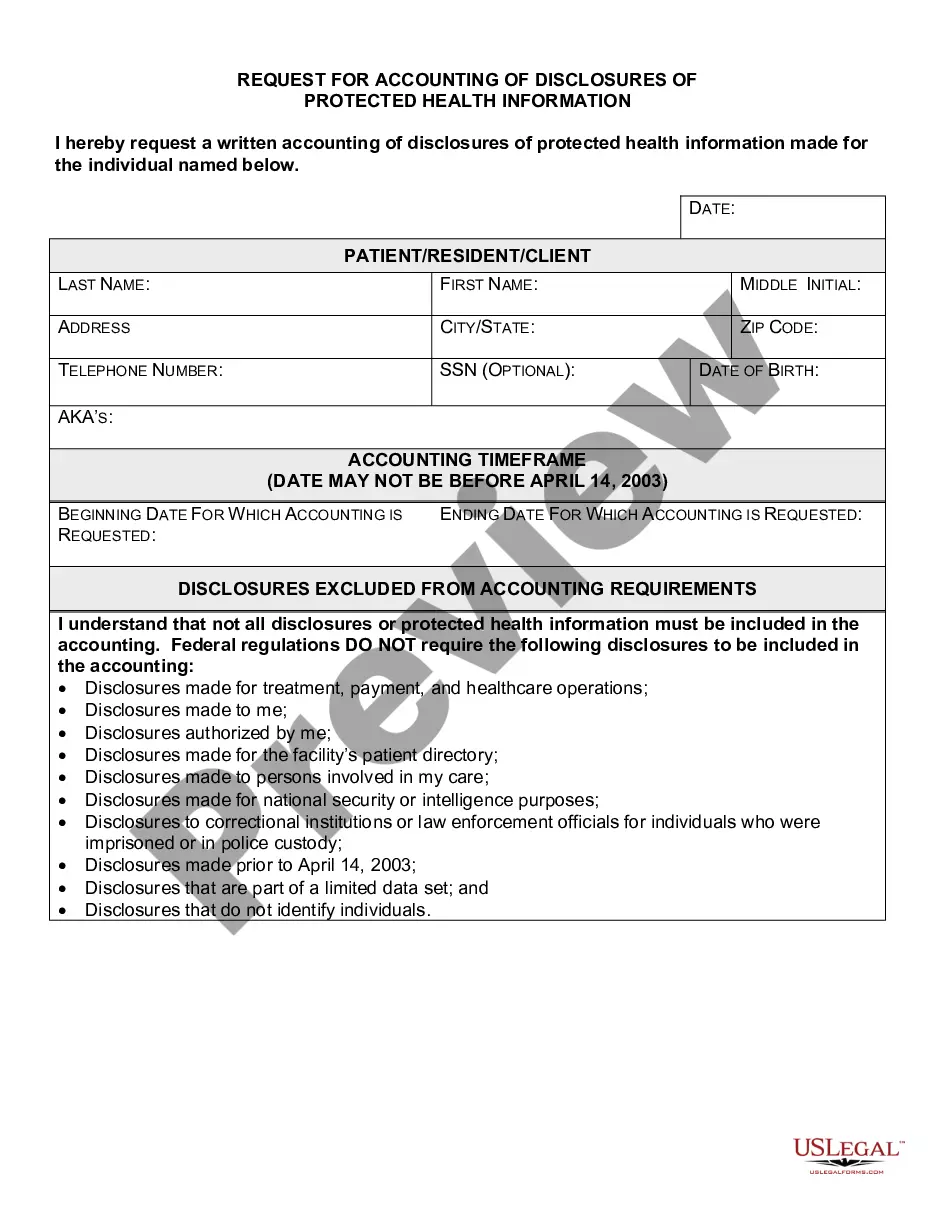
What is a HIPAA Violation? The Health Insurance Portability and Accountability, or HIPAA, violations happen when the acquisition, access, use or disclosure of Protected Health Information (PHI) is done in a way that results in a significant personal risk of the patient.
If you believe that you have been discriminated against because of your race, color, national origin, disability, age, sex, or religion in programs or activities that HHS directly operates or to which HHS provides federal financial assistance, you may file a complaint with OCR.
Top 10 Most Common HIPAA Violations Keeping Unsecured Records.Unencrypted Data.Hacking.Loss or Theft of Devices.Lack of Employee Training.Gossiping / Sharing PHI.Employee Dishonesty.Improper Disposal of Records.
If you believe your privacy rights have been violated by a DOH employee, you may file a complaint with the Department of Health's Inspector General at 4052 Bald Cypress Way, BIN A03/ Tallahassee, FL 32399-1704/ telephone 850-245-4141 or with the Secretary of the U.S. Department of Health and Human Services at 200
What Are Some Common HIPAA Violations? Stolen/lost laptop. Stolen/lost smart phone. Stolen/lost USB device. Malware incident. Ransomware attack. Hacking. Business associate breach. EHR breach.
If you believe that a covered entity discriminated against you (or someone else) on the basis of conscience or religious freedom, coerced you to violate your conscience or religious beliefs, or burdened your free exercise of religion, you may file a complaint with the Office for Civil Rights (OCR).
If you prefer, you may submit a written complaint in your own format by either: Mail to. Centralized Case Management Operations. U.S. Department of Health and Human Services. 200 Independence Avenue, S.W. Room 509F HHH Bldg. Washington, D.C. 20201. Email to OCRComplaint@hhs.gov.