Failure to comply can result in hefty fines, legal trouble, and damage to your reputation. It’s like playing with fire; it's better to be safe than sorry.
Yes, Ohio has its own privacy laws that may add additional requirements or protections, so it's smart to familiarize yourself with both state and federal regulations.
Staff should undergo training on patient privacy and data protection practices, so everyone knows how to handle sensitive information appropriately.
The timeline can vary, but typically it could take a few weeks to several months depending on your organization’s size and how prepared you are.
The process usually starts with a thorough assessment of your current security practices, followed by implementing necessary changes, and finally, undergoing a compliance audit.
Generally, any organization that handles healthcare information, like hospitals, clinics, and even some tech companies, needs to be HIPAA compliant to keep patient data safe.
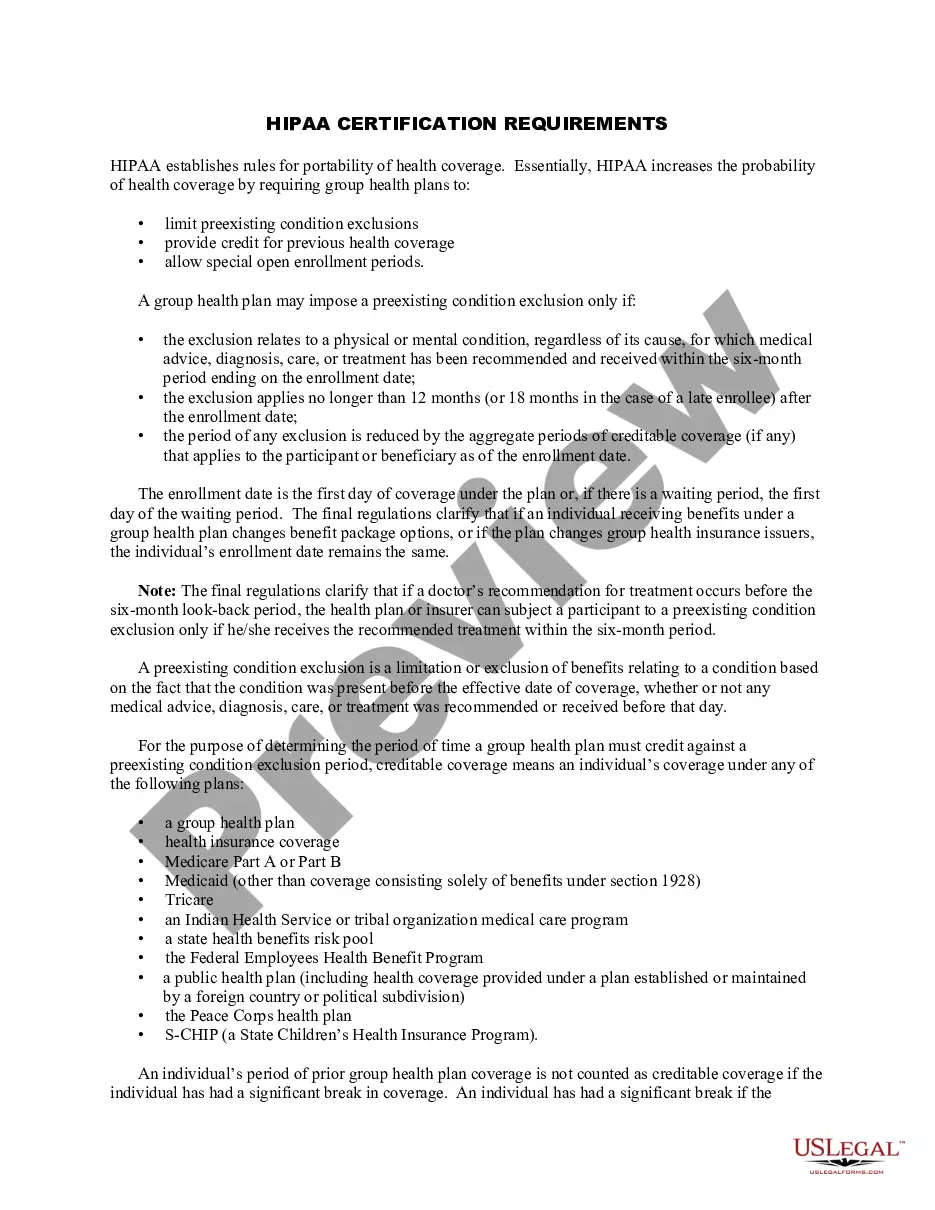
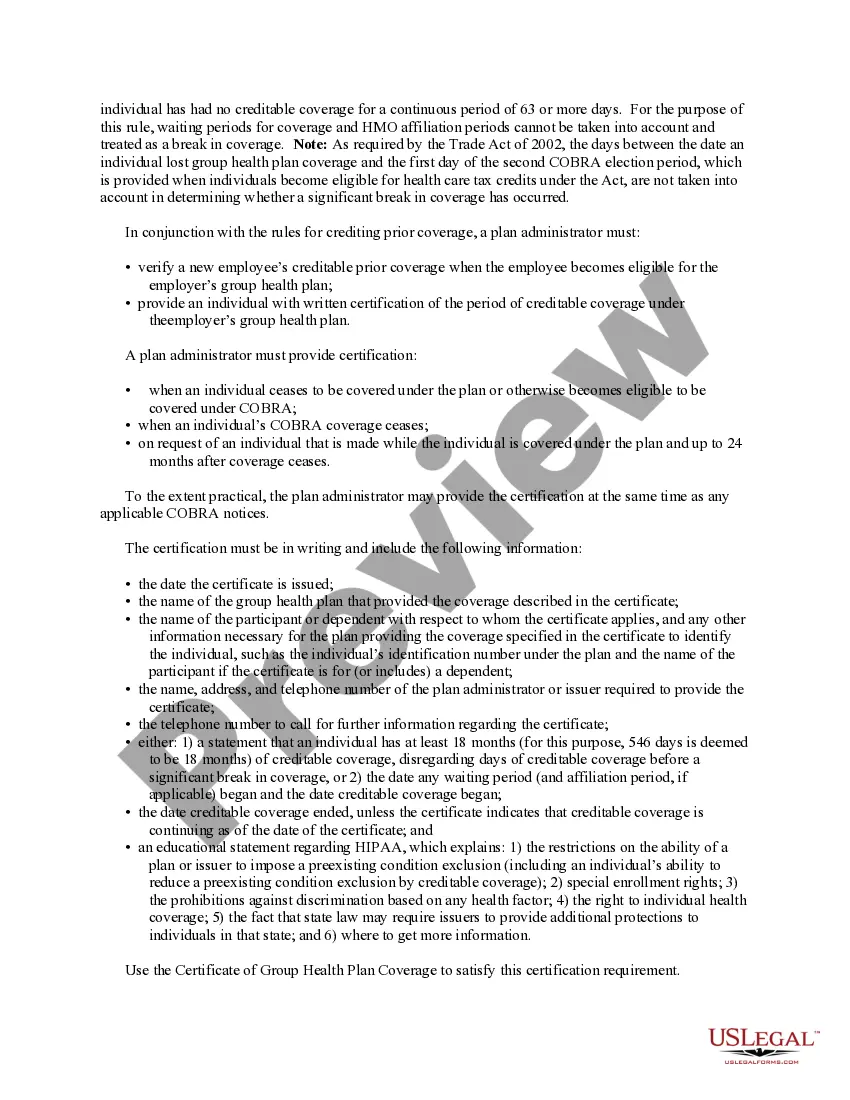
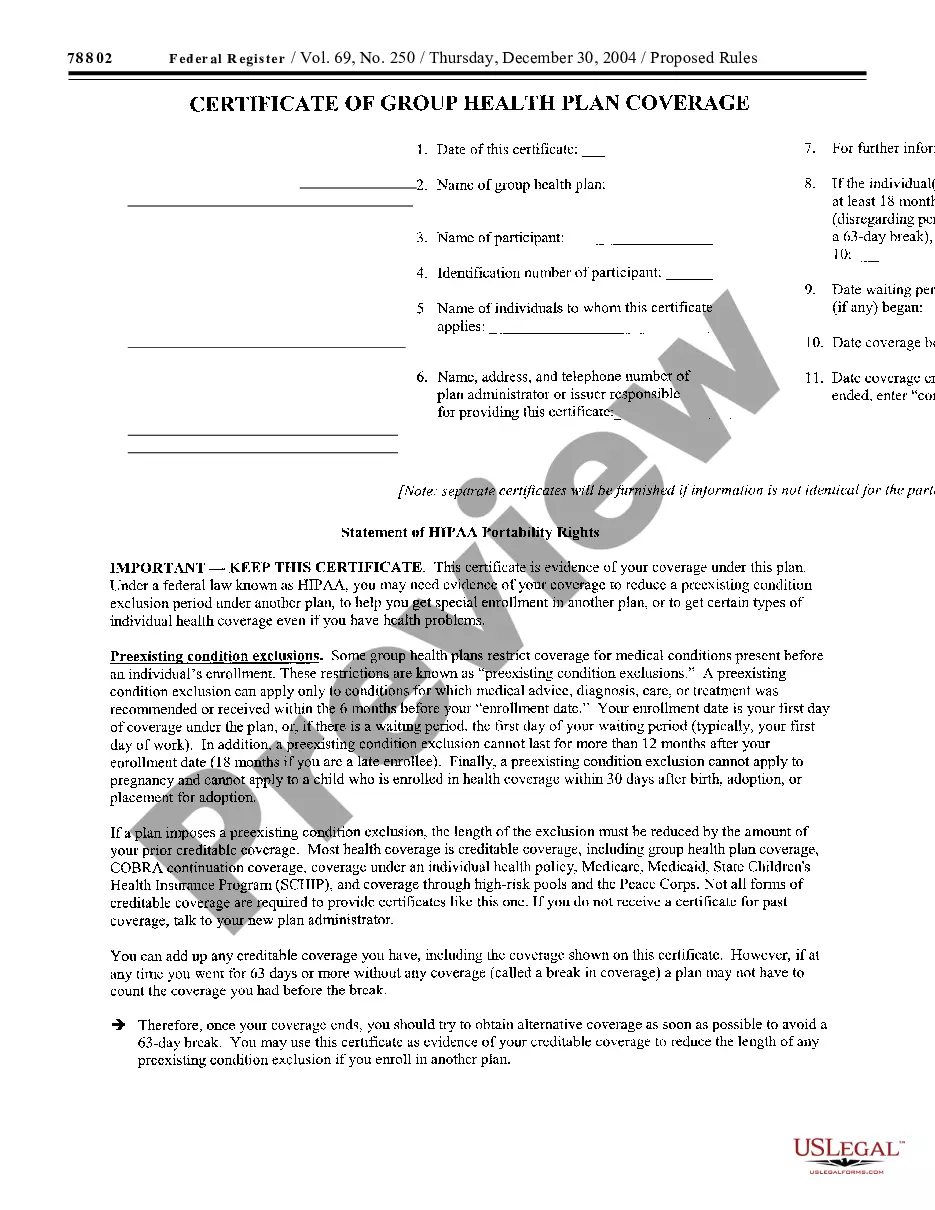
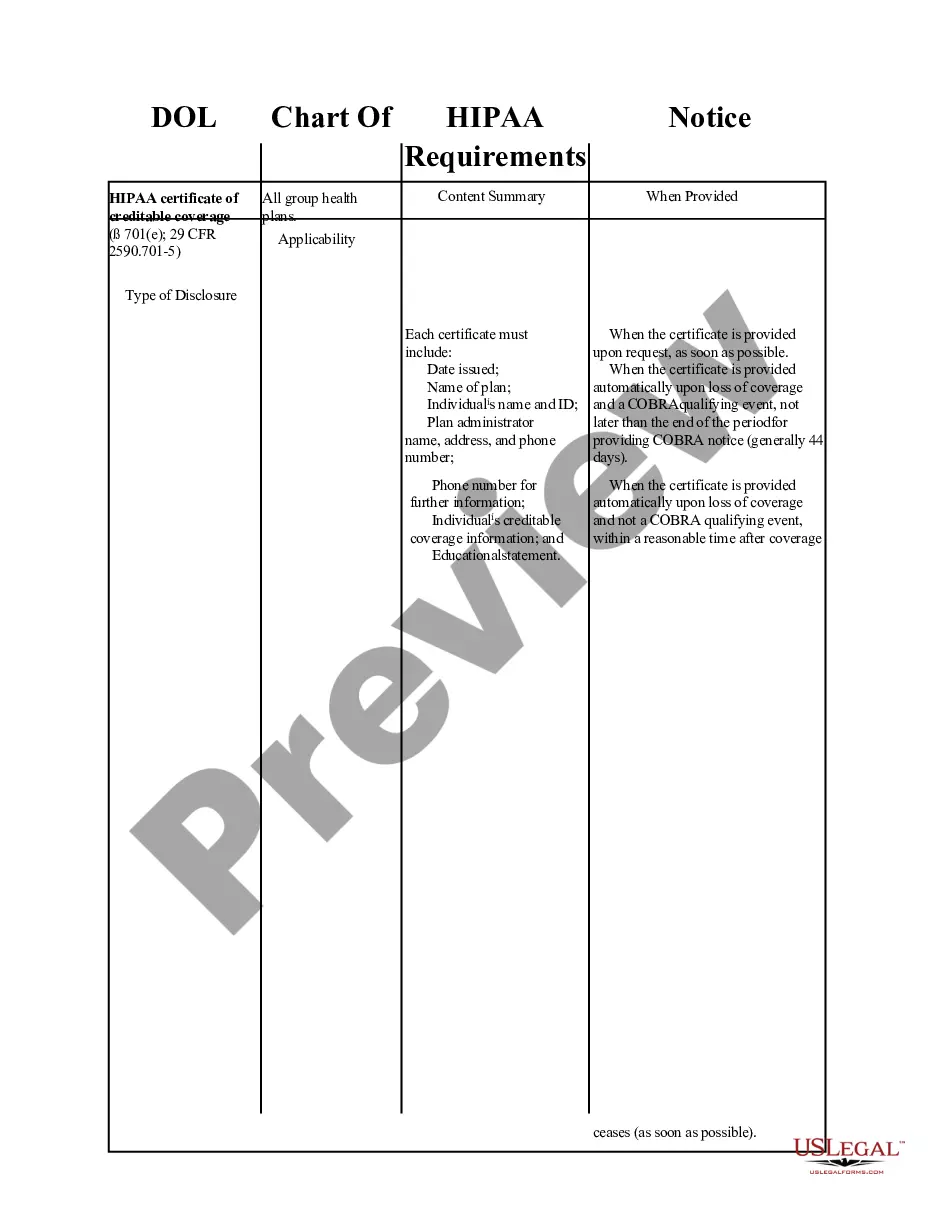
HIPAA certification is a way for health organizations to show they are following regulations to protect patient information. It’s crucial because it builds trust with patients and helps avoid fines.