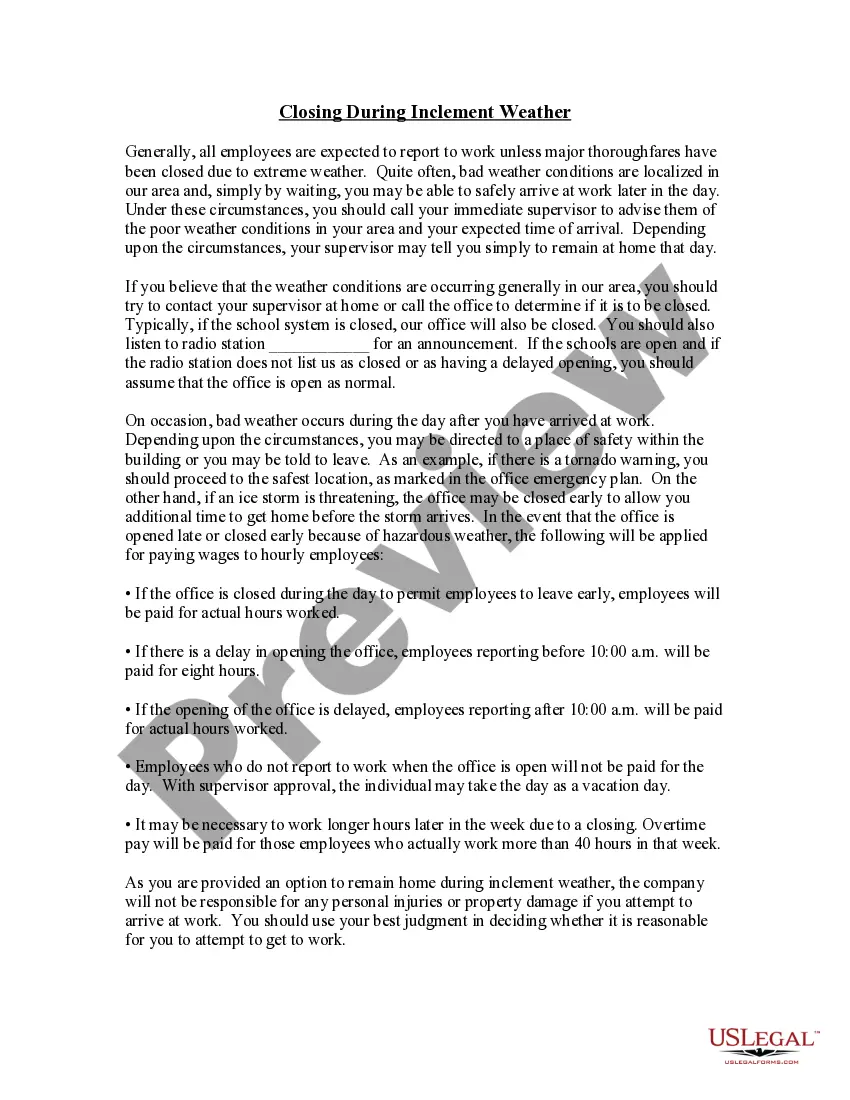
Nassau New York Inclement Weather Policy
Description
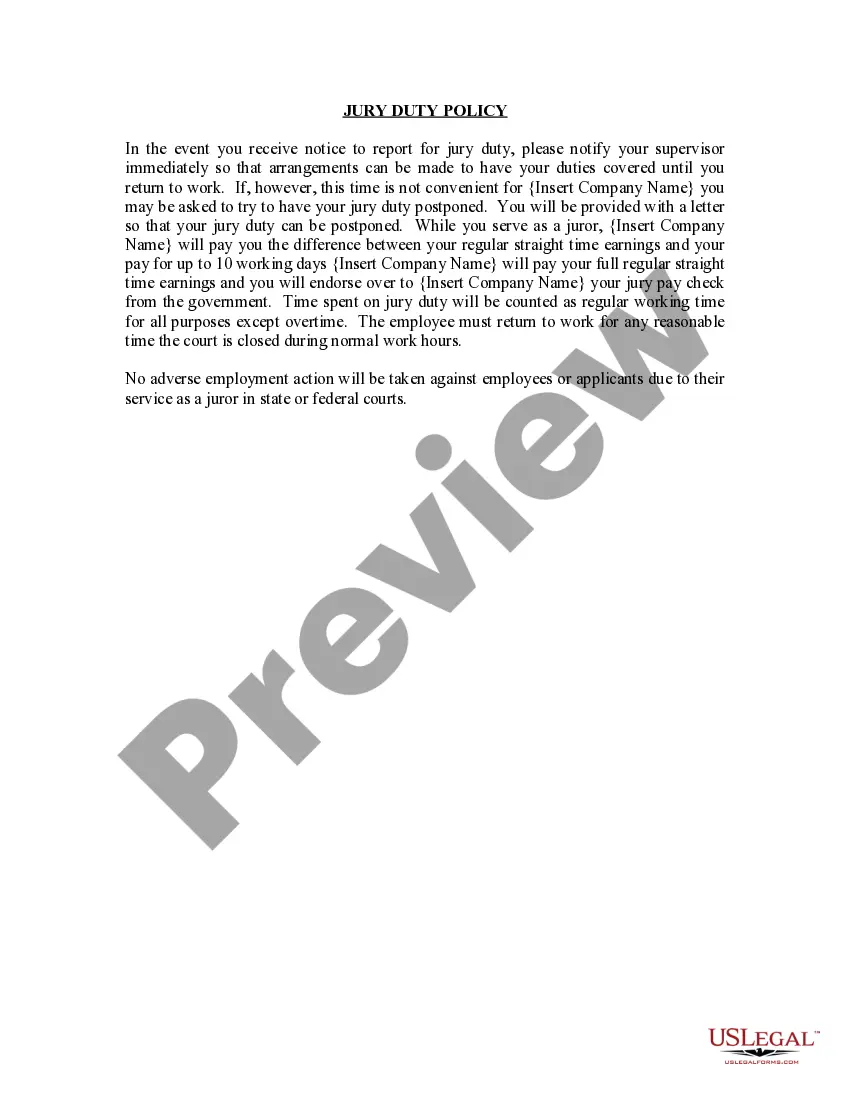
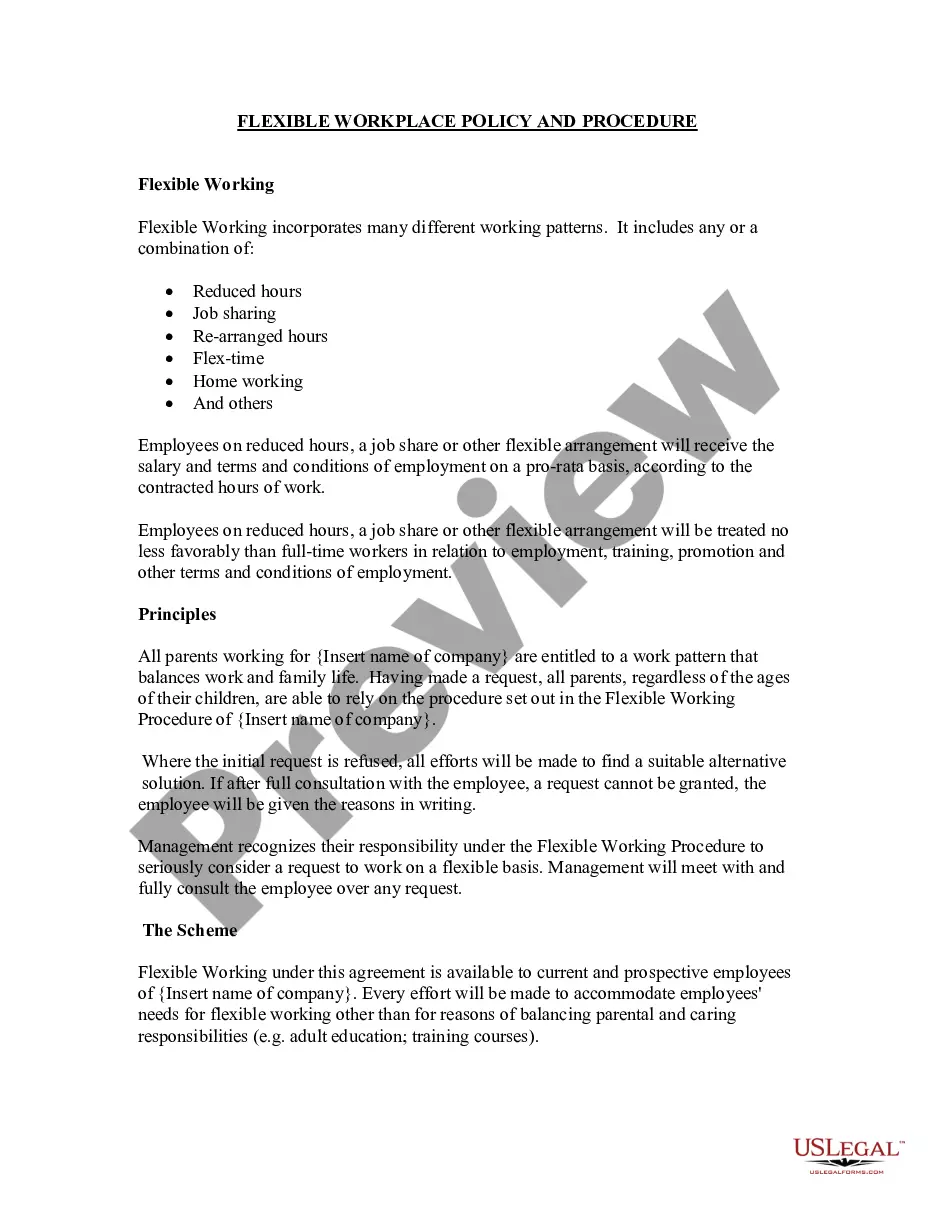
Get your form ready online
Our built-in tools help you complete, sign, share, and store your documents in one place.
Make edits, fill in missing information, and update formatting in US Legal Forms—just like you would in MS Word.
Download a copy, print it, send it by email, or mail it via USPS—whatever works best for your next step.
Sign and collect signatures with our SignNow integration. Send to multiple recipients, set reminders, and more. Go Premium to unlock E-Sign.
If this form requires notarization, complete it online through a secure video call—no need to meet a notary in person or wait for an appointment.
We protect your documents and personal data by following strict security and privacy standards.

Make edits, fill in missing information, and update formatting in US Legal Forms—just like you would in MS Word.

Download a copy, print it, send it by email, or mail it via USPS—whatever works best for your next step.

Sign and collect signatures with our SignNow integration. Send to multiple recipients, set reminders, and more. Go Premium to unlock E-Sign.

If this form requires notarization, complete it online through a secure video call—no need to meet a notary in person or wait for an appointment.

We protect your documents and personal data by following strict security and privacy standards.
Looking for another form?
How to fill out Inclement Weather Policy?
Creating documentation for the organization or individual requests is consistently a significant duty.
When formulating an agreement, a public service application, or a power of attorney, it's crucial to consider all federal and state regulations of the particular area.
Nonetheless, minor counties and even towns also have legislative rules that you must take into account.
The remarkable aspect of the US Legal Forms library is that all the documentation you’ve ever obtained is never misplaced - you can retrieve it in your profile under the My documents tab anytime. Enlist in the platform and effortlessly obtain verified legal forms for any scenario with merely a few clicks!
- All these factors make it laborious and time-intensive to prepare the Nassau Inclement Weather Policy without expert assistance.
- It's possible to bypass expenditures on attorneys drafting your documentation and formulate a legally binding Nassau Inclement Weather Policy independently, utilizing the US Legal Forms online library.
- It is the most extensive digital repository of state-specific legal documents that are expertly verified, ensuring their authenticity when selecting a template for your county.
- Previously subscribed users just need to Log In to their profiles to retrieve the necessary document.
- If you do not yet hold a subscription, follow the step-by-step instructions below to acquire the Nassau Inclement Weather Policy.
- Examine the webpage you've opened and confirm if it contains the document you need.
- For this, utilize the form description and preview if these features are accessible.
Form popularity
FAQ
Some examples of inclement weather include: hurricanes, floods, blizzards, heavy snow, ice storms, and excessive heat.
The most important things to remember are: GET IN - If you are outside, get inside. If you're already inside, get as far into the middle of the building as possible. GET DOWN - Get underground if possible.COVER UP - Flying and falling debris are a storm's number one killer.
Some examples of inclement weather include: hurricanes, floods, blizzards, heavy snow, ice storms, and excessive heat.
Inclement weather is defined in the Building and Construction General On-Site Award 2010 (the Award) as the existence of rain or abnormal climatic conditions (whether hail, extreme cold, high wind, severe dust storm, extreme high temperature or the like or any combination of these conditions) where it is not reasonable
An inclement weather policy is a written document that outlines the rules, expectations, and operating procedures when bad weather causes disruption. By eliminating ambiguity, you can avoid confusion about whether an employee should report to work and how the organization handles employee pay and benefits.
Here are some coping tips, inspired of course by the pragmatic Dutch approach: Recognize the problem.Keep It Gezellig.Invest in a Light Therapy Lamp.Get Some Exercise.Eat Healthy.Go On a Sun Vacation.Find Something to Be Passionate About.
3-Step Checklist Know Your Risks. The most important step of severe weather preparedness is getting familiarized with your area's weather hazards.Make a Plan. Making a severe weather preparedness plan will help you to act quickly and ensure safety in the event of severe weather.Take Action.
Limit intake of alcohol and caffeine; Take time outs periodically for relaxation, meditation, and stress relief; Deep breathing and visualization exercises can help to calm and manage stress. When severe weather threatens, monitor weather changes through reports from local media outlets.
An inclement weather policy is a written document that outlines the rules, expectations, and operating procedures when bad weather causes disruption. By eliminating ambiguity, you can avoid confusion about whether an employee should report to work and how the organization handles employee pay and benefits.