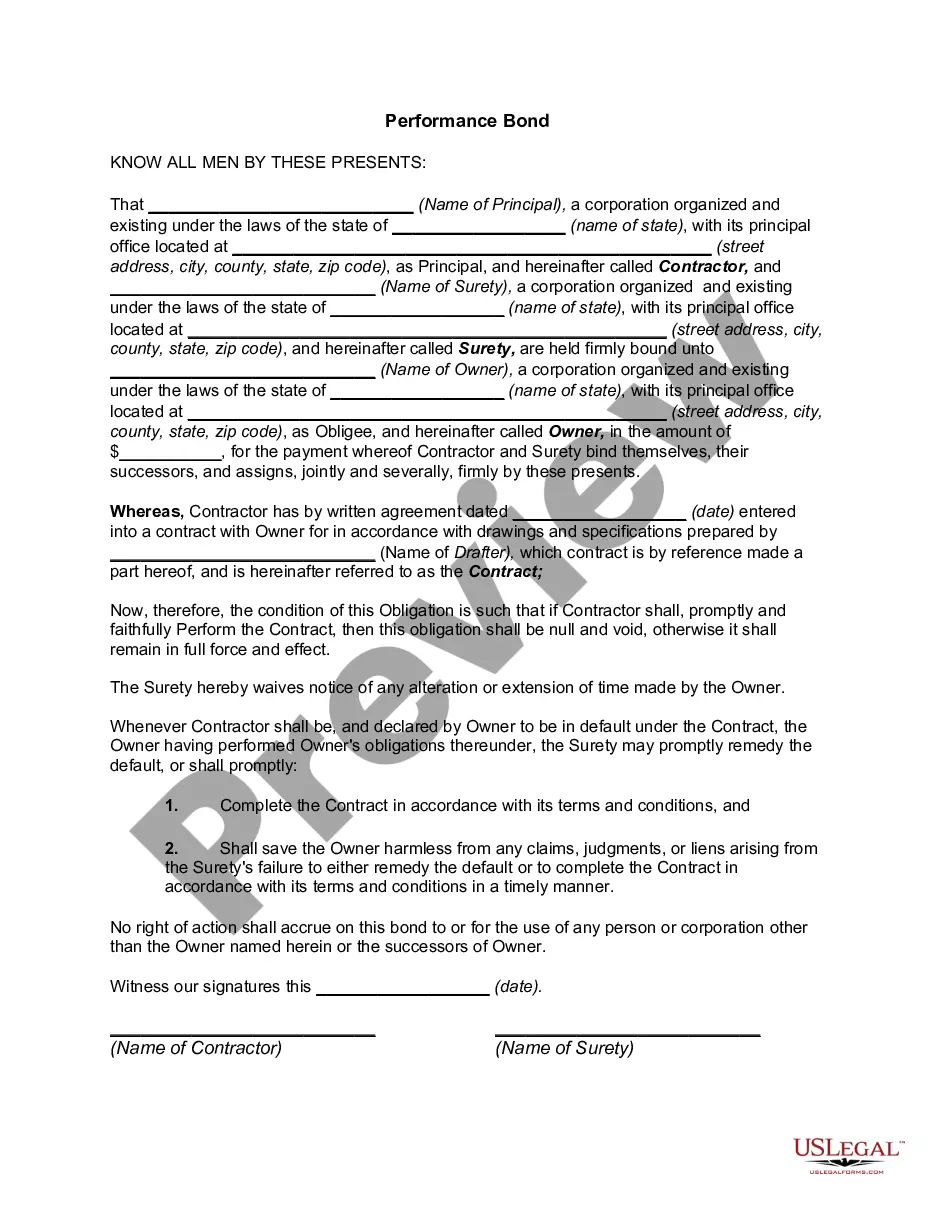
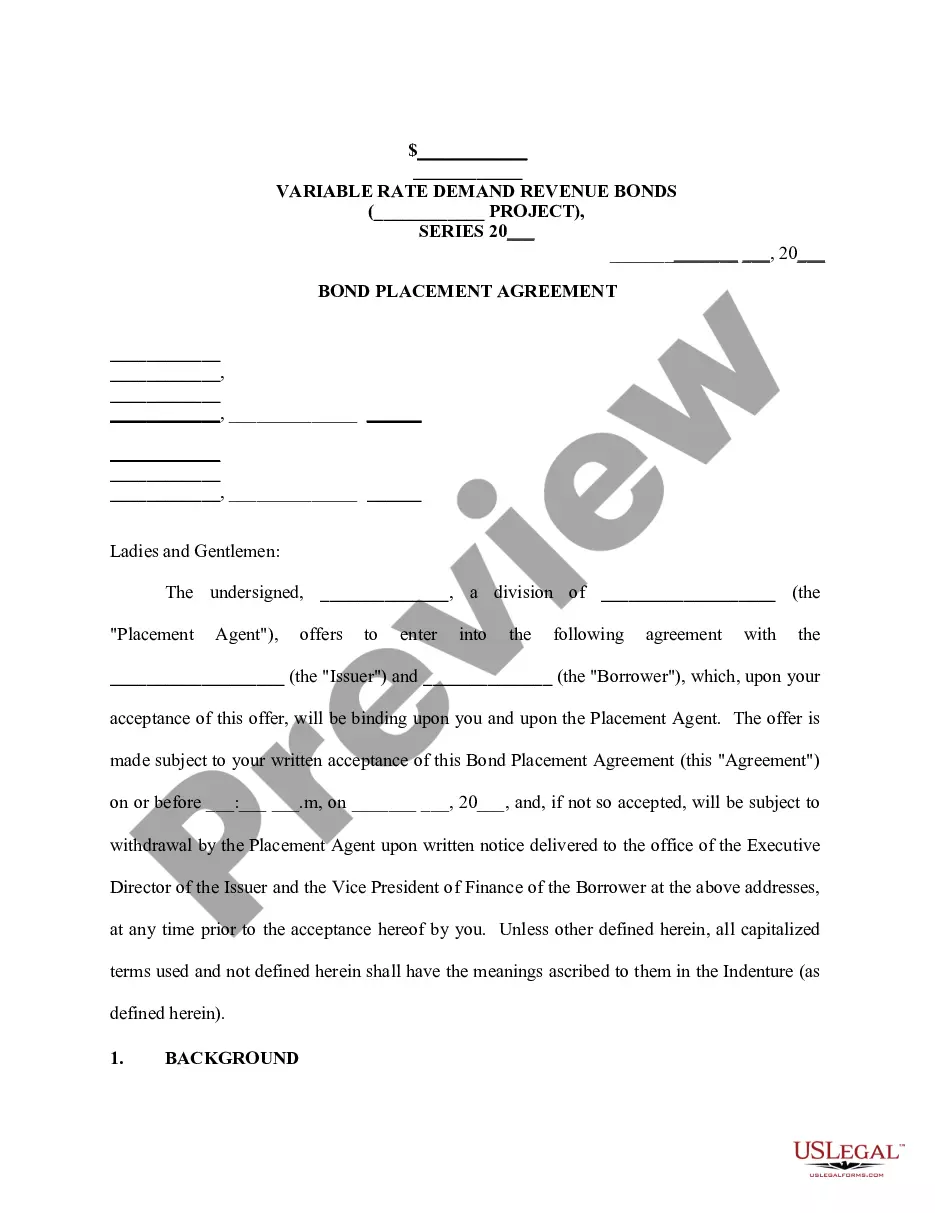
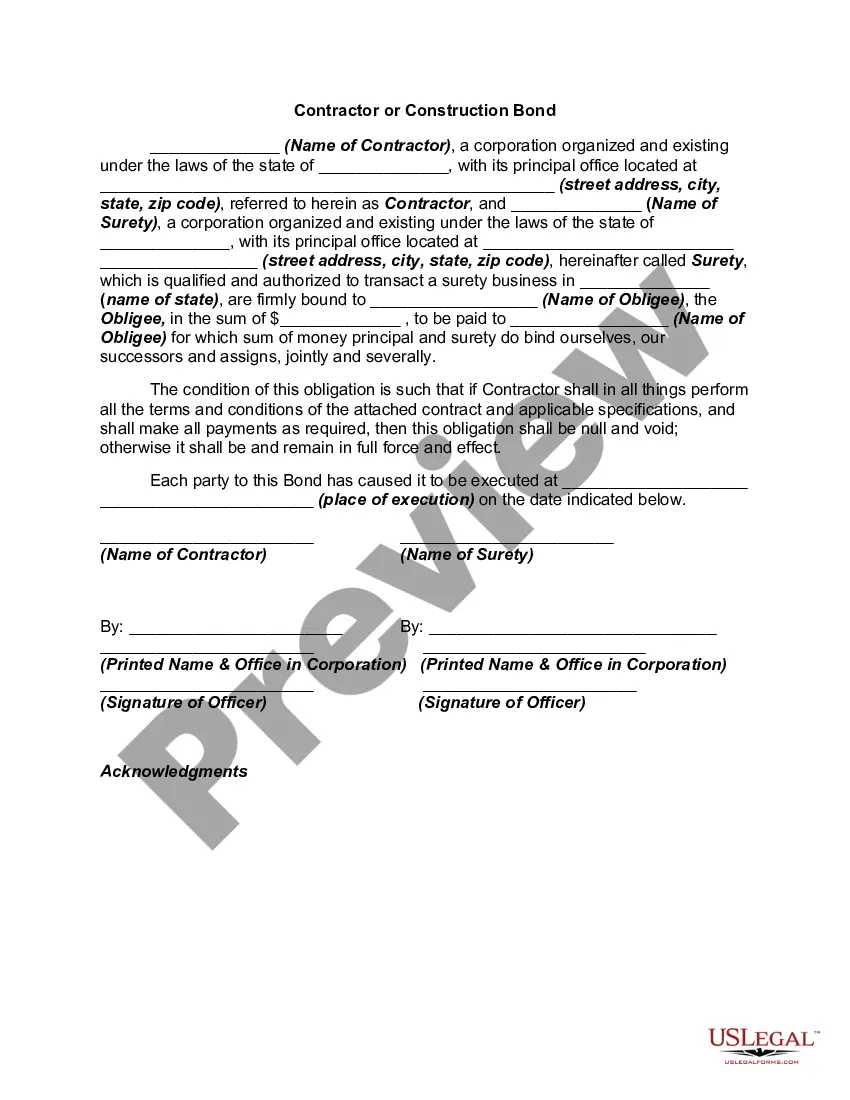
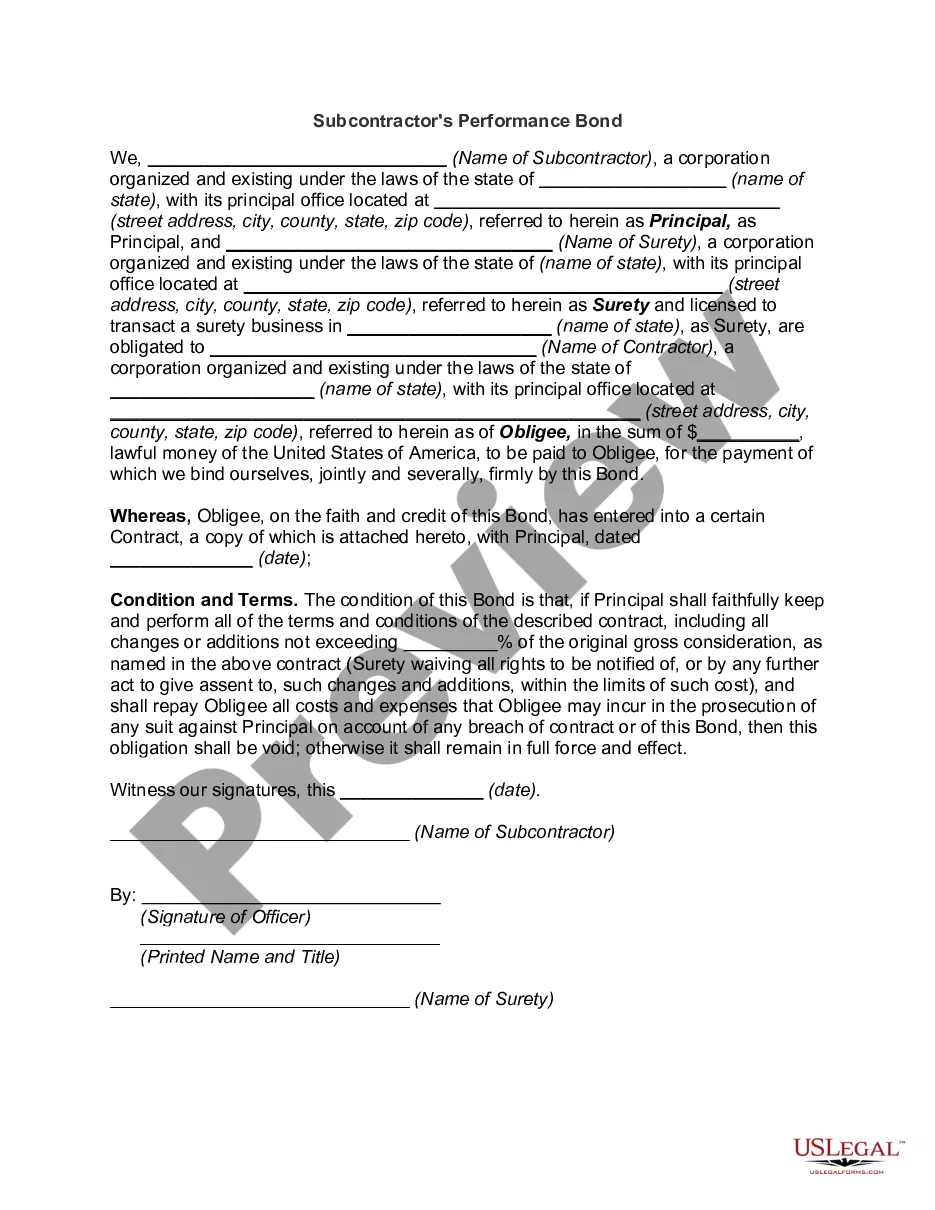
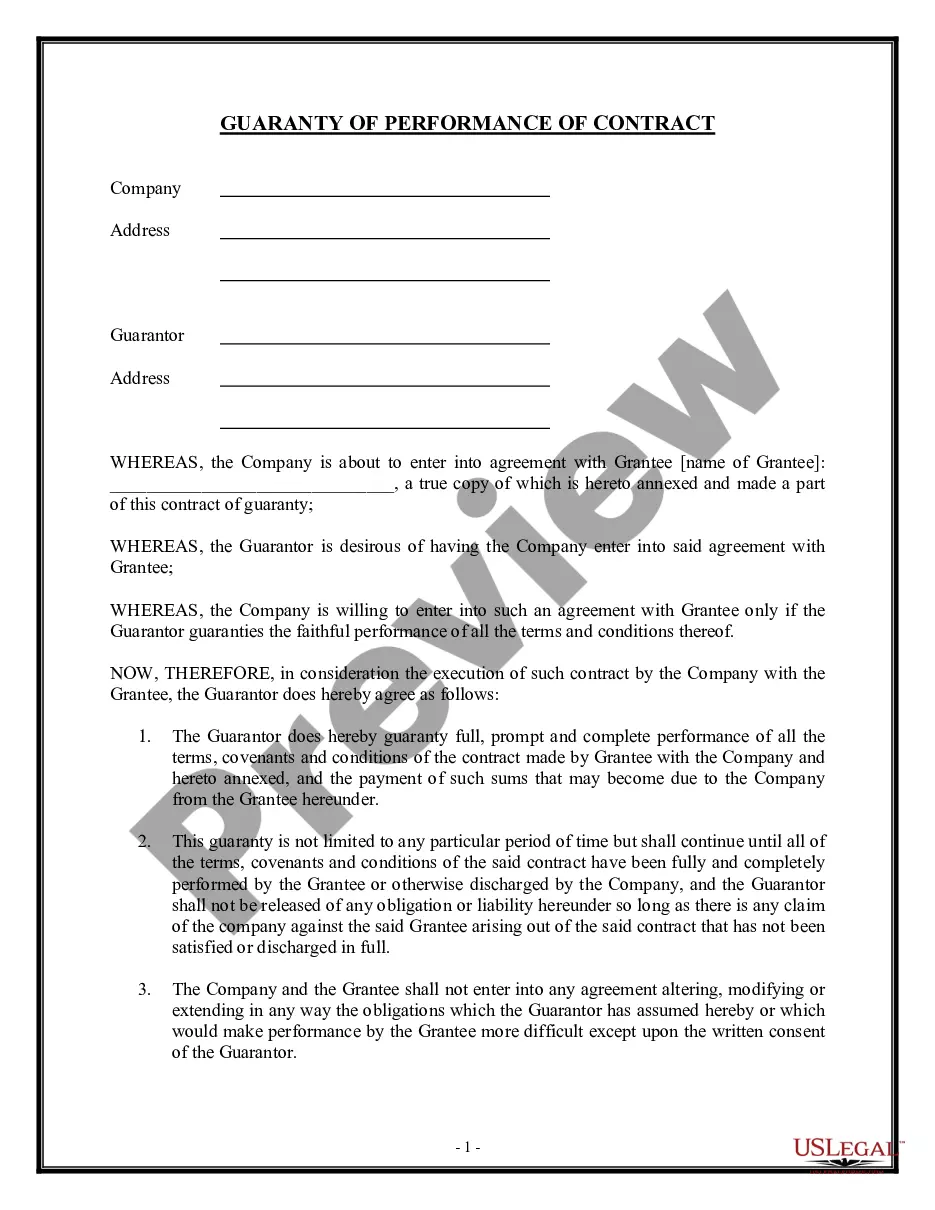
A performance bond, also known as a contract bond, is a surety bond issued by an insurance company or a bank to guarantee satisfactory completion of a project by a contractor.
If a contractor drops the ball, the project owner can call on the bond to seek compensation. It's a way to recover some losses and keep things moving forward. Nobody likes a project left hanging!
In general, performance bonds can’t just be canceled willy-nilly. If the contractor fulfills their obligations, the bond is released. But it shouldn't be taken lightly—cancellation usually has certain conditions.
Having a performance bond is like having an insurance policy. It builds trust with clients, shows that the contractor is serious about their work, and can lead to more business opportunities.
Think of a performance bond as a promise from the contractor to the project owner. If things go south, the bond kicks in to help cover the financial loss or finish the project.
Typically, contractors and subcontractors working on public projects need a performance bond. It's a way for project owners to ensure their investment is protected.
If a contractor defaults, the project owner can file a claim against the performance bond to seek payment for the losses incurred in finding a replacement contractor or finishing the work themselves.
Generally, performance bonds stay in place until the contract terms are fulfilled. However, they can be released after successful completion of the project or if both parties agree.