Memphis Tennessee Checklists - Worker's Compensation Claims
Category:
State:
Multi-State
City:
Memphis
Control #:
US-04076BG
Format:
Word;
Rich Text
Instant download
Description
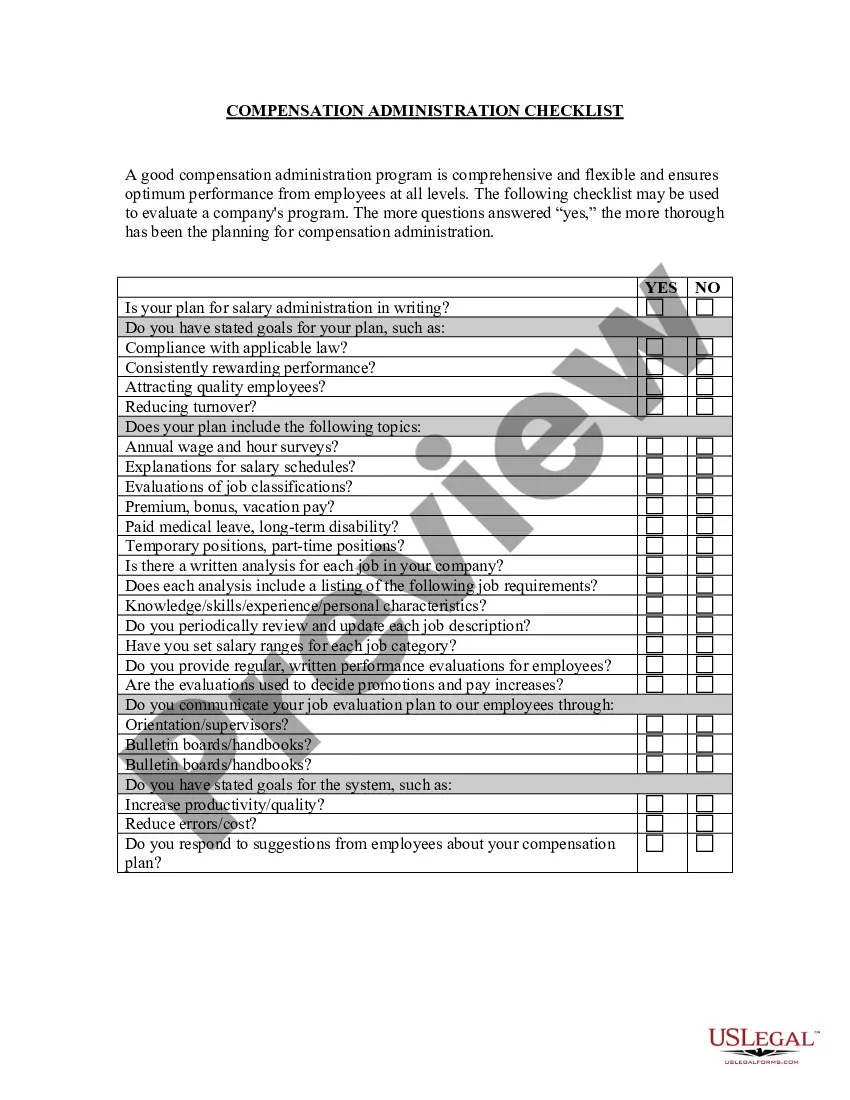
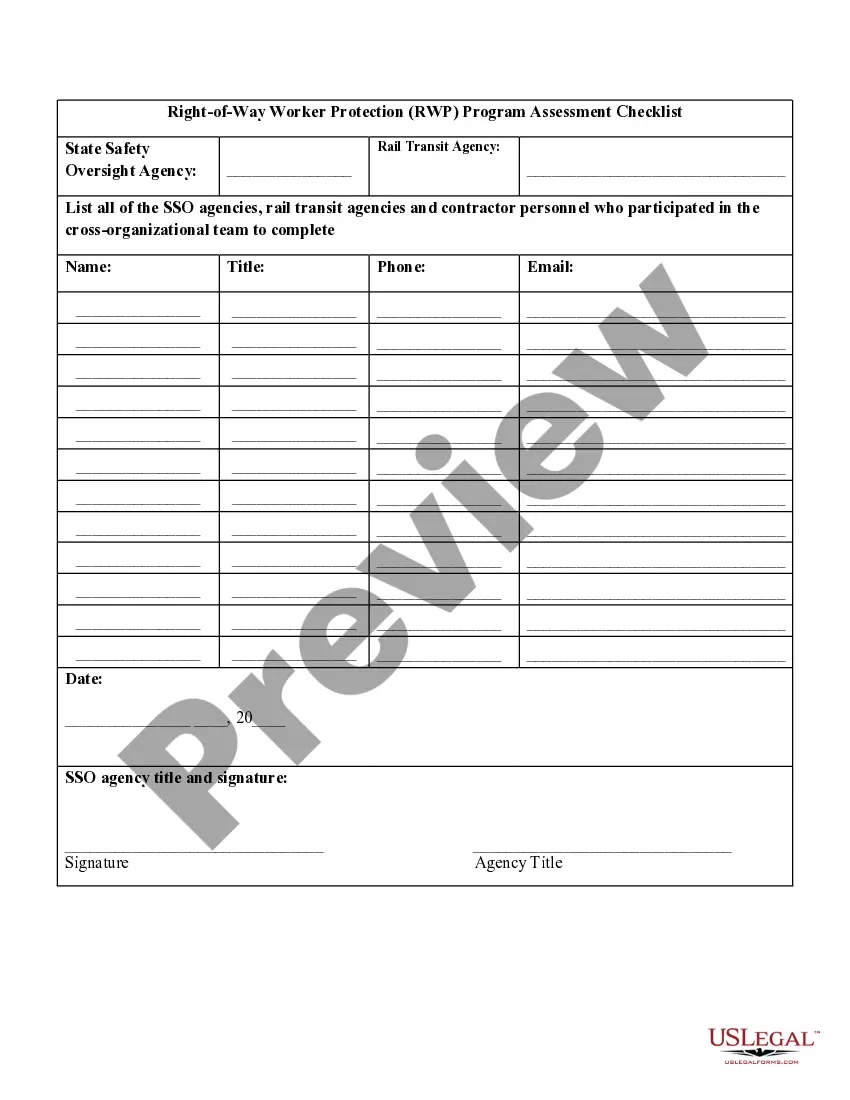
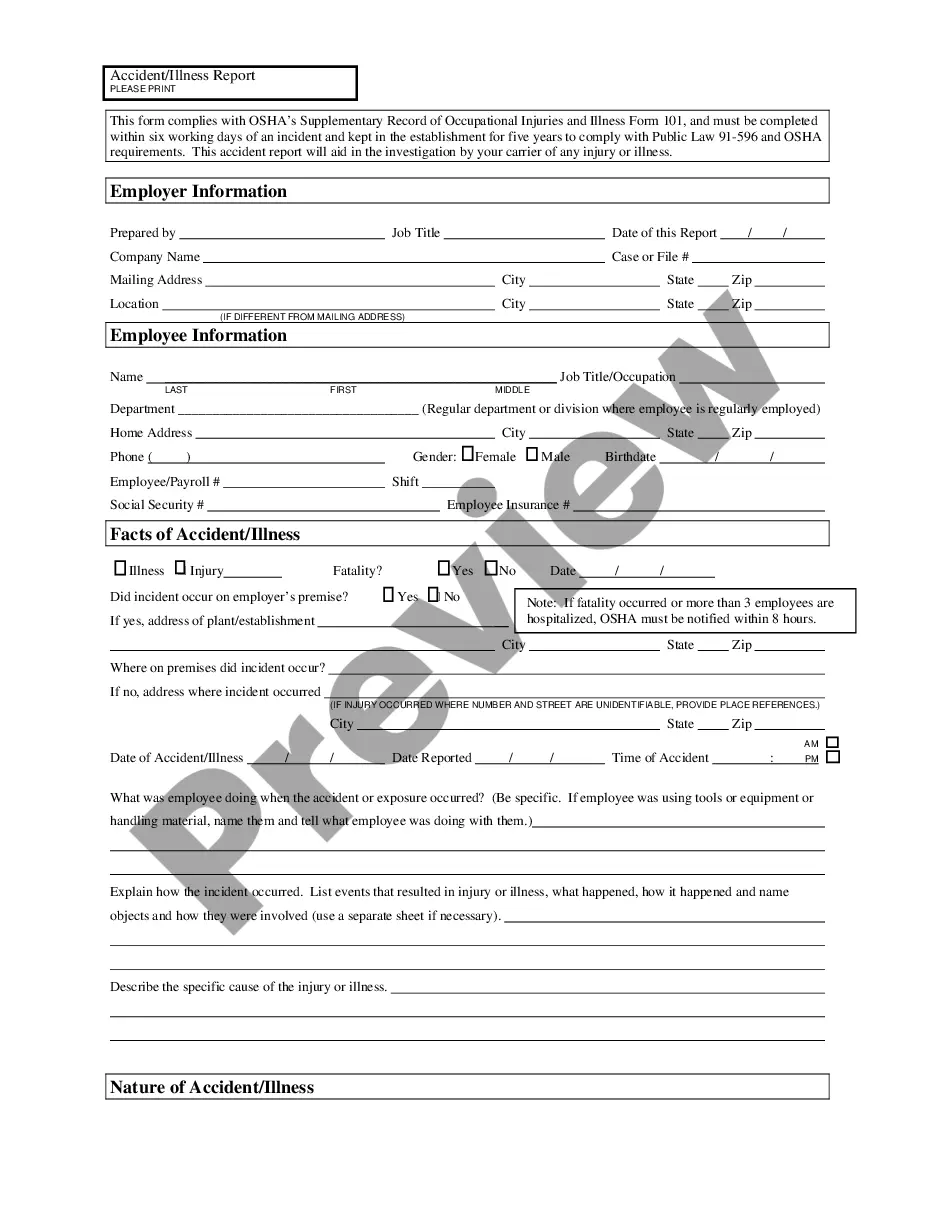
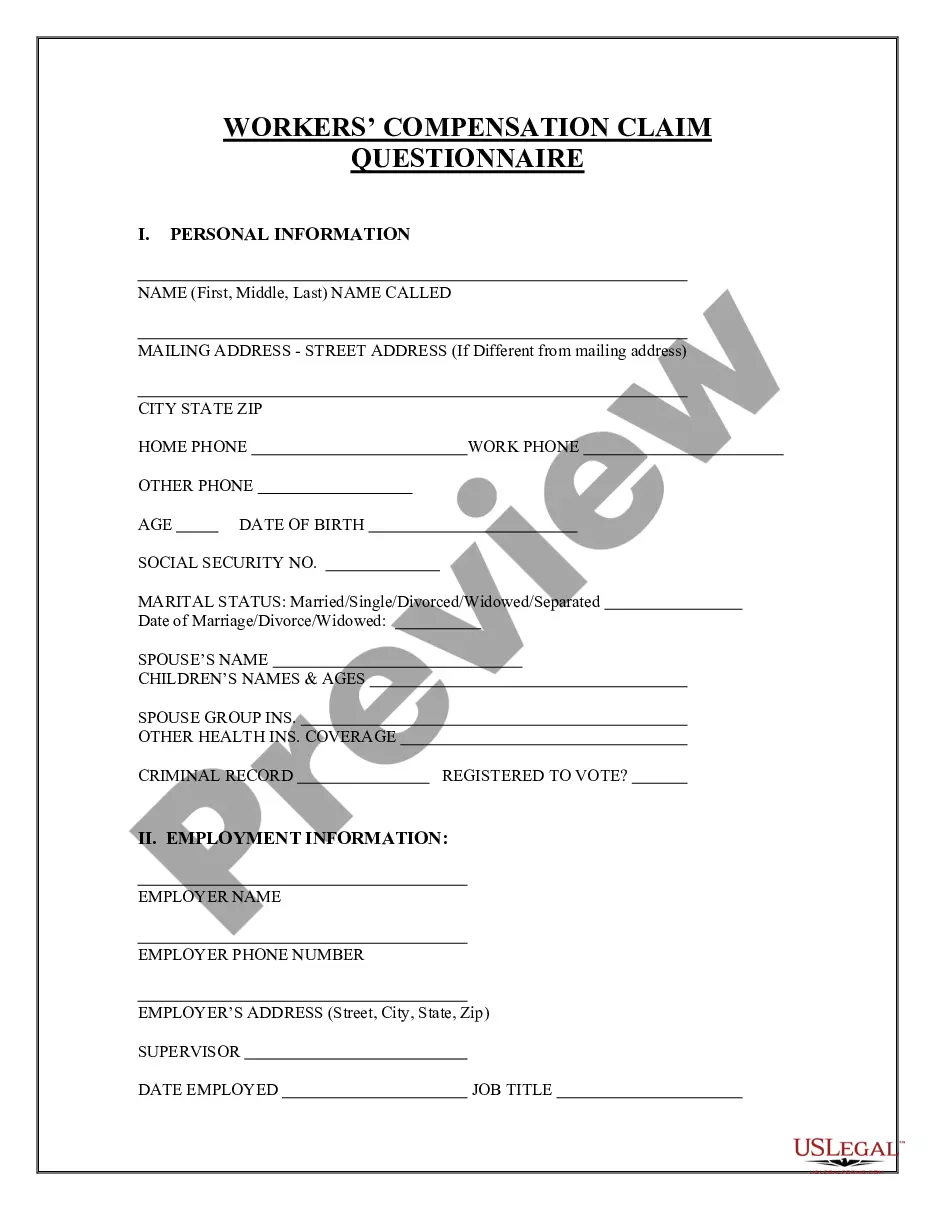
Workers' Compensation Laws are laws passed by state legislatures that compensate employees for work-related injuries or illnesses. Any employee injured on the job within the scope of his employment is entitled to workers' compensation benefits. This is true even if the employee was injured because of his own negligence or for failure to follow the instructions of his employer. Self inflicted injuries are not covered. Benefits include medical expenses, lost wages, and death benefits. Most employers have insurance to cover these benefits. If they don't have insurance, they still have to pay benefits.