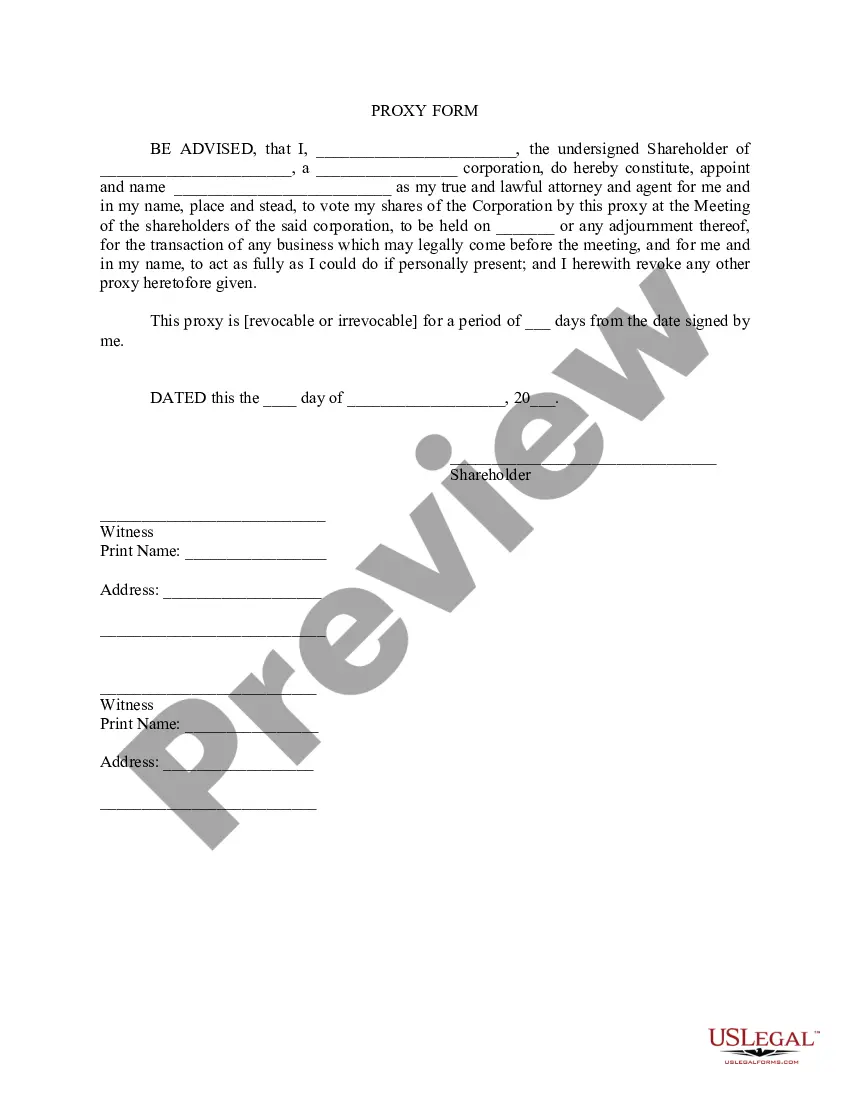
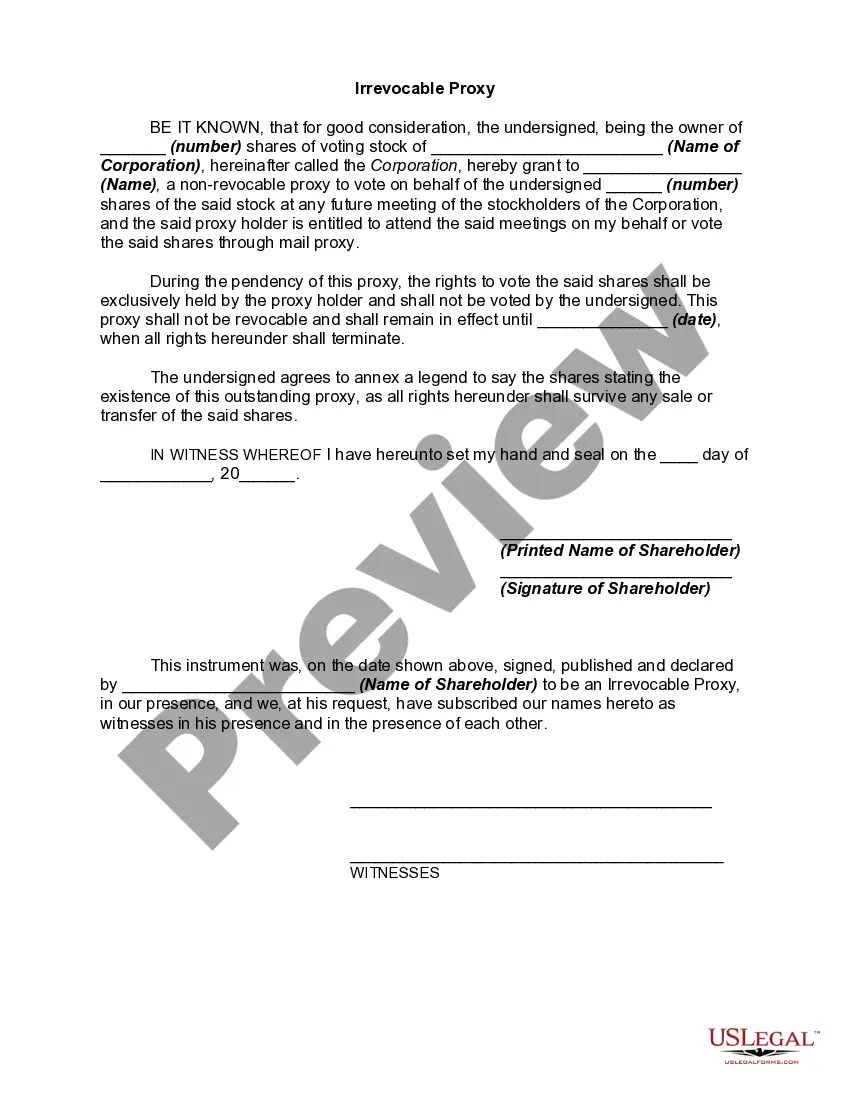
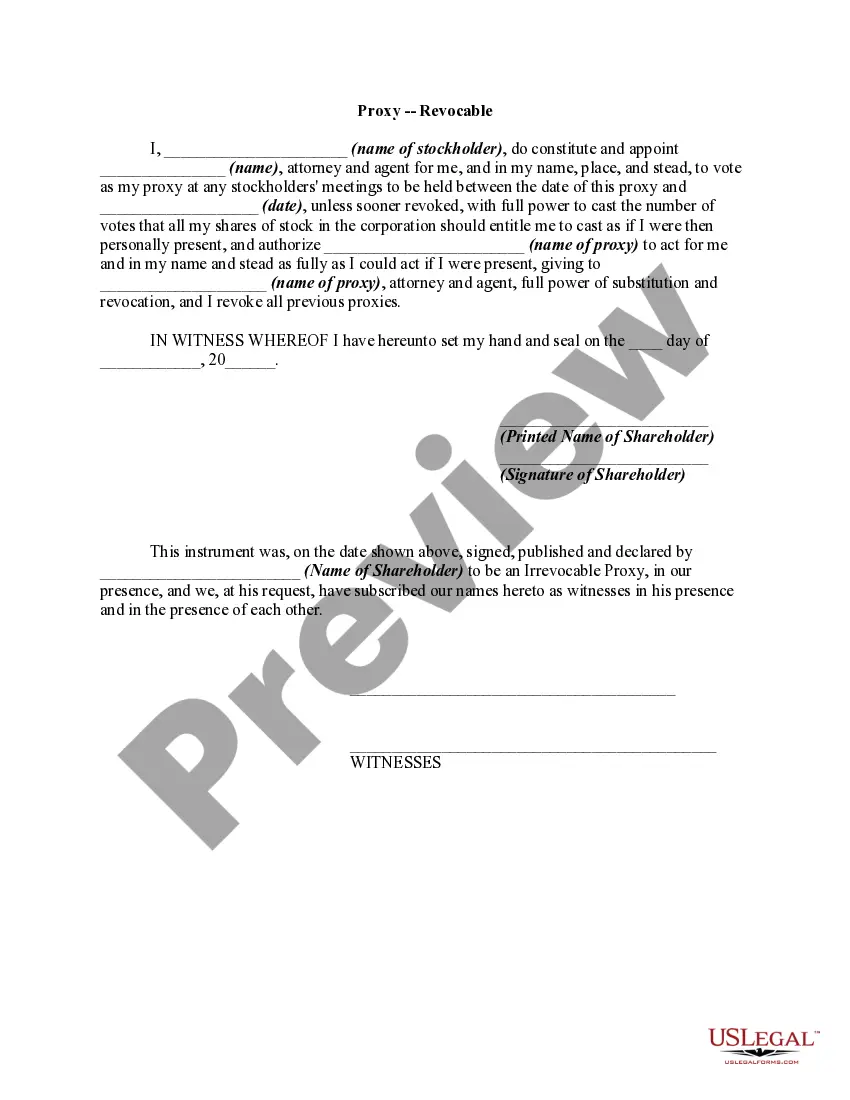
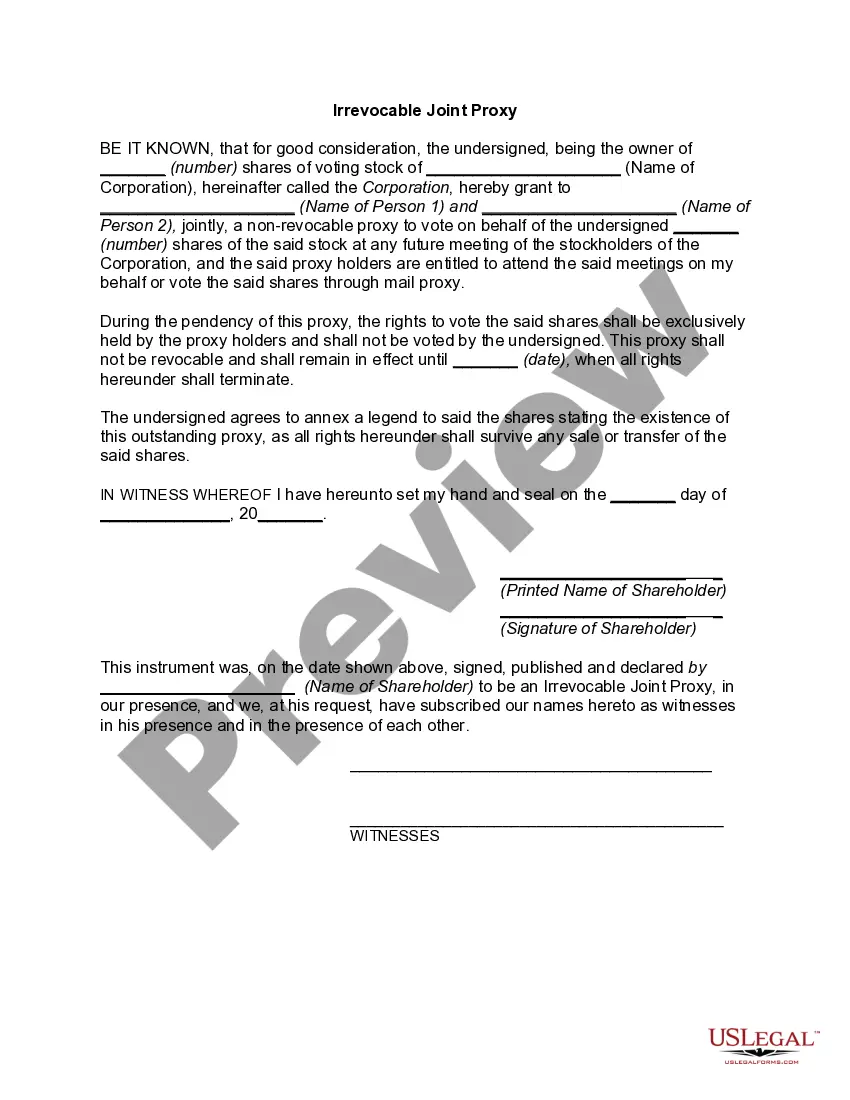
Proxy voting refers to the procedure of delegating the right to vote by one person to another. In proxy voting in the absence of a person his/her vote will be secured by some other person. A person so designated to cast the vote of another is called a "proxy" and the person who delegates the power is called a principal. A voter must have a trust in the proxy. Any person including the official of the chosen party can be appointed as the proxy.
A proxy can also be revoked unless the terms of the proxy say otherwise.
Once you revoke a proxy, they generally can't challenge it unless there are special circumstances. It's like removing a player from the team; they can't just jump back in without permission!
After revoking a proxy, the person you revoked can no longer make decisions for you. You’re back in the driver’s seat, making your own choices again.
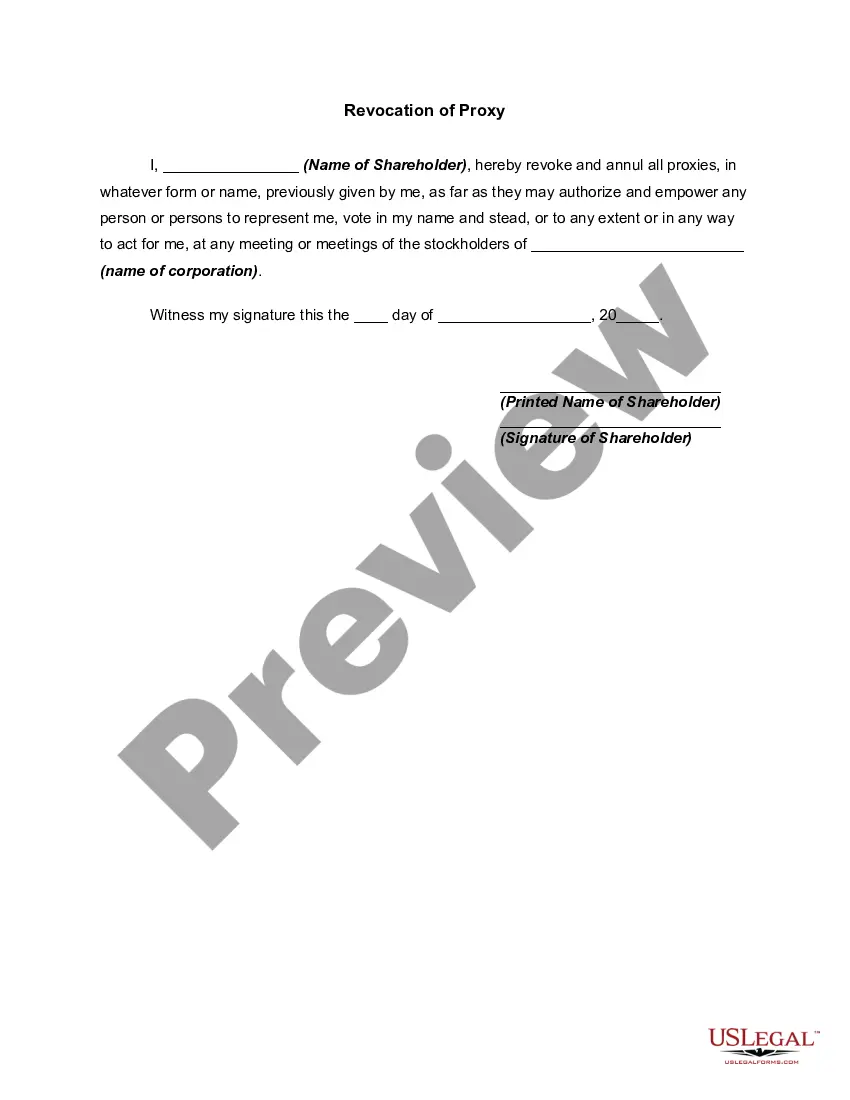
In Memphis, there’s no one-size-fits-all form, but it’s a good idea to write a clear letter stating you revoking the proxy. Like crafting a breakup letter, clarity is key!
While you don't necessarily need a lawyer, getting one might help ensure you dot your i's and cross your t's. It’s always wise to have a professional in your corner for peace of mind.
To revoke a proxy, you'll typically need to notify the proxy holder and, depending on the situation, file a notice with the appropriate authorities. It's like sending a text to say, 'Forget what I said before!'
People may want to revoke a proxy if they no longer trust the person, if their situation has changed, or if they want to take control back themselves. Just like changing a game plan when things aren't going right!
Revoking a proxy simply means you're taking back the authority you previously gave someone to act on your behalf. It's like telling your friend to stop using your credit card.