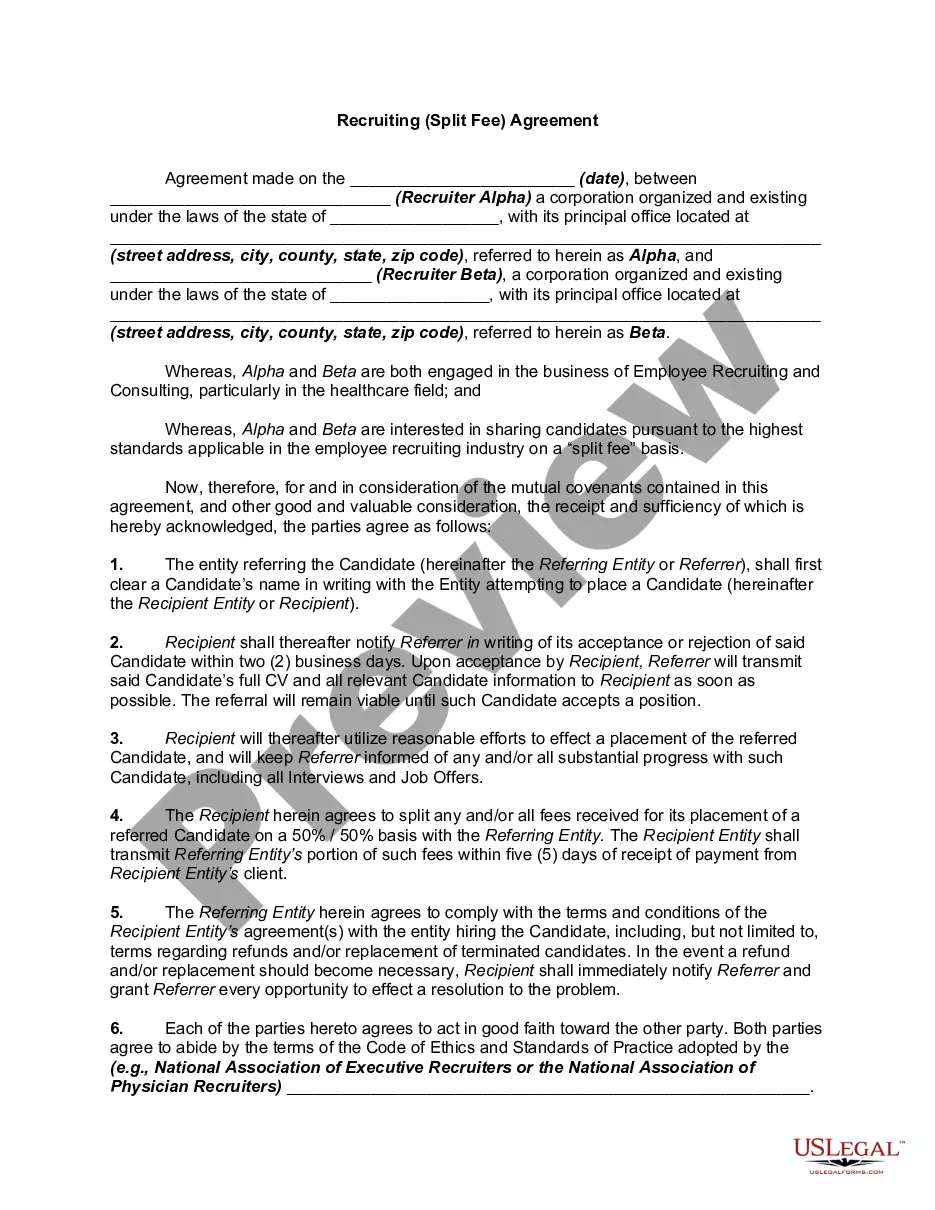
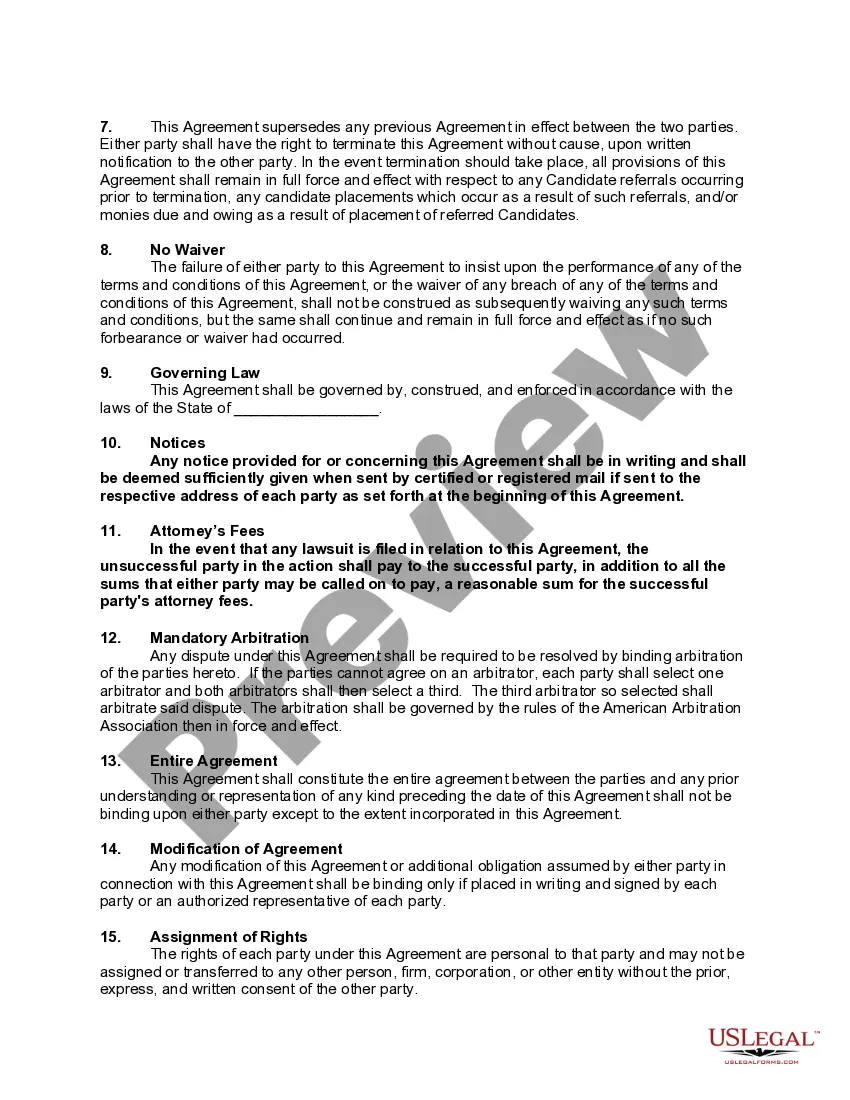
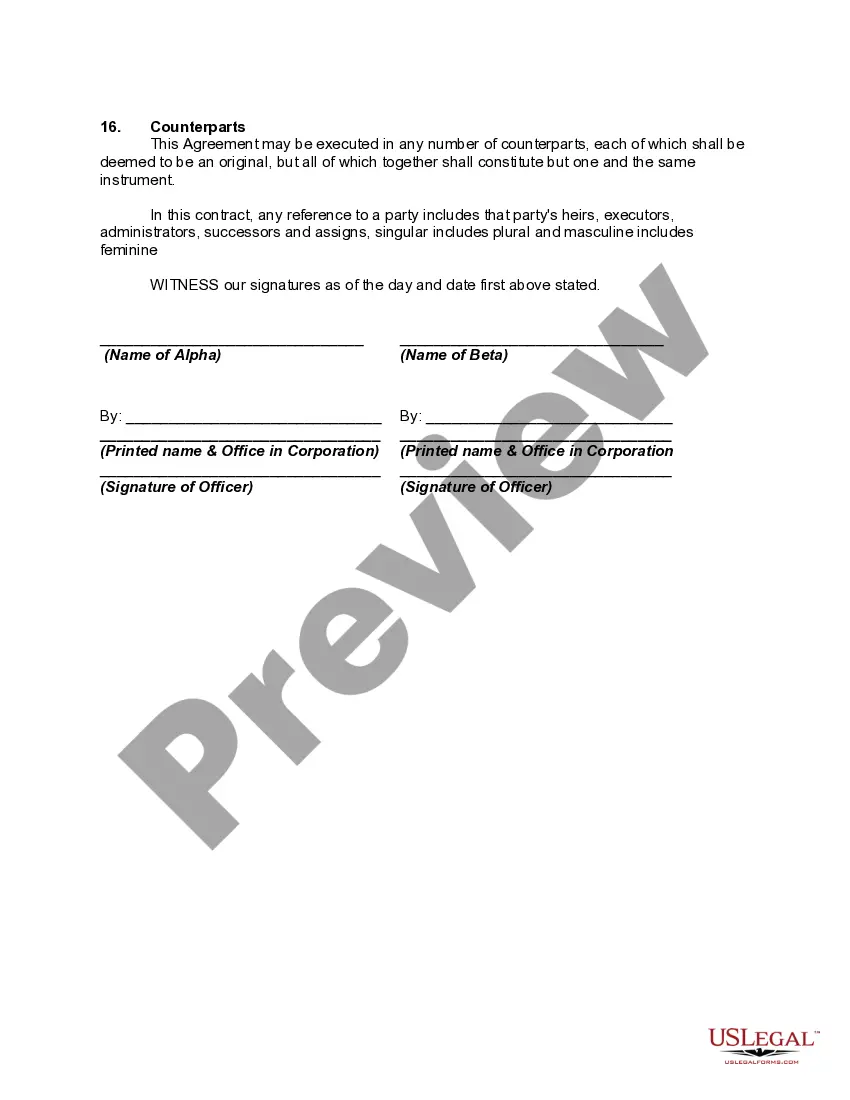
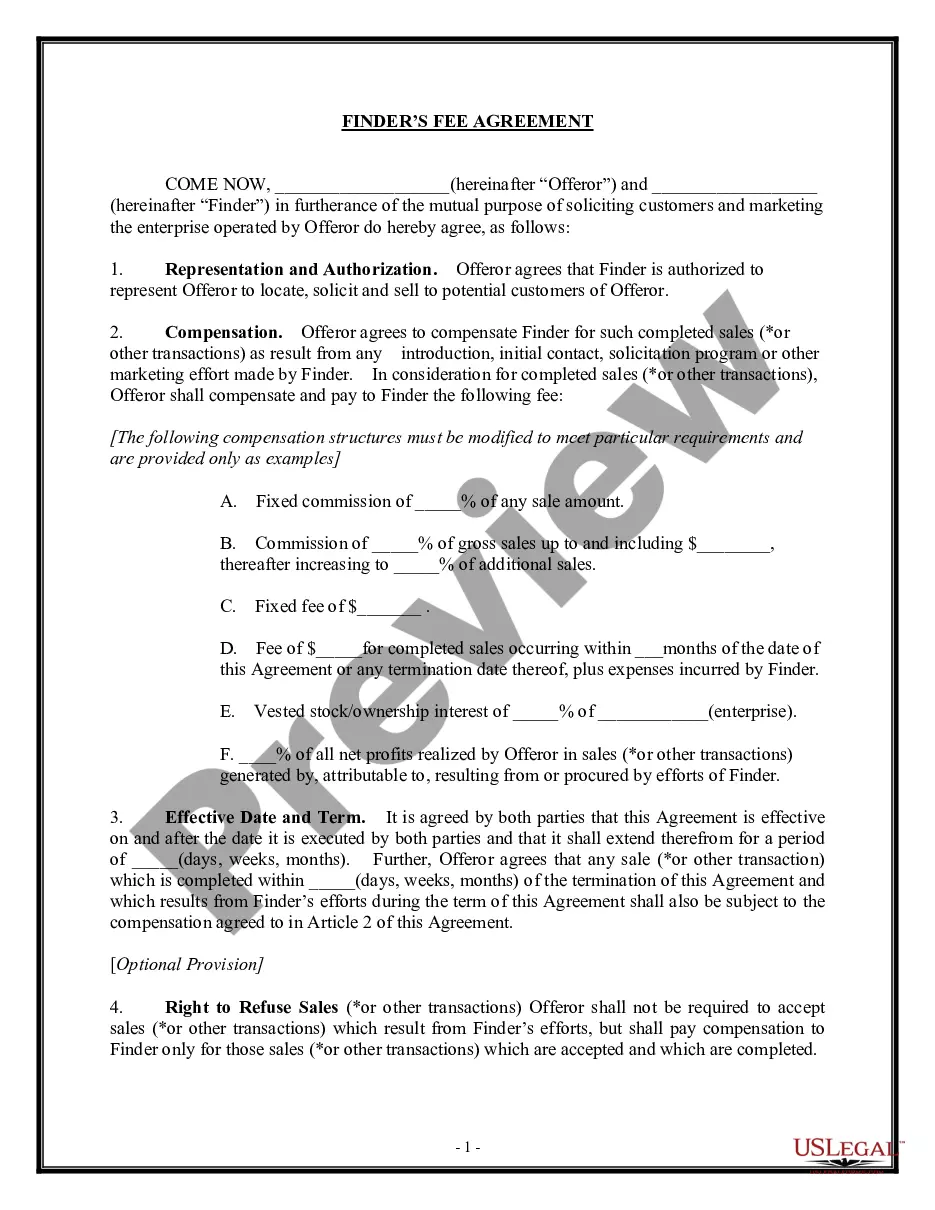
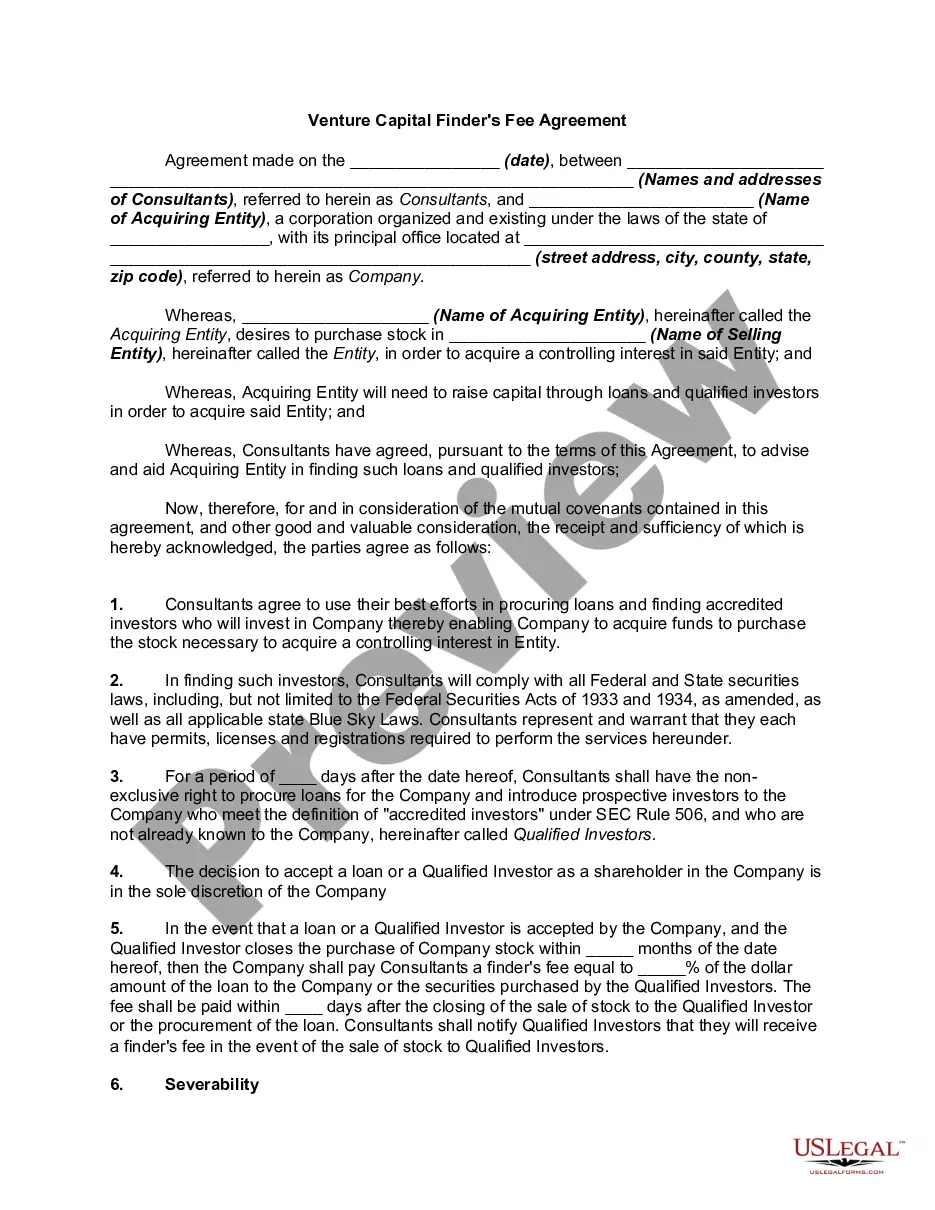
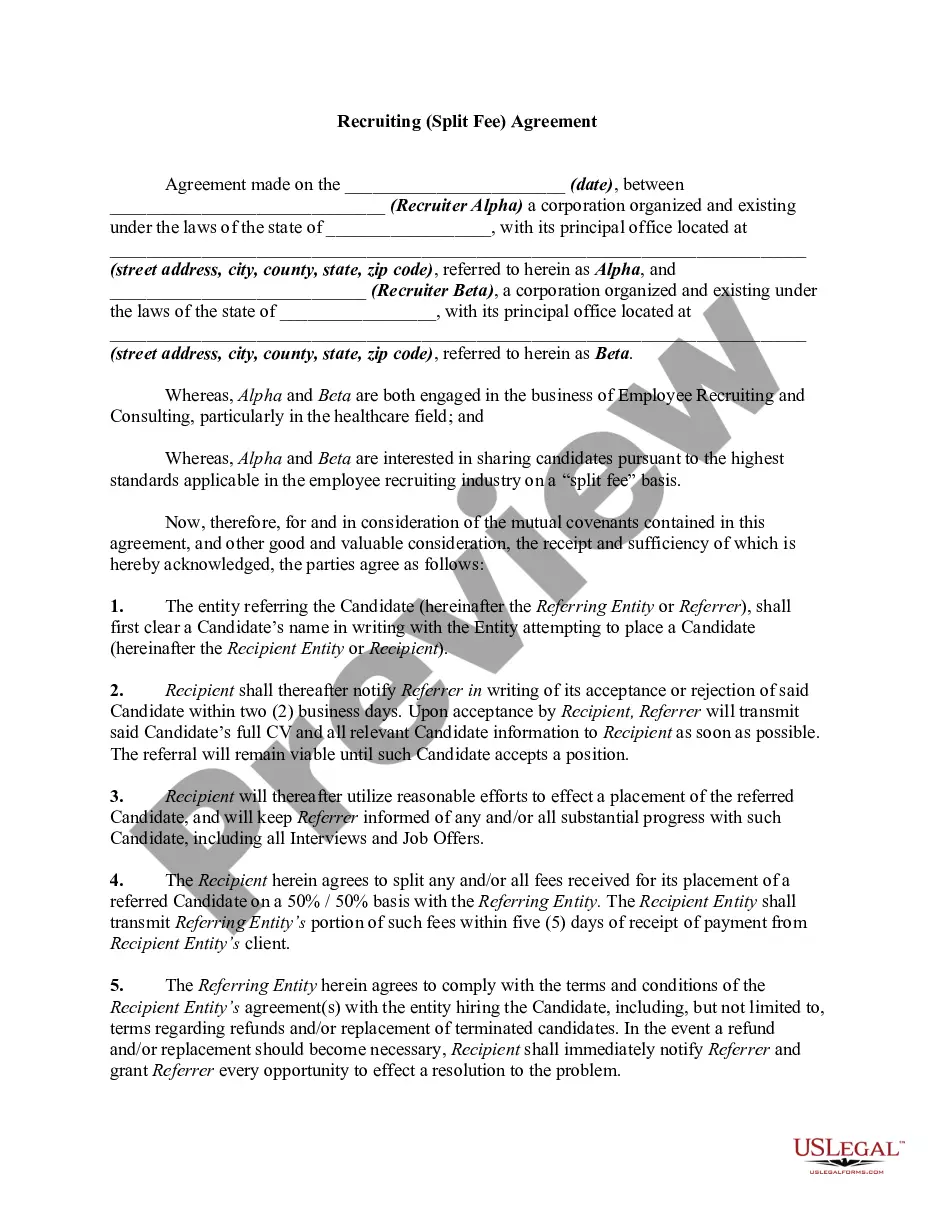
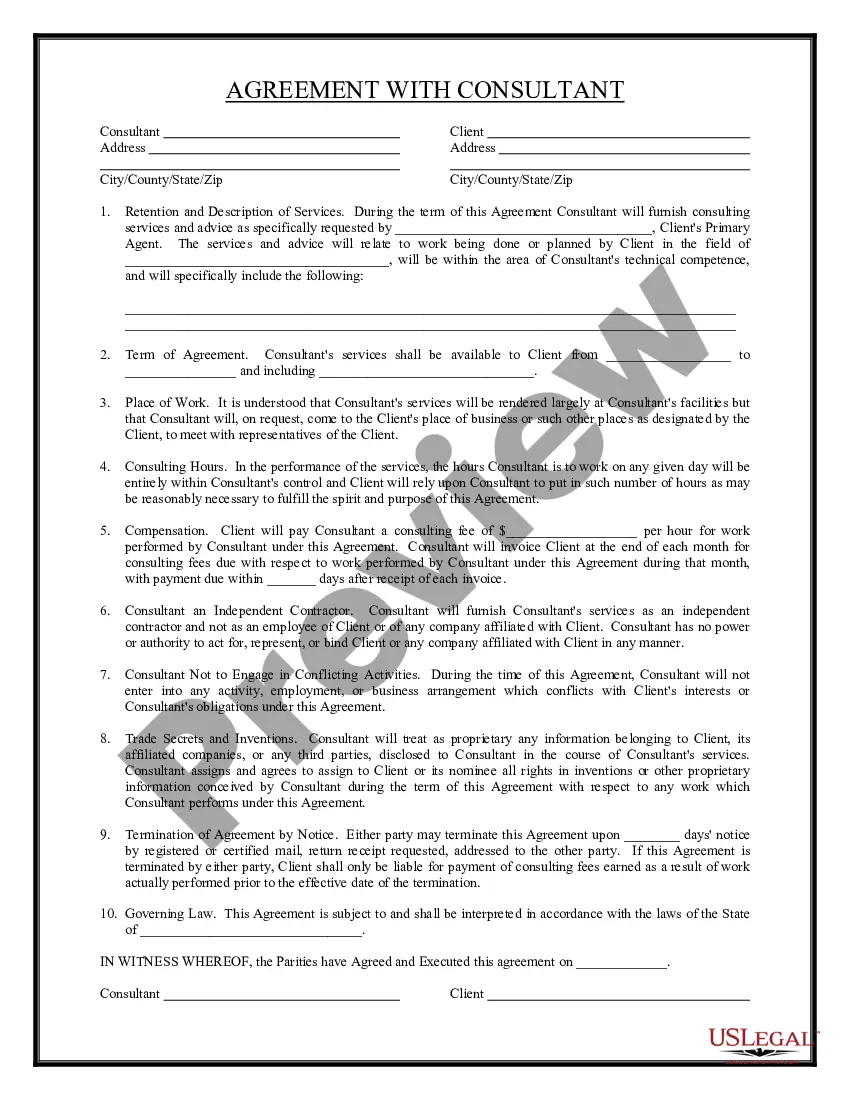
Shared placement or Split Fee agreements allow one recruiter to match their job orders with another recruiter's candidate in an attempt to make a shared placement with the placement fee money being split between the two recruiters. This form is a generic example that may be referred to when preparing such a form for your particular state. It is for illustrative purposes only. Local laws should be consulted to determine any specific requirements for such a form in a particular jurisdiction.
Pittsburgh Pennsylvania Recruiting - Split Fee - Agreement
Category:
State:
Multi-State
City:
Pittsburgh
Control #:
US-01763BG
Format:
Word;
Rich Text
Instant download
Description
Free preview






Form popularity
FAQ
In Pittsburgh Pennsylvania recruiting, a typical recruiter fee generally ranges from 15% to 25% of the candidate's first-year salary. Factors influencing this fee include the level of the position being filled and the specific services provided by the recruiter. Understanding these fees is crucial for companies looking to budget for recruitment costs effectively. To simplify this process, uslegalforms offers documentation and templates to help clarify recruitment agreements and associated fees.
A split fee agreement is a contract between two recruitment agencies or recruiters that allows them to share the fees from a successful placement. In the context of Pittsburgh Pennsylvania recruiting, this arrangement can enhance collaboration and expand access to a broader talent pool. This type of agreement is beneficial for both parties, as it allows them to leverage each other’s networks and resources. Overall, a well-structured split fee agreement can lead to more successful placements and satisfied clients.
In the realm of Pittsburgh Pennsylvania Recruiting - Split Fee - Agreements, a typical recruiter fee ranges from 15% to 25% of the candidate's first-year salary. This fee structure reflects the recruiter’s expertise, time invested, and resources utilized in finding the right candidate. It's important to consider that while the fee may seem substantial, it often leads to better hires and reduced turnover costs for businesses.
The recruitment fee clause in a Pittsburgh Pennsylvania Recruiting - Split Fee - Agreement outlines the financial responsibilities of each party involved in the hiring process. This clause specifies the percentage of the placement fee that each recruiter receives, ensuring a fair distribution of earnings. Understanding this clause is crucial for both employers and recruiters to avoid disputes and promote transparency throughout the recruitment process.
It's THE Sports City ? Aptly named the City of Champions, Pittsburgh is home to three widely-known professional sports teams ? the Steelers, Penguins and Pirates ? each with its own dynamic history of world championships, incredible moments and hall of fame players.
First settled in the mid-18th century, Pittsburgh has a wealth of historical sights, from historic forts to exquisitely decorated churches. Its prominent industrial history has left it with elegant beaux-arts buildings, soaring skyscrapers, and 446 bridges, as well as the nickname "Steel City".
Easily navigable waterways with an abundance of natural resources, (coal, timber, natural gas, iron and limestone) helped Pittsburgh become the industrial center for a growing nation. Most people recognize one thing about Pittsburgh's history, that it was known as an industrial hub for coal mining and steel production.
Pittsburgh is a hub for technology, manufacturing, life sciences & health and education.
Pittsburgh is a convenient, affordable place to live and work?with a cost of living 7% lower than the national average, a reasonable median home price of $259,900, and median monthly rent of $1,427. The city also has a range of top-notch companies in the education, technology, healthcare, and steel industries.
Heinz Ketchup This iconic, world-renowned condiment was created in Pittsburgh in 1857. Heinz ramped up production of the tomato ketchup during the 20th century. As of today, the ketchup is no longer produced in the city, but it is still a popular condiment at local restaurants and residents' homes.