Tucson Arizona Conditional Sales Contract
Description
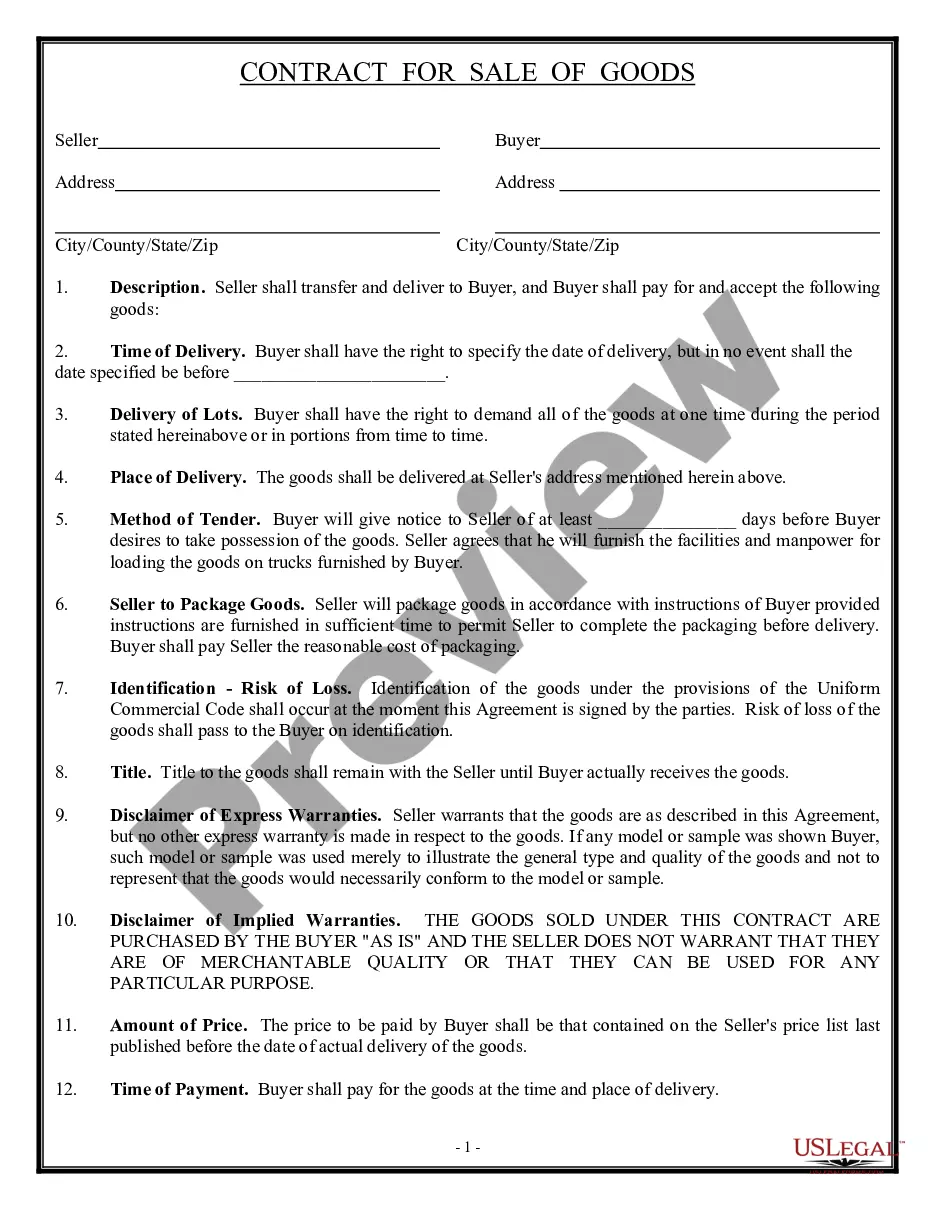
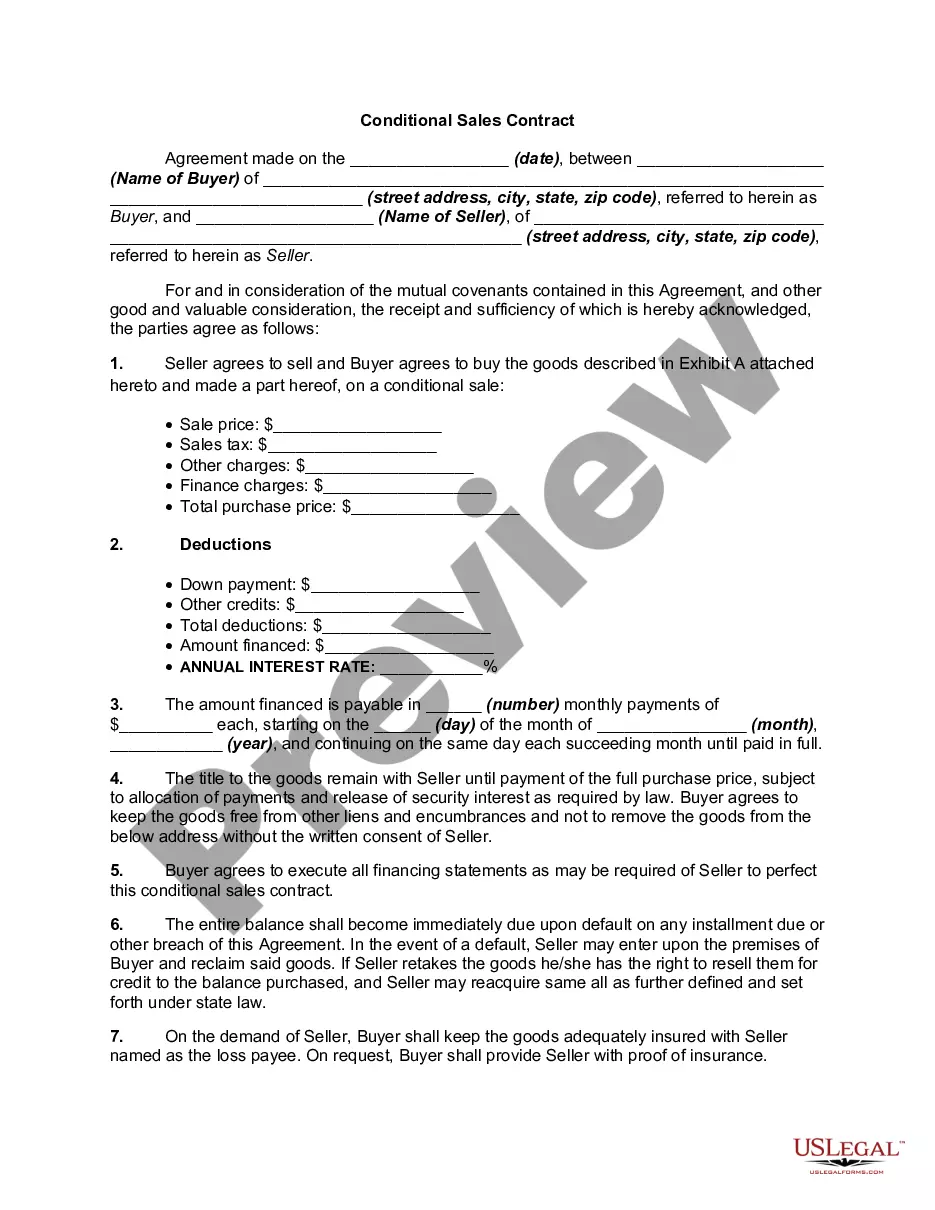
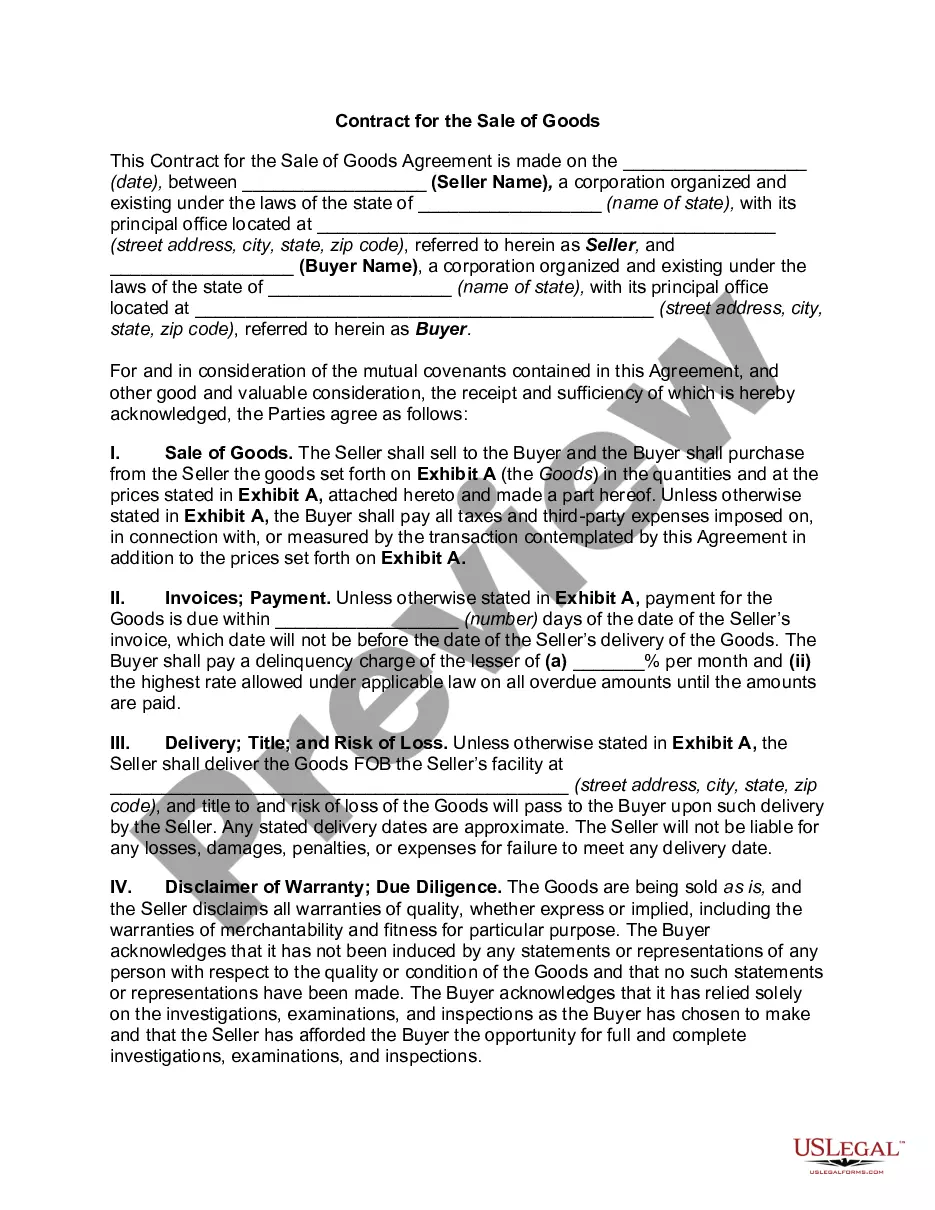
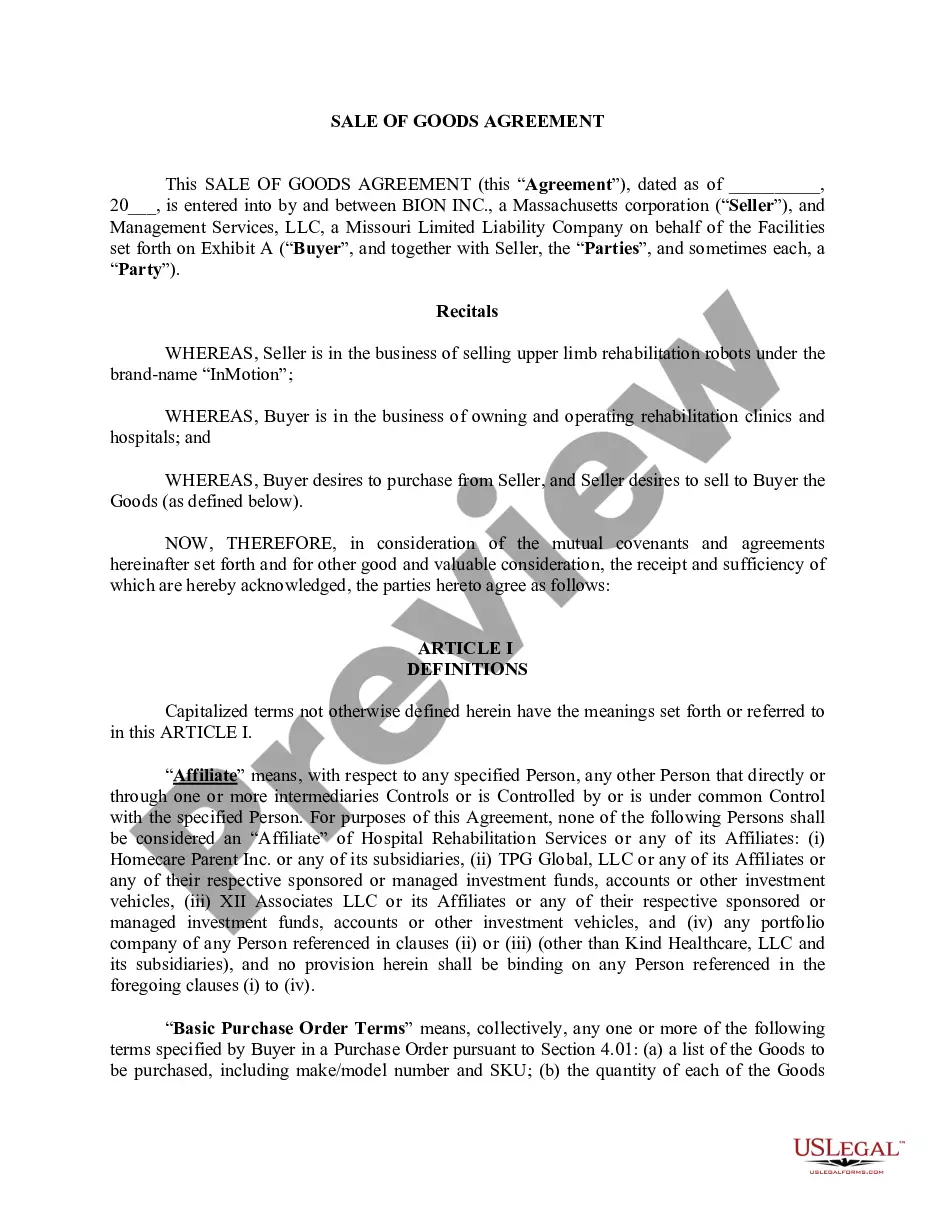
Form popularity
FAQ
In Arizona, a notarized bill of sale is not mandatory for all transactions, but it can be beneficial. When completing a Tucson Arizona Conditional Sales Contract, ensuring proper documentation helps protect both the buyer and the seller. Although it may not be required, having a notarized bill of sale can provide added security and verification of the agreement. Consider consulting with uslegalforms for templates and guidance to create your conditional sales documents correctly.
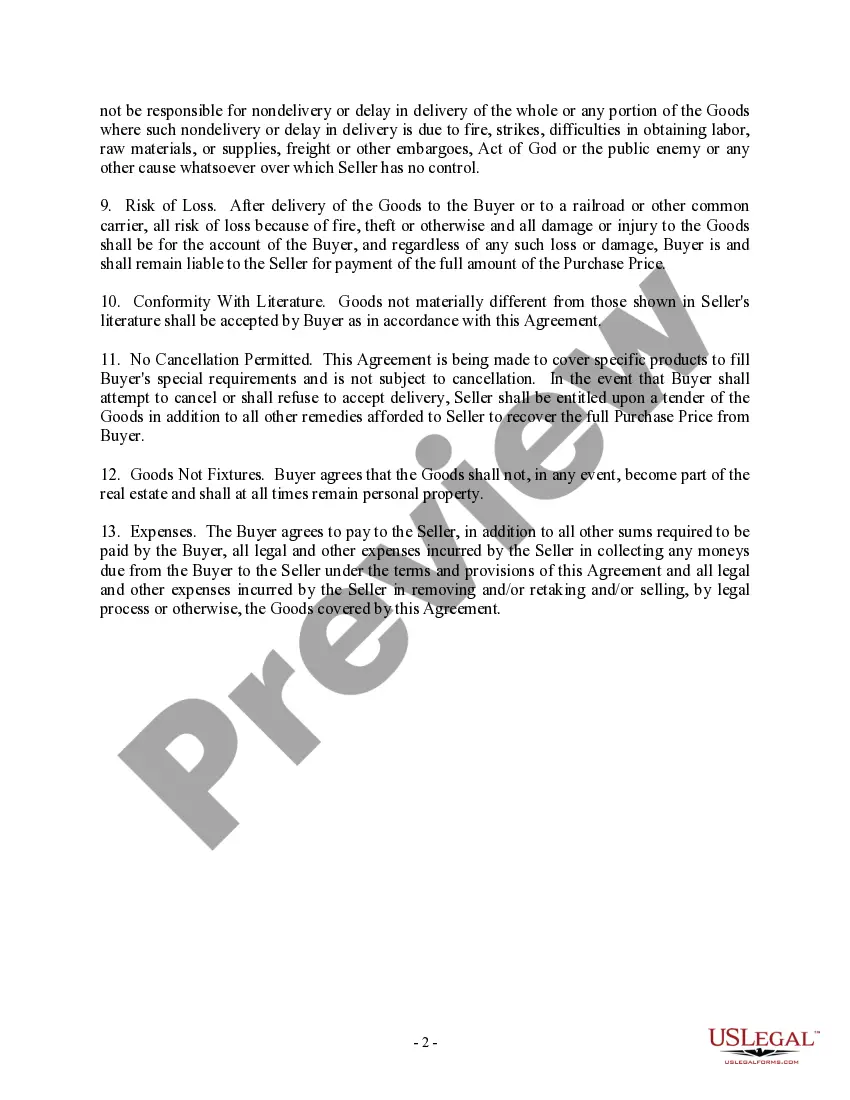
A common example of a conditional contract is the Tucson Arizona Conditional Sales Contract for vehicles or property. In this contract, ownership of the item transfers to the buyer only after they fulfill specific conditions, such as making all payments. This arrangement protects sellers and buyers by ensuring that the seller retains some control until the terms are met. The Tucson Arizona Conditional Sales Contract helps both parties understand their responsibilities clearly.
In Arizona, canceling a Tucson Arizona Conditional Sales Contract after signing may be possible, depending on the terms outlined in the agreement. Many contracts include specific clauses concerning cancellation rights. However, if no such provisions exist, you may face challenges when attempting to cancel. Consulting a legal expert or utilizing resources from US Legal Forms can help you navigate this situation effectively.
When it comes to a Tucson Arizona Conditional Sales Contract, buyers generally can back out if specific conditions are not met. For instance, if the contract includes contingencies related to financing or inspections, failure to meet these conditions allows buyers to withdraw. It is vital to review the terms carefully, as backing out may also involve penalties. If you need further guidance, consider exploring resources on the US Legal Forms platform.
Conditional contracts, such as the Tucson Arizona Conditional Sales Contract, are agreements that depend on specific conditions being met. These conditions could range from obtaining financing to passing an inspection. If the specified conditions are not fulfilled, the contract may become void or renegotiated. Understanding these contracts is essential, and resources like US Legal Forms can provide valuable insights to navigate your agreements.
A conditional sale contract is a legal agreement that allows a buyer to take possession of an item or property, while the seller retains ownership until certain conditions are fulfilled. This contract provides a structured payment plan and detailed terms, making it a smart choice for buyers in Tucson, Arizona. Utilizing clear language and stipulating all parties’ obligations helps prevent misunderstandings during the transaction.
Yes, you can draft your own land contract, but it is crucial to ensure it meets all legal requirements in Arizona. Using a template from a trustworthy source like US Legal Forms can simplify this process and ensure compliance. A Tucson Arizona Conditional Sales Contract should cover essential details such as payment terms, property description, and any contingencies.
A conditional sales contract is a type of agreement where ownership of an asset is transferred conditionally, based on the fulfillment of agreed terms. Commonly used in real estate and vehicle sales, this contract enables the buyer to use the asset while making payments. In Tucson Arizona, these contracts provide a flexible financing option that benefits both sellers and buyers.
Yes, a buyer may have the option to pull out of a conditional contract if specific provisions within the agreement allow for cancellation. However, pulling out may come with consequences, such as forfeiting any deposits or facing legal action. It’s essential to review the Tucson Arizona Conditional Sales Contract carefully, as it outlines the conditions and penalties involved in withdrawing.
In Arizona, a contract becomes legally binding when it includes an offer, acceptance, consideration, and the intent to create legal obligations. For a Tucson Arizona Conditional Sales Contract, both parties must have the legal capacity to enter the agreement and must agree on the essential terms. Additionally, written contracts are often preferable, as they provide clear evidence of the agreement.