Nassau New York Revocable Trust for Property
Description
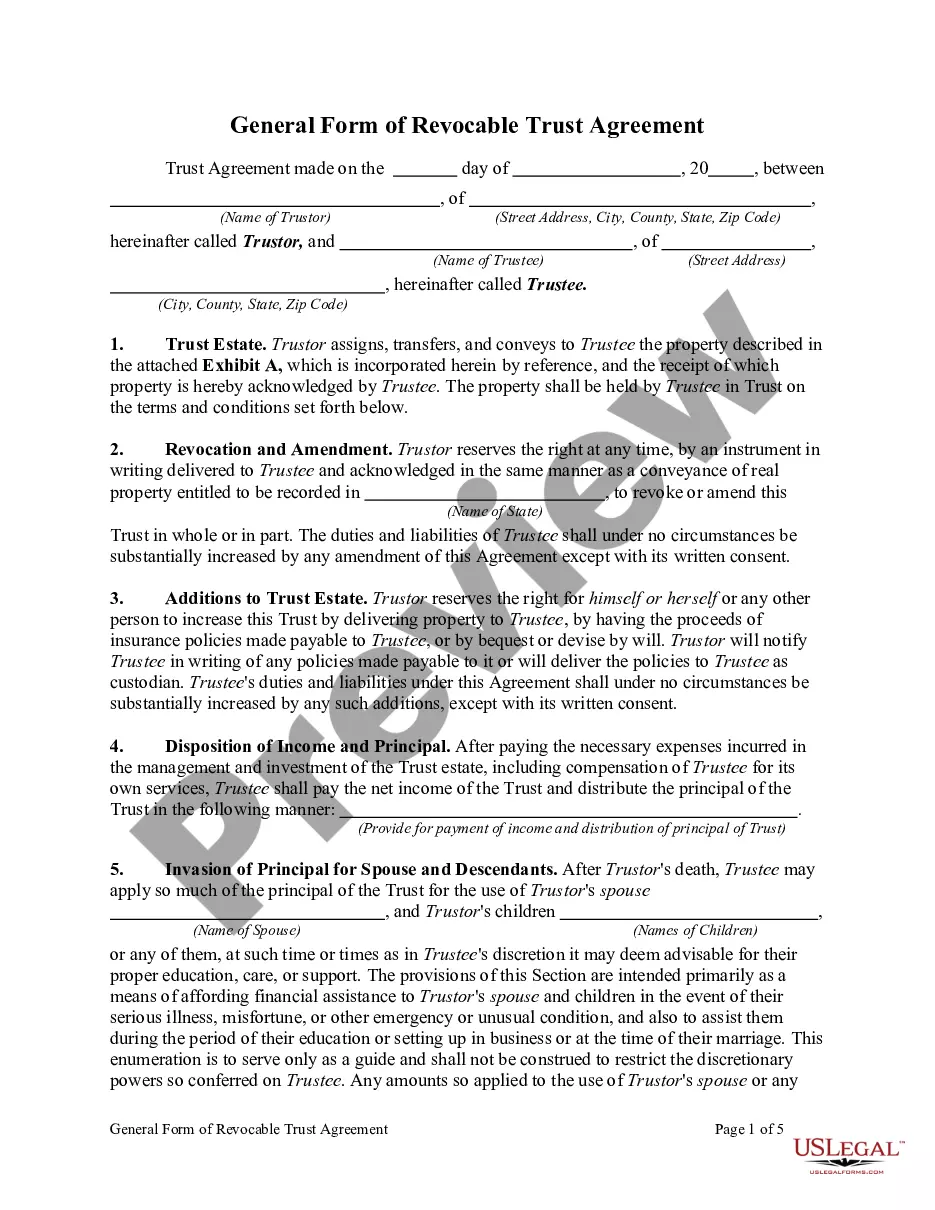
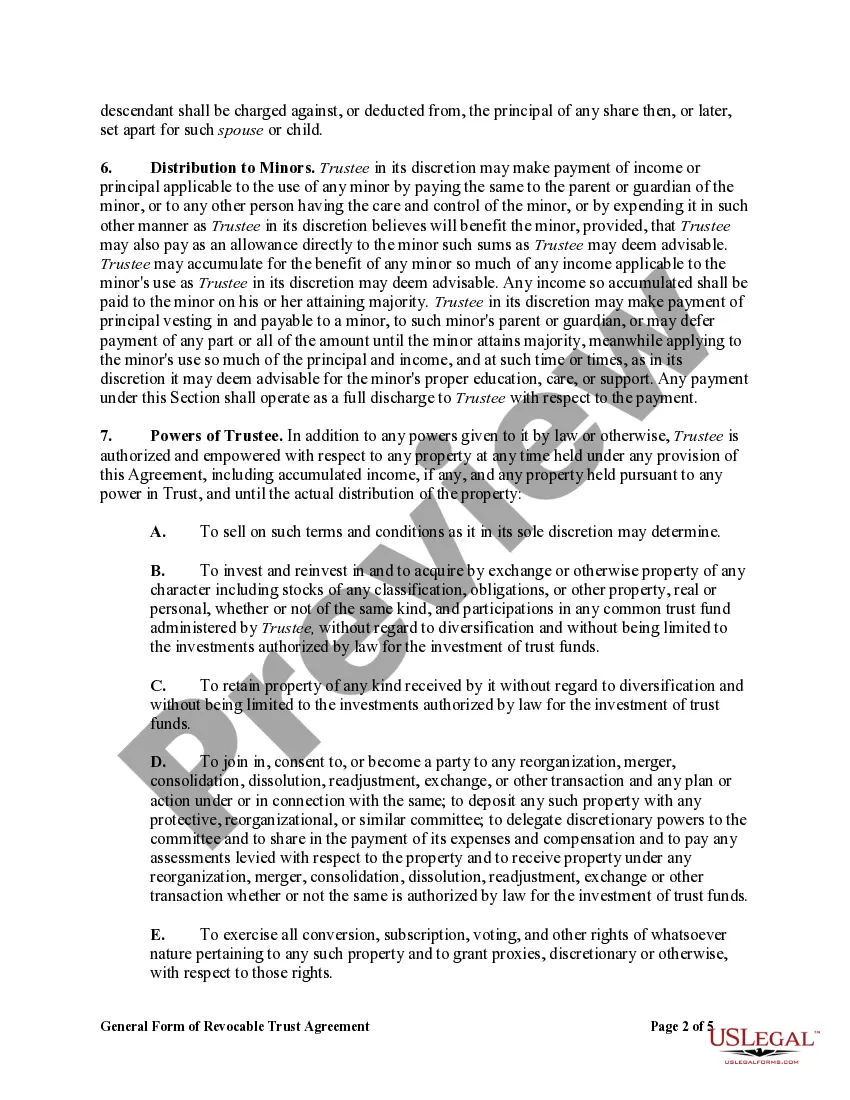
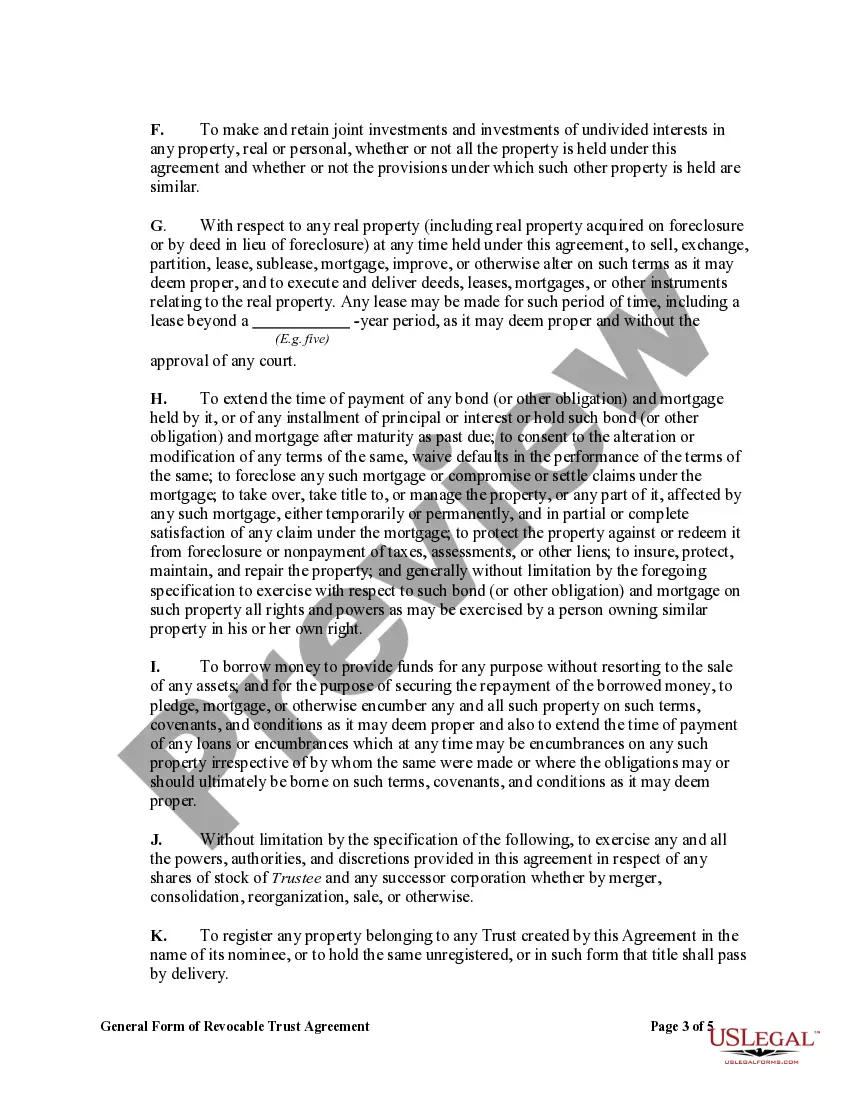
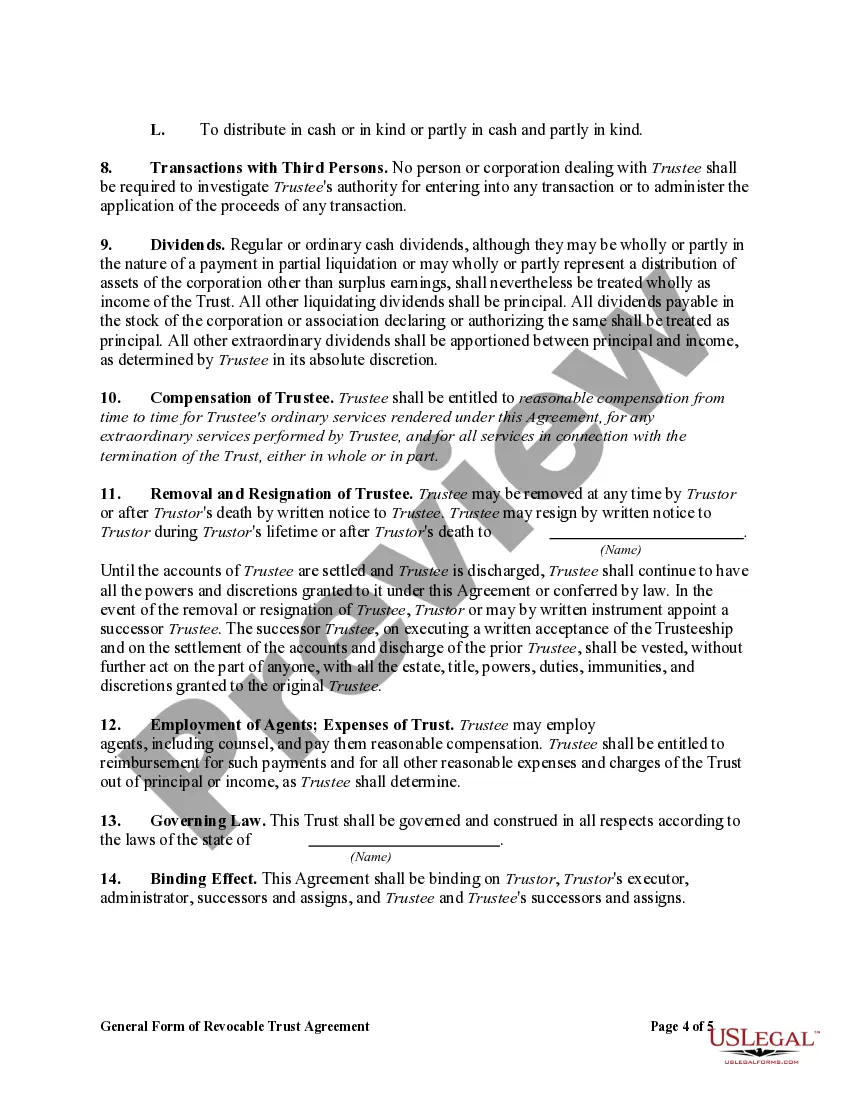
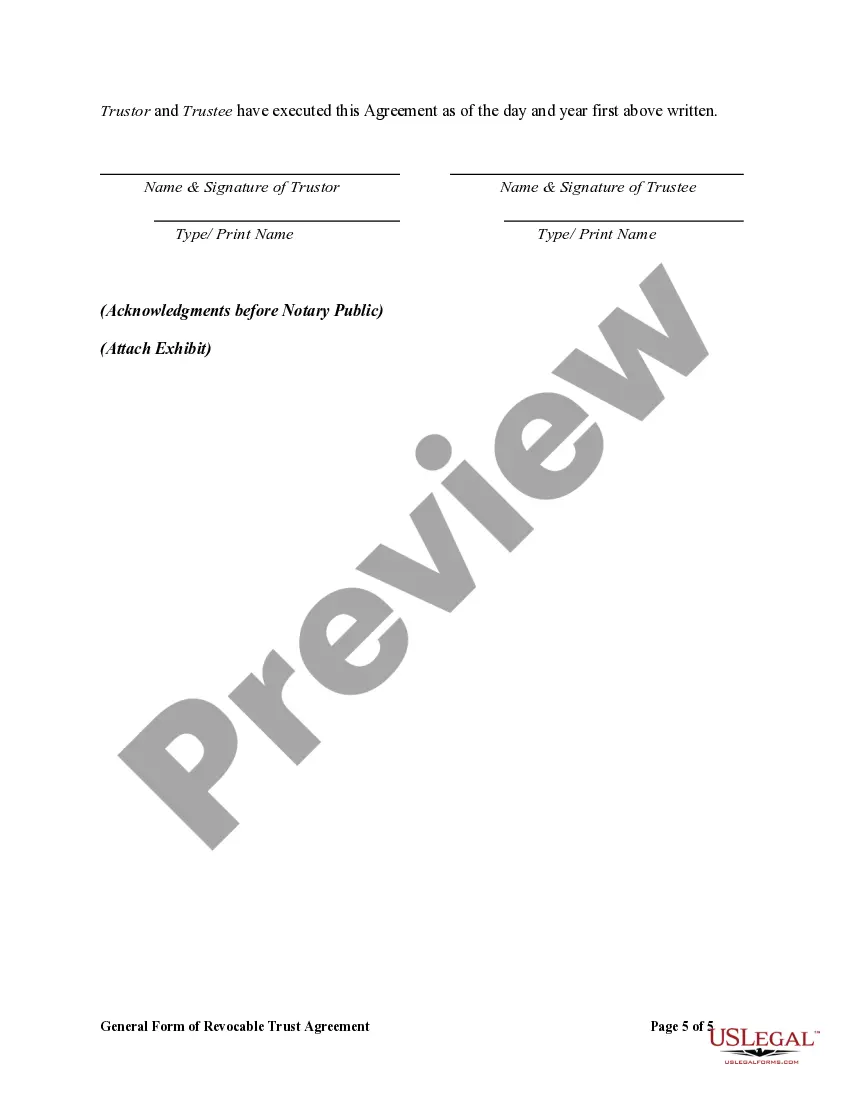
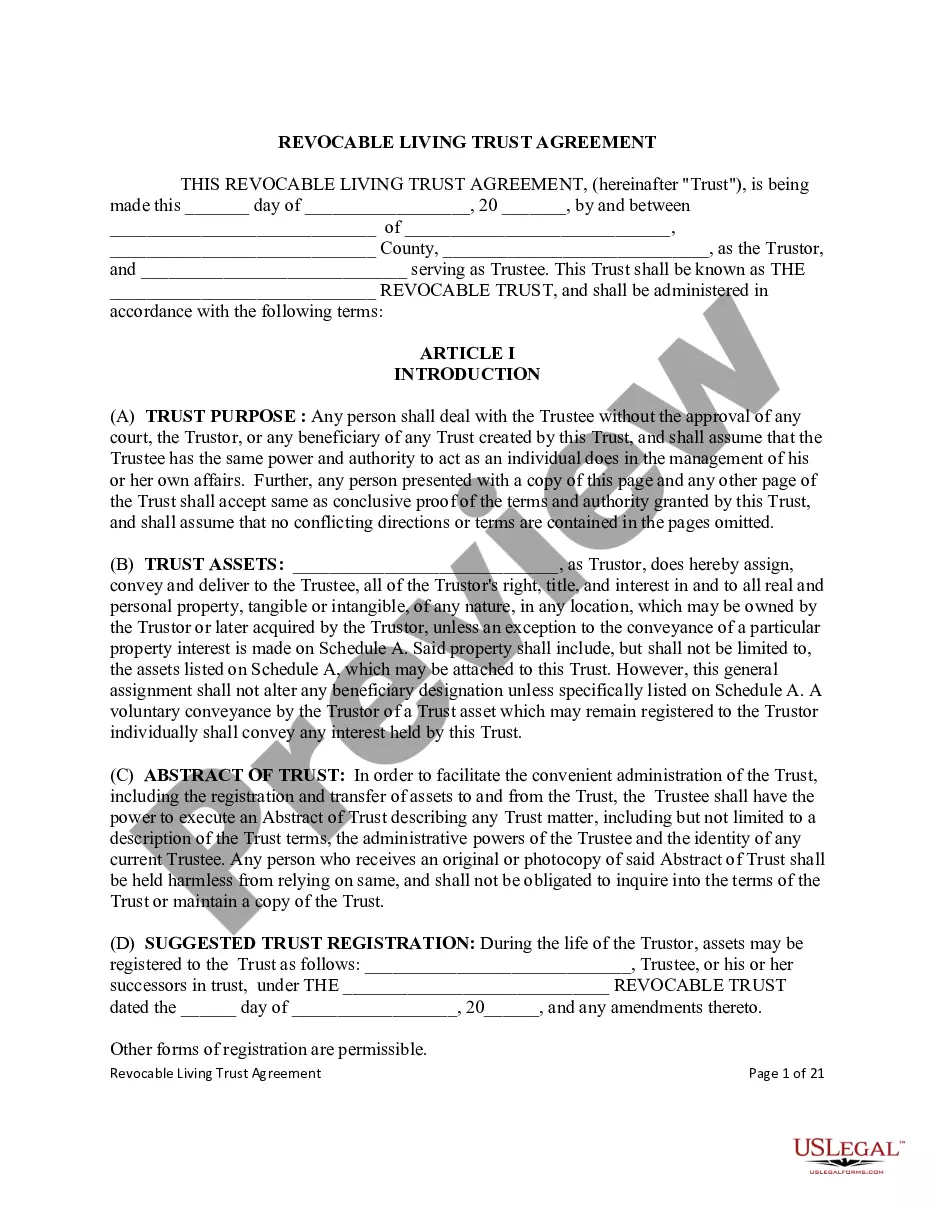
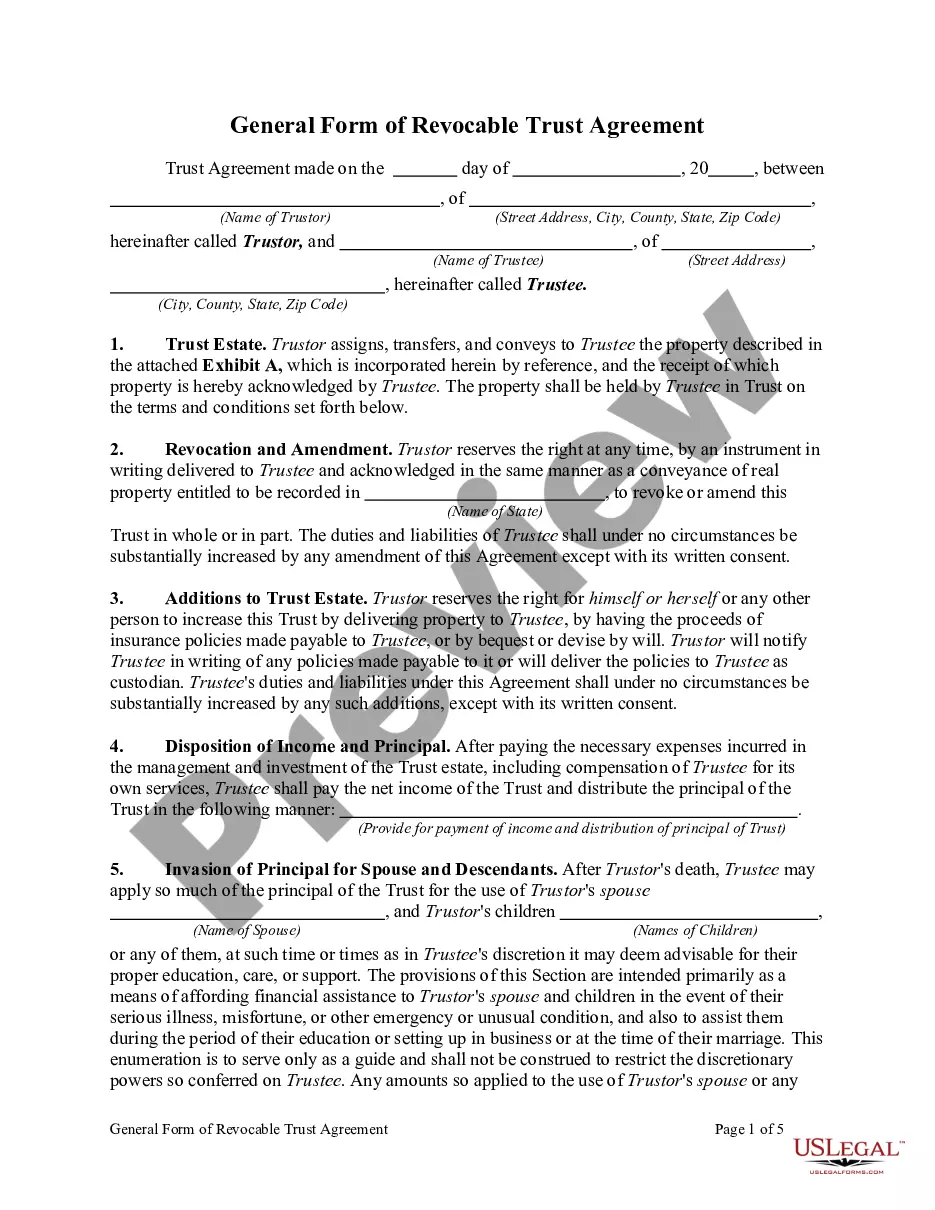
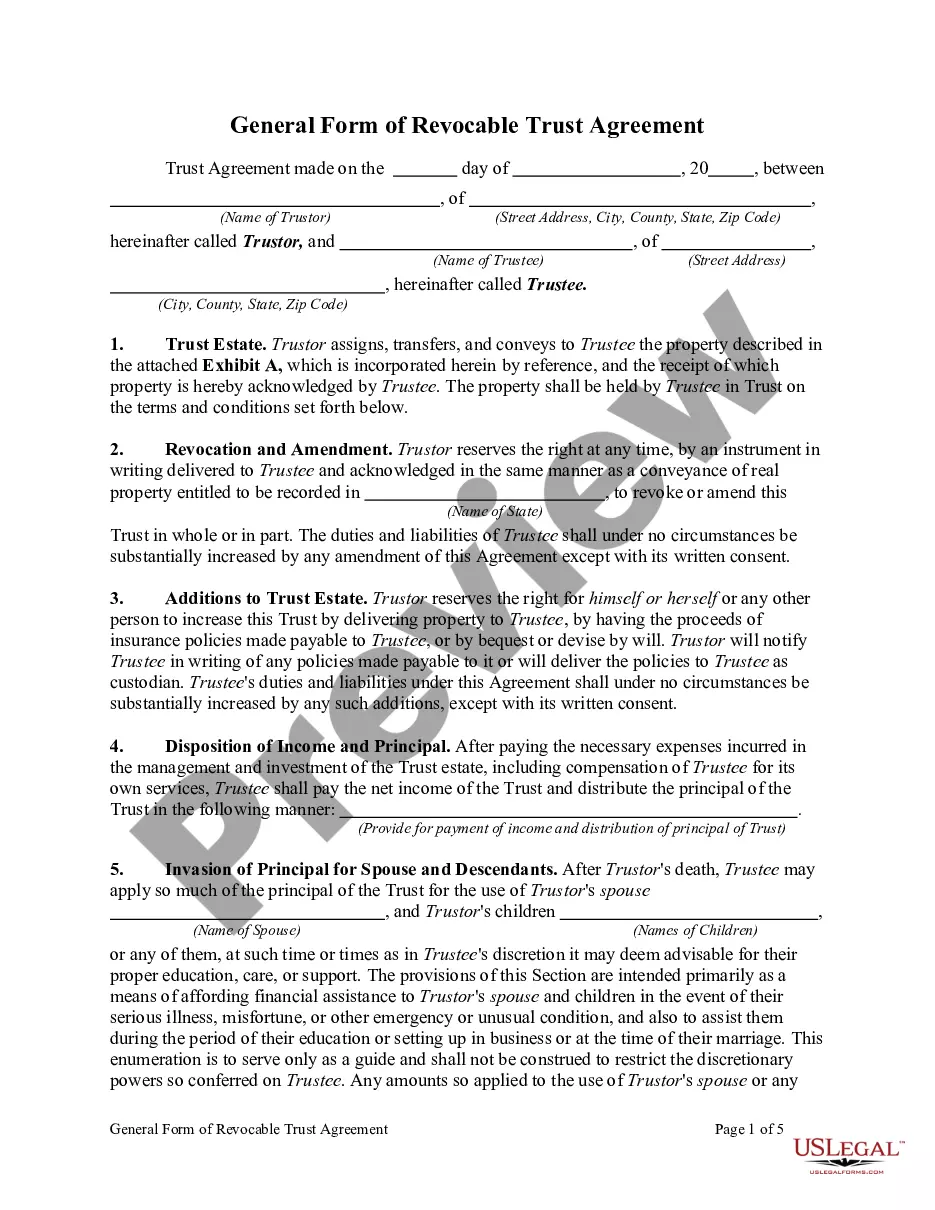

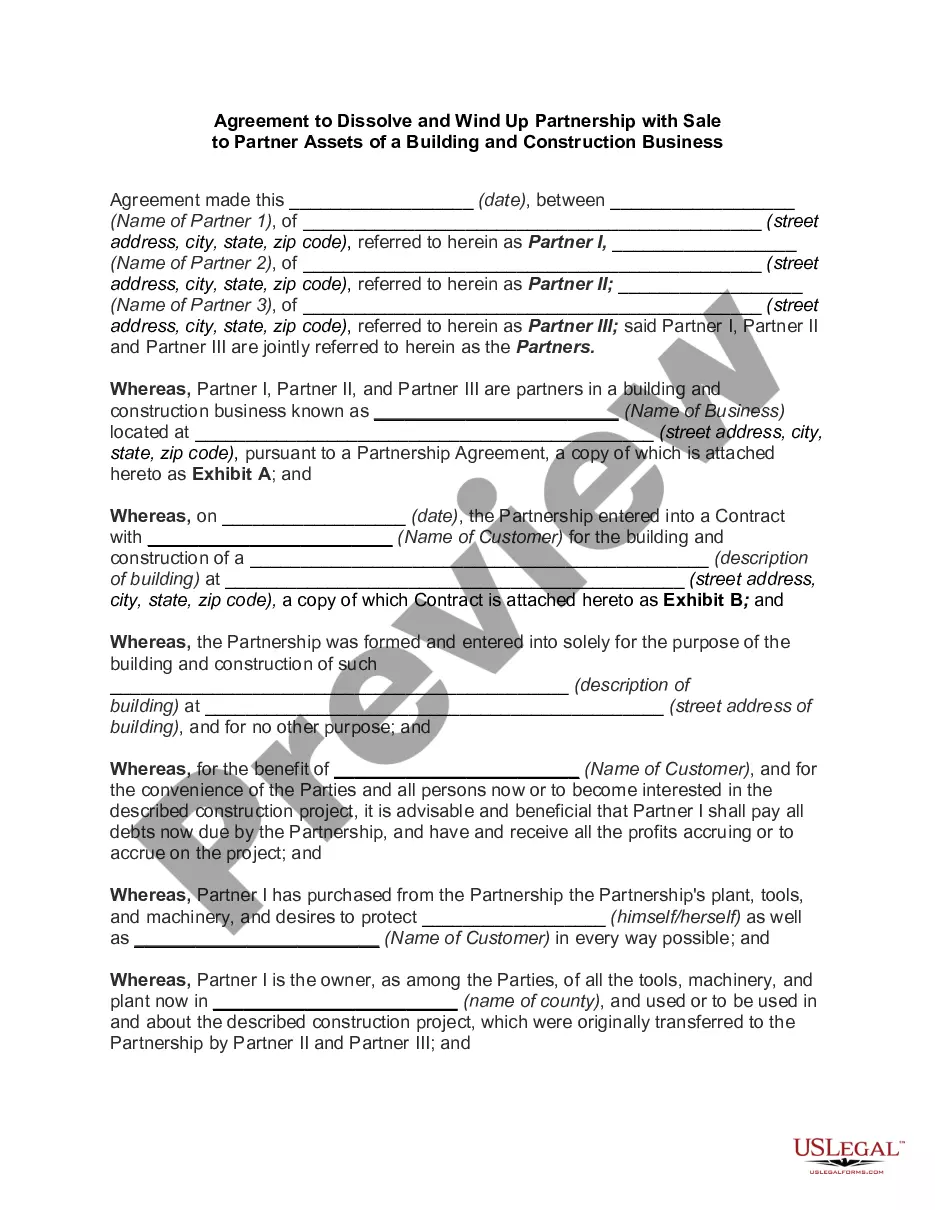
How to fill out Revocable Trust For Property?
If you wish to find a reliable legal document provider to acquire the Nassau Revocable Trust for Property, consider US Legal Forms. Whether you intend to start your LLC enterprise or manage your asset distribution, we have you covered. You don't need to be proficient in legal matters to find and download the required form.
Simply type in to search or browse Nassau Revocable Trust for Property, either by a keyword or by the state/county for which the form is designated. After locating the required form, you can Log In and download it or save it in the My documents section.
Don't have an account? It's easy to begin! Just find the Nassau Revocable Trust for Property template and review the form's preview and brief introductory details (if available). If you are comfortable with the terminology of the template, proceed to click Buy now. Create an account and choose a subscription plan. The template will be immediately ready for download once the payment is finalized.
Now you can fill out the form. Managing your legal issues doesn’t have to be expensive or time-consuming. US Legal Forms is here to demonstrate it.
Our extensive selection of legal forms makes these tasks less costly and more affordable. Establish your first business, arrange your advance care planning, draft a real estate contract, or execute the Nassau Revocable Trust for Property - all from the comfort of your couch. Sign up for US Legal Forms today!
- You can choose from over 85,000 forms sorted by state/county and circumstances.
- The user-friendly interface, range of supportive resources, and dedicated assistance make it easy to obtain and complete various documents.
- US Legal Forms is a trusted service providing legal forms to millions since 1997.
Form popularity
FAQ
If you created a revocable living trust to avoid probate and you think that your estate plan is done once you've signed your trust documents, it isn't....What Assets Should Go Into a Trust? Bank Accounts.Corporate Stocks.Bonds.Tangible Investment Assets.Partnership Assets.Real Estate.Life Insurance.
This means you have the ability to take back the property at any time. You can also have the trust simply transfer ownership of the property back into your name. You must file a new deed at the county courthouse that lists you, rather than the trust, as the property owner in either case.
The advantages of placing your house in a trust include avoiding probate court, saving on estate taxes and possibly protecting your home from certain creditors. Disadvantages include the cost of creating the trust and the paperwork. Take a look at the pros and cons of creating a trust before you put your house into it.
While there are many benefits to putting your home in a trust, there are also a few disadvantages. For one, establishing a trust is time-consuming and can be expensive. The person establishing the trust must file additional legal paperwork and pay corresponding legal fees.
Which Trust Is Best For You: Top 4 Revocable Trusts. One of the two main types of trust is a revocable trust.Irrevocable Trusts. The other main type of trust is a irrevocable trust.Credit Shelter Trusts.Irrevocable Life Insurance Trust.
To help you get started on understanding the options available, here's an overview the three primary classes of trusts. Revocable Trusts. Irrevocable Trusts. Testamentary Trusts.
Discretionary trusts, however, generally do not have to pay income tax. Instead, the beneficiaries pay tax on their share of the trust's net income. In a family trust, this means that the trustee can distribute assets to reduce the overall tax paid by the family.
In the case of a property, a trust structure increases the chances that the asset will not form part of a person's asset base in the event of legal or creditor action. It also gives the flexibility of distributing both income and capital gains to a group of people at the discretion of the trustee.
Assets That Can And Cannot Go Into Revocable Trusts Real estate.Financial accounts.Retirement accounts.Medical savings accounts.Life insurance.Questionable assets.
With your property in trust, you typically continue to live in your home and pay the trustees a nominal rent, until your transfer to residential care when that time comes. Placing the property in trust may also be a way of helping your surviving beneficiaries avoid inheritance tax liabilities.