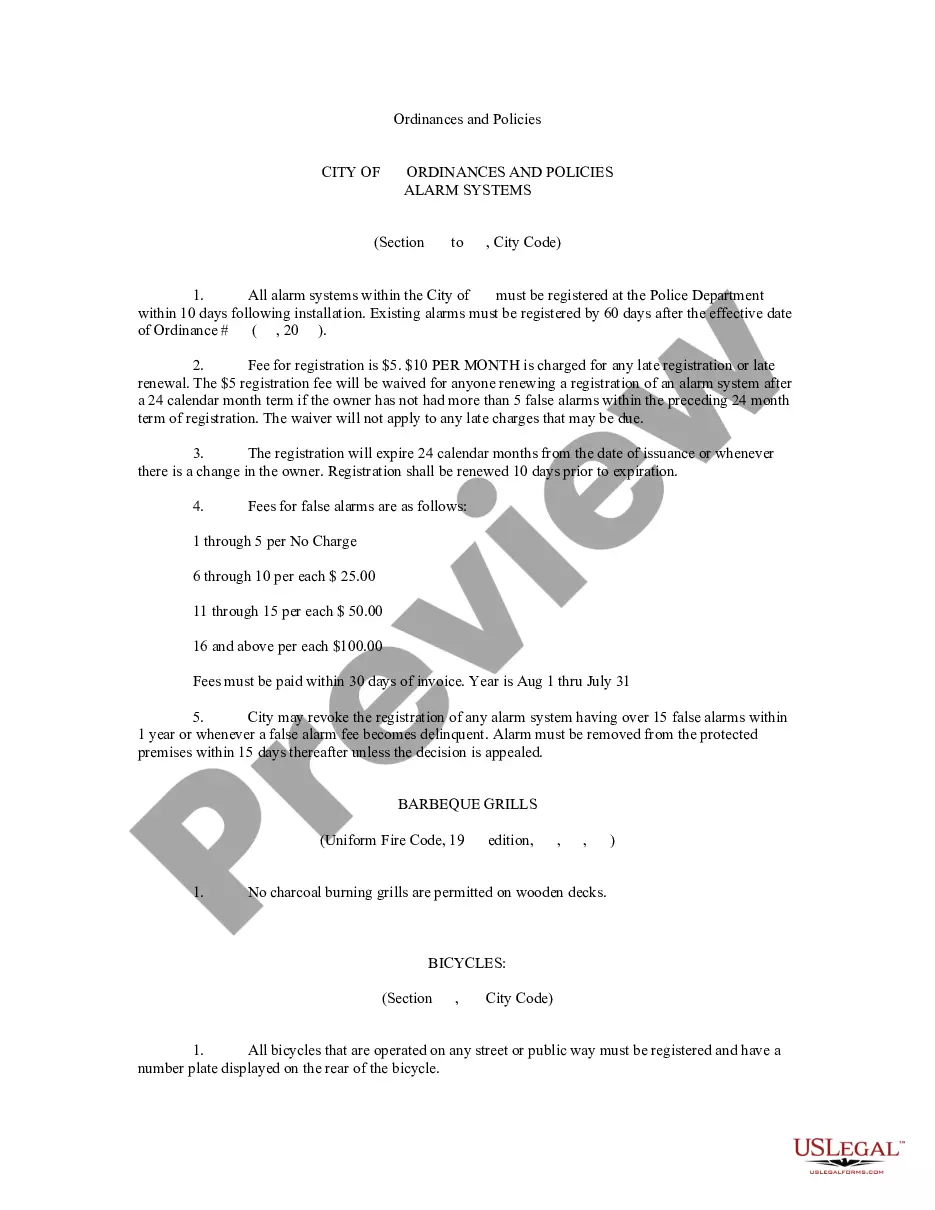
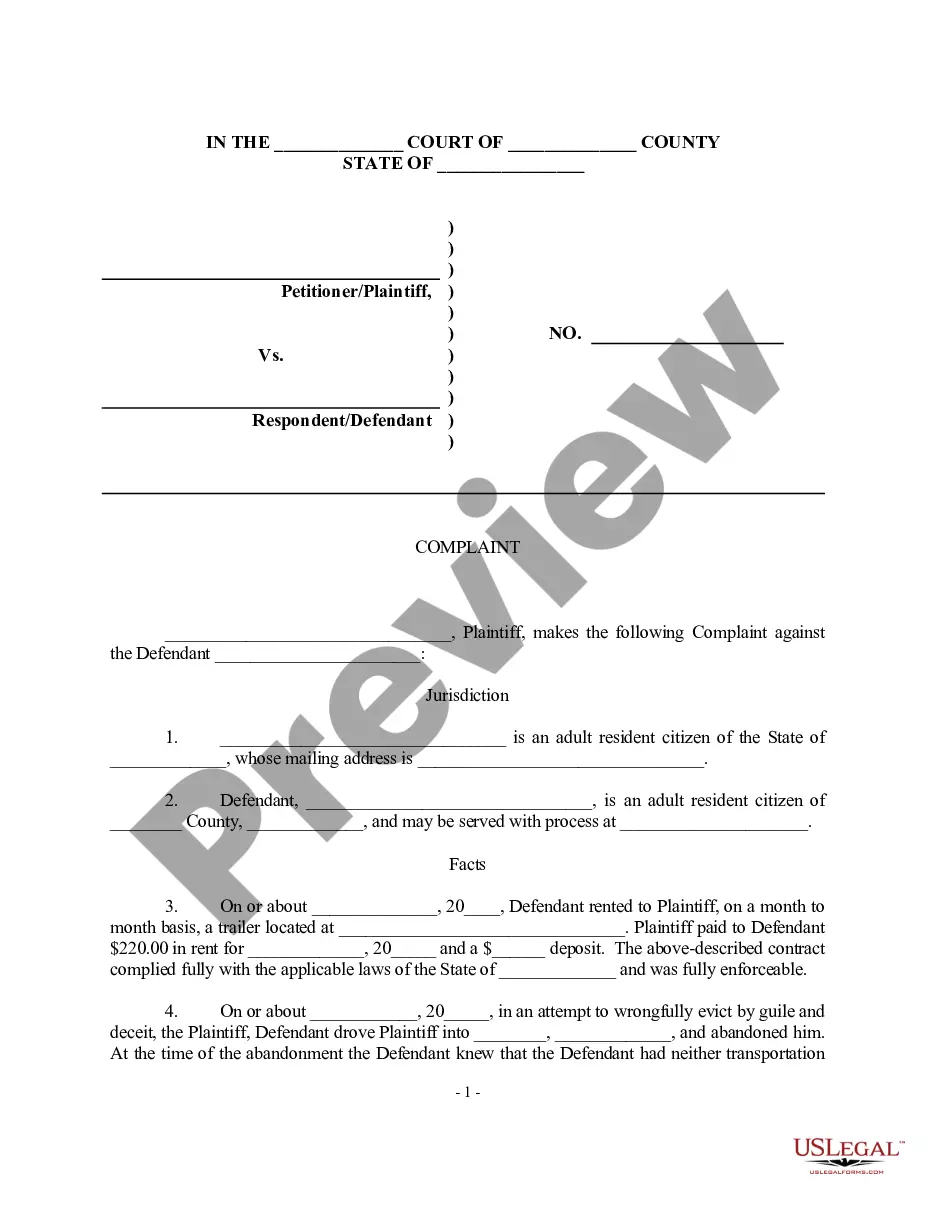
Charlotte North Carolina Complaint - Lessor Failure to Return Security Deposit
Description
Form popularity
FAQ
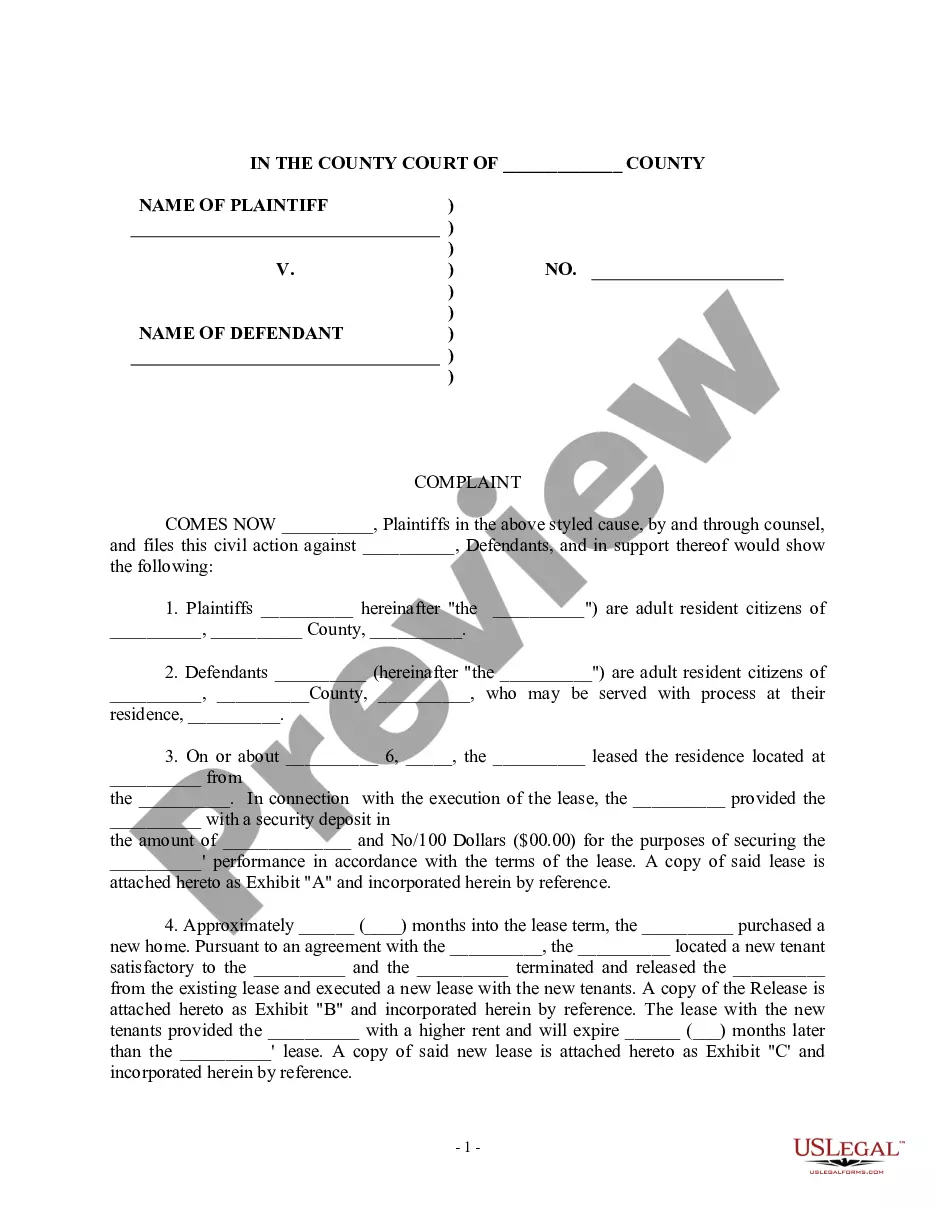
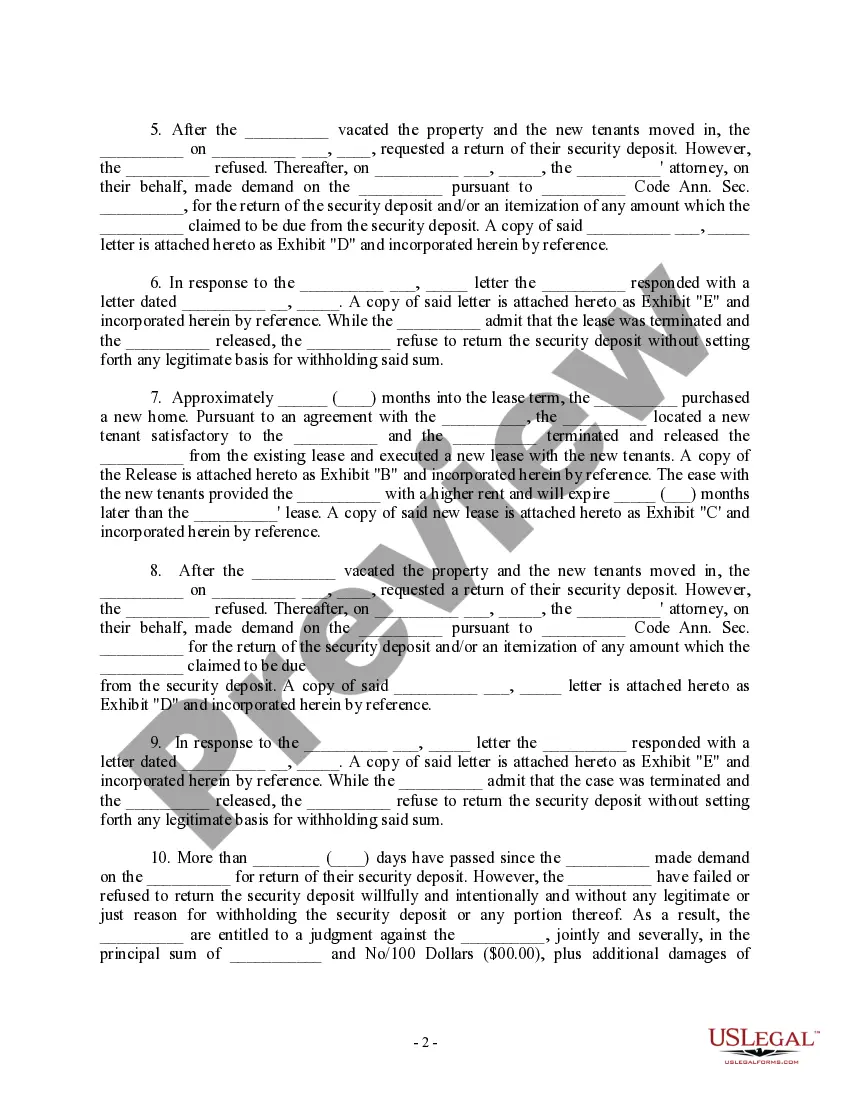
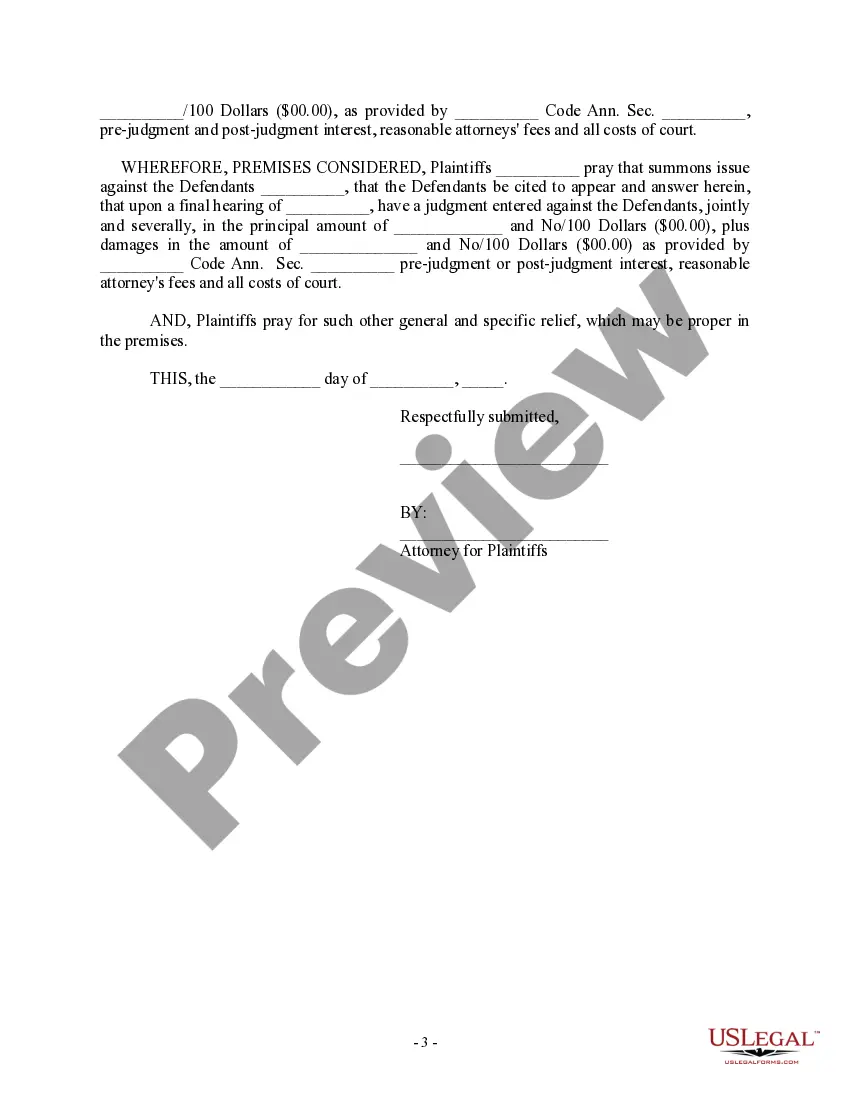
In North Carolina, landlords have a full 30 days to return the security deposit once the lease ends. If they choose to withhold any portion, they must give a written explanation. This timeframe is important when dealing with a Charlotte North Carolina Complaint - Lessor Failure to Return Security Deposit. Being aware of your rights will help you address issues promptly.
If your security deposit is not refunded, start by contacting your landlord to discuss the issue. If the response is unsatisfactory, you may want to consider filing a Charlotte North Carolina Complaint - Lessor Failure to Return Security Deposit. Platforms like uslegalforms can assist you with necessary documentation and guidance to navigate this process. Taking these steps can help you reclaim your funds.
If your security deposit is not returned within 10 days in North Carolina, this may indicate a violation of state law. Although landlords have up to 30 days to return deposits, failure to act timely can lead to complications. You might consider filing a Charlotte North Carolina Complaint - Lessor Failure to Return Security Deposit. Understanding these timelines can empower you to seek recourse effectively.
In Charlotte, North Carolina, a landlord must return a tenant's security deposit within 30 days after the lease ends. If the landlord withholds any part of the deposit, they must provide an itemized statement detailing the reasons. This rule is crucial to understand in case of a Charlotte North Carolina Complaint - Lessor Failure to Return Security Deposit. Knowing your rights can help you take appropriate action if needed.
In North Carolina, you can report your landlord to the local housing authority or the North Carolina Attorney General's office, depending on the nature of your complaint. If you experience problems related to failure to return your security deposit, you can also refer to the North Carolina Real Estate Commission. Addressing issues promptly through a Charlotte North Carolina Complaint - Lessor Failure to Return Security Deposit ensures that your concerns receive attention, and uSlegalforms can assist you in this procedure.
Filing a complaint against a landlord in North Carolina involves collecting relevant documentation and making a formal complaint to the appropriate housing authority or the North Carolina Attorney General's office. You should detail your grievances, including any attempts you've made to resolve the issues directly. Using uSlegalforms can help streamline this process by providing the necessary templates for a Charlotte North Carolina Complaint - Lessor Failure to Return Security Deposit.
To sue your landlord for unsafe living conditions, first, gather evidence of the unsafe situation, like photos or maintenance records. Next, notify your landlord in writing about the issues, giving them a chance to address them. If they fail to respond, you may proceed with filing a Charlotte North Carolina Complaint - Lessor Failure to Return Security Deposit. Consulting uSlegalforms can provide you with necessary legal documents for your claim.
Dealing with a disrespectful landlord can be challenging, but communication is key. Start by documenting any disrespectful behavior, as this evidence can be crucial if you need to escalate the situation. You can express your concerns directly to your landlord, aiming for a calm and constructive dialogue. If the behavior persists, consider filing a Charlotte North Carolina Complaint - Lessor Failure to Return Security Deposit to seek resolution.