Seattle Washington Requests for Admissions
Description
Form popularity
FAQ
The University of Washington does not specify an exact lowest GPA for admissions. However, competitive applicants typically present GPAs well above the minimum requirements. If you're interested in Seattle Washington Requests for Admissions, it’s important to focus not only on your GPA but also on other factors such as test scores, personal statements, and extracurricular activities. Submitting a strong overall application can enhance your chances of acceptance.
Typically, parties have 30 days to respond to requests for admissions in Washington state, although extensions may be possible. It is crucial to adhere to this timeline to maintain compliance with court rules. Delaying your response can negatively affect your case; thus, timely and thoughtful answers are essential. For tips and forms regarding Seattle Washington Requests for Admissions, check out the uslegalforms platform to stay on track.
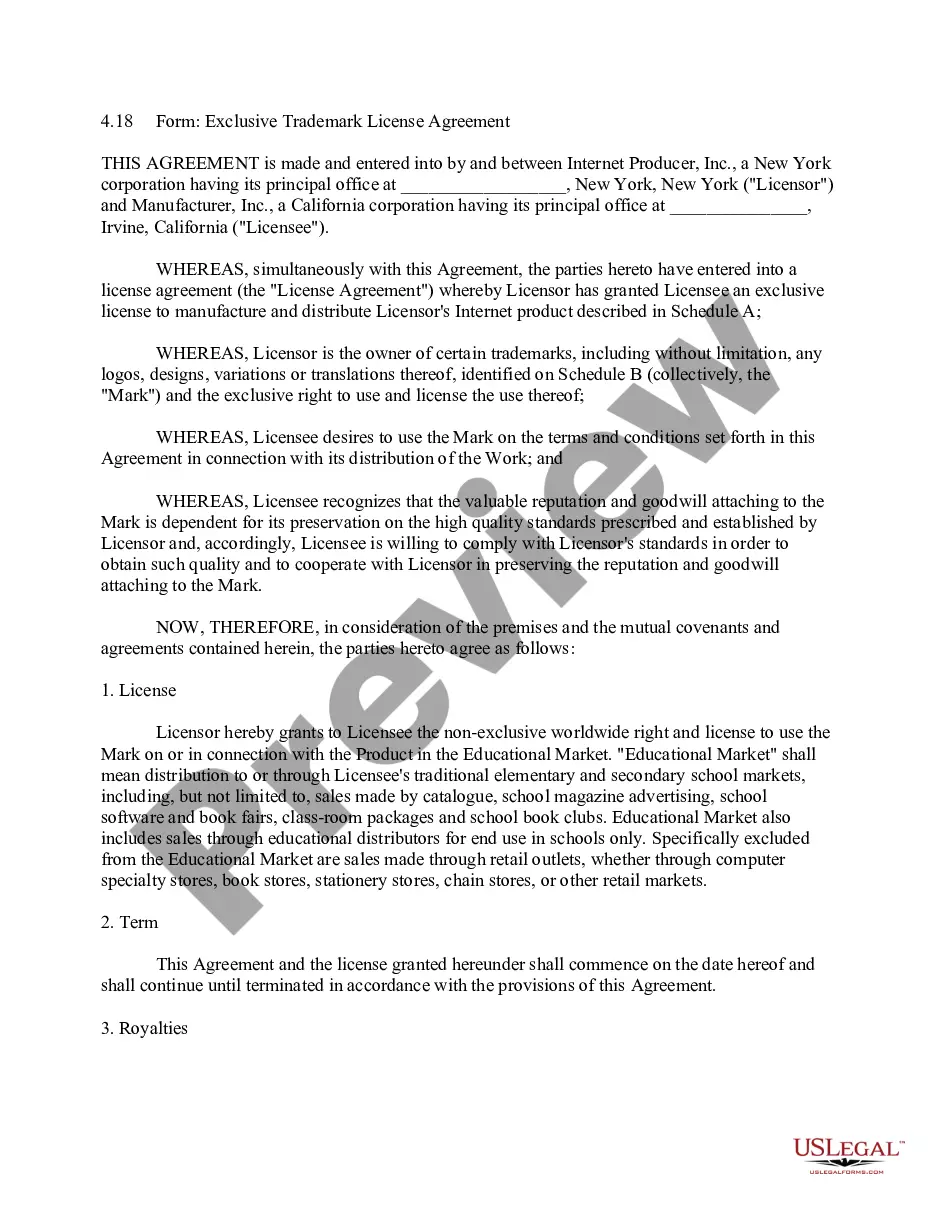
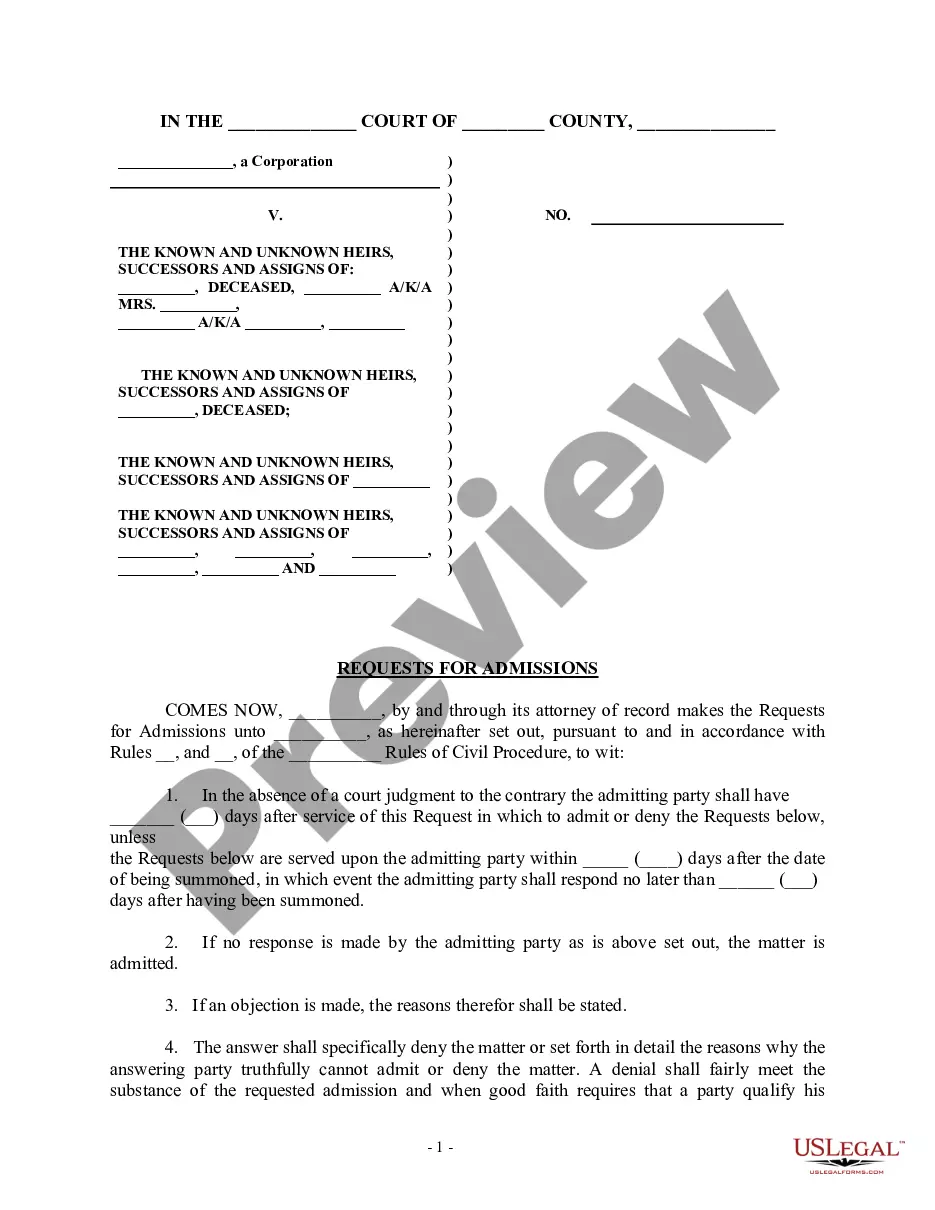
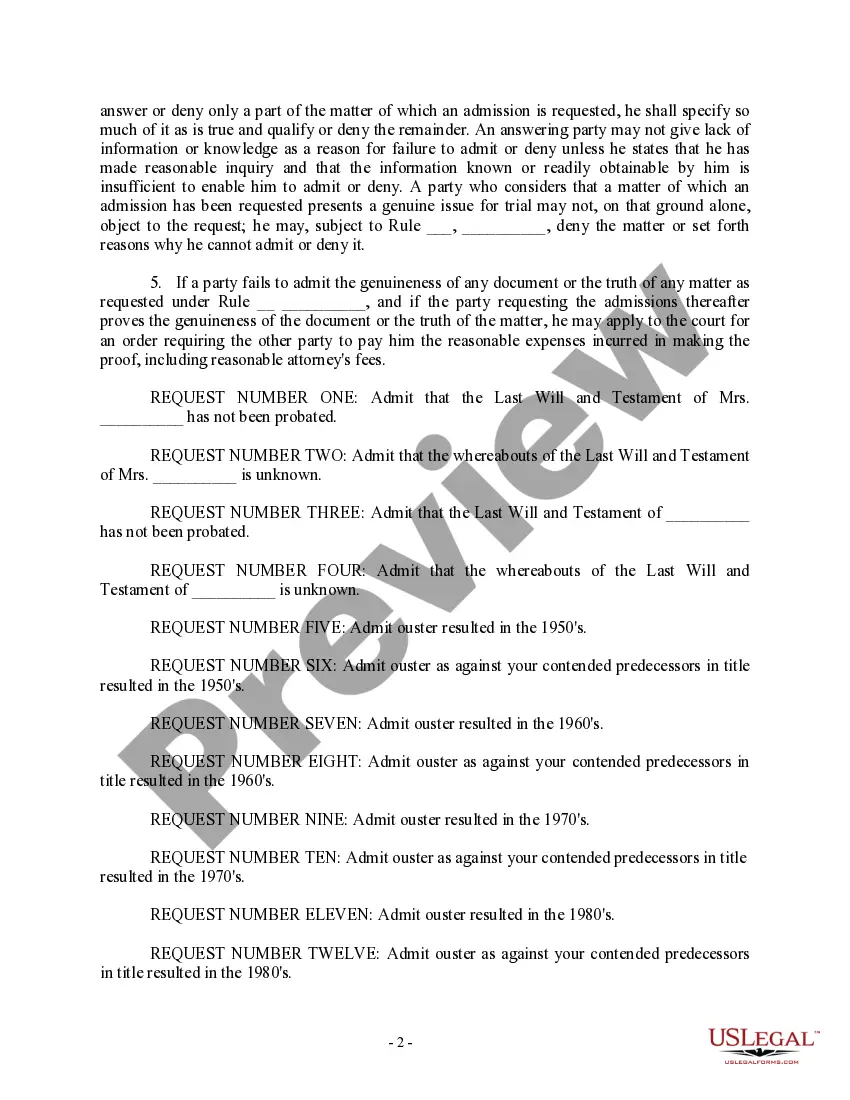
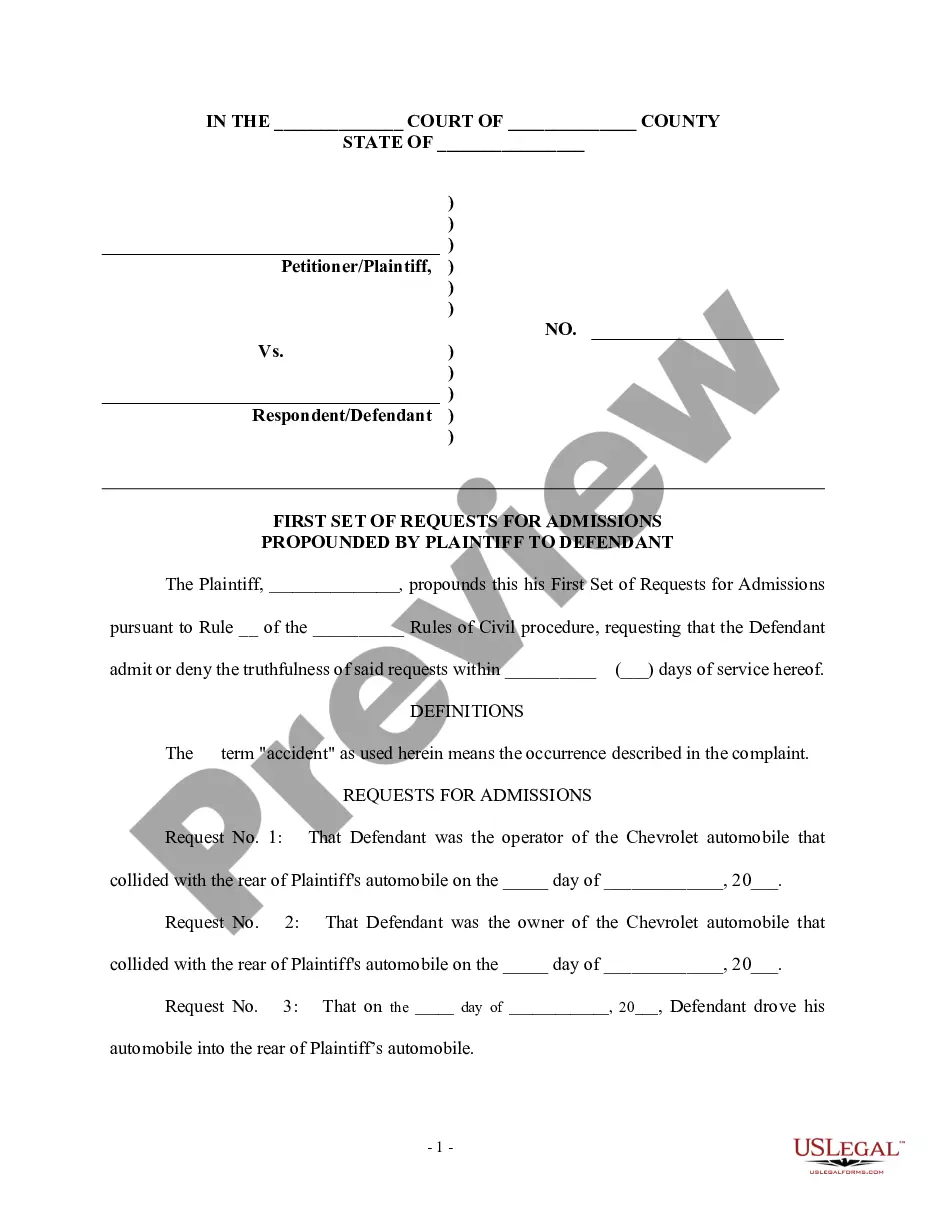
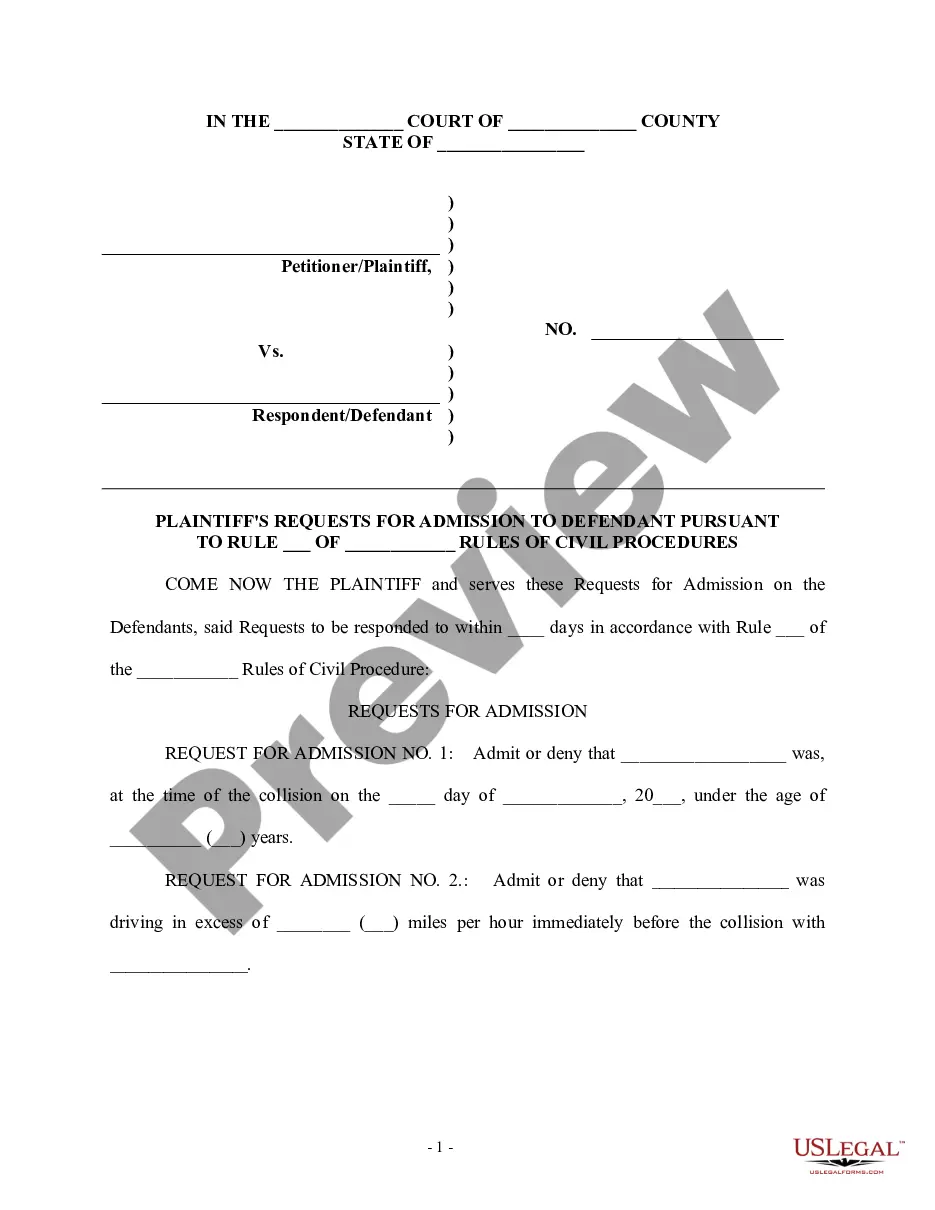
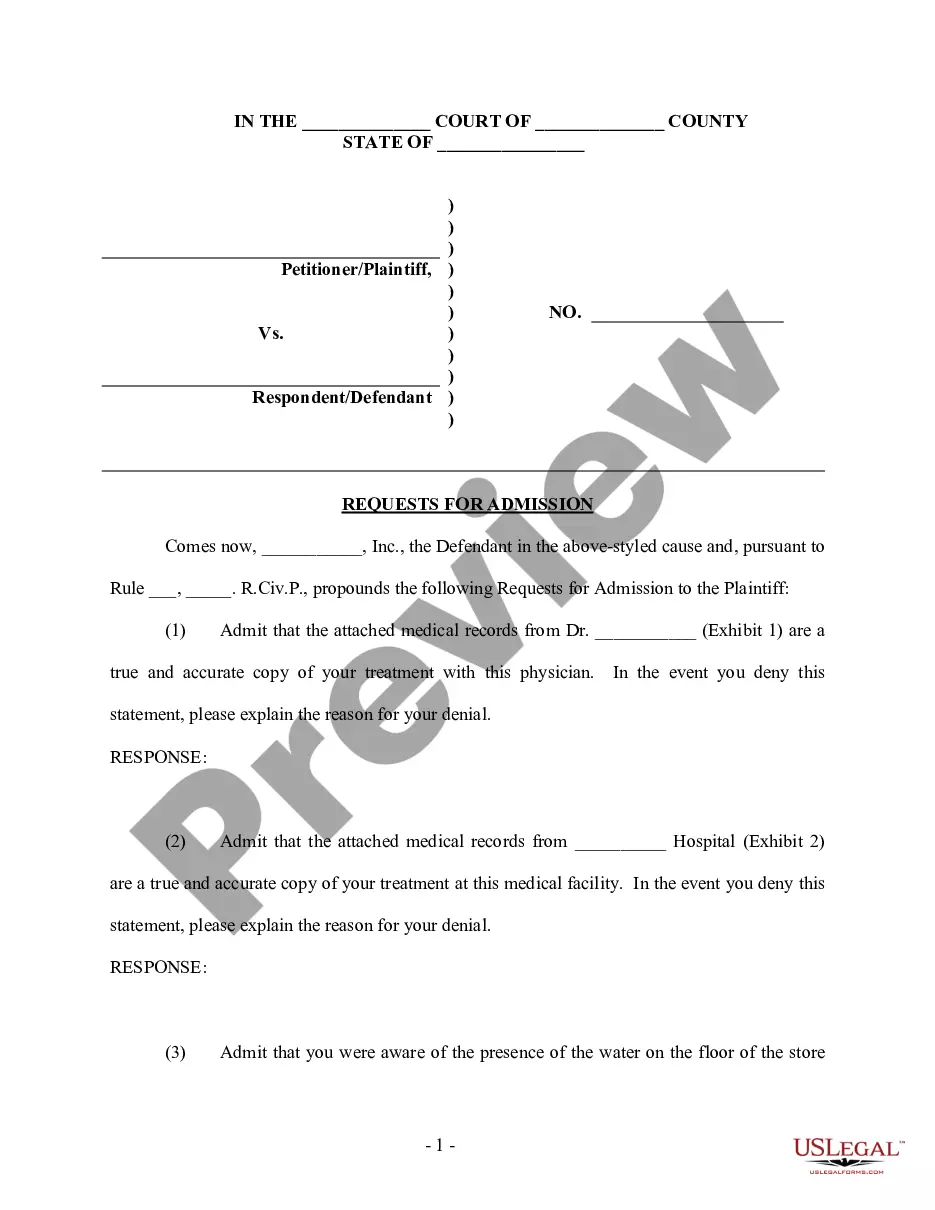
To effectively use requests for admissions, you primarily create a set of statements that you believe the opposing party should admit or deny. Send these requests in writing, ensuring you also allow the opposing party enough time to respond. By strategically crafting these requests, you can clarify the areas of dispute and strengthen your position in the case. The uslegalforms platform offers templates and examples of Seattle Washington Requests for Admissions to help you navigate this process.
Requests for admissions aim to narrow down the issues for trial by establishing certain facts as true without needing further proof. This process can save time and expenses in litigation by focusing on points that both parties agree upon. By using requests for admissions, you build a stronger case while potentially reducing the complexity of the proceedings. Explore the uslegalforms platform for insights on Seattle Washington Requests for Admissions to enhance your understanding.
When responding to requests for admissions, be direct and clear in your answers. Each admission must either be acknowledged as true, denied, or objected to with valid reasons. Remember, your answers can significantly impact the case, so carefully review the requests. For assistance in drafting your responses, considering using the uslegalforms platform to find templates related to Seattle Washington Requests for Admissions.
Rule 26 in Washington state governs the process of discovery in civil litigation. It requires parties to disclose certain evidence and information before trial, including the use of requests for admissions. Understanding this rule is essential for anyone engaged in litigation, as it helps streamline the process by ensuring all parties have access to the facts. For those seeking clarity on this matter, the uslegalforms platform provides valuable resources related to Seattle Washington Requests for Admissions.
Admission to the University of Washington is competitive, with many qualified applicants vying for limited spots. While strong grades and test scores are essential, other factors such as personal statements and letters of recommendation play a significant role. Familiarizing yourself with the Seattle Washington Requests for Admissions can provide you with insights into what the university values most. With careful planning and dedication, you can present a compelling application that stands out.
The University of Washington seeks students who demonstrate academic excellence and a passion for learning. They value well-rounded individuals who engage in extracurricular activities, community service, and have diverse life experiences. Being aware of the Seattle Washington Requests for Admissions criteria, such as personal essays and recommendation letters, can also make a difference. Make sure to present your unique story and passions clearly in your application.
To improve your chances of admission to the University of Washington, you should focus on building a strong academic record. Participate in extracurricular activities that showcase your leadership and commitment to your community. Understanding the Seattle Washington Requests for Admissions process is crucial; submitting well-prepared materials can highlight your strengths. Additionally, consider seeking advice from current students or admissions counselors to gain insights that can enhance your application.