Nassau New York UCC-1 for Personal Credit
Description
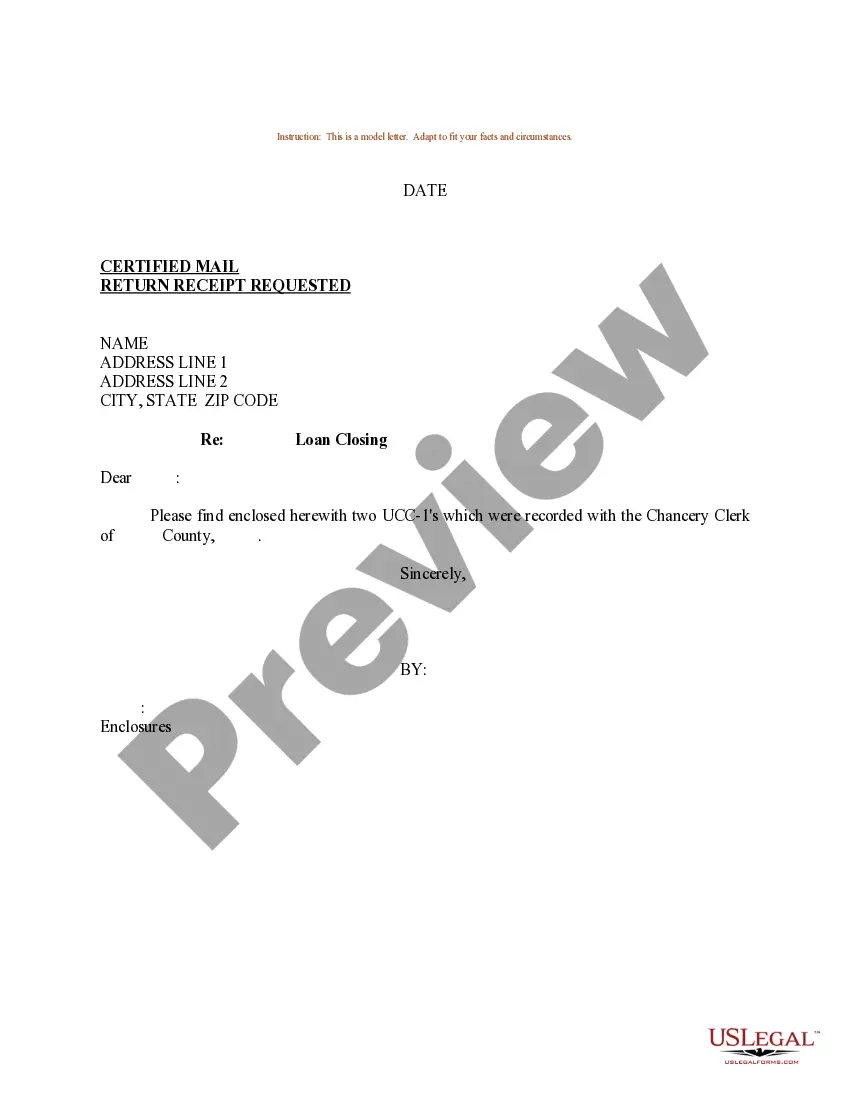
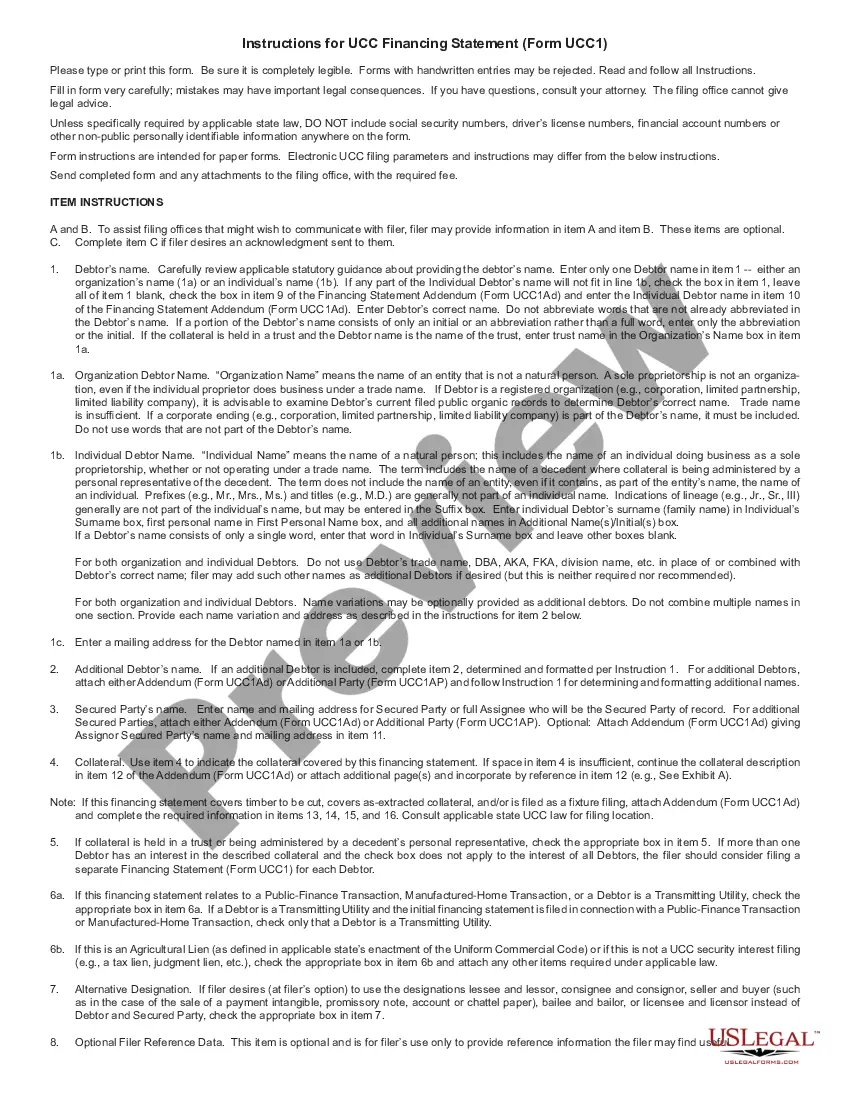
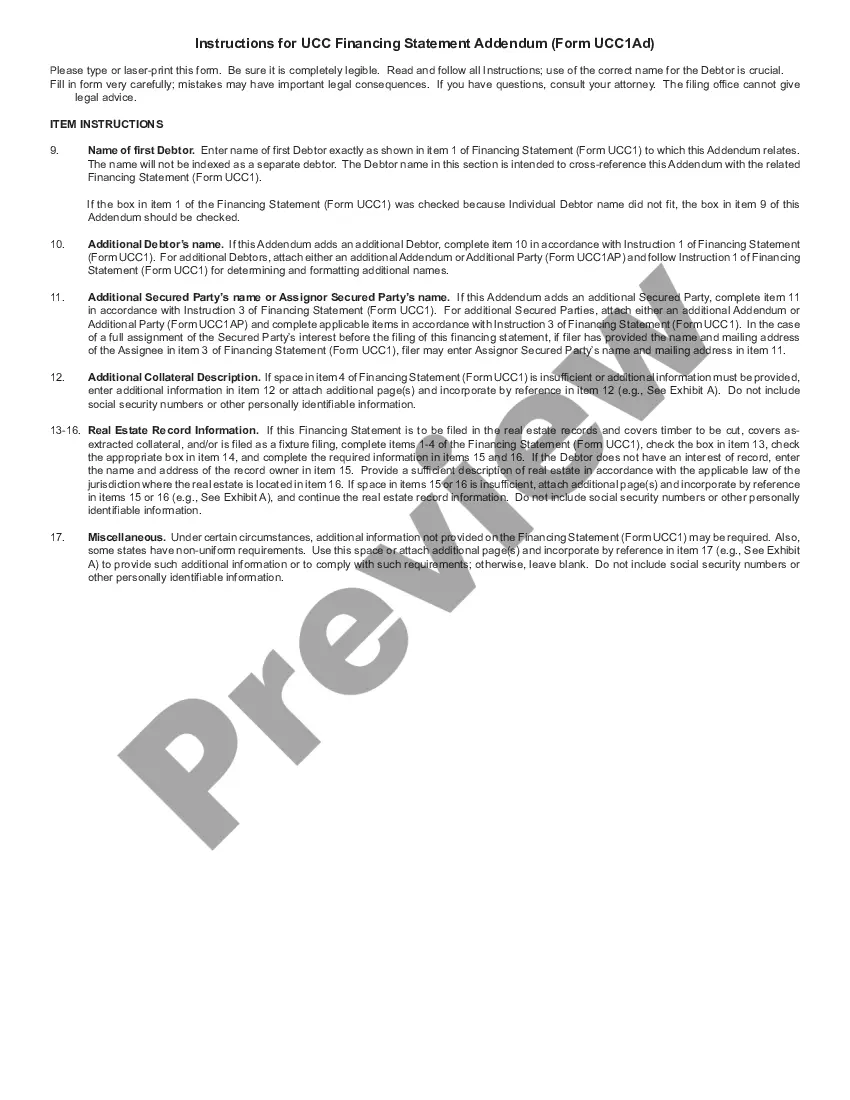
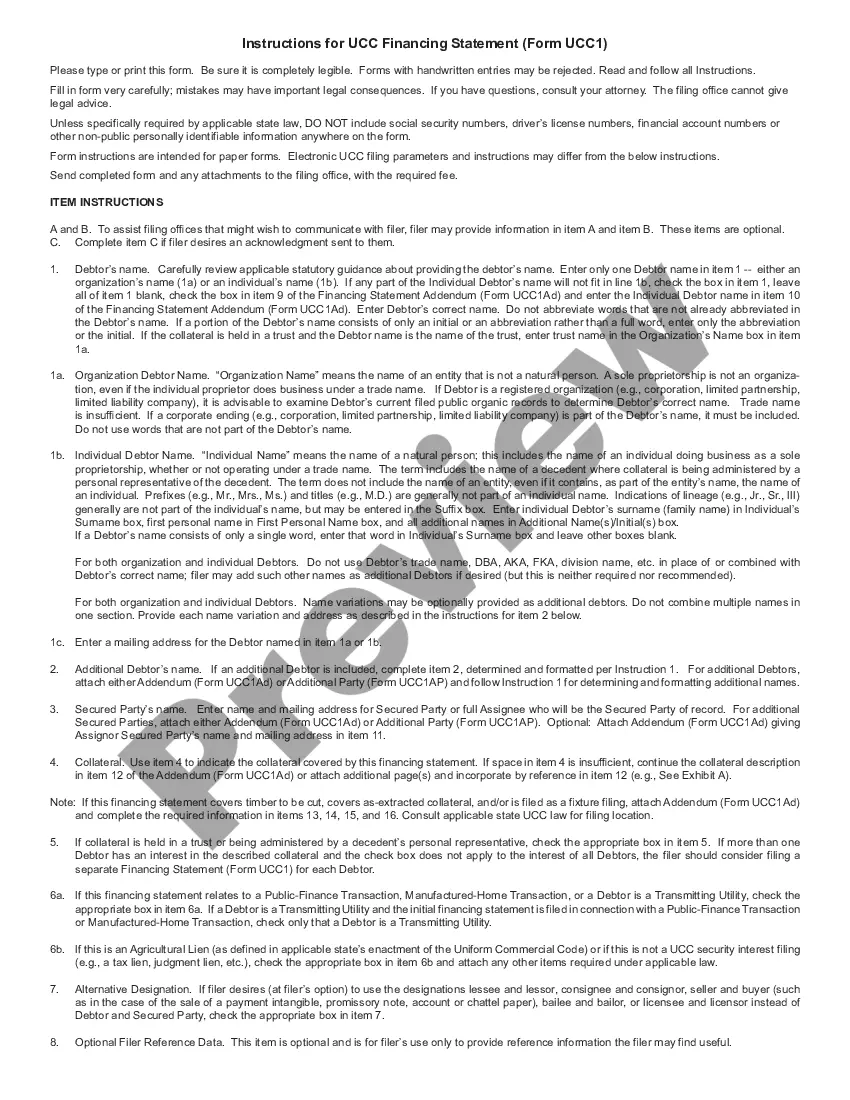

How to fill out UCC-1 For Personal Credit?
Drafting legal documents can be challenging.
Moreover, if you opt to hire a legal expert to create a business contract, ownership transfer documents, pre-nuptial agreement, divorce documents, or the Nassau UCC-1 for Personal Credit, it might be quite expensive.
Browse the page and check for a sample available for your region. Review the form description and utilize the Preview option if available to ensure it's the template you require. Don't fret if the form isn't ideal for your needs - look for the appropriate one in the header. Click Buy Now after you identify the necessary sample and select the most suitable subscription. Log In or create an account to proceed with your subscription purchase. Complete the transaction using a credit card or PayPal. Choose the format for your Nassau UCC-1 for Personal Credit and download it. When done, you can either print it out and fill it in on paper or upload the samples to an online editor for quicker and more convenient completion. US Legal Forms allows you to repeatedly utilize all the documents purchased – you can access your templates in the My documents section in your profile. Give it a try today!
- So what is the most sensible method to save time and money while producing legitimate forms that fully comply with your state and local regulations.
- US Legal Forms presents an ideal solution, whether you are looking for templates for personal or commercial purposes.
- US Legal Forms is the largest digital collection of state-specific legal documents, offering users access to the latest and professionally verified forms for any situation, all consolidated in one location.
- As a result, if you need the current version of the Nassau UCC-1 for Personal Credit, you can easily find it on our site.
- Acquiring the documents takes minimal time.
- Users with an existing account should confirm their subscription is active, Log In, and select the form by hitting the Download button.
- If you haven't registered yet, this is how you can obtain the Nassau UCC-1 for Personal Credit.
Form popularity
FAQ
Although a creditor may file a UCC-1 against personal property, they do not appear on personal credit reports.
What are the benefits after filing a UCC-1. A state or county UCC section allows you to give public notice that you, as a creditor or secured party, have entered into a security agreement with a debtor, along with a description of the collateral involved.
A UCC filing is generally active for five years. After that time period, the lender must renew the filing to retain the rights to your assets. Most lenders will allow the lien to expire on its own, but if you want to remove a lien before that, you must file a UCC-3 financing statement.
In theory, anyone can file a UCC-1 against anyone else. To protect both secured creditors and debtors, Article 9 has strict requirements that must be met for a filed UCC-1 to be effective. One of those requirements is that the financing statement must be authorized by the debtor.
Uniform Commercial Code (UCC) filings allow creditors to notify other creditors about a debtor's assets used as collateral for a secured transaction. UCC liens filed with Secretary of State offices act as a public notice by the "creditor" of the creditor's interest in the property.
Uniform Commercial Code1 statement is a legal notice filed by creditors as a way to publicly declare their rights to potentially obtain the personal properties of debtors who default on business loans they extend.
How Does a UCC Filing Affect My Credit? A UCC filing won't impact your business credit scores directly because it doesn't indicate anything about your ability to repay your debts. However, it can affect your ability to get credit again in the future.
Additionally, a UCC filing does not natively impact your credit score. But a UCC filing does appear on your credit report, and it could affect whether you will qualify for other financing forms later down the road. For example, say that you receive funding from one lender who filed a UCC lien on some of your assets.
1 filing is a legal form that a creditor files to secure its interest in a borrower's property or assets used as collateral for a loan. The filing serves as a public notice that the creditor has the right to take possession of the assets as repayment on the underlying debt.