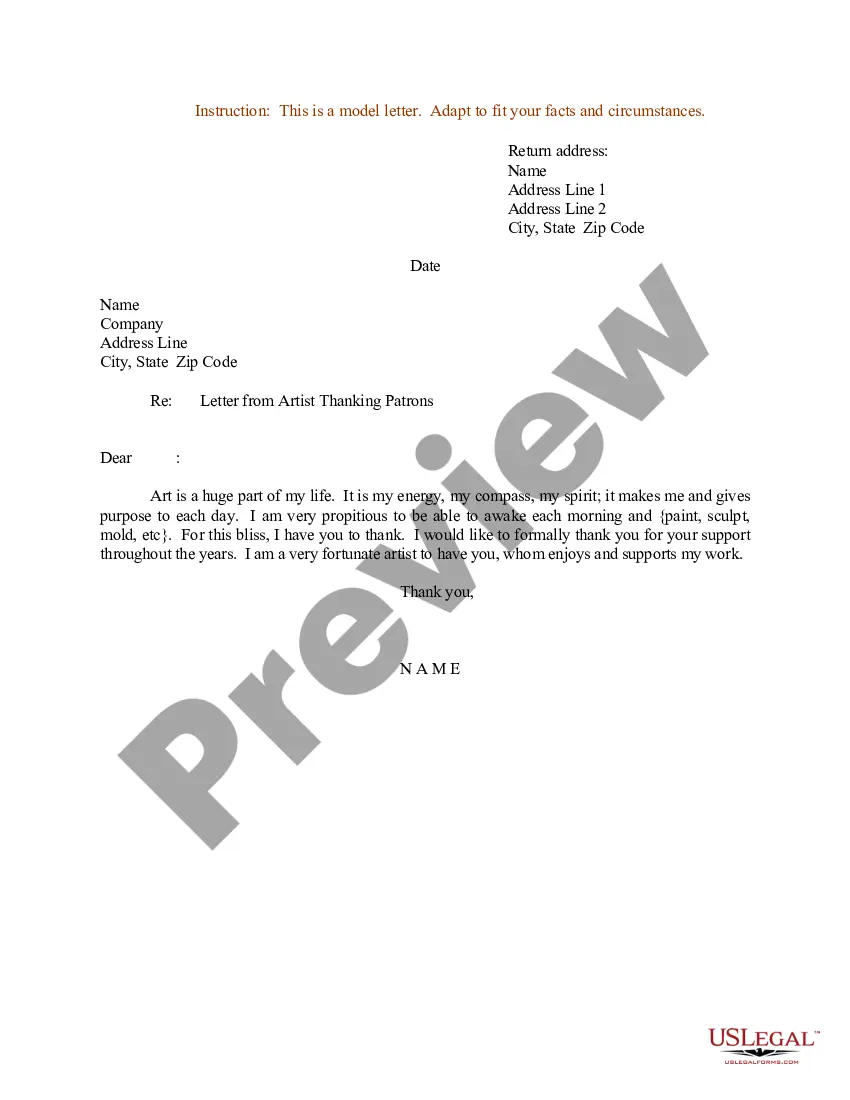
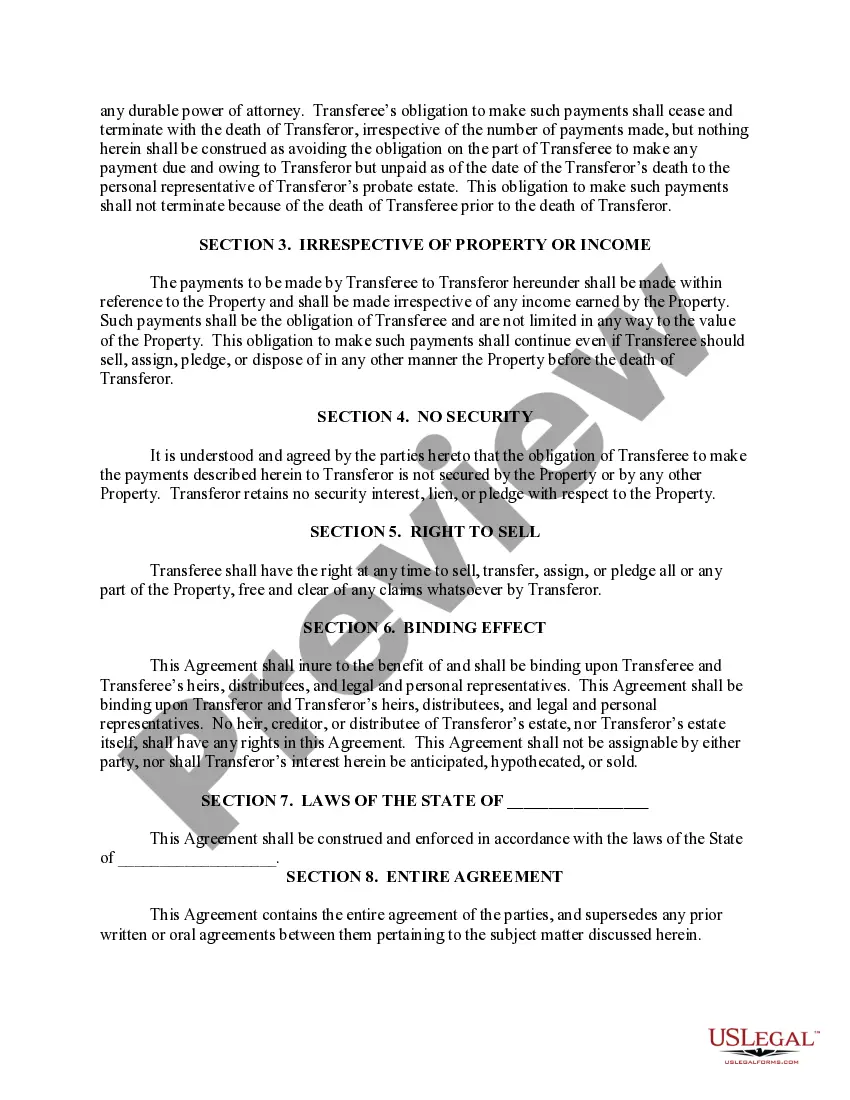
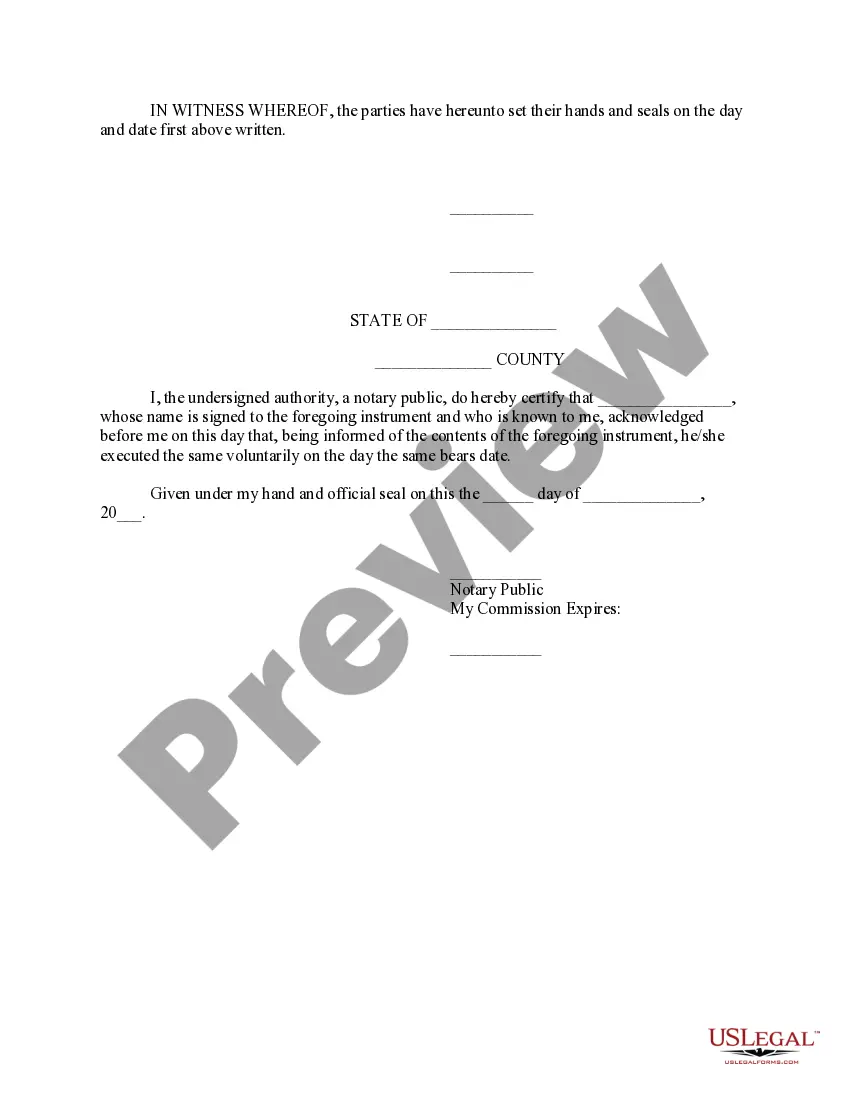
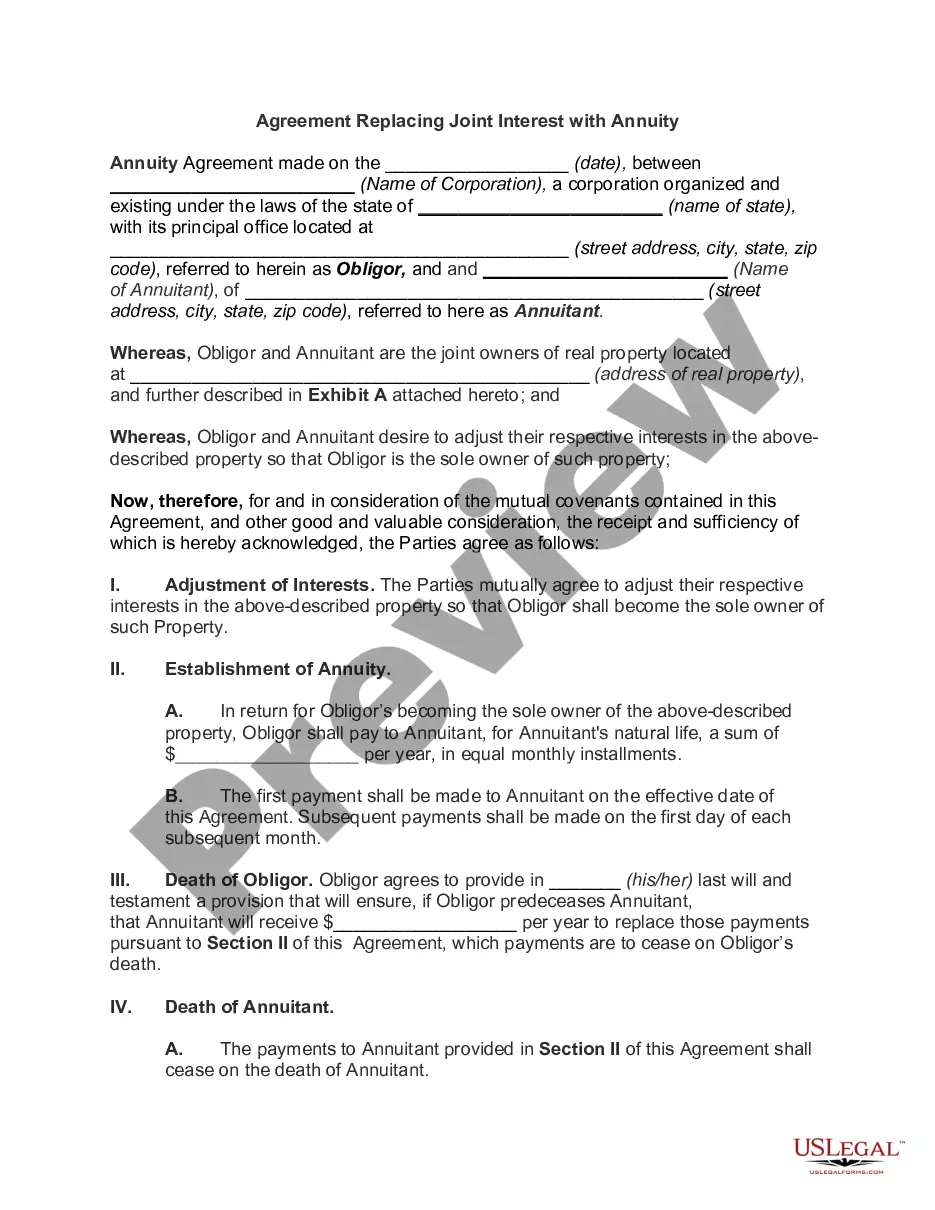
Cincinnati Ohio Private Annuity Agreement
Description




Form popularity
FAQ
Yes, reporting a Cincinnati Ohio Private Annuity Agreement to the IRS is necessary if it generates taxable income. You must include the income in your tax return, typically on Form 1040. Neglecting to report this could lead to complications, making it crucial to stay informed about your tax responsibilities.
To file an annuity, begin by gathering your distribution information, including details from your Cincinnati Ohio Private Annuity Agreement. Next, report the income on your federal and state tax returns. Utilizing platforms like uslegalforms can simplify the filing process, ensuring you have the correct forms and guidance.
Yes, if you reside in Cincinnati and have taxable income—including income from a Cincinnati Ohio Private Annuity Agreement—you generally need to file a local tax return. Cincinnati requires residents to report income for local tax purposes to ensure compliance with city tax laws. It's wise to consult a tax professional to understand your specific obligations.
The primary disadvantage of a Cincinnati Ohio Private Annuity Agreement lies in its illiquidity. Once you invest in an annuity, accessing funds can be challenging, especially in emergencies. Additionally, surrender charges may apply if you withdraw funds too early, affecting your financial flexibility.
When dealing with a Cincinnati Ohio Private Annuity Agreement, you typically report your annuity income on your federal tax return. It's essential to use Form 1040 and include this income as part of your total income. Reporting accurately ensures compliance with tax laws and helps you avoid potential penalties.
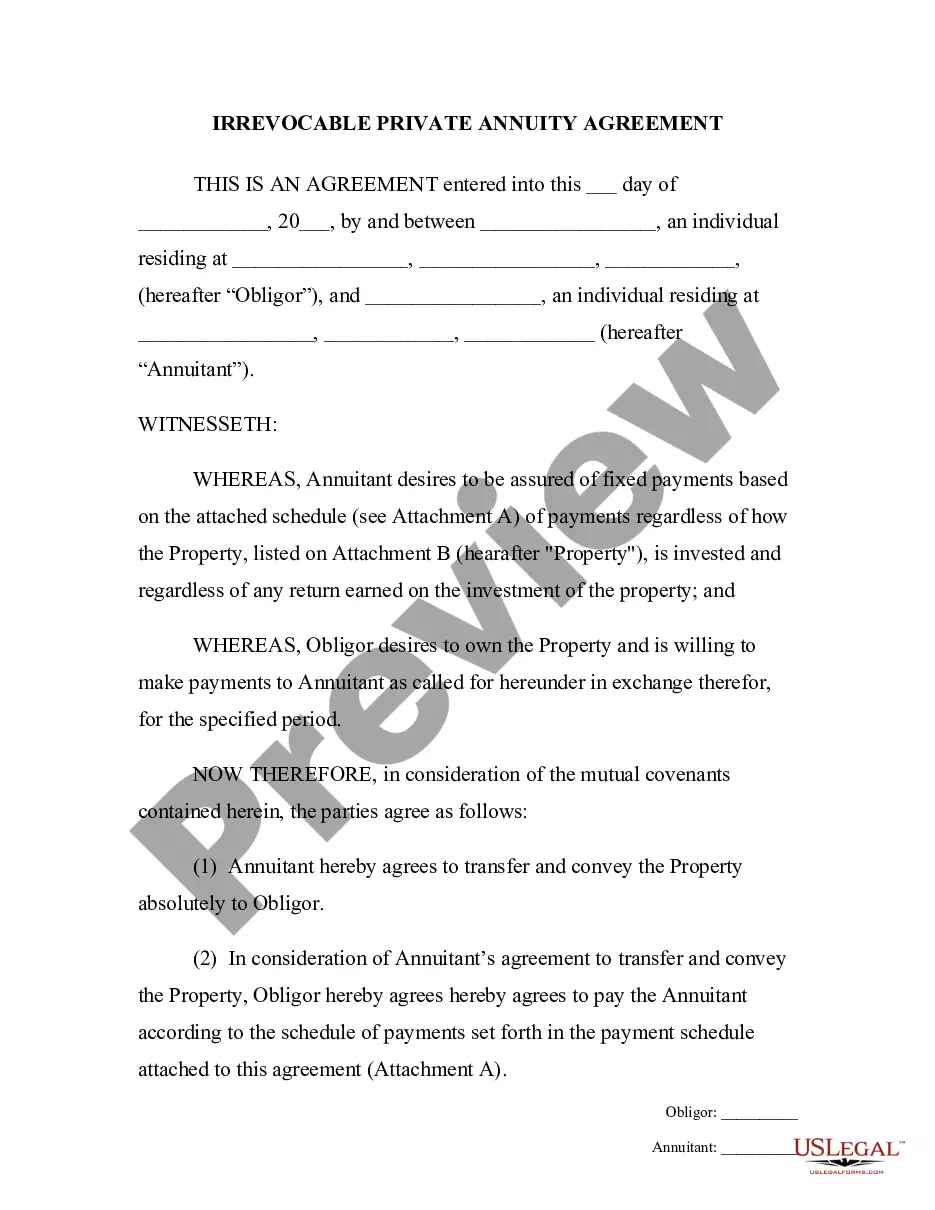
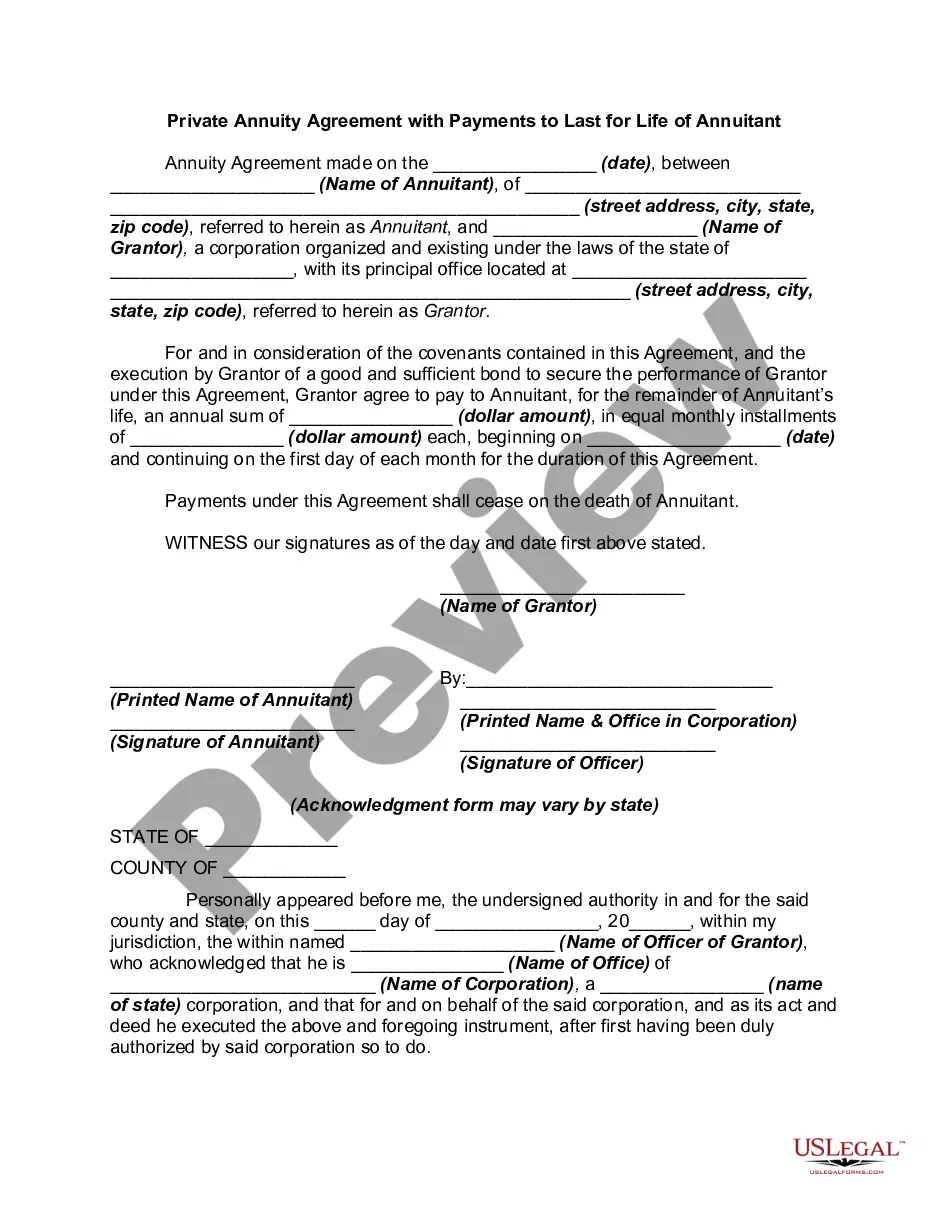
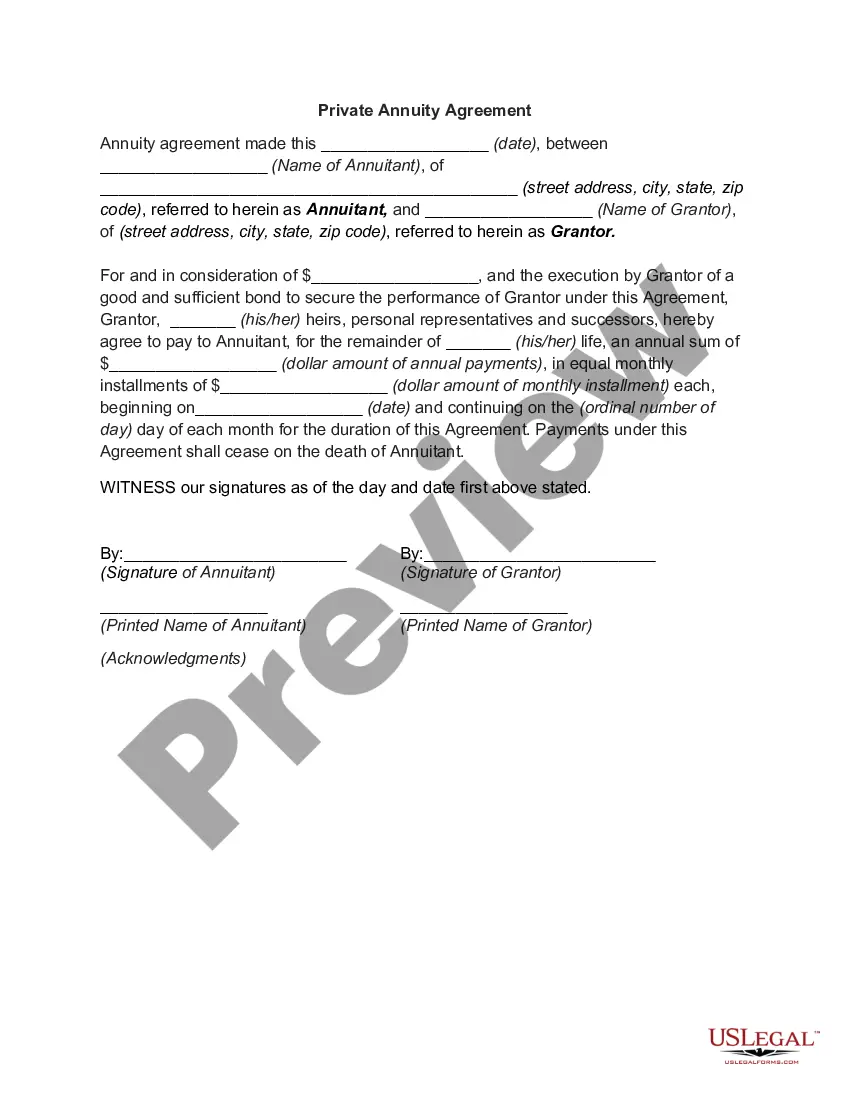
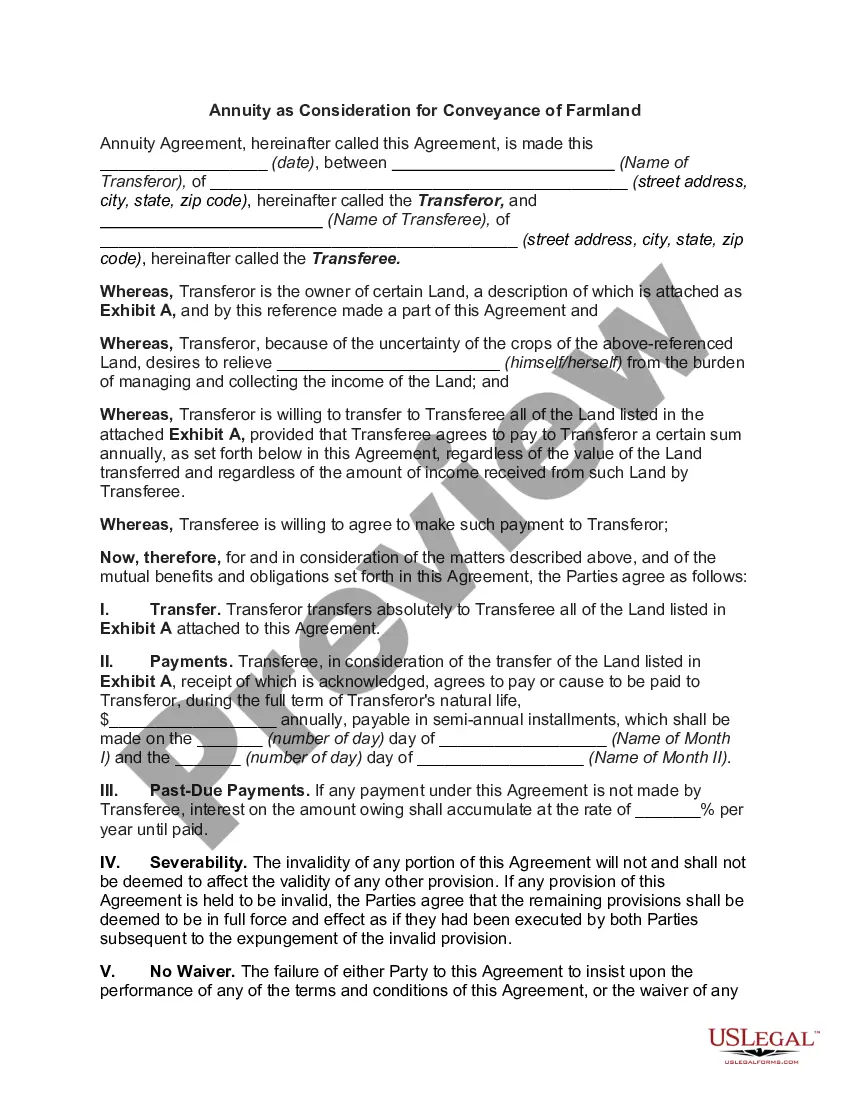
A private annuity works by establishing a payment schedule that one party follows, typically over the lifetime of the individual receiving payments. In this arrangement, the payer transfers assets to the payee while the payee gets regular income. This approach can be particularly beneficial in a Cincinnati Ohio Private Annuity Agreement, as it allows for a streamlined process of asset transfer and income generation. Understanding the mechanics of this agreement helps you optimize your financial strategy and secure your future.
Finding an annuity contract involves reviewing documentation from your insurance provider or financial institution. You may also search through online databases or use platforms like USLegalForms, which can help you locate specific annuity agreements, such as a Cincinnati Ohio Private Annuity Agreement. Be sure to check local resources for additional support as you explore your options.
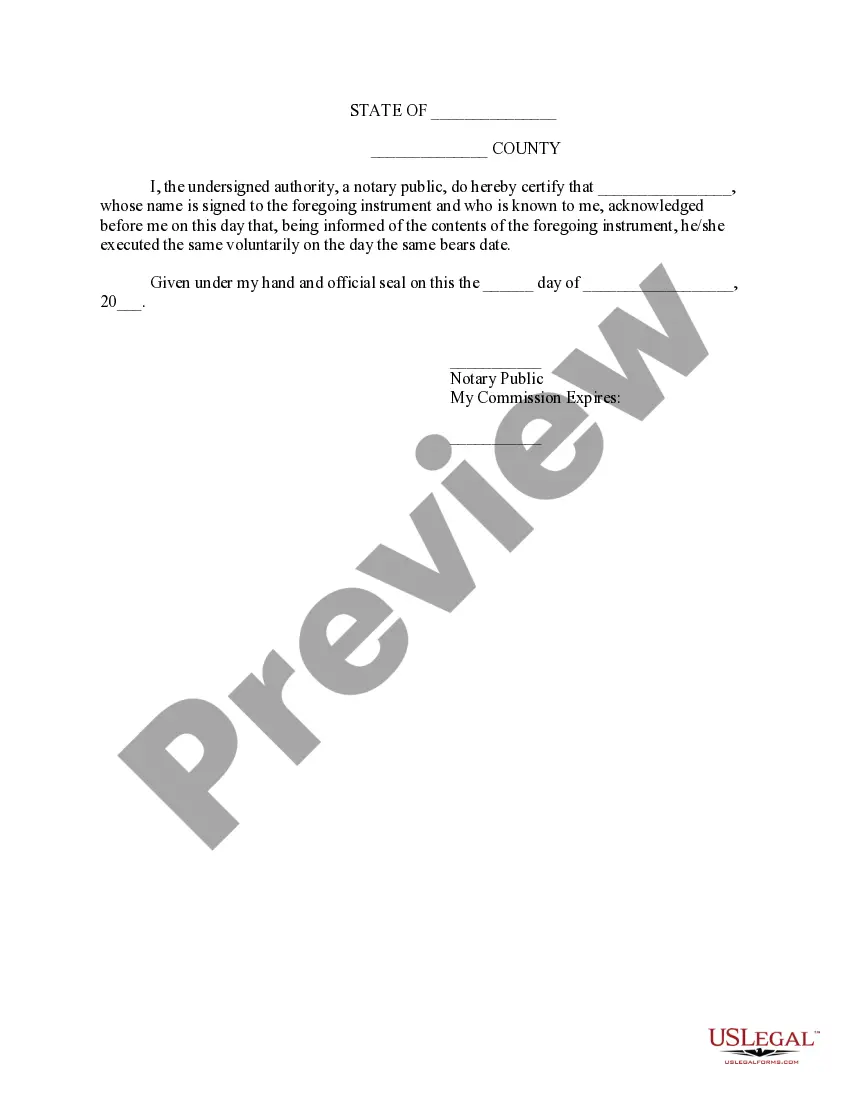
An annuity contract is a binding legal agreement that defines the terms of the annuity, including how much the purchaser pays and when they will receive payments. This contract can serve various purposes including retirement planning or investment. When considering a Cincinnati Ohio Private Annuity Agreement, carefully review the contract to understand its benefits and obligations.
An annuity agreement is a contract where one party pays a premium to another party in exchange for periodic payments that can begin immediately or in the future. This agreement often outlines the terms, payment schedule, and duration of income. A Cincinnati Ohio Private Annuity Agreement can be particularly beneficial for securing retirement income or transferring wealth.
While it may be possible to find life insurance using only your Social Security Number (SSN), most insurance providers prefer additional personal information for a comprehensive assessment. It is helpful to check online or speak directly with agents who can guide you through the process. If you're also exploring options like a Cincinnati Ohio Private Annuity Agreement, they can help integrate your life insurance choices.