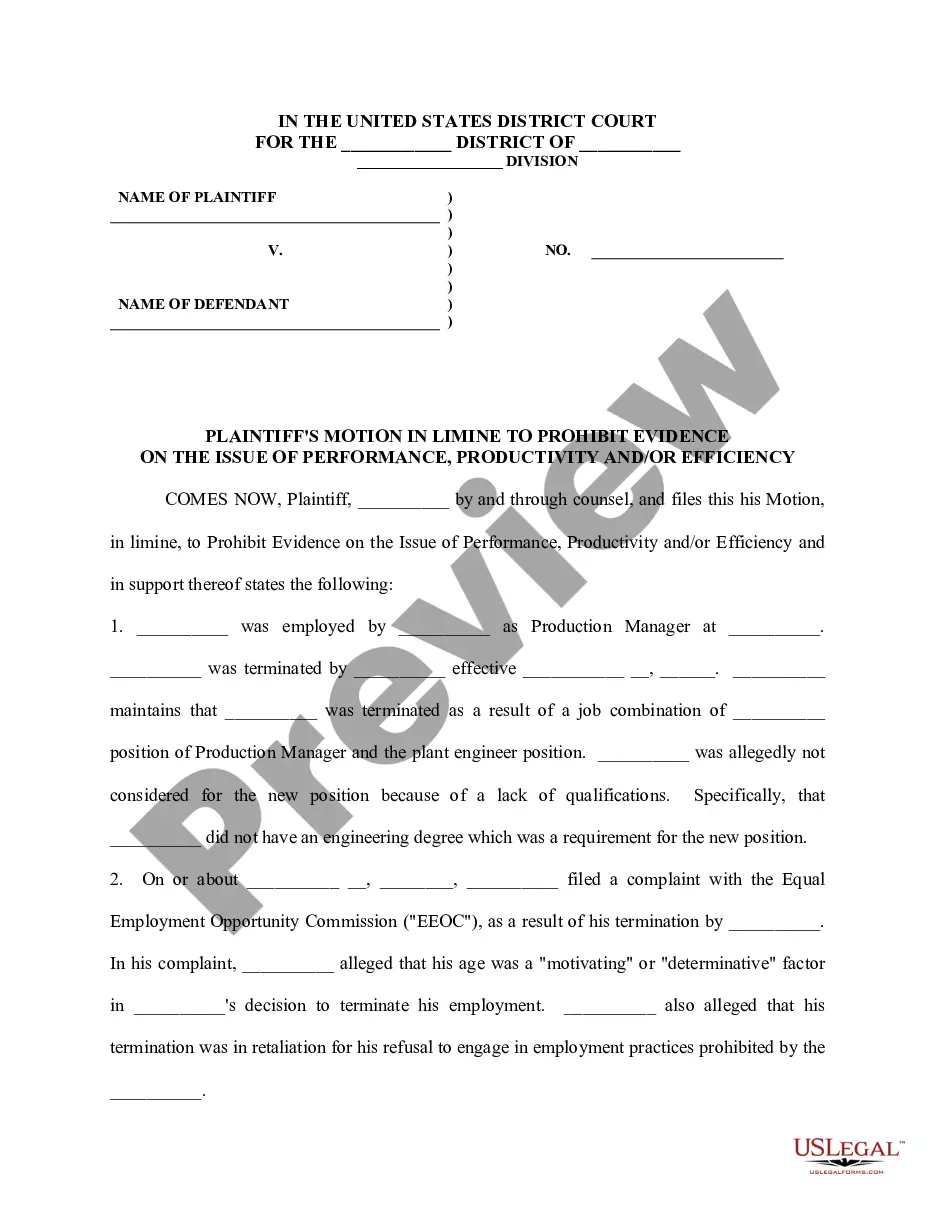
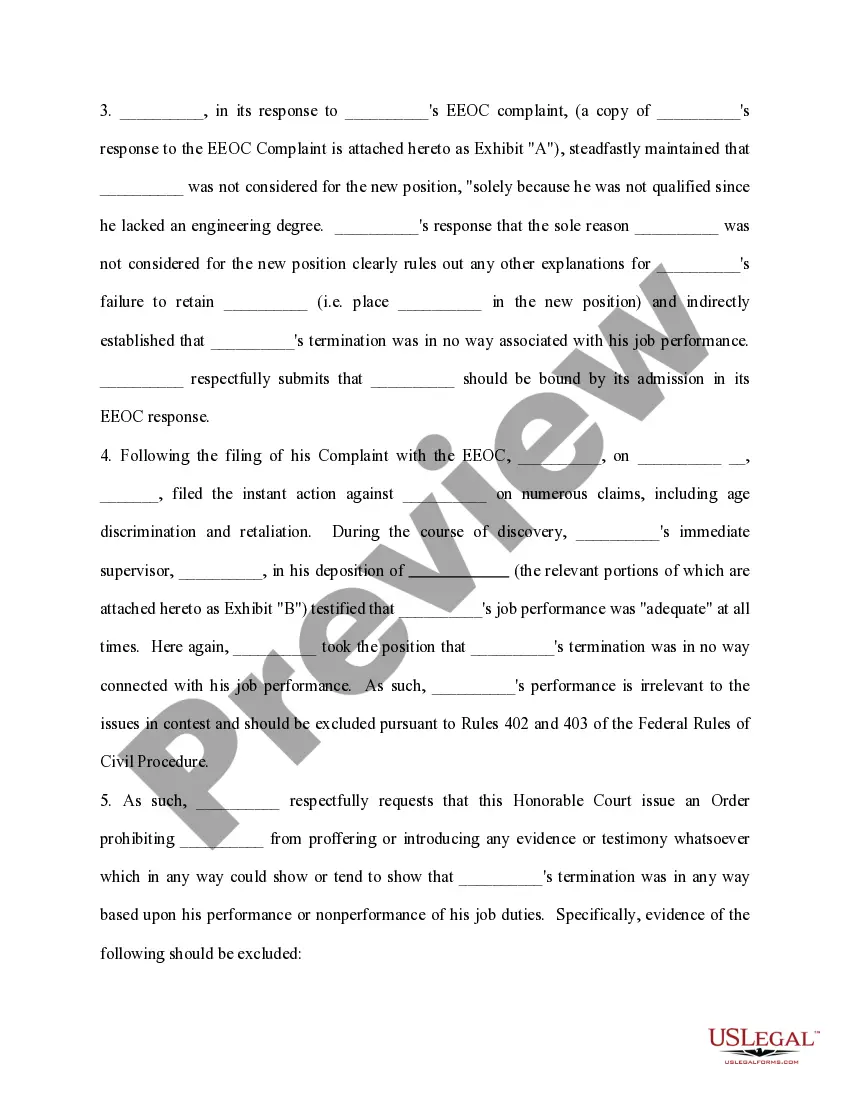
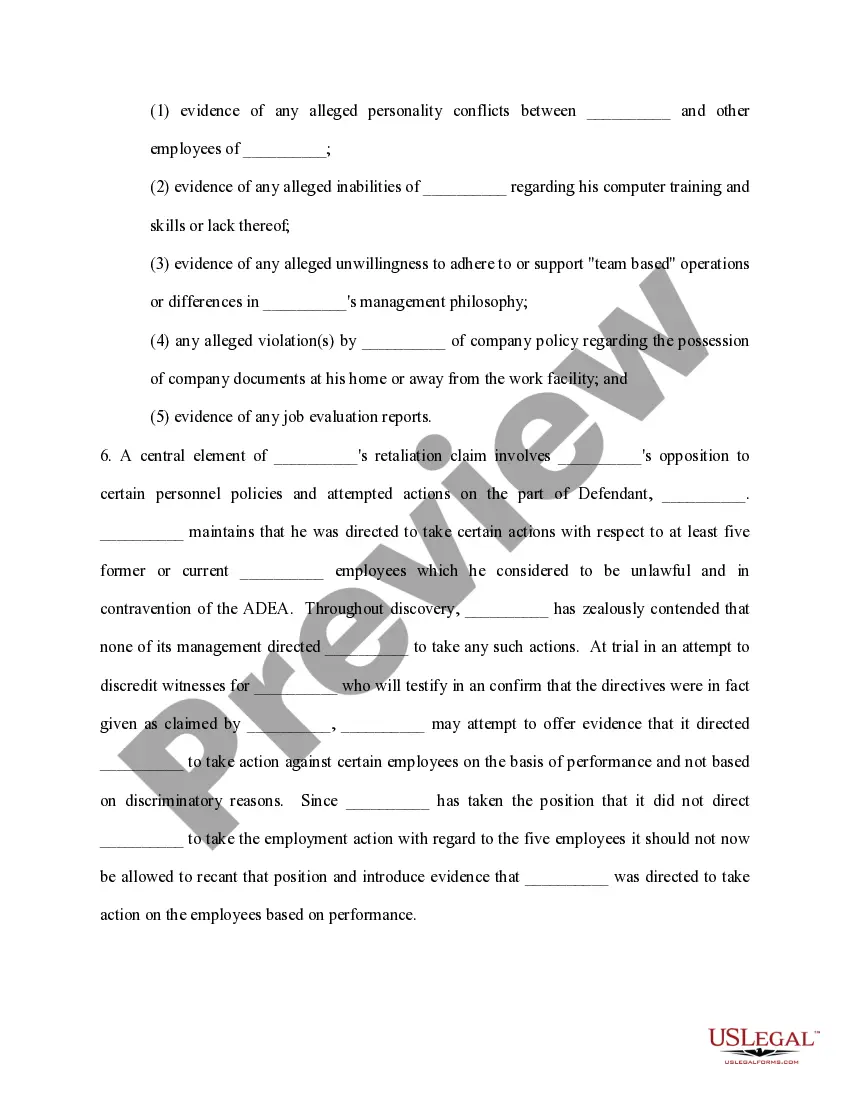
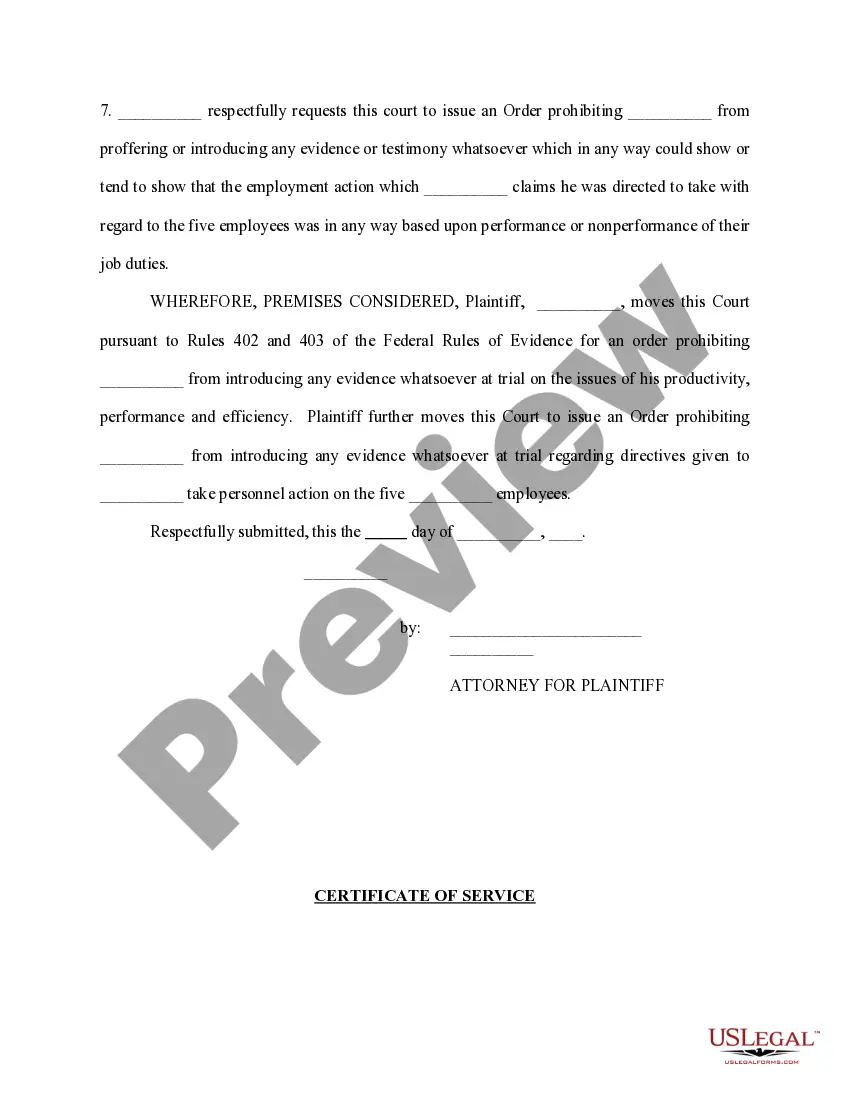
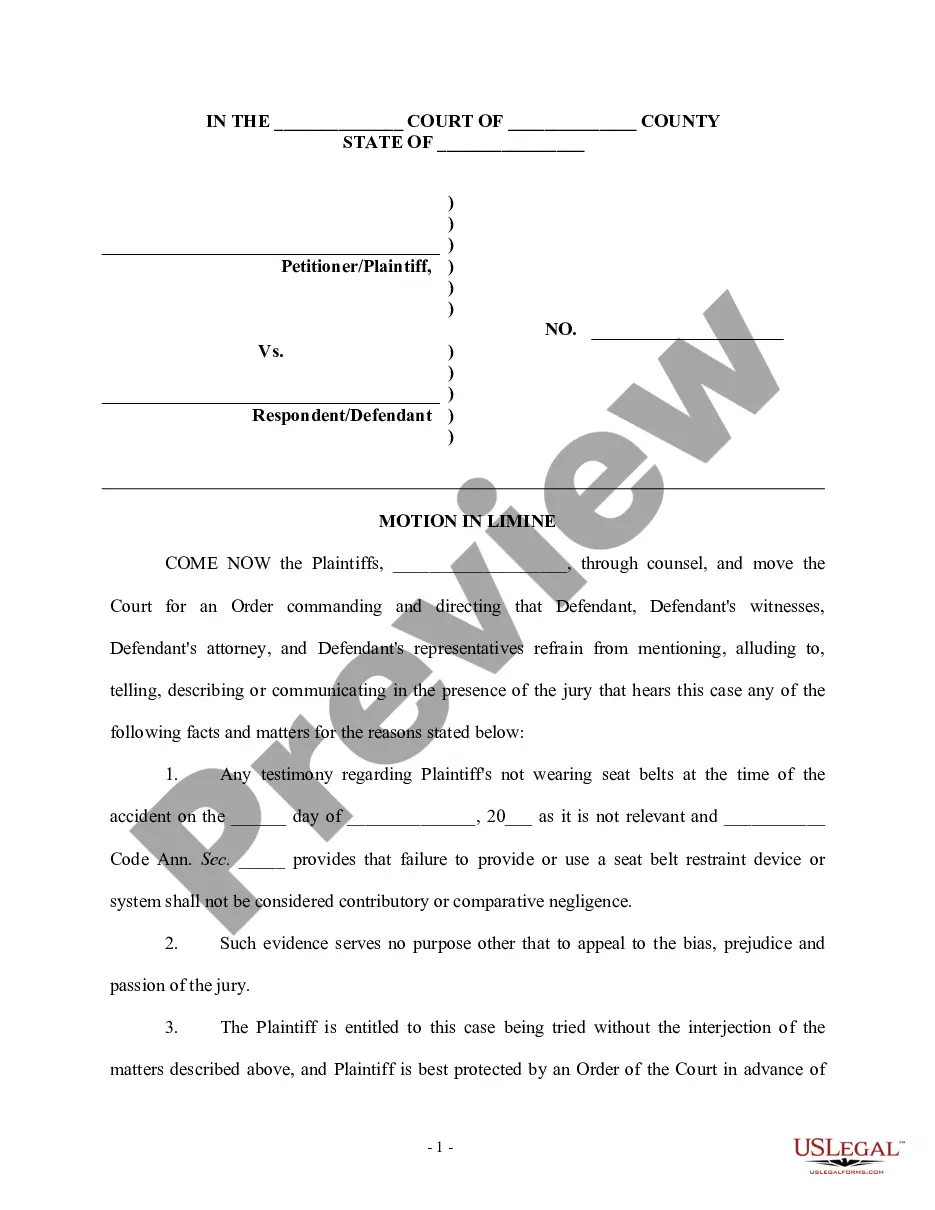
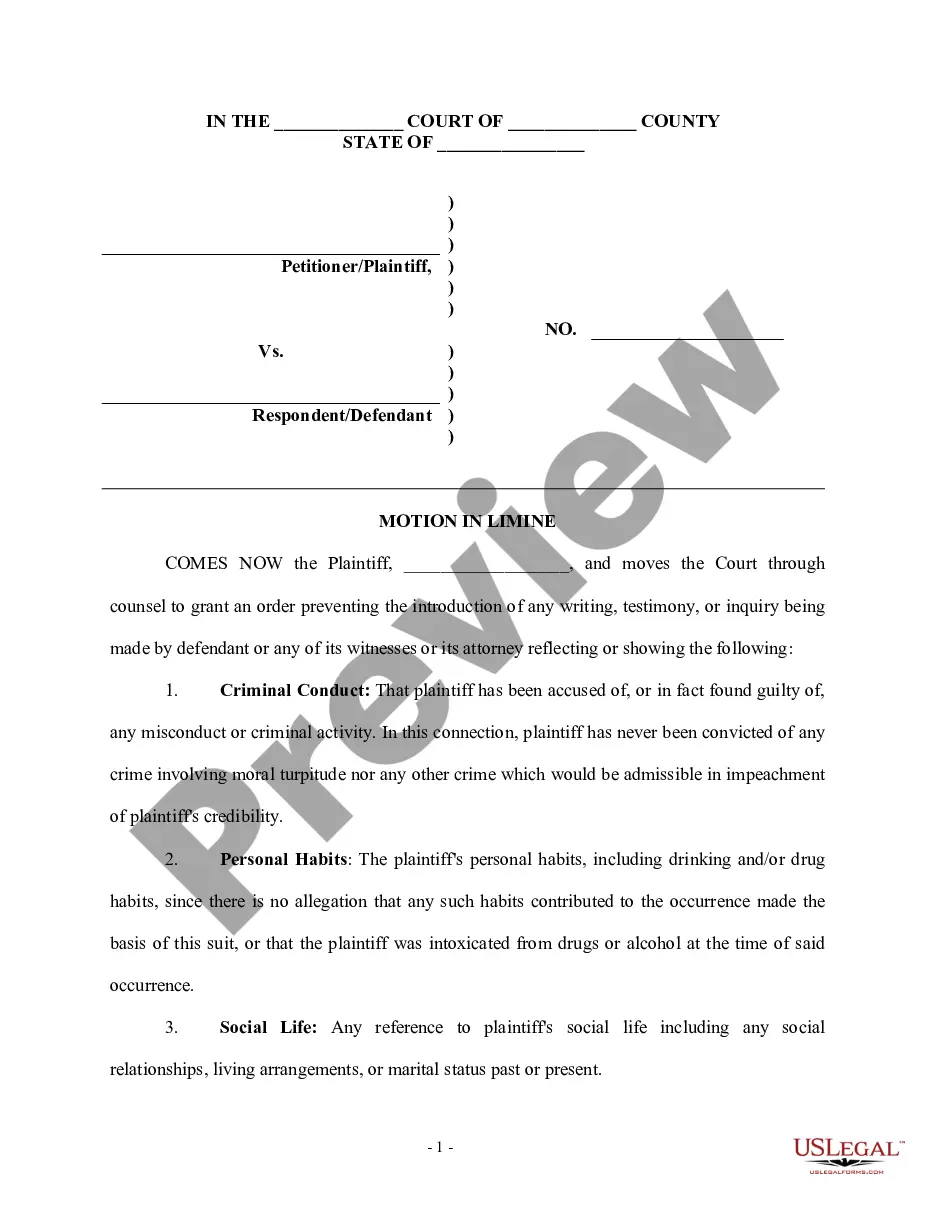
Franklin Ohio Plaintiff's Motion in Limine to Prohibit Evidence on the Issue of Performance, Productivity, and / or Efficiency
Description
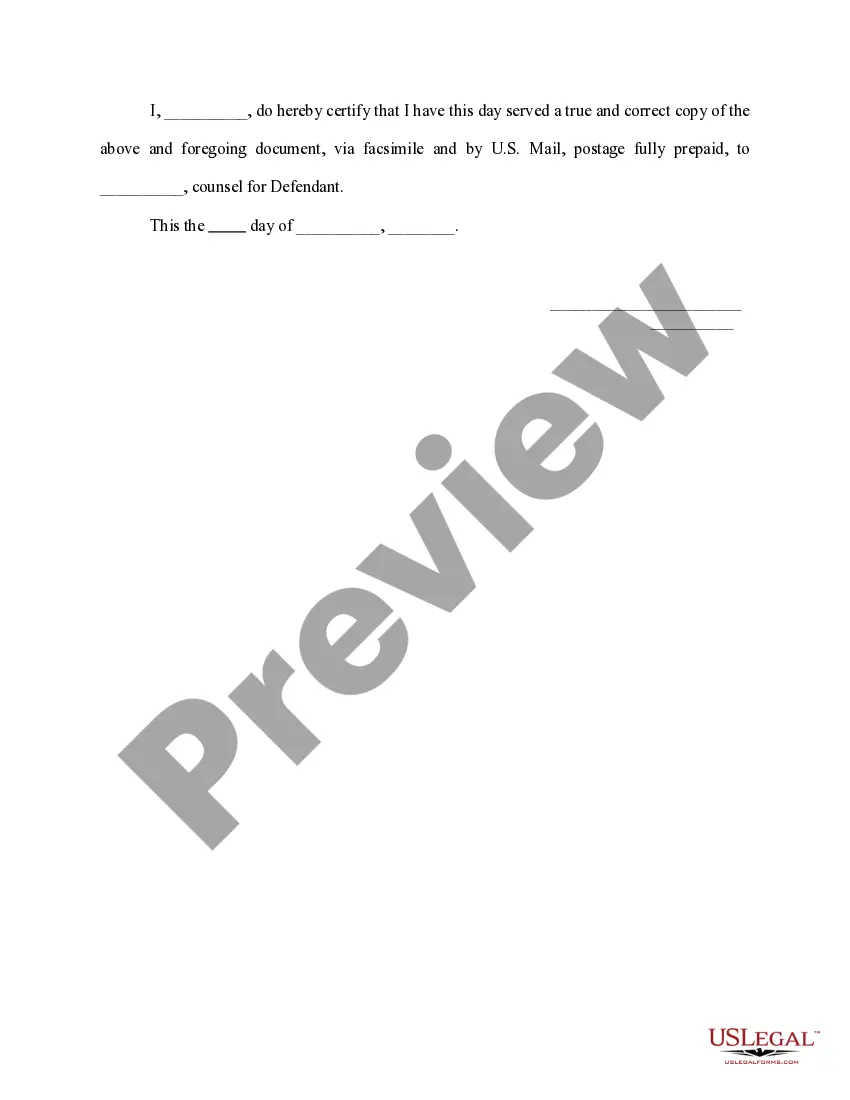
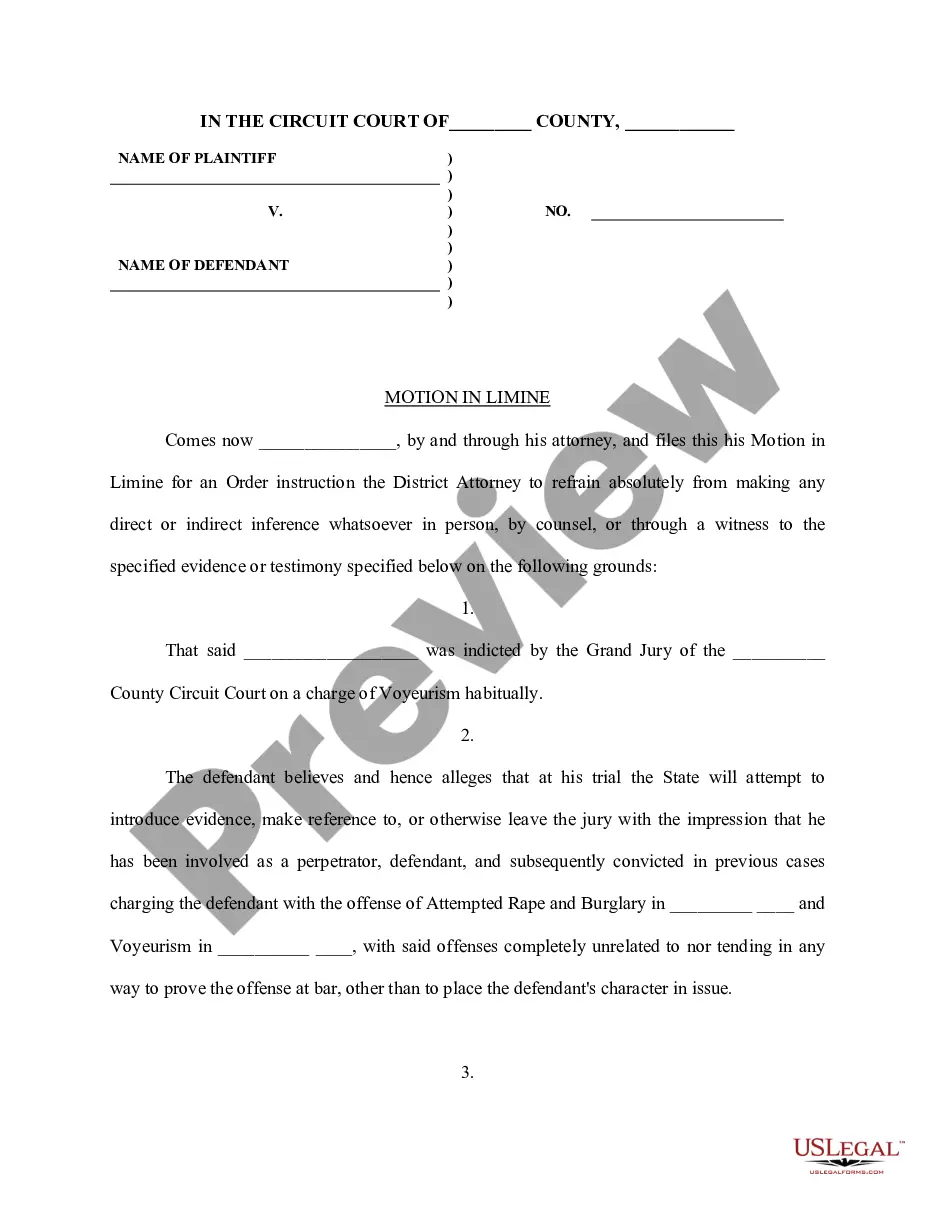
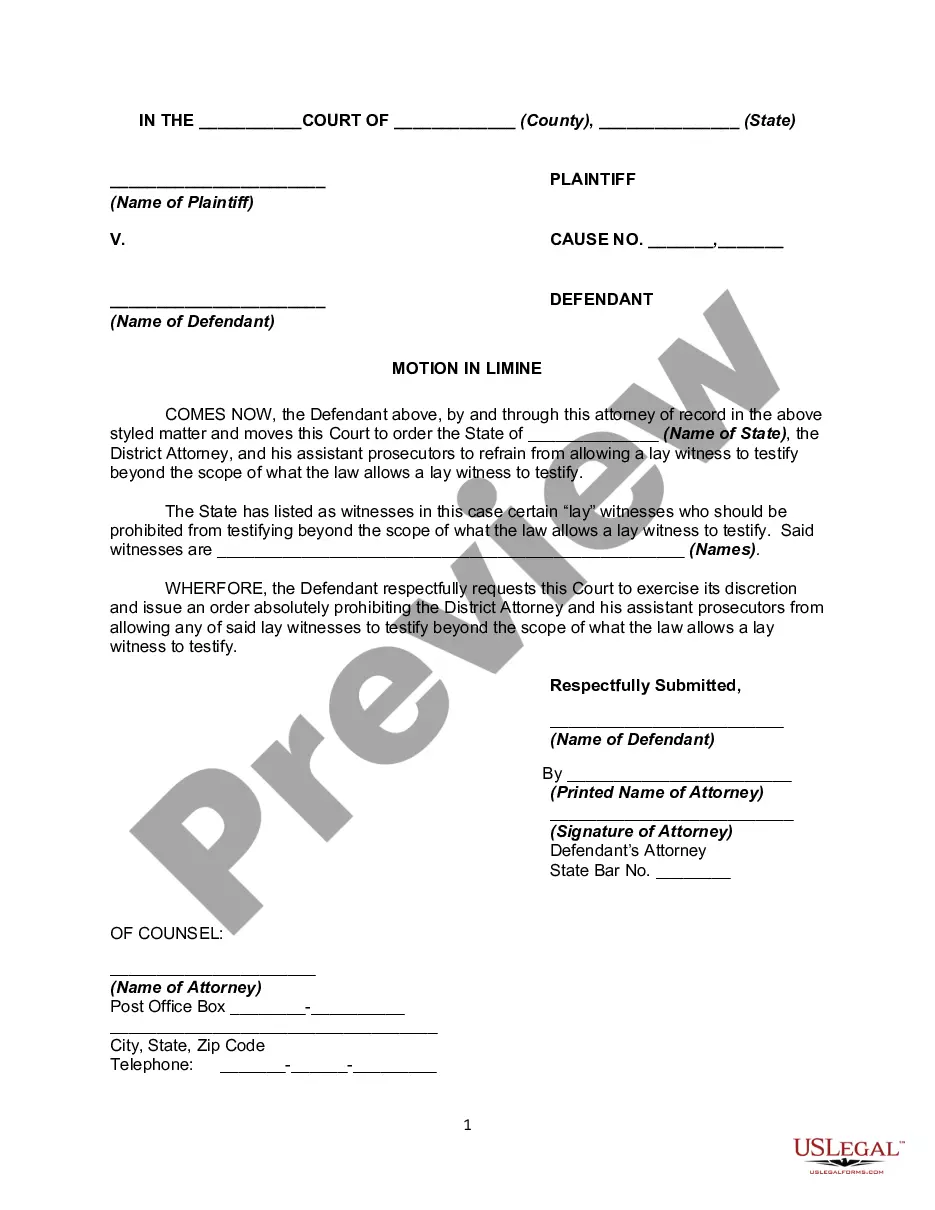
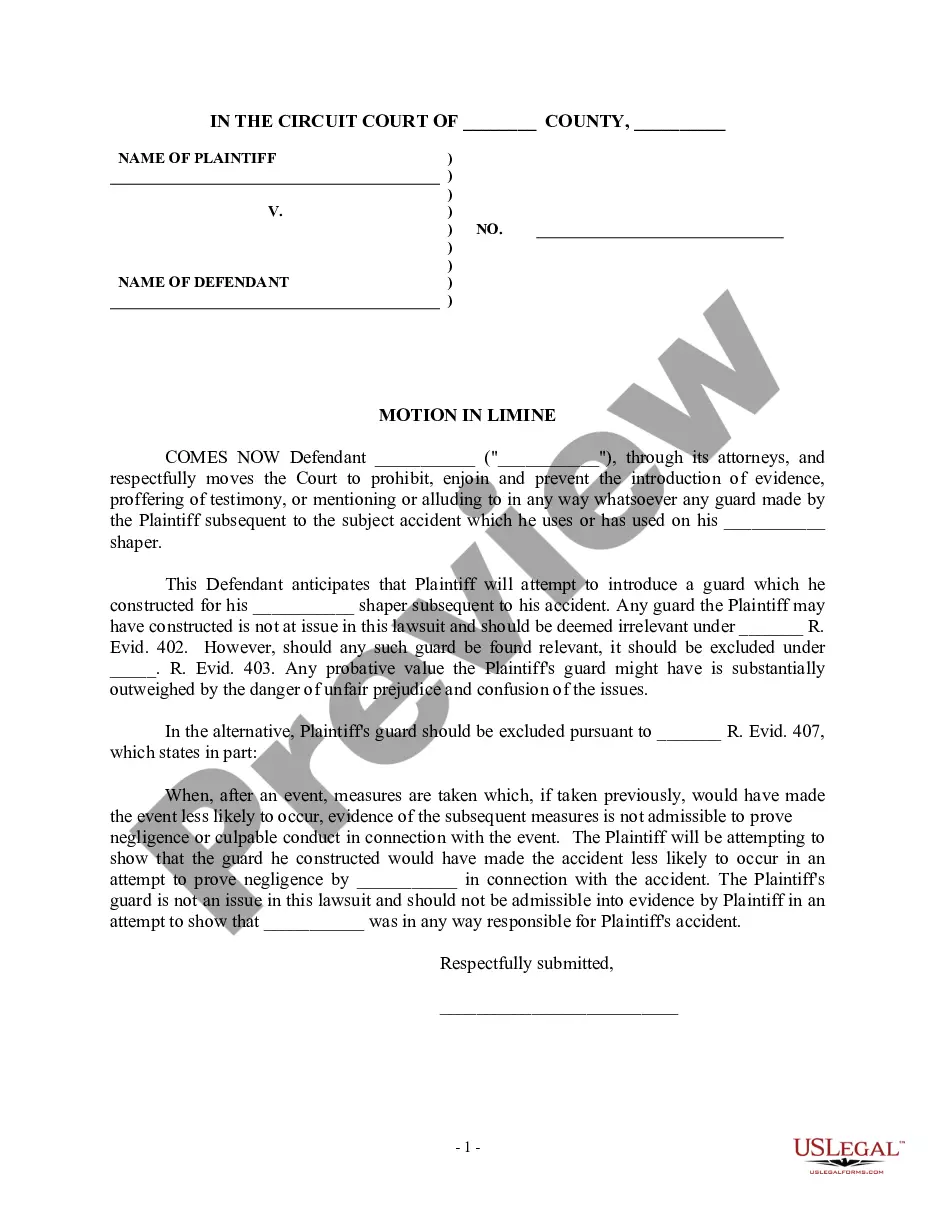
Get your form ready online
Our built-in tools help you complete, sign, share, and store your documents in one place.
Make edits, fill in missing information, and update formatting in US Legal Forms—just like you would in MS Word.
Download a copy, print it, send it by email, or mail it via USPS—whatever works best for your next step.
Sign and collect signatures with our SignNow integration. Send to multiple recipients, set reminders, and more. Go Premium to unlock E-Sign.
If this form requires notarization, complete it online through a secure video call—no need to meet a notary in person or wait for an appointment.
We protect your documents and personal data by following strict security and privacy standards.

Make edits, fill in missing information, and update formatting in US Legal Forms—just like you would in MS Word.

Download a copy, print it, send it by email, or mail it via USPS—whatever works best for your next step.

Sign and collect signatures with our SignNow integration. Send to multiple recipients, set reminders, and more. Go Premium to unlock E-Sign.

If this form requires notarization, complete it online through a secure video call—no need to meet a notary in person or wait for an appointment.

We protect your documents and personal data by following strict security and privacy standards.
Looking for another form?
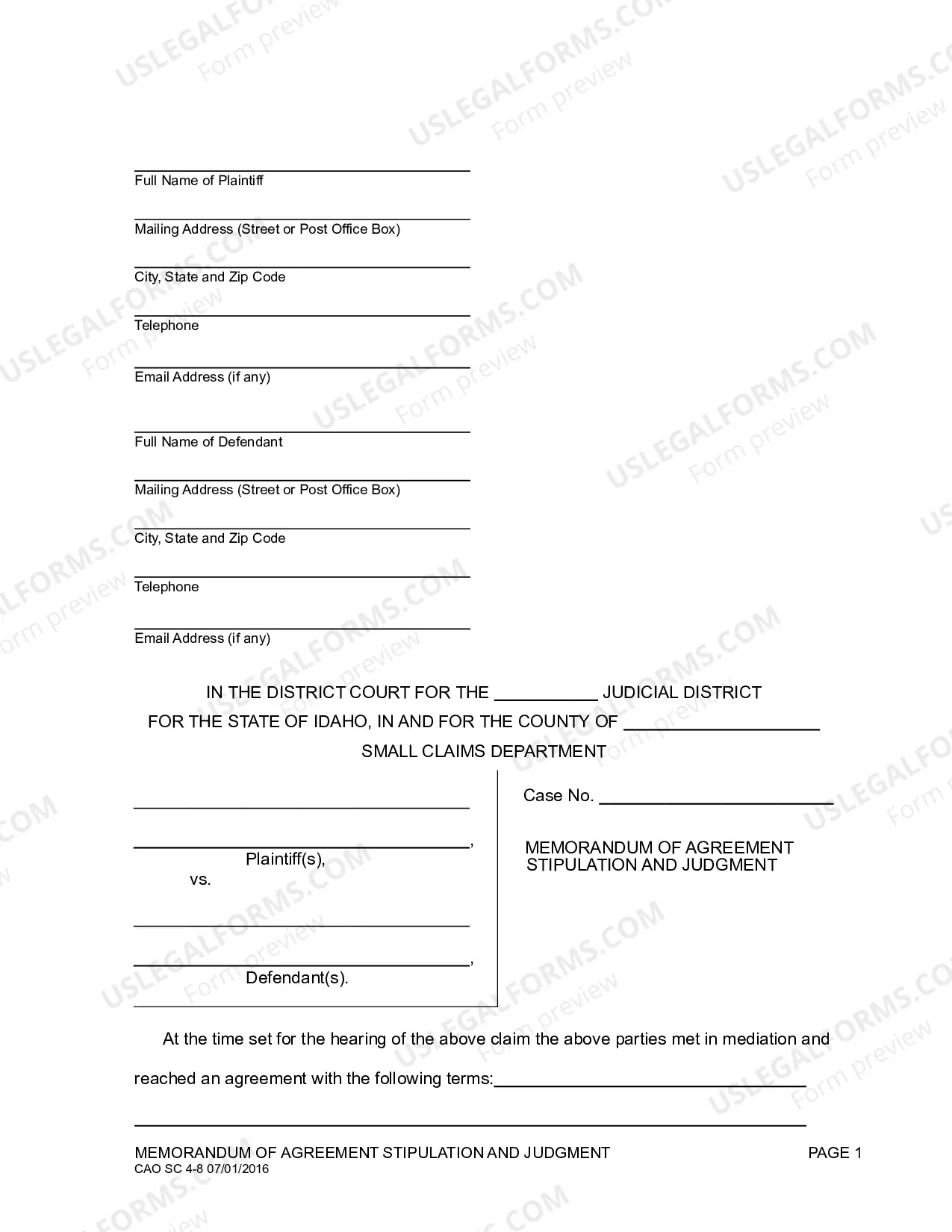
How to fill out Plaintiff's Motion In Limine To Prohibit Evidence On The Issue Of Performance, Productivity, And / Or Efficiency?
How long does it usually require you to draft a legal document.
Considering that each state has its own laws and regulations for every life circumstance, finding a Franklin Plaintiff's Motion in Limine to Exclude Evidence Regarding Performance, Productivity, and/or Efficiency that meets all local criteria can be exhausting, and obtaining it from a qualified attorney can frequently be expensive.
Numerous online services provide the most common state-specific templates for download, but utilizing the US Legal Forms library is the most beneficial.
Set up an account on the platform or Log In to move forward to payment methods. Complete the payment via PayPal or using your credit card. Adjust the file format if required. Click Download to save the Franklin Plaintiff's Motion in Limine to Exclude Evidence Regarding Performance, Productivity, and/or Efficiency. Print the document or utilize any preferred online editor to finish it electronically. Regardless of how often you need to utilize the purchased template, all the samples you have ever downloaded can be found in your profile by selecting the My documents tab. Give it a try!
- US Legal Forms is the most comprehensive online collection of templates, organized by states and fields of use.
- In addition to the Franklin Plaintiff's Motion in Limine to Exclude Evidence Regarding Performance, Productivity, and/or Efficiency, here you can discover any specific document to manage your business or personal matters, adhering to your local regulations.
- Professionals validate all samples for their authenticity, ensuring you prepare your documents correctly.
- Using the service is quite straightforward.
- If you already possess an account on the site and your subscription is active, you merely need to Log In, select the desired sample, and download it.
- You can access the file in your account anytime later.
- Otherwise, if you are a new user of the site, there will be a few additional steps to follow before you obtain your Franklin Plaintiff's Motion in Limine to Exclude Evidence Regarding Performance, Productivity, and/or Efficiency.
- Review the information on the webpage you’re currently on.
- Examine the description of the sample or Preview it (if accessible).
- Look for another document using the associated option in the header.
- Click Buy Now once you are confident in the chosen file.
- Select the subscription plan that best fits your needs.
Form popularity
FAQ
A pretrial motion asking that certain evidence be found inadmissible, and that it not be referred to or offered at trial.
Your motion in limine should be broken into two sections: (1) Factual Background and (2) Argument. The Factual Background section of your Memorandum should include all of the facts necessary for the judge to resolve every issue raised in your motion. appropriate, include procedural posture, as well.
A Defendant may serve discovery at any time. (CCP §2030.020). A Party has 30 days to respond to written discovery. For example, if you serve a Complaint on Defendant on April 01, then you can propound discovery on Defendant on April 11.
For example, if you are involved in a DUI accident and discover that there is a witness who is inflating the details of the case, then your attorney may create a motion in limine that requests that that witnesses' testimony be thrown out before the case proceeds.
(Subd (c) amended effective July 1, 2016.) No later than 20 days before trial, each party must file all motions in limine and must lodge with the court any items served under (b)(2)-(9) and (c).
A motion in limine is a procedural mechanism that allows litigators to seek to exclude certain evidence from being presented to a jury typically evidence that is irrelevant, unreliable, or more prejudicial than probative.
Whereas the motion in limine is based on the trial court's inherent discretion to exclude prejudicial evidence, the motion to suppress is based on the court's duty to exclude evidence which has been im- properly Qbtained.
A motion in limine is a procedural mechanism that allows litigators to seek to exclude certain evidence from being presented to a jury typically evidence that is irrelevant, unreliable, or more prejudicial than probative.
A motion in limine is an evidentiary motion brought on the threshold of trial by which a party seeks to exclude arguably inadmissible or highly prejudicial evidence from trial. The purpose of these motions is to avoid having to unring the bell by objecting to the evidence after the jury sees or hears it.
For example, if you are involved in a DUI accident and discover that there is a witness who is inflating the details of the case, then your attorney may create a motion in limine that requests that that witnesses' testimony be thrown out before the case proceeds.