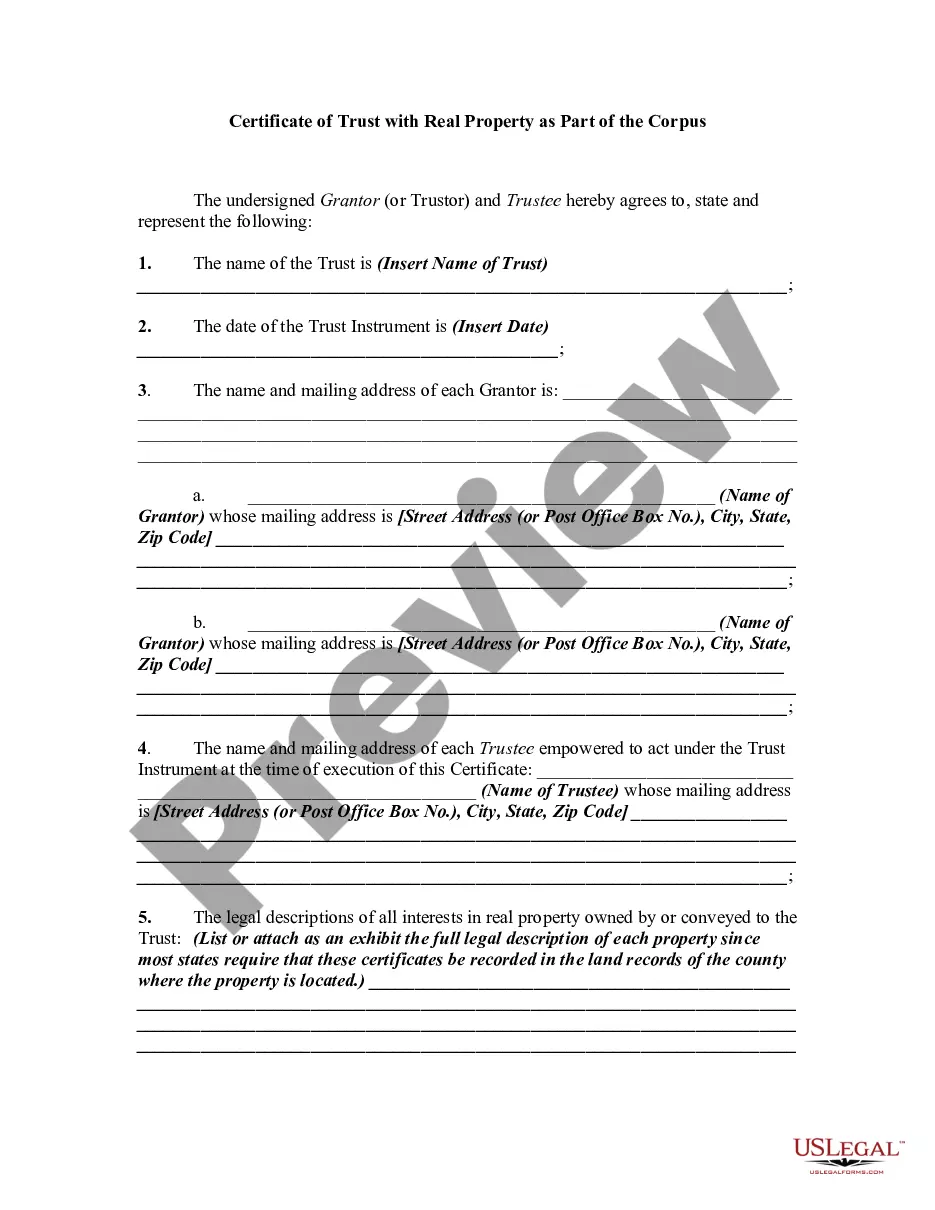
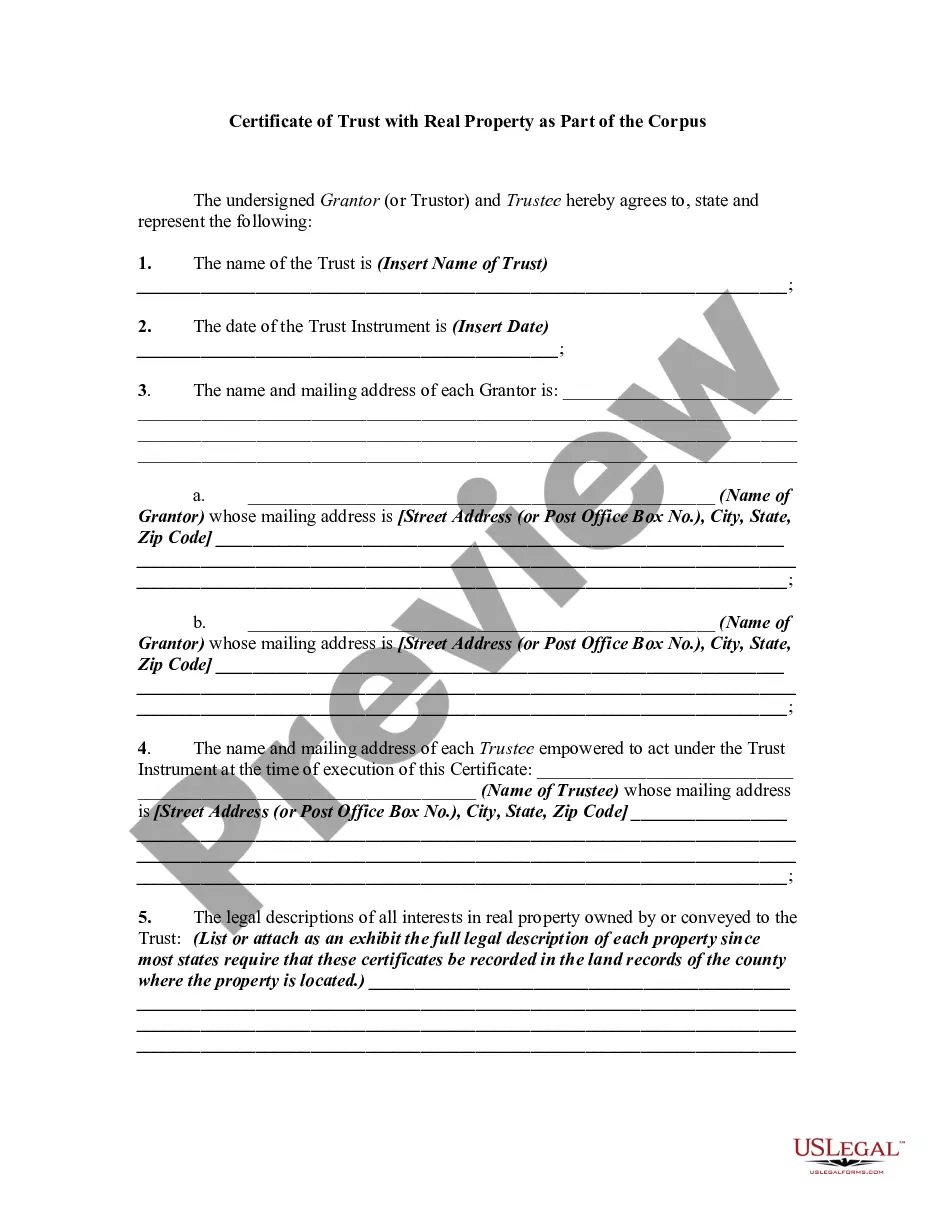
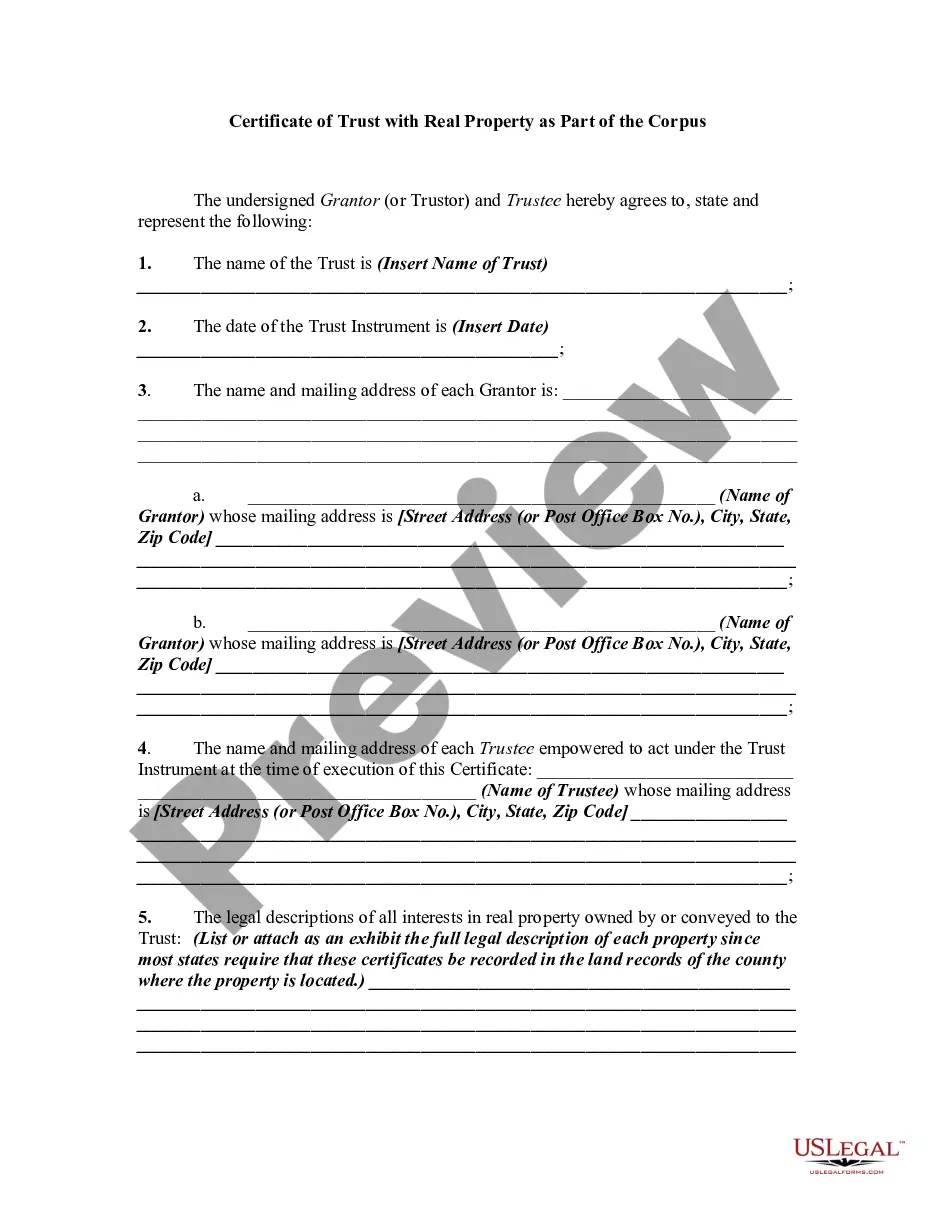
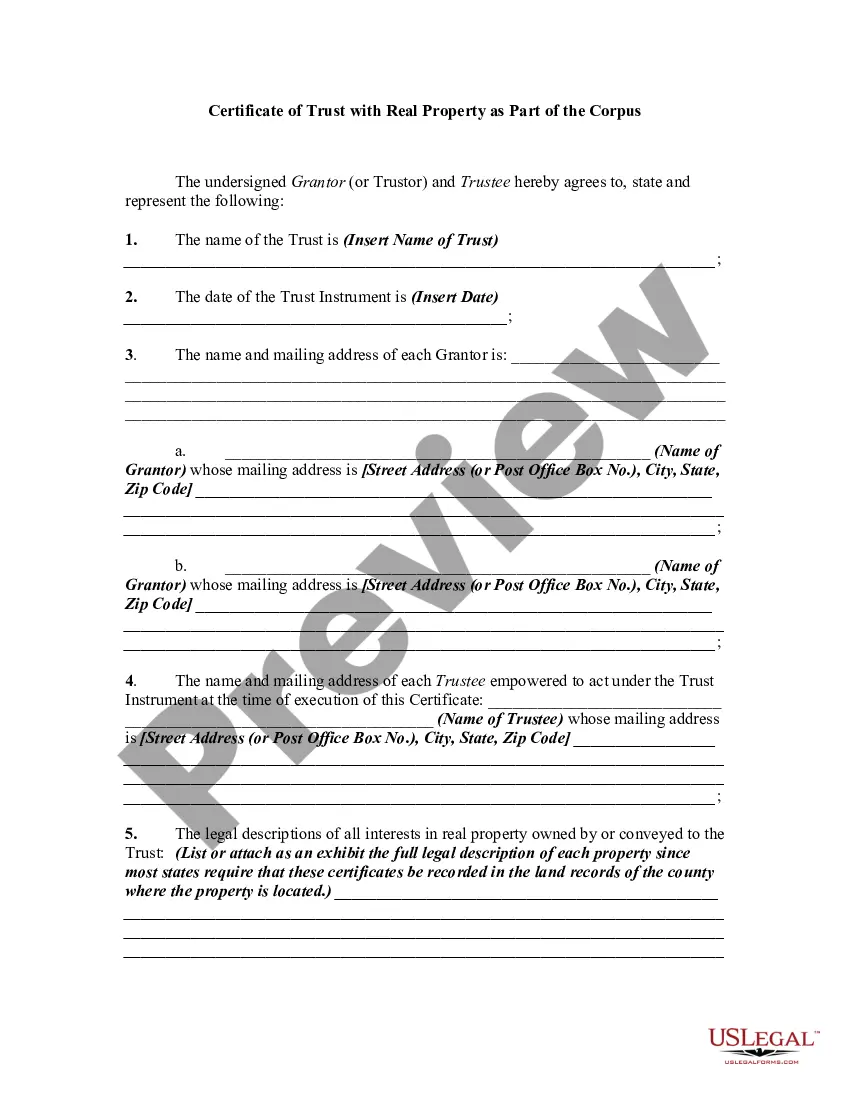
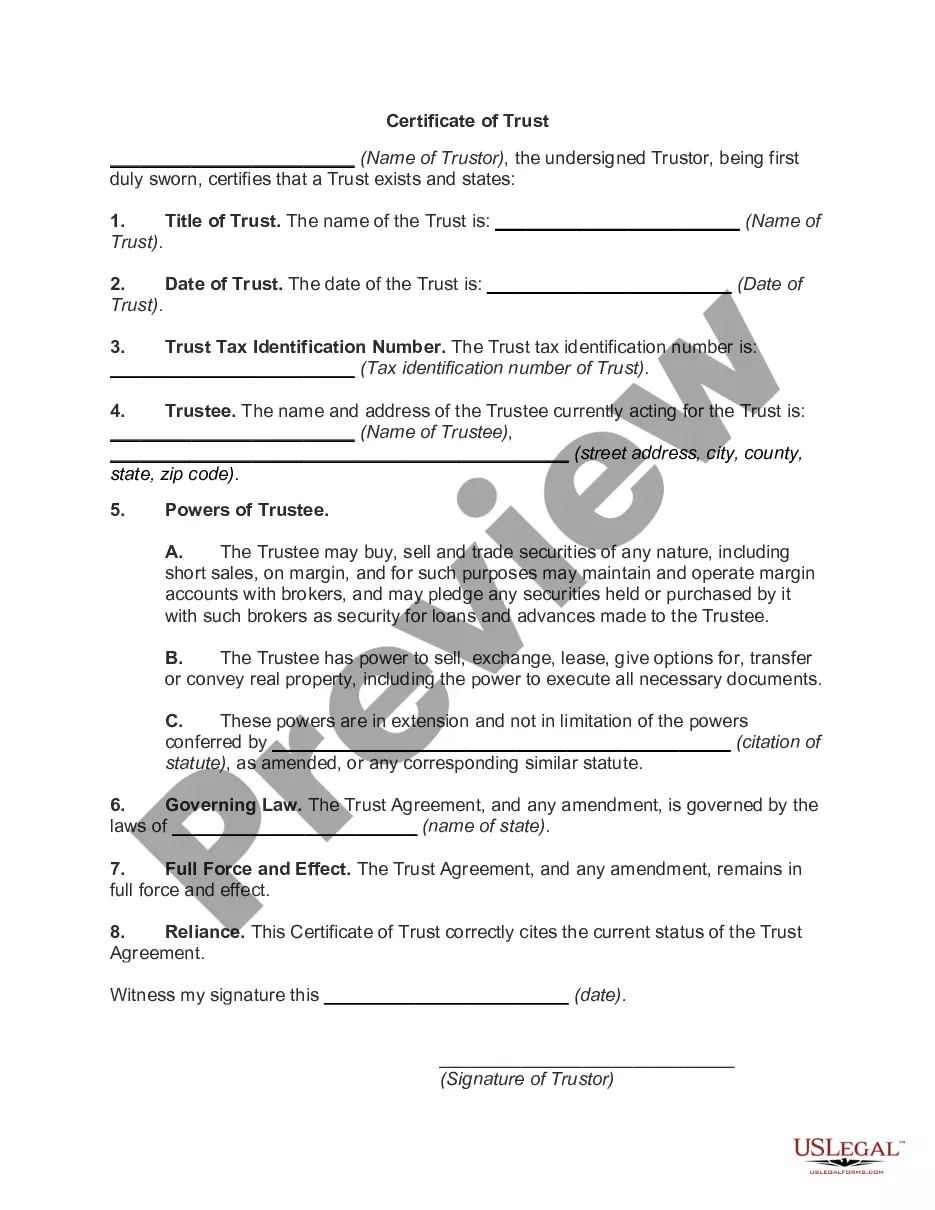
Salt Lake Utah Certificate of Trust - Indebtedness
Description
Get your form ready online
Our built-in tools help you complete, sign, share, and store your documents in one place.
Make edits, fill in missing information, and update formatting in US Legal Forms—just like you would in MS Word.
Download a copy, print it, send it by email, or mail it via USPS—whatever works best for your next step.
Sign and collect signatures with our SignNow integration. Send to multiple recipients, set reminders, and more. Go Premium to unlock E-Sign.
If this form requires notarization, complete it online through a secure video call—no need to meet a notary in person or wait for an appointment.
We protect your documents and personal data by following strict security and privacy standards.

Make edits, fill in missing information, and update formatting in US Legal Forms—just like you would in MS Word.

Download a copy, print it, send it by email, or mail it via USPS—whatever works best for your next step.

Sign and collect signatures with our SignNow integration. Send to multiple recipients, set reminders, and more. Go Premium to unlock E-Sign.

If this form requires notarization, complete it online through a secure video call—no need to meet a notary in person or wait for an appointment.

We protect your documents and personal data by following strict security and privacy standards.
Looking for another form?
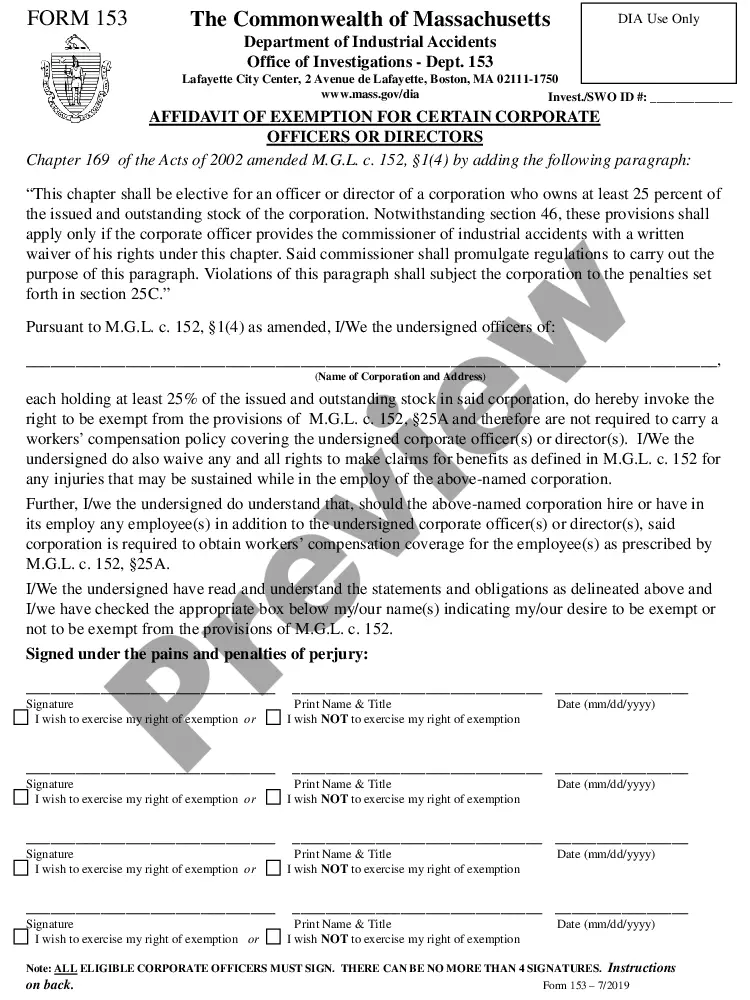
How to fill out Certificate Of Trust - Indebtedness?
Composing documents for professional or personal requirements is always a significant obligation.
When formulating an agreement, a request for public services, or a power of attorney, it is vital to consider all federal and state statutes and regulations pertinent to the particular jurisdiction.
However, small counties and even municipalities also possess legislative requirements that must be taken into account.
To find the one that meets your needs, utilize the search tab in the page header.
- All these factors contribute to the stress and lengthy process of preparing a Salt Lake Certificate of Trust for Property without expert help.
- It’s simple to avoid incurring costs on lawyers crafting your documents and generate a legally sound Salt Lake Certificate of Trust for Property by yourself, utilizing the US Legal Forms online repository.
- It boasts the largest online assortment of state-specific legal paperwork that is professionally verified, guaranteeing their legitimacy when selecting a model for your county.
- Previous subscribers only need to Log In to their accounts to retrieve the necessary form.
- If you do not have a subscription yet, follow the step-by-step instructions below to procure the Salt Lake Certificate of Trust for Property.
- Browse the page you've accessed and confirm if it includes the sample you require.
- Use the form description and preview if these options are available for verification.
Form popularity
FAQ
If a real estate property owner doesn't use an agent to sell or buy a property, parties involved in a transaction can choose to keep the sales price anonymous in Utah which is a non-disclosure state. The sales price of the transaction is not held as a public record in Utah.
Currently, Alabama, Arizona, Connecticut, Florida, Illinois, Iowa, Kansas, Missouri, New Hampshire, New Mexico, Oklahoma, Rhode Island, South Carolina, Tennessee, Texas, Vermont, and West Virginia are the jurisdictions where a notice statute is in effect.
How can I obtain a copy of my deed? You can request a copy from our office in person or by mail. Copies are $1.00 per page. If mailing your request, please enclose the appropriate fee for the copy and a self-addressed stamped envelope.
The Recorder's Office records documents pertaining to real estate property and maintains cross-reference indexes to these records. The Recorder's Office is also required to maintain a set of maps which show the current ownership of every tract of land in the entire county.
Calling our office at (702) 455-4336.... Download the Official Records Copy Order Form. Print the order form. Fill out the order form with the appropriate information. Records Search: Locate your document information online. Mail or bring the completed order form and appropriate fees to the Clark County Recorder's Office:
Actually, Utah has a race-notice recording statute.
Utah Code § 57-1-12.5. Utah Quit Claim Deed Form ? Provides no warranty of title....Transferring Utah real estate involves four general steps: Locate the Prior Deed to the Property.Create the New Deed.Sign and Notarize the New Deed.File the Deed with the County.
Colorado is a Race-Notice state: the recording of documents that affect real property must be made public record and serve as notice to others that someone has an interest in the property.
If you want to obtain a copy of the deed to your home, contact your local county recorder. In Ohio, county recorders are responsible for maintaining land records and making them accessible to the public. The Ohio Revised Code establishes fees recorders may charge for various services.
Consequently, California has enacted a race notice recording statute that rewards lien holders who first record their security interests in real property, and punishes those who fail to do so. See Bernhardt, supra ; and Cal. Civ. Code § 1214.