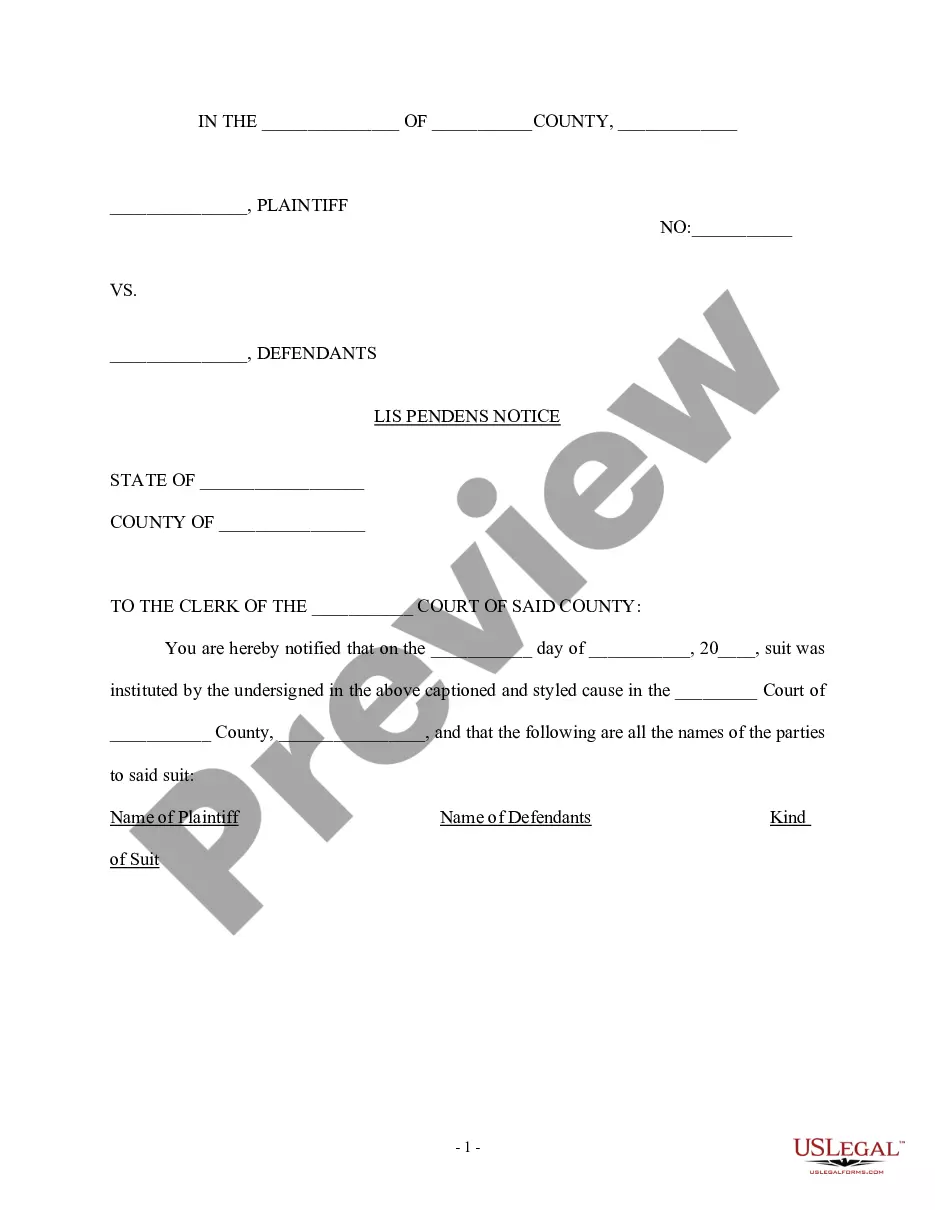
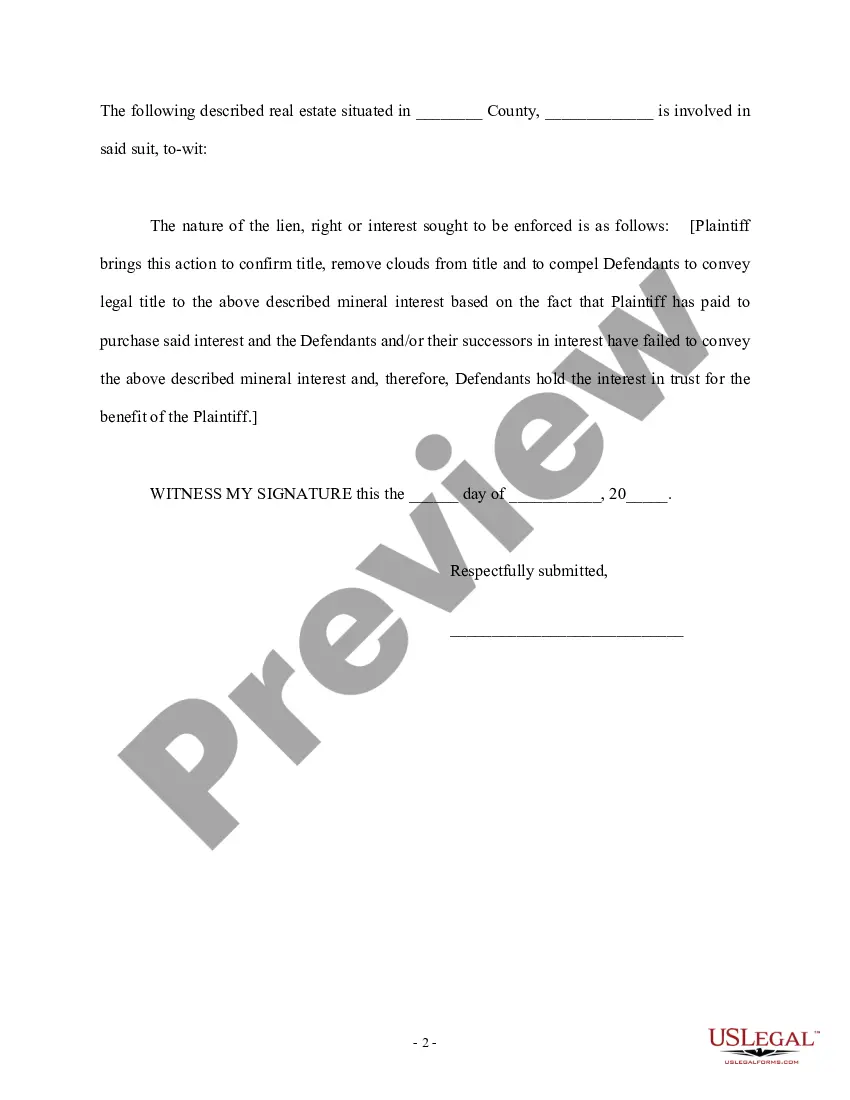
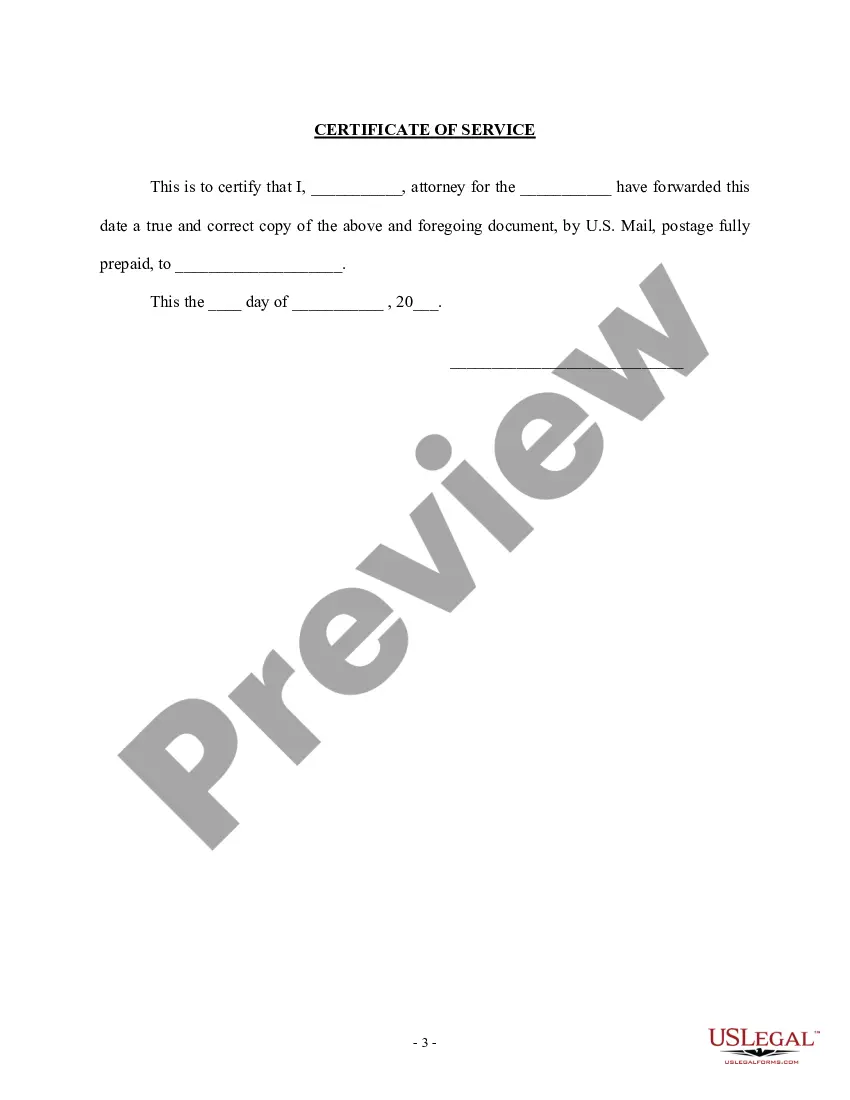
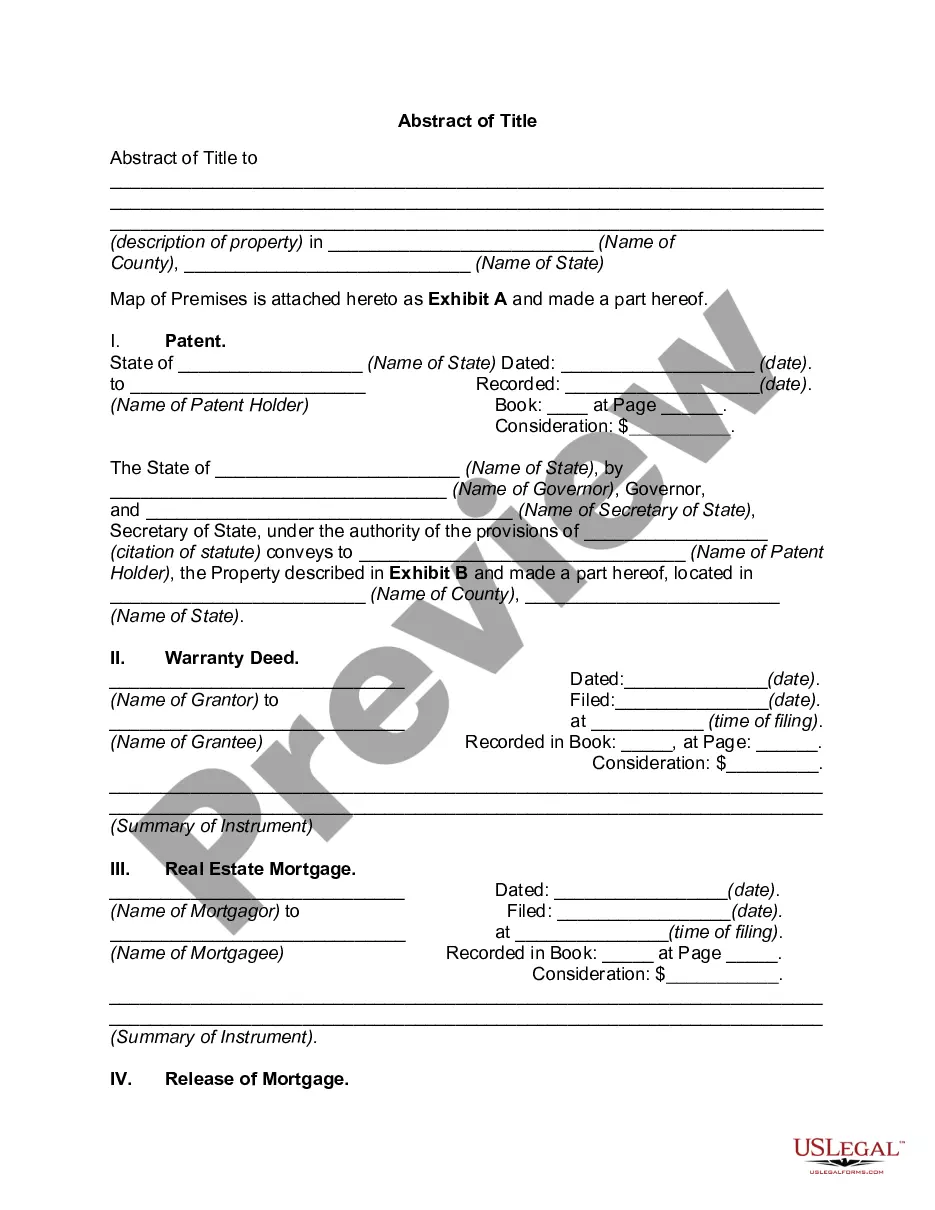
Orange California Lis Pendens Notice

Description
Get your form ready online
Our built-in tools help you complete, sign, share, and store your documents in one place.
Make edits, fill in missing information, and update formatting in US Legal Forms—just like you would in MS Word.
Download a copy, print it, send it by email, or mail it via USPS—whatever works best for your next step.
Sign and collect signatures with our SignNow integration. Send to multiple recipients, set reminders, and more. Go Premium to unlock E-Sign.
If this form requires notarization, complete it online through a secure video call—no need to meet a notary in person or wait for an appointment.
We protect your documents and personal data by following strict security and privacy standards.

Make edits, fill in missing information, and update formatting in US Legal Forms—just like you would in MS Word.

Download a copy, print it, send it by email, or mail it via USPS—whatever works best for your next step.

Sign and collect signatures with our SignNow integration. Send to multiple recipients, set reminders, and more. Go Premium to unlock E-Sign.

If this form requires notarization, complete it online through a secure video call—no need to meet a notary in person or wait for an appointment.

We protect your documents and personal data by following strict security and privacy standards.
Looking for another form?
How to fill out Lis Pendens Notice?
Creating documents for business or individual purposes is always a significant obligation.
When formulating a contract, a public service application, or a power of attorney, it's crucial to take into account all federal and state laws pertaining to the specific region.
However, small counties and even municipalities also have legislative processes that you must consider.
Access the document that meets your needs by using the search tab in the page header.
- All these factors make it challenging and consuming to prepare the Orange Lis Pendens Notice without professional help.
- It is simple to refrain from spending money on lawyers drafting your documents and create a legally sound Orange Lis Pendens Notice by yourself, using the US Legal Forms online library.
- It is the largest online directory of state-specific legal documents that are professionally verified, ensuring their authenticity when choosing a sample for your county.
- Previously registered users only need to Log In to their accounts to access the necessary document.
- If you do not yet have a subscription, adhere to the step-by-step instructions below to obtain the Orange Lis Pendens Notice.
- Browse the page you've accessed and confirm if it contains the document you need.
- To achieve this, utilize the form description and preview if these options are available.
Form popularity
FAQ
Formerly known as a lis pendens, a notice of pendency of action is a written document, recorded with the county recorder, that provides constructive notice of a pending court action (i.e. a lawsuit) that affects title to, or possession of, real property.
A Lis Pendens Surety Bond is a type of judicial court bond where a Plaintiff seeks to prevent the sale or loan of property by the Defendant. This surety bond ensures that the plaintiff is filing the Lis Pendens in good faith and not under false claims.
What Is A Lis Pendens? A lis pendens is a Notice of Pending Action. It is a document recorded with the County Recorder as a means of notifying potential purchasers of a property that there is a lawsuit involving the property. However, a party may not file a lis pendens in every case having to do with property.
Latin for suit pending. Lis pendens is construed to be the jurisdiction, power, or control which courts acquire over property involved in a suit, pending the continuance of the action, and until final judgment.
Lis Pendens is Latin for "Suit Pending". It means someone has a claim, valid or not against the property in question or its owner, and filed a notice in the public records. Release means there is a cancellation which has been filed, cancelling or negating the lien or lis pendens notice.
File a request with the court to remove the lis pendens. Provide the legal reasons the lis pendens is improper, offering proof, for example, that the lis pendens affects real estate that is not connected to the litigation. If the lawsuit is frivolous and merely intended to harass the property owner, offer proof.
For example, if buyer A and a seller enter into a contract for the sale of a home and the seller decides to sell the home to buyer B, buyer A may sue the seller to enforce the sale. The buyer can file a lis pendens, making it difficult for the seller to actually sell the house.
A lis pendens may be removed through a motion to expunge. A motion to expunge may be granted if the underlying lawsuit or other court action does not contain a real property claim that has probable validity. The motion will be granted it if is more likely than not that the underlying lawsuit or claim will fail.
Completion. If a lawsuit is not settled and expungement is not granted, then lis pendens will end when the civil action is completed and all appeals are over. The lis pendens is, in effect, replaced by the judgment entered and its effect on the real property.