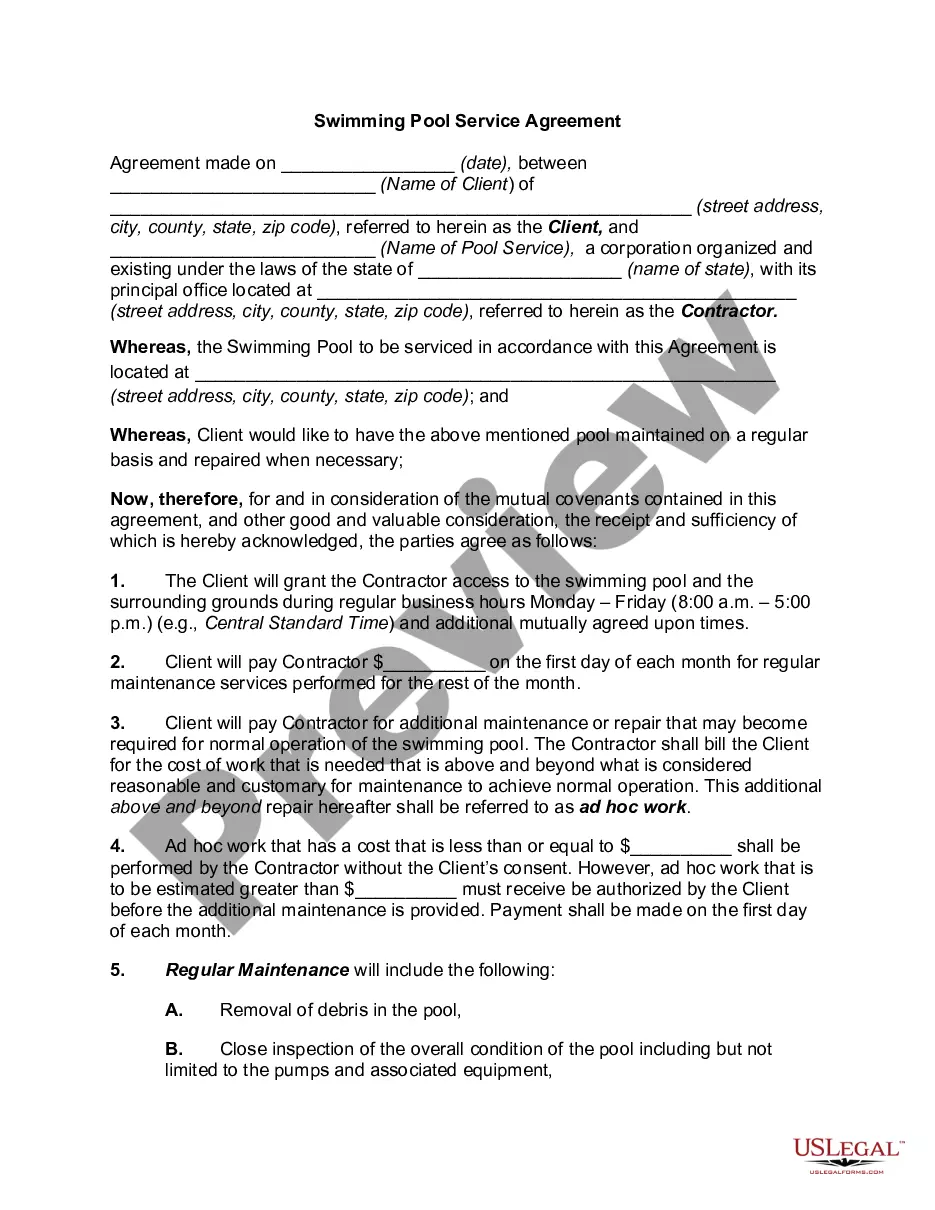
Maricopa Arizona Order Releasing Defendant on Earned Probation
Description

Get your form ready online
Our built-in tools help you complete, sign, share, and store your documents in one place.
Make edits, fill in missing information, and update formatting in US Legal Forms—just like you would in MS Word.
Download a copy, print it, send it by email, or mail it via USPS—whatever works best for your next step.
Sign and collect signatures with our SignNow integration. Send to multiple recipients, set reminders, and more. Go Premium to unlock E-Sign.
If this form requires notarization, complete it online through a secure video call—no need to meet a notary in person or wait for an appointment.
We protect your documents and personal data by following strict security and privacy standards.

Make edits, fill in missing information, and update formatting in US Legal Forms—just like you would in MS Word.

Download a copy, print it, send it by email, or mail it via USPS—whatever works best for your next step.

Sign and collect signatures with our SignNow integration. Send to multiple recipients, set reminders, and more. Go Premium to unlock E-Sign.

If this form requires notarization, complete it online through a secure video call—no need to meet a notary in person or wait for an appointment.

We protect your documents and personal data by following strict security and privacy standards.
Looking for another form?
How to fill out Order Releasing Defendant On Earned Probation?
Drafting legal documents can be tedious. Furthermore, if you opt to hire a lawyer to create a business contract, documents for property transfer, prenuptial agreement, divorce documentation, or the Maricopa Order Releasing Defendant on Earned Probation, it could cost you a small fortune. So what is the most efficient way to conserve time and money while generating legitimate documents that fully comply with your state and local regulations? US Legal Forms is an ideal solution, whether you require templates for personal or corporate purposes.
US Legal Forms boasts the largest online collection of state-specific legal documents, offering users access to current and professionally verified forms for any situation, all conveniently located in a single repository. As a result, if you require the latest version of the Maricopa Order Releasing Defendant on Earned Probation, you can effortlessly locate it on our platform. Acquiring the documents takes minimal time. Users with existing accounts should verify their subscription is active, Log In, and select the template by clicking on the Download button. If you have not yet subscribed, here’s how you can secure the Maricopa Order Releasing Defendant on Earned Probation.
Once completed, you can print it out and fill it in on paper or upload the templates to an online editor for a quicker and more convenient completion process. US Legal Forms allows you to use all the documents you have ever obtained multiple times - you can access your templates in the My documents section of your profile. Try it now!
- Browse the page and confirm that there is a template for your region.
- Review the form description and utilize the Preview option, if available, to ensure it's the template you require.
- Don't fret if the form does not meet your needs - look for the appropriate one in the header.
- Click Buy Now when you find the desired sample and choose the most suitable subscription.
- Log in or create an account to acquire your subscription.
- Make a payment using a credit card or PayPal.
- Select the document format for your Maricopa Order Releasing Defendant on Earned Probation and save it.
Form popularity
FAQ
SELF-SURRENDERS FOR SENTENCES FROM MARICOPA COUNTY SUPERIOR COURT AND OTHER COURTS RESUMED JUNE 1. Work release sentences and work furlough programs have been suspended indefinitely.
Date released from Arizona Department of Corrections custody to begin serving the Community Supervision Time under supervision. Community Supervision End Date (CSED) A.R.S. §13-603 return to top. Completion of the Community Supervision Term imposed by the Committing Court.
Types of Release Parole. "Parole" means the release of a prisoner to the community by the Board of Parole (BOP) prior to the expiration of the offender's sentence.Probation.Determinate Release.Community Corrections.
SB1291 required that inmates convicted of a drug offense pay eight-percent of their wages to the Transition Office Fund. In addition, $17 per inmate per day while the inmate is on Transition Program release was to be transferred from the ADC Revolving Fund (Spirit Tax) into the Transition Program Fund.
TEMPORARY RELEASE (TR) or COMMUNITY SUPERVISION BEGIN DATE (CSBD) (ARS § 31-233 A & B or ARS § 41-1604.11 A & B) Inmates MAY be released 90 days prior to a designated released date.
Earned Release Credit Date (ERCD)
Work release allows a person to be released from a jail facility for 12 hours a day, 6 days per week. If the person violates the terms of release, they may be excluded from the program and forced to serve the remainder of their sentence with no work release option.
Transition Program Legislative History: The Transition Program was established by Laws 2003, Chapter 256 (SB1291) for nonviolent drug offenders. SB1291 required that inmates convicted of a drug offense pay eight-percent of their wages to the Transition Office Fund.
Community supervision (A.R.S. § 41-1604.07) Program and Confirmation Required. For inmates with a date of offense on/after January 1, 1994, a term of community supervision imposed by the committing court which shall be served consecutively to the actual period of imprisonment.
Currently, Arizona prisoners must serve at least 85 percent of their sentences, with the remaining 15 percent served on community supervision.