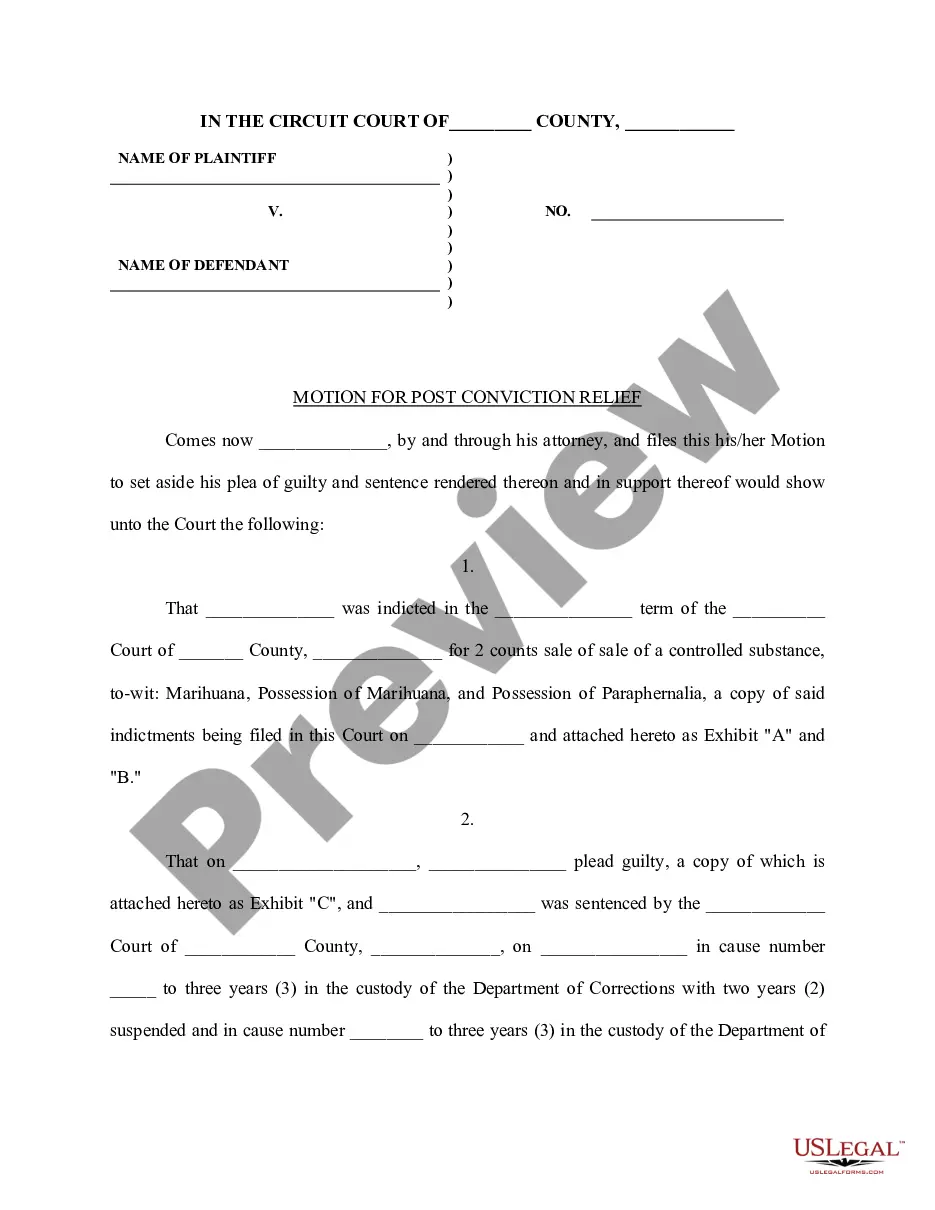
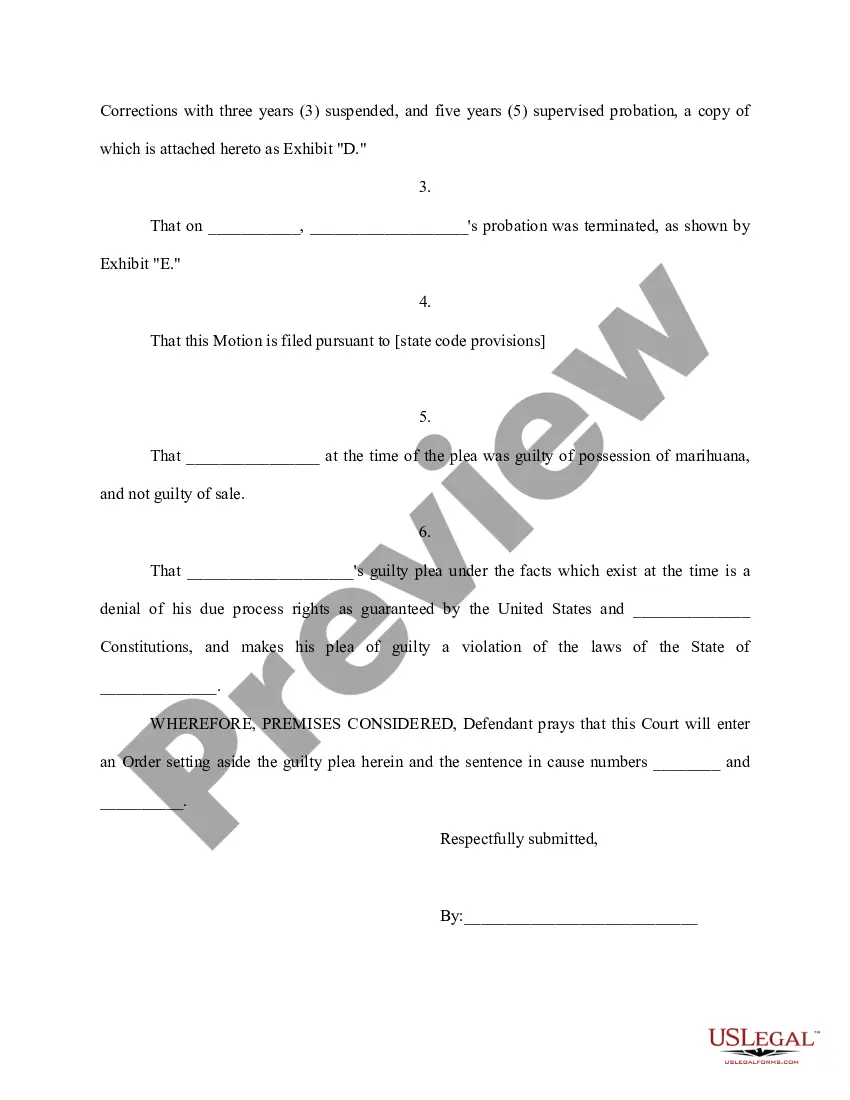
Philadelphia Pennsylvania Motion For Post-Conviction Relief
Description
Get your form ready online
Our built-in tools help you complete, sign, share, and store your documents in one place.
Make edits, fill in missing information, and update formatting in US Legal Forms—just like you would in MS Word.
Download a copy, print it, send it by email, or mail it via USPS—whatever works best for your next step.
Sign and collect signatures with our SignNow integration. Send to multiple recipients, set reminders, and more. Go Premium to unlock E-Sign.
If this form requires notarization, complete it online through a secure video call—no need to meet a notary in person or wait for an appointment.
We protect your documents and personal data by following strict security and privacy standards.

Make edits, fill in missing information, and update formatting in US Legal Forms—just like you would in MS Word.

Download a copy, print it, send it by email, or mail it via USPS—whatever works best for your next step.

Sign and collect signatures with our SignNow integration. Send to multiple recipients, set reminders, and more. Go Premium to unlock E-Sign.

If this form requires notarization, complete it online through a secure video call—no need to meet a notary in person or wait for an appointment.

We protect your documents and personal data by following strict security and privacy standards.
Looking for another form?




How to fill out Motion For Post-Conviction Relief?
Drafting legal paperwork can be tedious.
Moreover, if you opt to hire a lawyer to create a business agreement, documents for ownership transfer, pre-nuptial contract, divorce documents, or the Philadelphia Motion For Post-Conviction Relief, it might demand a significant investment.
Browse the page and confirm that there is a template for your jurisdiction.
- What is the most sensible approach to conserve time and expenses while creating valid documents in complete adherence to your state and local regulations.
- US Legal Forms serves as an excellent option, whether you seek templates for personal or commercial purposes.
- US Legal Forms is the largest online collection of state-specific legal documents, offering users the most current and professionally validated templates for any situation all in one location.
- So, if you require the most recent version of the Philadelphia Motion For Post-Conviction Relief, you can conveniently locate it on our site.
- Acquiring the documents takes minimal time.
- Users with an existing account should ensure their subscription is active, Log In, and select the template using the Download button.
- If you haven't subscribed yet, here’s how you can obtain the Philadelphia Motion For Post-Conviction Relief.
Form popularity
FAQ
Preparing for a post-conviction relief hearing requires thorough research and organization. Start by gathering all relevant case documents, such as transcripts and evidence, and consult with a legal expert familiar with the Philadelphia Pennsylvania Motion For Post-Conviction Relief. This preparation can significantly enhance your chances of success in the hearing.
Post-Conviction defined: In the United States legal system, the term post-conviction refers to the legal process which takes place after a criminal trial results in a conviction of the defendant, or where a defendant accepts a plea of guilty or no-contest.
Under both federal and state law, motions for post-conviction relief are available that will allow a criminal defendant to vacate, set aside or correct their sentence, or that will vacate a conviction altogether and order a new trial.
Under Pennsylvania criminal appellate law, a PCRA petition must be filed within 1 year of the date the judgment becomes final unless one of the exceptions under section 9545(b)(1) applies and the petition is filed within 60 days of the date the claim could have been presented.
The Post Conviction Relief Act (PCRA), found at 42 Pa. C.S. §§ 9541 et seq., "provides for an action by which persons convicted of crimes they did not commit and persons serving illegal sentences may obtain collateral relief" (42 Pa. C.S.
A PCRA petition is an indirect appeal, essentially asking the court to reconsider the accused's conviction after a direct appeal to the Superior Court was unsuccessful. However, a defendant can also file a PCRA petition after he/she is convicted of a crime in the Court of Common Pleas.
A PCRA petition is an indirect appeal, essentially asking the court to reconsider the accused's conviction after a direct appeal to the Superior Court was unsuccessful. However, a defendant can also file a PCRA petition after he/she is convicted of a crime in the Court of Common Pleas.
conviction motion gives the trial court an avenue to remedy a conviction if it is unjust. It helps to address unfair or wrongful convictions and prevents a situation where innocent or unfairly convicted people end up in prison. Summarily, the postconviction motion operates to void a conviction.
Habeas Corpus Typically, an inmate will argue that his imprisonment is unconstitutional. While habeas corpus can be filed in state or federal court, all state avenues must be exhausted first. In the United States federal court system the writ of habeas corpus is used most frequently to review state court convictions.
The most common type of post conviction relief is the direct appeal filed after a defendant is convicted subsequent to a trial.