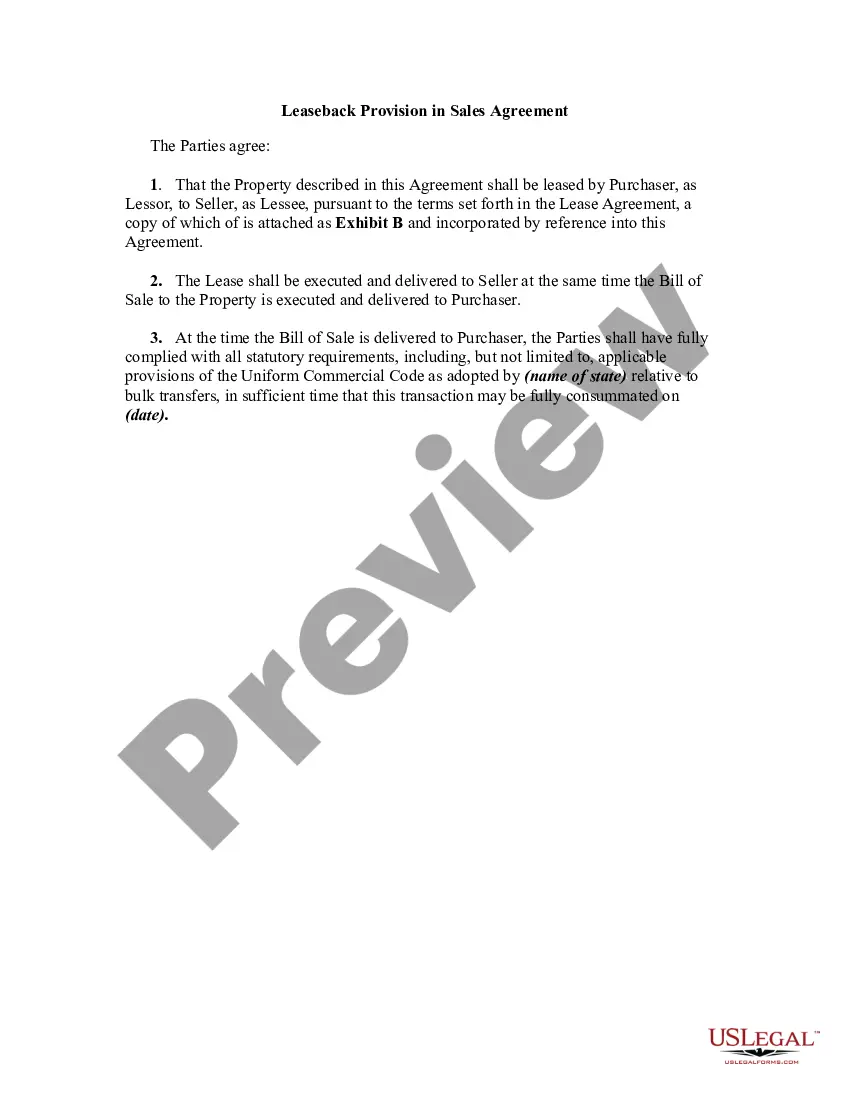
Clark Nevada Leaseback Provision in Sales Agreement
Description
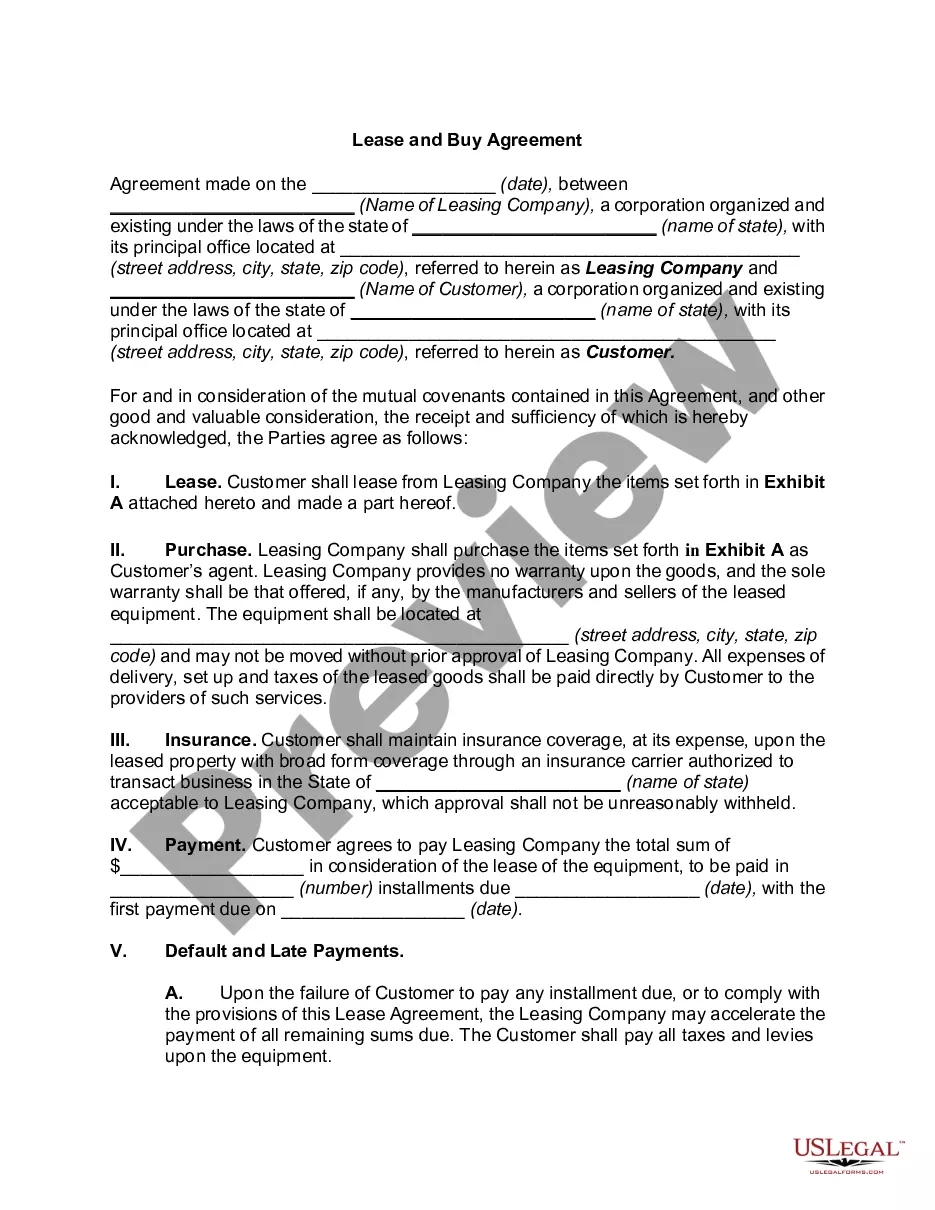
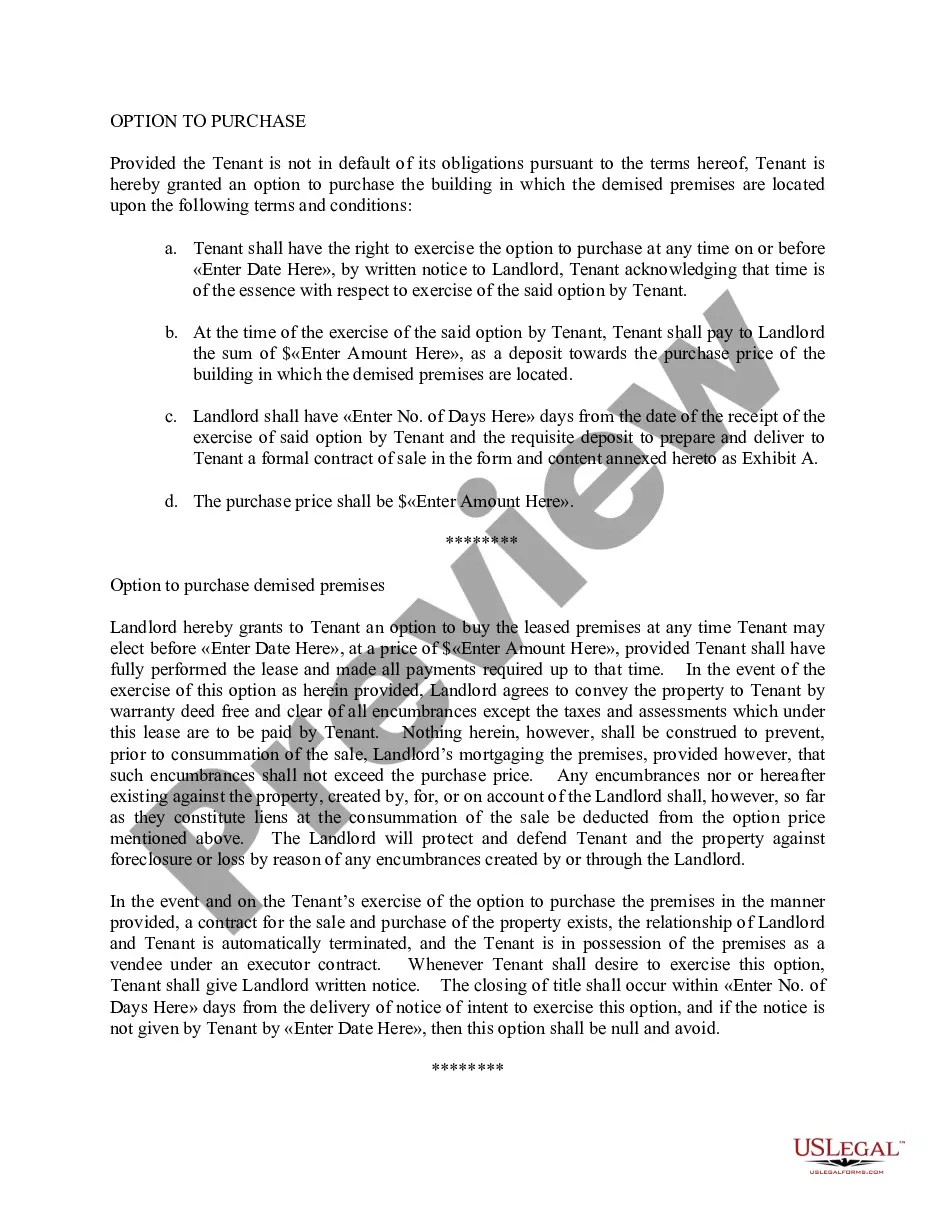
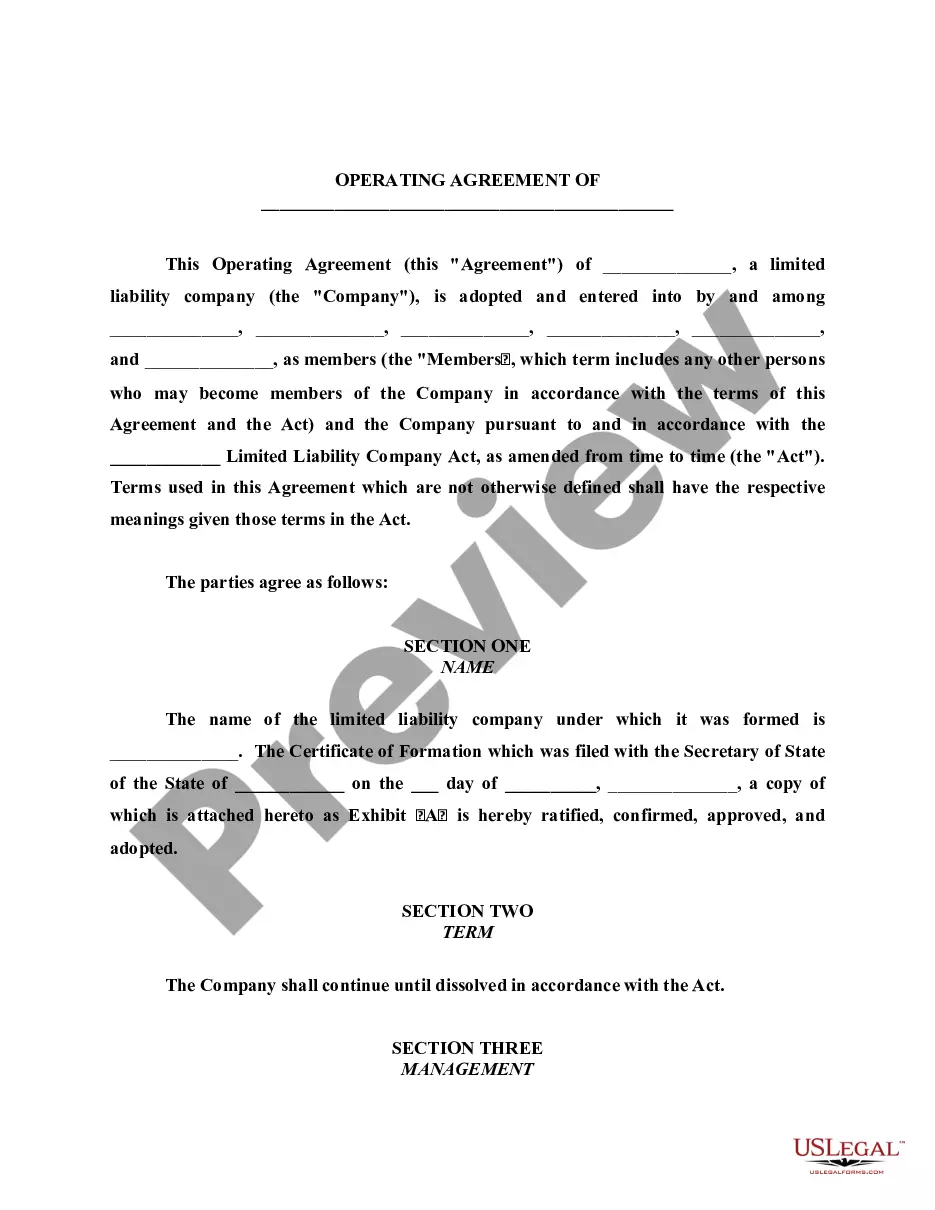

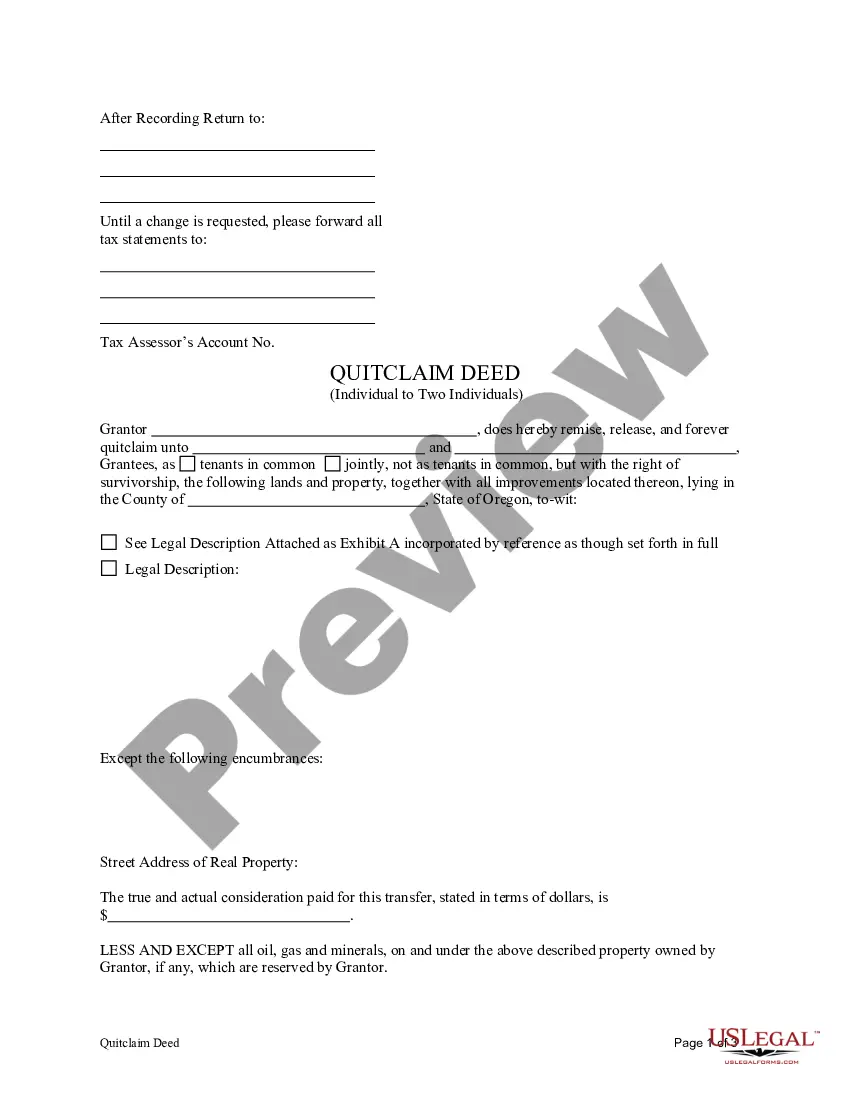

How to fill out Leaseback Provision In Sales Agreement?
Preparing documentation, such as the Clark Leaseback Clause in Sales Agreement, to handle your legal matters is a challenging and lengthy undertaking. Many scenarios necessitate an attorney’s participation, which also elevates the cost of this task. Nevertheless, you can take your legal challenges into your own hands and manage them independently. US Legal Forms is here to assist you. Our site offers over 85,000 legal documents tailored for various situations and life events. We ensure that each form complies with the laws of each state, so you don’t have to fret about potential legal issues related to compliance.
If you're already familiar with our services and hold a subscription with US, you know how straightforward it is to obtain the Clark Leaseback Clause in Sales Agreement form. Feel free to Log In to your account, download the template, and modify it to suit your needs. Have you misplaced your document? No need to panic. You can retrieve it in the My documents section of your account - accessible on both desktop and mobile.
The onboarding process for new users is quite simple! Here’s what you need to complete prior to downloading the Clark Leaseback Clause in Sales Agreement: Make sure your template is tailored to your state/county since the regulations for drafting legal documents may vary from one state to another. Explore additional information about the form by previewing it or reading a brief introduction. If the Clark Leaseback Clause in Sales Agreement isn’t what you were looking for, utilize the search bar in the header to find an alternative.
- Log in or create an account to begin using our website and download the form.
- Everything looks satisfactory on your end? Click the Buy now button and select the subscription plan.
- Choose the payment method and input your payment information.
- Your form is ready. You can attempt to download it.
- It’s a straightforward task to find and acquire the necessary document with US Legal Forms.
- Thousands of businesses and individuals are already reaping the benefits of our vast collection. Subscribe now to explore what other benefits you can avail with US Legal Forms!
Form popularity
FAQ
Sale-leasebacks allow businesses to free up capital by untying cash in an asset while still retaining ownership of their business. These transactions have been extremely successful in recent years in freeing up capital invested in real estate.
Sellers most often include in the contract two common contingencies: The purchase contingency gives you 30 or 45 days to buy your next home, and the leaseback allows you to live in your current home for a while after closing.
From an investor's perspective, a sale-leaseback transaction is not without risk. With the Dow at or near an all-time high and bond yields at abnormally low levels, so-called sale-leasebacks have risen in popularity among alternative investments.
In sale-leaseback agreements, an asset that is previously owned by the seller is sold to someone else and then leased back to the first owner for a long duration. In this way, a business owner can continue to use a vital asset but ceases to own it.
A sale and leaseback, or more simply, a leaseback, is a contract between a seller and a buyer where the former sells an asset to the latter and then enters into a second contract to lease the asset back from the buyer.
More and more retirees are taking advantage of the leaseback option. It gives them the ability to continue living in the home they owned while having more money for retirement. And of course, it is good option for people who have suffered financial reverses due to job loss or other difficult circumstances.
Advantages of a Sale and LeasebackRestore finances bolster the firm's balance sheet by reducing debt and improving free cash flow. Secure attractive prices and terms long term leased investments with committed tenants appeal to both purchasers and sellers; especially in low-interest-rate environments.
A. One of a seller-tenant's primary advantages to a sale-leaseback transaction is the ability to remove whatever remaining debt that was encumbering the property from its books, while simultaneously liquidating whatever equity it had obtained in the property.
The main tax advantage of a valid sale-leaseback is that rental payments under the lease are fully deductible. With conventional mortgage financing, a borrower deducts interest and depreciation only.
For example, if a yellow model X excavator is sold to the buyer-lessor, but a model X excavator in a different color is leased back by the seller-lessee, this would likely qualify as a sale-leaseback transaction because the cash flows of both parties are not substantively impacted by the lease involving a different