Queens New York Revocable Living Trust for House
Description
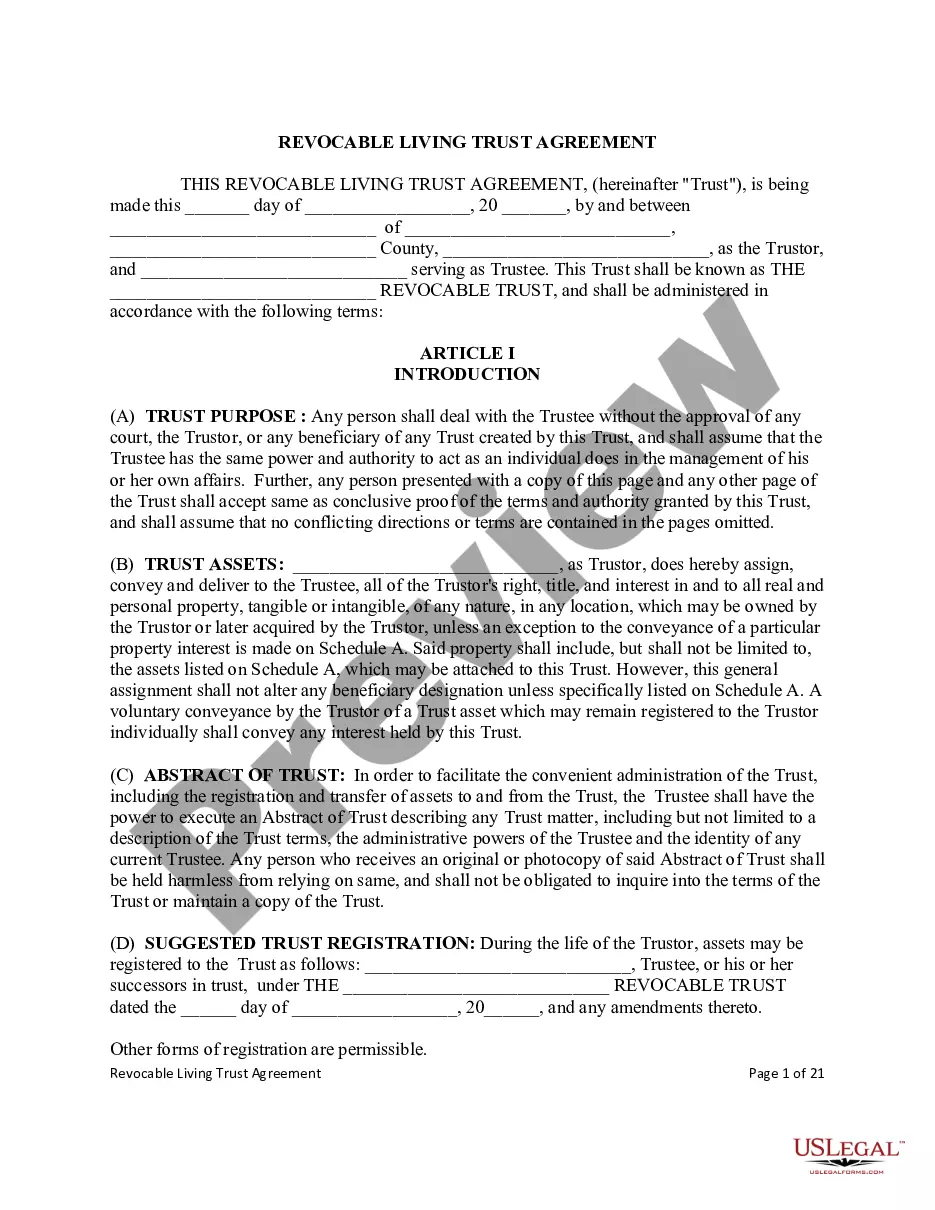
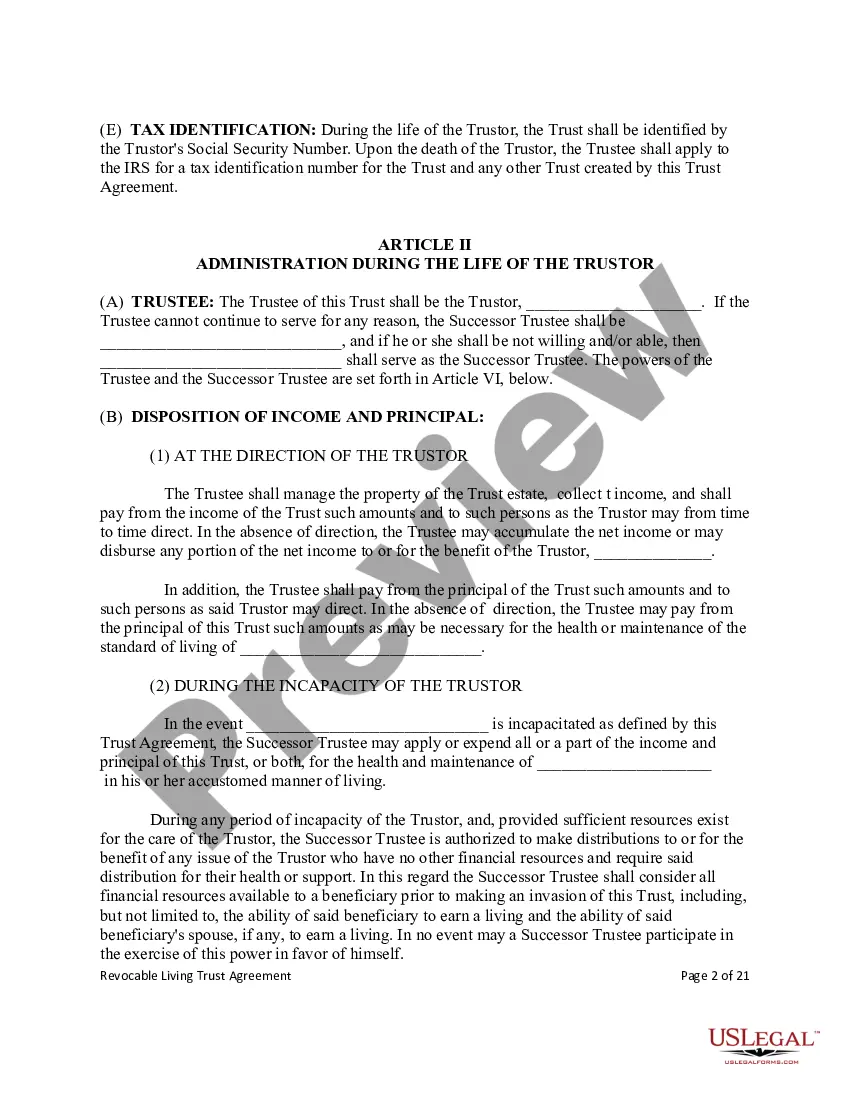
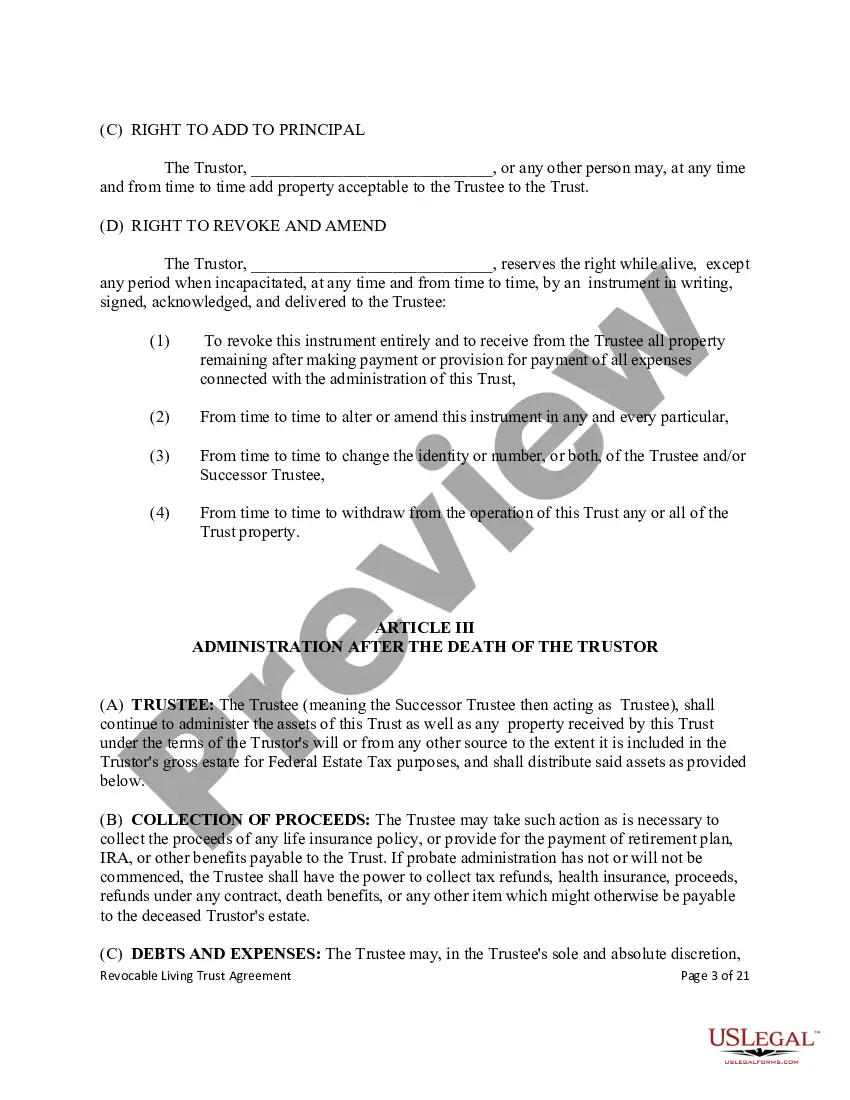
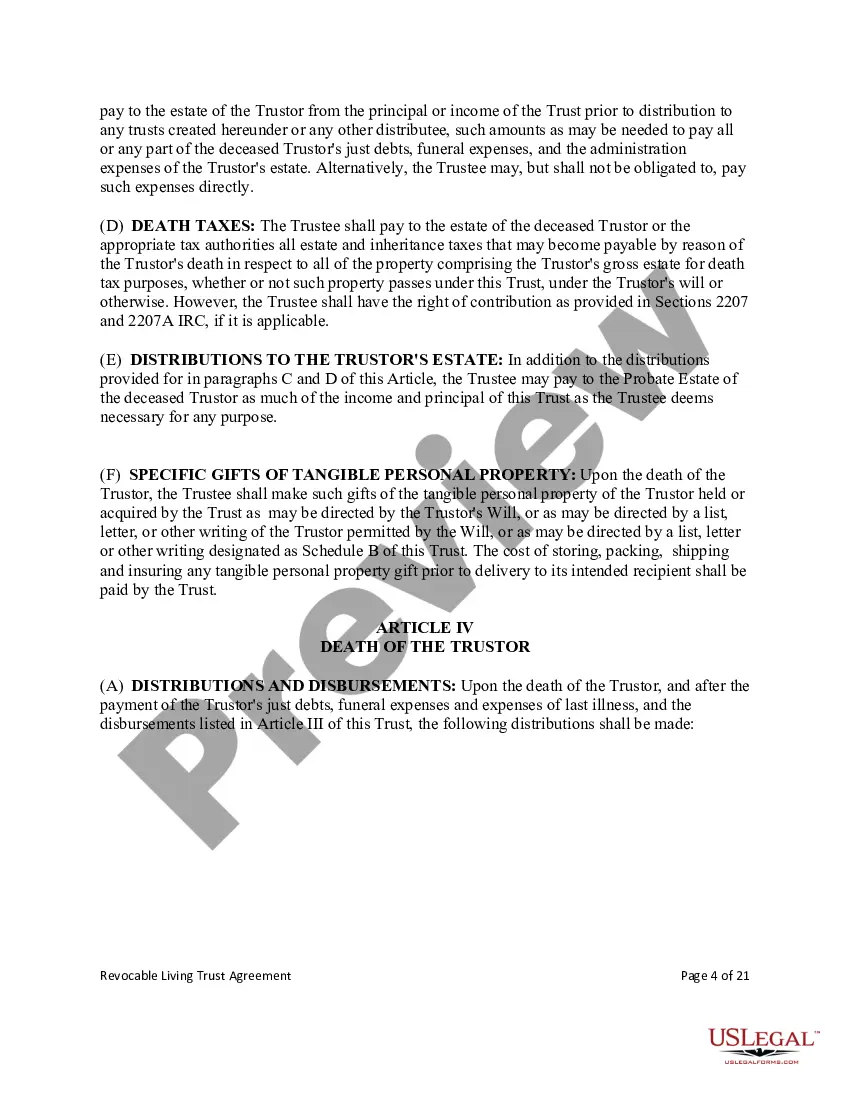
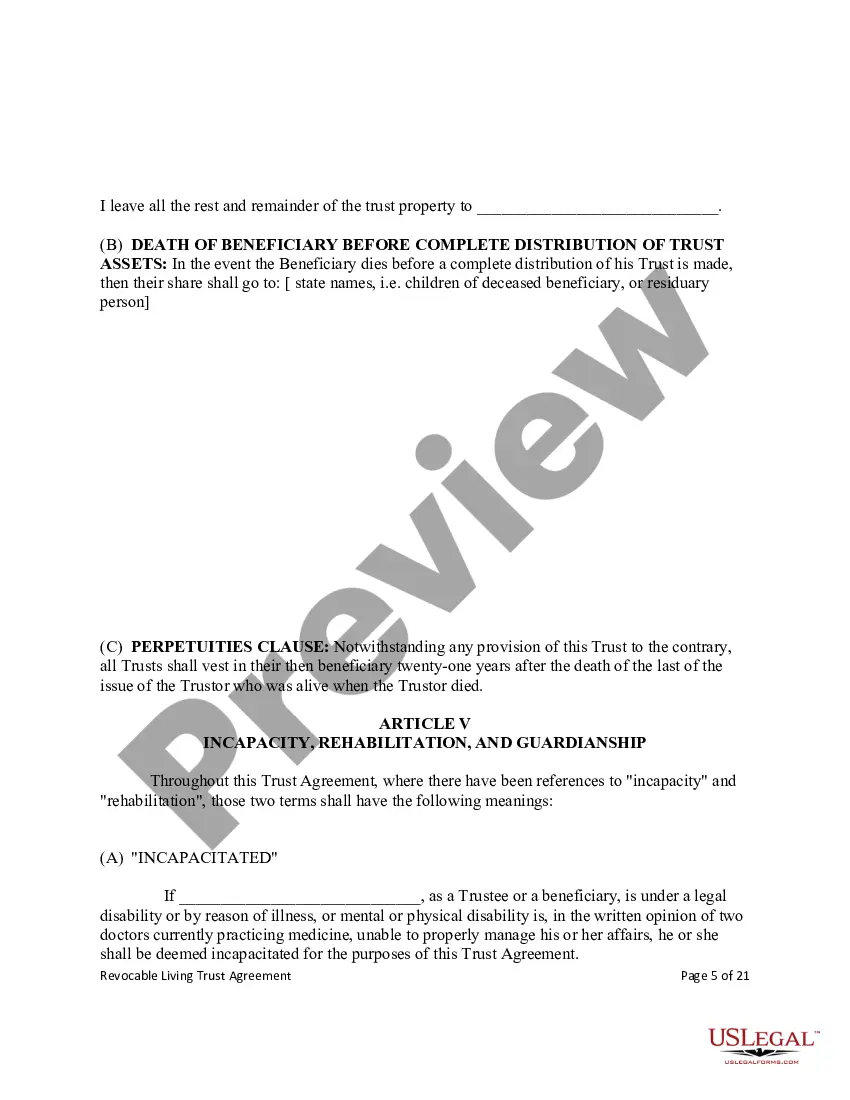
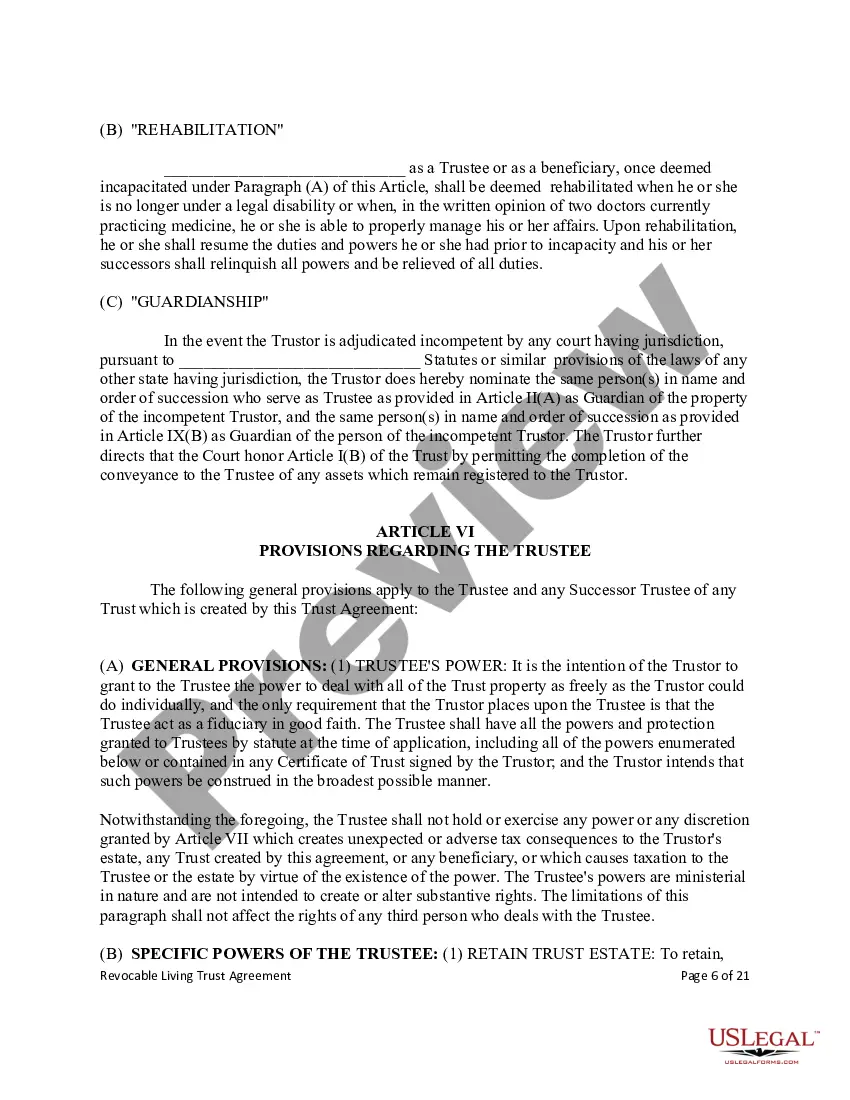
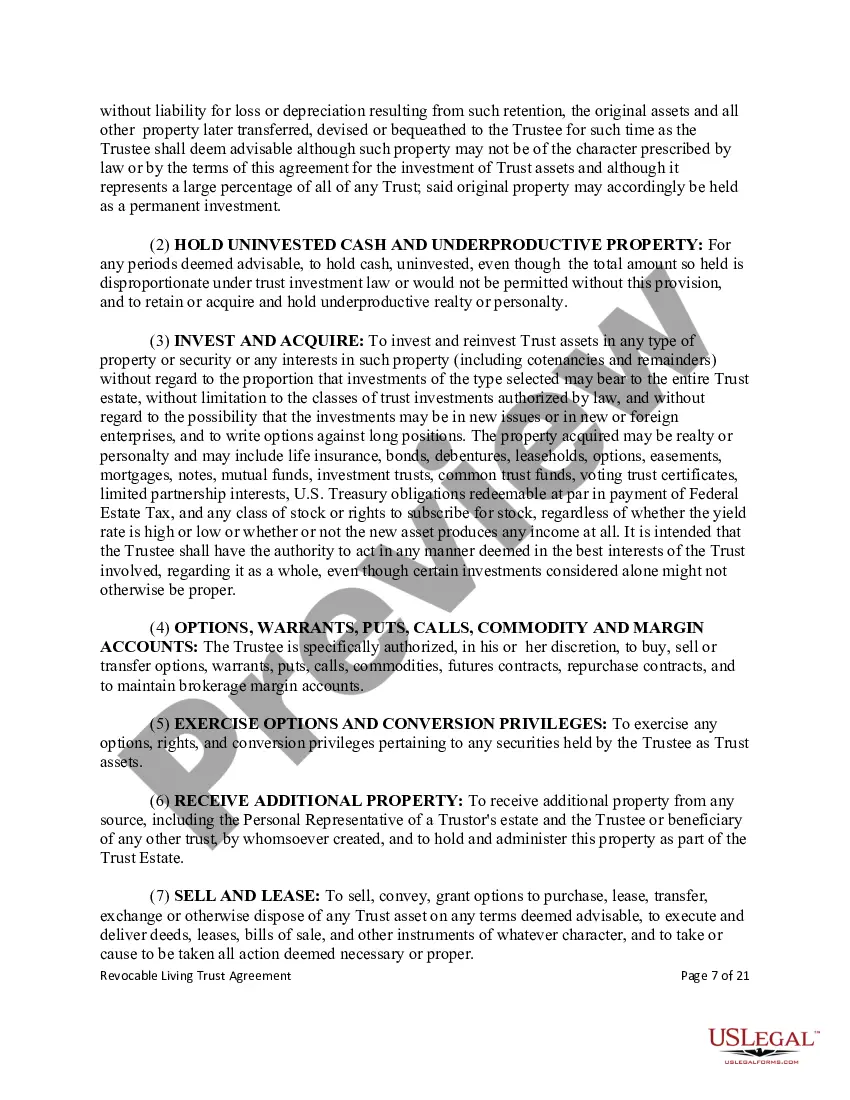
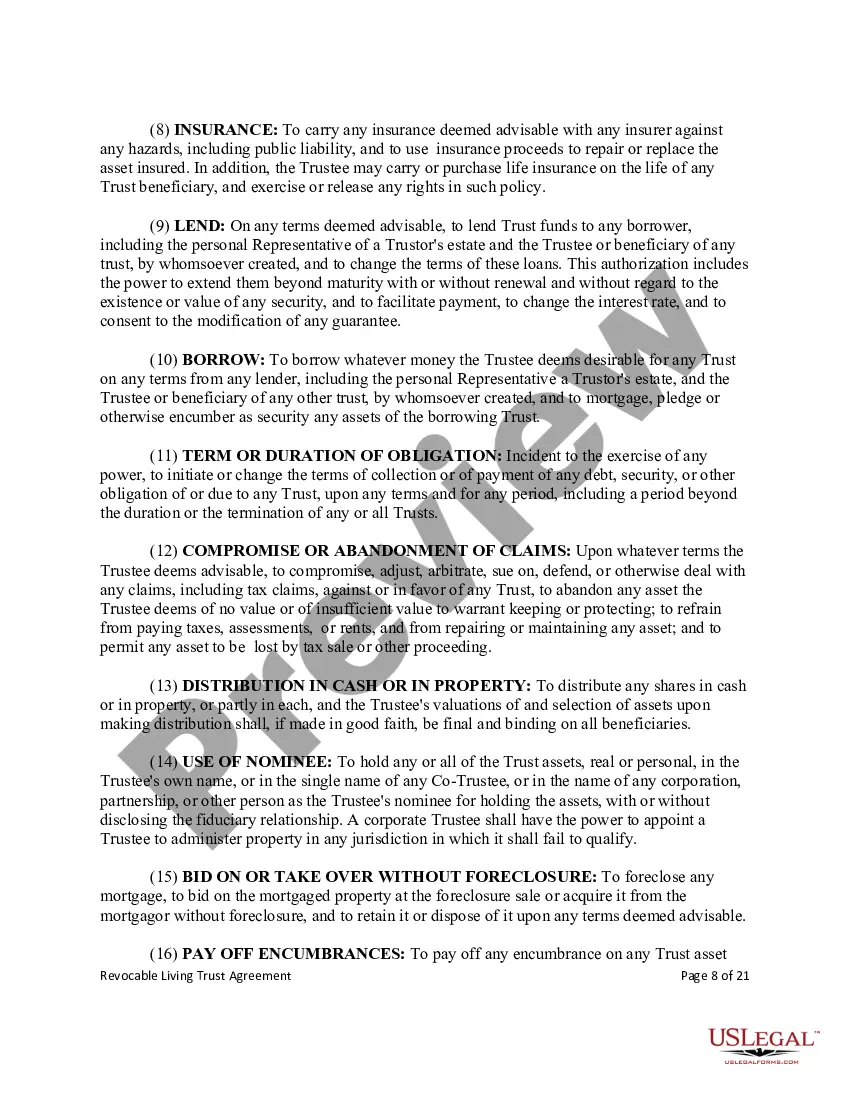
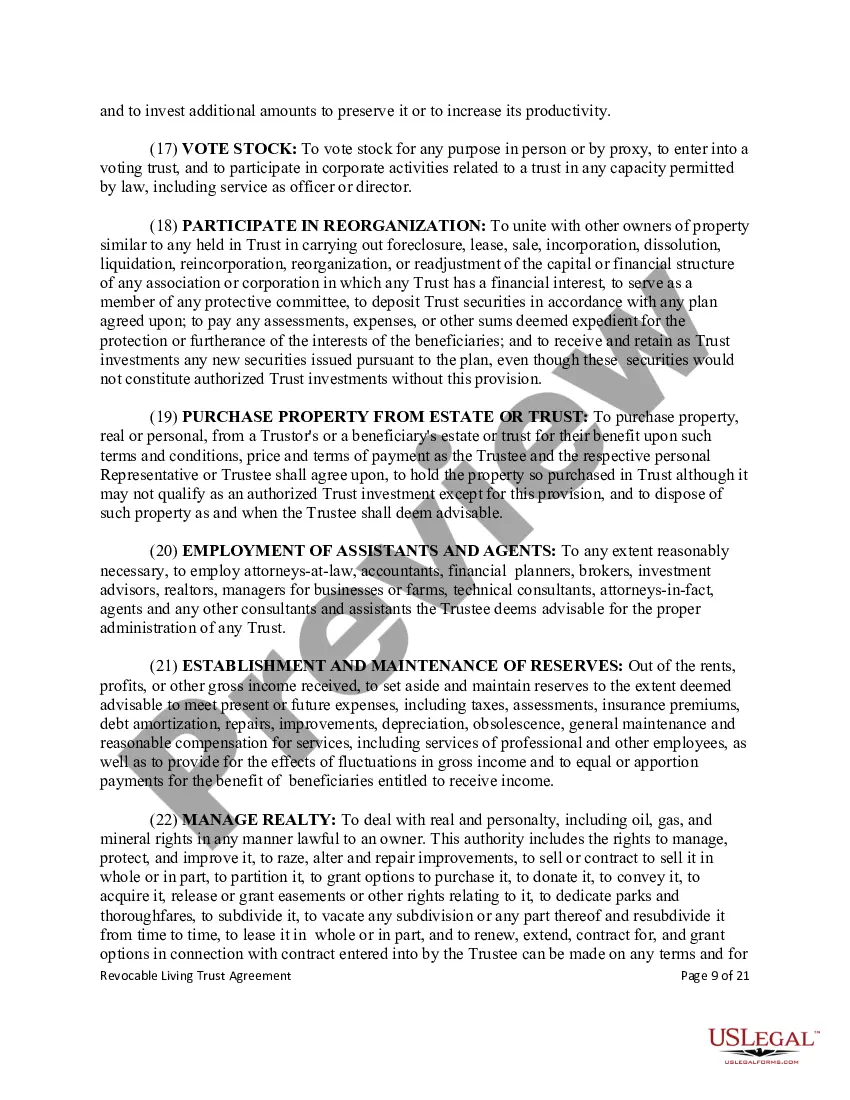
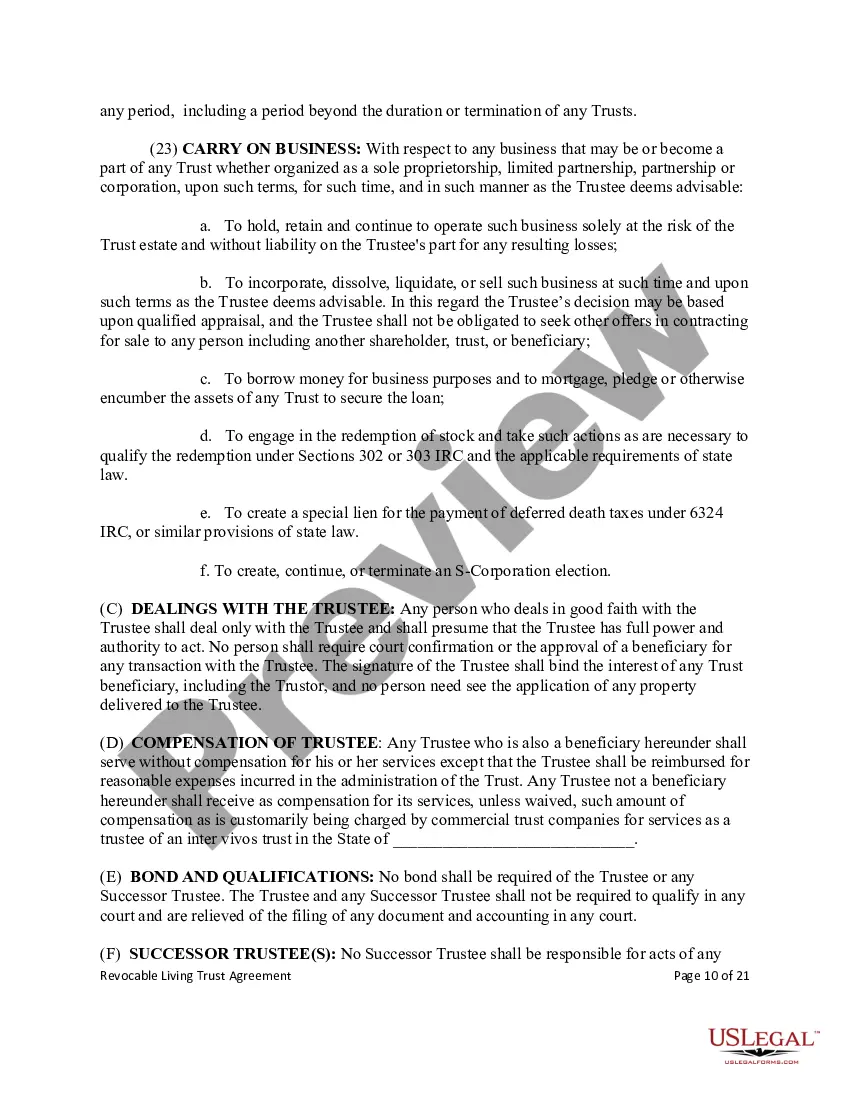

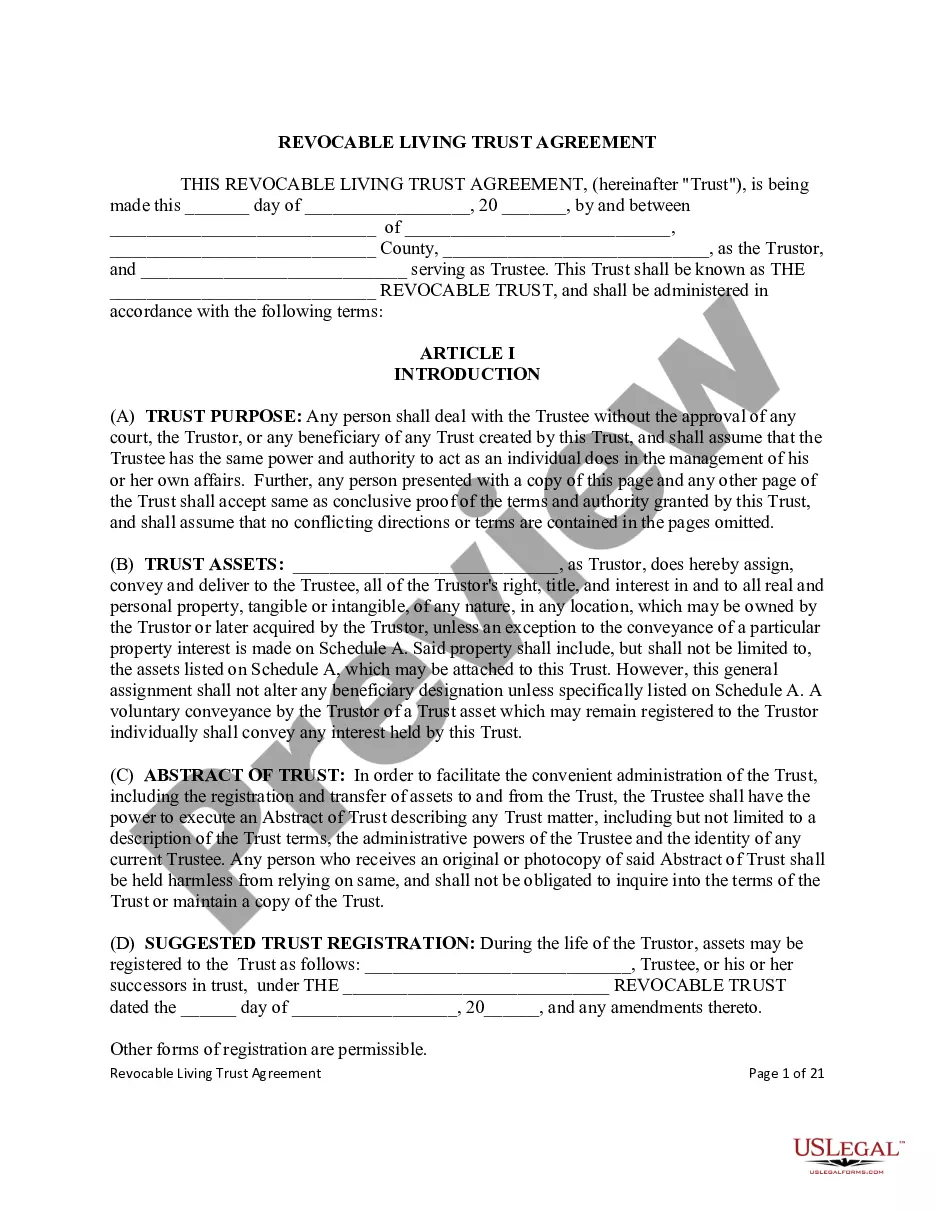
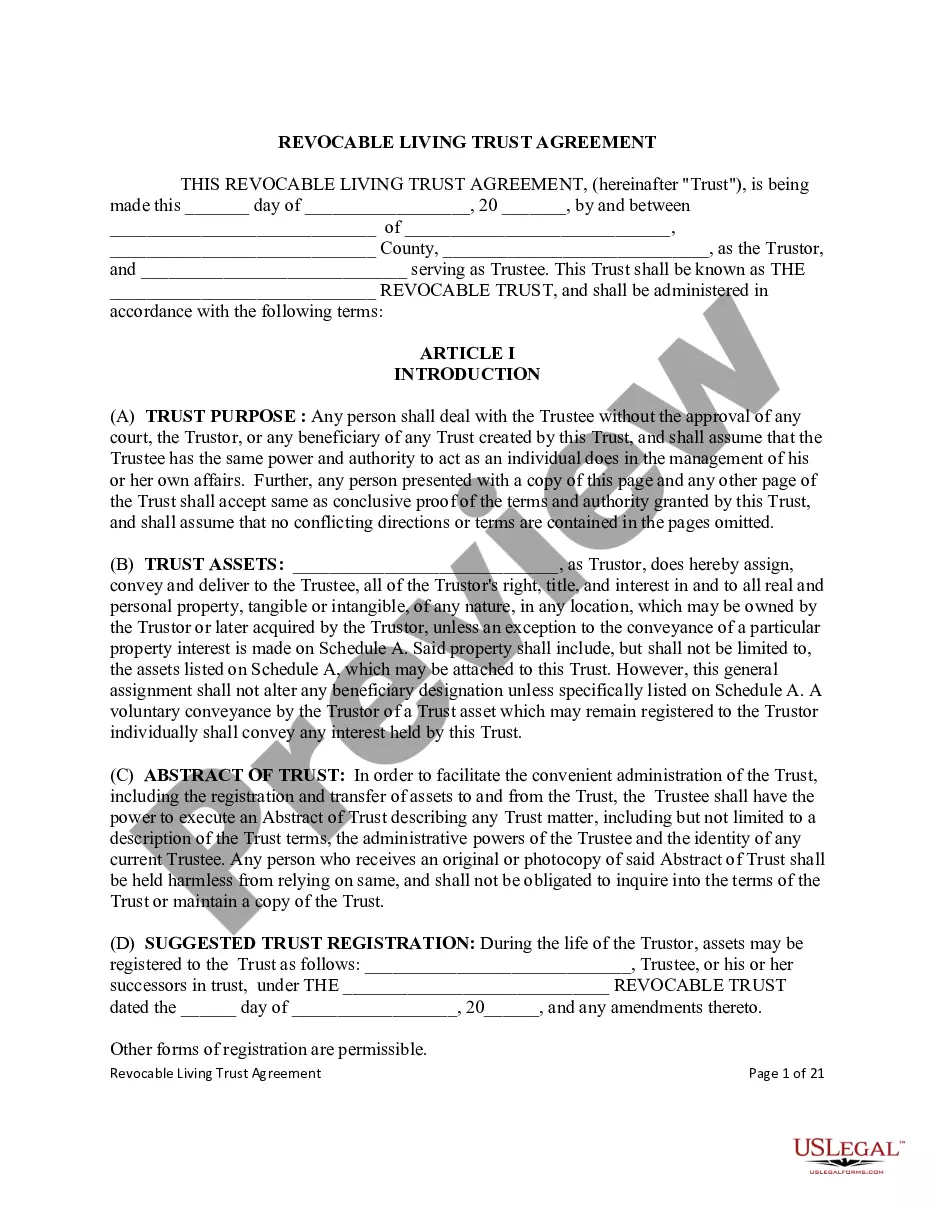
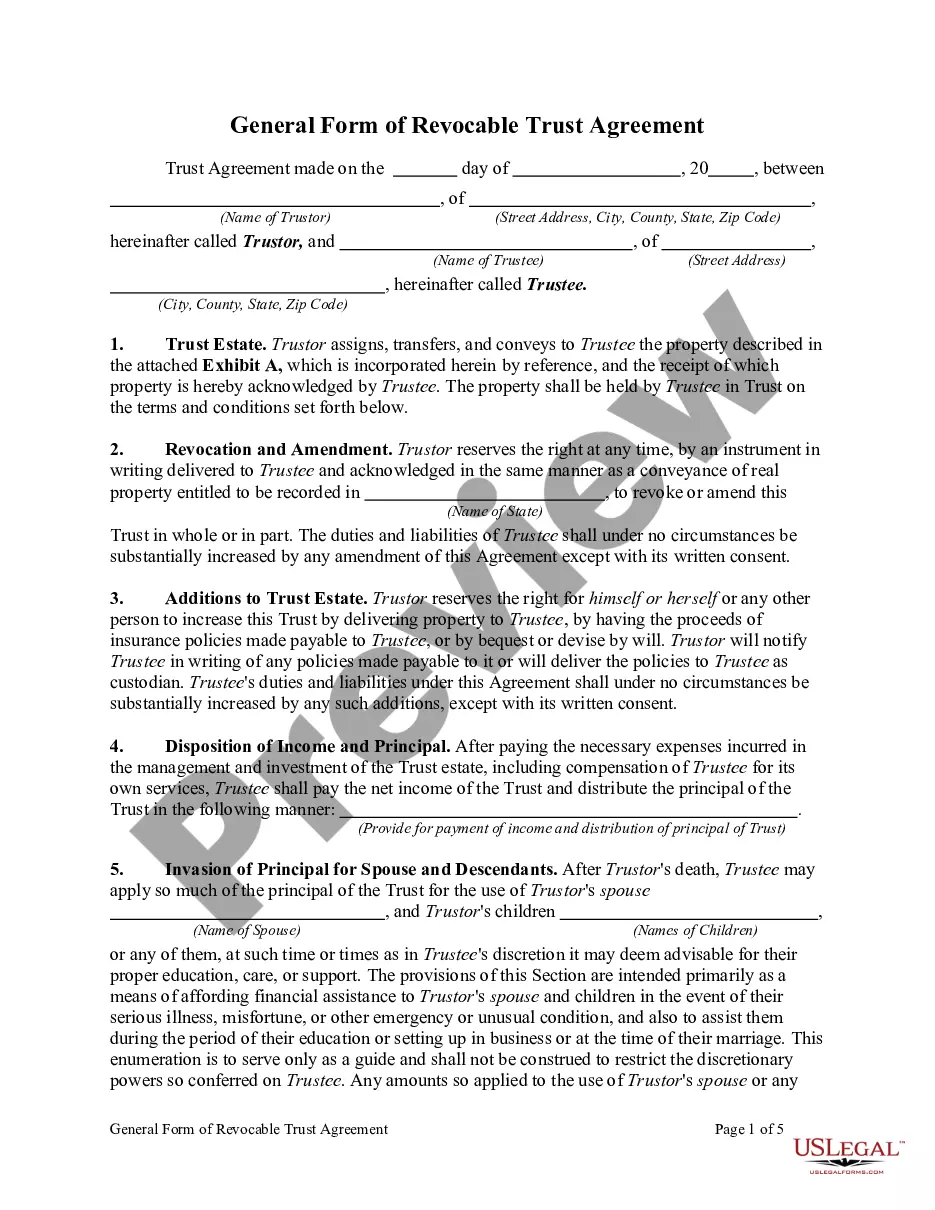
Get your form ready online
Our built-in tools help you complete, sign, share, and store your documents in one place.
Make edits, fill in missing information, and update formatting in US Legal Forms—just like you would in MS Word.
Download a copy, print it, send it by email, or mail it via USPS—whatever works best for your next step.
Sign and collect signatures with our SignNow integration. Send to multiple recipients, set reminders, and more. Go Premium to unlock E-Sign.
If this form requires notarization, complete it online through a secure video call—no need to meet a notary in person or wait for an appointment.
We protect your documents and personal data by following strict security and privacy standards.

Make edits, fill in missing information, and update formatting in US Legal Forms—just like you would in MS Word.

Download a copy, print it, send it by email, or mail it via USPS—whatever works best for your next step.

Sign and collect signatures with our SignNow integration. Send to multiple recipients, set reminders, and more. Go Premium to unlock E-Sign.

If this form requires notarization, complete it online through a secure video call—no need to meet a notary in person or wait for an appointment.

We protect your documents and personal data by following strict security and privacy standards.
Looking for another form?
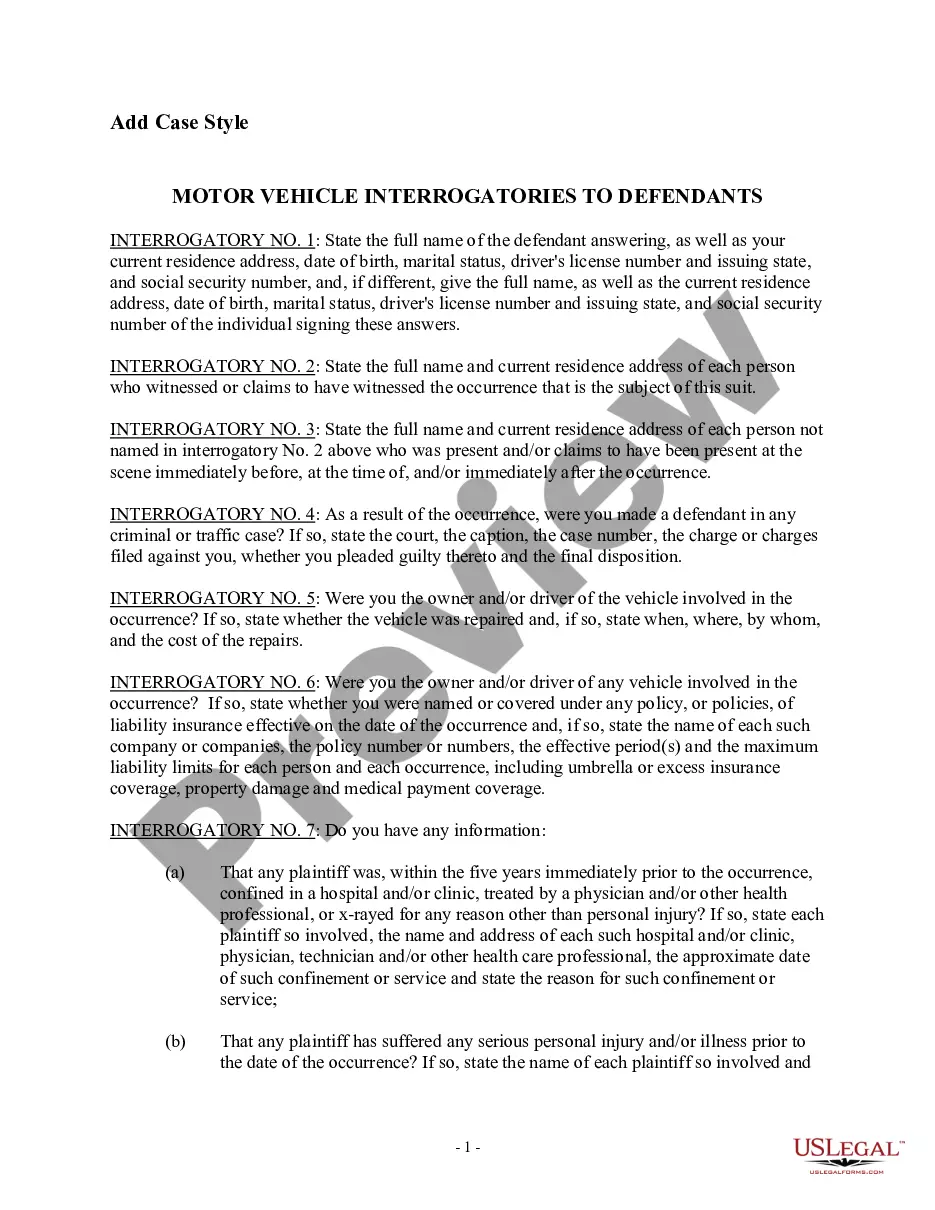
How to fill out Revocable Living Trust For House?
Laws and statutes in every domain vary across the nation.
If you're not an attorney, it's straightforward to become confused by numerous regulations when it comes to composing legal paperwork.
To prevent expensive legal services while preparing the Queens Revocable Living Trust for Home, you require a validated template that is recognized for your locality.
This is the easiest and most cost-effective method to acquire current templates for any legal situations. Discover them all with just a few clicks and maintain your documentation organized with US Legal Forms!
- Examine the page content to confirm you've located the right template.
- Use the Preview feature or review the form description if it exists.
- Look for another document if there are discrepancies with your requirements.
- Hit the Buy Now button to obtain the template once you identify the appropriate one.
- Select one of the subscription options and Log In or create an account.
- Choose how you wish to pay for your subscription (via credit card or PayPal).
- Select the format you wish to save the document in and click Download.
- Complete and sign the template on paper after printing it or do everything electronically.
Form popularity
FAQ
With your property in trust, you typically continue to live in your home and pay the trustees a nominal rent, until your transfer to residential care when that time comes. Placing the property in trust may also be a way of helping your surviving beneficiaries avoid inheritance tax liabilities.
The Pros and Cons of Revocable Living TrustsProbate can be avoided.Ancillary probate in another state can also be avoided.Protection in case of incapacitation.No immediate tax benefits.No asset protection.It requires some administrative work.More items...
What are the Disadvantages of a Trust?Costs. When a decedent passes with only a will in place, the decedent's estate is subject to probate.Record Keeping. It is essential to maintain detailed records of property transferred into and out of a trust.No Protection from Creditors.
Inheritance AdvantagesUnlike placing assets in an revocable trust, your house is safe from creditors and from estate tax. If you use an irrevocable bypass trust, it does the same for your spouse. When you die, your share of the house goes to the trust so your spouse never takes legal ownership.
Moving your house or other assets into a trust (specifically an irrevocable trust) can decrease your taxable estate. For a wealthy estate that could otherwise be subject to a state or federal estate tax, putting assets into a trust can help avoid or minimize the estate taxes.
The advantages of placing your house in a trust include avoiding probate court, saving on estate taxes and possibly protecting your home from certain creditors. Disadvantages include the cost of creating the trust and the paperwork. Take a look at the pros and cons of creating a trust before you put your house into it.
The main benefit of putting your house in a trust is that it bypasses probate when you pass away. All of your other assets, whether or not you have a will, will go through the probate process. Probate is the judicial process that your estate goes through when you die.
While there are many benefits to putting your home in a trust, there are also a few disadvantages. For one, establishing a trust is time-consuming and can be expensive. The person establishing the trust must file additional legal paperwork and pay corresponding legal fees.
In a revocable trust, you have the right to dissolve the trust at any time. This means that although the home technically belongs to the trust, you have the ability to take back the property at any time.