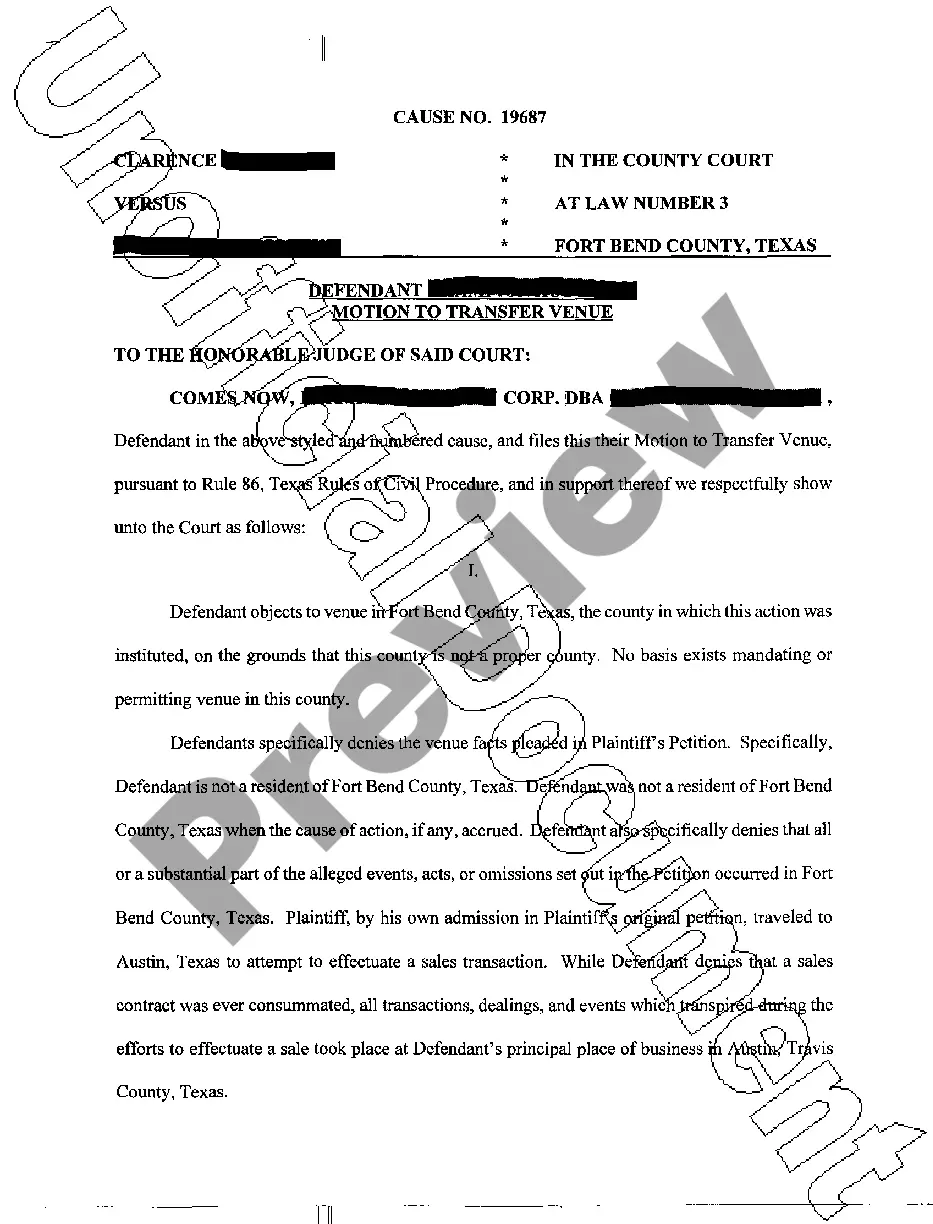
Dallas Texas Defendant Motion To Transfer Venue
Description
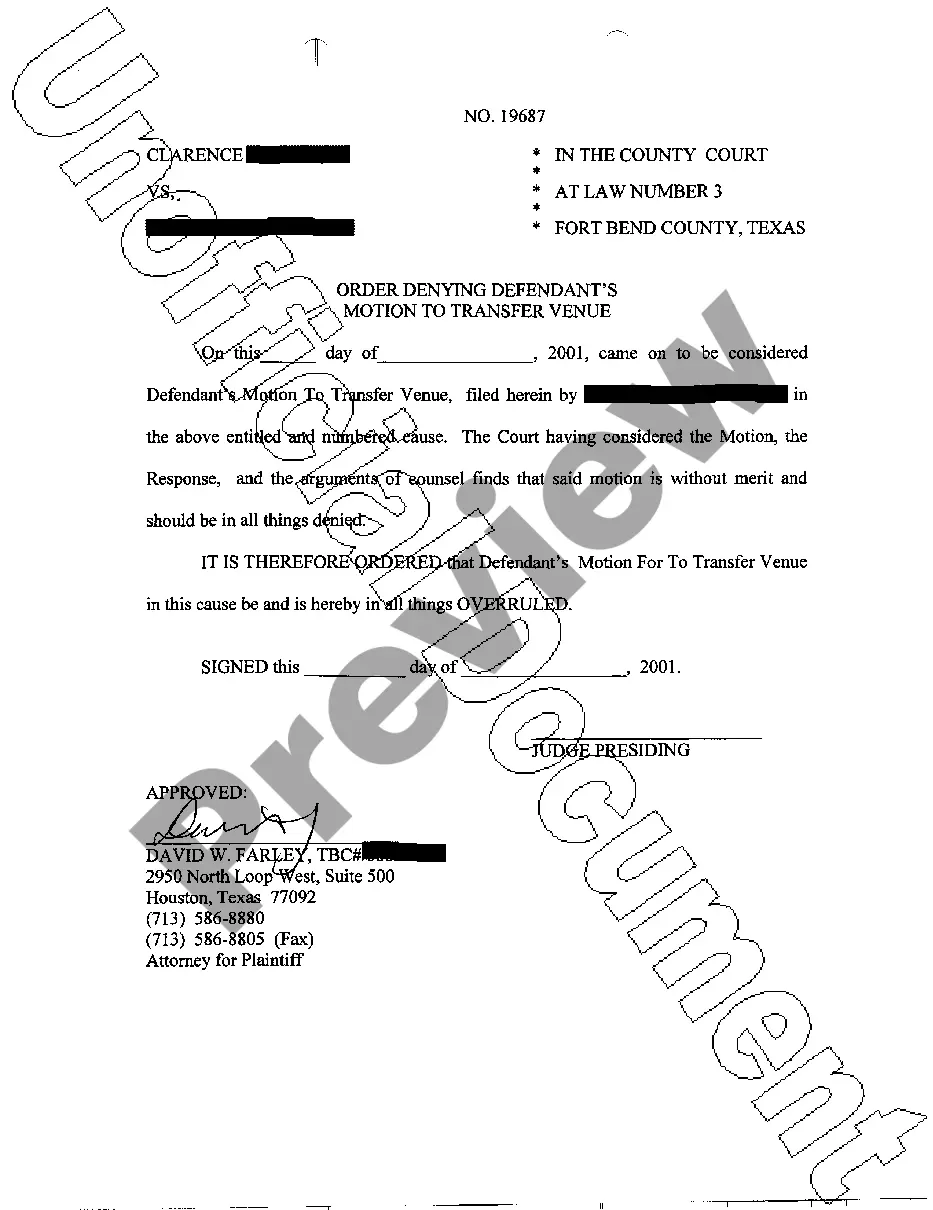
How to fill out Texas Defendant Motion To Transfer Venue?
If you are looking for an appropriate document, it’s very difficult to discover a more suitable service than the US Legal Forms website – one of the largest repositories on the internet.
Here you can locate a vast array of form examples for business and personal needs categorized by type and state, or keywords.
With our superior search feature, obtaining the latest Dallas Texas Defendant Motion To Transfer Venue is as straightforward as 1-2-3.
Complete the transaction. Use your credit card or PayPal account to finalize the registration process.
Obtain the template. Choose the format and save it to your device.
- Moreover, the pertinence of each document is confirmed by a team of professional attorneys who consistently assess the templates on our site and update them in accordance with the latest state and county requirements.
- If you are already familiar with our system and possess an account, all you need to obtain the Dallas Texas Defendant Motion To Transfer Venue is to Log In to your user profile and click the Download button.
- If you are utilizing US Legal Forms for the first time, just adhere to the instructions below.
- Ensure you have accessed the form you require. Review its description and utilize the Preview feature to assess its content. If it does not meet your requirements, use the Search option at the top of the screen to find the appropriate document.
- Verify your selection. Click the Buy now button. Following that, select your desired pricing plan and enter your details to register for an account.
Form popularity
FAQ
The statute for a motion to transfer venue can be found in the Texas Rules of Civil Procedure, specifically rule 251, which addresses the conditions under which a party may request a transfer. This statute outlines the legal framework for your request. Familiarizing yourself with the statute can support your Dallas Texas Defendant Motion To Transfer Venue and strengthen your case.
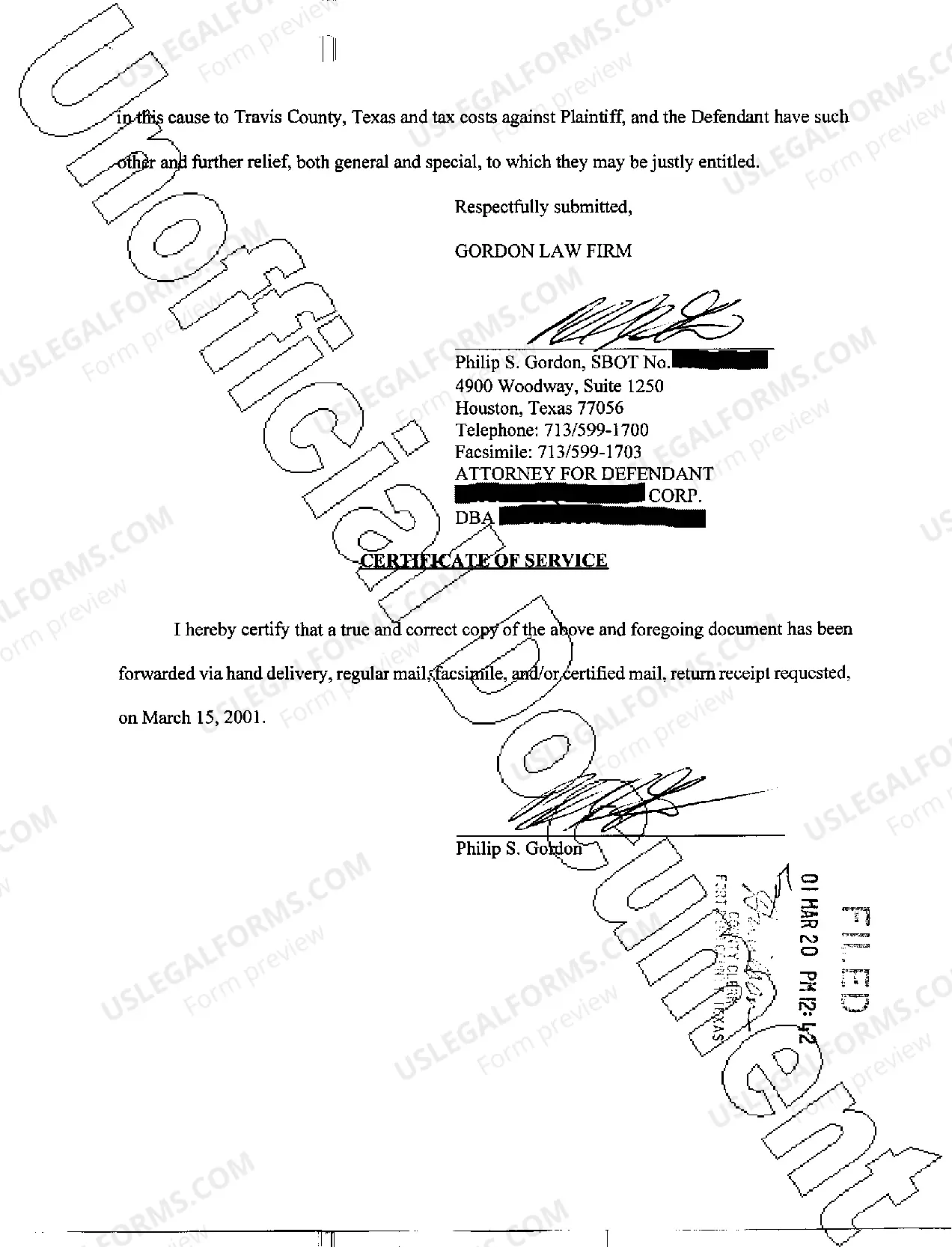
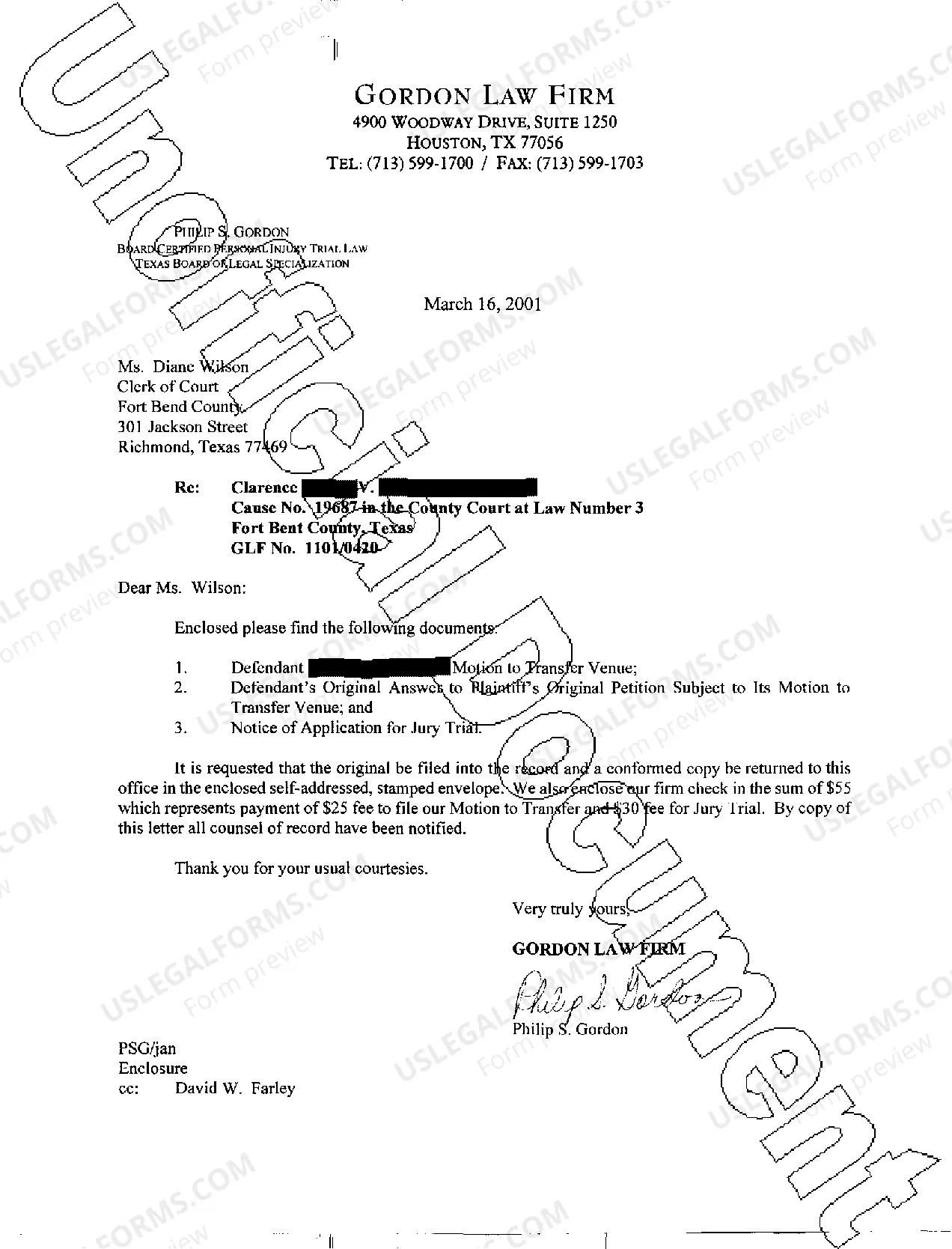
To file a change of venue motion, prepare your motion according to the court's requirements, then submit it to the current court along with any necessary documents. After filing, you may need to attend a hearing where you will present your reasons for the change. Using a trusted platform like US Legal Forms can help streamline your Dallas Texas Defendant Motion To Transfer Venue filing process.
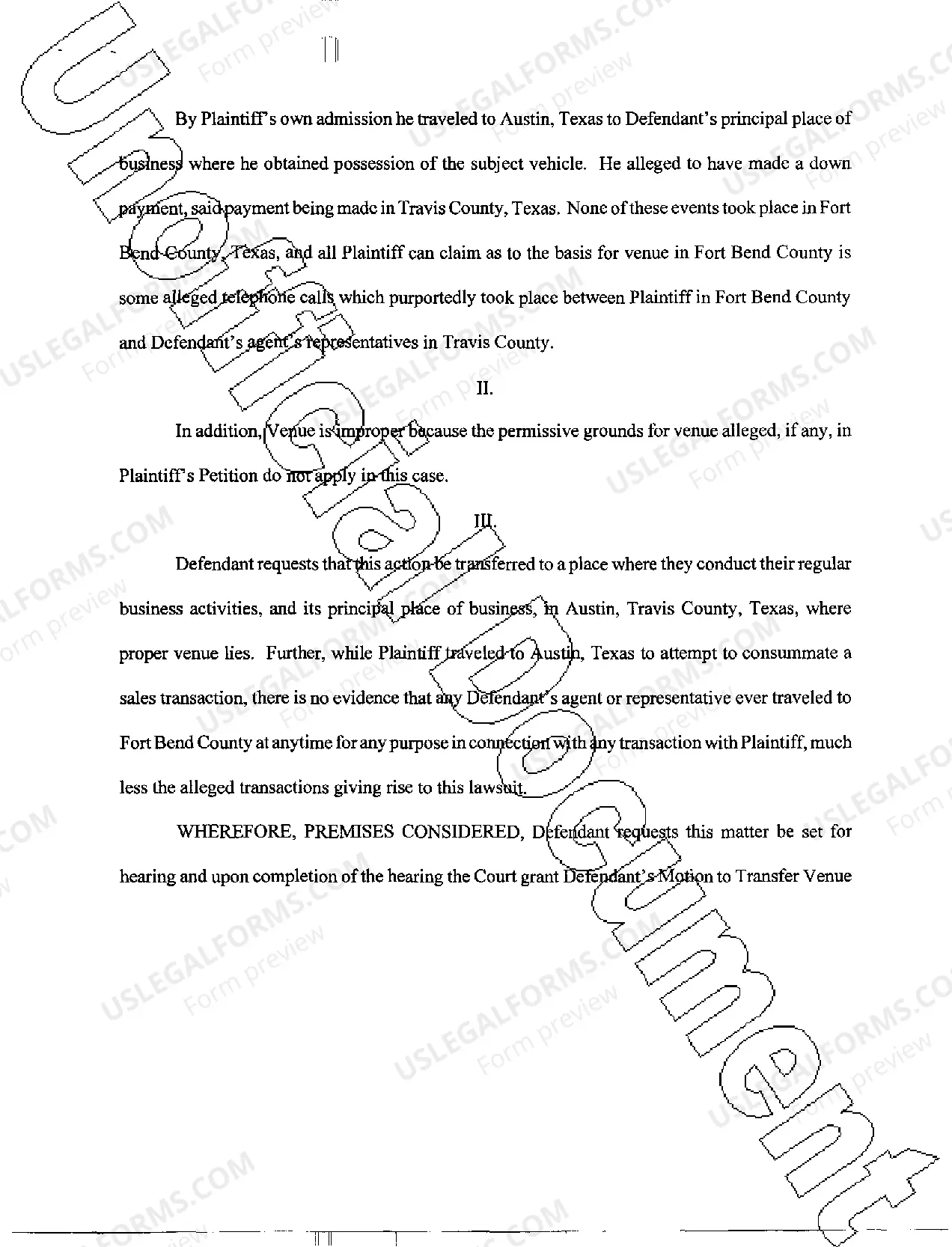
In Texas, the rules for a motion to transfer venue are outlined in the Texas Rules of Civil Procedure. The motion must demonstrate that the current venue is improper or that another venue is more convenient. Understanding these rules can aid you in preparing your Dallas Texas Defendant Motion To Transfer Venue effectively.
Changing the venue in immigration court involves filing a motion to change venue with the appropriate court. You must provide reasons for the change, such as personal circumstances or legal issues. Learning the rules specific to immigration cases can make your Dallas Texas Defendant Motion To Transfer Venue more effective.
Yes, you can request a change of court location through a motion to transfer venue. This request must clearly explain the reasons for your desired change and follow local court procedures. It’s crucial to articulate your case properly to support your Dallas Texas Defendant Motion To Transfer Venue.
Obtaining a change of venue can be challenging, as you must provide valid reasons for the request. Courts typically assess factors such as potential bias or the convenience of witnesses. Therefore, using US Legal Forms can help you prepare a compelling argument for your Dallas Texas Defendant Motion To Transfer Venue, increasing your chances of a successful outcome.
The form for a motion to transfer venue typically includes a title, case number, and the names of all parties involved. It must state the current court, the requested court, and the reasons for the transfer. If you are unsure how to create this document, consider using resources from US Legal Forms, which provide templates for filing a Dallas Texas Defendant Motion To Transfer Venue.
You typically file a Dallas Texas Defendant Motion To Transfer Venue with the court where your case is currently being heard. It is important to check the specific court's rules and procedures, as they can vary by jurisdiction. Be sure to comply with all requirements for a complete filing to avoid delays.
In immigration court, good cause for a Dallas Texas Defendant Motion To Transfer Venue may include unfair bias from the original court location or the presence of critical witnesses in a different area. Factors such as the convenience of both parties and the interests of justice also play a crucial role in establishing good cause. Understanding these elements is key when preparing your motion.
To file for a Dallas Texas Defendant Motion To Transfer Venue, gather the required documents and formulate your arguments clearly. It's essential to submit your motion to the correct court and follow local court rules regarding formatting and filing procedures. If you need assistance, consider using platforms like USLegalForms to access templates and guidance.