Chicago Illinois Letter from Tenant to Landlord about Illegal entry by landlord
Description
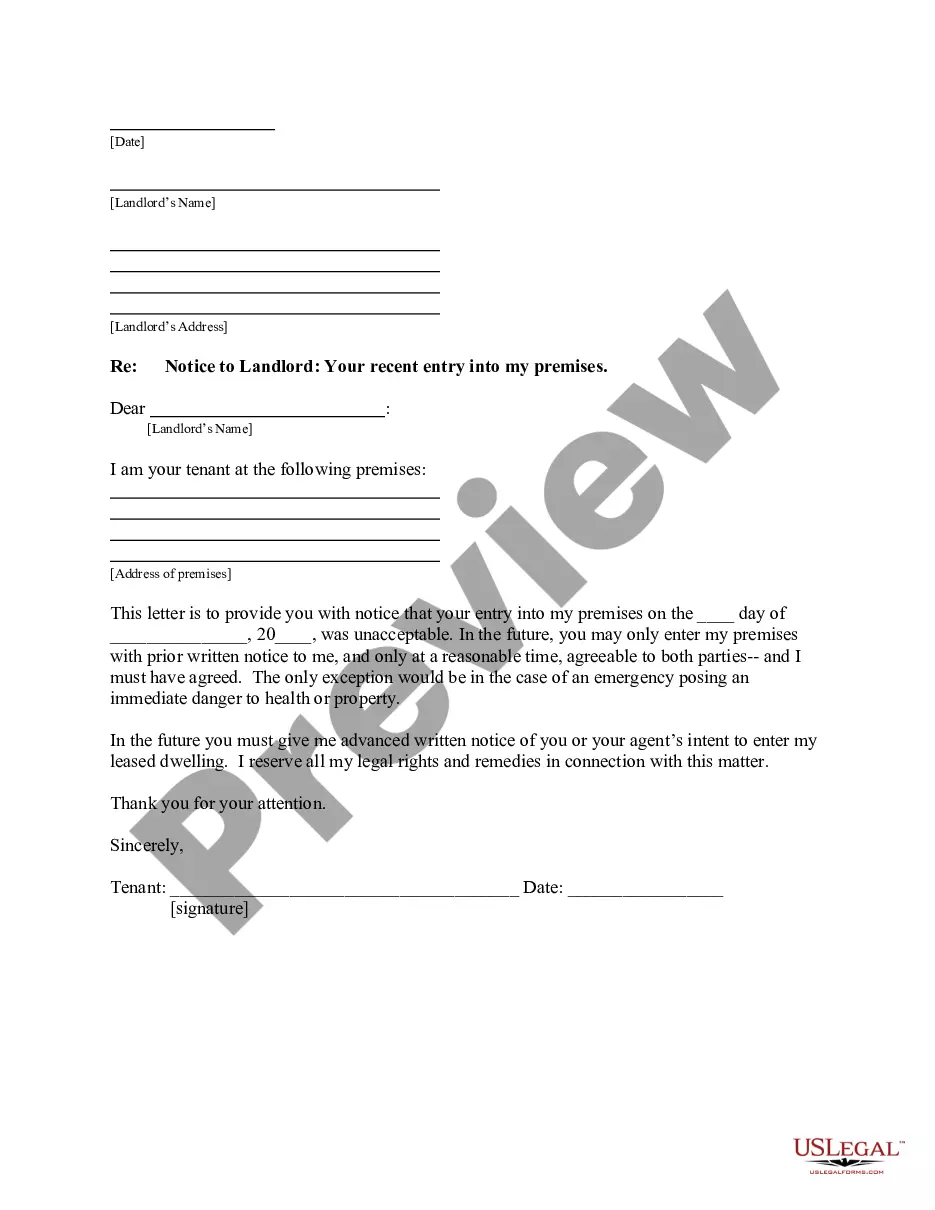
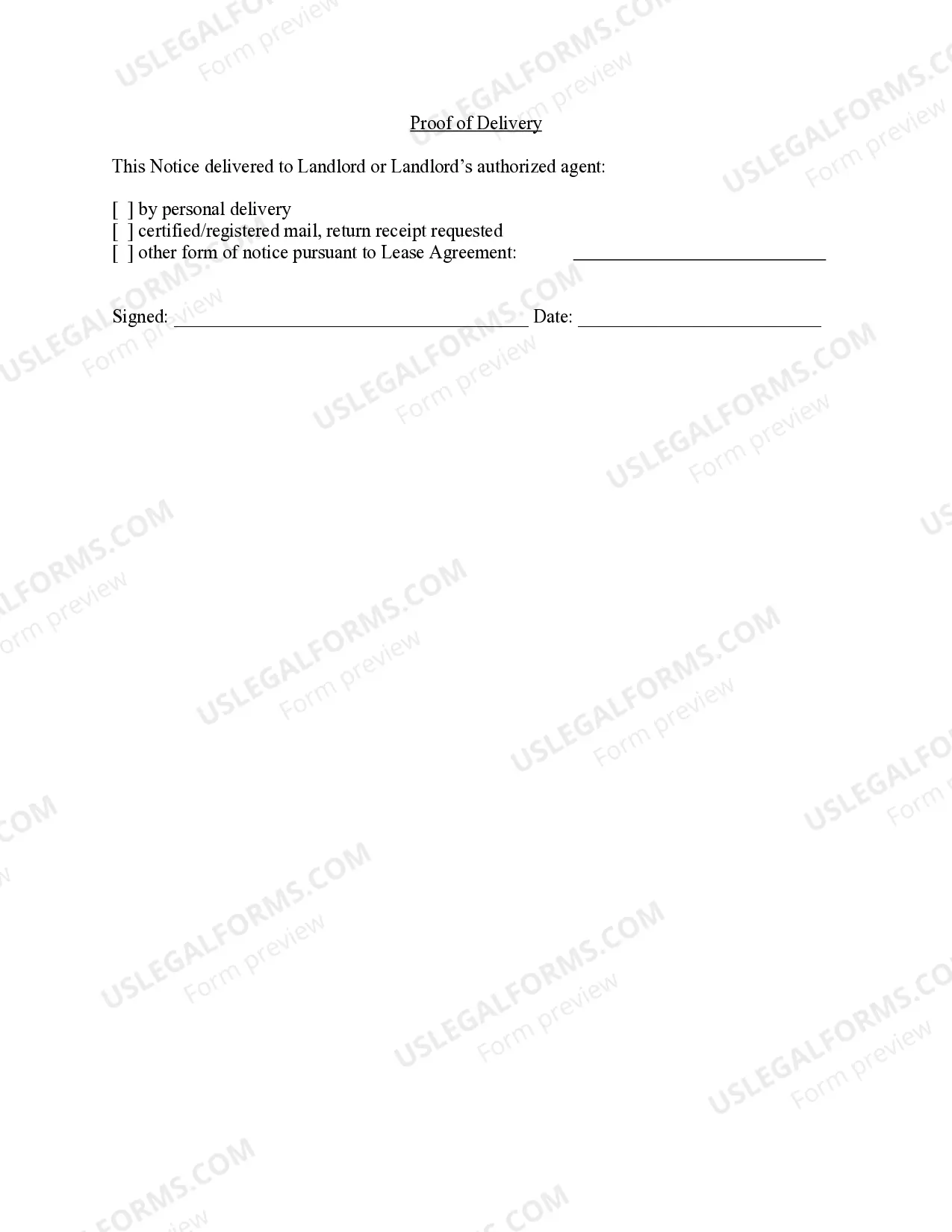

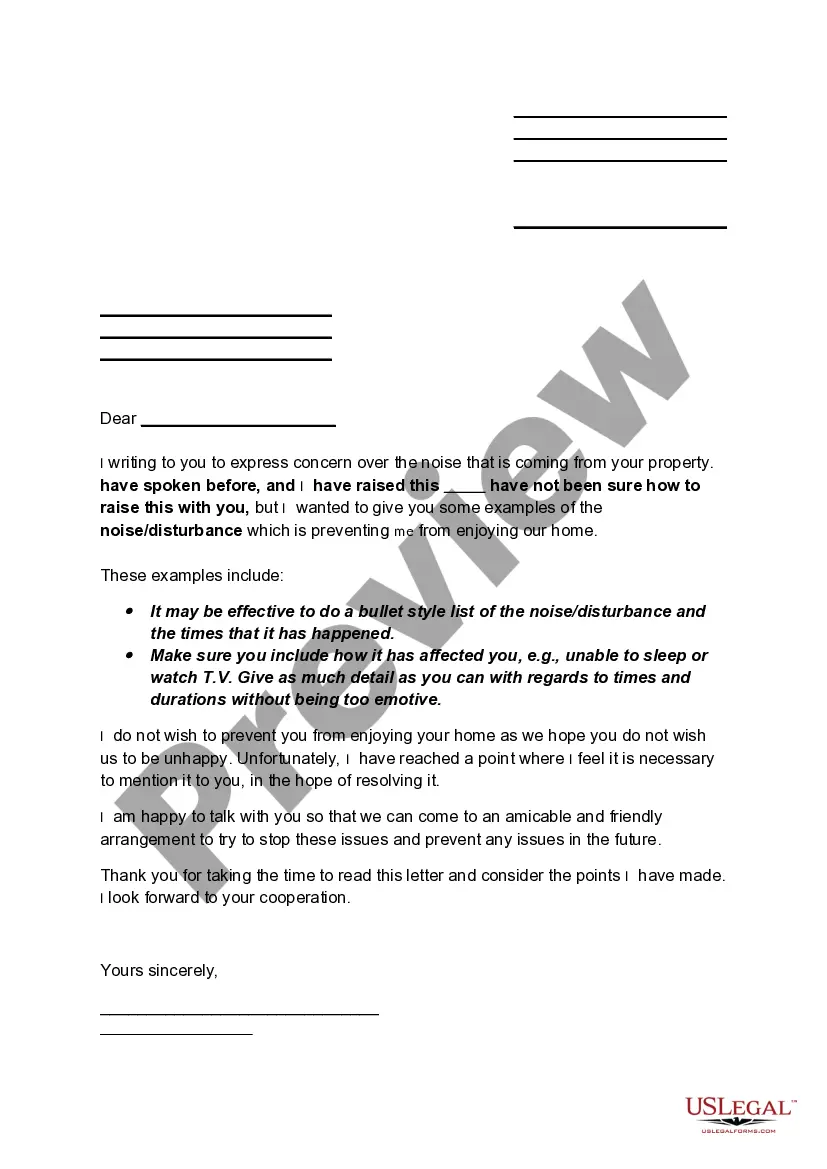
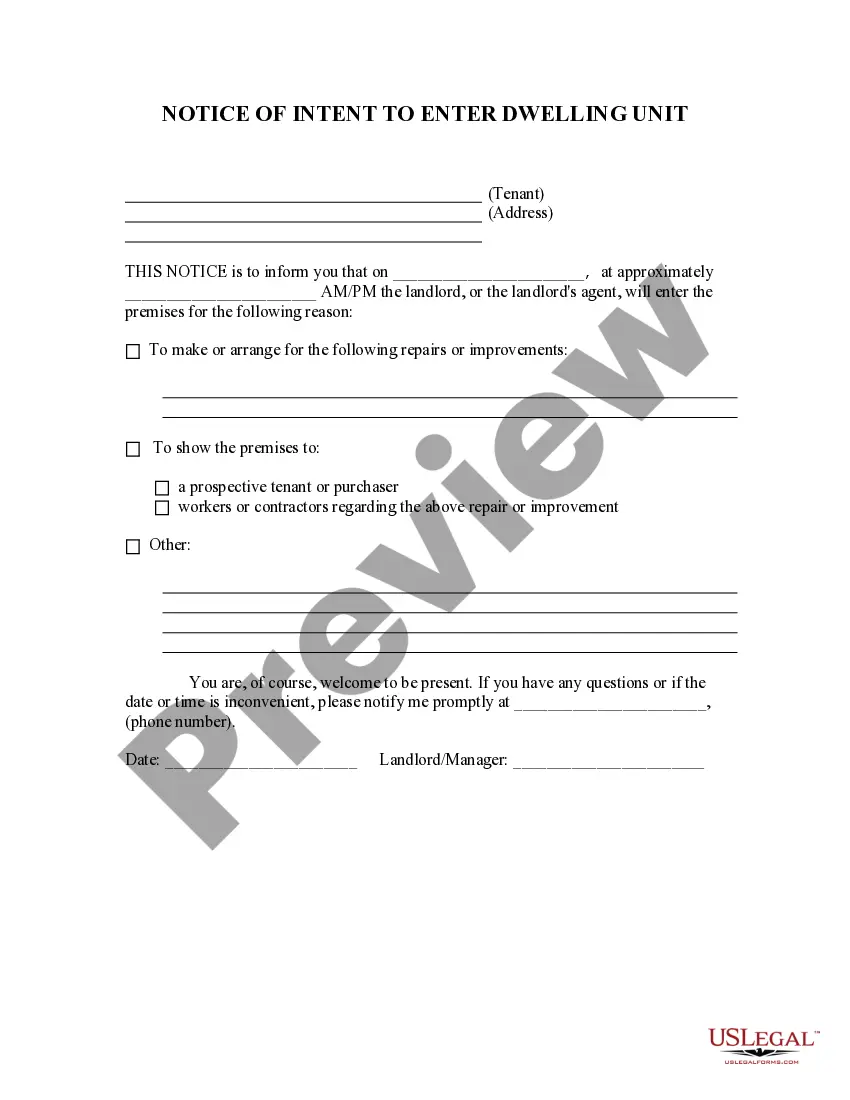
Get your form ready online
Our built-in tools help you complete, sign, share, and store your documents in one place.
Make edits, fill in missing information, and update formatting in US Legal Forms—just like you would in MS Word.
Download a copy, print it, send it by email, or mail it via USPS—whatever works best for your next step.
Sign and collect signatures with our SignNow integration. Send to multiple recipients, set reminders, and more. Go Premium to unlock E-Sign.
If this form requires notarization, complete it online through a secure video call—no need to meet a notary in person or wait for an appointment.
We protect your documents and personal data by following strict security and privacy standards.

Make edits, fill in missing information, and update formatting in US Legal Forms—just like you would in MS Word.

Download a copy, print it, send it by email, or mail it via USPS—whatever works best for your next step.

Sign and collect signatures with our SignNow integration. Send to multiple recipients, set reminders, and more. Go Premium to unlock E-Sign.

If this form requires notarization, complete it online through a secure video call—no need to meet a notary in person or wait for an appointment.

We protect your documents and personal data by following strict security and privacy standards.
Looking for another form?

How to fill out Illinois Letter From Tenant To Landlord About Illegal Entry By Landlord?
We consistently endeavor to minimize or avert legal complications when managing intricate legal or financial issues.
To achieve this, we seek legal services that are typically quite costly.
However, not all legal matters are of equal difficulty; many can be handled independently.
US Legal Forms is an online repository of current DIY legal documents encompassing everything from wills and powers of attorney to articles of incorporation and petitions for dissolution.
Just Log In to your account and click the Get button beside it. If you've misplaced the document, you can always download it again from the My documents section.
- Our platform empowers you to take charge of your situations without the need to consult an attorney.
- We offer access to legal form templates that aren’t universally available.
- Our templates are tailored to specific states and regions, which greatly simplifies the search process.
- Utilize US Legal Forms whenever you need to locate and retrieve the Chicago Illinois Letter from Tenant to Landlord regarding Unlawful entry by landlord or any other document conveniently and securely.
Form popularity
FAQ
Chicago Renters' Rights Hotline at (312) 742-7368: Information and assistance on legal responsibilities and rights of renters and property owners. Chicago Housing Showcase: Resources and information on programs and opportunities for Chicago homeowners, property owners and renters.
You are paying rent to the landlord for exclusive use as the property as your home and as such you have the right to decide who enters it and when. If a landlord enters your home without permission they are, technically, trespassing, unless they have a court order to allow them otherwise.
The Illinois Department of Human Rights - Chicago: (312) 814-6200, TDD: (312) 263-1579; Springfield: (217) 785-5100, TDD: (217) 785-5125; Housing complaints: 1-800-662-3942.
Lying or intimidating a tenant. Giving a ?three-day notice? or other eviction notice that is based on false charges. Using fighting words or threatening bodily harm. Refusing to do repairs that are required by law.
Illinois do not have provisions governing landlord right to entry, but the City of Chicago requires that landlords provide at least 48 hours notice before entering a unit. Reasonable times are defined as Monday-Friday between 8am and 6pm.
What Can Happen If a Landlord Enters Without Notice The tenant can call the police.The tenant can potentially sue you for invasion of privacy or harassment.The tenant can potentially sue for breach of lease.
Lay a complaint with the Rental Housing Tribunal The Tribunal is set up in terms of the Rental Housing Act 1999 No. 50 and states that ?any tenant or landlord or group of tenants or in the prescribed manner lodge a complaint with the Tribunal concerning an unfair practice.?
How to Report a Landlord In Illinois the Easy Way The Illinois Department of Human Rights - Chicago. Chicago Department of Housing. IDHR Fair Housing Division.
Provides for notice by the landlord, except in cases of emergency or practical necessity. Provides that a landlord may enter only at reasonable times except in case of an emergency and that an entry between A.M. and P.M., or at a time requested by the tenant, shall be presumed reasonable.
Unless the city's law provides otherwise, even landlords are not allowed to enter a leased apartment without permission....The tenant may: Move out and terminate the lease. Repair the problem and deduct that cost from the rent. Reduce the rent by the damage done. Sue for damages.