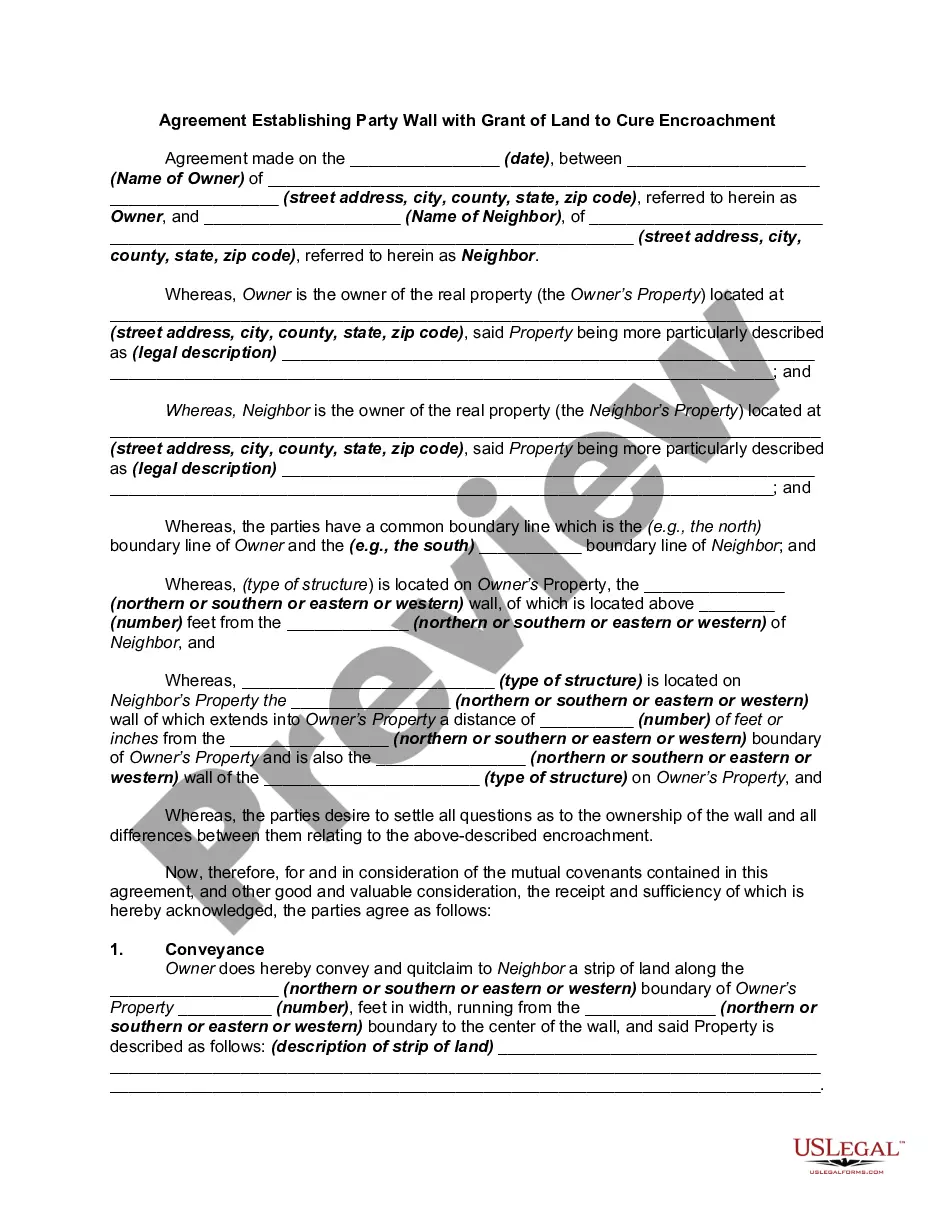
Miramar Florida Encroachment Agreement
Description
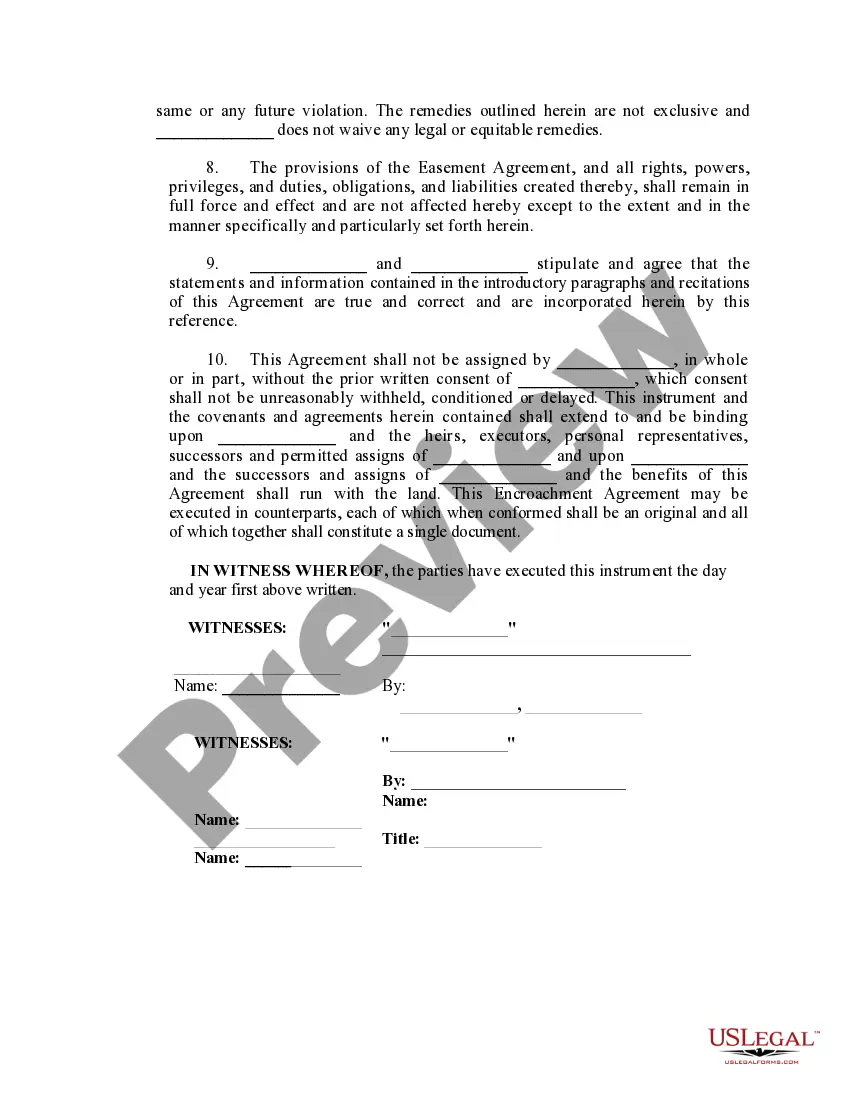
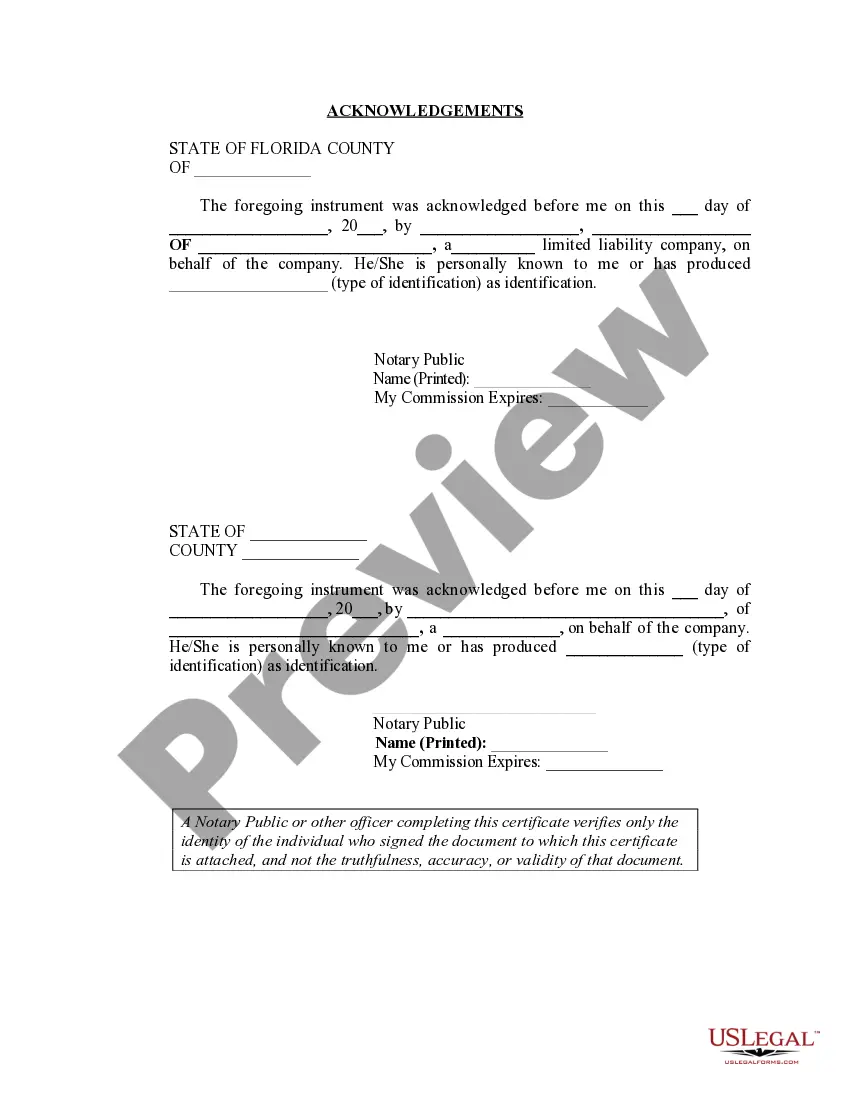
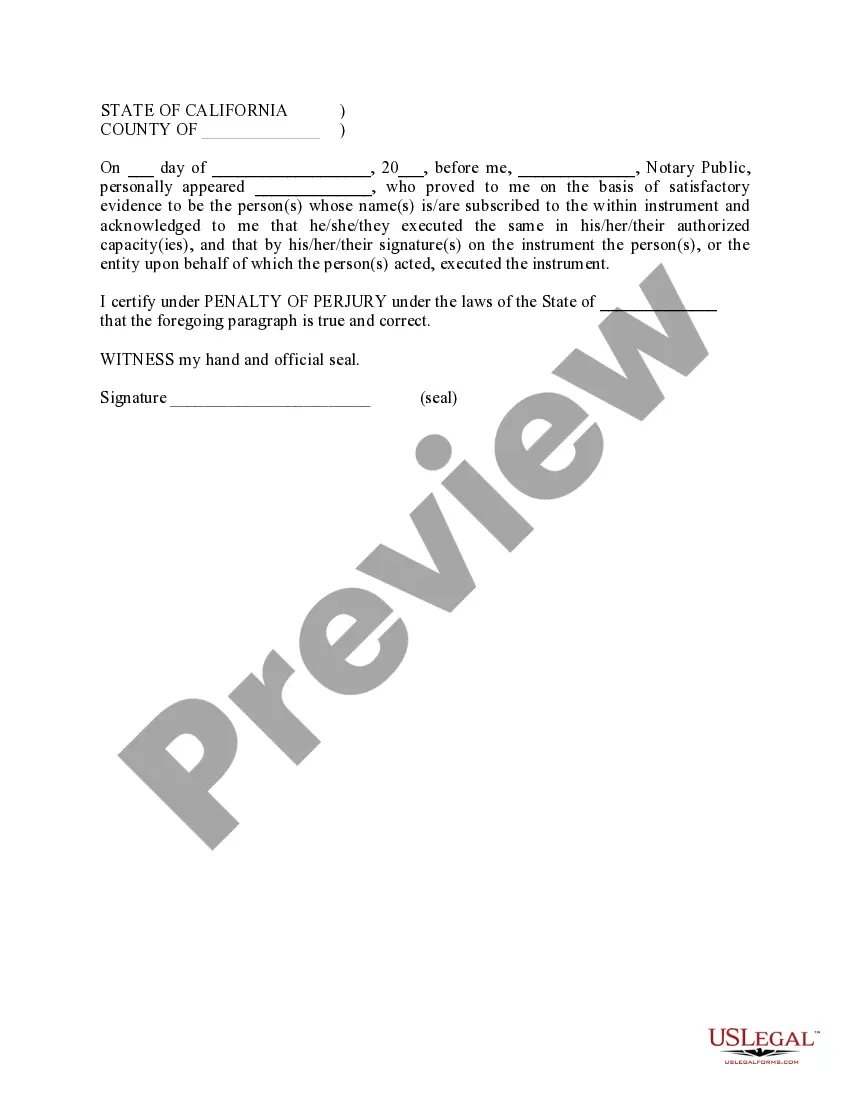
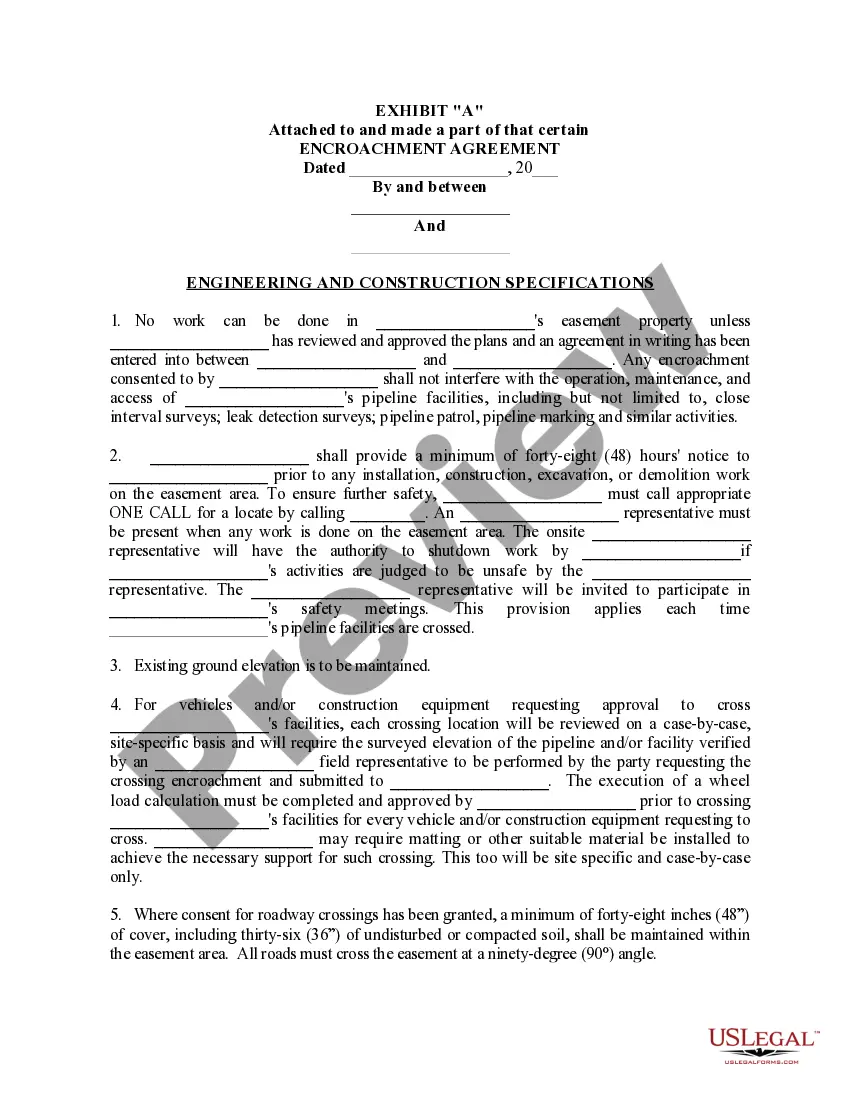

Get your form ready online
Our built-in tools help you complete, sign, share, and store your documents in one place.
Make edits, fill in missing information, and update formatting in US Legal Forms—just like you would in MS Word.
Download a copy, print it, send it by email, or mail it via USPS—whatever works best for your next step.
Sign and collect signatures with our SignNow integration. Send to multiple recipients, set reminders, and more. Go Premium to unlock E-Sign.
If this form requires notarization, complete it online through a secure video call—no need to meet a notary in person or wait for an appointment.
We protect your documents and personal data by following strict security and privacy standards.

Make edits, fill in missing information, and update formatting in US Legal Forms—just like you would in MS Word.

Download a copy, print it, send it by email, or mail it via USPS—whatever works best for your next step.

Sign and collect signatures with our SignNow integration. Send to multiple recipients, set reminders, and more. Go Premium to unlock E-Sign.

If this form requires notarization, complete it online through a secure video call—no need to meet a notary in person or wait for an appointment.

We protect your documents and personal data by following strict security and privacy standards.
Looking for another form?

How to fill out Florida Encroachment Agreement?
If you have previously utilized our service, sign in to your account and acquire the Miramar Florida Encroachment Agreement on your device by clicking the Download button. Ensure your subscription is active. If not, renew it according to your payment plan.
If this is your initial engagement with our service, follow these straightforward steps to obtain your file.
You have ongoing access to all documents you have purchased: you can find it in your profile within the My documents menu whenever you wish to reuse it. Leverage the US Legal Forms service to quickly locate and save any template for your personal or business needs!
- Ensure you’ve found an appropriate document. Browse the description and use the Preview option, if available, to verify it satisfies your needs. If it doesn’t align, utilize the Search tab above to locate the right one.
- Purchase the template. Click the Buy Now button and select a monthly or yearly subscription plan.
- Create an account and process the payment. Use your credit card information or the PayPal option to finalize the purchase.
- Receive your Miramar Florida Encroachment Agreement. Choose the file format for your document and save it to your device.
- Complete your sample. Print it or utilize professional online editors to fill it out and sign it electronically.
Form popularity
FAQ
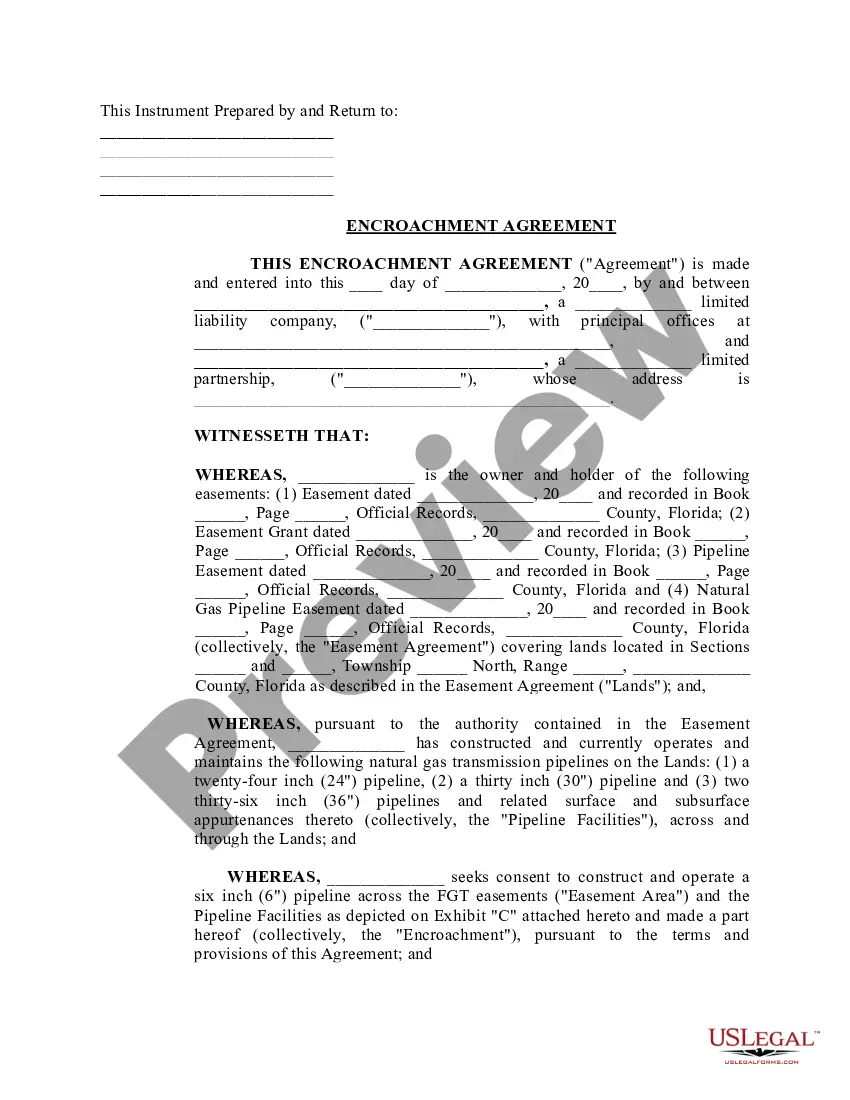
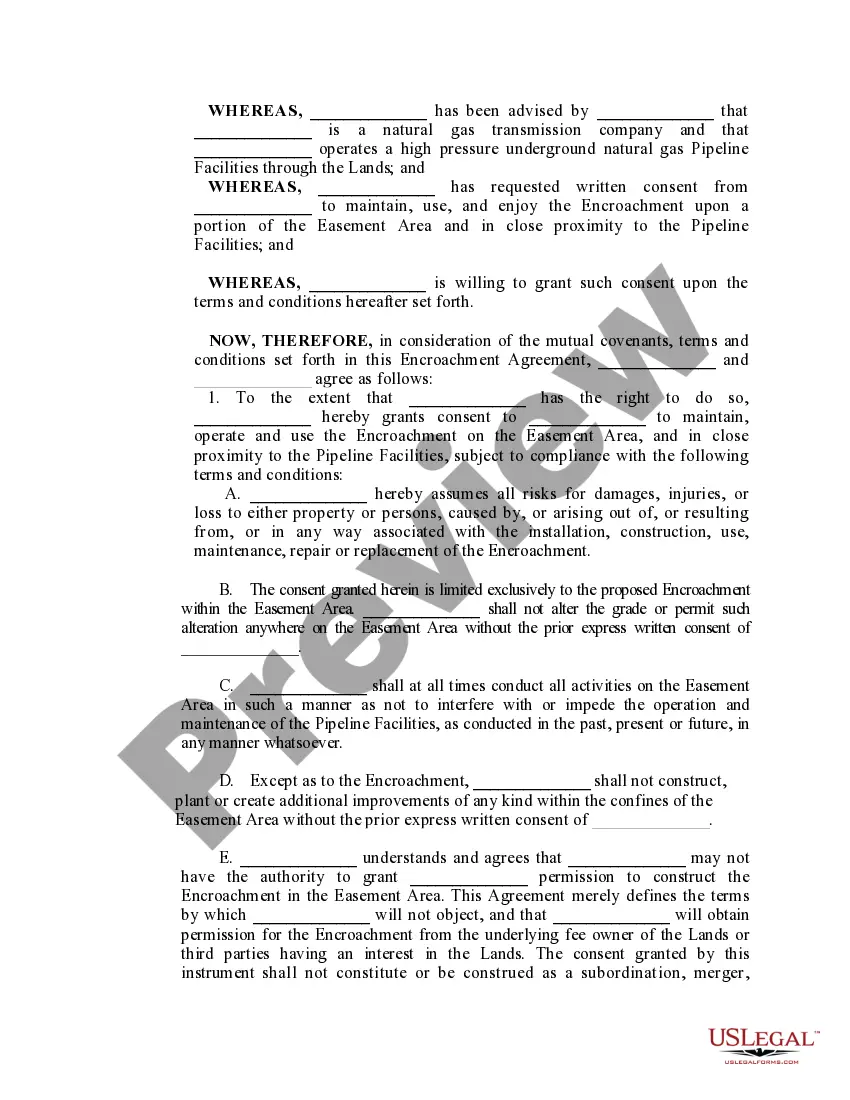
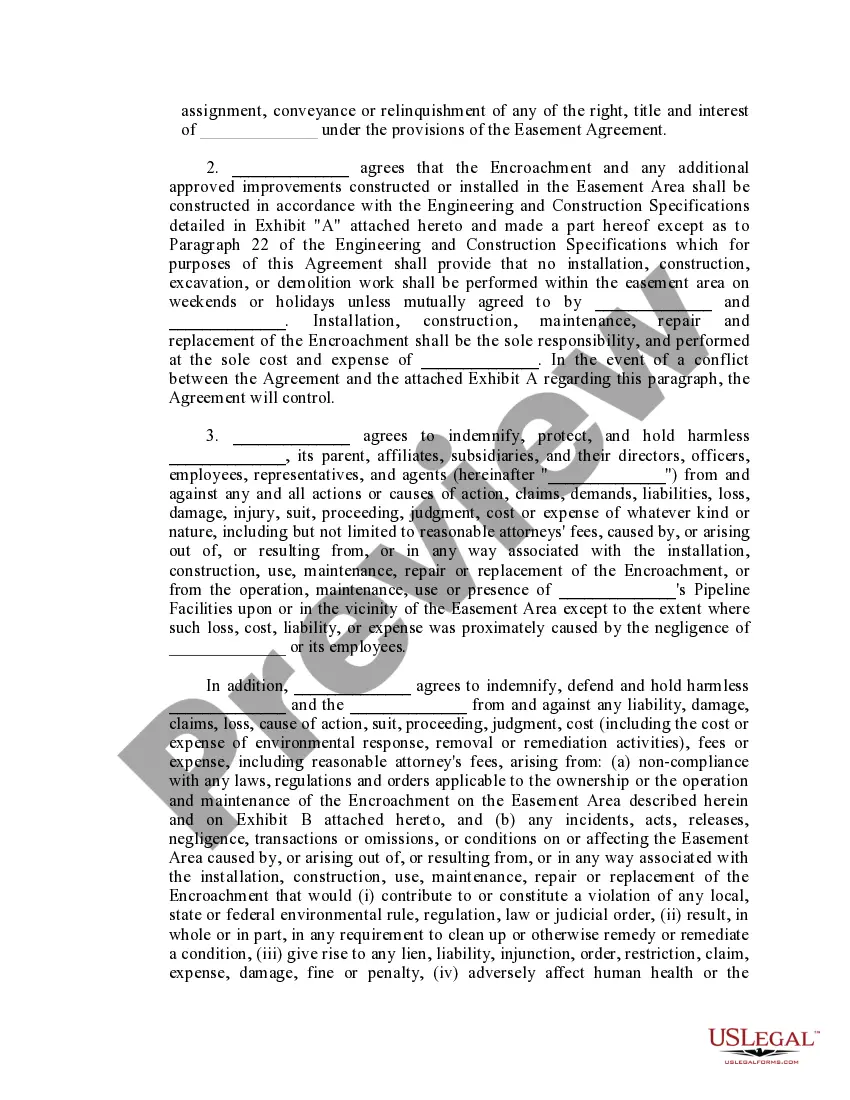
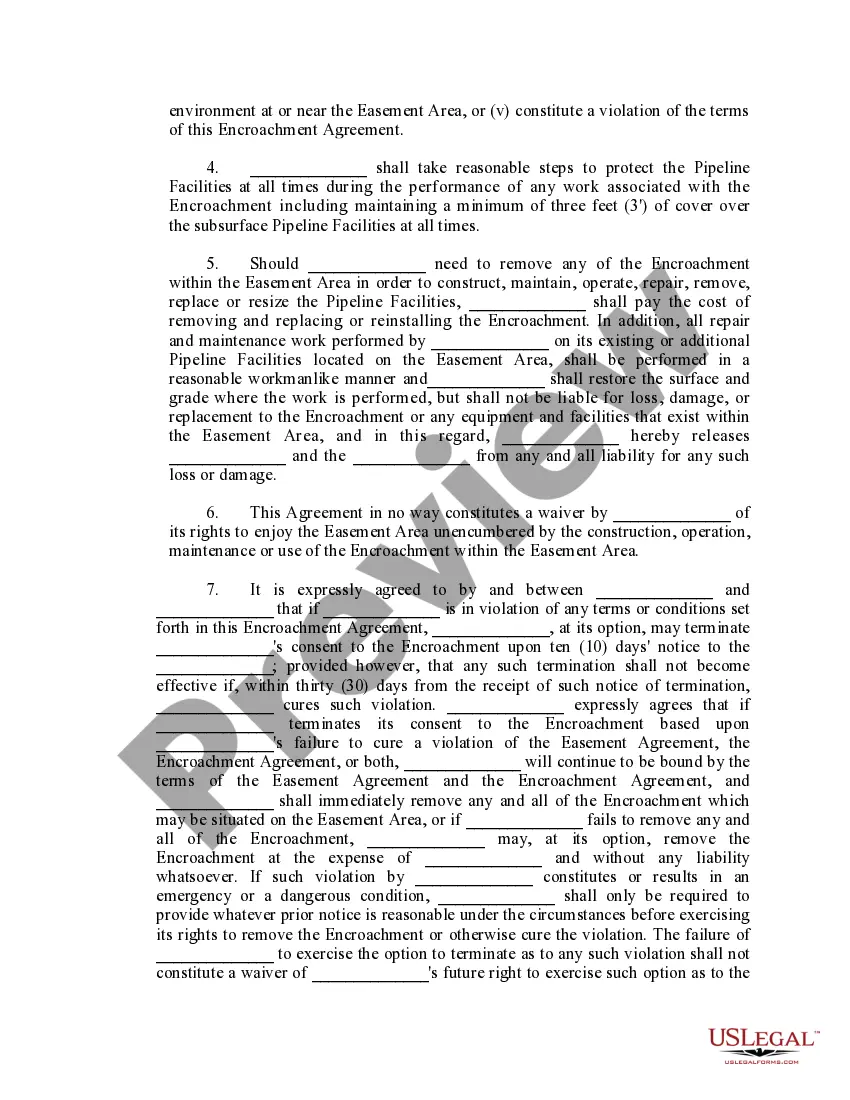
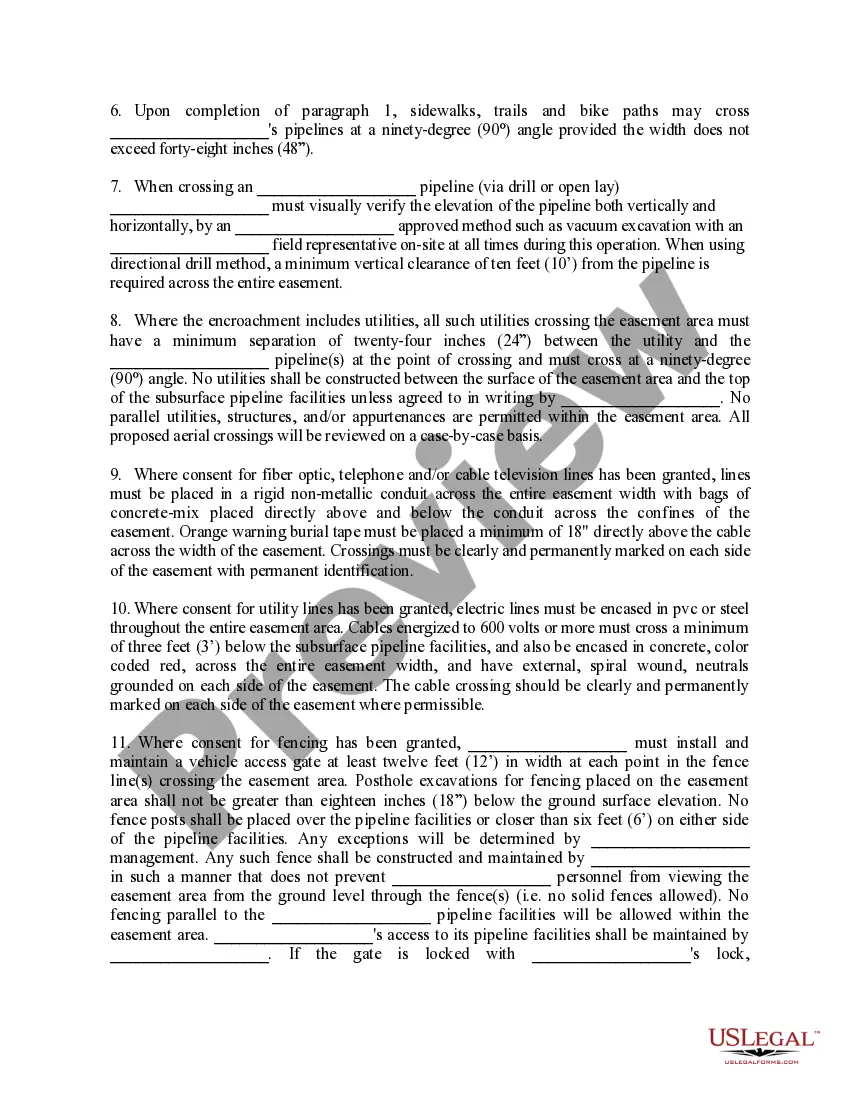
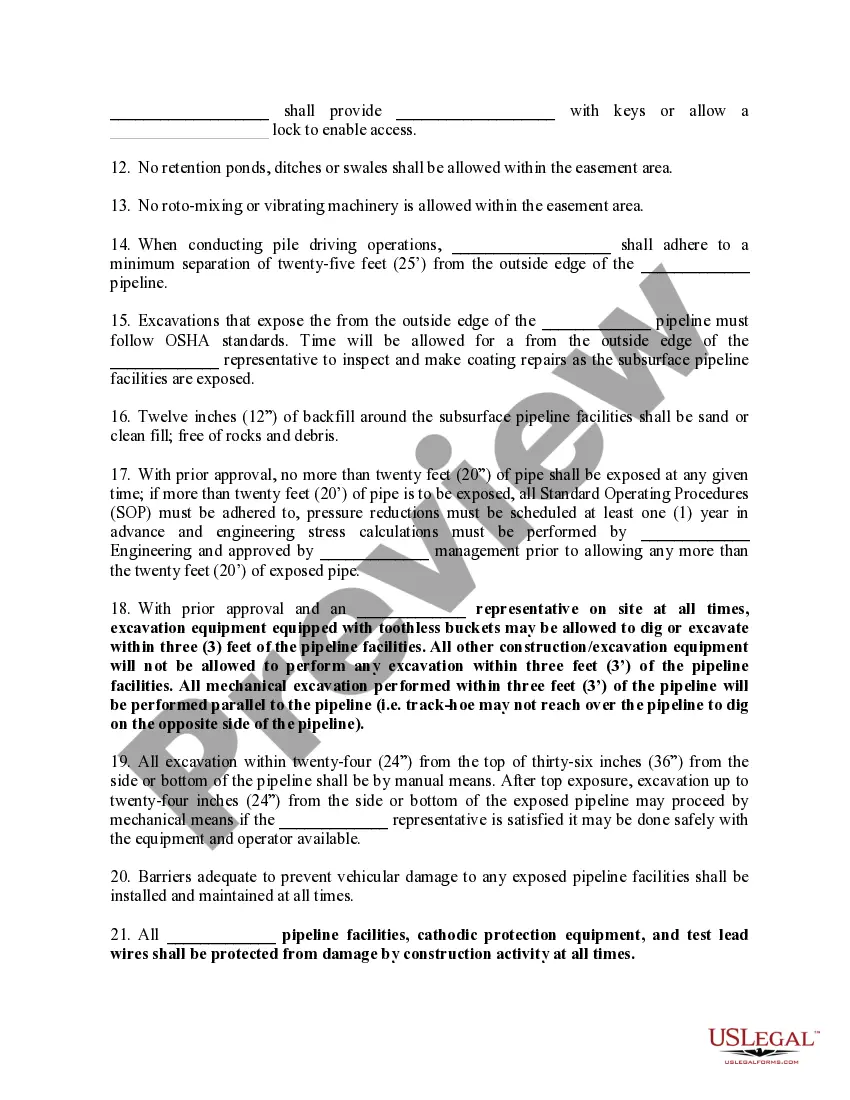
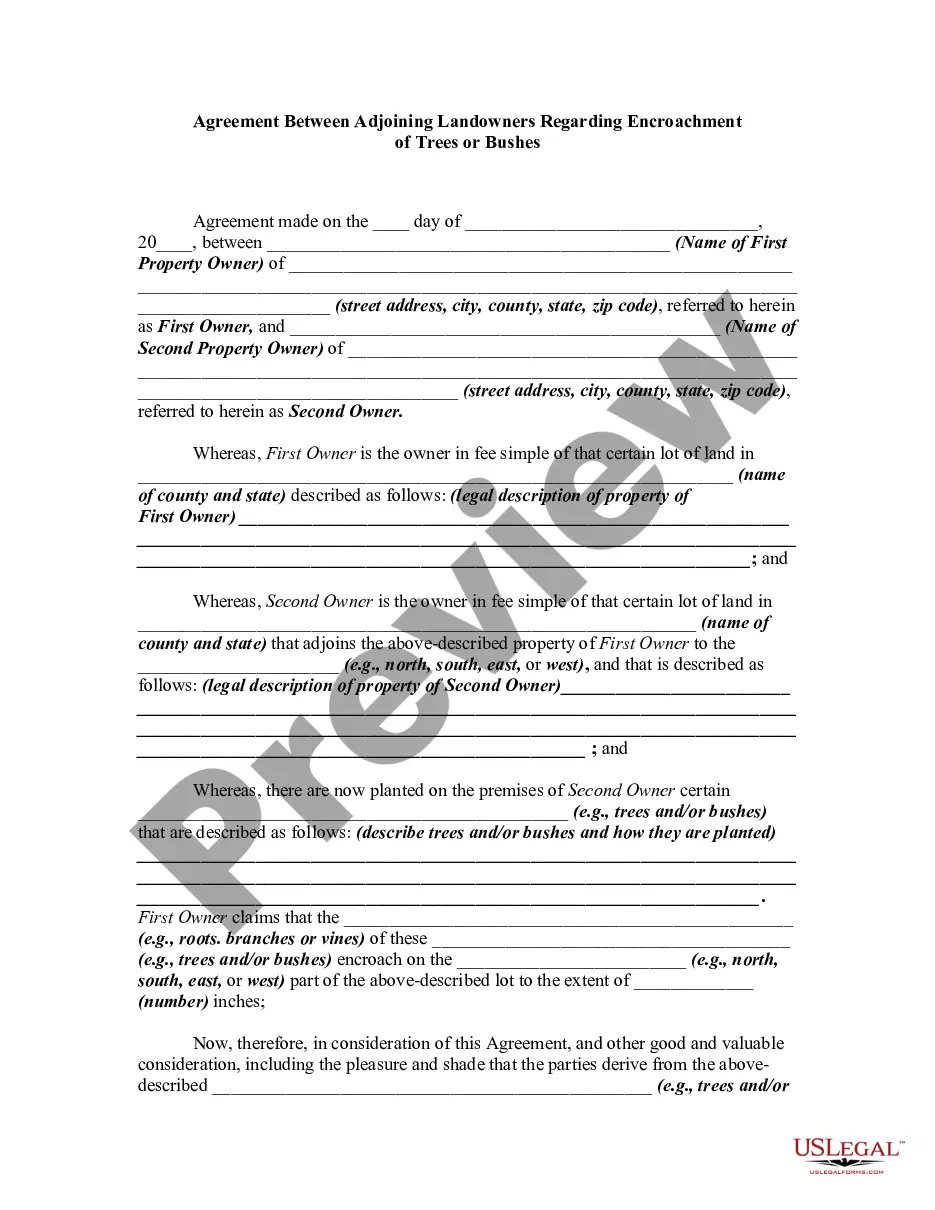
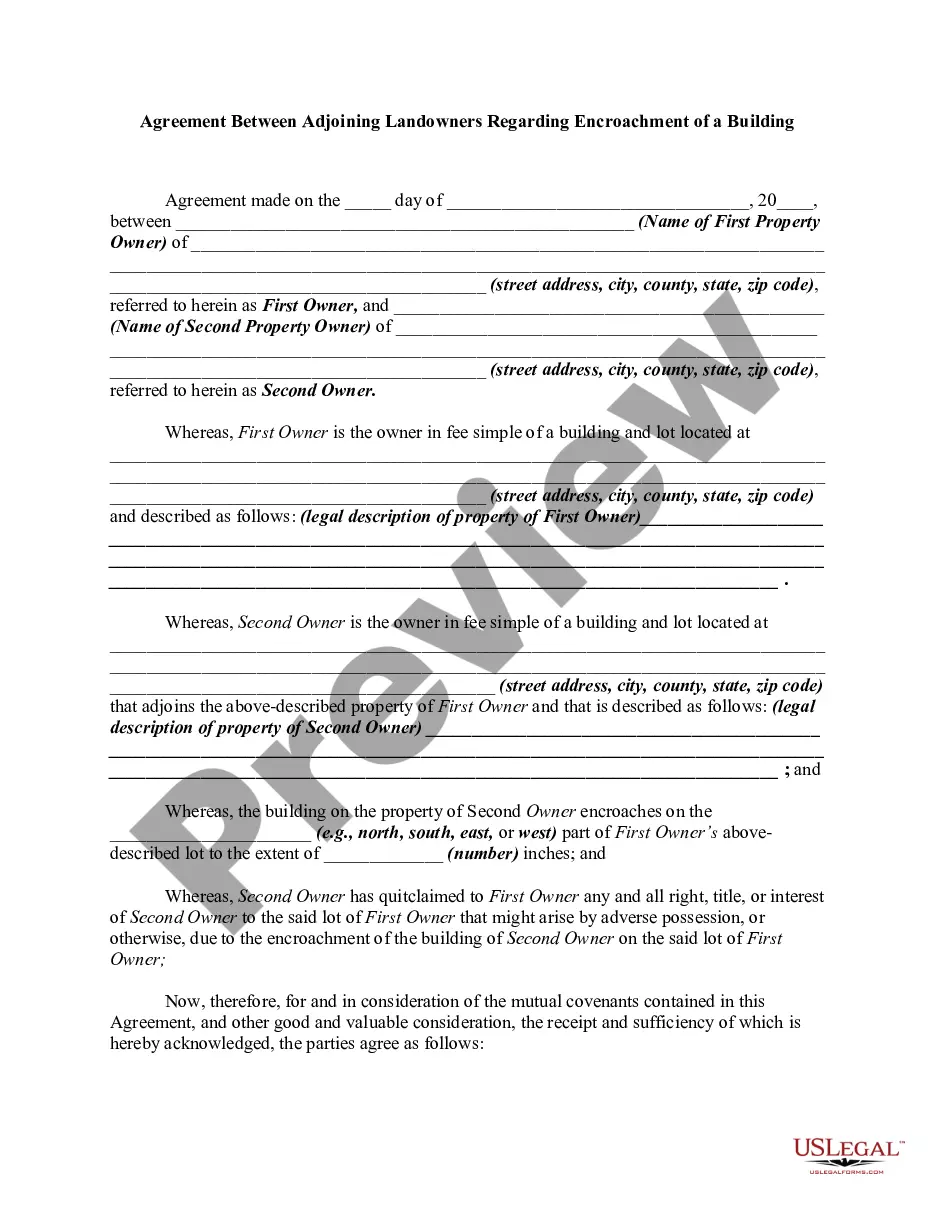
Encroachment agreements are legal agreements between two parties that resolve the issue created when the improvements made by one party encroach onto the property (or rights) of another party.
Driveways: The minimum width of an easement for driveway purposes is 30 feet. Pedestrian Facilities: A minimum of a 10 foot easement is required, but may need more depending on location and use. Private Roads: A 30-foot width will work for a private roadway with up to 6 users.
Spell out the ways in which your neighbor is interfering with your easement rights. Enclose a copy of the deed and highlight the relevant sections. Advise your neighbor that unless he stops the interference, you will pursue legal action. Hand-carry or mail your letter to your neighbor, remembering to keep a copy.
Usually, the owner of the easement is responsible for maintenance. 20 Fla. Jur. 2d Easements § 49 (2022).
Utility easements and cable easements are types of easements that attach to a property and are often 15 to 20 feet wide and allow the utility companies to use your property for a particular use.
Homeowners are typically not allowed to build a permanent structure where an easement runs, even though the land is legally theirs. This is because building that structure (such as a garage) may restrict the access rights of the utility to their equipment.
The owner or tenant thereof, or anyone in their behalf, lawfully may use and maintain an easement for persons, vehicles, stock, franchised cable television service, and any utility service, including, but not limited to, water, wastewater, reclaimed water, natural gas, electricity, and telephone service, over, under,
Utility Easements and Homeowners Every utility company, such as Florida Power & Light, are given legal easements on the land over or under which their lines run. They are only allowed to use the property to gain access to their equipment, such as powerlines or electrical poles or towers.
Yes, you can build on a property easement, even a utility easement.