Kansas Letter from Tenant to Landlord with Demand that landlord repair plumbing problem
What is this form?
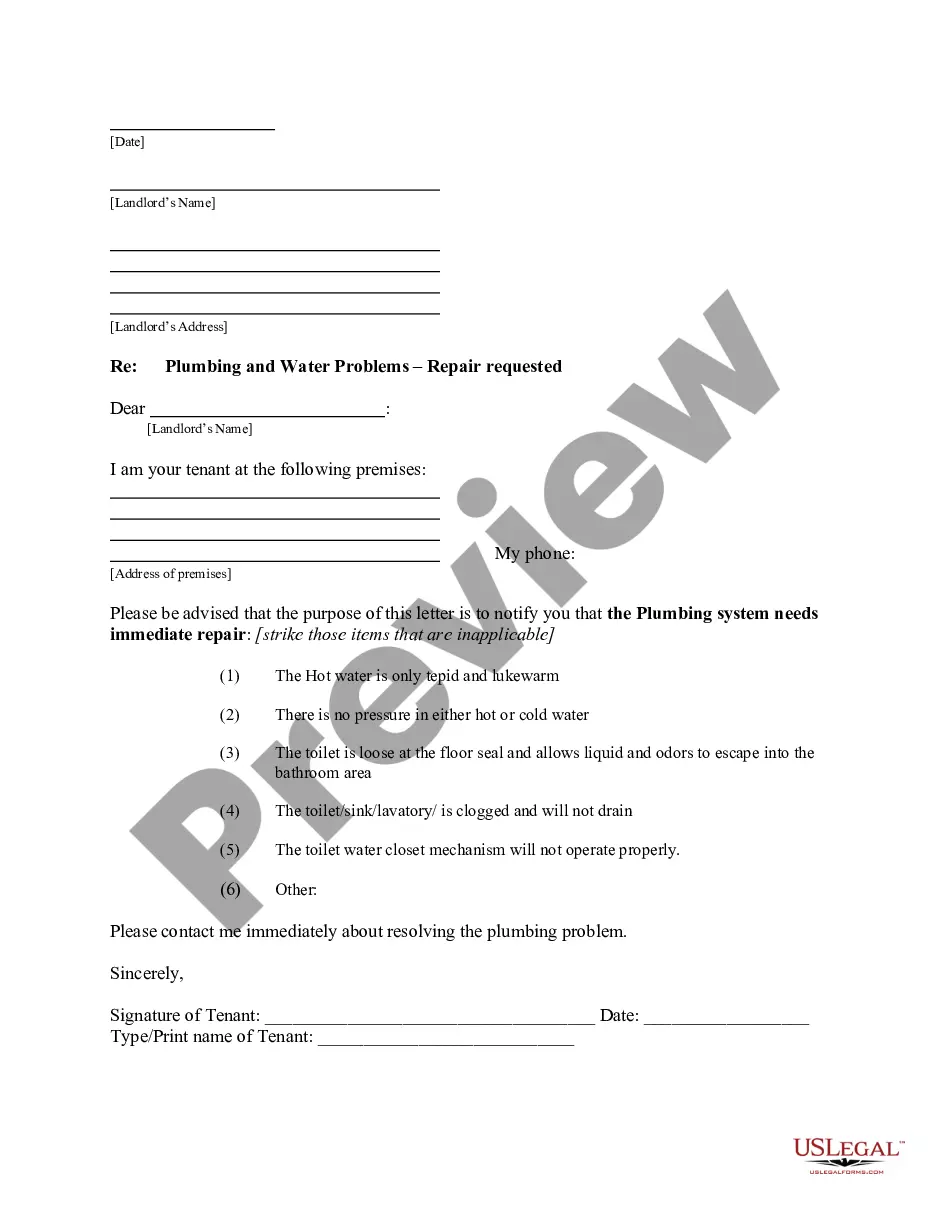
This form is a letter from a tenant to a landlord demanding necessary plumbing repairs. It is specifically designed to alert the landlord about plumbing issues such as inadequate hot water, low water pressure, or clogs. The letter formally notifies the landlord of their obligation to maintain the property and stipulates a ten-day period for repairs. This form serves a distinct purpose compared to standard complaint letters, as it emphasizes statutory duties and repair timelines.
Main sections of this form
- Identification of plumbing issues, such as tepid hot water and low water pressure.
- Detailing specific problems with toilets, sinks, and drainage.
- A clear demand for repairs within ten days.
- Notification of the landlord's breach of duty to maintain the property.
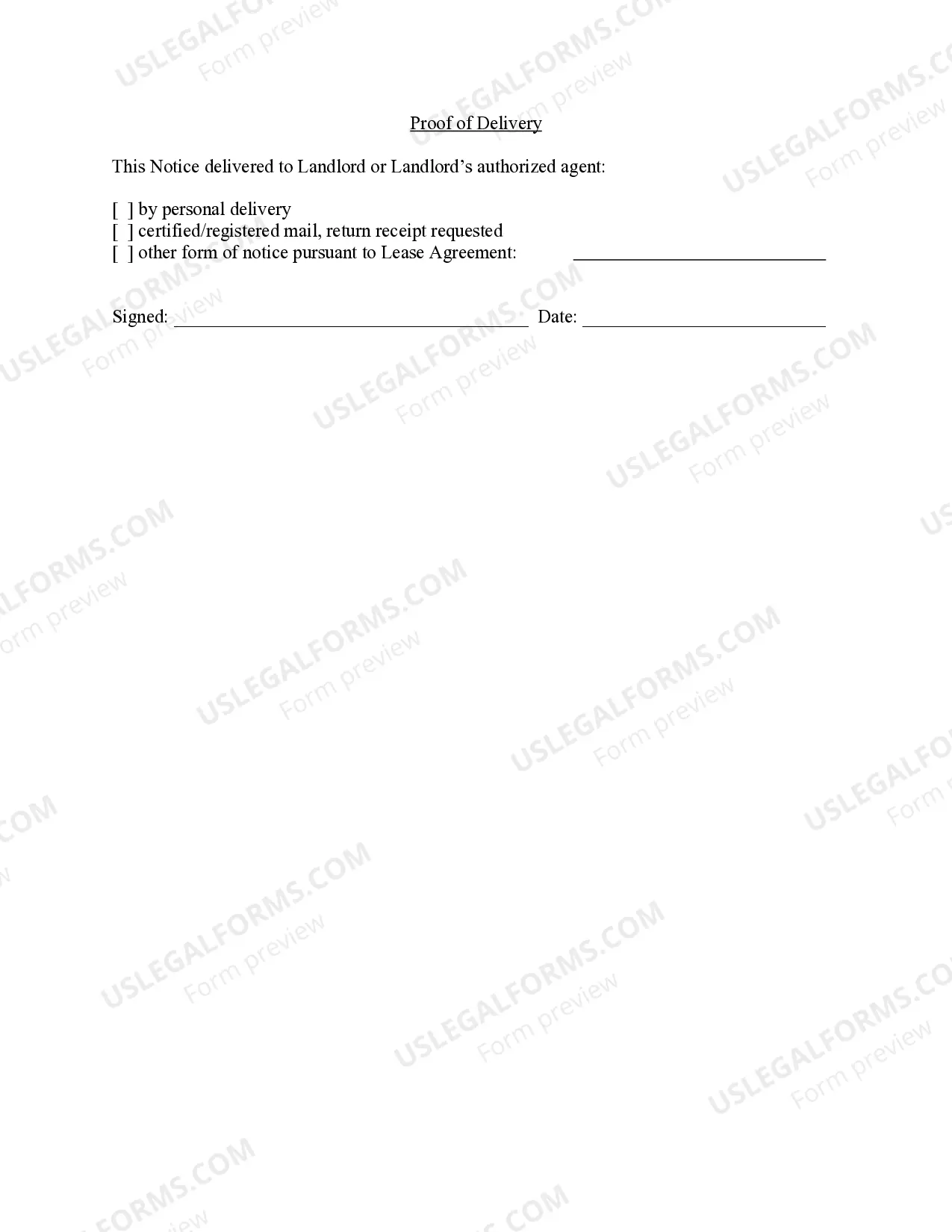

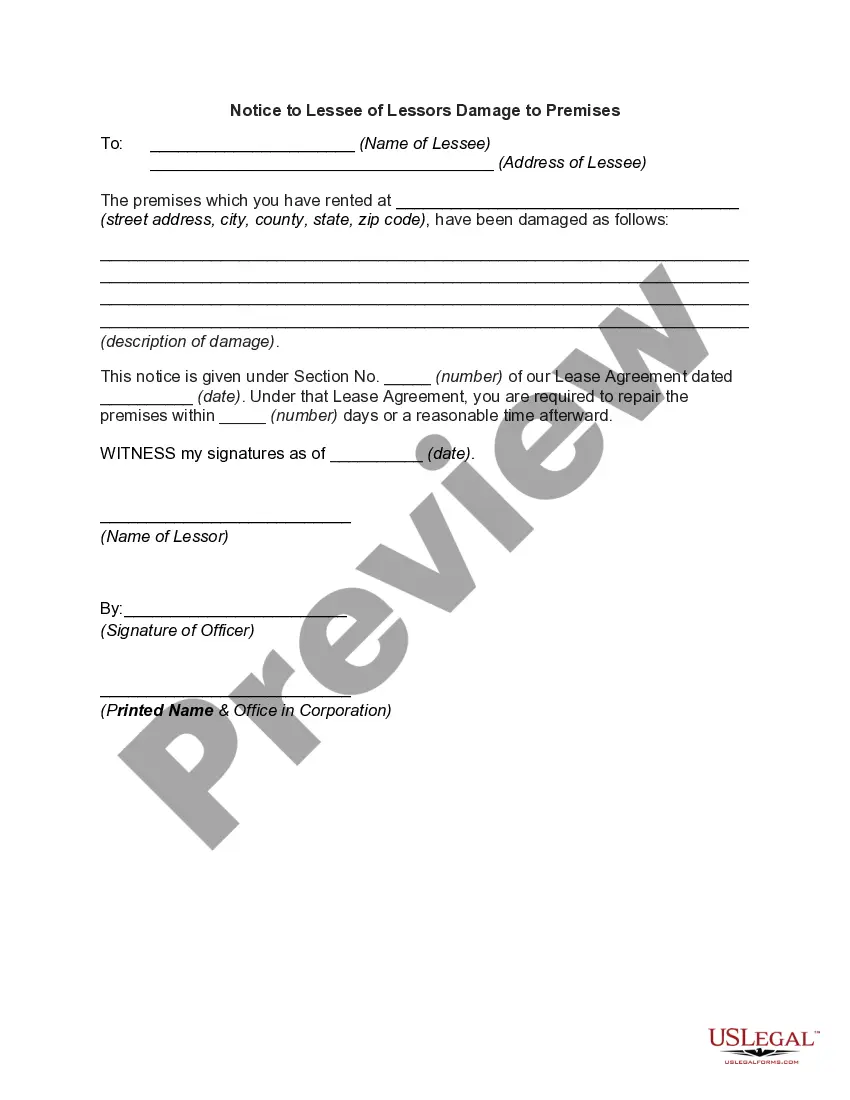
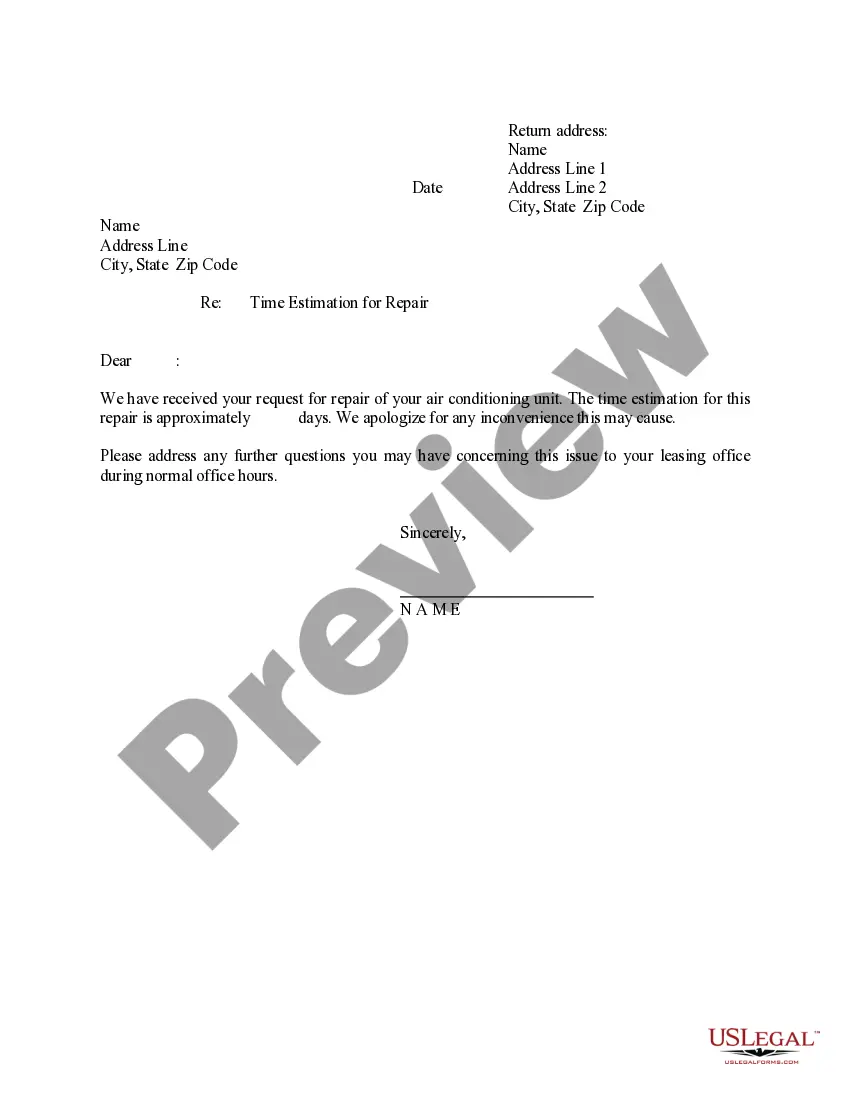
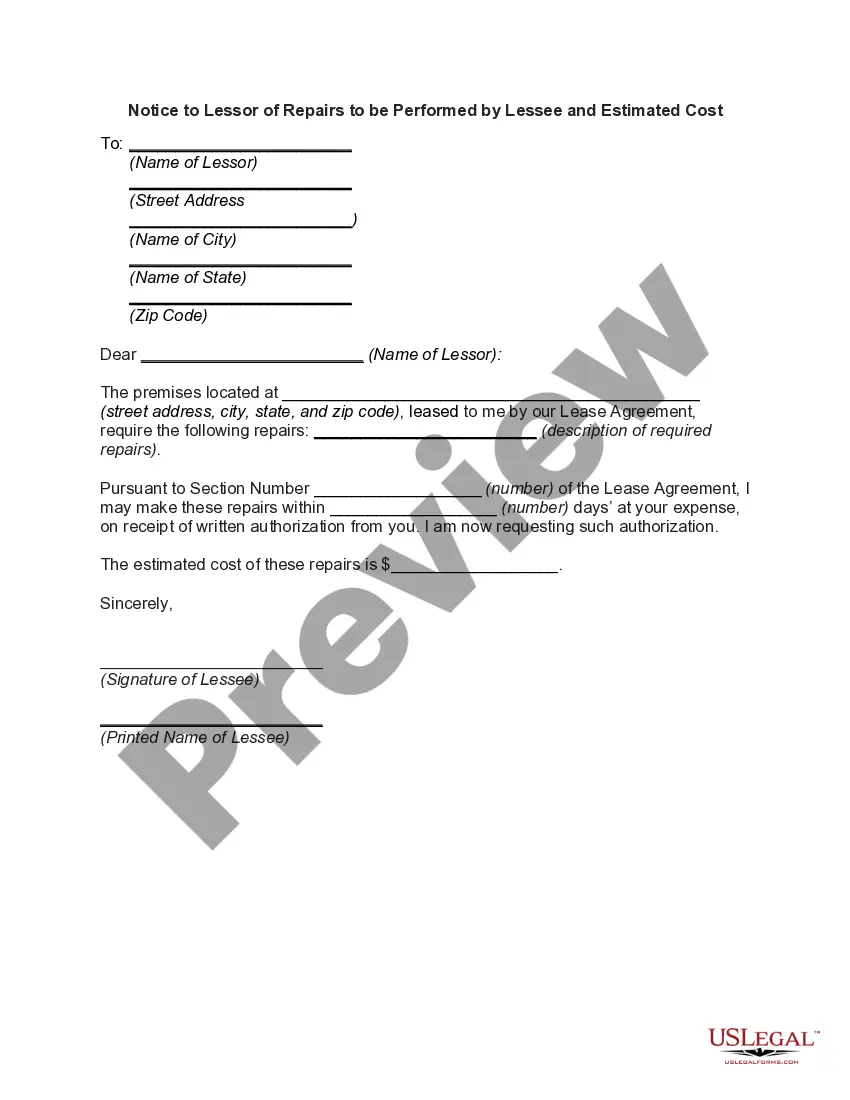

When to use this form
This form is essential when a tenant encounters plumbing issues that affect their living conditions, such as lukewarm hot water, leaks, or malfunctioning toilets. It is appropriate to use this letter if the landlord has failed to address these problems in a timely manner, making it necessary to formally demand repairs to ensure the rental unit remains habitable.
Who should use this form
- Tenants experiencing plumbing issues in a rented property.
- Individuals seeking to formally communicate maintenance problems to their landlord.
- Renters who need to ensure their landlord meets legal obligations for property maintenance.
How to complete this form
- Identify the tenant and landlord, including full names and addresses.
- Specify the exact plumbing issues encountered, detailing each problem clearly.
- State the demand for repairs and the time frame for completion (ten days).
- Include the date of the letter to establish a timeline for the request.
- Sign and date the form to certify its authenticity.
Notarization guidance
In most cases, this form does not require notarization. However, some jurisdictions or signing circumstances might. US Legal Forms offers online notarization powered by Notarize, accessible 24/7 for a quick, remote process.
Get your form ready online
Our built-in tools help you complete, sign, share, and store your documents in one place.
Make edits, fill in missing information, and update formatting in US Legal Forms—just like you would in MS Word.
Download a copy, print it, send it by email, or mail it via USPS—whatever works best for your next step.
Sign and collect signatures with our SignNow integration. Send to multiple recipients, set reminders, and more. Go Premium to unlock E-Sign.
If this form requires notarization, complete it online through a secure video call—no need to meet a notary in person or wait for an appointment.
We protect your documents and personal data by following strict security and privacy standards.

Make edits, fill in missing information, and update formatting in US Legal Forms—just like you would in MS Word.

Download a copy, print it, send it by email, or mail it via USPS—whatever works best for your next step.

Sign and collect signatures with our SignNow integration. Send to multiple recipients, set reminders, and more. Go Premium to unlock E-Sign.

If this form requires notarization, complete it online through a secure video call—no need to meet a notary in person or wait for an appointment.

We protect your documents and personal data by following strict security and privacy standards.
Typical mistakes to avoid
- Failing to describe all plumbing issues clearly.
- Not specifying the ten-day deadline for repairs.
- Omitting the date or signatures from the letter.
- Using informal language instead of professional tone.
Benefits of using this form online
- Convenience of accessing and completing the form from home.
- Editable fields ensuring accuracy and personalization.
- Reliability of having a form drafted by licensed attorneys.
Legal use & context
- This form serves as official documentation of the tenant's request for repairs.
- It may be used in legal proceedings if the landlord fails to fulfill their responsibilities.
- Provides evidence of communication regarding maintenance issues.
What to keep in mind
- The form demands urgent plumbing repairs from the landlord.
- It is crucial for maintaining tenant rights regarding property condition.
- Proper completion of the form can aid in legal protection for tenants.
Looking for another form?

Form popularity
FAQ
Uninhabitable conditions can include dangerous ones, such as holes in the floor, unsafe or exposed wiring, or non-working air conditioning in dangerously hot summer months. Gross infestations of roaches, fleas or other pests are also uninhabitable conditions.
When you rent, your landlord is responsible for maintaining the functional aspects of your home such as plumbing, electricity, and heating. Landlords must also generally take action when flooding, a clogged pipe, pest infestation, or other problems occur.
A burst water service or a serious water service leak. A blocked or broken toilet. A serious roof leak. A gas leak. A dangerous electrical fault. Flooding or serious flood damage. Serious storm or fire damage.
Your landlord has to keep your home in a good condition and do repairs if you need them. They can't make you leave your home just for asking for repairs to be done - your landlord has to follow a proper eviction process if they want you to leave.
The NSW tenant factsheet states that urgent repairs, including blocked toilets, are the responsibility of the landlord. When urgent repairs are required, the tenant must notify the landlord as soon as possible - preferably in writing.
Property Needs to Meet Local Health and Building Codes. Visible Mold. Pests. Changing Locks. Heat, Electric, Hot and Cold Water. Structural Integrity and Weather Protected. Regularly Discarding Trash. Damage Caused by the Tenant or Their Guests.
If there is a problem, such as a burst pipe resulting from the landlord's failure to maintain the property, the tenant cannot be held responsible. If a tenant has detected a problem and reported it to the landlord, it is the owner's responsibility to fix them.
The 14-day/30-day notice must say how the tenant is breaching the lease and that the lease will automatically terminate 30 days (or more) from the date of the notice unless the tenant fixes the problem within 14 days of the date of the notice.
As stated in the Landlord and Tennant Act 1985, it is the landlord's responsibility to maintain their drainage, pipes and other areas of plumbing. If a drain becomes blocked through tenant misuse however, then the tenant is liable for the cost of repairs.