What is a waiver of extradition? Understanding Your Rights
A waiver of extradition is a legal document that allows a defendant to voluntarily agree to be returned to another state without undergoing the formal extradition process. This document signifies that the defendant is aware of their rights regarding extradition and chooses to waive those rights, permitting their return to the original jurisdiction to face charges. By signing this waiver, the defendant gives up their right to a Governor's Warrant and any hearings that usually accompany extradition proceedings.
How to complete a form
Completing a waiver of extradition form requires careful attention to detail. Follow these steps:
- Begin by entering your name as the defendant.
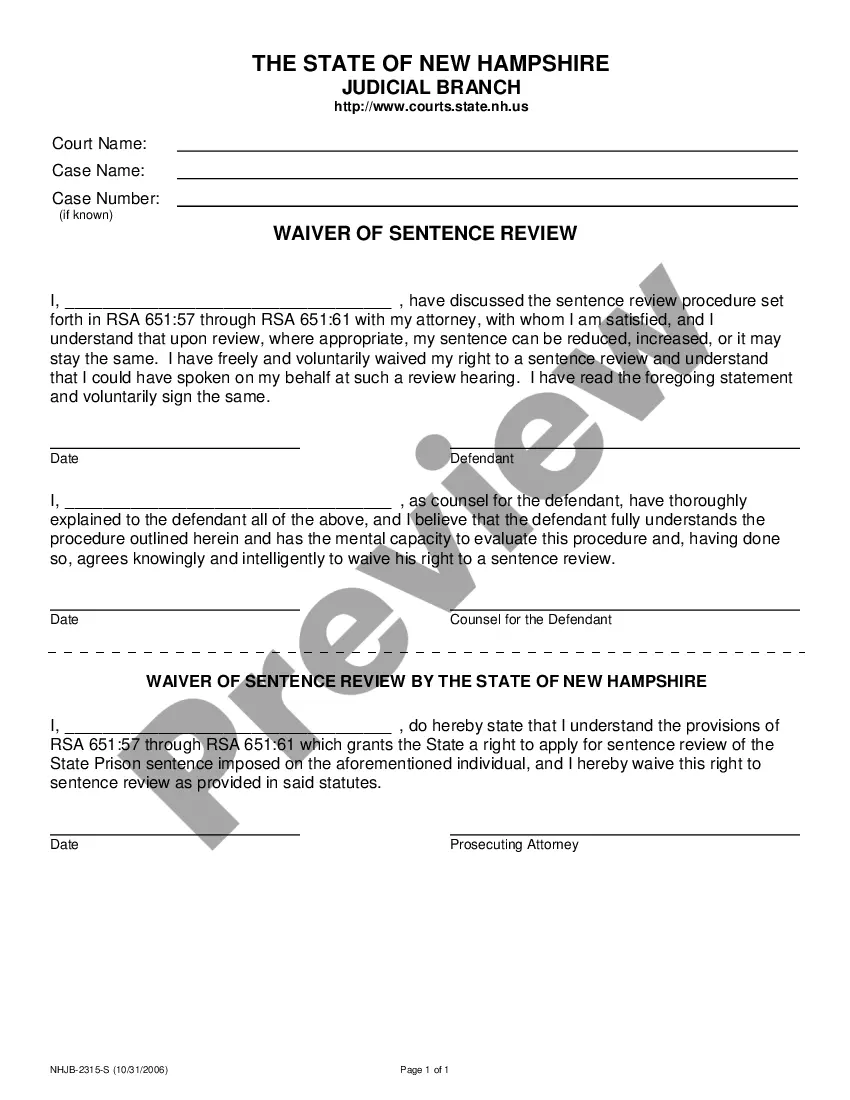
- Indicate the court name, case name, and case number if known.
- Clearly specify the charges against you.
- Sign and date the form, confirming that you understand the provisions.
- Have a witness sign the document to validate your signature.
Ensure that all information is accurate to prevent any delays in processing your waiver.
Who should use this form
This form is intended for defendants who are facing charges in one state but are currently located in another state. If you wish to expedite your return to face the charges without enduring the formal extradition process, this waiver may be applicable to your situation. It is advisable to consult with an attorney before proceeding to understand the implications fully.
Key components of the form
When looking at a waiver of extradition, several key components are crucial:
- Defendant Information: Personal details, including name and current location.
- Charges: A clear statement of the charges prompting extradition.
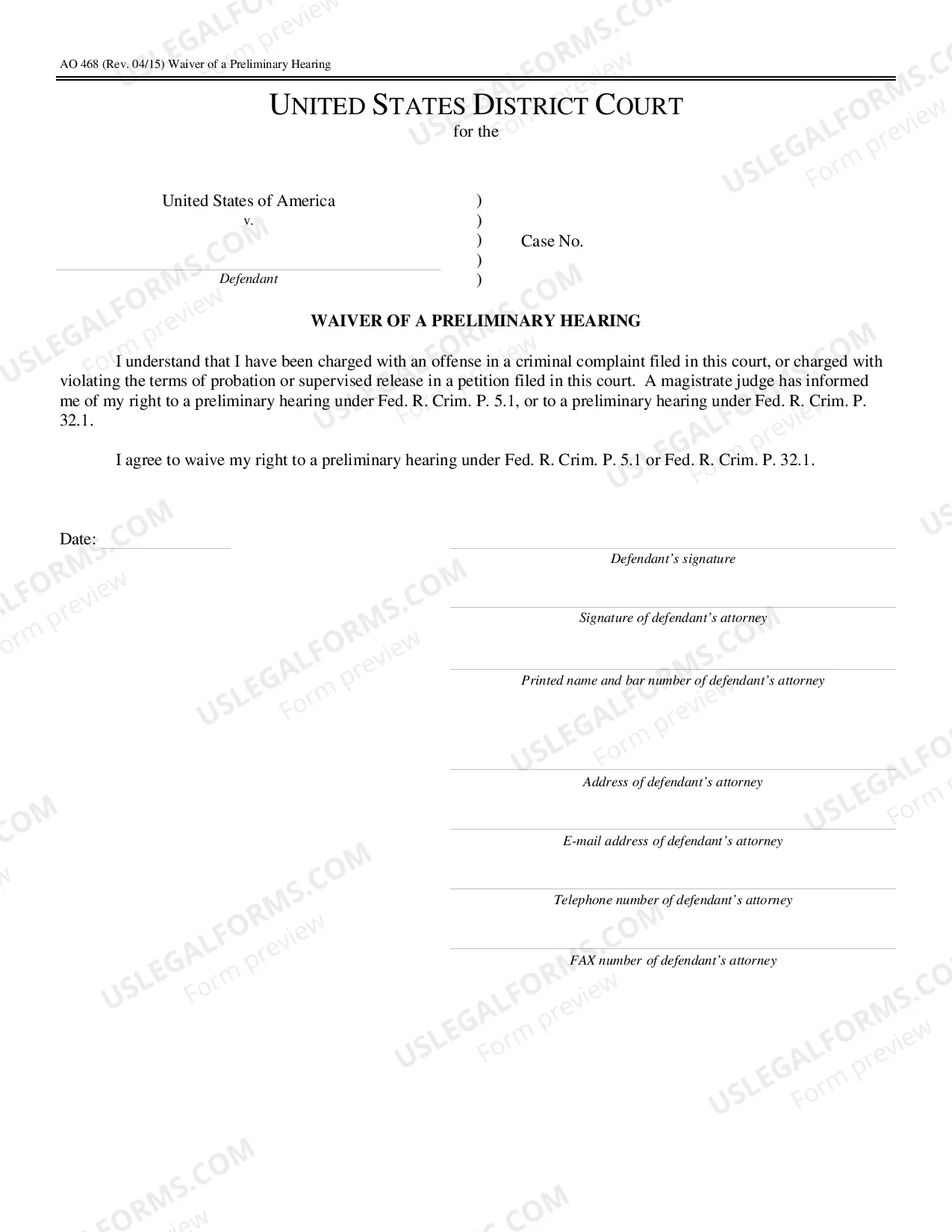
- Consent Statement: A section where the defendant consents to voluntary return without a hearing.
- Date and Signatures: Date of signing, along with the signatures of both the defendant and a witness.
Understanding these components is essential for ensuring that the waiver is correctly completed and legally binding.
Common mistakes to avoid when using this form
When filling out a waiver of extradition, avoid these common errors:
- Failing to provide complete and accurate information.
- Not signing the form or neglecting the witness signature.
- Incorrectly filling in the court and case details.
- Overlooking to read and understand the waiver's implications before signing.
Double-check your entries to minimize these mistakes and ensure a smooth process.