What is a quit claim deed? Understanding its purpose and use
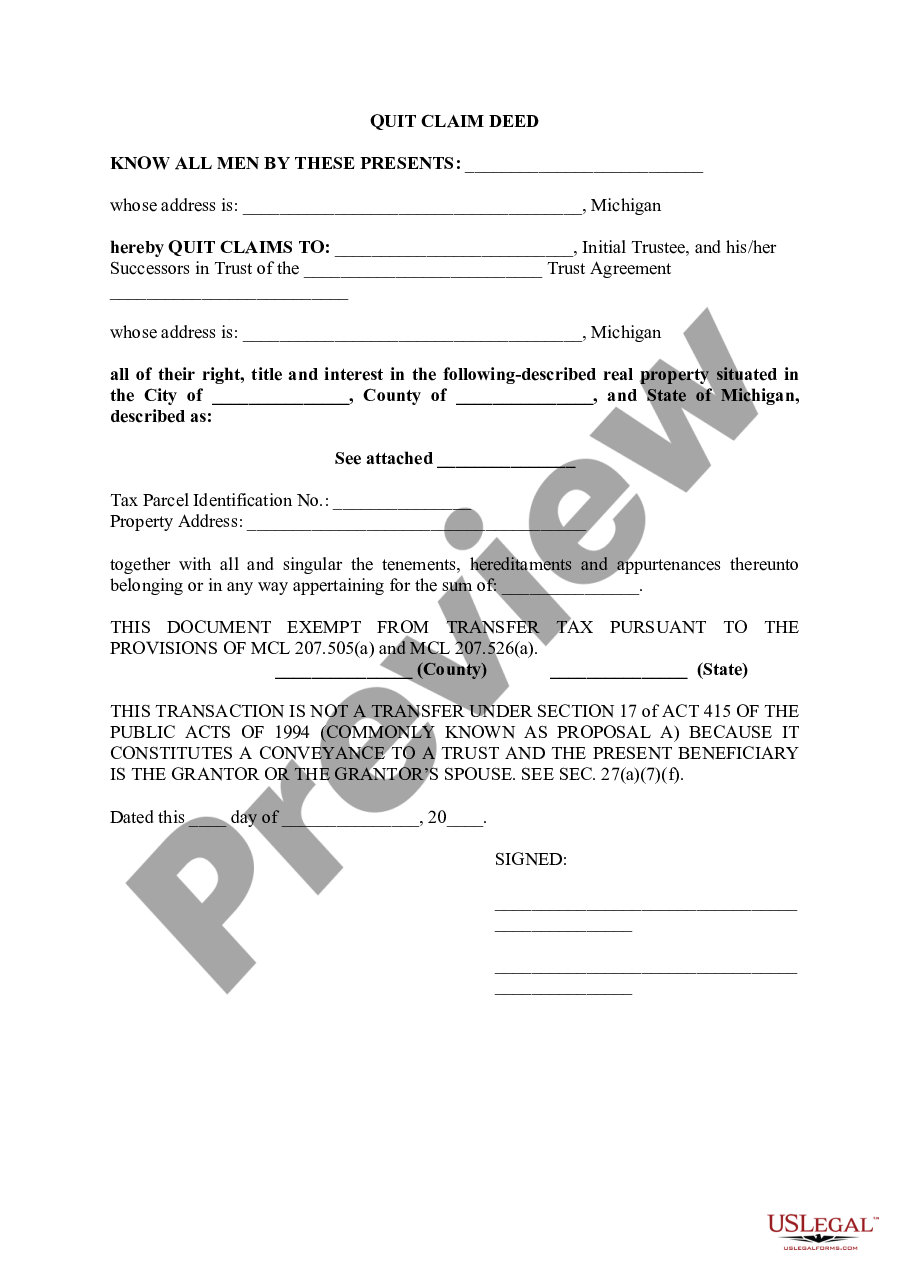
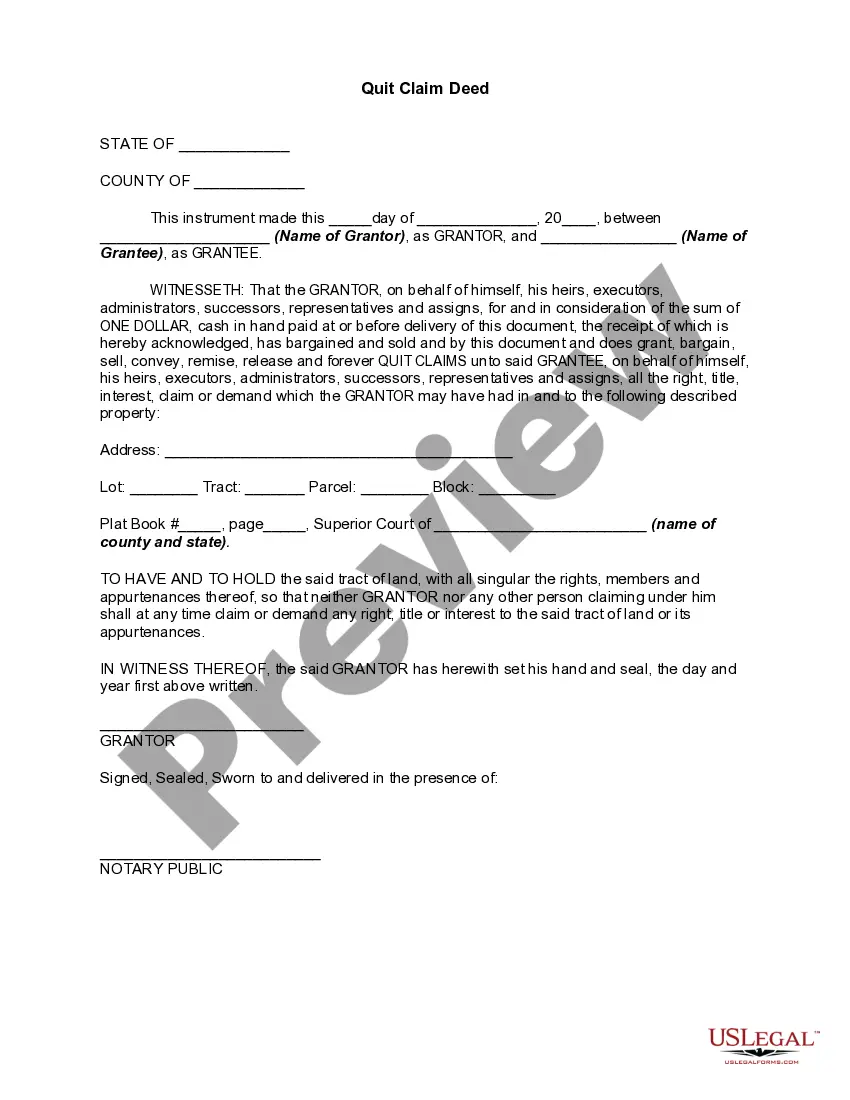
A Quit Claim Deed is a legal document used to transfer ownership of real estate from one party to another without any warranties or guarantees. The grantor, or person transferring the property, relinquishes their interest in the property but does not guarantee that they hold clear title. This type of deed is often used between parties who know each other well, as its simplicity often makes it a quick method of transferring property. It is commonly employed in cases such as divorce settlements, family transfers, or when property is given as a gift.
How to complete a form
Completing a Quit Claim Deed involves several key steps:
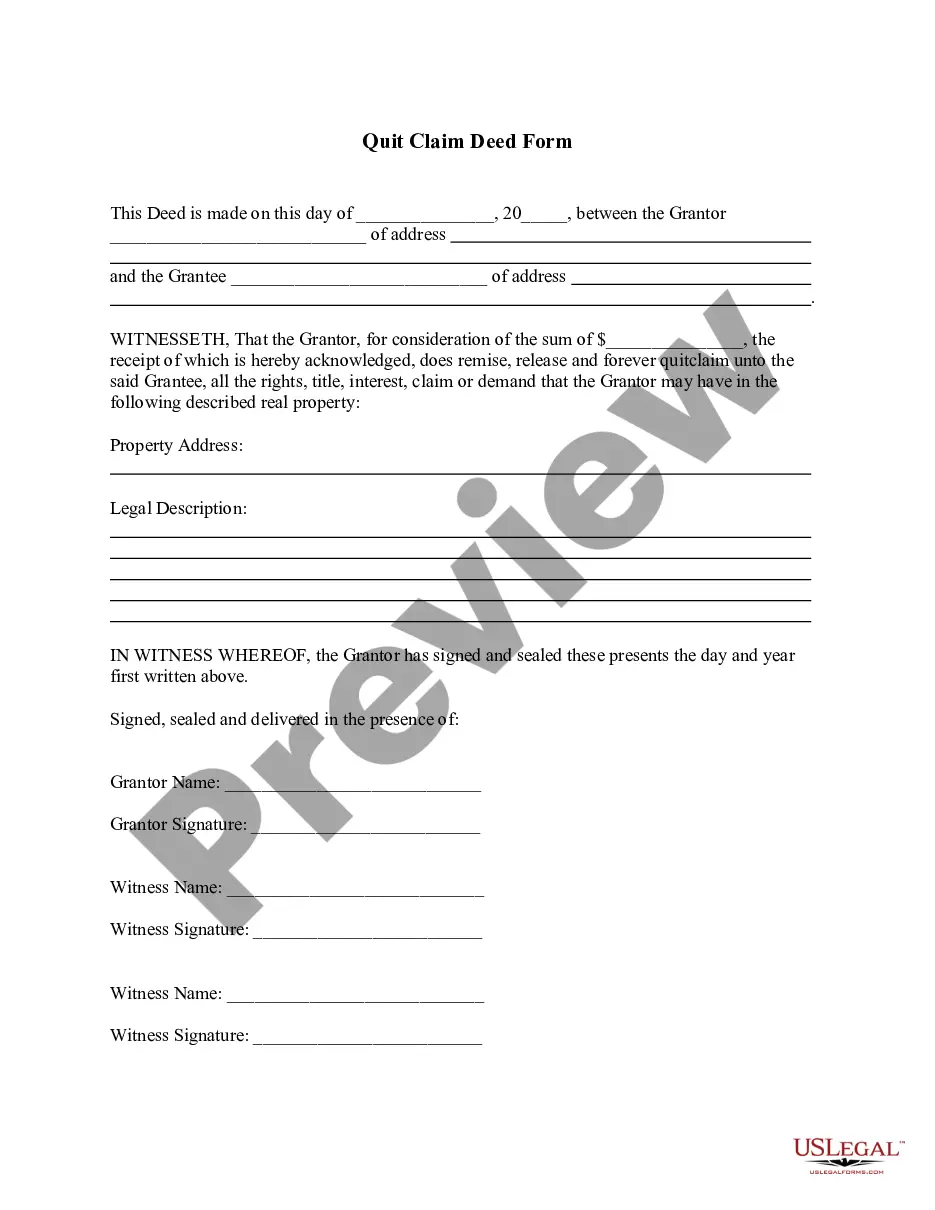
- Begin by accurately identifying the grantor and the grantee, including their addresses.
- Clearly describe the property being transferred, including its physical address and legal description.
- State the consideration or payment amount, even if it is nominal.
- Include any relevant tax parcel numbers for proper identification.
- Ensure that all parties sign the document in the presence of a notary public.
Once completed, the deed should be filed with the county clerk or recorder's office to be effective.
Who should use this form
A Quit Claim Deed is ideal for individuals looking to transfer property between family members, among co-owners, or in settlements following divorce. It is especially suitable for those who trust the recipient, as the deed does not offer protection against future claims on the property. Users might include:
- Spouses transferring property to one another
- Family members giving property to each other
- Business partners whose ownership interests are changing
Before using this form, it is essential to consult with an attorney if there are any concerns regarding the title or potential liabilities.
Key components of the form
When filling out a Quit Claim Deed, ensure the following components are included:
- Names of the Grantor and Grantee: Clearly list the parties involved.
- Property Description: Include both the physical address and legal property description.
- Consideration Amount: Can be a nominal amount, typically stated as 'for the sum of (amount) dollars.'
- Signatures: Must be signed by the grantor in front of a notary.
- Notary Public Acknowledgment: The notary verifies the identities of the signers.
Each of these elements is crucial for the form to be valid and enforceable.
What to expect during notarization or witnessing
Notarization is a critical step in the Quit Claim Deed process. During this procedure:
- The grantor must appear in person before the notary public.
- The notary will verify the identities of the individuals signing the deed.
- All parties must willingly sign the document in the notary's presence.
The notary will then affix their seal to confirm the authenticity of the signatures. This added layer of verification helps to prevent fraud and ensures the document's legitimacy.
Common mistakes to avoid when using this form
When completing a Quit Claim Deed, it's crucial to avoid these common errors:
- Failing to provide a clear property description, leading to potential disputes.
- Not including the consideration amount, which is necessary for validity.
- Neglecting to have the deed notarized, making it unenforceable.
- Leaving out necessary information, such as tax parcel numbers.
Double-checking the details before filing can save time and legal complications later.