What Is a Petition for Damages? Understanding Your Rights
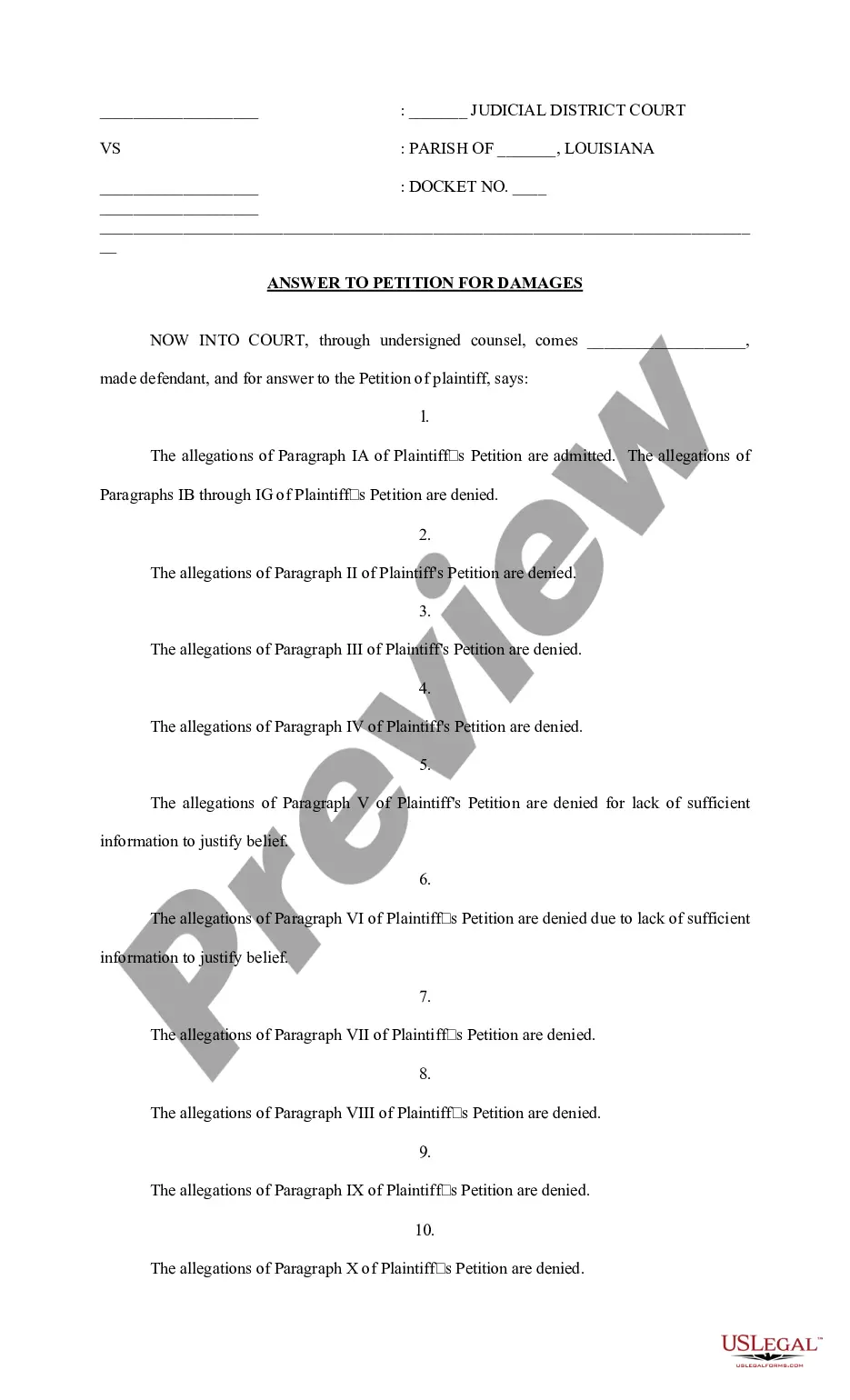
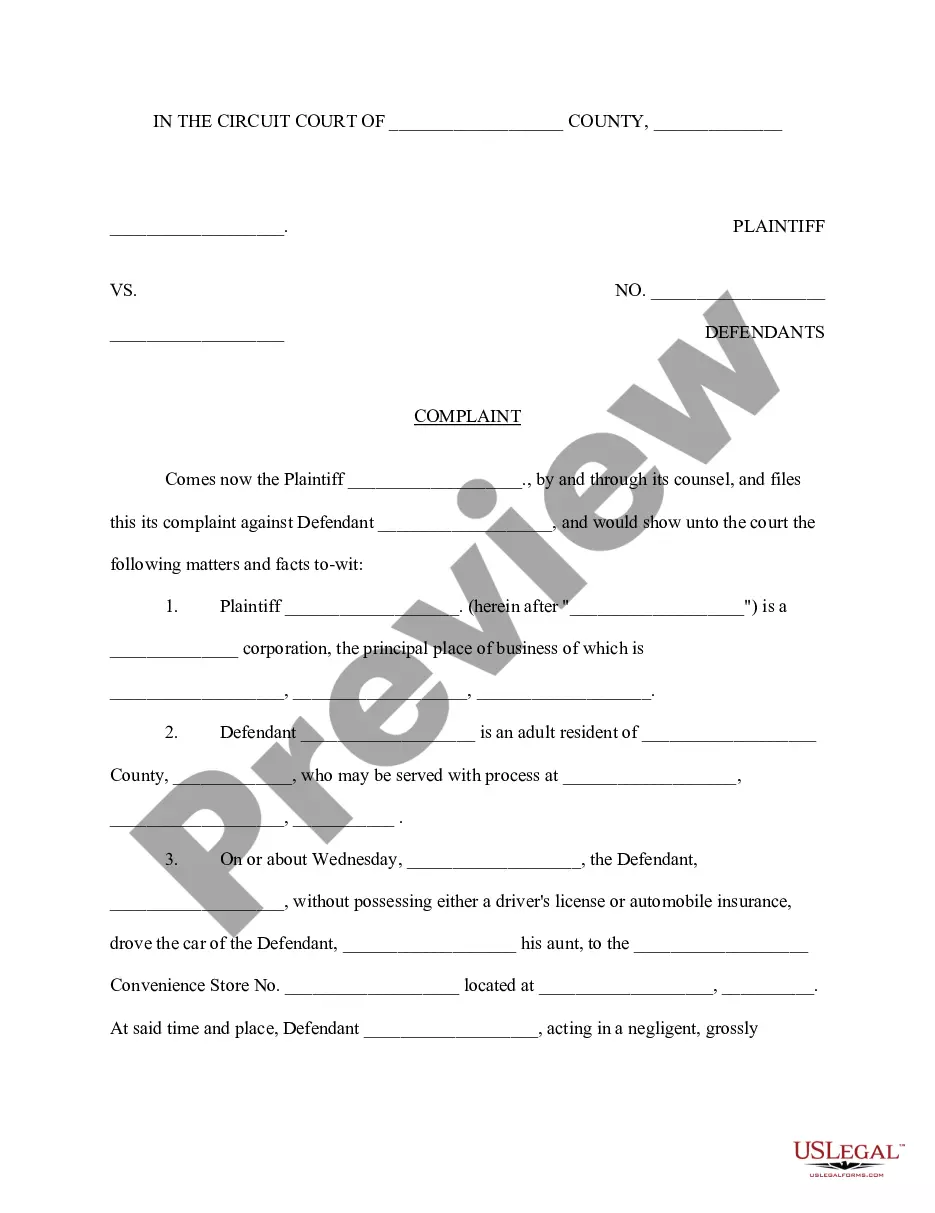
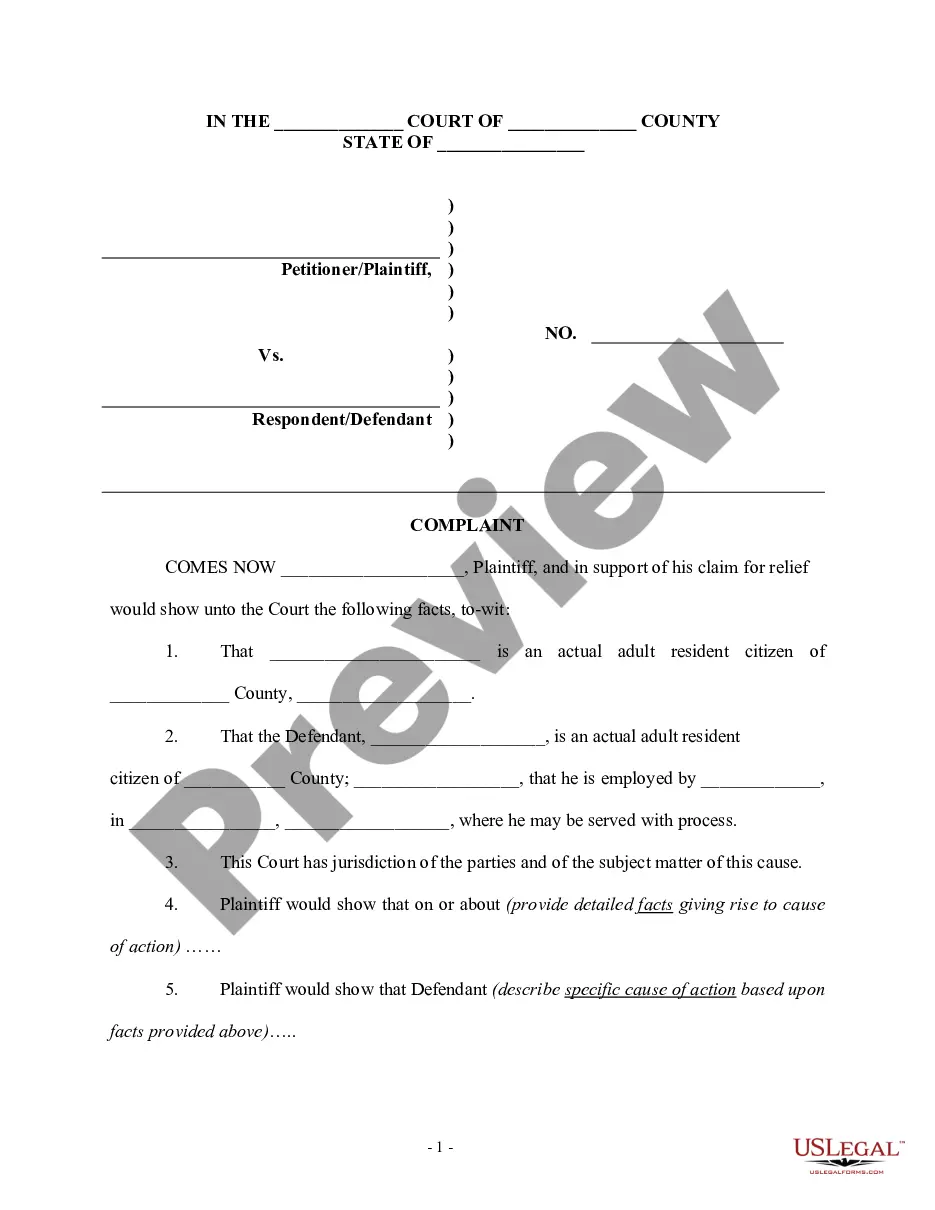
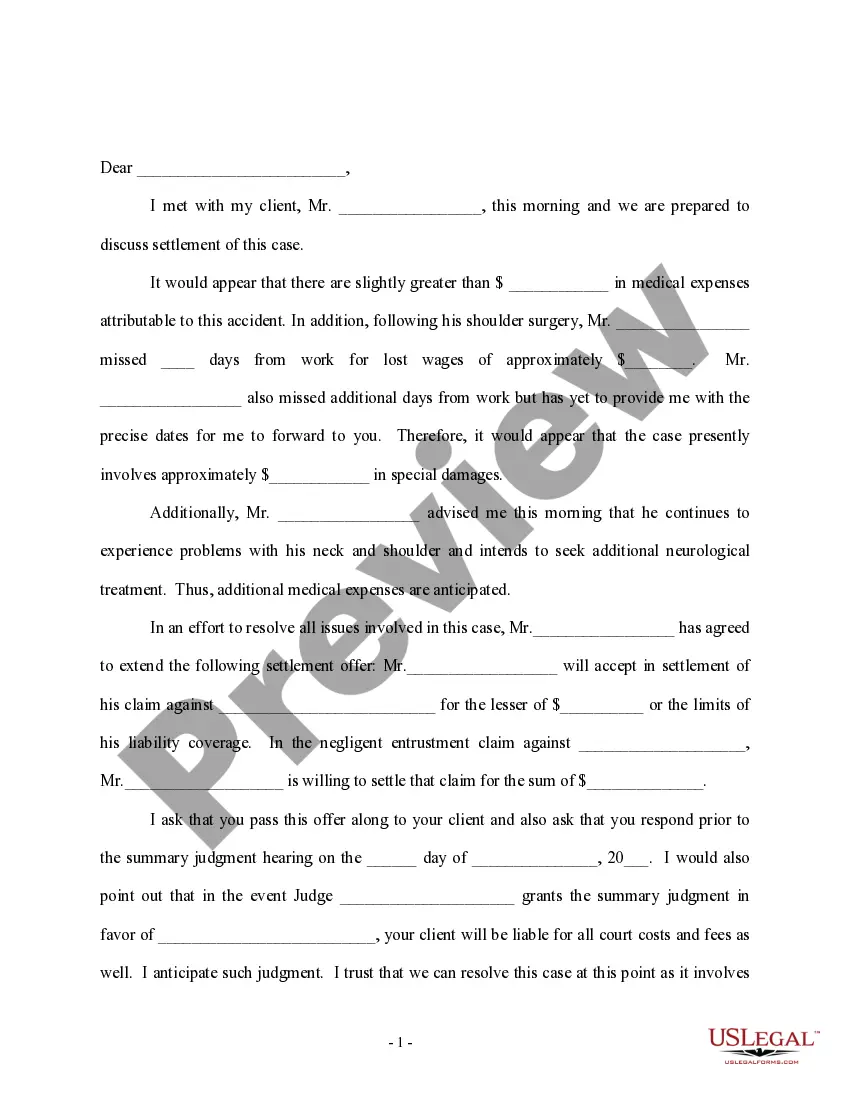
A petition for damages is a formal request submitted to a court, where an individual seeks compensation for losses or injuries caused by another party's actions or negligence. This legal document outlines the circumstances of the incident and the damages incurred, allowing the claimant to present their case for financial recovery. Typically used in personal injury cases, this petition articulates the grounds for which damages are being sought, including but not limited to pain and suffering, lost wages, and medical expenses.
Key components of the form
When completing a petition for damages, it's essential to include several key components to ensure clarity and legal validity:
- Parties involved: Clearly state the names and addresses of the plaintiff and defendant.
- Incident description: Provide a detailed account of the event that led to the damages, including dates and locations.
- Negligence claims: Specify how the defendant's actions caused the incident and any negligence involved.
- Damages claimed: List all forms of compensation being sought, such as medical expenses, lost income, and emotional distress.
- Legal requests: Outline what the petitioner hopes to achieve, including the amount of damages sought and any other relief desired.
Who should use this form
This form is designed for individuals who have suffered damages, such as personal injuries, due to the actions or negligence of another party. Common users of the petition for damages include:
- Individuals involved in automobile accidents.
- Victims of slip and fall incidents.
- People who have experienced property damage due to another’s negligence.
- Those seeking compensation for emotional distress resulting from another party's actions.
Common mistakes to avoid when using this form
Filing a petition for damages can be complex, and several common mistakes can undermine your case:
- Insufficient details: Failing to provide a comprehensive account of the incident can weaken your argument.
- Missing information: Omitting key components such as contact information or necessary signatures may lead to delays or dismissals.
- Undefined terms: Using legal jargon without explanation can confuse the court and hurt your credibility.
- Wrong filing procedures: Not adhering to the specific filing procedures of the jurisdiction can result in your petition being rejected.
What documents you may need alongside this one
When submitting a petition for damages, it is helpful to gather supporting documents to strengthen your case. Consider including:
- Medical records: Documentation of injuries and treatments received as a result of the incident.
- Police reports: If applicable, any official reports regarding the incident can provide crucial evidence.
- Witness statements: Statements from individuals who witnessed the event can support your claims.
- Receipts and invoices: Proof of any financial losses incurred, such as medical bills or repair costs.
Legal use and context
A petition for damages is typically filed in civil court and serves as the initial step in seeking compensation for harm caused by another party. This document is a crucial part of personal injury law and civil litigation, allowing individuals to formally present their claims against another party. The petition must follow the specific legal requirements of the jurisdiction where the claim is filed, including deadlines and formalities for submission.
What to expect during notarization or witnessing
Notarization is often required for legal documents, including petitions for damages, to verify the identity of the signer and ensure the document's authenticity. During this process, you can expect:
- Identification verification: You will need to provide valid identification to confirm your identity.
- Avoiding blank spaces: Ensure the form is complete without any blank spaces that may be interpreted as deceptive.
- Signature in presence: You must sign the document in the presence of the notary public or witness to validate it properly.