What Is a Medical Power of Attorney and Its Importance?
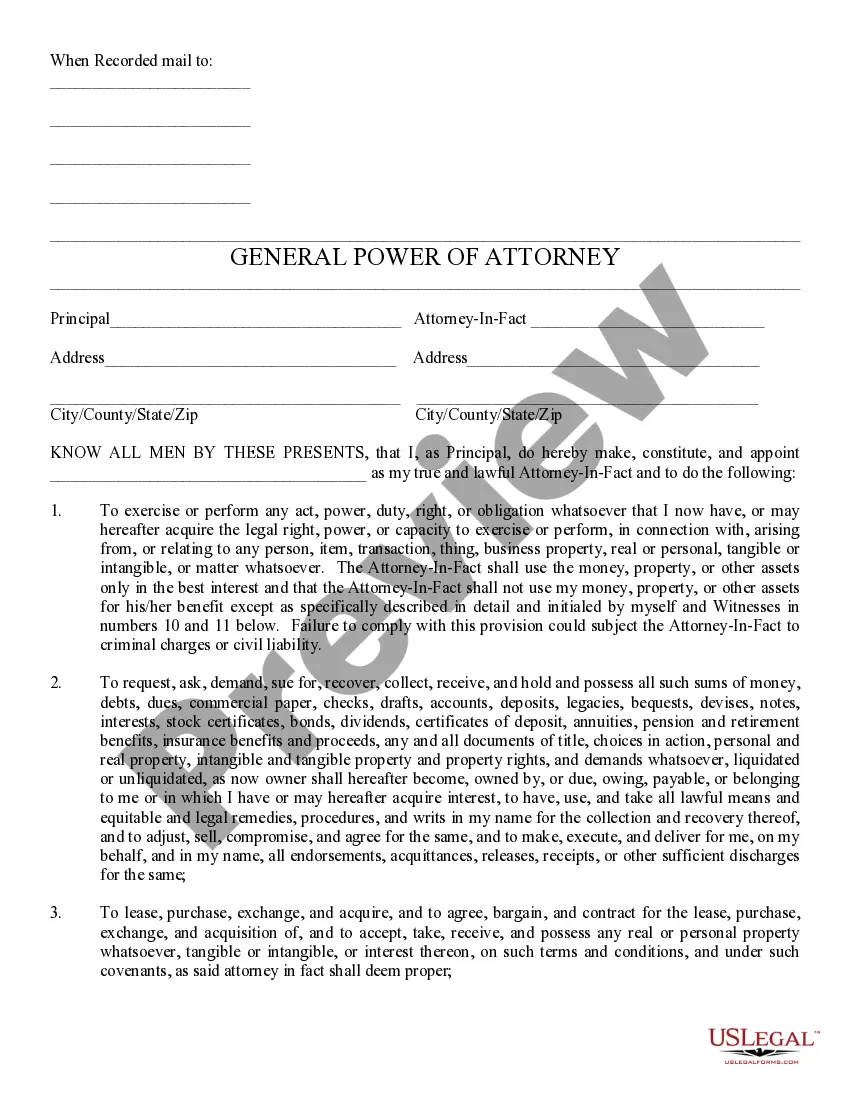
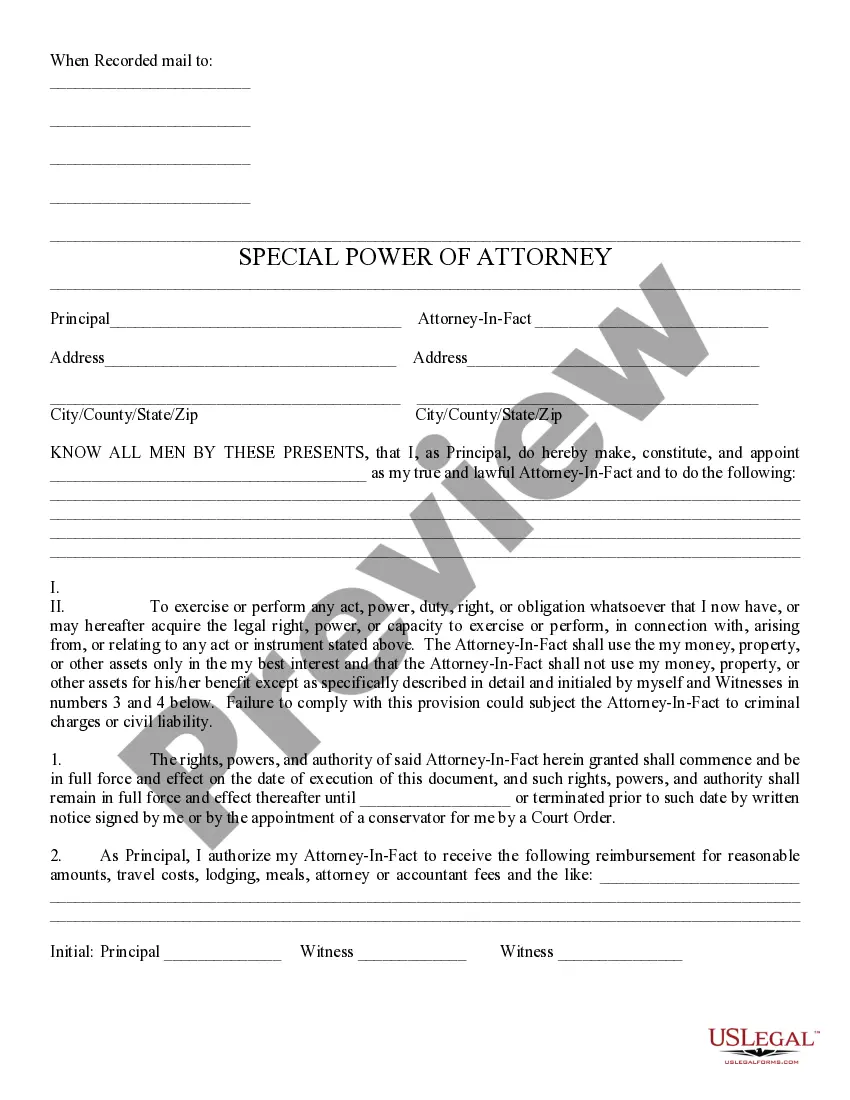
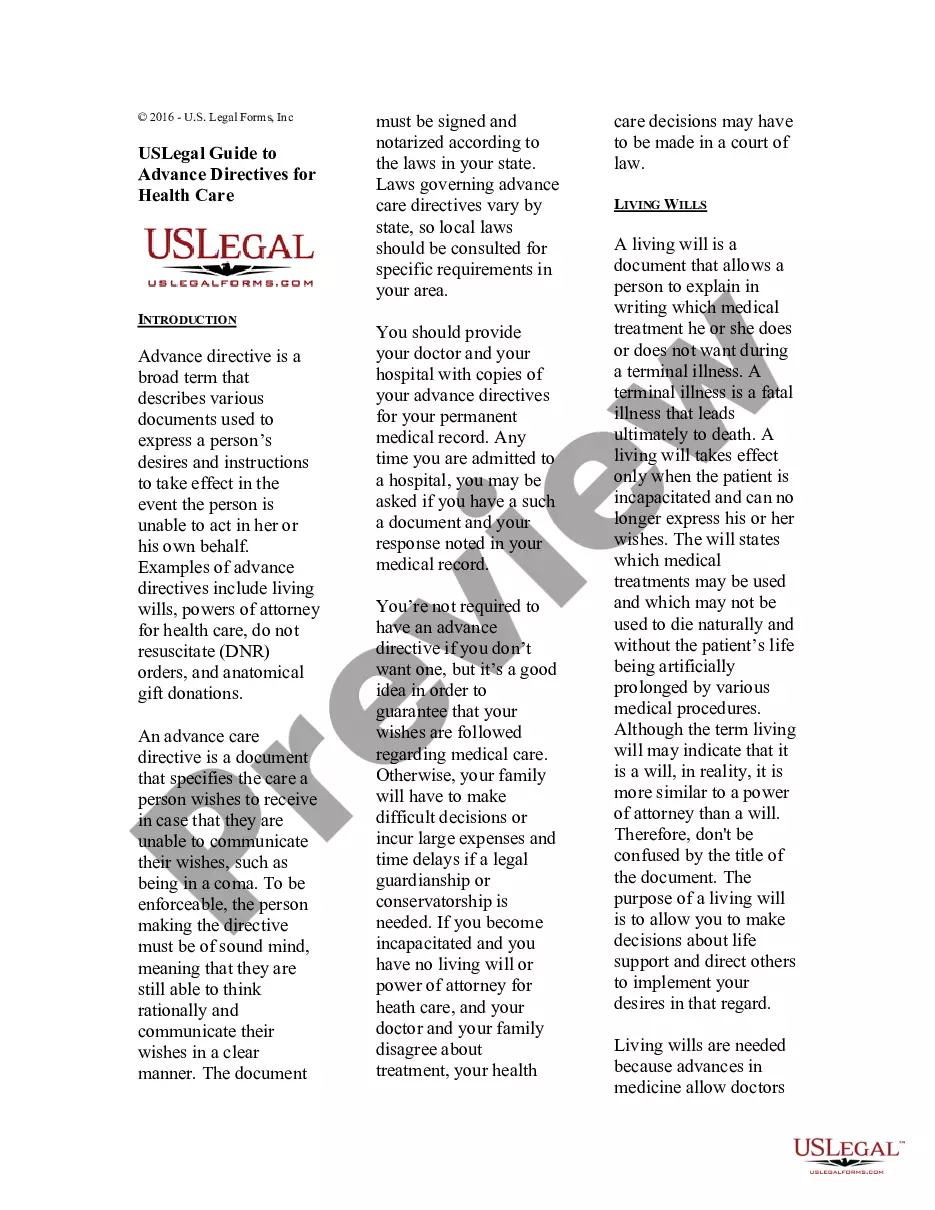
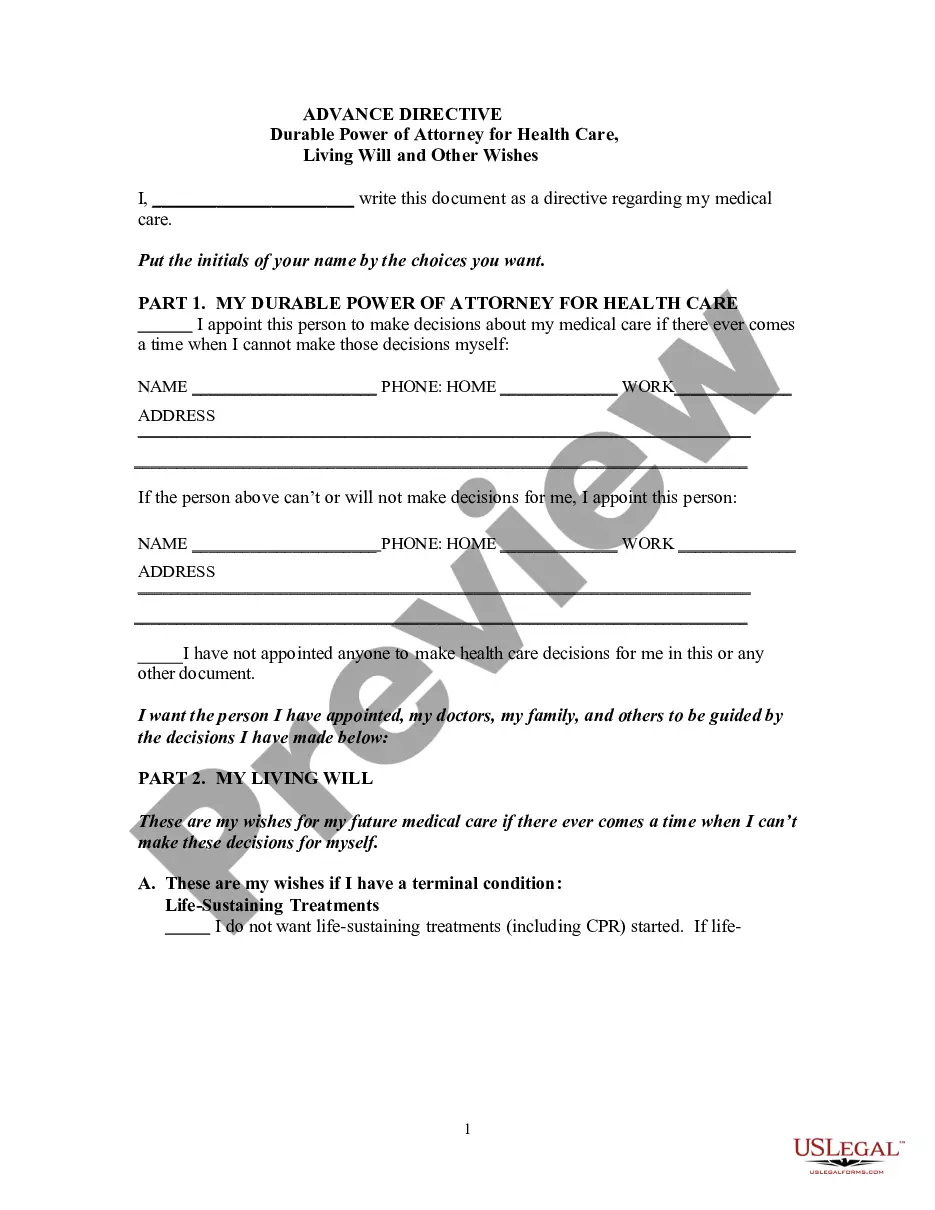
A medical power of attorney is a legal document that grants an individual, referred to as the Agent, the authority to make health care decisions on behalf of another person, known as the Principal. This authority comes into effect when the Principal is unable to make or communicate their own health care decisions due to incapacity or illness. The document is crucial in ensuring that the Principal's medical preferences are respected and attended to by their chosen representative.
Key components of the form
When creating a medical power of attorney, it is essential to understand the key components included in the document. These components typically include:
- Principal's information: Name and address of the person granting authority.
- Agent's information: Name and address of the designated decision-maker.
- Scope of authority: Specific health care decisions the Agent is authorized to make on behalf of the Principal.
- Limitations: Any restrictions the Principal wishes to impose on the Agent's decision-making powers.
- Signature and notarization: The document must be signed by the Principal, and in many cases, witnessed and notarized to be legally binding.
How to complete a form
Completing a medical power of attorney form involves several important steps:
- Identify the Principal: Clearly state the full name and address of the Principal.
- Choose an Agent: Select a trusted individual who will act as the Agent and provide their contact details.
- Specify the authority: Outline the extent of health care decisions the Agent is authorized to make, including any limitations.
- Sign and date: The Principal should sign and date the document, preferably in the presence of witnesses or a notary.
Once completed, ensure all parties retain copies of the document for their records.
Who should use this form
A medical power of attorney is vital for any individual who wants to ensure that their health care preferences are known and respected in the event of their incapacity. This form is especially recommended for:
- Adults with chronic illnesses or health conditions.
- Individuals undergoing surgery or medical treatments.
- Those caring for aging parents or family members.
- Anyone concerned about making critical health care decisions without their input.
Common mistakes to avoid when using this form
Filling out a medical power of attorney can seem straightforward, but there are common pitfalls to be aware of:
- Not being specific: General language can lead to confusion regarding the Agent's authority.
- Failure to sign properly: Incomplete signatures or missing the necessary witnesses can void the document.
- Not updating the document: Failing to revise the document if circumstances change (e.g., if the Agent becomes unavailable).
- Neglecting to communicate: It's crucial to discuss wishes with the Agent to ensure they understand the Principal's preferences.
What to expect during notarization or witnessing
Notarization or witnessing is often required to validate a medical power of attorney. During this process:
- Identification: Individuals signing the document will need to provide proper identification to the notary.
- Signing: The Principal must sign the document in the presence of the notary and witnesses.
- Notary seal: The notary will affix their official seal, verifying the authenticity of the signatures.
It is advisable to schedule the notarization or witnessing ahead of time to ensure all parties are present and prepared.