How to Handle a Change in Rent Notice Effectively
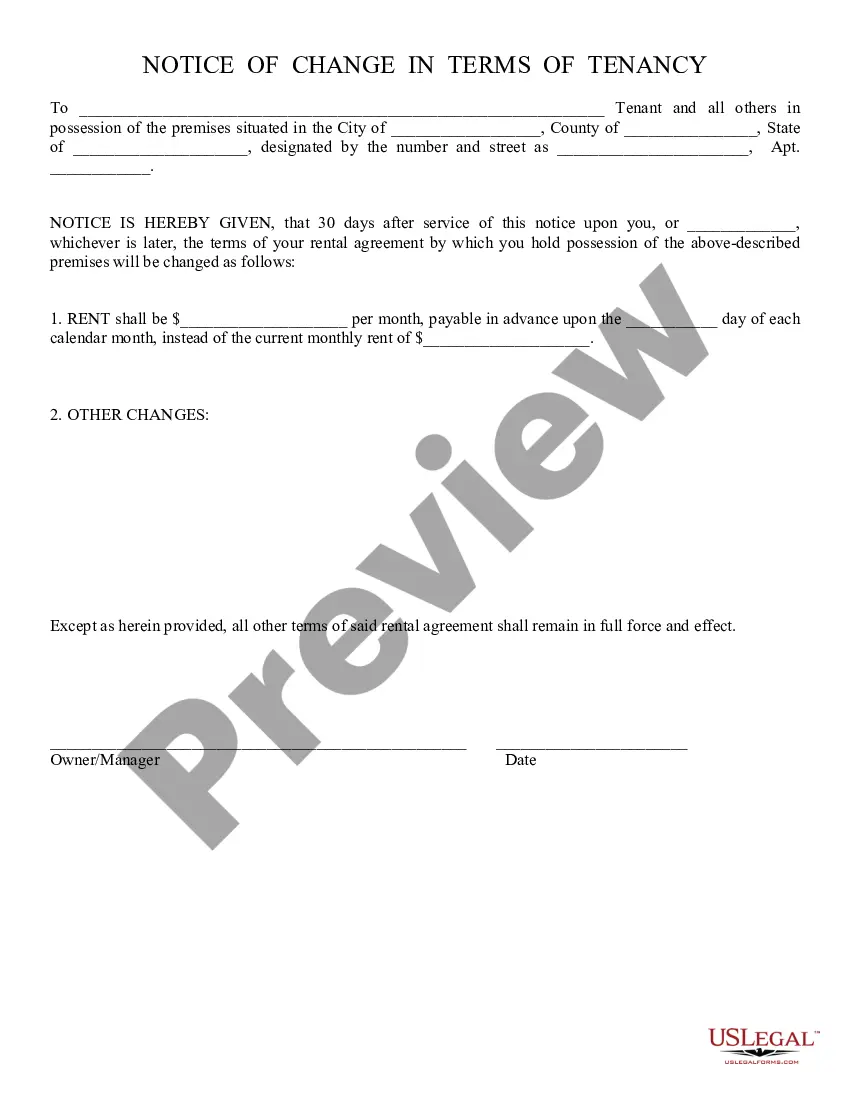
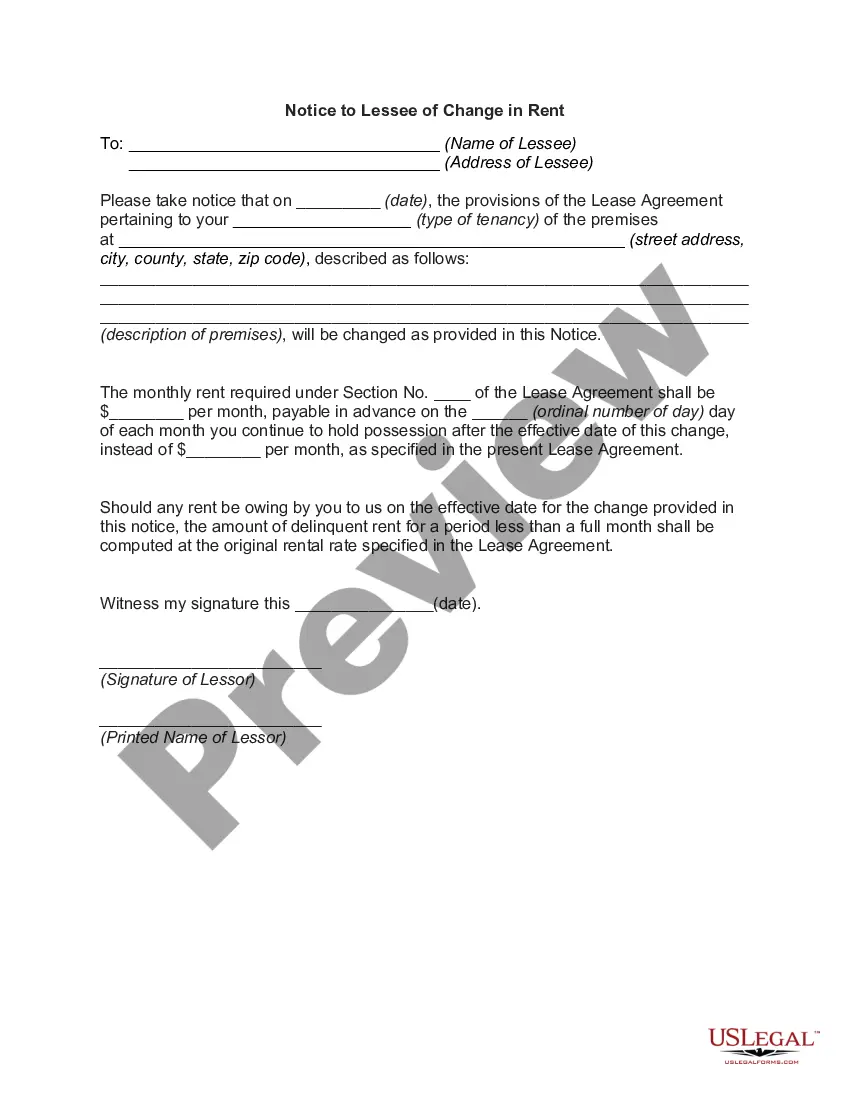
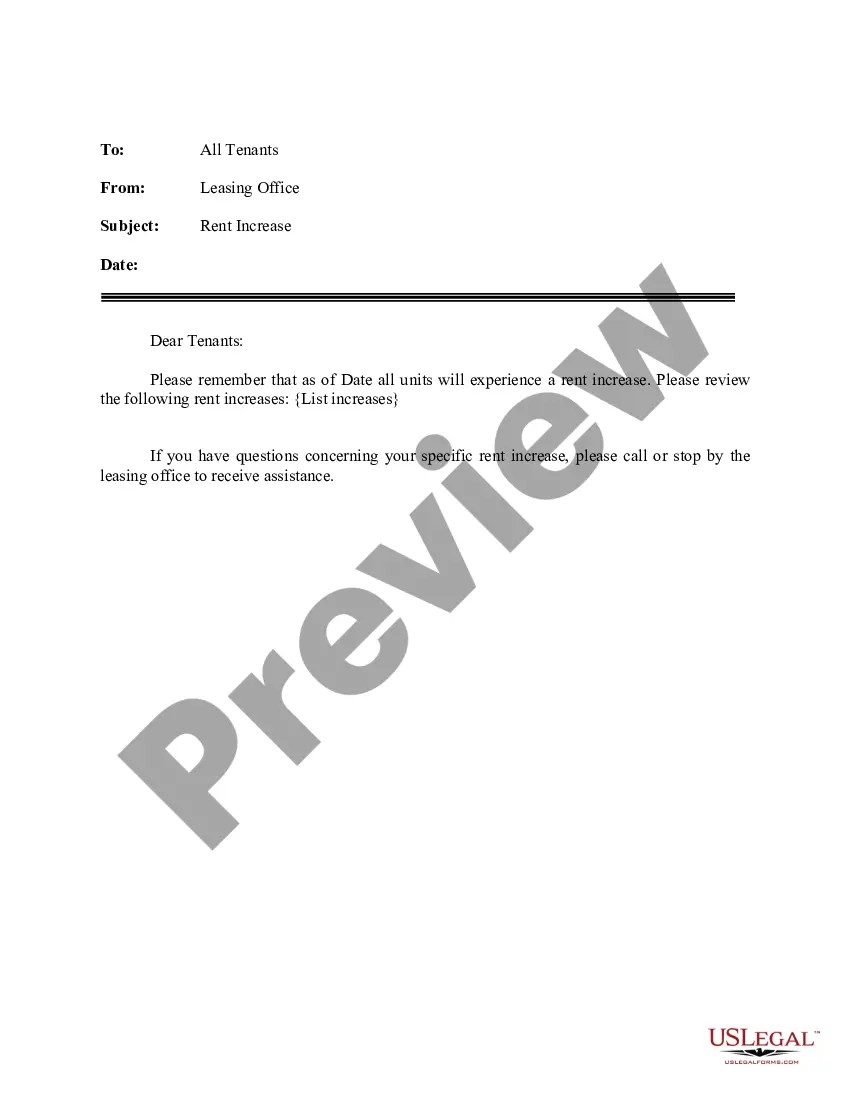
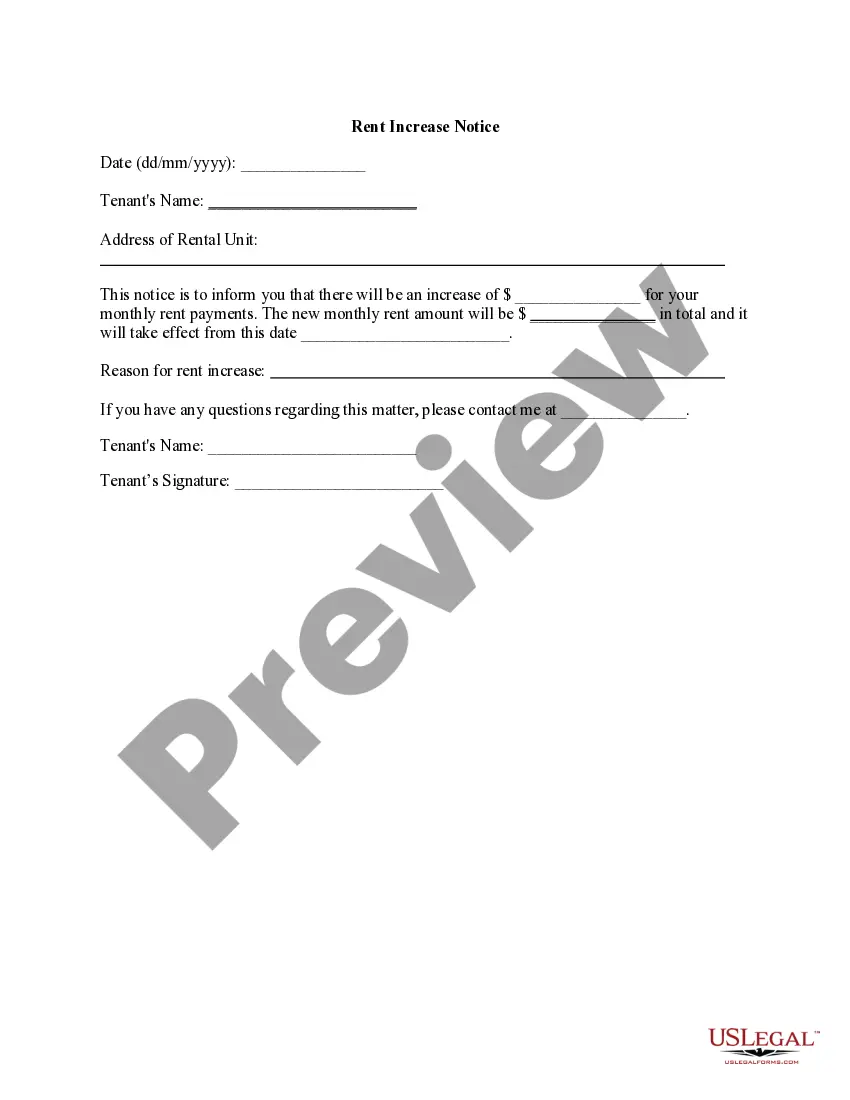
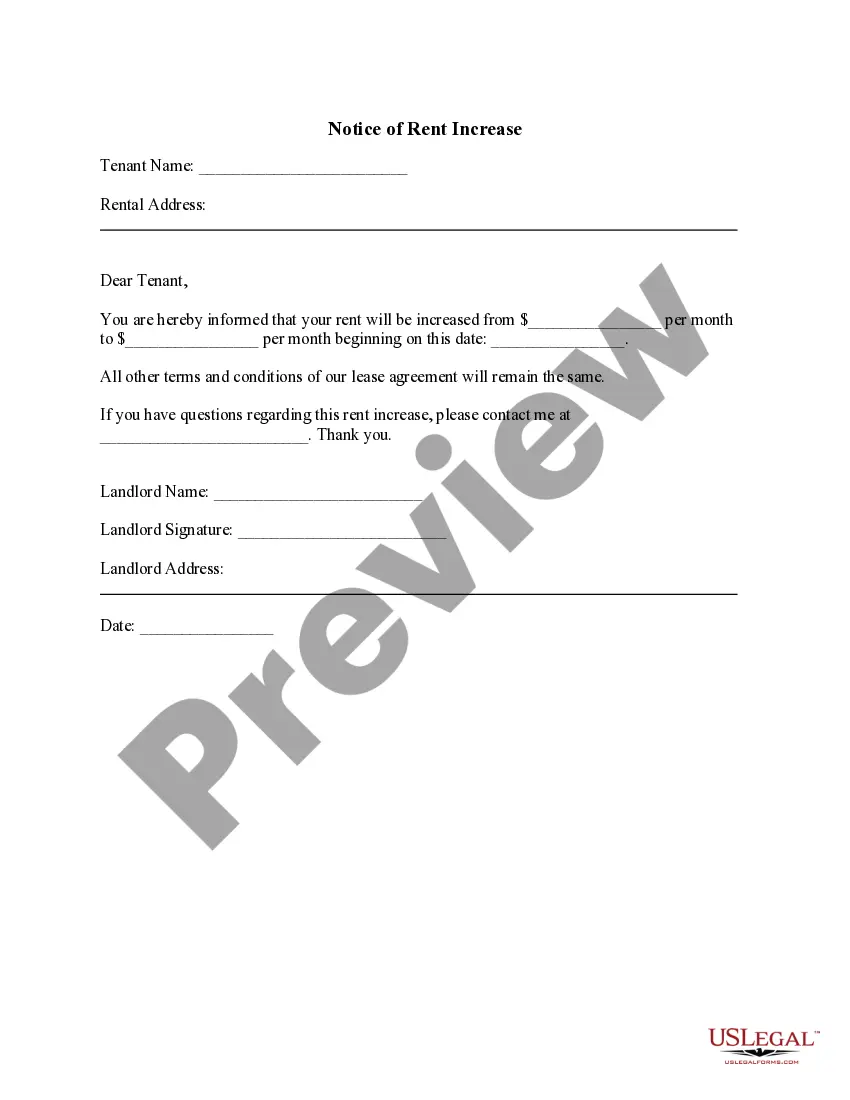
A change in rent notice is a formal document issued by a landlord informing a tenant of an adjustment in the rental amount or payment terms for a specific property. This notice outlines the new rent amount, effective date of the change, and any alterations to the payment schedule. Understanding the terms of this notice is crucial for both landlords and tenants as it can significantly impact their rental agreement and financial obligations.
How to complete a form
Completing a change in rent notice requires careful attention to detail. Follow these steps:
- Fill in both parties' names and contact information.
- Clearly state the property location where the change applies.
- Specify the new rental amount and the date it takes effect.
- Indicate any changes in payment due dates or payment instructions.
- Sign and date the notice to validate it legally.
Ensure that all changes are clearly communicated and that both parties retain a copy for their records.
Who should use this form
This form is primarily for landlords who need to notify tenants of a change in rent. It may also be used by property management companies acting on behalf of the landlord. Tenants receiving this notice should refer to it to understand their new rental obligations. Knowing when to utilize this form helps ensure clear communication and avoids potential legal disputes.
Key components of the form
A complete change in rent notice should include the following essential elements:
- Landlord's name and contact details.
- Tenant's name and address.
- Property address and details of the rental unit.
- Effective date of the rent change.
- New monthly rental amount.
- Payment terms and due date information.
- Landlord's signature and date.
Including all these components ensures the notice is legally valid and minimizes confusion during the transition.
Common mistakes to avoid when using this form
When preparing a change in rent notice, landlords and property managers should be wary of these frequent errors:
- Omitting essential details, such as the effective date or new rental amount.
- Failing to sign or date the notice.
- Not providing a copy to the tenant.
- Using unclear language that may lead to misunderstandings.
- Neglecting to check local laws regarding notice periods and requirements.
Avoiding these mistakes is crucial for ensuring compliance with rental agreements and local housing regulations.
What to expect during notarization or witnessing
If the change in rent notice requires notarization, the landlord and tenant will need to present valid identification to the notary public. The notary will verify identities, witness the signatures, and then apply their official seal to the document. This process helps to affirm that both parties understand and agree to the terms outlined in the notice. If witnessing is required, two witnesses should be present to sign the document, confirming their presence during the signing process.