How to File an Uninsured Motorist Complaint in Alabama
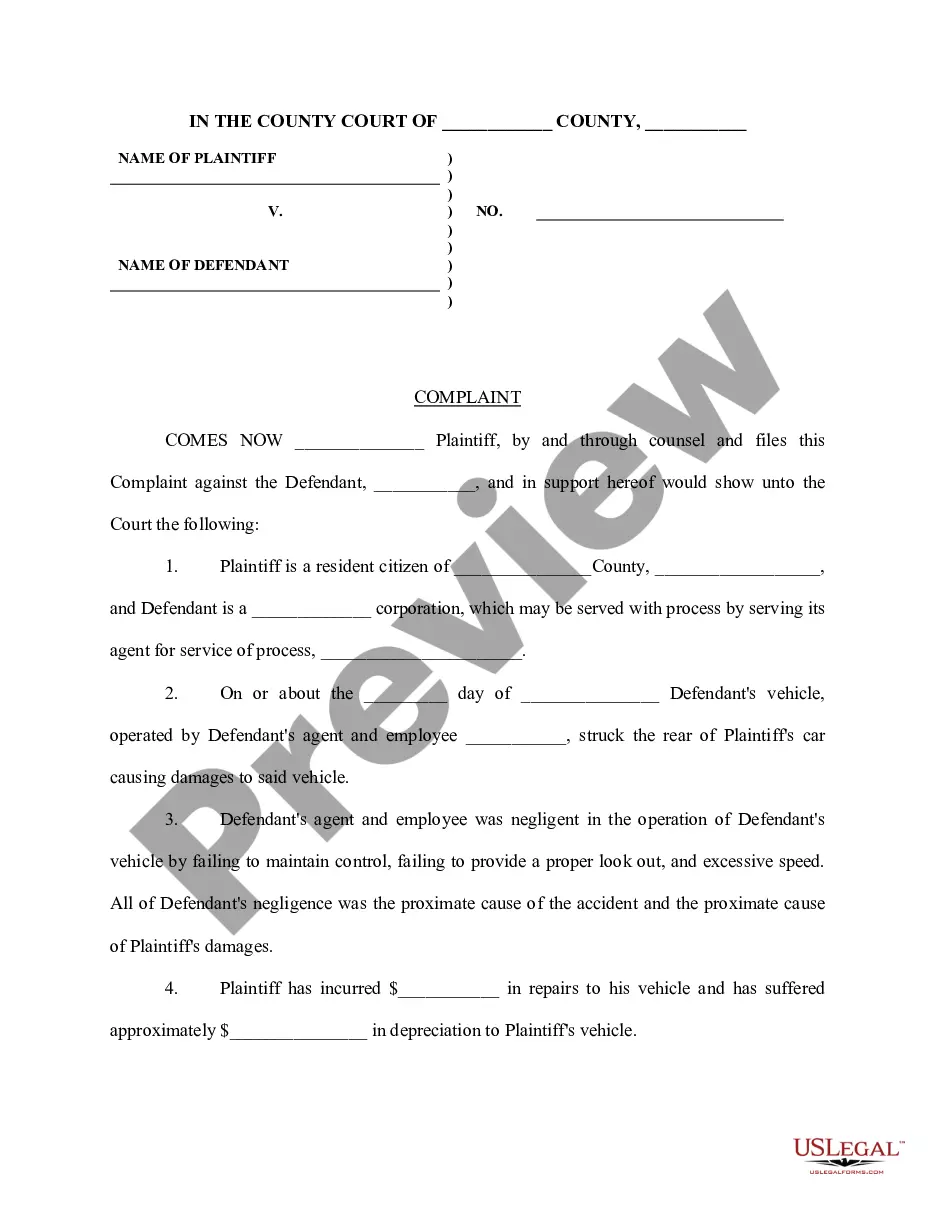
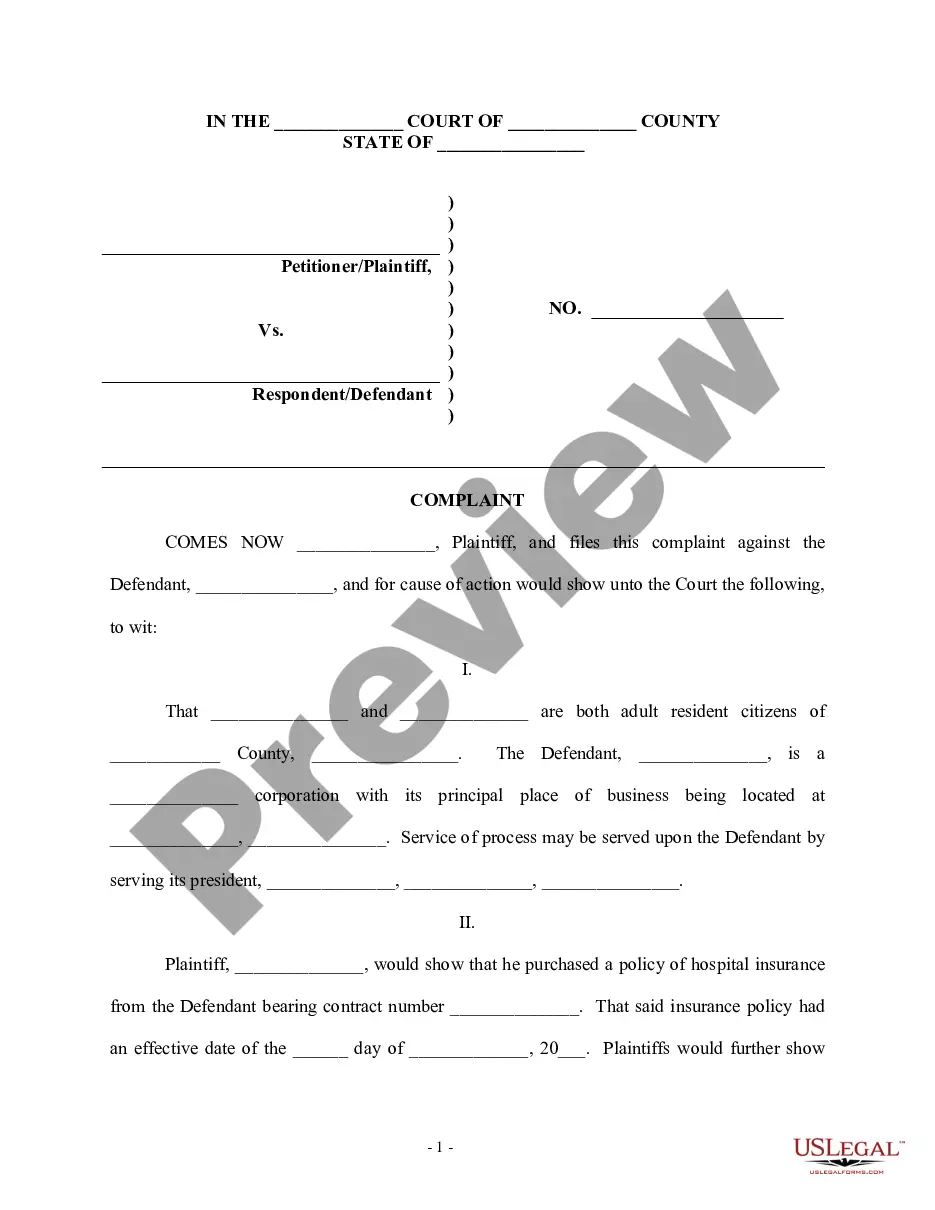
An uninsured motorist complaint is a legal document filed by an individual who has been involved in a vehicle accident with a driver lacking insurance coverage. This form seeks compensation for damages, injuries, or losses incurred as a result of the accident. It is crucial in cases where the offending party is unable to cover the costs due to insufficient insurance, hence the need for the injured party to seek redress through their own insurance policy if it includes uninsured motorist coverage.
Who should use this form
This form is intended for individuals who have been involved in a motor vehicle accident with an uninsured driver. If you were injured or sustained property damage due to another person's negligence and that individual does not have insurance, this is the appropriate form to pursue your claim. It is important for users to be aware that before filing this complaint, they should verify that their own insurance policy includes uninsured motorist coverage.
Key components of the form
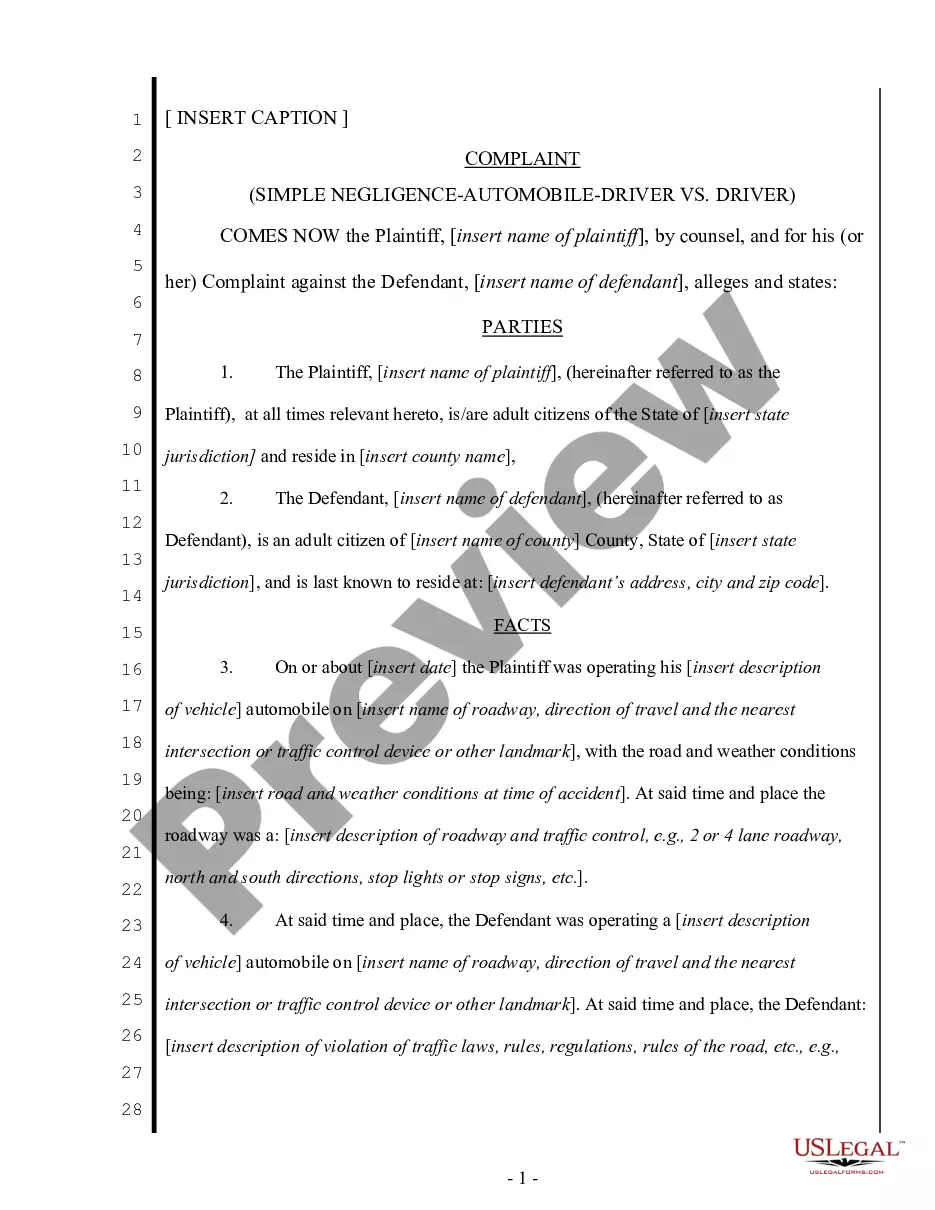
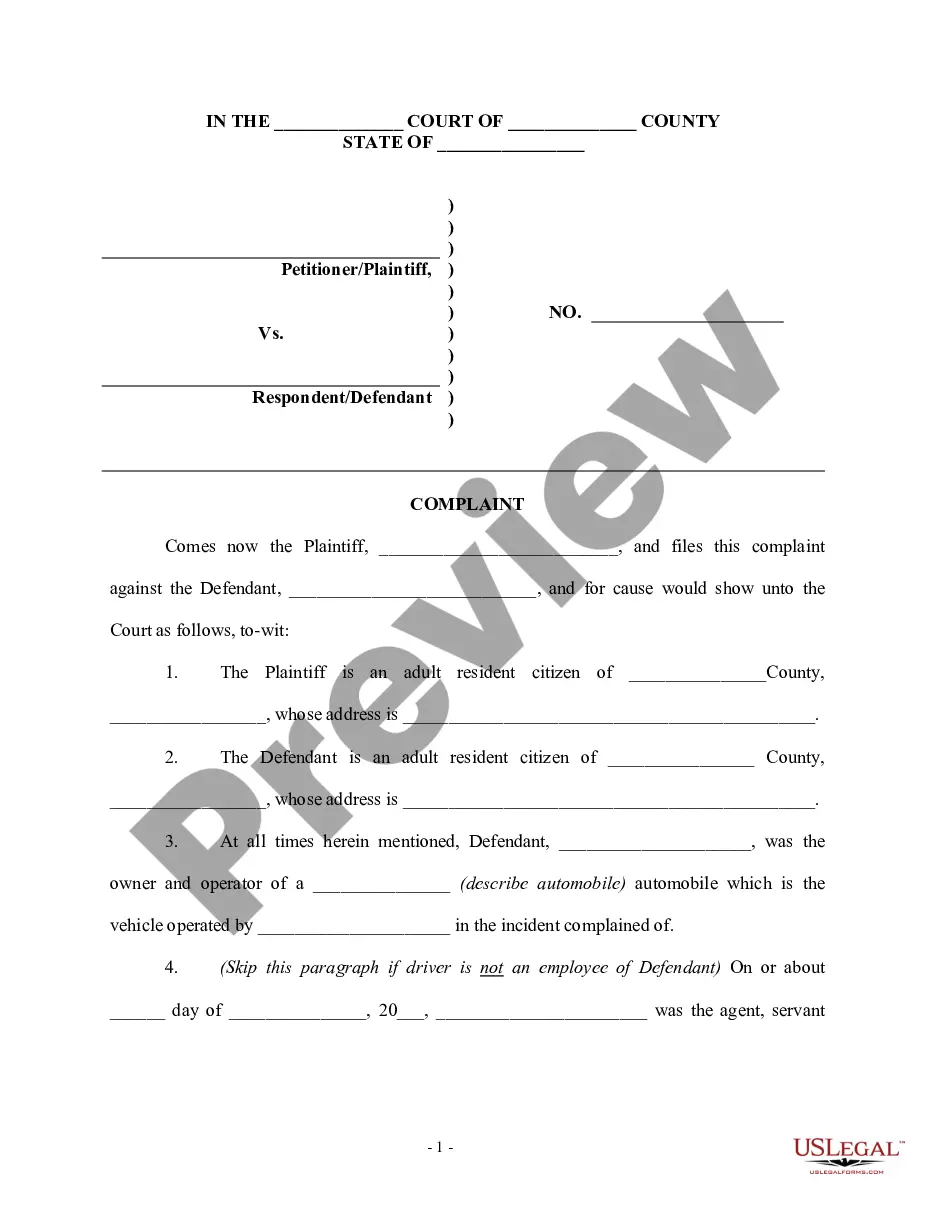
The uninsured motorist complaint typically includes several critical components:
- Personal information: The plaintiff's name, address, and contact information.
- Defendant's information: Details about the uninsured driver involved in the accident.
- Incident details: Date, time, and location of the accident, along with a description of how it occurred.
- Insurance policy information: Details about the plaintiff's own insurance policy that covers uninsured motorist claims.
- Claim for damages: A section where the plaintiff lists all injuries and damages resulting from the accident.
How to complete a form
Completing the uninsured motorist complaint involves several key steps:
- Gather your personal information, including your full name and address.
- Collect details about the accident, ensuring you include the exact date, time, and location.
- Clearly outline the circumstances leading to the accident, including information about the uninsured driver.
- If applicable, list any witnesses that can substantiate your claims.
- Document your injuries and damages, including medical expenses and property damage.
- Review the form for any inaccuracies before submitting it to ensure all information is correct.
Common mistakes to avoid when using this form
When preparing to file an uninsured motorist complaint, avoid the following common errors:
- Incomplete information: Ensure all required fields are filled out completely to prevent delays.
- Incorrect details: Double-check names, dates, and descriptions to maintain accuracy.
- Failing to include supporting documents: Attach any necessary documents, such as medical records or police reports, that provide evidence of your damages.
- Not adhering to deadlines: Be aware of any time limits for filing your complaint as per your state regulations.
- Overlooking legal advice: Consult with a legal professional if you are unsure about any part of the process.
What to expect during notarization or witnessing
Notarization is a critical step in the legal process of filing an uninsured motorist complaint. Here is what you can expect:
- The document must be signed in the presence of a notary public.
- Be prepared to provide identification to verify your identity.
- The notary will verify your understanding of the document and witness your signature.
- Once notarized, the document will be stamped or sealed by the notary public, affirming its authenticity.
- This notarization adds a level of credibility to your complaint, which may be essential during legal proceedings.
What documents you may need alongside this one
When filing an uninsured motorist complaint, you may need to submit the following documents:
- Insurance policy: A copy of your uninsured motorist coverage policy.
- Accident report: Any official reports filed with law enforcement regarding the incident.
- Medical records: Documentation of any injuries sustained, including treatment details.
- Photos or diagrams: Visual evidence of the accident scene that supports your claim.
- Witness statements: Any signed statements from witnesses to the accident.