Illinois Letter from Tenant to Landlord containing Notice to landlord to withdraw improper rent increase due to violation of rent control ordinance
About this form
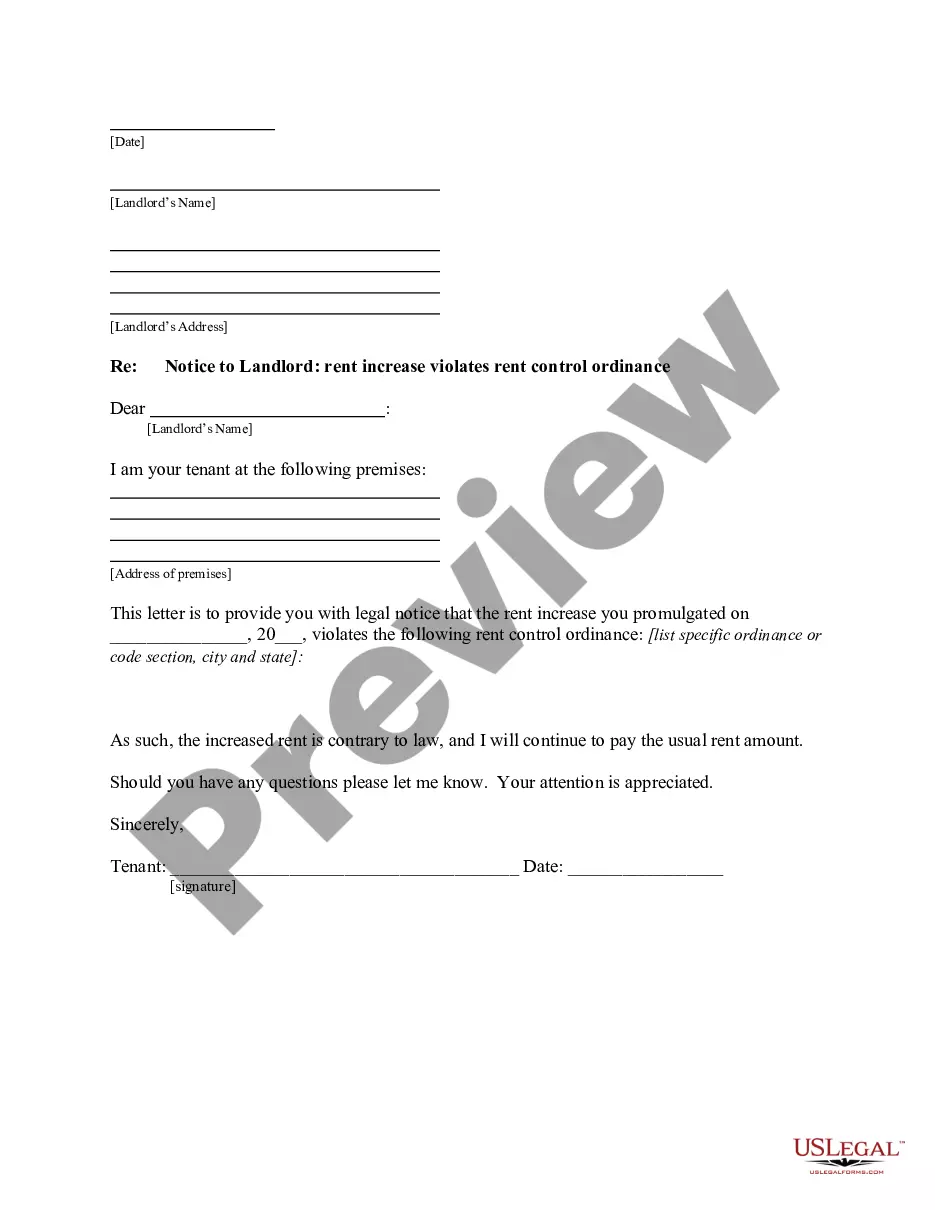
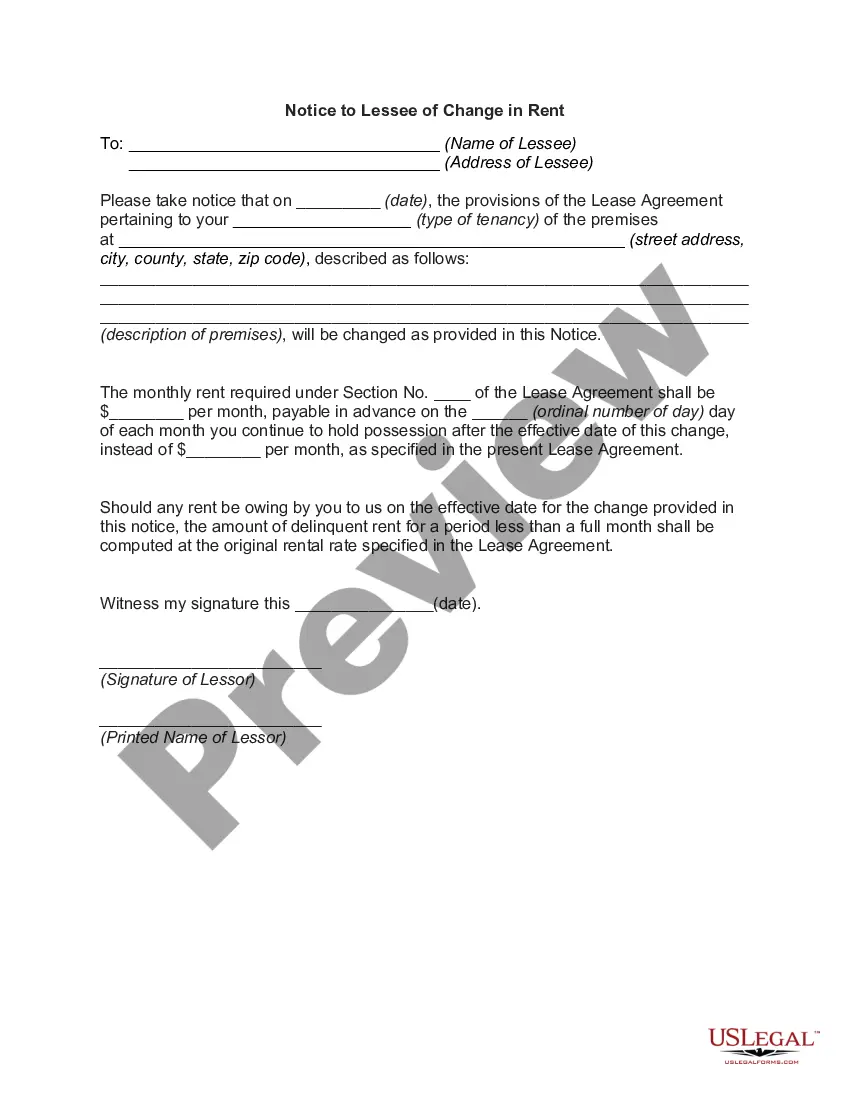
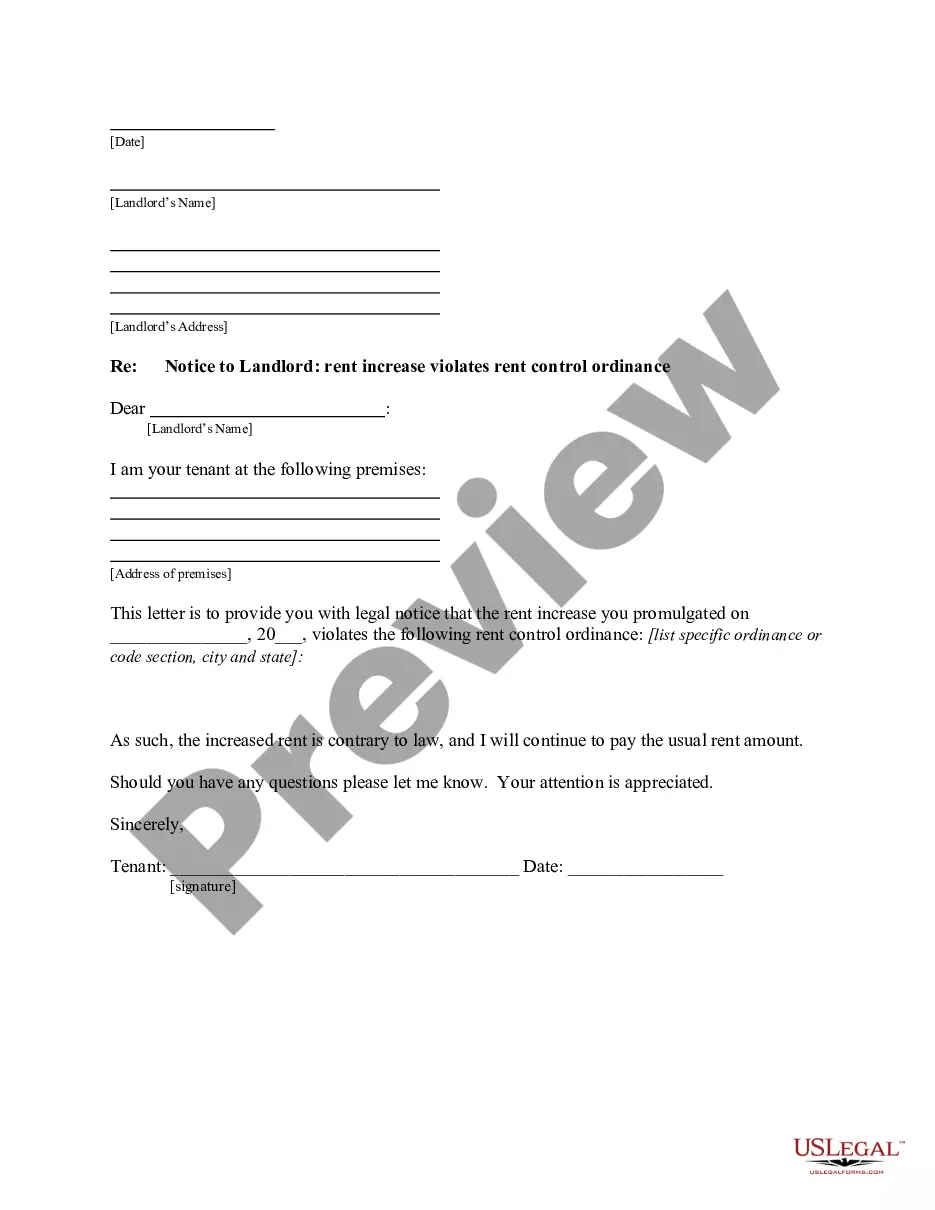
This letter from tenant to landlord serves as a notice to withdraw an improper rent increase due to a violation of rent control ordinances. It outlines the tenant's assertion that the proposed rent increase may be unlawful and calls for the landlord to address this issue promptly. This form is specifically designed for tenants who wish to formally communicate their concerns regarding rent increases that may not comply with applicable laws, differentiating it from general complaint letters or eviction notices.
Form components explained
- Identification of the tenant: Name and contact information of the tenant sending the notice.
- Identification of the landlord: Name and contact information of the landlord or their authorized agent.
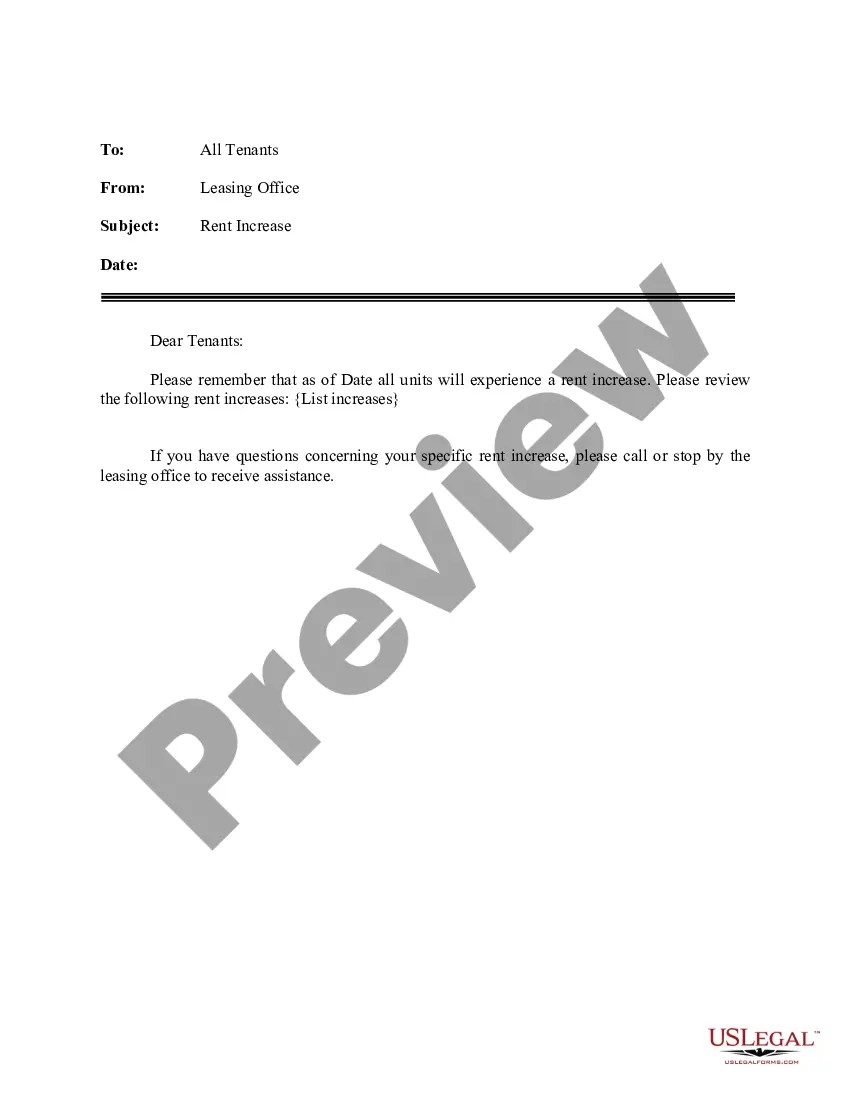
- Details of the rent increase: Specifics about the proposed increase, including effective date and percentage.
- Reference to local rent control ordinance: Citation or summary of the ordinance that the landlord is allegedly violating.
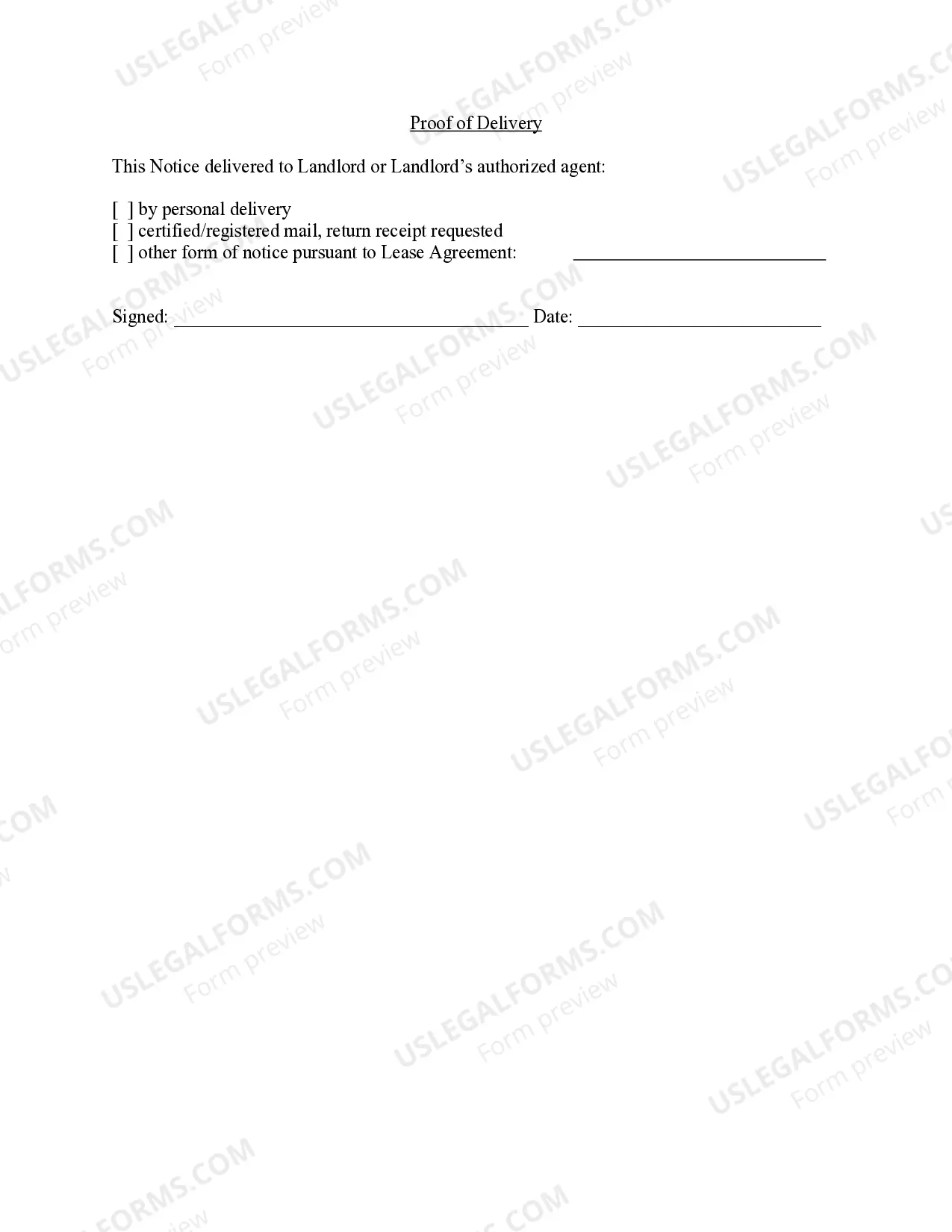
- Proof of delivery method: Indication of how the notice was delivered to the landlord.

When to use this form
This form should be used when a tenant receives a notification of a rent increase that appears to violate local rent control laws. It is appropriate to issue this notice if the tenant believes that the increase is not permissible under the law and wants to formally document their objection to the landlord. The form can be helpful in establishing a clear record of communication on this important issue.
Who needs this form
- Tenants who have received a notice of improper rent increase.
- Tenants in areas with rent control laws that may protect them from excessive increases.
- Individuals seeking to document their concerns formally before pursuing further legal actions.
- Residents who wish to maintain a record of communications with their landlord regarding rent disputes.
Instructions for completing this form
- Identify the parties: Enter the full names and contact information for both the tenant and the landlord.
- Specify the property: Include details about the rental property relating to the rent increase.
- Detail the rent increase: Clearly state the amount of the rent increase and include reference to the date it will take effect.
- Cite the ordinance: Reference the local rent control ordinance and briefly explain why the increase is deemed improper.
- Sign and date the notice: Provide your signature and the date of the notice to validate the document.
Does this document require notarization?
This form does not typically require notarization unless specified by local law. However, providing a notarized document can add an additional layer of legitimacy to your notice.
Get your form ready online
Our built-in tools help you complete, sign, share, and store your documents in one place.
Make edits, fill in missing information, and update formatting in US Legal Forms—just like you would in MS Word.
Download a copy, print it, send it by email, or mail it via USPS—whatever works best for your next step.
Sign and collect signatures with our SignNow integration. Send to multiple recipients, set reminders, and more. Go Premium to unlock E-Sign.
If this form requires notarization, complete it online through a secure video call—no need to meet a notary in person or wait for an appointment.
We protect your documents and personal data by following strict security and privacy standards.

Make edits, fill in missing information, and update formatting in US Legal Forms—just like you would in MS Word.

Download a copy, print it, send it by email, or mail it via USPS—whatever works best for your next step.

Sign and collect signatures with our SignNow integration. Send to multiple recipients, set reminders, and more. Go Premium to unlock E-Sign.

If this form requires notarization, complete it online through a secure video call—no need to meet a notary in person or wait for an appointment.

We protect your documents and personal data by following strict security and privacy standards.
Common mistakes
- Failing to provide complete contact information for both the tenant and the landlord.
- Not referencing the specific ordinance or law that supports the argument against the rent increase.
- Neglecting to sign and date the notice before delivery.
- Choosing an inappropriate method of delivery that does not provide proof of receipt.
Why complete this form online
- Convenience: Download your form instantly from anywhere, at any time.
- Customizability: Easily edit the form to suit your specific situation.
- Legal expertise: Forms are drafted by licensed attorneys, ensuring legal accuracy.
- Guidance: Clear instructions are provided to help you complete the form correctly.
Looking for another form?


Form popularity
FAQ
While tenants cannot unreasonably deny access to a landlord, landlords must also follow all of the state and local rules regarding access to tenants' apartments. Roughly half of states have rules governing landlord entry into tenants' apartments.
Time Frames for Eviction Notices in Illinois Upon receiving the notice to quit, the tenant will have five days to either pay the rent or move out of the rental property. The five-day time frame begins on the date the notice is given to the tenant.
If the tenant refuses, you are permitted to send them a notice to agree or quit the property. The tenant refusing you access constitutes a breach in the lease agreement, so they could be evicted if they continue to deny access.
Stat. § 735/1.4) or changing the locks on the door of the rental unit. If the landlord tries to evict the tenant through one of these methods, without a court order, the landlord could owe the tenant damages. See the Nolo article Illegal Eviction Procedures in Illinois for more information.
The landlord must give the tenant notice and go through the court process to get an Eviction Order. Then they must get the Sheriff to remove the tenant from the unit. The landlord cannot change the locks or remove the tenant's property until the Sheriff enforces the Eviction Order.
A landlord cannot legally evict you without a court order, whether or not you have a lease.) How long does it take for a landlord to evict a tenant? A landlord can evict a tenant only by going through a formal eviction proceeding, which can take a few weeks from start to finish.
In Illinois, if there is no lease or if the lease does not specify a move out date, the Landlord must give at least 30 days of notice to a tenant that the landlord wants to move out. This notice must be in writing and must arrive to the tenant at least 30 days prior to their move out date.
Pay any delinquent rent that is due to the landlord within the allotted time of the notice. Move out of the premises within the allotted time of the notice. File an answer with the judicial court. File a motion to stay with the court.