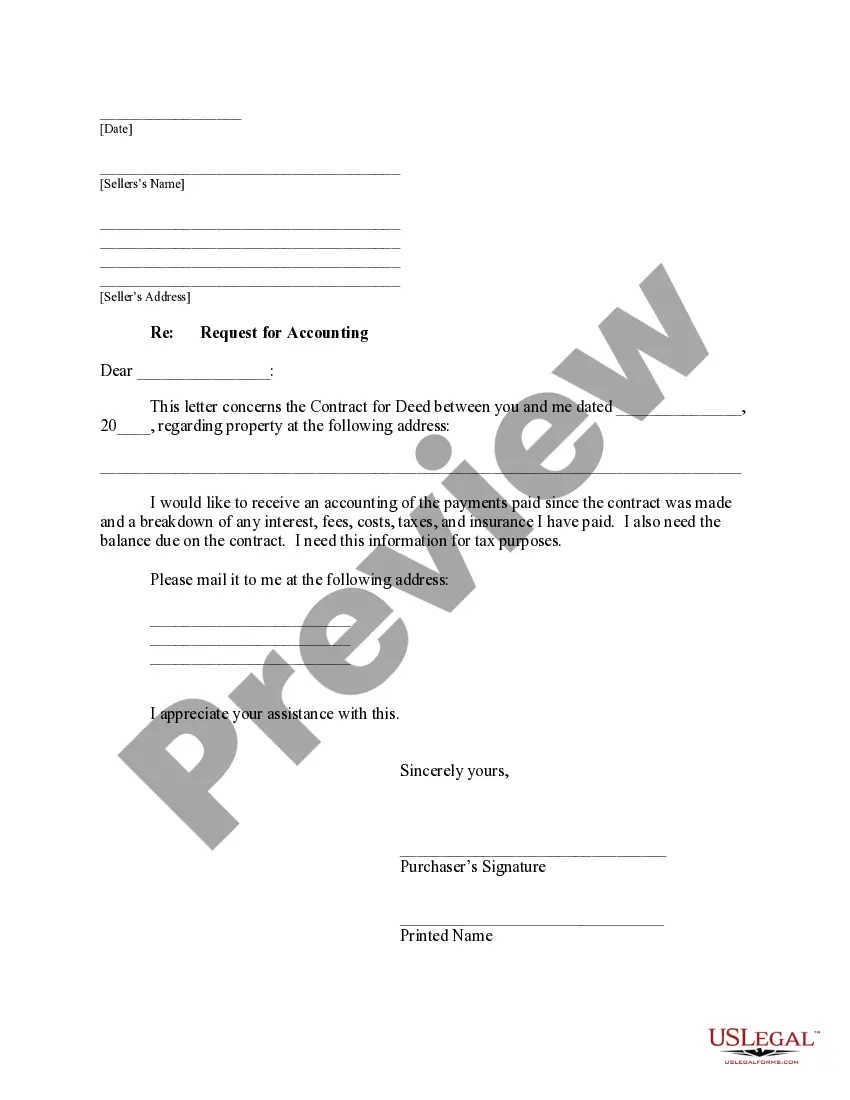
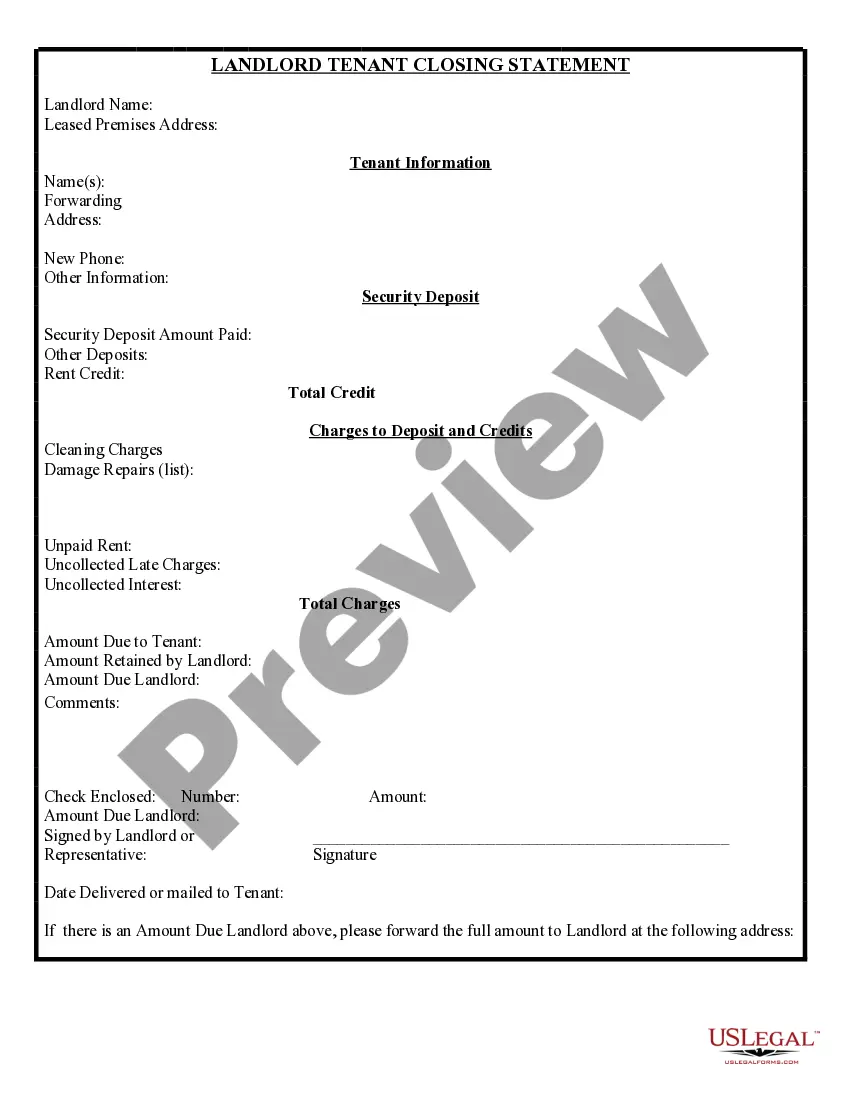
Idaho Landlord Tenant Closing Statement to Reconcile Security Deposit
What this document covers
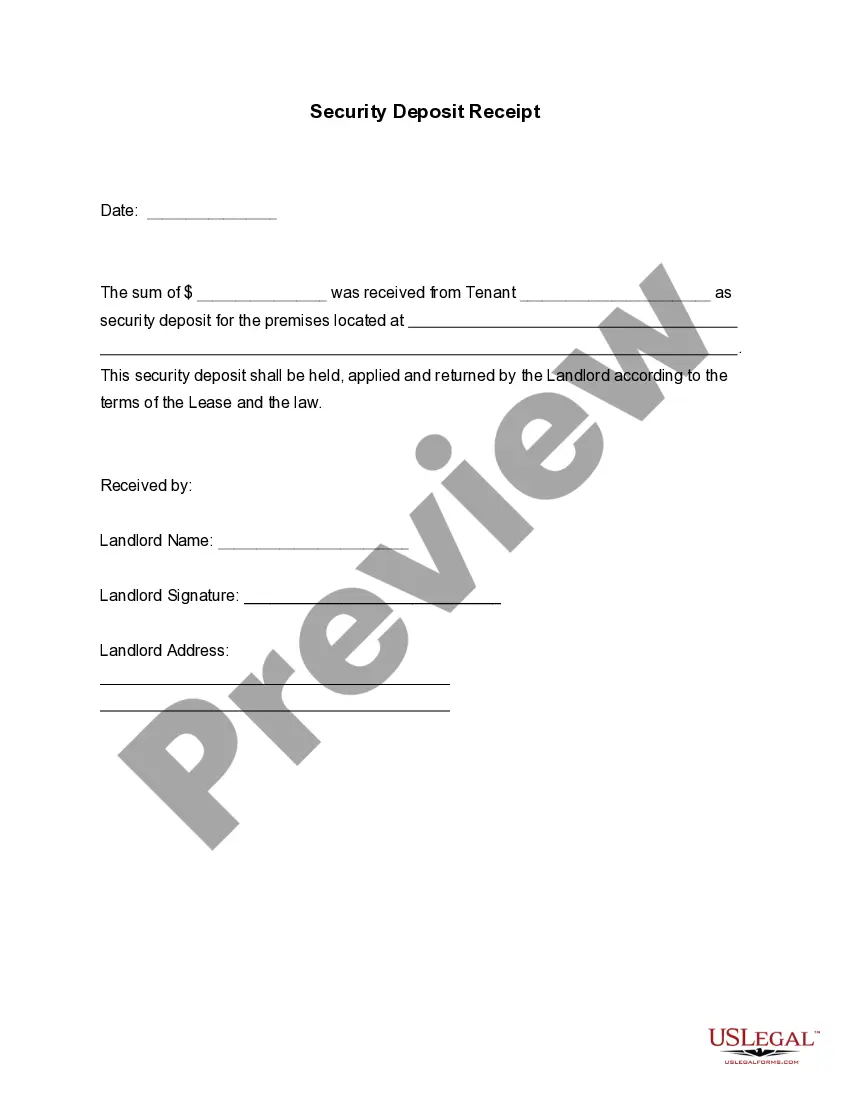
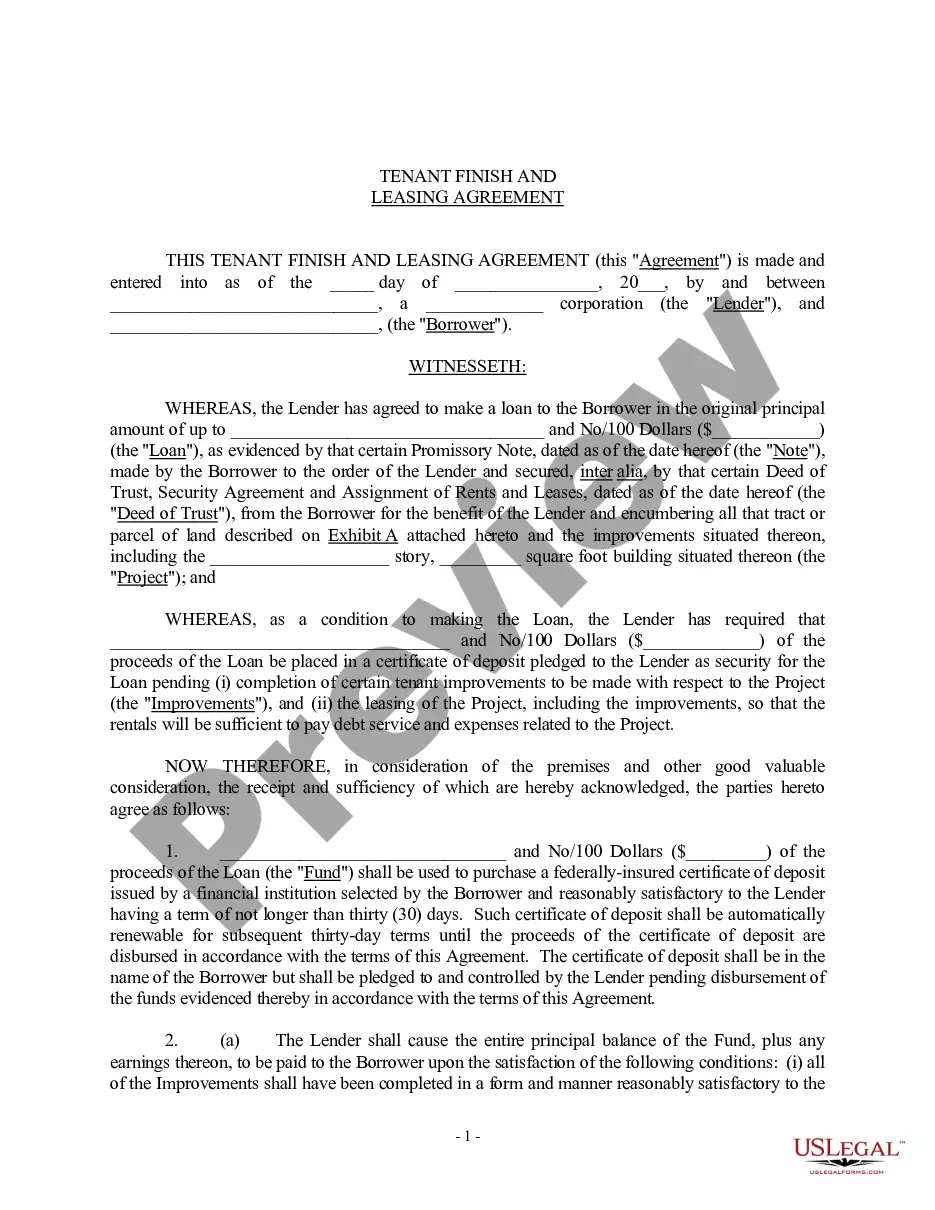
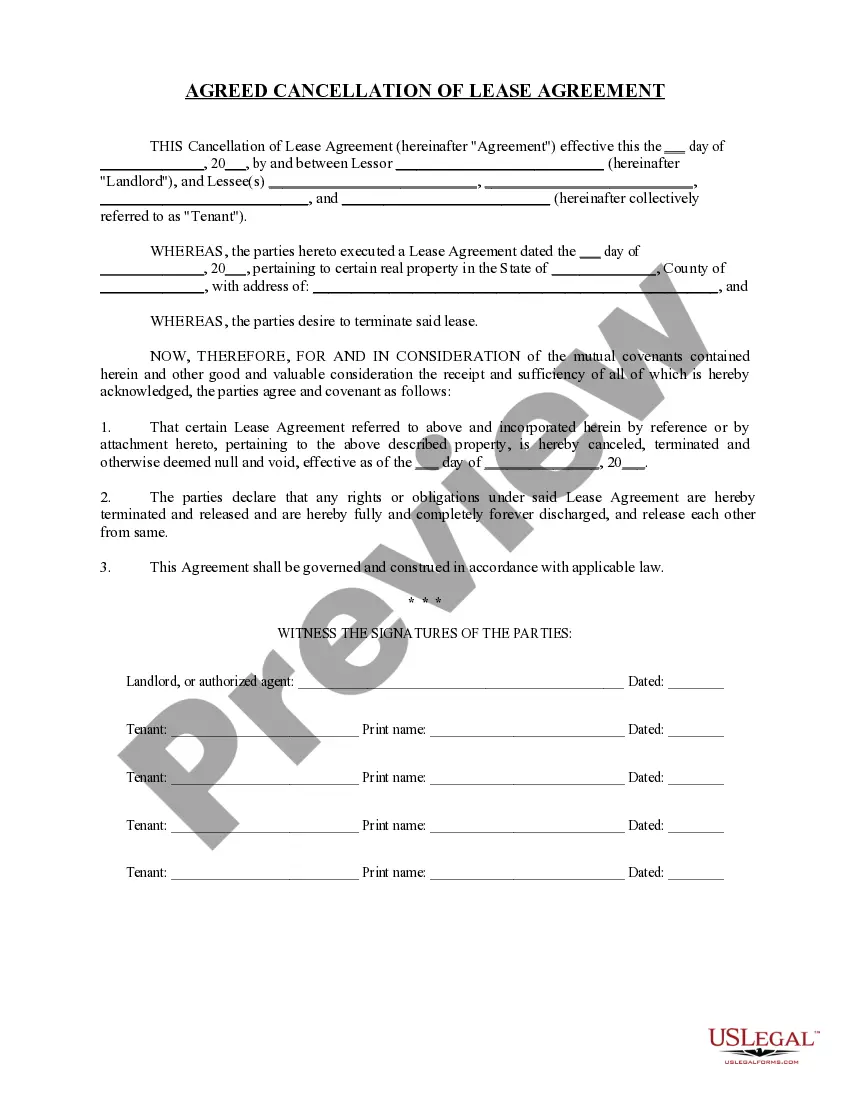
The Landlord Tenant Closing Statement to Reconcile Security Deposit is a document that allows landlords to record all deposits and credits related to a tenant's security deposit, minus any deductions. This form serves to provide clarity and transparency regarding the funds held by the landlord and those due to the tenant. By differentiating this form from other similar documents, it ensures both parties understand financial transactions related to the security deposit specifically.
Main sections of this form
- Landslord contact information
- Tenant contact information
- Details of the property
- Itemized list of charges and deductions
- Total amount of the security deposit
- Final disposition of funds (amount returned to tenant)
Common use cases
Use this form when a tenant vacates a rental property, and the landlord needs to reconcile the security deposit. It provides a clear record of any deductions for damages beyond normal wear and tear and outlines the total amount that will be refunded to the tenant. This form is essential for maintaining transparency in the landlord-tenant relationship and ensuring compliance with state laws regarding security deposits.
Who needs this form
- Landlords who have collected a security deposit from a tenant
- Property managers handling rental agreements
- Tenants seeking clarity on their security deposit reconciliation
Instructions for completing this form
- Identify the landlord and tenant by entering their full names and contact information.
- Specify the property address to which the security deposit applies.
- List all relevant charges and deductions, providing clear explanations for each.
- Calculate the total security deposit amount and any deductions.
- Document the final amount being returned to the tenant.
- Obtain signatures from both parties to finalize the reconciliation.
Is notarization required?
This form usually doesn’t need to be notarized. However, local laws or specific transactions may require it. Our online notarization service, powered by Notarize, lets you complete it remotely through a secure video session, available 24/7.
Get your form ready online
Our built-in tools help you complete, sign, share, and store your documents in one place.
Make edits, fill in missing information, and update formatting in US Legal Forms—just like you would in MS Word.
Download a copy, print it, send it by email, or mail it via USPS—whatever works best for your next step.
Sign and collect signatures with our SignNow integration. Send to multiple recipients, set reminders, and more. Go Premium to unlock E-Sign.
If this form requires notarization, complete it online through a secure video call—no need to meet a notary in person or wait for an appointment.
We protect your documents and personal data by following strict security and privacy standards.

Make edits, fill in missing information, and update formatting in US Legal Forms—just like you would in MS Word.

Download a copy, print it, send it by email, or mail it via USPS—whatever works best for your next step.

Sign and collect signatures with our SignNow integration. Send to multiple recipients, set reminders, and more. Go Premium to unlock E-Sign.

If this form requires notarization, complete it online through a secure video call—no need to meet a notary in person or wait for an appointment.

We protect your documents and personal data by following strict security and privacy standards.
Common mistakes
- Failing to provide an itemized list of deductions.
- Not including the correct contact information for the landlord or tenant.
- Missing signatures, which can render the form ineffective.
- Not adhering to state-specific requirements regarding time frames for returning deposits.
Why complete this form online
- Convenience of downloading the form anytime, from anywhere.
- Editability allows for quick adjustments to reflect the specific circumstances of your security deposit reconciliation.
- Reliable templates that are drafted by licensed attorneys, ensuring that they meet legal standards.
- Quick access to updates based on changing laws or regulations.
Quick recap
- The Landlord Tenant Closing Statement standardizes the process of reconciling security deposits.
- This form ensures clarity and legal compliance regarding the handling of security deposits.
- Using this form can prevent disputes between landlords and tenants concerning security deposit returns.
Looking for another form?

Form popularity
FAQ
Tenant's name and new address, or address he gave for return of the security deposit. Commencement date of the lease and date it ended. Amount of the security deposit when the tenant moved in. Amount of interest accrued.
According to Idaho's security deposit law, landlords have 21 days to return tenants' security deposits once they move out. This period may be extended or shortened if both parties reach an agreement. In such cases, the period must not exceed 30 days.
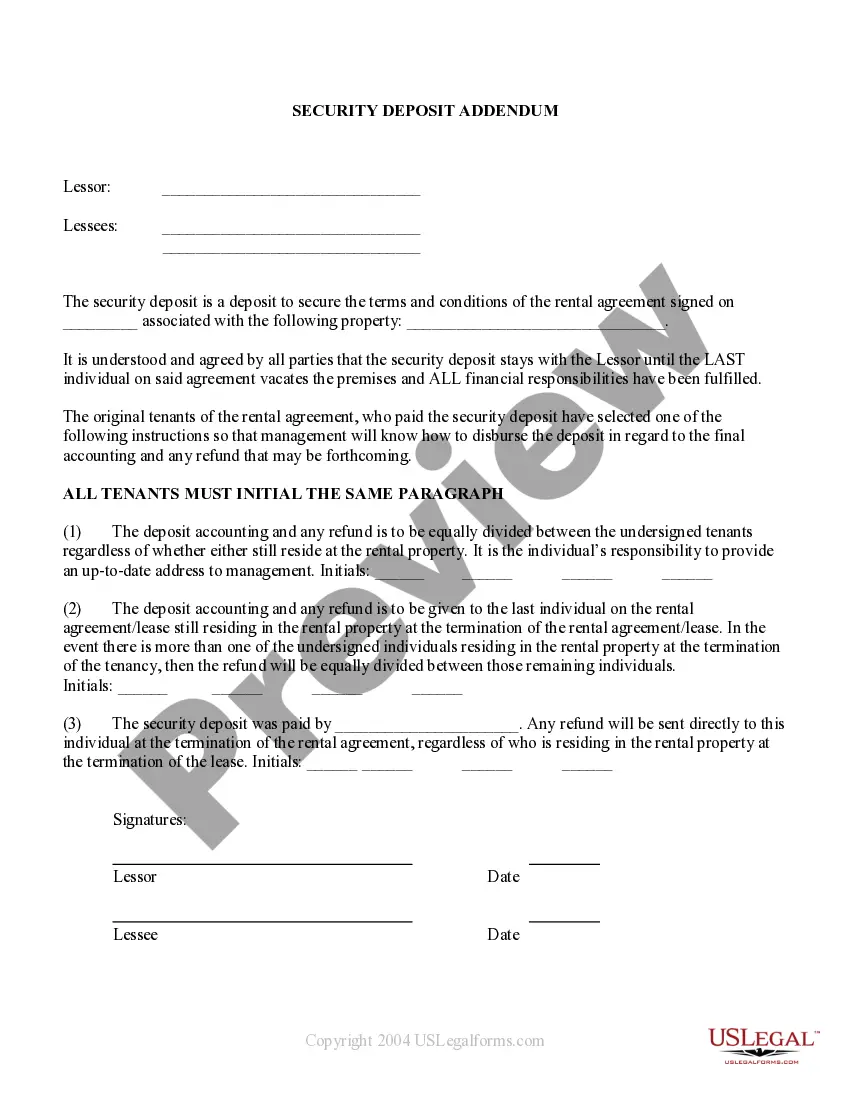
The Security Deposit Accounting Statement includes the necessary information to properly understand the form like the start and end dates, date notice was given, and date of the move out inspection.The landlord will use this form if there is still money owed after repairs, court costs, fees, or other charges.
The Idaho law enacted in 1977 clearly specifies the rights of landlords and tenants. Some of the tenant rights include: Right to remain on the property until they're properly evicted by a court order. Right to have repairs made within a reasonable amount of time after a request is made.
You should usually get your deposit back within 10 days of agreeing on the amount with your landlord. It can take a lot longer if you and your landlord disagree on the amount that's being taken off.
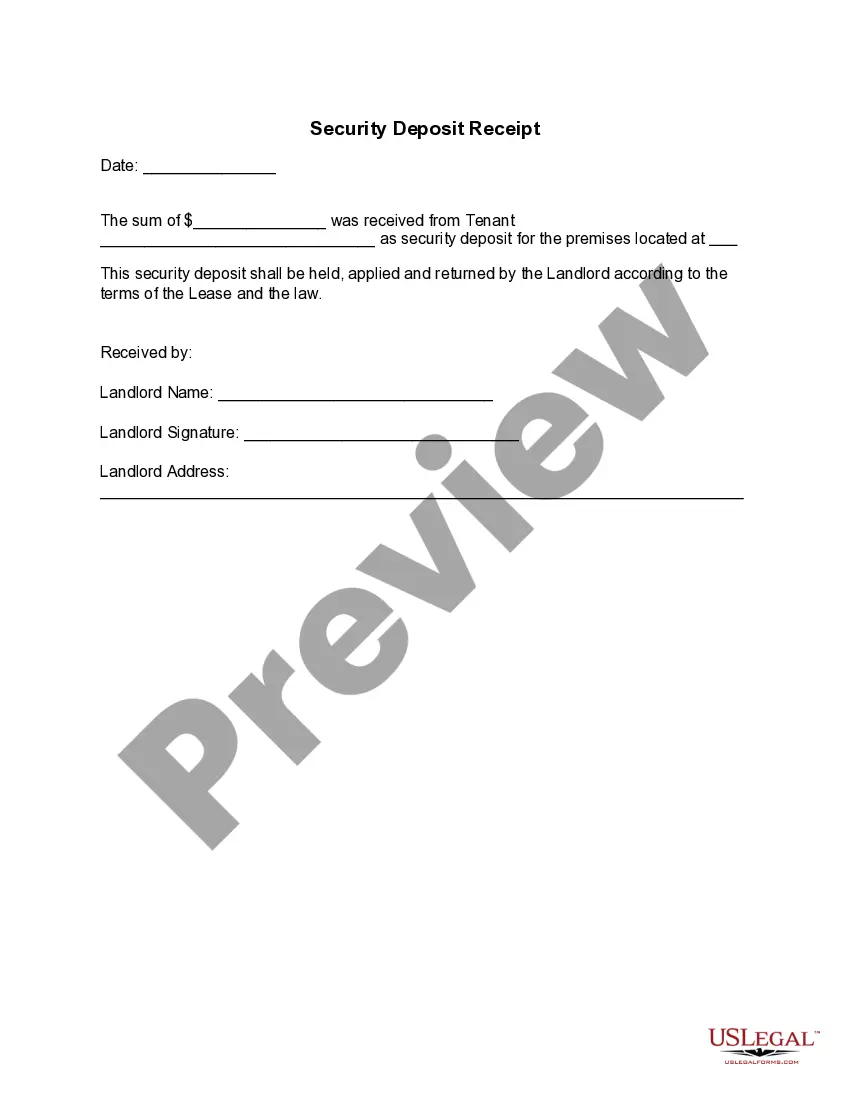
Date of the deposit receipt. Name of the tenant. Name and location of the financial institution where the security deposit is held. Account number, if required. Amount deposited and date the deposit was made.
Presentation of the Statement of Deposits It details the amounts deposited in your bank account during the preceding year as well as the first monthly payment of the current year, if applicable.Note that the Statement of Deposits includes only direct deposit payments.
A security deposit is any money a landlord takes from a tenant other than the advance payment of rent. The security deposit serves to protect the landlord if the tenant breaks or violates the terms of the lease or rental agreement. It may be used to cover damage to the property, cleaning, key replacement, or back rent.
The person paying the security deposit would credit the asset account Cash and would debit the asset account Security Deposits. The person receiving the security deposit would debit the asset account Cash and would credit the liability account Security Deposits Returnable.