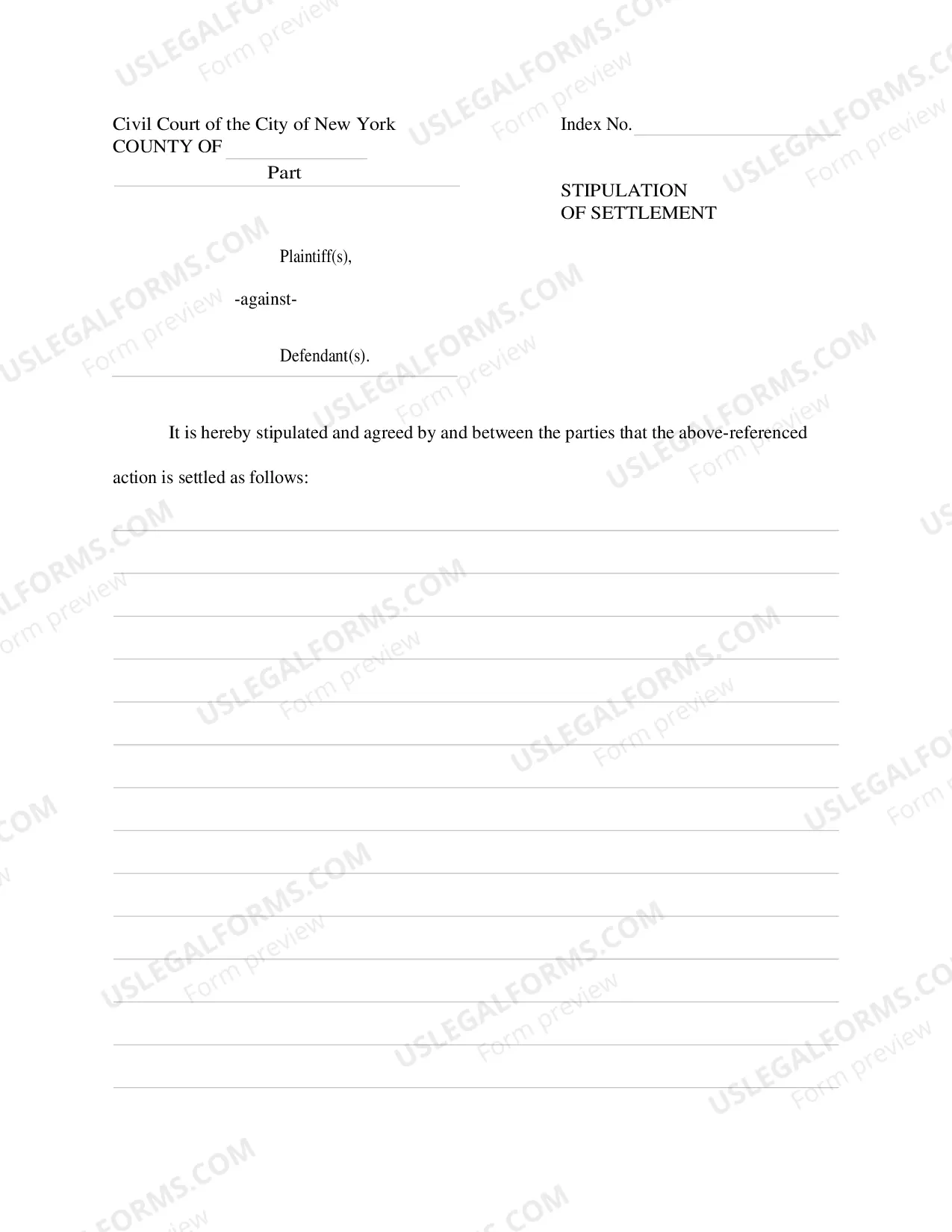
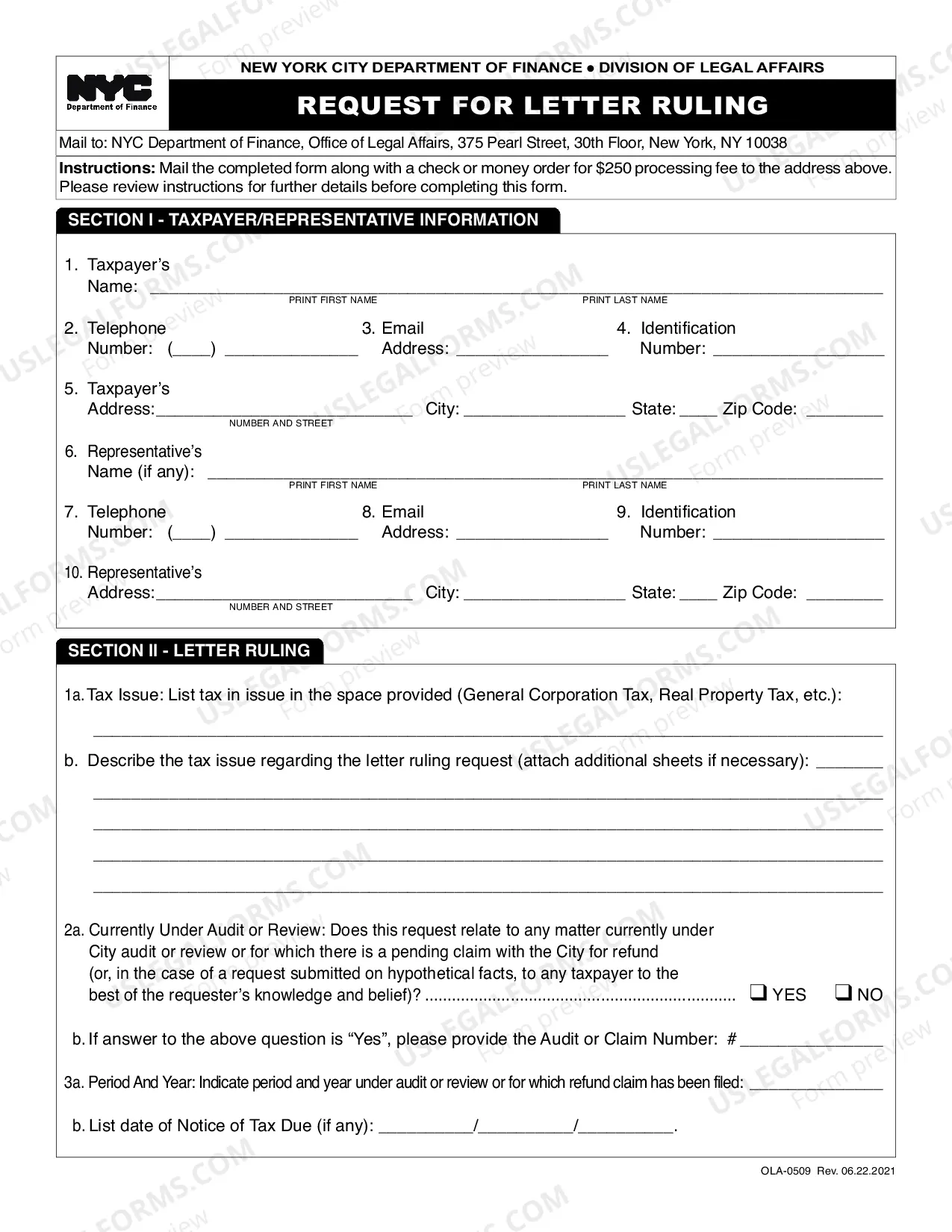
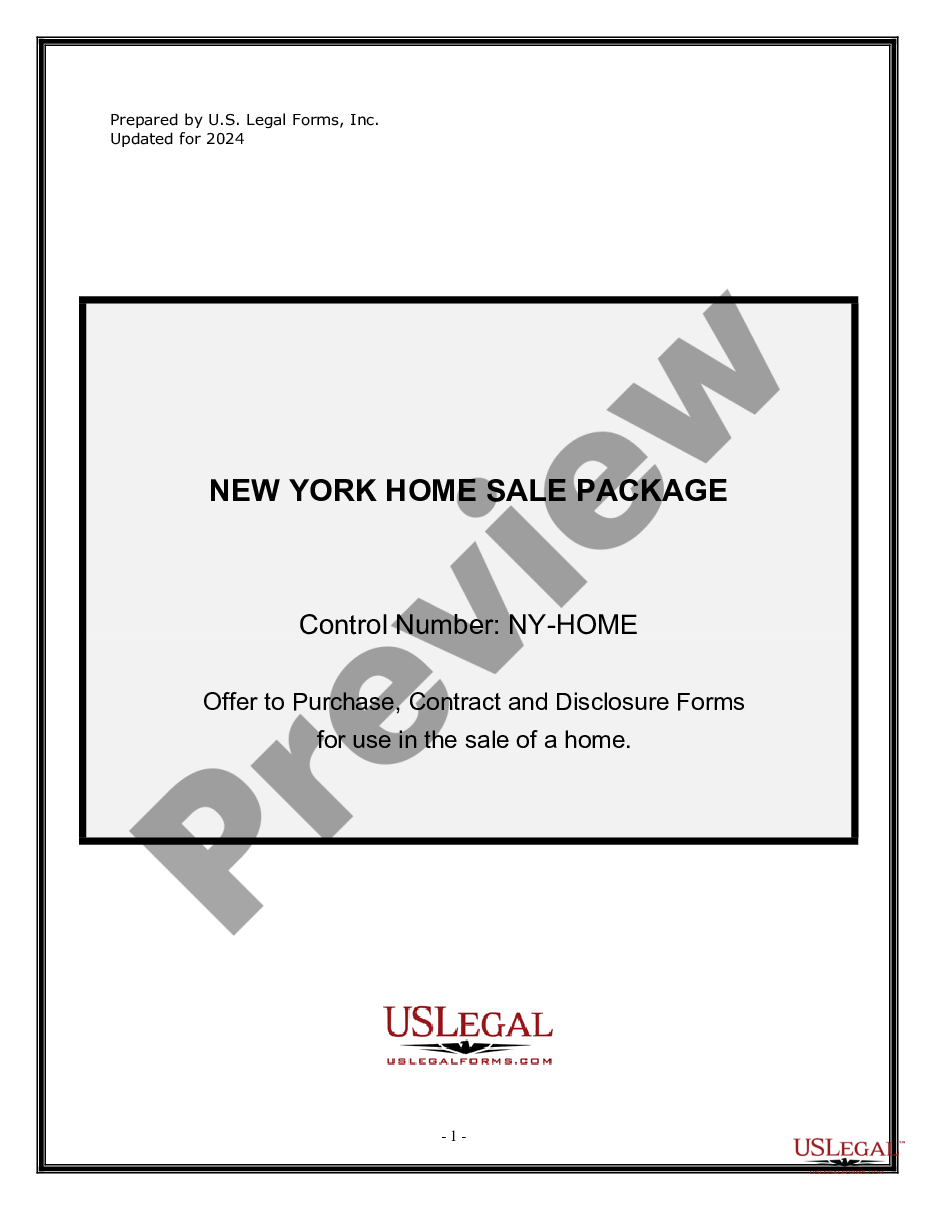
New York Home Sale Forms
Cover every step of a New York home sale with the right paperwork. All templates are attorney-drafted so you can move forward with confidence.

Similar documents: key differences
- Purchase Agreement vs. Letter of Intent — a purchase agreement is a binding contract, while a letter of intent is a non-binding expression of interest.
- Warranty Deed vs. Quitclaim Deed — a warranty deed guarantees clear title, while a quitclaim deed transfers only whatever interest the grantor currently holds.
- Property Disclosure vs. Home Inspection Report — a disclosure is completed by the seller based on known issues, while an inspection report is prepared by a licensed professional after a physical examination.
- Earnest Money Receipt vs. Down Payment Receipt — earnest money is held in escrow before closing, while the down payment is applied to the purchase price at settlement.
- Closing Disclosure vs. Loan Estimate — a closing disclosure shows final loan costs and is issued before closing, while a loan estimate is a preliminary good-faith projection from the lender.
- Contingency Addendum vs. Amendment — a contingency addendum adds conditions that must be met for the sale to proceed, while an amendment modifies terms of an already-signed agreement.
Search for more forms
Common New York Home Sale Forms documents
- Purchase Agreement — sets the price, terms, and conditions that both parties agree to before closing.
- Property Disclosure Statement — informs the buyer of known defects or material conditions affecting the property.
- Deed Transfer Form — legally conveys ownership of the property from the seller to the buyer.
- Lead-Based Paint Disclosure — required for homes built before 1978 to notify buyers of potential lead hazards.
- Earnest Money Receipt — acknowledges the buyer's good-faith deposit and outlines refund conditions.
- Home Inspection Contingency Addendum — makes the sale conditional on the results of a professional inspection.
- Closing Statement — itemizes all costs, credits, and funds exchanged by each party at settlement.
FAQs
New York strongly favors attorney representation in real estate transactions. While it is not technically required by law, both buyers and sellers typically hire separate attorneys to draft, review, and negotiate the purchase contract before it becomes binding.
Sellers are required to complete a Property Condition Disclosure Statement covering the condition of the home's structure, systems, and known environmental issues. Sellers of pre-1978 homes must also provide a Lead-Based Paint Disclosure. Skipping the Property Condition Disclosure means issuing the buyer a $500 credit at closing instead.
The buyer submits an earnest money deposit after the purchase contract is signed by both parties. In New York, this deposit is typically held in escrow by one of the attorneys until closing. If the sale falls through due to a contingency, the deposit is generally refunded to the buyer.
FSBO stands for For Sale By Owner, meaning the seller handles the transaction without a real estate broker. Even without an agent, FSBO sellers in New York must still provide all required disclosures, comply with transfer tax rules, and use a legally valid purchase agreement.
At closing, the buyer and seller — along with their attorneys — review and sign the final documents, funds are transferred, and the deed is handed over to the buyer. The deed is then recorded with the county clerk, officially completing the property transfer.
Key legal points
- New York requires sellers to provide a completed Property Condition Disclosure Statement or issue a $500 credit to the buyer at closing.
- Homes built before 1978 require a federally mandated Lead-Based Paint Disclosure regardless of the state where the sale occurs.
- New York is an attorney-review state, meaning both parties typically retain separate attorneys to review contracts before signing.
- Earnest money deposits are held in escrow by the buyer's or seller's attorney until closing or termination of the agreement.
- A real estate contract in New York is not binding until both attorneys complete the review and the seller countersigns the final version.
- The deed must be recorded with the county clerk in the county where the property is located to complete the title transfer.
- New York imposes a Real Property Transfer Tax on the sale, paid by the seller at closing.
- Buyers financing a purchase receive a Closing Disclosure from their lender at least three business days before the closing date.
- For Sale By Owner (FSBO) sellers are still subject to the same disclosure obligations and transfer tax requirements as sellers using a broker.
How to get started
Start your New York home sale in minutes with these steps.
- Search the library by document type or keyword to find the right New York home sale template.
- Preview the full form before committing to confirm it matches your transaction.
- Subscribe to unlock access to the complete catalog of attorney-drafted real estate forms.
- Open the form in the online editor and fill in your property details, names, and terms.
- Download the completed document as a PDF, print for signatures, or share it directly with the other party.
Practical tip
In New York, never sign a purchase contract before your attorney has completed the review period — even a brief delay can protect you from costly surprises.