Hawaii Revocation of Anatomical Gift Donation
Overview of this form
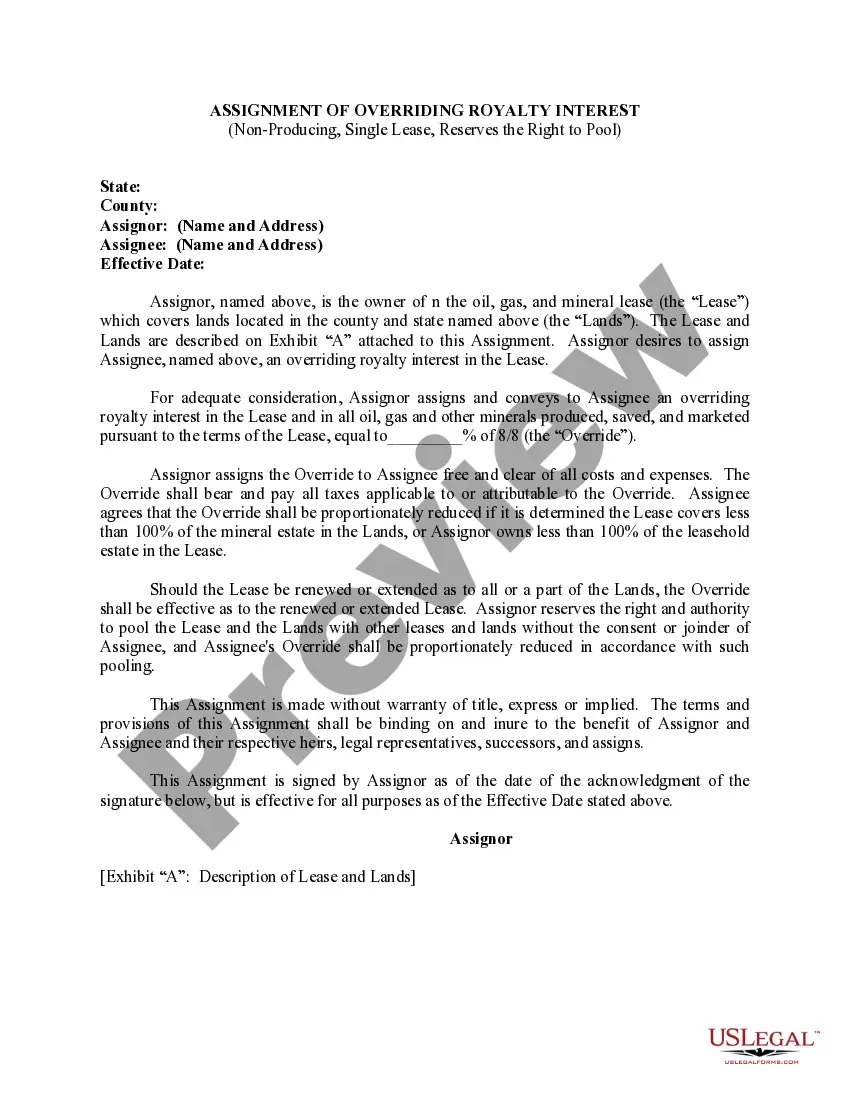
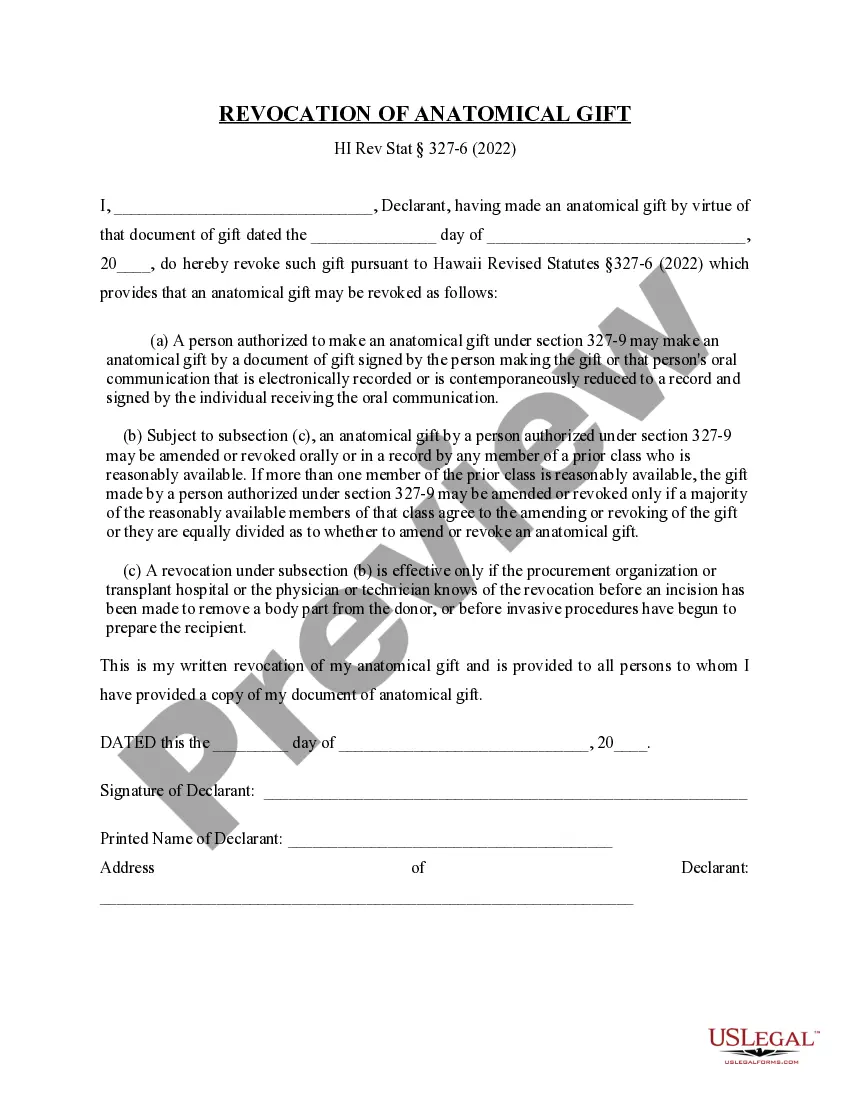
The Revocation of Anatomical Gift Donation form allows a donor to formally revoke their decision to donate organs upon their death. This form is essential for individuals who wish to ensure their anatomical gifts are not honored after the change of heart. It differs from other forms because it specifically addresses the revocation of previous donations made outside of a will.
Key parts of this document
- Declarant's details: Full name and address of the person revoking the anatomical gift.
- Date of the original anatomical gift: Specifies when the gift was initially made.
- Legal citation: Reference to Hawaii Revised Statutes concerning anatomical gifts.
- Signature of the Declarant: Required to validate the revocation.
- Date of revocation: Indicates when the decision to revoke was made.
Situations where this form applies
You should use the Revocation of Anatomical Gift Donation form if you have previously declared an intention to donate your organs and have since decided to withdraw that consent. This may occur due to personal beliefs changing, family circumstances, or health considerations. Completing this form ensures your current wishes are formally recognized and respected.
Who can use this document
- Individuals who have made an anatomical gift in the past.
- Donors who wish to change their decision regarding organ donation.
- Persons seeking to clarify their current wishes to family and healthcare providers.
How to prepare this document
- Identify the Declarant by providing their full name and address.
- Enter the date of the original anatomical gift that you wish to revoke.
- Sign the form to affirm your decision to revoke the gift.
- Date the revocation to indicate when it takes effect.
- Distribute copies of the signed form to any relevant individuals or organizations.
Is notarization required?
Notarization is not commonly needed for this form. However, certain documents or local rules may make it necessary. Our notarization service, powered by Notarize, allows you to finalize it securely online anytime, day or night.
Get your form ready online
Our built-in tools help you complete, sign, share, and store your documents in one place.
Make edits, fill in missing information, and update formatting in US Legal Forms—just like you would in MS Word.
Download a copy, print it, send it by email, or mail it via USPS—whatever works best for your next step.
Sign and collect signatures with our SignNow integration. Send to multiple recipients, set reminders, and more. Go Premium to unlock E-Sign.
If this form requires notarization, complete it online through a secure video call—no need to meet a notary in person or wait for an appointment.
We protect your documents and personal data by following strict security and privacy standards.

Make edits, fill in missing information, and update formatting in US Legal Forms—just like you would in MS Word.

Download a copy, print it, send it by email, or mail it via USPS—whatever works best for your next step.

Sign and collect signatures with our SignNow integration. Send to multiple recipients, set reminders, and more. Go Premium to unlock E-Sign.

If this form requires notarization, complete it online through a secure video call—no need to meet a notary in person or wait for an appointment.

We protect your documents and personal data by following strict security and privacy standards.
Mistakes to watch out for
- Failing to sign and date the form, which can render it invalid.
- Not informing family members or healthcare providers of the revocation after completion.
- Using an old version of the form that may not comply with current legal standards.
Why use this form online
- Immediate access to a legally valid form tailored for revocation.
- Convenient completion from home, reducing the need for in-person visits.
- Editable format allows users to customize their information easily.
Legal use & context
- The revocation is legally binding as per Hawaii state laws regarding anatomical gifts.
- It is important for the revocation to be acknowledged before any medical procedures are initiated on the donor.
- Ensure that the revocation is communicated to all relevant parties to prevent misunderstandings.
Main things to remember
- The Revocation of Anatomical Gift Donation form is essential for removing consent for organ donation.
- Complete the form carefully to ensure it meets legal requirements.
- Inform family and medical professionals about your decision to revoke your anatomical gift.
Looking for another form?

Form popularity
FAQ
Organ donation refers specifically to giving organs for transplantation to save lives, while anatomical gift encompasses a broader donation that includes the whole body for research and education. Understanding this distinction is key when choosing how to approach your donation decisions. Furthermore, being aware of the Hawaii revocation of anatomical gift donation helps ensure your choice is fully informed and consistent with your wishes.
Making an anatomical gift means that you consent to donate your body or certain organs after your death for the purposes of education, research, or transplantation. This decision reflects a commitment to helping advance medical science and save lives. If you have made this decision, familiarize yourself with the Hawaii revocation of anatomical gift donation should you ever wish to alter your choice.
To decline organ donation, you can formally document your wishes, often by filling out a specific form provided by your state. In Hawaii, you have the flexibility to easily express your decision against organ donation. Utilizing platforms like USLegalForms can ensure that your preferences are legally recorded and respected, including in any situational contexts regarding the Hawaii revocation of anatomical gift donation.
Organ donation typically involves donating specific organs, such as the heart, lungs, or kidneys, for transplantation. Body donation, on the other hand, pertains to donating the whole body for educational and research uses. Both are noble decisions, but knowing the differences can help guide your choices, including understanding the Hawaii revocation of anatomical gift donation.
Anatomical body donation involves donating your entire body to science for medical education and research purposes after death. This type of donation contributes significantly to the training of future healthcare professionals and the advancement of medical research. If you've made an anatomical gift, it’s important to understand the Hawaii revocation of anatomical gift donation process should you choose to change your mind.
DBD stands for Donation After Brain Death, while DCD means Donation After Cardiac Death. Both involve the donation of organs, but they differ primarily in the timing and circumstances of the patient's death. Understanding these terms is important when considering the implications of the Hawaii revocation of anatomical gift donation.
Yes, organ donors have the right to amend or revoke their anatomical gifts at any time, even after making the initial donation decision. In Hawaii, the process for revocation of anatomical gift donation is straightforward and ensures that your wishes are honored. If you wish to change your decision, consider using a legal platform like USLegalForms to help document your revocation.