The legal side of forming an LLC — made
clear
Walk through every legal step to start an LLC — Articles of Organization, Operating Agreement, EIN, registered agent, and more. State-specific guidance and attorney-drafted documents included.
Takes about 10 minutes · Covers all 50 states · Personalized to your structure and state

People & businesses trust us
3M+
State-specific legal forms
85K+
Accredited Business
BBB A+
In business
Since 1997
What makes this different
General information about forming an LLC is widely available. What's harder to find is accurate, step-by-step guidance that reflects your state's requirements and the actual documents you need.

State-specific where it matters
Filing fees, agency names, processing times, and annual compliance deadlines are pulled from official state sources and displayed for your state. Not estimates — the actual figures for where you're registering.

Attorney-drafted documents included
The essential formation documents for your structure are included in your package at the end — prepared to a legal standard, ready to complete without starting from a blank page.

One step at a time — no overwhelm
Each screen covers exactly one thing. You move through the process in sequence — no jumping between tabs, no piecing together information from multiple sources.

Plain language at every step
Every legal term is explained at the point where it matters. By the end you understand what you did and why — not just that you've completed a form.

Most business guides skip the legal part. This one starts there
Whether you're forming a single-member LLC, a multi-member LLC, or converting an existing sole proprietorship or general partnership to an LLC — the legal formation process follows the same steps. The state you're filing in determines the fees, agency names, and processing times, but the process doesn't change.
An LLC puts a legal wall between you and your business. If your business is sued or takes on debt, your personal savings, home, and other assets are protected. That protection doesn't exist with a sole proprietorship. In today's uncertain economic climate — with tariffs, cost pressures, and shifting regulations creating new risk for small businesses — separating your personal and business exposure isn't just smart, it's essential.
What this journey covers
 Legal formation — step by step
- Protecting your personal assets
- State-specific filing requirements
What most guides cover
 Business ideas and planning
- Finding customers and marketing
- Pricing and operations
Which business structure is right for you?

LLC (Limited Liability Company)
The most common choice for small business owners. Separates your personal assets from business debts and lawsuits, with flexible tax treatment. Works for one owner or multiple.
 Most popular for new businesses
Corporation
Best for businesses that plan to raise investment, issue stock, or have complex ownership. More administrative requirements than an LLC, but the right fit for certain growth paths. S-Corp is a tax election you can make after forming a Corporation — not a separate structure.

Sole Proprietorship
The simplest structure — no state registration required in most cases. You and the business are legally the same entity. No liability protection, but minimal paperwork to get started.

General Partnership
For two or more people going into business together without formal registration. Simple to form, but each partner is personally liable for the business's obligations.

Professional LLC (PLLC)
Required in many states for licensed professionals — doctors, lawyers, accountants, architects, and similar fields. Combines LLC liability protection with professional licensing compliance.
Not sure which fits? Answer a few questions and get the right formation package for your business.
Get started
What the journey covers — every step explained, with your state's details filled in as you go
Each step covers one part of the formation process. Filing fees, agency names, and deadlines update to reflect your state once you select it inside the journey.
Choose your business structure
LLC, Corporation, Sole Proprietorship, General Partnership, or PLLC — your structure determines your liability, taxes, and paperwork. Each option is explained clearly so you can choose with confidence.
Register your business with your state
File your formation documents with the right state agency. You'll see the exact fees, processing times, and filing options for your state.
Create your governing documents
The internal documents that define how your business runs — who owns what, how decisions are made, and what happens if something changes.
Apply for your federal tax ID (EIN)
Your EIN is your business's federal tax ID — you need it to open a bank account, pay employees, and file taxes. Free to get, takes 10 minutes directly from the IRS.
Open a business bank account
Keeping business and personal finances separate protects your liability and simplifies your taxes. Here's what to bring and what to look for in an account.
Get your licenses and permits
Most businesses need at least one license or permit to operate legally. We'll point you to the right official resources for your state and business type.
Keep your business in good standing
After you register, most states require annual or biennial filings to keep your business active. We'll show you what's due, when, and what it costs in your state.
Registration fees, agency names, processing times, and annual filing deadlines update to reflect your state once you select it in the journey.
What you'll receive
Attorney-drafted documents matched to your structure — ready to complete.
LLC Formation Package
- Limited Liability Company LLC Operating Agreement
- Single Member Limited Liability Company LLC Operating Agreement
- Articles of Organization for Domestic Limited Liability Company LLC
- LLC Notices, Resolutions and other Operations Forms Package
- Sample Cover Letter for Filing of LLC Articles and Certificate with Secretary of State
- Application for Name Reservation
- I.R.S. Form SS-4 (to obtain your federal identification number)
Corporation Formation Package
- Articles of Incorporation for Domestic For-Profit Stock Corporation
- Bylaws for Corporation
- Annual Minutes
- Notices, Resolutions, Simple Stock Ledger and Certificate
- Minutes for Organizational Meeting
- Sample Transmittal Letter to Secretary of State's Office to File Articles of Incorporation
- Application for Name Reservation
- Election of 'S' Corporation Status and Instructions - IRS 2553
- I.R.S. Form SS-4 (to obtain your federal identification number)
Sole Proprietorship Package
- Fictitious Business Name Statement
- I.R.S. Form SS-4 (to obtain your federal identification number)
- Profit and Loss Statement
- General Trademark License Agreement
- Sample Business Plan Template
- Noncompetition Agreement - Small Business
- Employment Agreement - General
- Self-Employed Independent Contractor Employment Agreement - General
- Secrecy, Nondisclosure and Confidentiality Agreement by Employee or Consultant to Owner
- Employment or Job Termination Agreement
Partnership Formation Package
- Agreement for the Dissolution of a Partnership
- Fictitious Business Name Statement
- Buy Sell Agreement Between Partners of a Partnership
- I.R.S. Form SS-4 (to obtain your federal identification number)
- Sample Business Plan Template
- Simple Partnership Agreement
- Checklist for Starting Up a New Business
- General Partnership Agreement - Complex
- Profit and Loss Statement
- Business Startup Costs
- Employment or Work Application - General
- Stand Alone Confidentiality and Noncompetition Agreement with Employee
- Self-Employed Independent Contractor Employment Agreement - General
PLLC Formation Package
- Articles of Incorporation for Professional Corporation
- Application for Name Reservation
- Annual Minutes for a Professional Corporation
- Sample Bylaws for a Professional Corporation
- Sample Corporate Records for a Professional Corporation
- Organizational Minutes for a Professional Corporation
- Sample Transmittal Letter for Articles of Incorporation
- Election of 'S' Corporation Status and Instructions - IRS 2553
- I.R.S. Form SS-4 (to obtain your federal identification number)
Each package includes state-specific formation documents and a startup layer of business templates — attorney-drafted and ready to complete. Steps involving licenses, permits, and annual state filings use forms filed directly with state agencies — the journey guides you through those separately.
Structures at a glance
Choose the legal structure that fits your goals, liability needs, and growth plans.
| LLC | Corporation (Inc.) | Sole Proprietorship | General Partnership | PLLC | |
|---|---|---|---|---|---|
| Personal Asset Protection | |
|
 |
|
|
| Separate Legal Entity | |
|
|
|
|
| Setup Complexity | Moderate | High | Very Low | Low | Moderate |
| Ongoing Compliance | Minimal | Strict | None | Minimal | Minimal |
| Tax Treatment | Flexible | Corporate | Personal income | Personal income | Flexible |
| Best for Raising Investment | Limited | Excellent | Not suitable | Not suitable | Limited |
| Number of Owners | 1 or more | 1 or more | 1 only | 2 or more | 1 or more |
| Personal Liability Risk | Low | Low | High | High | Low |
| Best For | Small & medium businesses | Startups seeking investors | Freelancers & solo operators | Small partner-run businesses | Small & medium businesses |
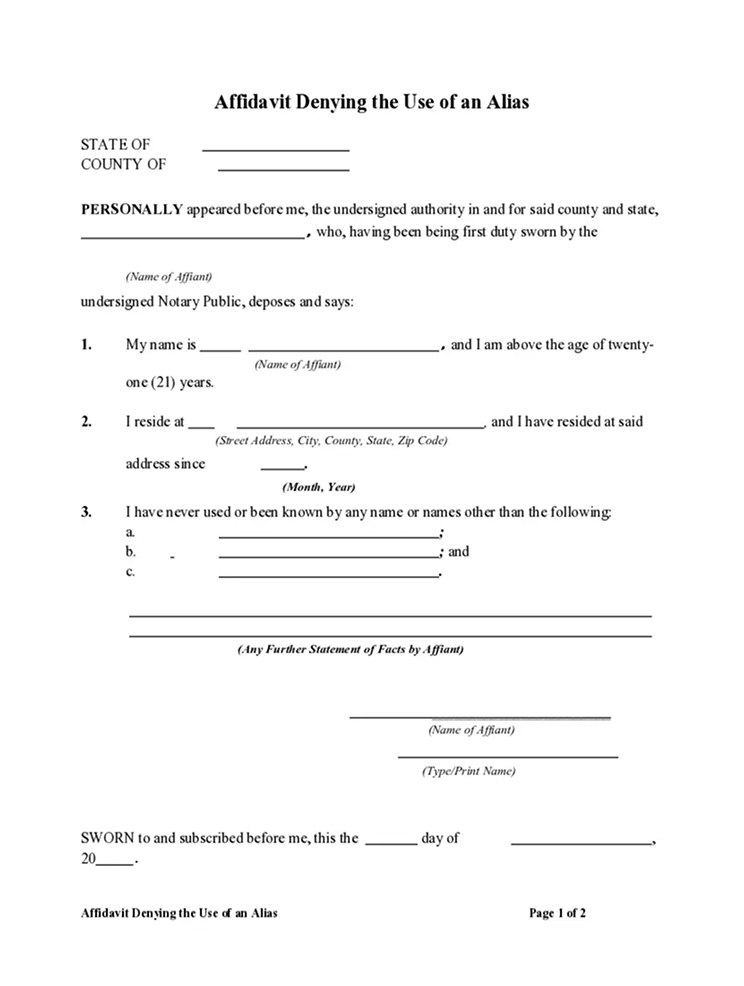
Your LLC formation starter kit
Formation documents for your structure — attorney-drafted, state-specific, and ready to complete.
What licenses does a LLC need?
Formation steps are universal. Licenses aren't — here's what's typically required for a LLC.

Typically required
-

Articles of Organization
The document that creates your LLC as a legal entity — filed with your state agency (typically the Secretary of State), with filing fees ranging from $50 to $500 depending on the state. Most states allow online filing.
-
Registered Agent
Every LLC is required by law to designate a registered agent — an individual or service authorized to receive legal documents and official state notices on behalf of the business. This must be a person or entity with a physical address in the state of formation.
-
Unique Business Name
Your LLC name must be distinguishable from existing businesses registered in your state and must include "LLC," "L.L.C.," or "Limited Liability Company." Confirm availability through your state agency's business name database before filing anything — registering a name that's already taken means starting over and paying the fee again.
-
Federal Tax ID (EIN)
Required to open a business bank account, hire employees, and file taxes. Issued by the IRS for free through their online application — the process takes about 10 minutes. There is no reason to pay a third party to obtain one.

May be required
-
LLC Operating Agreement
Not legally required in every state, but strongly recommended for all LLCs. An LLC Operating Agreement defines ownership percentages, how profits are distributed, how decisions are made, and what happens if an owner wants to exit or the business closes. Some states require it; all LLCs benefit from having one — especially a single-member LLC operating agreement, which establishes the legal separation between owner and entity.
-
Business License or Permit
Depending on your business type and location, a general business license from your city or county may be required before you can legally operate — separate from your state LLC registration. Requirements and fees vary significantly by jurisdiction and industry.
-
DBA (Doing Business As) Filing
If your LLC plans to operate under a name different from its registered legal name, a DBA filing may be required in your state or county. This is sometimes called a fictitious name, assumed name, or trade name registration.
-
Annual or Biennial Report
Most states require LLCs to file a periodic report — annually or every two years — to confirm the business is still active and update contact information. Fees typically range from $25 to $300. Missing these filings can result in penalties or administrative dissolution of your LLC.
Requirements above are typical for most US states — exact fees, filing deadlines, and rules vary by location. The journey points you to the official requirements for your state so you know exactly what applies to your LLC.
Frequently asked questions
Common questions about forming an LLC.
The legal process to start an LLC involves the same seven steps regardless of your business type or state: choose a business structure, register with your state by filing Articles of Organization, create your governing documents (including an LLC Operating Agreement), apply for a federal tax ID (EIN), open a business bank account, obtain the required licenses and permits, and keep your LLC in good standing with annual or biennial filings. The exact fees, agency names, and processing times vary by state, but the steps are consistent. This journey walks you through each one with your state's details filled in.
The primary cost of forming an LLC is the state filing fee for your Articles of Organization, which ranges from $50 to $500 depending on the state — most states fall in the $50–$200 range. Expedited processing typically adds $50–$150. Beyond the state filing fee, costs may include a registered agent service if you choose not to serve as your own, an LLC Operating Agreement if you want a professionally drafted template rather than starting from scratch, and periodic annual report fees to maintain your LLC's good standing after formation. The EIN from the IRS is free. There is no requirement to hire a lawyer to form an LLC.
The core difference between an LLC and a sole proprietorship is legal separation. With a sole proprietorship, there is no legal distinction between you and your business — if the business is sued or cannot pay a debt, your personal assets (home, savings, car) are at risk. An LLC creates a separate legal entity, which means your personal assets are generally protected from business liabilities. The trade-off is additional setup — filing Articles of Organization with your state, paying a filing fee, and maintaining some ongoing compliance requirements. For most small business owners who have any meaningful revenue or liability exposure, the protection an LLC provides outweighs the modest cost and effort of forming one.
To form an LLC, you need to file Articles of Organization with your state — this is the foundational document that creates your LLC as a legal entity. After formation, you should create an LLC Operating Agreement, which defines ownership, management structure, profit distribution, and exit procedures for members. If you plan to hire employees or open a business bank account, you'll also need an EIN (Employer Identification Number) from the IRS. Your formation package includes all of these documents — Articles of Organization, single and multi-member LLC Operating Agreement, IRS Form SS-4, and supporting business documents — attorney-drafted and ready to complete.
No. Forming an LLC is a procedural process that most people can complete themselves without hiring an attorney. The steps are defined by your state — filing Articles of Organization, designating a registered agent, creating an Operating Agreement, and obtaining an EIN — and none of them require legal representation. Attorney-drafted document templates let you complete the process to a legal standard without paying attorney fees. Where legal advice genuinely makes sense is in unusual situations: complex multi-member ownership structures, businesses with significant existing liabilities, or industries with specific professional licensing requirements.
A registered agent is a person or company designated to receive legal documents — including lawsuits, subpoenas, and official state correspondence — on behalf of your LLC during normal business hours. Every state requires LLCs to maintain a registered agent with a physical address in the state of formation. You can serve as your own registered agent if you have a physical address in the state and are available during business hours, or you can use a registered agent service. If you form an LLC in a state where you don't reside or operate, using a registered agent service in that state is required.
An LLC Operating Agreement is not legally required in every state, but it is strongly recommended for all LLCs — including single-member LLCs. The Operating Agreement is the internal document that defines how your LLC operates: who owns what percentage of the business, how profits are distributed, how decisions are made, how new members can be added, and what happens if an owner wants to leave or the business dissolves. Without one, your LLC defaults to your state's generic LLC statutes — which may not reflect your actual intentions. For multi-member LLCs, a well-drafted operating agreement is essential to prevent disputes between owners.
LLC formation timelines vary significantly by state. Some states offer same-day or next-day processing for standard filings. Others have processing times ranging from one to several weeks. Most states offer expedited processing for an additional fee, which can reduce wait times to one to three business days. The steps you can complete immediately — choosing your business name, preparing your Articles of Organization, drafting your LLC Operating Agreement, and obtaining your EIN — can all be done in a single session. The only wait is the state's processing time for your Articles of Organization filing.
How to start an LLC — the complete legal process
A plain-language walkthrough of every legal step required to form an LLC in the US. The journey covers all of this interactively — with your state's specific details filled in as you go.
Choose your business structure
Your business structure is the most consequential legal decision you'll make at the start. It determines how your business is taxed, whether your personal assets are protected if the business is sued, and what paperwork you're required to maintain. The four main options for small businesses are LLC, Corporation, Sole Proprietorship, and General Partnership — with PLLC required for licensed professionals in many states.
For most new business owners, an LLC is the most common and practical choice. An LLC creates a legal wall between you and your business. If your business is sued or takes on debt, your personal savings, home, and other assets are protected. That protection doesn't exist with a sole proprietorship. When weighing an LLC vs sole proprietorship, the question isn't whether liability protection is valuable — it's whether the modest cost and upkeep of an LLC is worth it for your situation. For the overwhelming majority of businesses with any revenue or client-facing exposure, the answer is yes.
The benefits of an LLC go beyond liability protection. LLCs are taxed as pass-through entities by default — business income flows through to your personal tax return rather than being taxed twice at the corporate level. This tax flexibility is one of the key LLC tax benefits compared to a corporation. A single-member LLC is taxed like a sole proprietorship; a multi-member LLC is taxed like a partnership — but both avoid the double taxation that applies to C corporations. If you're currently operating as a sole proprietor and wondering whether you need an LLC, the test is simple: do you have meaningful revenue, clients, employees, or contracts? If any of those are true, you have liability exposure that an LLC protects against.
Register your business with your state
LLCs and Corporations must file formation documents with the state — Articles of Organization for an LLC, Articles of Incorporation for a Corporation. This is the paperwork that creates your business as a legal entity with the right to operate under its name, open a bank account, and enter into contracts.
Filing fees vary significantly by state, typically ranging from $50 to $500 for an LLC. Most states allow online filing directly through the Secretary of State's website, with processing times ranging from same-day to several weeks depending on the state and whether you pay for expedited processing. Before filing, confirm your chosen business name is available through your state's business name database and meets your state's naming requirements — LLC names must include "LLC," "L.L.C.," or "Limited Liability Company." A name available in your state may still be trademarked federally, so a basic USPTO trademark search is also worthwhile before you commit.
Create your governing documents
Once your LLC is registered, you need internal documents that define how it operates. For an LLC, this is an Operating Agreement — it covers who owns what percentage of the business, how profits are distributed, how decisions are made, and what happens if an owner wants to leave or the business closes.
Some states require an LLC Operating Agreement; all states benefit from having one. A single-member LLC operating agreement is important even when you're the only owner — it establishes the legal separation between you and your business, which is what makes the liability protection meaningful. Without it, courts can sometimes find that the LLC is not truly separate from its owner. A multi-member LLC operating agreement is essential for preventing disputes between co-owners. The LLC Formation Package includes both a single-member and multi-member LLC Operating Agreement template — attorney-drafted and ready to complete for your specific situation.
Apply for a federal tax ID (EIN)
An Employer Identification Number (EIN) is your business's federal tax ID — the equivalent of a Social Security number for your company. You need an EIN for your LLC to open a business bank account, hire employees, file federal taxes, and apply for business licenses. The IRS issues EINs for free through its online application, and the process takes about 10 minutes. There is no reason to pay a third party to obtain one.
A single-member LLC with no employees is technically not required to have a separate EIN and can use the owner's Social Security number in some circumstances — but getting an EIN is still strongly recommended. It keeps your personal and business identities legally separate, which reinforces the liability protection your LLC provides, and most banks require it to open a business bank account regardless.
Open a business bank account
Keeping your business finances separate from personal finances is both a practical necessity and, for LLCs and Corporations, a legal requirement for maintaining liability protection. If you mix personal and business funds — a practice sometimes called "piercing the corporate veil" — courts can find that your LLC is not truly separate from you personally, which eliminates the liability protection you formed the LLC to get in the first place.
Opening a business bank account for your LLC typically requires your EIN, your Articles of Organization, and a government-issued ID. Some banks may also request your LLC Operating Agreement. Look for an account with no minimum balance requirements, low or no monthly fees, and online banking features that make it easy to track income and expenses separately from your personal accounts.
Get the licenses and permits your business needs
Forming your LLC with the state is separate from obtaining the licenses and permits required to operate your specific type of business. Most businesses — regardless of structure — need at least one license or permit to operate legally: typically a general business license from your city or county, and potentially industry-specific licenses depending on your field.
Licensing requirements vary significantly by state, county, and business type. The journey points you to the right official resources for your state and business category so you know exactly what applies to your LLC — rather than making you piece together requirements from multiple sources.
Keep your LLC in good standing
Forming your LLC is not a one-time event. Most states require LLCs to file an annual or biennial report to confirm the business is still active, update registered agent information, and pay a filing fee. These filings typically cost between $25 and $300 depending on the state, and missing them can result in penalties or administrative dissolution — meaning your LLC loses its legal standing and, with it, the liability protection it was formed to provide.
Staying current on your state's ongoing requirements is what keeps your LLC legally compliant after formation. The journey shows you exactly what's due, when, and what it costs in your state — so you're not caught off guard by a filing you didn't know about.
The legal knowledge and formation documents your LLC needs — in one place
Walk through each legal requirement at your own pace. At the end, you'll have a clear formation plan for your state and structure, and the attorney-drafted documents to complete the process yourself.
Since 1997 · BBB A+ Accredited · Trusted by 3+ million
Trusted security for your data and payments
US Legal Forms follows strict security and compliance standards to protect your data.

In business since 1997
25+ years providing attorney-made legal forms.

PCI-DSS compliant payments
Secure payments processed through Braintree's PCI-DSS Level 1 system.

SOC 2 Type II Certified
Guarantees the security of your data & the privacy of your clients.