The legal side of starting
a cleaning business — made clear
Walk through every legal step to start your own cleaning business — LLC registration, licenses, EIN, and more. State-specific guidance and attorney-drafted documents included.
Takes about 10 minutes · Covers all 50 states · Personalized to your structure and state
People & businesses trust us
3M+
State-specific legal forms
85K+
Accredited Business
BBB A+
In business
Since 1997
What makes this different
General information about starting a business is widely available. What's harder to find is accurate, step-by-step guidance that reflects your specific structure, your state's requirements, and the actual documents you need.

State-specific where it matters
Filing fees, agency names, processing times, and annual compliance deadlines are pulled from official state sources and displayed for your state. Not estimates — the actual figures for where you're registering.

Attorney-drafted documents included
The essential formation documents for your structure are included in your package at the end — prepared to a legal standard, ready to complete without starting from a blank page.

One step at a time — no overwhelm
Each screen covers exactly one thing. You move through the process in sequence — no jumping between tabs, no piecing together information from multiple sources.

Plain language at every step
Every legal term is explained at the point where it matters. By the end you understand what you did and why — not just that you've completed a form.

Most business guides skip the legal part. This one starts there
Whether you're starting a residential cleaning business, a commercial cleaning business, a janitorial business, or a more specialized service like carpet cleaning, pressure washing, power washing, pool cleaning, or window cleaning — the legal formation process is the same. The structure you choose and the licenses you need may vary, but the steps don't.
* The goal is that you understand the process clearly enough to complete it yourself — without paying someone to explain it to you.
What this journey covers
 Legal formation — step by step
- Protecting your personal assets
- State-specific filing requirements
What most guides cover
 Business ideas and planning
- Finding customers and marketing
- Pricing and operations
Which business structure is right for you?

Limited Liability Company
The most common choice for small business owners. Separates your personal assets from business debts and lawsuits, with flexible tax treatment. Works for one owner or multiple.

Corporation
Best for businesses that plan to raise investment, issue stock, or have complex ownership. More administrative requirements than an LLC, but the right fit for certain growth paths. S-Corp is a tax election you can make after forming a Corporation — not a separate structure.

Sole Proprietorship
The simplest structure — no state registration required in most cases. You and the business are legally the same entity. No liability protection, but minimal paperwork to get started.

General Partnership
For two or more people going into business together without formal registration. Simple to form, but each partner is personally liable for the business's obligations.

Professional LLC (PLLC)
Required in many states for licensed professionals — doctors, lawyers, accountants, architects, and similar fields. Combines LLC liability protection with professional licensing compliance.
Not sure which fits? Answer a few questions and get the right formation package for your business.
Get started
What the journey covers — every step explained, with your state's details filled in as you go
Each step covers one part of the formation process. Filing fees, agency names, and deadlines update to reflect your state once you select it inside the journey.
Choose your business structure
LLC, Corporation, Sole Proprietorship, General Partnership, or PLLC — your structure determines your liability, taxes, and paperwork. Each option is explained clearly so you can choose with confidence.
Register your business with your state
File your formation documents with the right state agency. You'll see the exact fees, processing times, and filing options for your state.
Create your governing documents
The internal documents that define how your business runs — who owns what, how decisions are made, and what happens if something changes.
Apply for your federal tax ID (EIN)
Your EIN is your business's federal tax ID — you need it to open a bank account, pay employees, and file taxes. Free to get, takes 10 minutes directly from the IRS.
Open a business bank account
Keeping business and personal finances separate protects your liability and simplifies your taxes. Here's what to bring and what to look for in an account.
Get your licenses and permits
Most businesses need at least one license or permit to operate legally. We'll point you to the right official resources for your state and business type.
Keep your business in good standing
After you register, most states require annual or biennial filings to keep your business active. We'll show you what's due, when, and what it costs in your state.
Registration fees, agency names, processing times, and annual filing deadlines update to reflect your state once you select it in the journey.
What you'll receive
Attorney-drafted documents matched to your structure — ready to complete.
LLC Formation Package
 Limited Liability Company LLC Operating Agreement
- Single Member Limited Liability Company LLC Operating Agreement
- Articles of Organization for Domestic Limited Liability Company LLC
- LLC Notices, Resolutions and other Operations Forms Package
- Sample Cover Letter for Filing of LLC Articles and Certificate with Secretary of State
- Application for Name Reservation
- I.R.S. Form SS-4 (to obtain your federal identification number)
Corporation Formation Package
- Articles of Incorporation for Domestic For-Profit Stock Corporation
- Bylaws for Corporation
- Annual Minutes
- Notices, Resolutions, Simple Stock Ledger and Certificate
- Minutes for Organizational Meeting
- Sample Transmittal Letter to Secretary of State's Office to File Articles of Incorporation
- Application for Name Reservation
- Election of 'S' Corporation Status and Instructions - IRS 2553
- I.R.S. Form SS-4 (to obtain your federal identification number)
Sole Proprietorship Package
- Fictitious Business Name Statement
- I.R.S. Form SS-4 (to obtain your federal identification number)
- Profit and Loss Statement
- General Trademark License Agreement
- Sample Business Plan Template
- Noncompetition Agreement - Small Business
- Employment Agreement - General
- Self-Employed Independent Contractor Employment Agreement - General
- Secrecy, Nondisclosure and Confidentiality Agreement by Employee or Consultant to Owner
- Employment or Job Termination Agreement
Partnership Formation Package
- Agreement for the Dissolution of a Partnership
- Fictitious Business Name Statement
- Buy Sell Agreement Between Partners of a Partnership
- I.R.S. Form SS-4 (to obtain your federal identification number)
- Sample Business Plan Template
- Simple Partnership Agreement
- Checklist for Starting Up a New Business
- General Partnership Agreement - Complex
- Profit and Loss Statement
- Business Startup Costs
- Employment or Work Application - General
- Stand Alone Confidentiality and Noncompetition Agreement with Employee
- Self-Employed Independent Contractor Employment Agreement - General
PLLC Formation Package
- Articles of Incorporation for Professional Corporation
- Application for Name Reservation
- Annual Minutes for a Professional Corporation
- Sample Bylaws for a Professional Corporation
- Sample Corporate Records for a Professional Corporation
- Organizational Minutes for a Professional Corporation
- Sample Transmittal Letter for Articles of Incorporation
- Election of 'S' Corporation Status and Instructions - IRS 2553
- I.R.S. Form SS-4 (to obtain your federal identification number)
Each package includes state-specific formation documents and a startup layer of business templates — attorney-drafted and ready to complete. Steps involving licenses, permits, and annual state filings use forms filed directly with state agencies — the journey guides you through those separately.
Structures at a glance
Choose the legal structure that fits your goals, liability needs, and growth plans.
| LLC | Corporation (Inc.) | Sole Proprietorship | General Partnership | PLLC | |
|---|---|---|---|---|---|
| Personal Asset Protection | |
|
 |
|
|
| Separate Legal Entity | |
|
|
|
|
| Setup Complexity | Moderate | High | Very Low | Low | Moderate |
| Ongoing Compliance | Minimal | Strict | None | Minimal | Minimal |
| Tax Treatment | Flexible | Corporate | Personal income | Personal income | Flexible |
| Best for Raising Investment | Limited | Excellent | Not suitable | Not suitable | Limited |
| Number of Owners | 1 or more | 1 or more | 1 only | 2 or more | 1 or more |
| Personal Liability Risk | Low | Low | High | High | Low |
| Best For | Small & medium businesses | Startups seeking investors | Freelancers & solo operators | Small partner-run businesses | Small & medium businesses |
Your cleaning business start-up kit
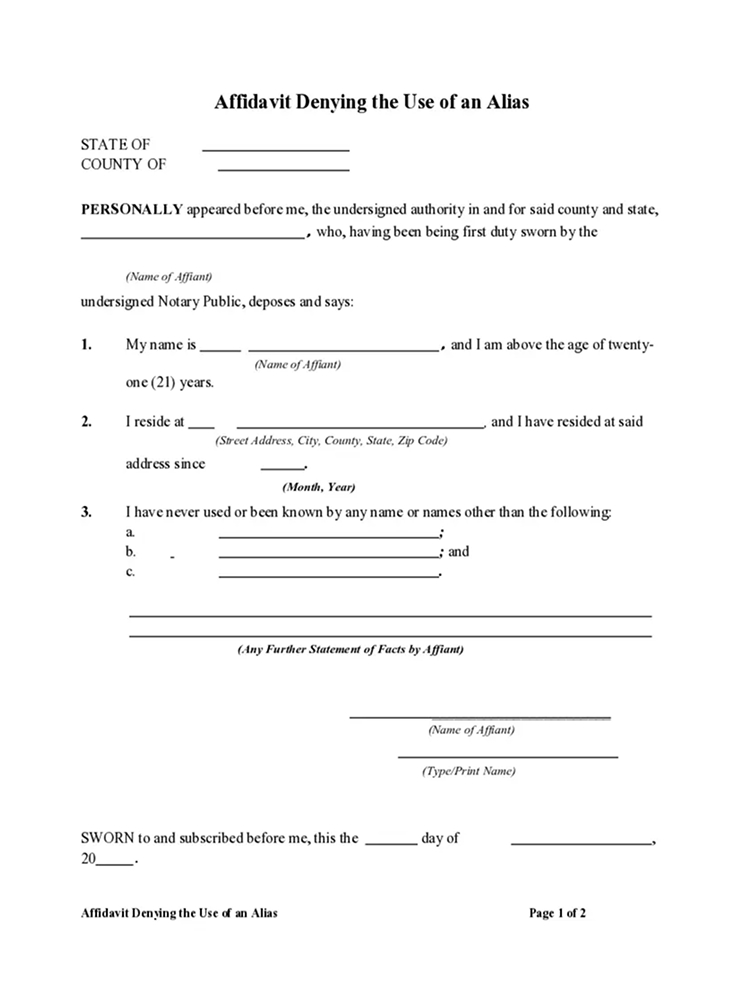
Formation documents for your structure — attorney-drafted, state-specific, and ready to complete.
What licenses does a cleaning business need?
Formation steps are universal. Licenses aren't — here's what's typically required for a cleaning business.

Typically required
-

General business license
A general business license is required in most US cities and counties before you can legally operate a cleaning business — apply through your local city hall or county clerk's office, with fees typically ranging from $25–$150 per year.
-
Contractor's License
Some states require a service contractor's license for commercial cleaning work, but this requirement is not universal — check your state's licensing board to find out whether a specific credential applies to your services.
-
Home Occupation Permit
If you operate your cleaning business from a home address, most local governments require a home occupation permit confirming your property is properly zoned for business use — apply through your city or county planning or zoning department.

May be required
-
A janitorial surety bond protects clients against theft or dishonesty by your employees — it is not always required by law, but is commonly expected by commercial clients before hiring, with typical coverage amounts ranging from $5,000 to $10,000.
-
Cleaning businesses using industrial-grade chemicals may be subject to OSHA's Hazard Communication Standard, which requires Safety Data Sheets on-site and employee training; businesses that generate or dispose of highly corrosive chemicals (pH below 2 or above 12.5) may also fall under EPA hazardous waste generator rules.
-
Most cleaning businesses also need an Employer Identification Number (EIN) from the IRS if they have employees or operate as an LLC, and may need a state sales tax permit if their state taxes cleaning services — requirements vary by state.
Requirements above are typical for most US states — exact license names, fees, and rules vary by location. The journey points you to the official licensing agency for your state so you know exactly what applies to your cleaning business.
Frequently asked questions
Common questions about starting a cleaning business.
Yes, you should register where you physically operate your business. While Delaware and Nevada market themselves as business-friendly, out-of-state formation typically doubles your costs (you'll need a registered agent there AND register as a foreign entity in your home state) without meaningful benefit for small businesses.
Some states — most notably New York and Arizona — require new LLCs to publish a notice of formation in a local newspaper. The requirement varies by state; most states don't have it. Where it does apply, it must be completed within a specific timeframe after formation or your LLC could face penalties or dissolution.
For most states, standard processing takes 1–2 weeks from the time you file your formation documents. Many states offer expedited filing — often for an additional fee — that can reduce this to 1–3 business days. Same-day processing is available in some states. The full process including EIN, bank account, and licenses typically takes 2–4 weeks.
State filing fees range from $40 to $500 depending on your state and structure. Add a registered agent service ($50–$300/year if you use one), and optional expedited filing fees. There is no state filing fee for Sole Proprietorships in most states. The journey shows you the exact fees for your state before you begin.
For most small businesses, you can complete the formation process without a lawyer. The state filing itself is administrative — you are filling out a form and paying a fee. Where legal advice genuinely helps is in drafting your operating agreement or partnership agreement, especially if you have multiple owners with different contribution levels or roles.
Once your state approves your filing, you'll receive a stamped copy of your formation documents. From there: apply for your EIN from the IRS (free, takes about 10 minutes online), open a business bank account using your EIN and formation documents, obtain any required licenses or permits, and complete your internal governing documents such as an operating agreement.
Yes, most states require every LLC and corporation to designate a registered agent — a person or business with a physical address in the state who is available during normal business hours to receive legal documents on behalf of your business. You can serve as your own registered agent, use a trusted person in the state, or hire a registered agent service.
How to start a cleaning business — the complete legal process
A plain-language walkthrough of every legal step required to start a cleaning business in the US. The journey covers all of this interactively — with your state's specific details filled in as you go.
Choose your business structure
Your business structure is the most consequential legal decision you'll make at the start. It determines how your business is taxed, whether your personal assets are protected if the business is sued, and what paperwork you're required to maintain. The four main options for small businesses are LLC, Corporation, Sole Proprietorship, and General Partnership — with PLLC required for licensed professionals in many states.
For a cleaning business, an LLC is the most common and practical choice. Whether you're starting a house cleaning business, a commercial cleaning business, a janitorial business, or a specialized service like how to start a pressure washing business or how to start a power washing business — an LLC puts a legal barrier between your business and your personal assets. Cleaning businesses work in clients' homes and commercial spaces, which creates real liability exposure. A sole proprietorship is simpler to set up but leaves you personally responsible if something goes wrong on a job.
Register your business with your state
LLCs and Corporations must file formation documents with the state — Articles of Organization for an LLC, Articles of Incorporation for a Corporation. This creates your business as a legal entity. Filing fees vary significantly by state, typically ranging from $50 to $500 for an LLC. Most states allow online filing, with processing times ranging from same-day to several weeks depending on the state and whether you pay for expedited processing.
Sole proprietorships and general partnerships generally don't require state registration, though you may need a DBA (Doing Business As) filing if you operate under a business name other than your own. Before filing, you'll need to confirm your chosen business name is available and meets your state's naming requirements.
Create your governing documents
Once your business is registered, you need internal documents that define how it operates. For an LLC, this is an Operating Agreement — it covers who owns what percentage of the business, how profits are distributed, how decisions are made, and what happens if an owner wants to leave or the business closes. Some states require it; all states benefit from having one.
For Corporations, the equivalent documents are Corporate Bylaws and Initial Resolutions. These establish the rules for how the corporation is governed. For General Partnerships, a Partnership Agreement performs the same function. Having these documents in place protects all parties and prevents disputes down the line.
Apply for a federal tax ID (EIN)
An Employer Identification Number (EIN) is your business's federal tax ID — the equivalent of a Social Security number for your company. You need it to open a business bank account, hire employees, file federal taxes, and apply for business licenses. The IRS issues EINs for free through its online application, and the process takes about 10 minutes. There's no reason to pay a third party to obtain one.
Open a business bank account
Keeping your business finances separate from personal finances is both a practical necessity and, for LLCs and Corporations, a legal requirement for maintaining liability protection. If you mix personal and business funds, courts can sometimes "pierce the corporate veil" — meaning your personal assets lose their protection. To open a business bank account, you'll typically need your EIN, formation documents, and a government-issued ID.
Get the licenses and permits your cleaning business needs
Licensing requirements for cleaning businesses are generally lighter than for regulated industries like healthcare or financial services, but they're not nonexistent. Most cleaning businesses — whether you're starting a house cleaning business, a commercial cleaning business, a janitorial business, or a specialized service — whether that's how to start a window cleaning business, how to start a pool cleaning business, carpet cleaning, or pressure washing — need a general business license from their city or county. Some states require a contractor's license specifically for commercial cleaning operations. If you plan to hire employees, additional registrations with your state's labor or tax department may apply.
Two things that go hand-in-hand with licensing for a cleaning business: a janitorial surety bond (which protects clients against theft or damage caused by your employees) and general liability insurance. Many commercial clients require both before they'll hire a cleaning service, and some municipalities require proof of insurance as part of the business license application. What do you need to start a cleaning business? That depends on your state and the type of cleaning you do — the journey points you to the right official resources so you know exactly what applies to your situation.
Keep your business in good standing
Forming your business is not a one-time event. Most states require LLCs and Corporations to file an annual or biennial report to confirm the business is still active. These filings typically cost between $25 and $300 depending on the state, and missing them can result in penalties or administrative dissolution of your business. Some states also require businesses to renew licenses periodically. Staying on top of these requirements is what keeps your business legally compliant after formation.
The legal knowledge and formation documents your cleaning business needs — in one place
Walk through each legal requirement at your own pace. At the end, you'll have a clear formation plan for your state and structure, and the attorney-drafted documents to complete the process yourself.
Since 1997 · BBB A+ Accredited · Trusted by 3+ million
Trusted security for your data and payments
US Legal Forms follows strict security and compliance standards to protect your data.

In business since 1997
25+ years providing attorney-made legal forms.

PCI-DSS compliant payments
Secure payments processed through Braintree's PCI-DSS Level 1 system.

SOC 2 Type II Certified
Guarantees the security of your data & the privacy of your clients.