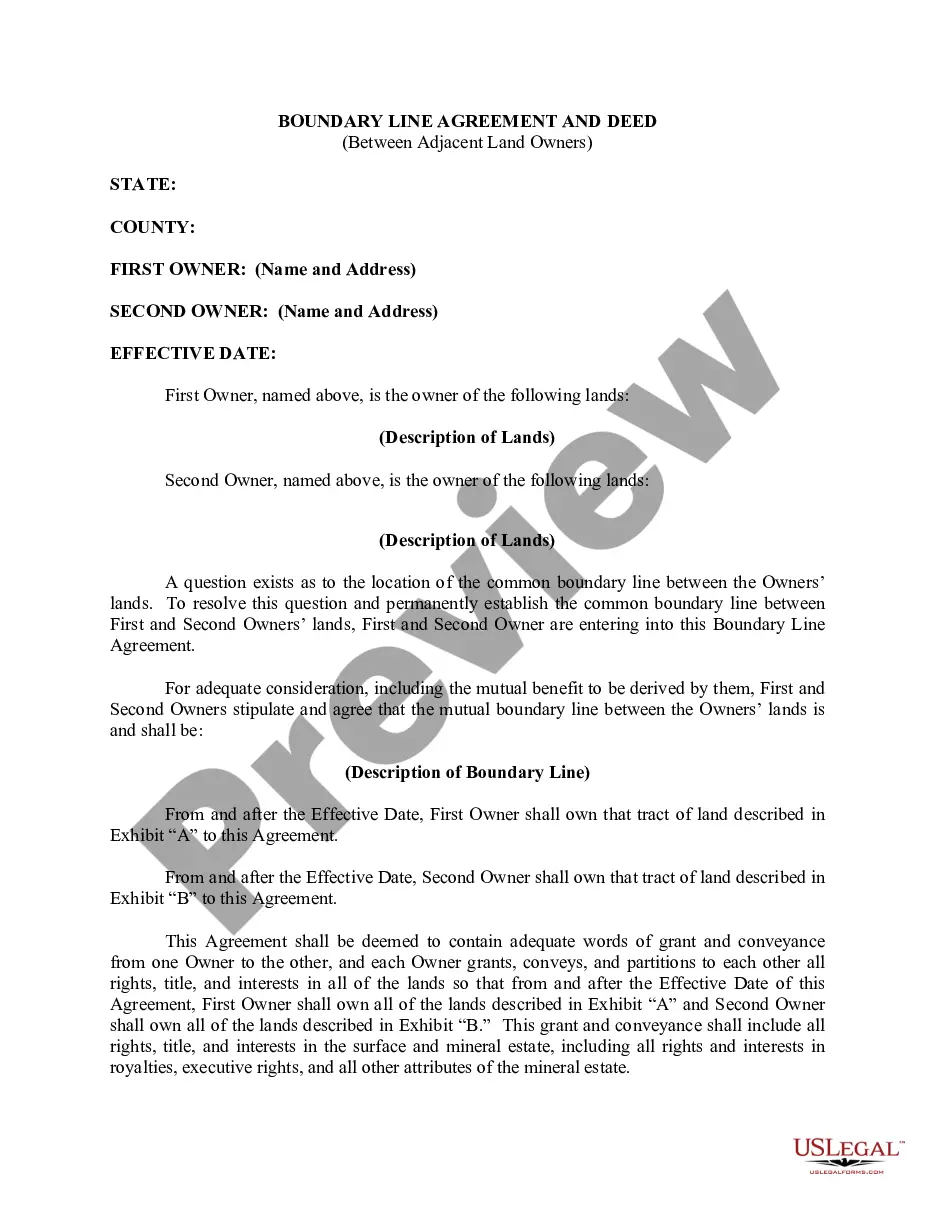
This is a form of Contract For the Sale of Land.
West Virginia Contract For Sale of Land
Instant download
Description
Free preview
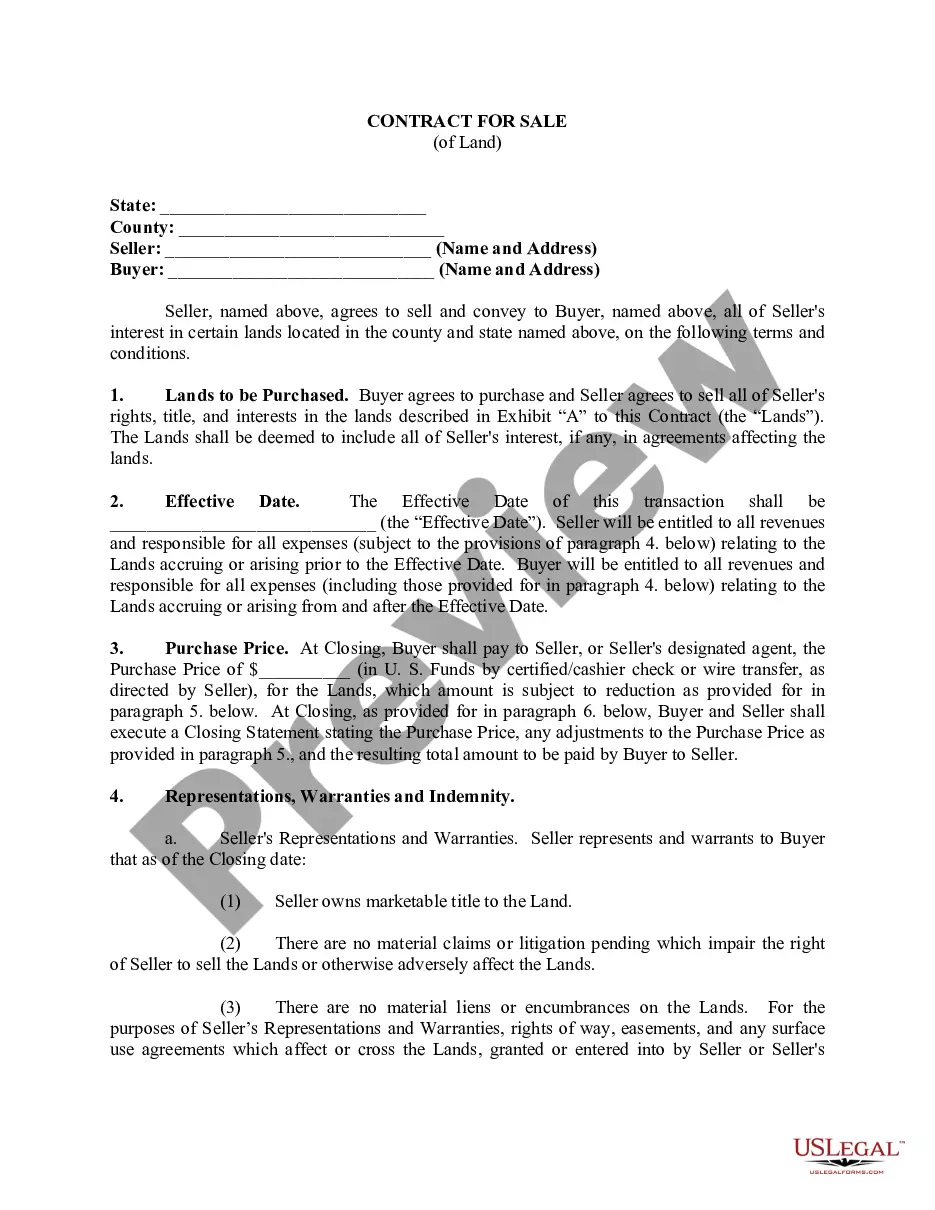
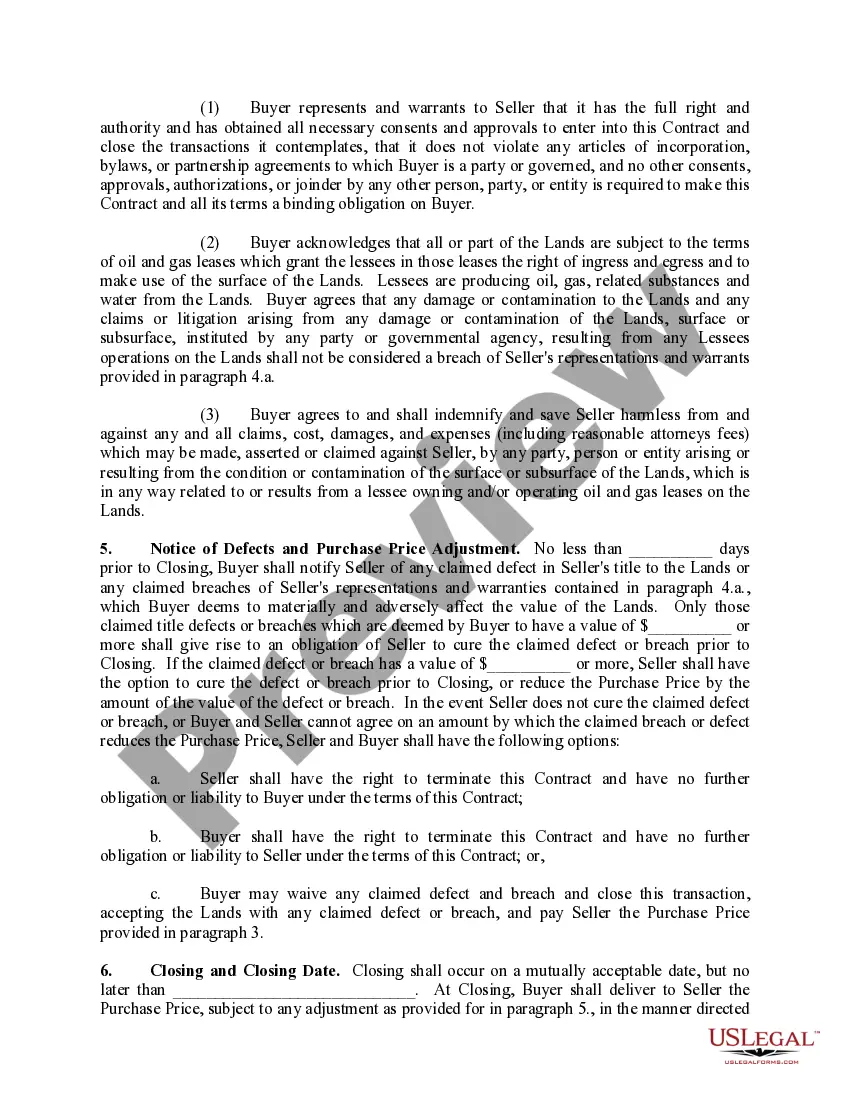
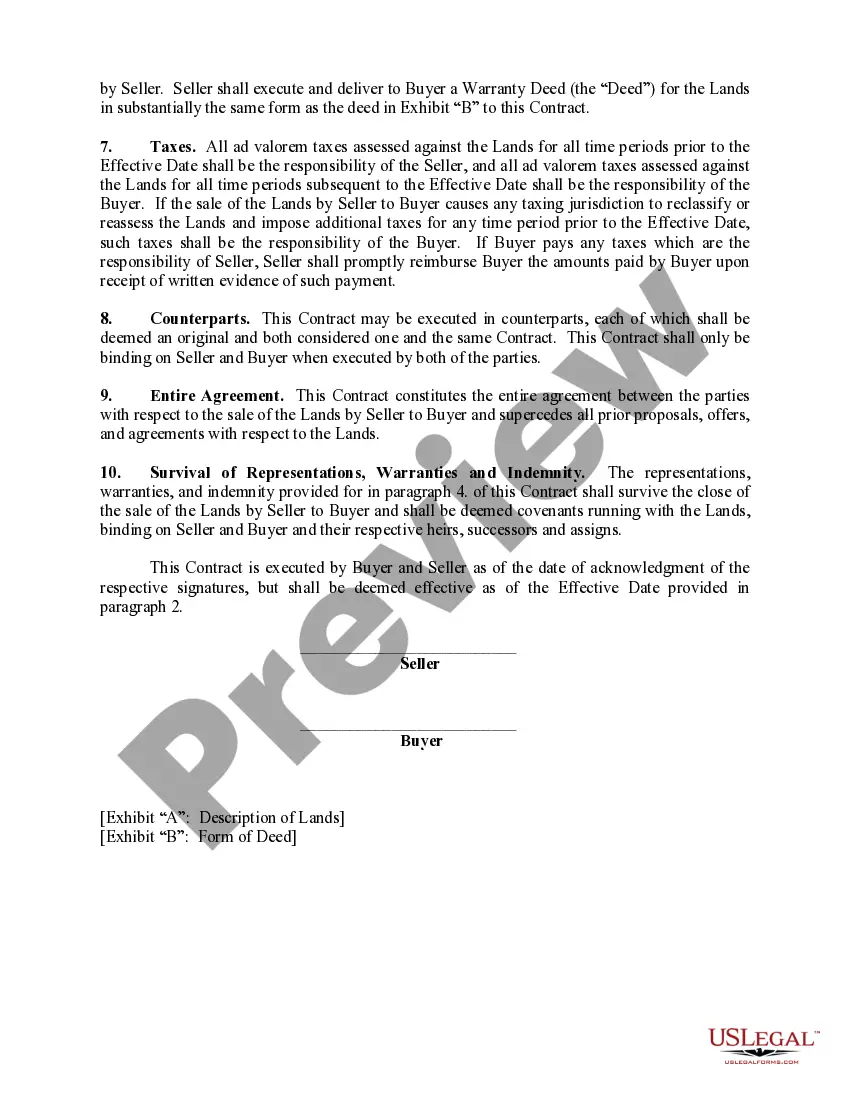
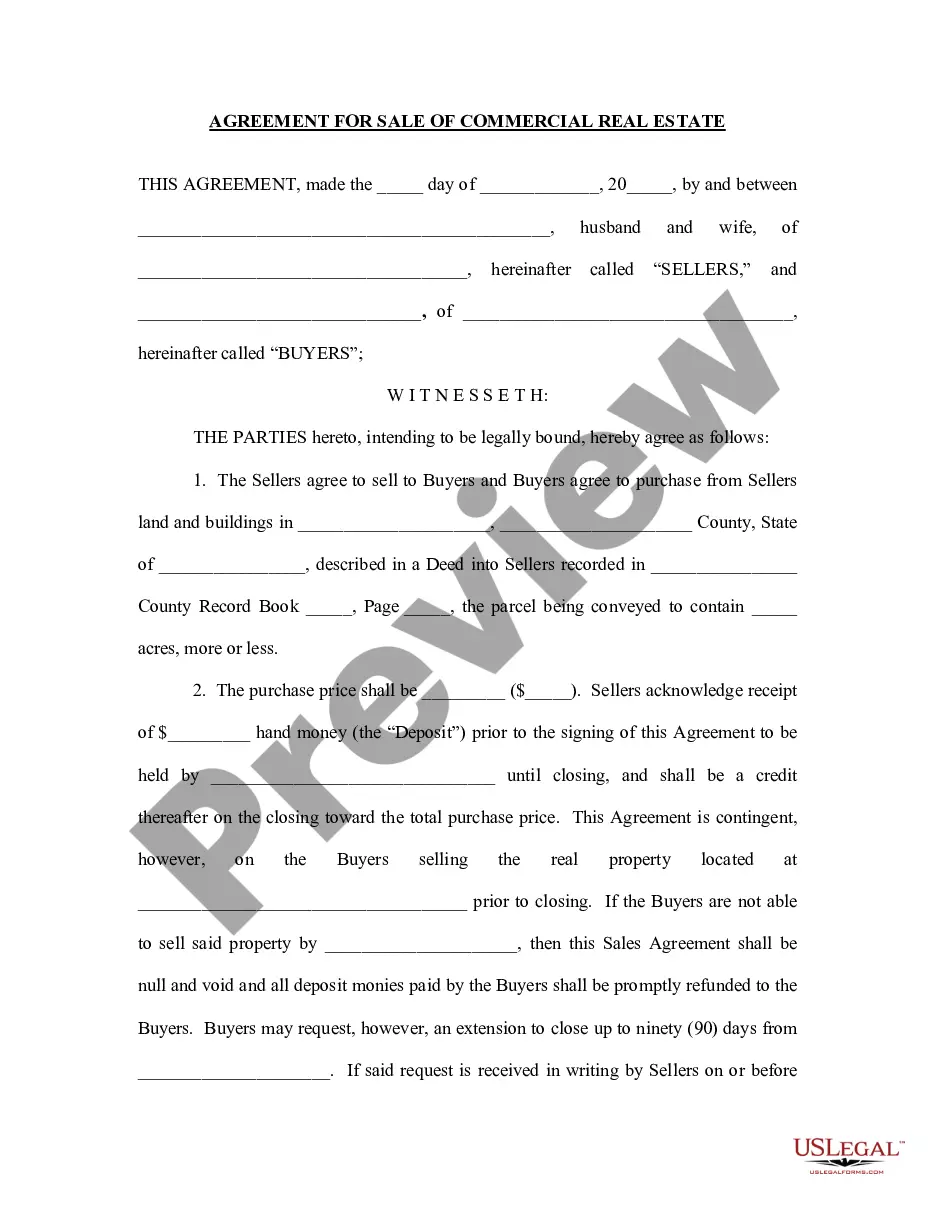
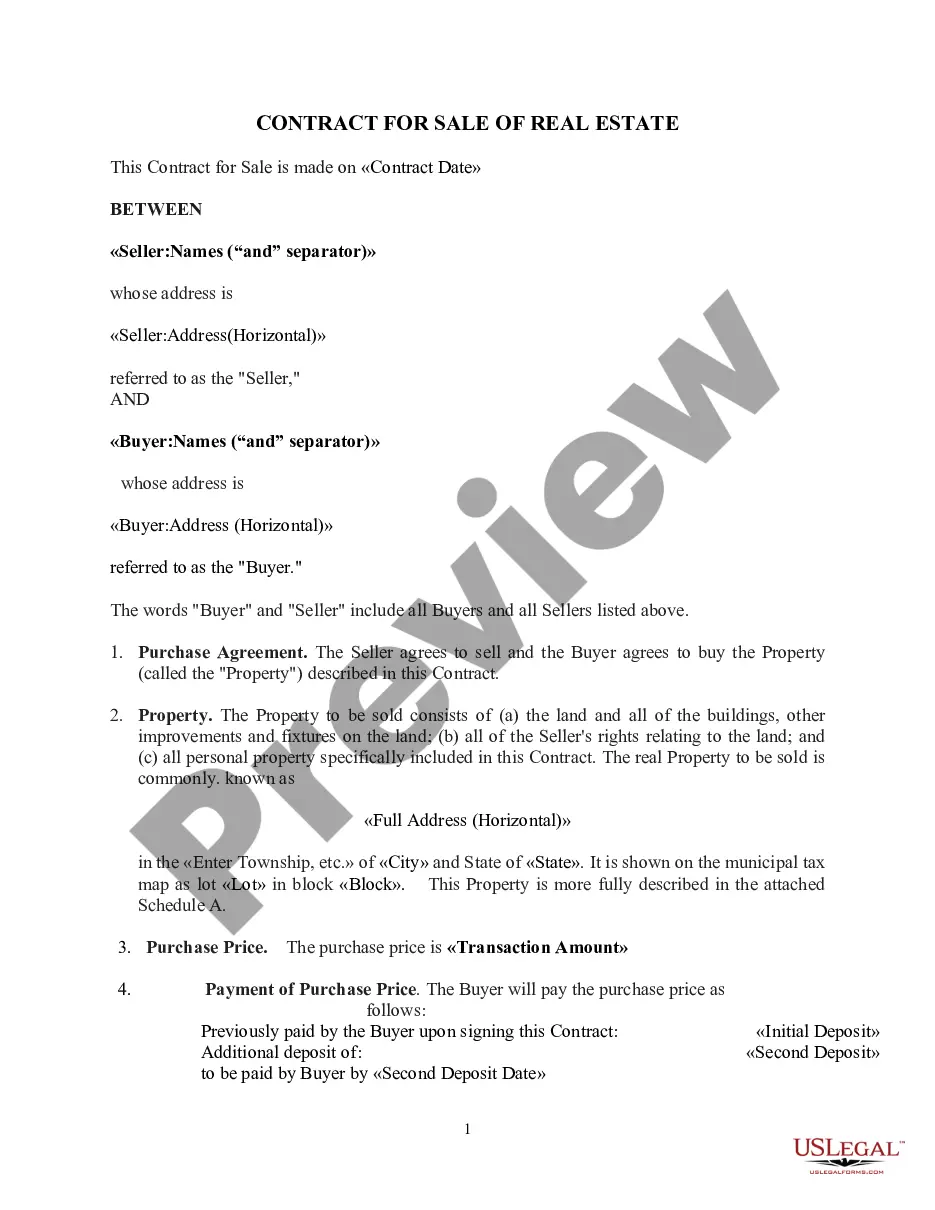
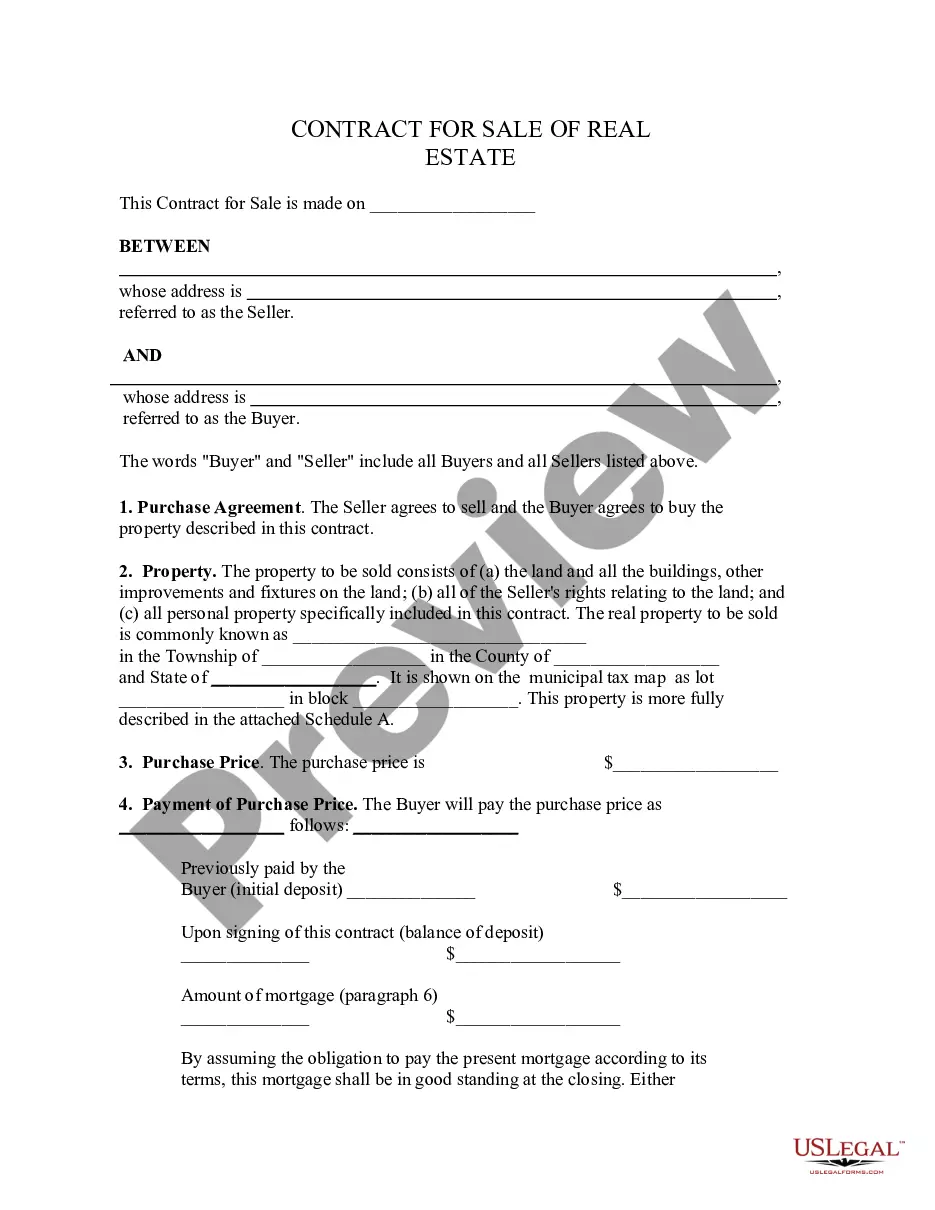
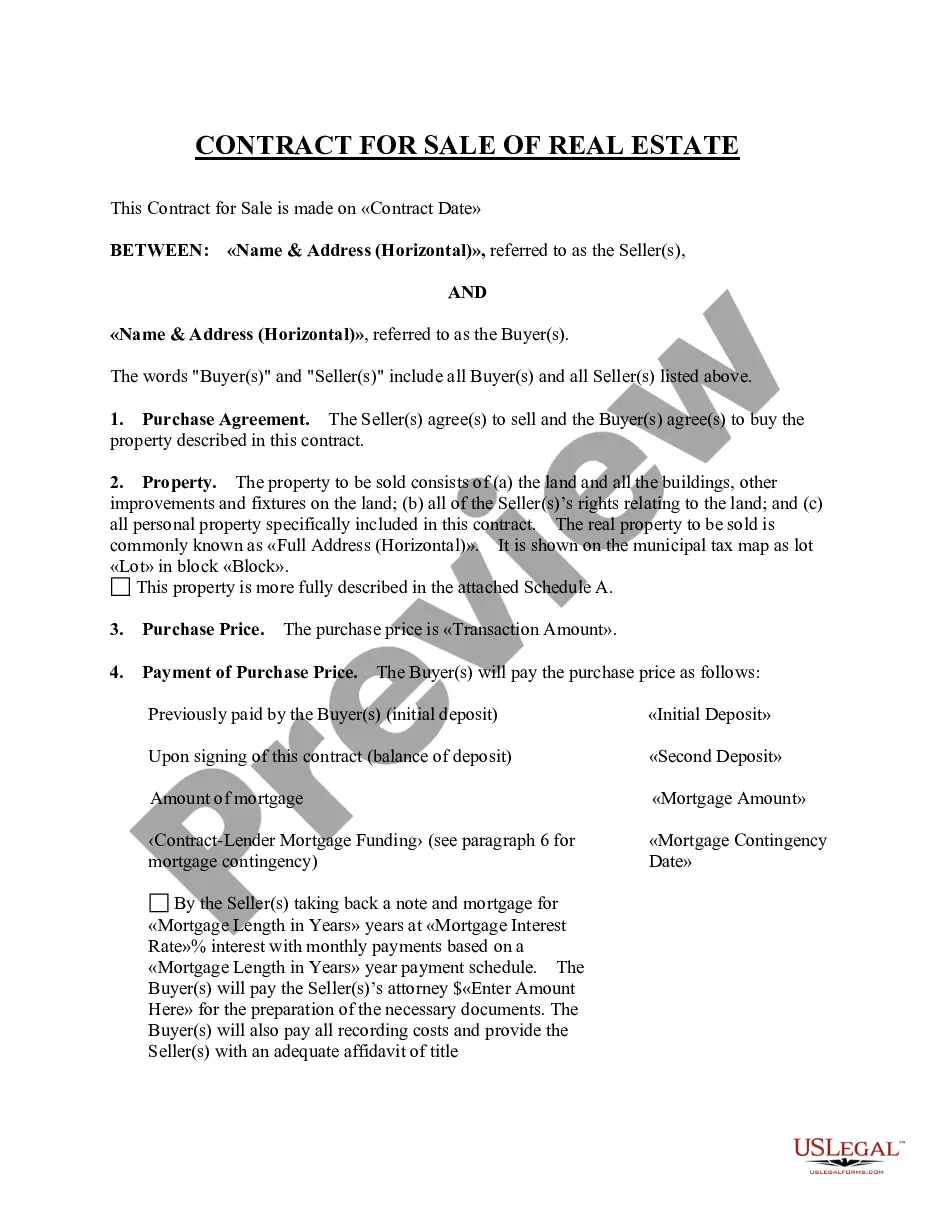
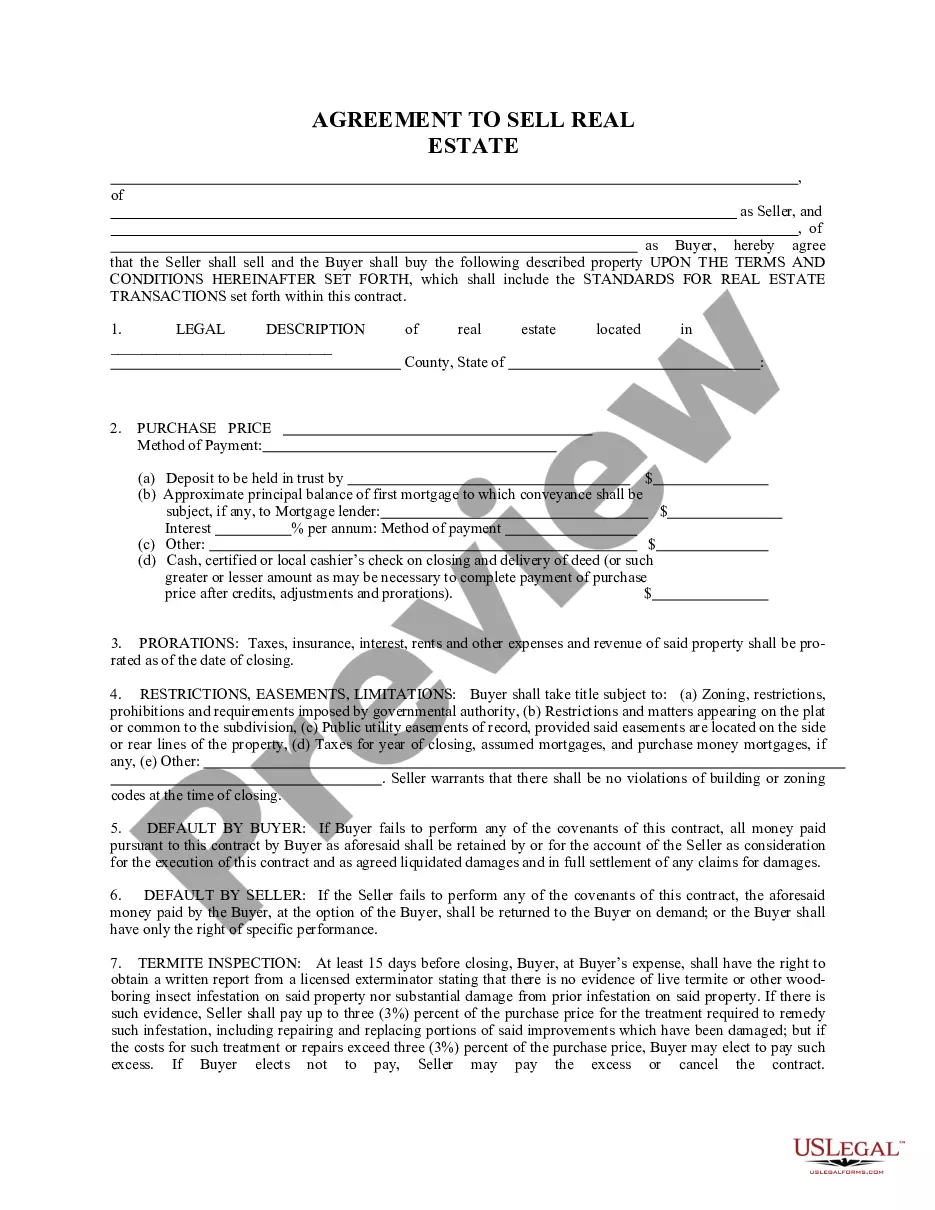
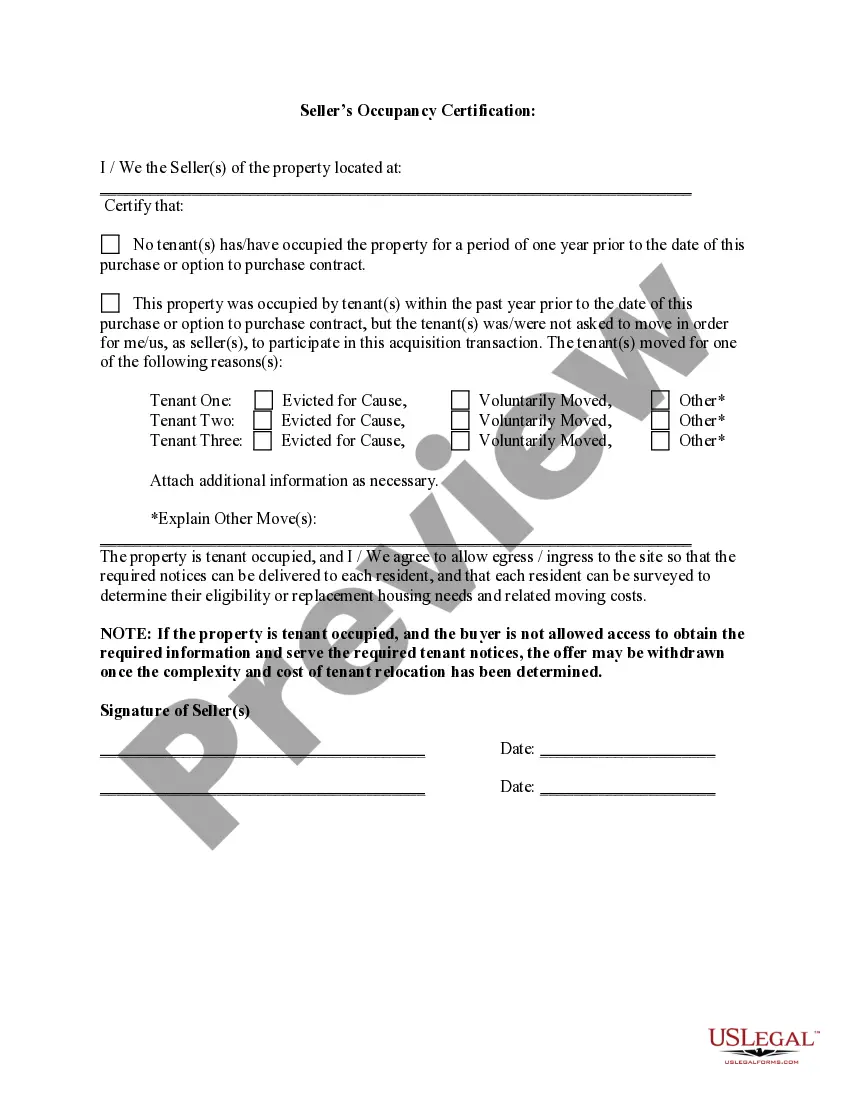
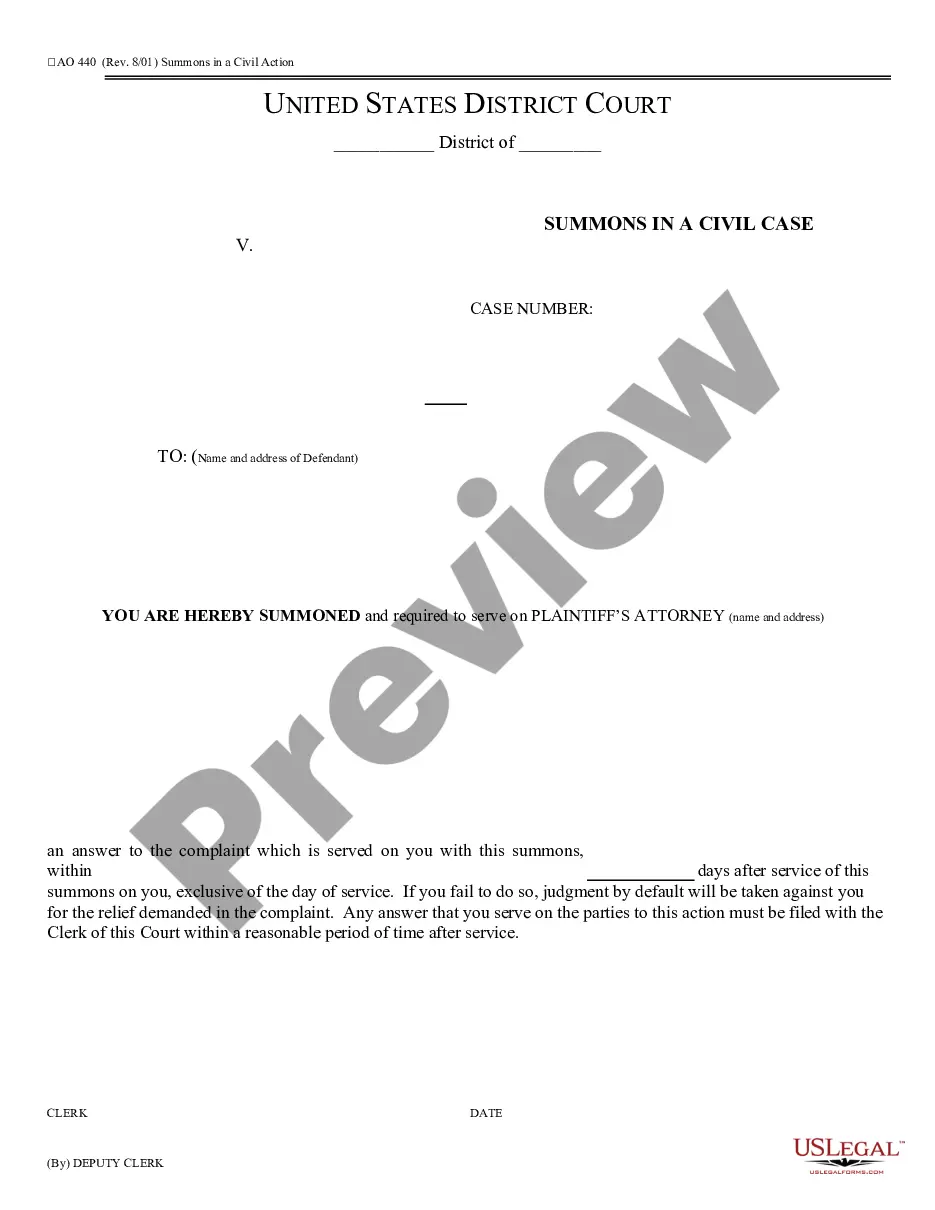
How to fill out Contract For Sale Of Land?
If you want to finalize, acquire, or print official document templates, utilize US Legal Forms, the largest selection of legal forms available online.
Use the site’s straightforward and convenient search to find the documents you require. Various templates for business and personal purposes are organized by categories and states, or keywords.
Utilize US Legal Forms to obtain the West Virginia Contract For Sale of Land with just a few clicks.
Step 6. Select the format of the legal form and download it to your device.
Step 7. Complete, edit, and print or sign the West Virginia Contract For Sale of Land. Each legal document template you acquire is yours indefinitely. You can access every form you downloaded in your account. Go to the My documents section and select a form to print or download again. Stay competitive and acquire, and print the West Virginia Contract For Sale of Land with US Legal Forms. There are thousands of professional and state-specific forms available for your business or personal needs.
- If you are already a US Legal Forms customer, sign in to your account and click on the Acquire button to get the West Virginia Contract For Sale of Land.
- You can also access forms you previously downloaded in the My documents section of your account.
- Step 1. Ensure you have selected the form for your specific city/state.
- Step 2. Use the Review feature to check the content of the form. Remember to read the description.
- Step 3. If you are not satisfied with the form, use the Search bar at the top of the screen to locate alternative versions of the legal form template.
- Step 4. Once you have found the form you need, click the Purchase now button. Choose your preferred pricing plan and enter your details to register for an account.
- Step 5. Complete the payment process. You can use your credit card or PayPal account to finalize the transaction.
Form popularity
FAQ
Yes, a West Virginia Contract For Sale of Land is essential for protecting both the buyer and seller in a real estate transaction. This contract provides a clear record of the agreement, including terms and conditions, which can help prevent legal disputes in the future. Without a formal contract, both parties may face challenges in enforcing their rights. Utilizing a reliable platform like uslegalforms can help you create a comprehensive contract that meets all legal requirements.
A West Virginia Contract For Sale of Land typically includes specific rules that both parties must follow. Generally, the contract should outline payment terms, the length of the agreement, and any conditions for default. It is also essential to include details about property use and maintenance responsibilities. Understanding these rules can help ensure a smooth transaction and prevent misunderstandings between buyers and sellers.
When considering a West Virginia Contract For Sale of Land, it is important to recognize potential drawbacks. One significant negative is that the buyer may lose the property if they default on payments, as the seller retains ownership until full payment is made. Additionally, land contracts can lack formal protections seen in traditional mortgages, leading to disputes over terms. Lastly, buyers may face challenges in securing financing later on due to the nature of land contracts.
Typically, a down payment is required when entering into a West Virginia Contract For Sale of Land, but the amount can vary based on the agreement between the buyer and seller. A smaller down payment might make the contract more accessible for buyers who may not have substantial upfront funds. It's crucial to discuss and agree upon the down payment before finalizing the contract to ensure both parties are on the same page.
Yes, you can draw up your own West Virginia Contract For Sale of Land, but it is advisable to seek legal guidance to ensure compliance with state laws. Using templates from USLegalForms can help streamline this process and provide you with a solid foundation. Creating a well-structured contract will minimize misunderstandings and help secure your transaction.
In West Virginia, a contract for the sale of land must be in writing and signed by both parties. It should include the property description, terms of sale, and any contingencies. Ensuring that your West Virginia Contract For Sale of Land meets these formal requirements is essential to avoid future legal issues.
A valid West Virginia Contract For Sale of Land must include an offer, acceptance, consideration, mutual consent, legal purpose, and competent parties. Each of these elements ensures that the contract is enforceable and protects the interests of both the buyer and seller. It is crucial to ensure that all these components are clearly defined to avoid disputes.
To complete a West Virginia Contract For Sale of Land, both parties must be legally capable of entering into a contract. The agreement must be in writing, as required by state law, and should include a clear description of the property. Additionally, both parties must mutually agree to the terms laid out in the contract.