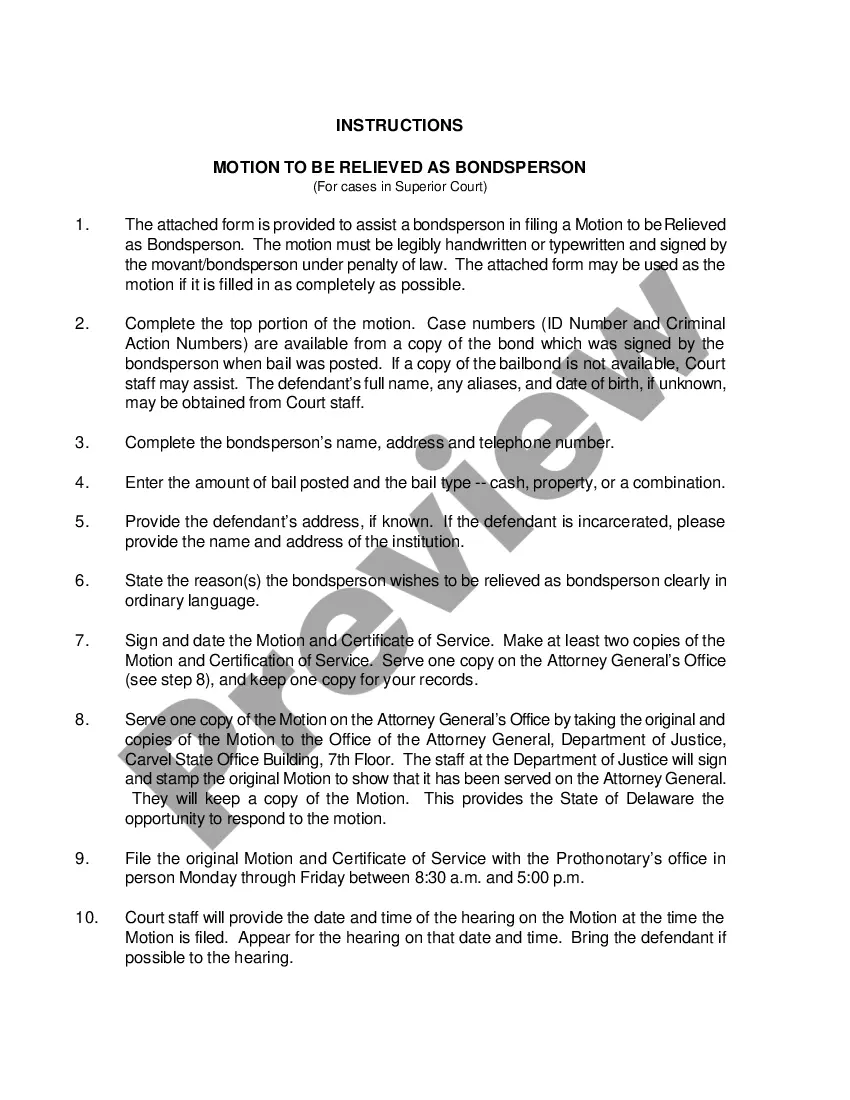
West Virginia Minutes for Organizational Meeting
About this form
The Minutes for Organizational Meeting form is a legal document used to record the actions taken by the incorporators, shareholders, and board of directors of a West Virginia corporation during an organizational meeting. This form serves as a formal record of significant decisions, allowing these actions to be documented without the need for a physical meeting. It differs from typical meeting minutes by providing a written consent option that fulfills the legal requirements under the West Virginia Corporation Act.
What’s included in this form
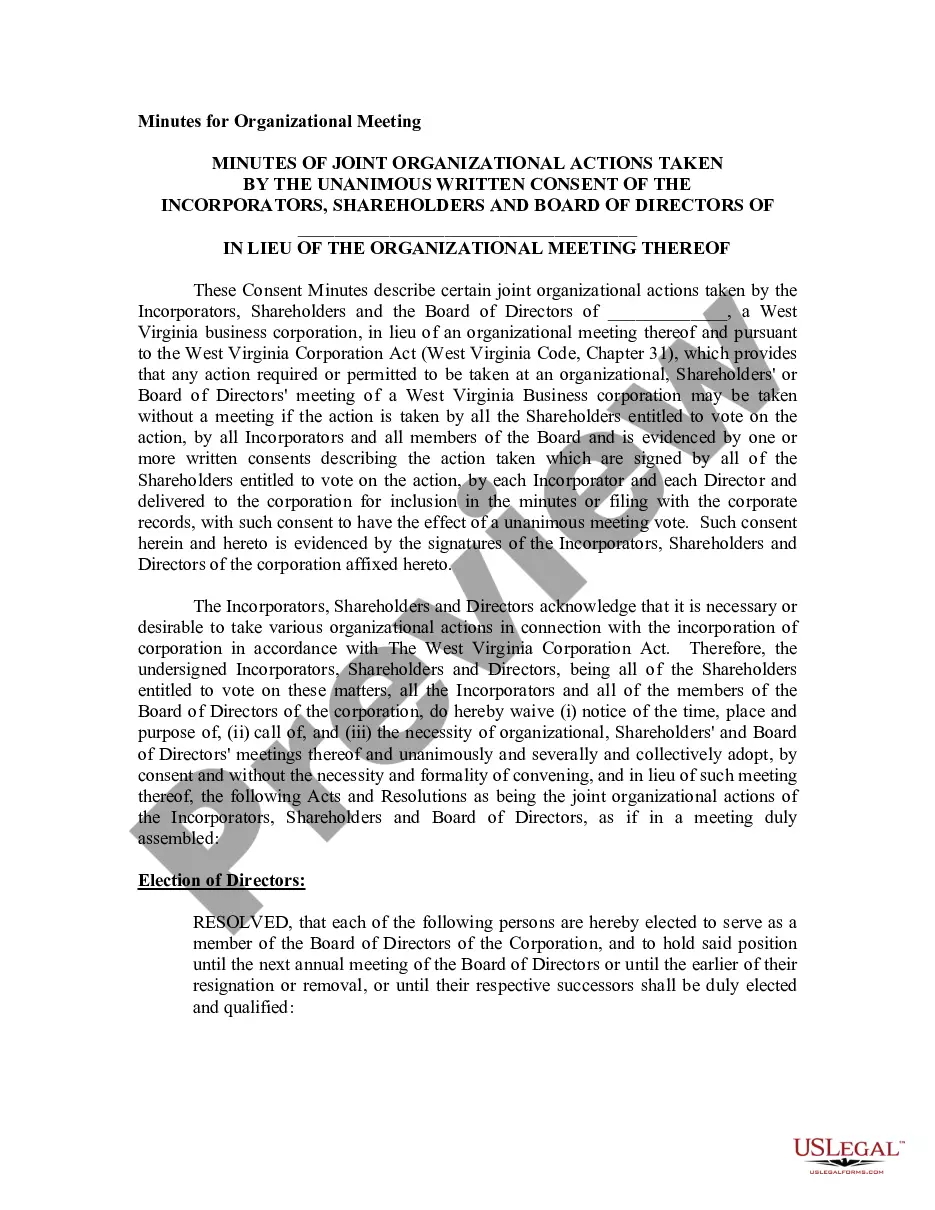
- Title and introduction specifying the purpose of the minutes
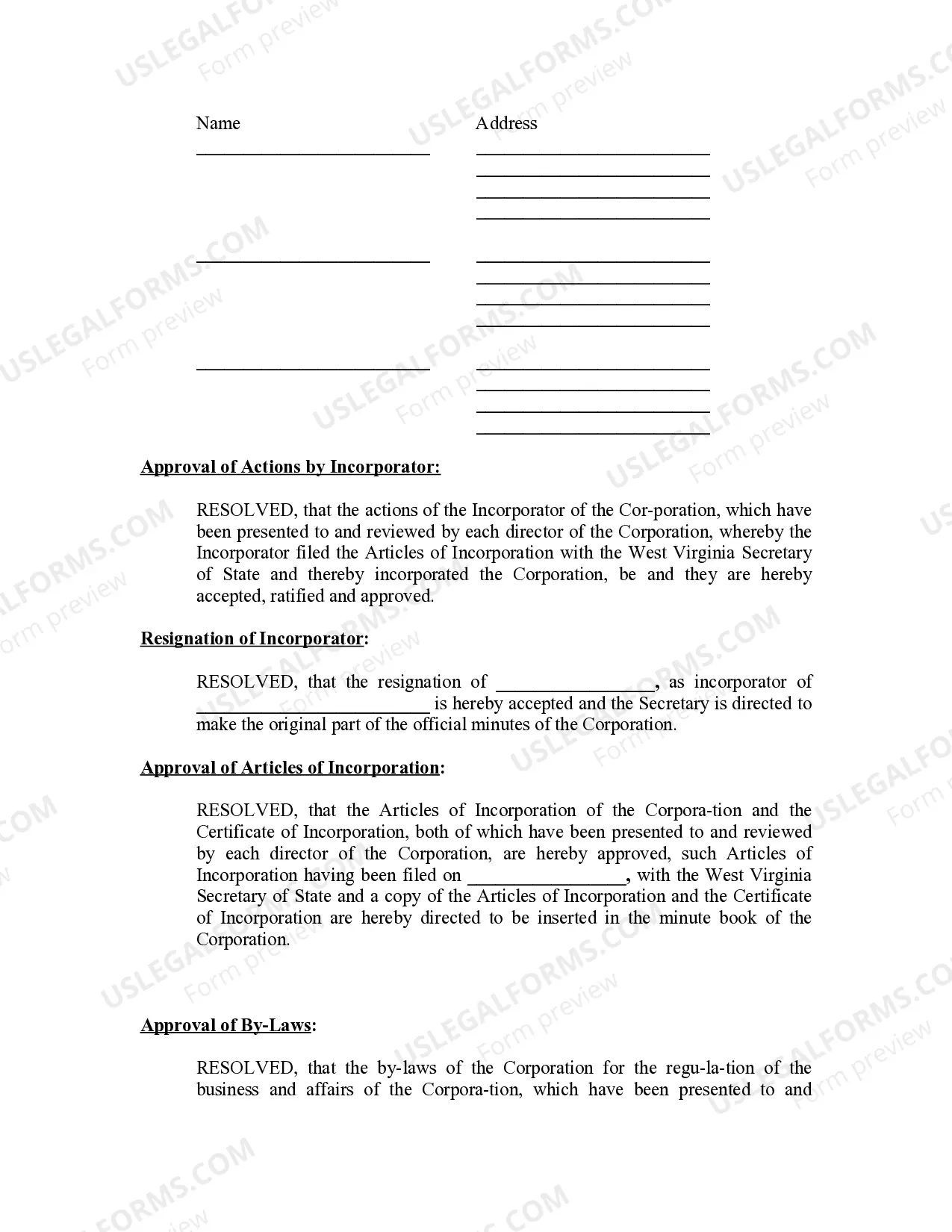
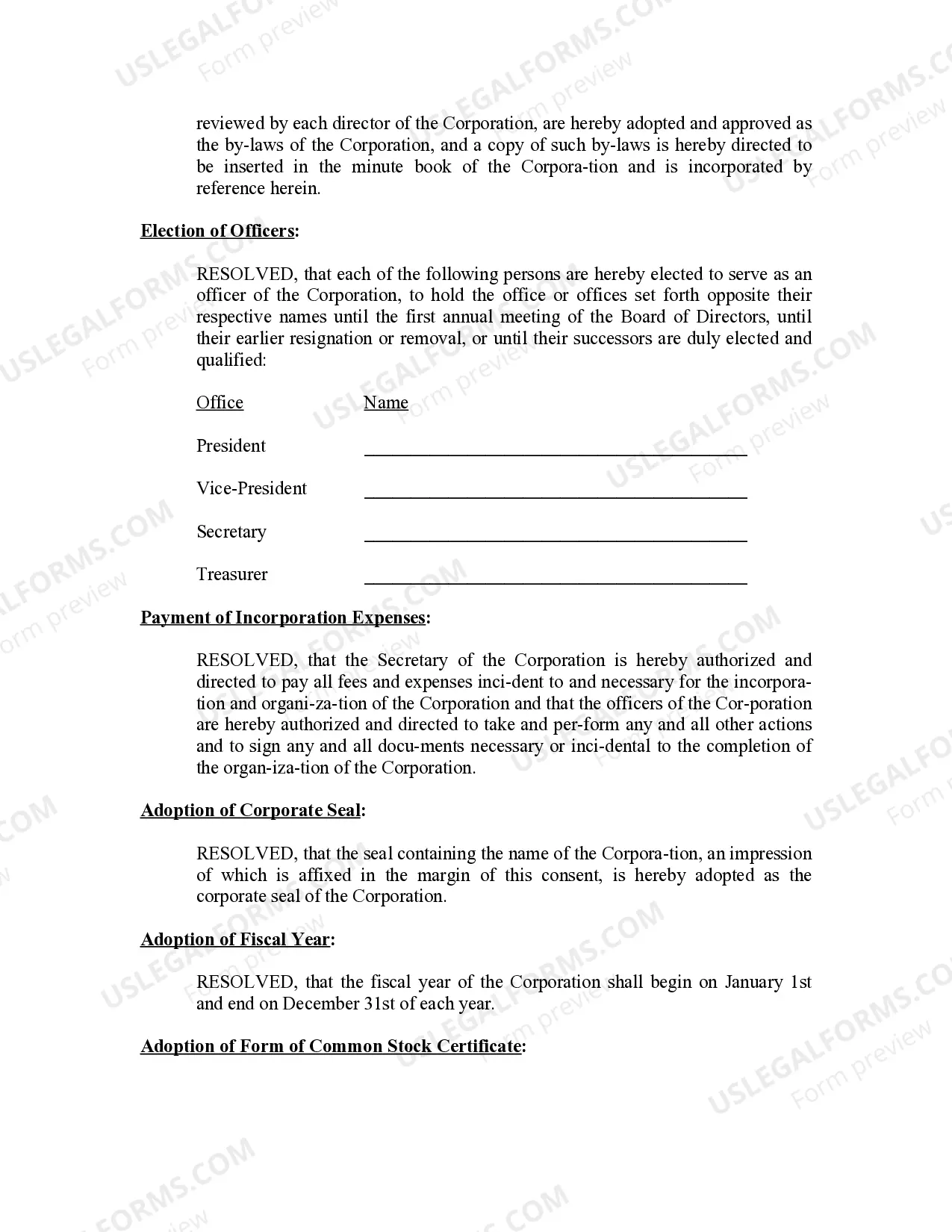
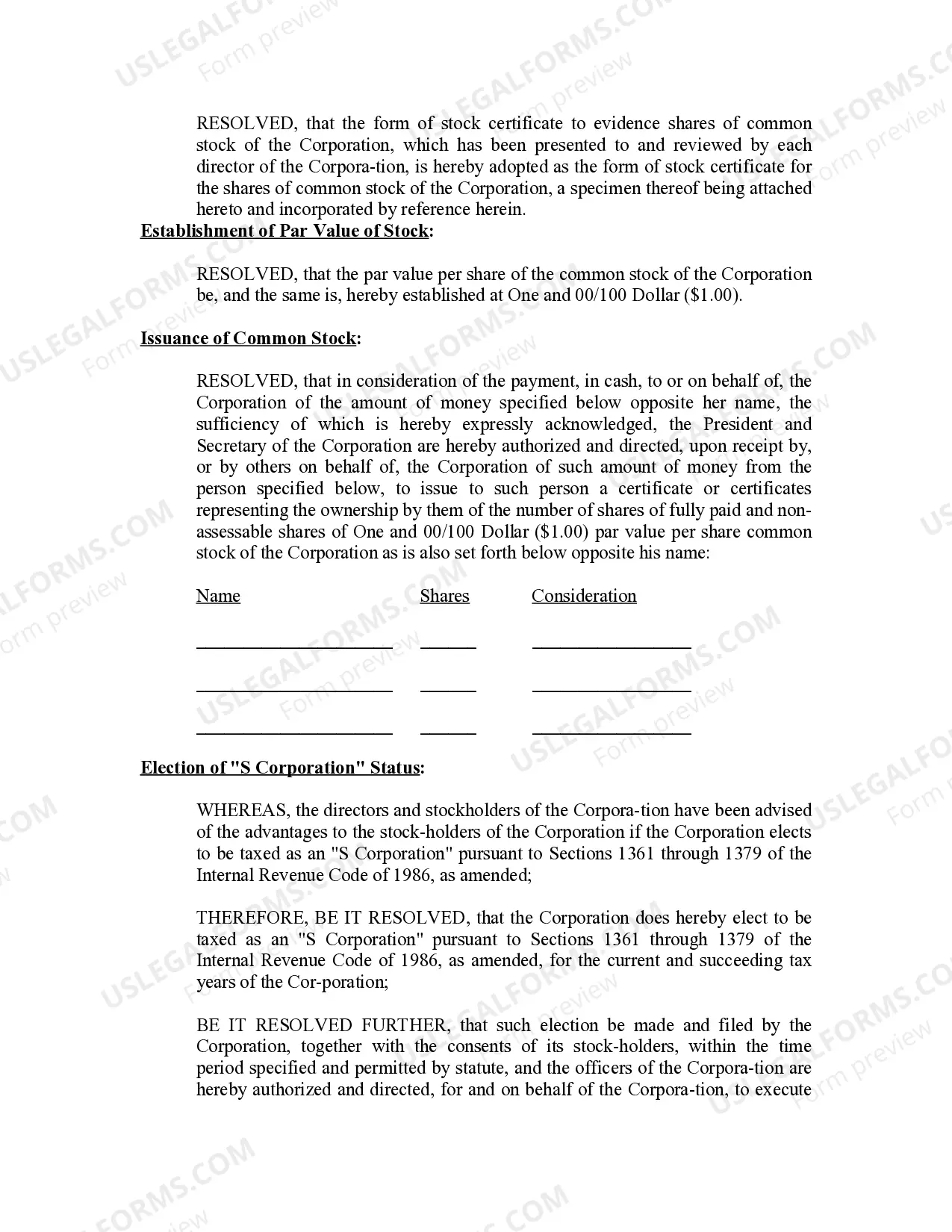
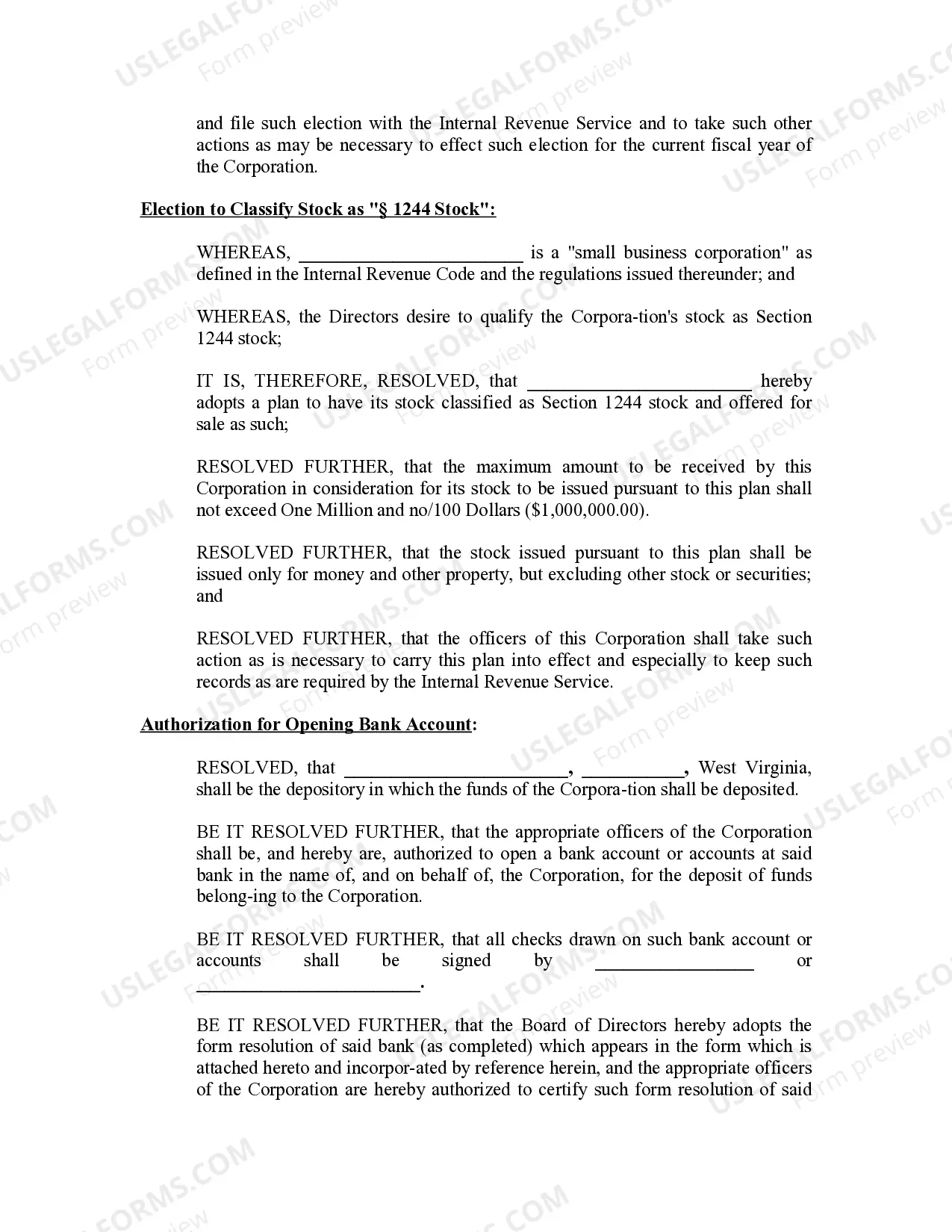
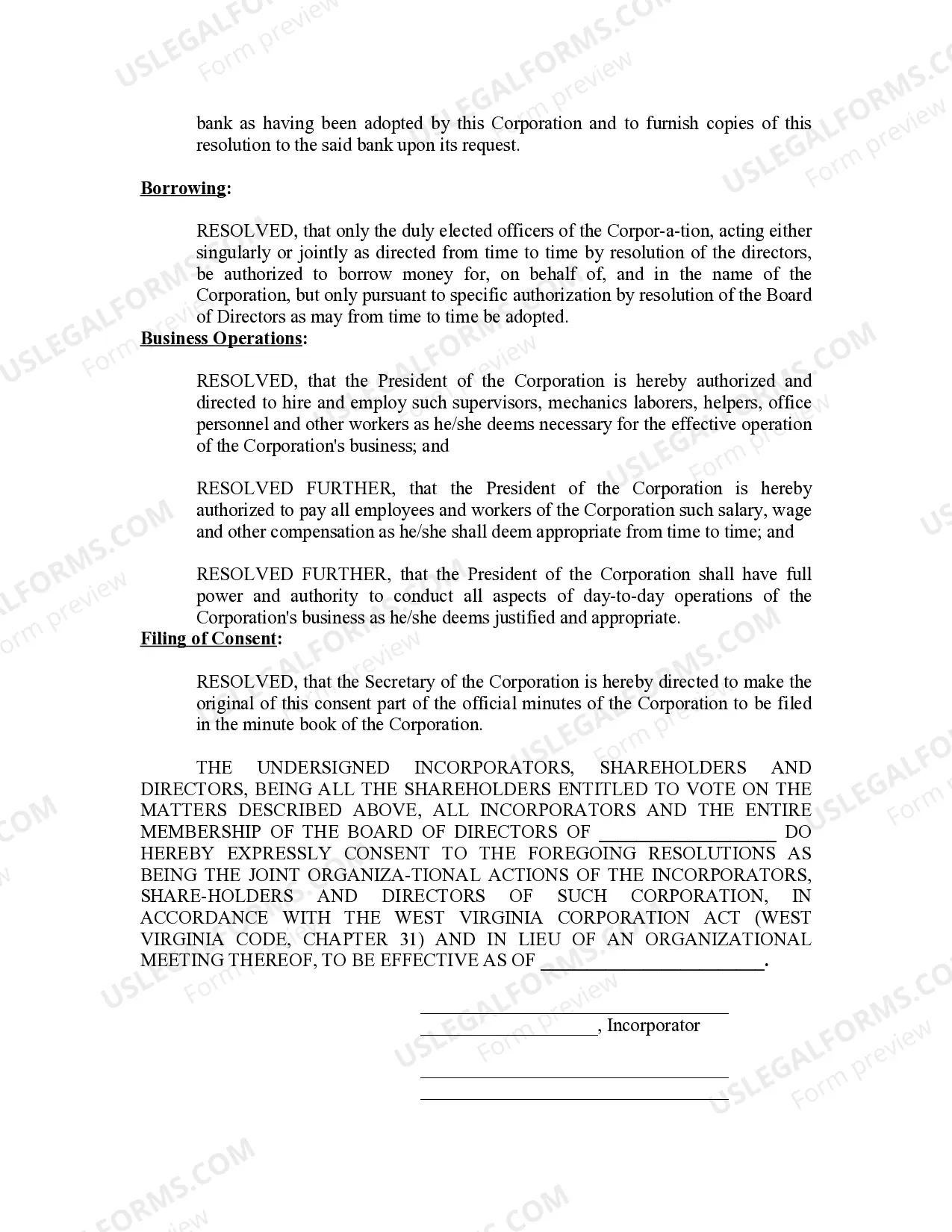
- List of corporate actions and resolutions approved by the incorporators, shareholders, and directors
- Sections for electing directors and officers, including names and positions
- Resolutions approving the Articles of Incorporation and by-laws
- Authorization details for opening a bank account and managing finances
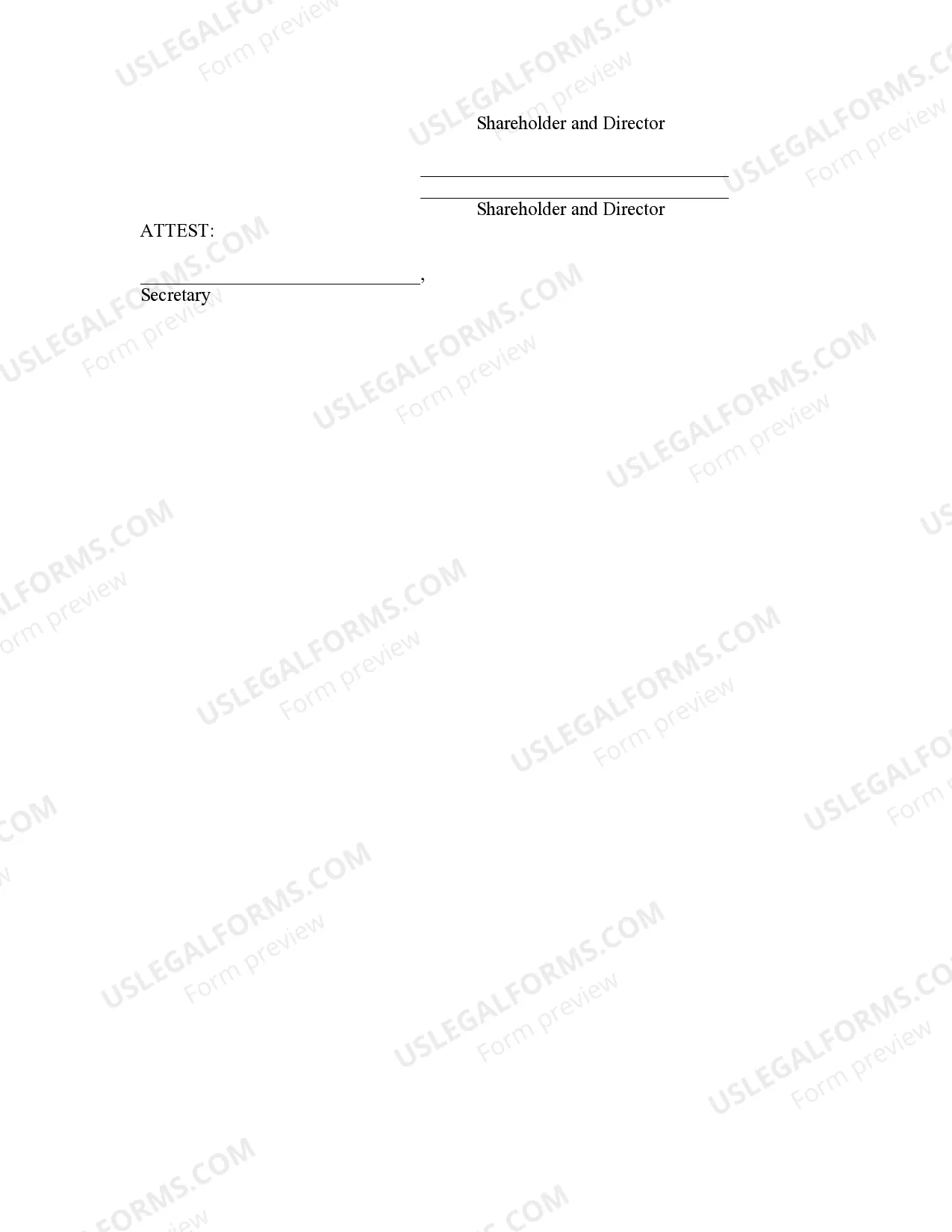
- Signatures of all consenting parties to validate the resolutions
When to use this document
This form is used when establishing a new corporation in West Virginia and serves as a substitute for an actual organizational meeting. It is particularly helpful in situations where all shareholders and directors are in agreement and prefer to document their decisions in writing rather than convening a formal meeting. Common scenarios for its use include the election of directors, the adoption of by-laws, and the approval of initial corporate actions.
Who this form is for
- Incorporators of a new corporation in West Virginia
- Shareholders who have voting rights in the organization
- Members of the board of directors who need to document corporate decisions
- Legal representatives assisting with corporate formation
Completing this form step by step
- Identify and enter the name of the corporation at the top of the form.
- Gather and confirm the names of all incorporators, shareholders, and board members who will sign.
- Complete sections for elections, resolutions, and approvals as necessary.
- Ensure all parties sign the document where indicated to signify their consent.
- File the completed form with the corporation's official records for future reference.
Does this document require notarization?
Notarization is not commonly needed for this form. However, certain documents or local rules may make it necessary. Our notarization service, powered by Notarize, allows you to finalize it securely online anytime, day or night.
Get your form ready online
Our built-in tools help you complete, sign, share, and store your documents in one place.
Make edits, fill in missing information, and update formatting in US Legal Forms—just like you would in MS Word.
Download a copy, print it, send it by email, or mail it via USPS—whatever works best for your next step.
Sign and collect signatures with our SignNow integration. Send to multiple recipients, set reminders, and more. Go Premium to unlock E-Sign.
If this form requires notarization, complete it online through a secure video call—no need to meet a notary in person or wait for an appointment.
We protect your documents and personal data by following strict security and privacy standards.

Make edits, fill in missing information, and update formatting in US Legal Forms—just like you would in MS Word.

Download a copy, print it, send it by email, or mail it via USPS—whatever works best for your next step.

Sign and collect signatures with our SignNow integration. Send to multiple recipients, set reminders, and more. Go Premium to unlock E-Sign.

If this form requires notarization, complete it online through a secure video call—no need to meet a notary in person or wait for an appointment.

We protect your documents and personal data by following strict security and privacy standards.
Typical mistakes to avoid
- Failing to obtain signatures from all required parties.
- Not including specific details for resolutions, such as names and positions of elected officers.
- Neglecting to record the date the form is completed and adopted.
- Using the form without ensuring compliance with West Virginia-specific rules.
Why use this form online
- Convenience of accessing and downloading the form at any time.
- Editability allows users to customize the document according to their specific needs.
- Reliability in providing a legally vetted document drafted by licensed attorneys.
- Time-saving by eliminating the need for scheduling and attending a physical meeting.
Looking for another form?
Form popularity
FAQ
All states require corporations to take and distribute minutes of meetings, and all states require that boards of directors keep meeting minutes. But there are no specific rules about what to include in board meeting minutes and how to take these minutes.
Meeting name and place. Date and time of the meeting. List of meeting participants. Purpose of the meeting. For each agenda items: decisions, action items, and next steps. Next meeting date and place. Documents to be included in the meeting report.
The participants to the meetings have a reminder aid. The minutes say who will do what and when. They are the starting point of the following meeting. They are helpful for those absent to know was discussed and what decisions have been taken. In case of conflicts, they are useful to know what agreements were made.
Board minutes are needed for both legal and practical reasons. Under the Companies Act 2006, every company is required to take minutes of all proceedings of its directors, which must then be retained for 10 years from the date of the meeting.
A corporation's organizational meeting is meant to be the initial meeting of the owners of the corporation and management. Typically, the items on the meeting agenda include: The appointment of corporate officers. The acquisition of a minute book to record meeting minutes and actions. The approval of Corporate Bylaws.
Organizational meetings are held to appoint officers, elect or appoint directors, issue shares in the corporation, approve bylaws, setup minute books, appoint or waive the appointment of auditors, set up bank accounts, etc.
There are three standard styles of minutes: action, discussion, and verbatim. Each style has a specific use.
Because each meeting contains an objective or goal, the board or meeting participants can then use the meeting minutes as a record for future reference, to understand the progression that has been made. Meeting minutes are important because they provide legal protection for the organization.
The main legal considerations for holding meetings include: whether there are strict requirements to hold meetings or special rights to call a meeting. providing proper notice (time periods, content of notice and required recipients) meeting quorums (minimum number of people present to make a meeting valid)