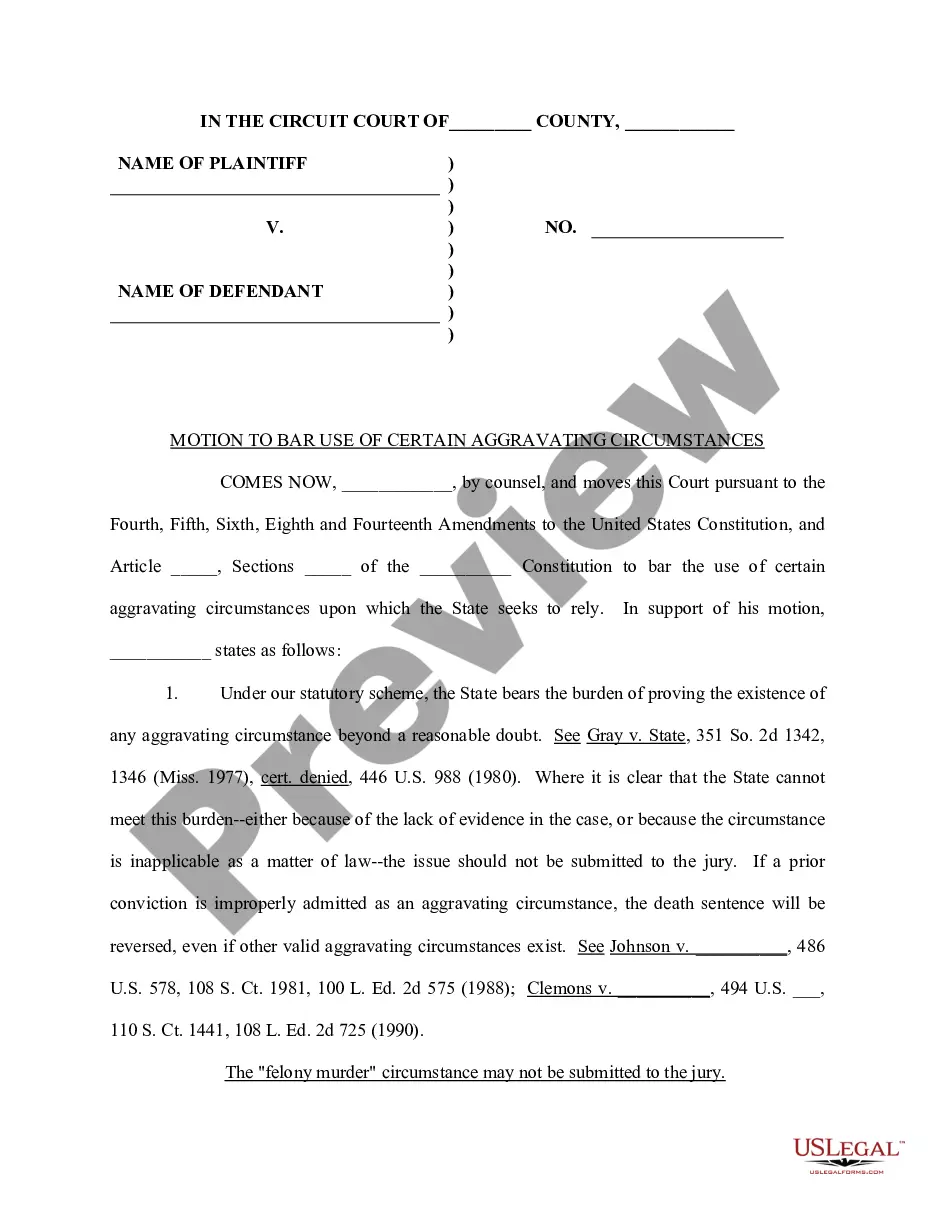
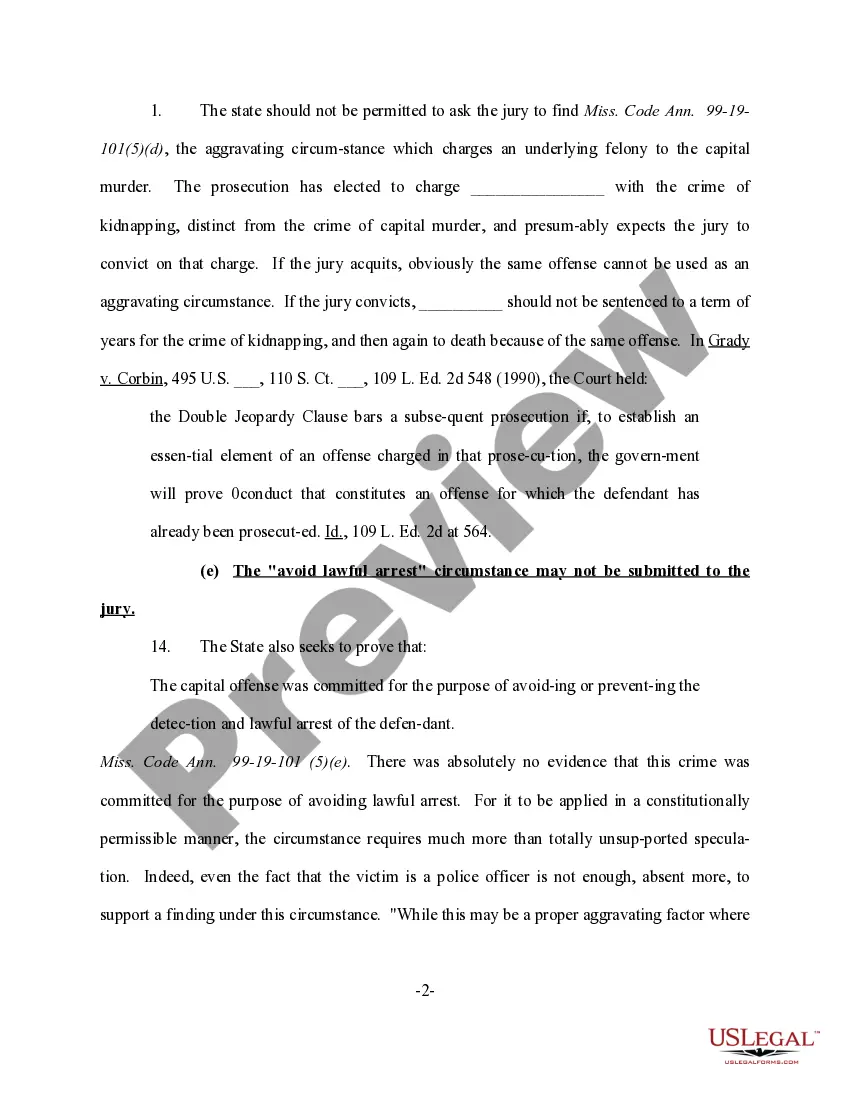
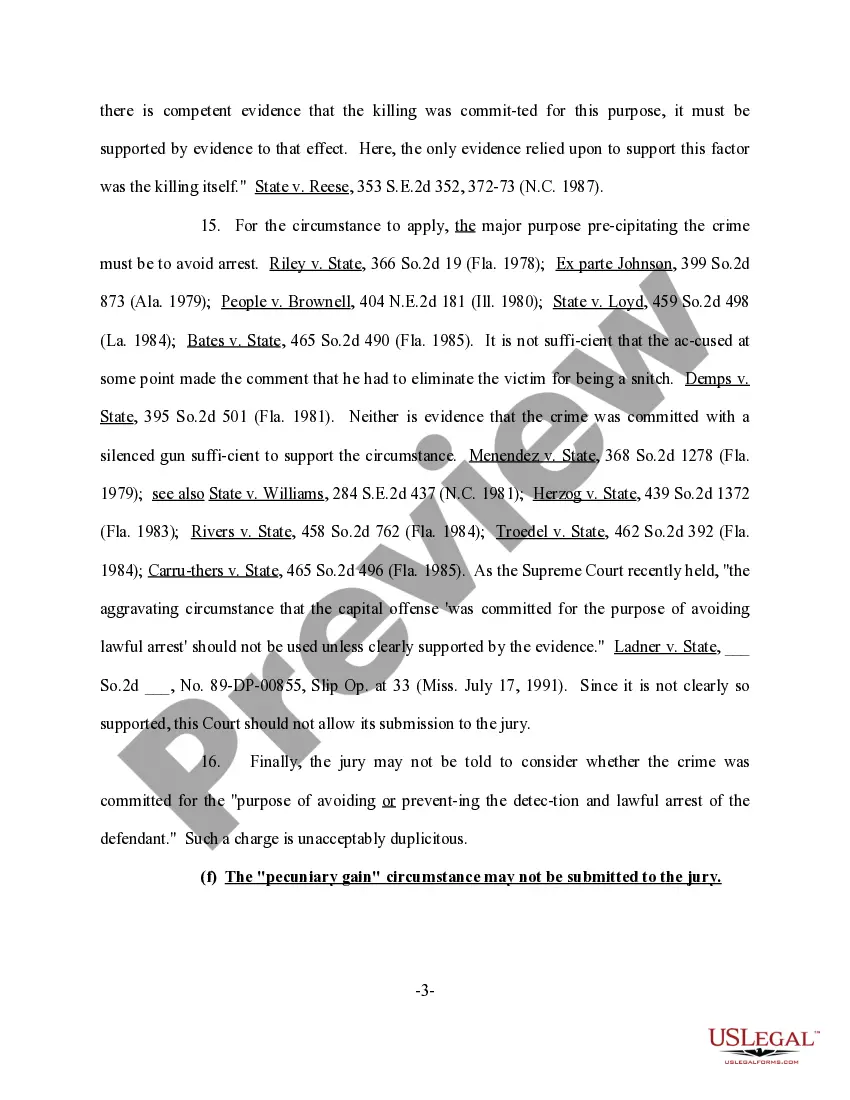
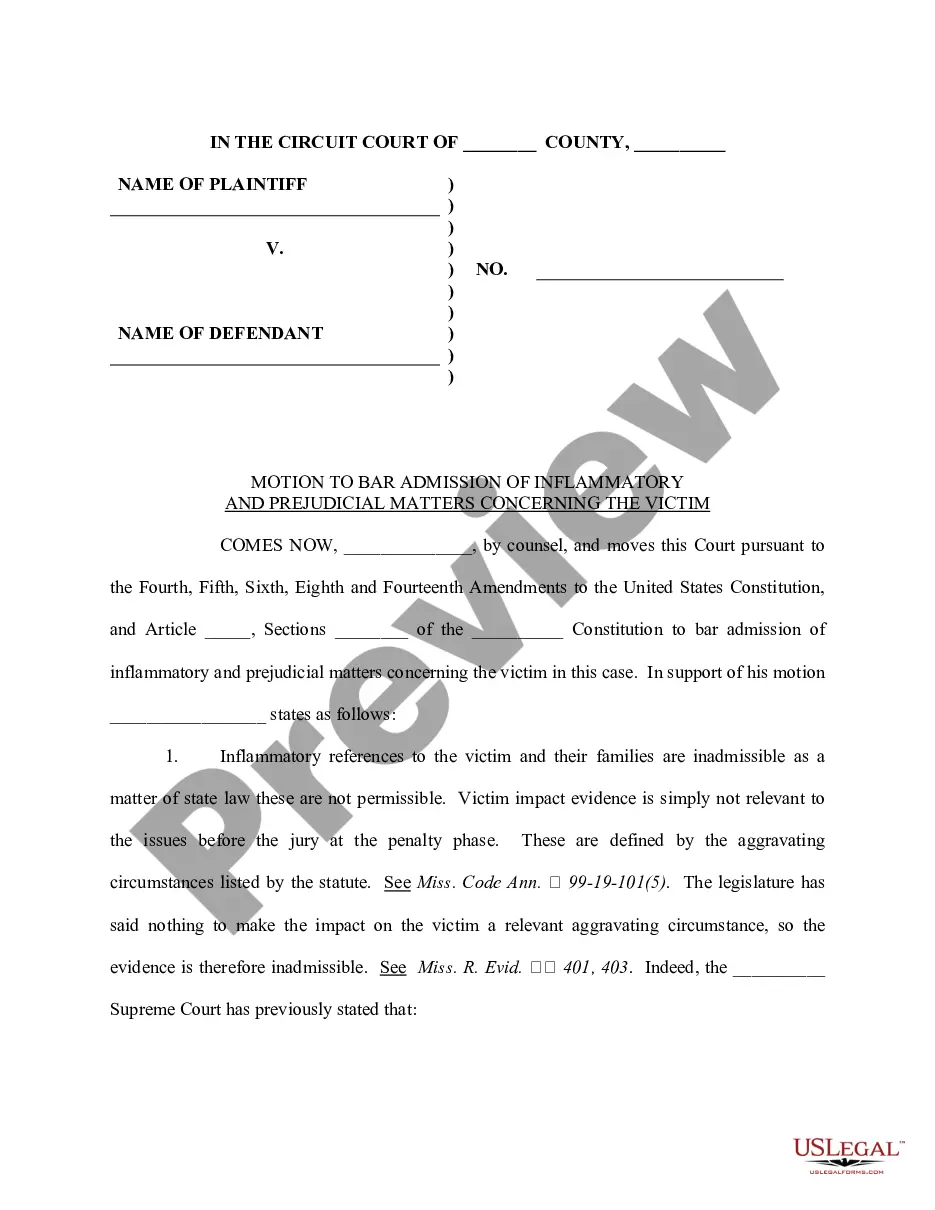
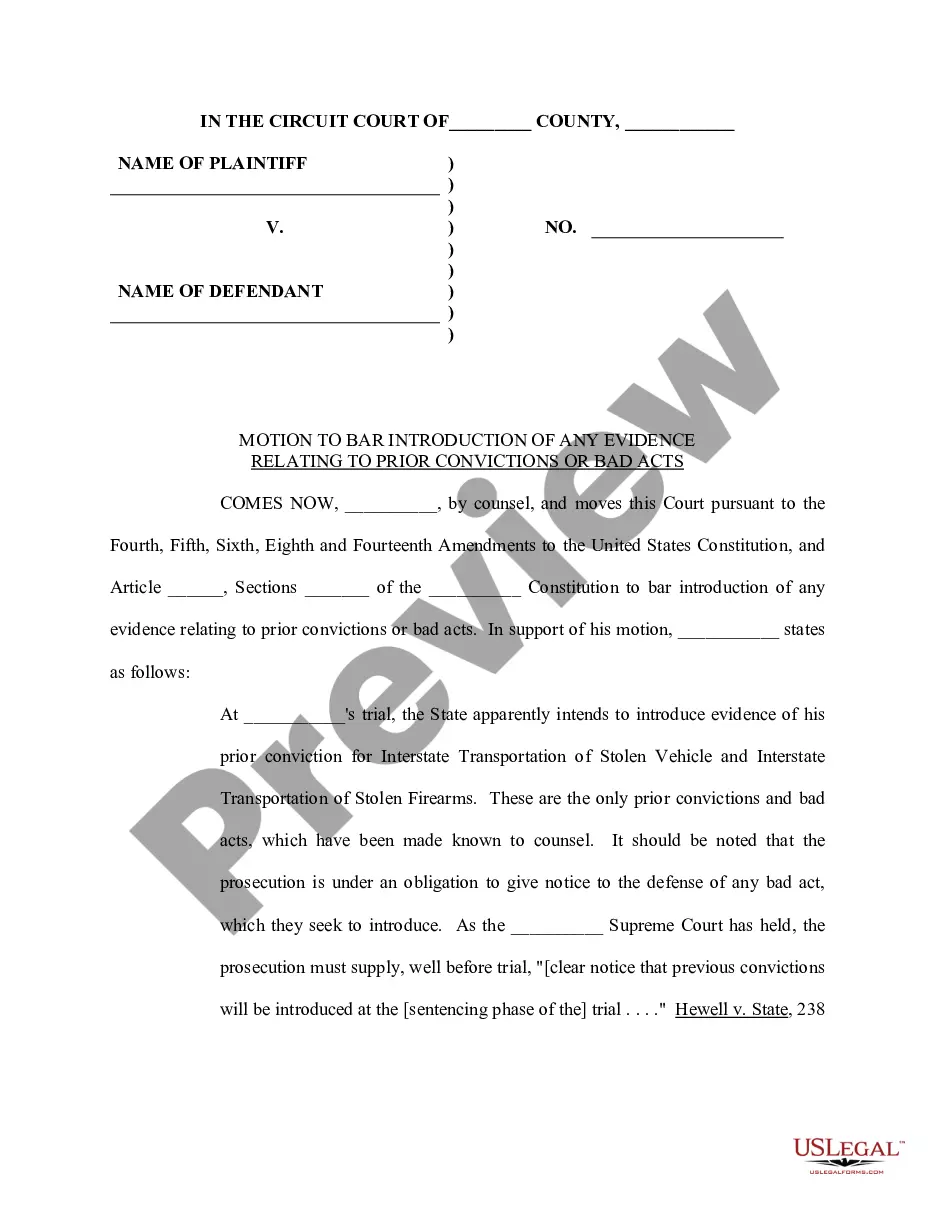
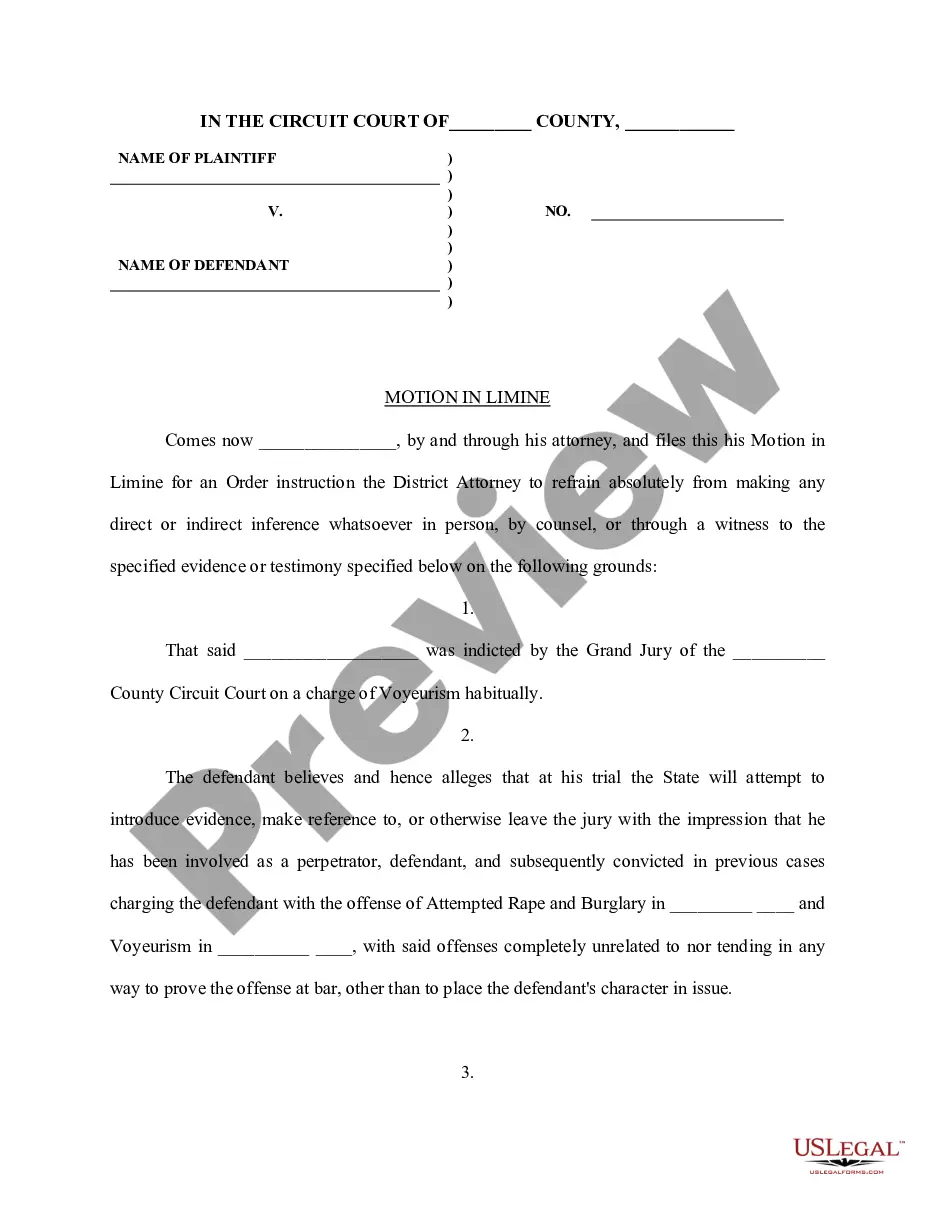
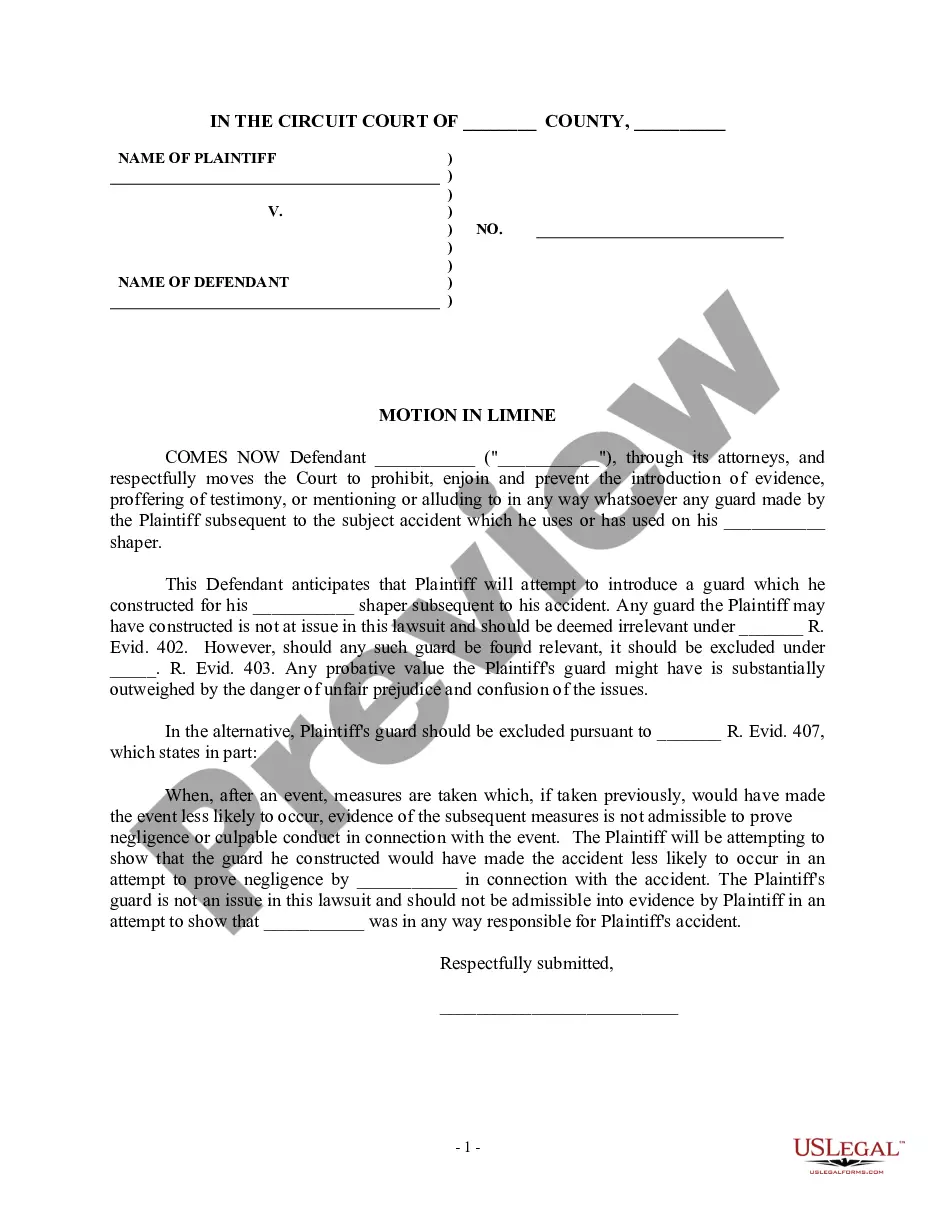
Wisconsin Motion to Bar Use of Certain Aggravating Circumstances
Description
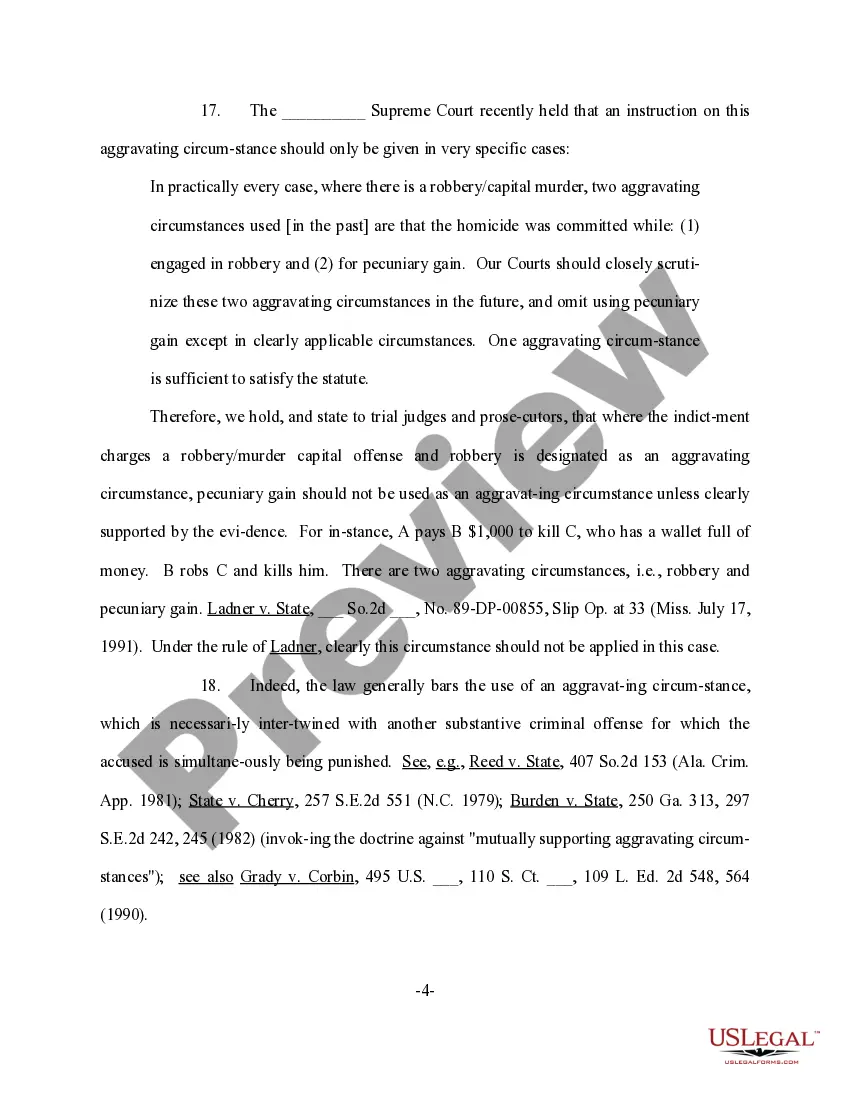
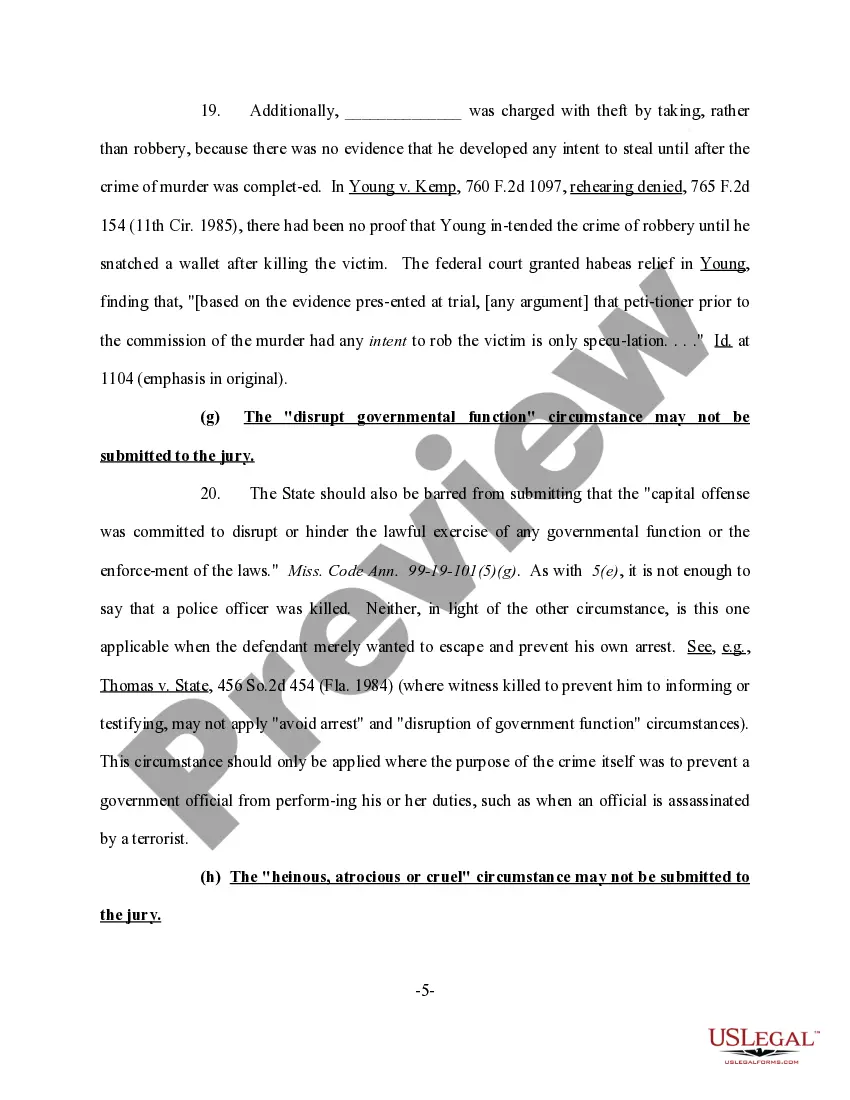
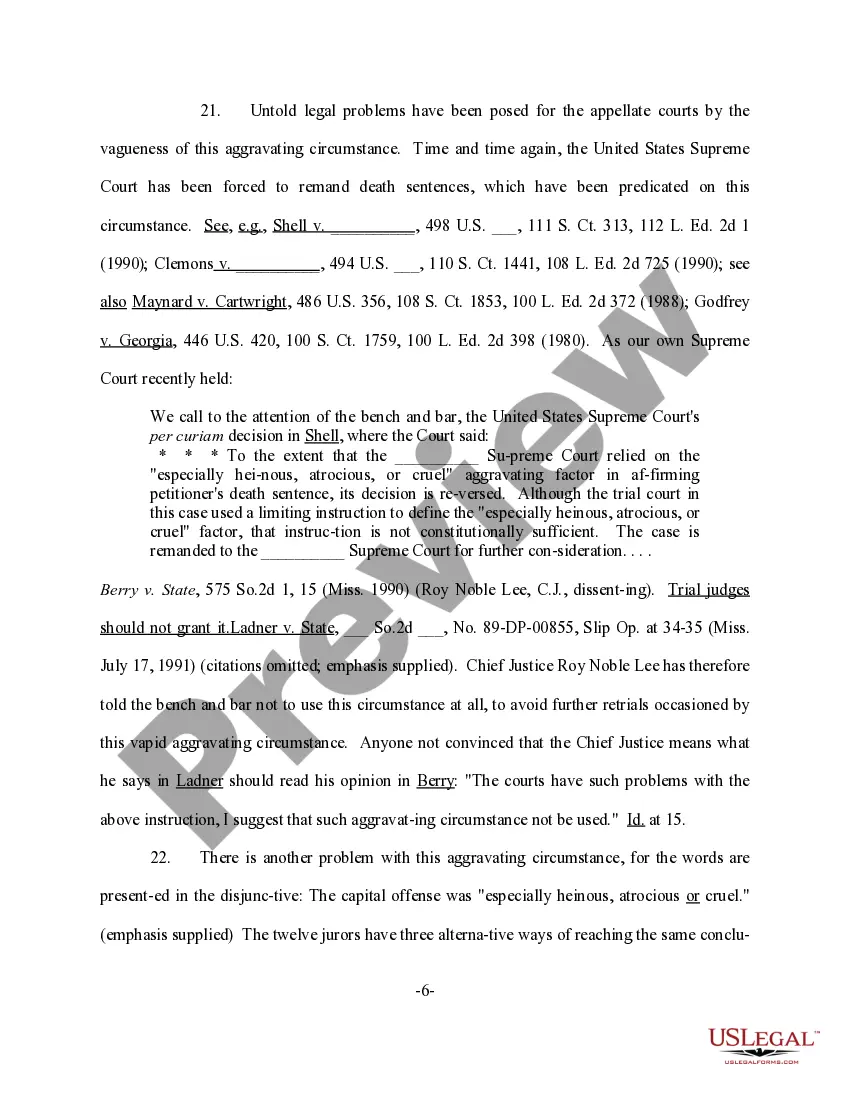
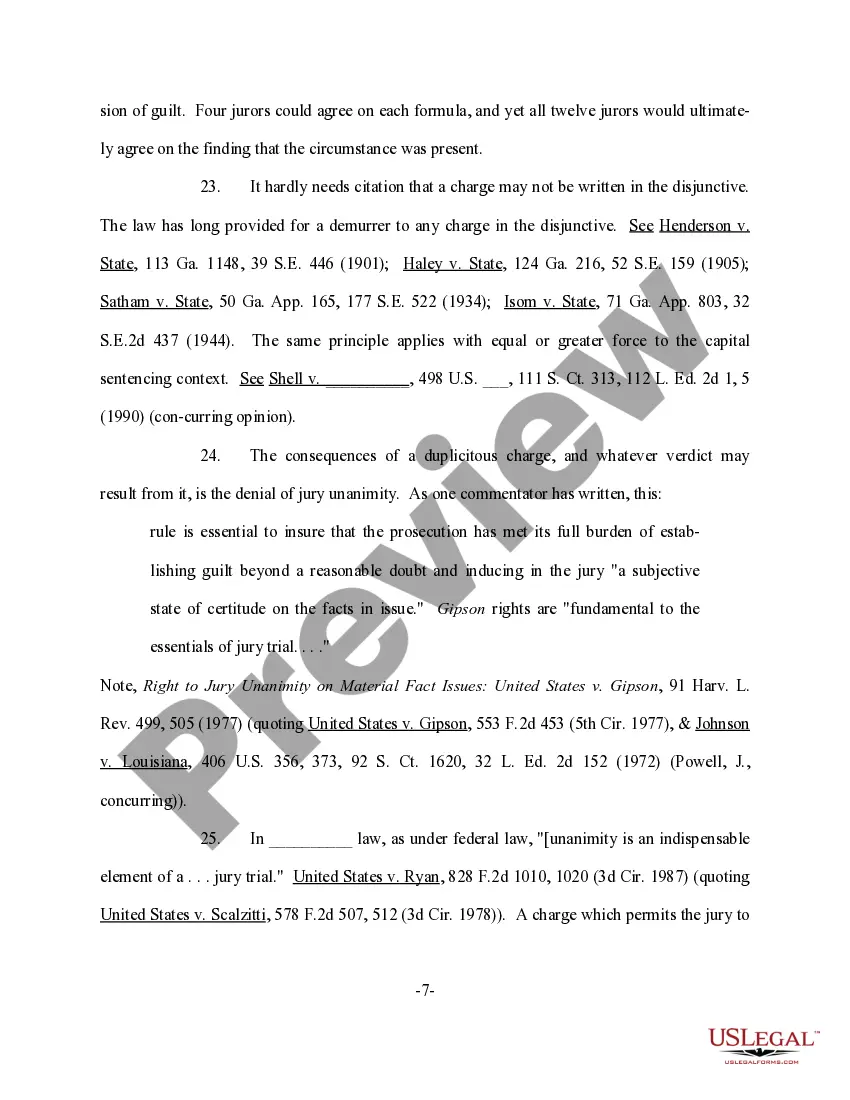
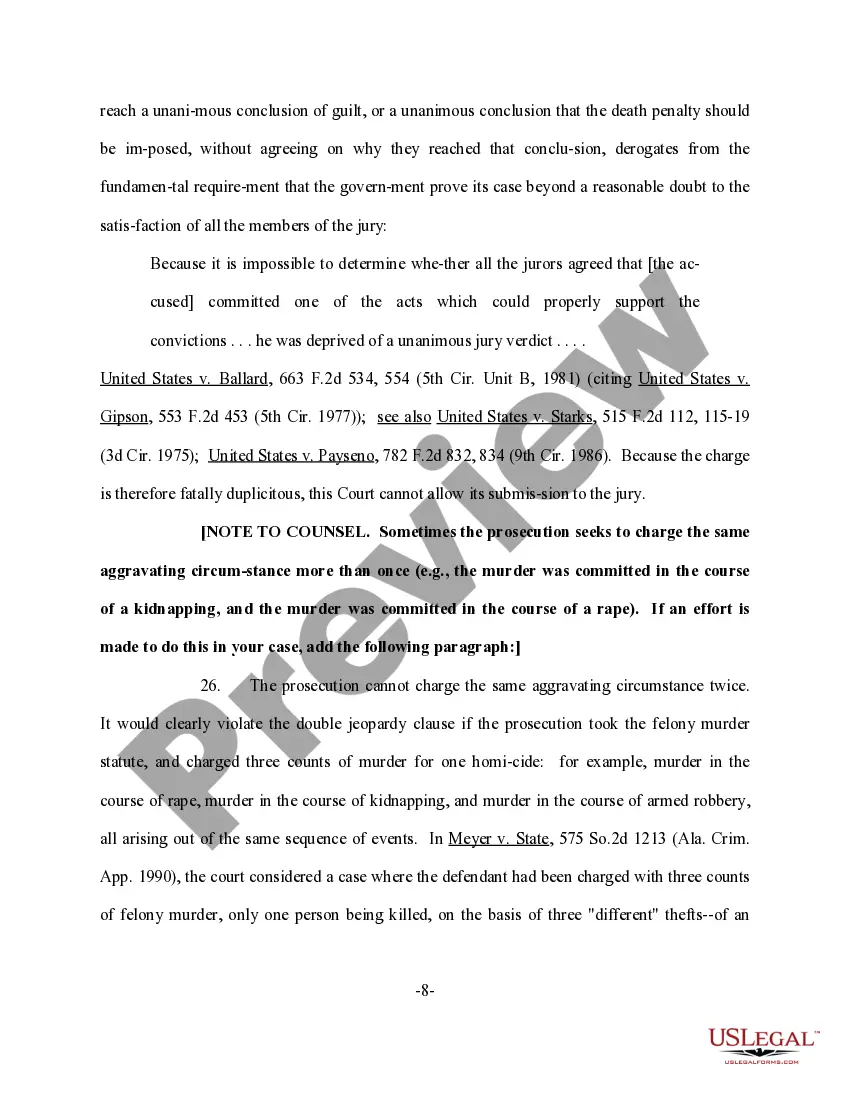
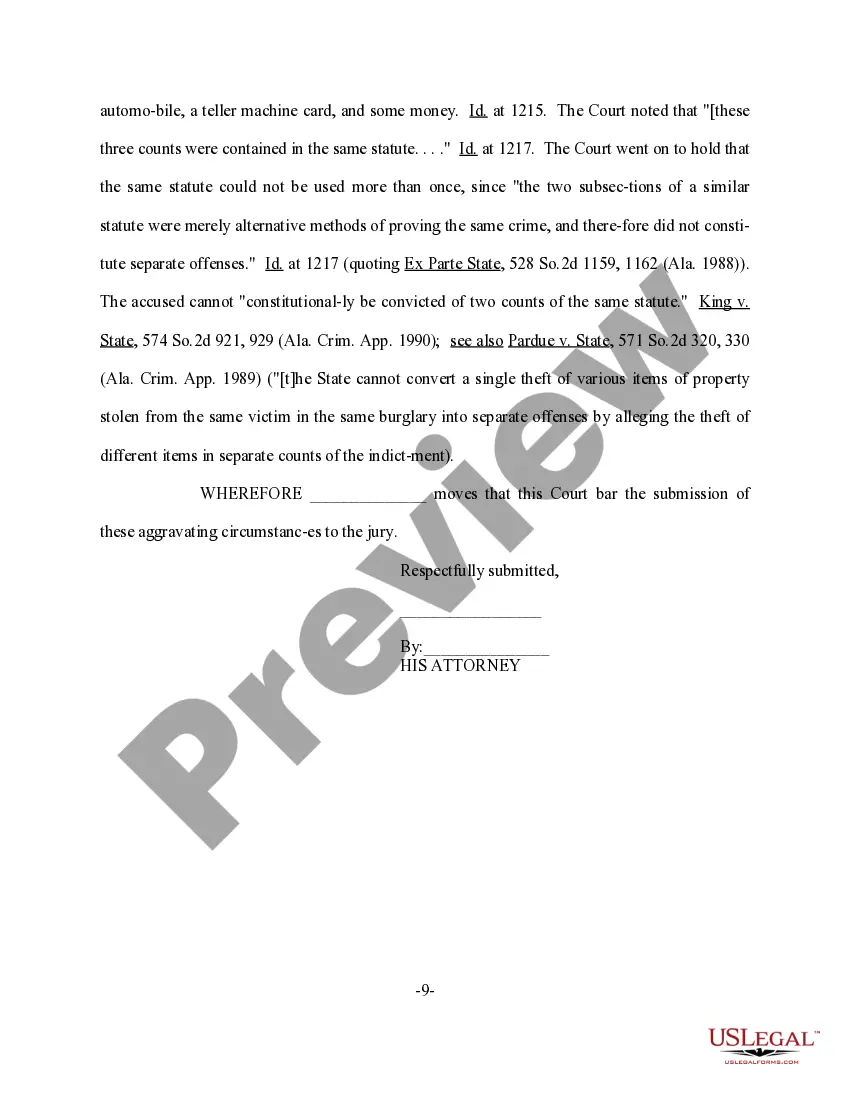
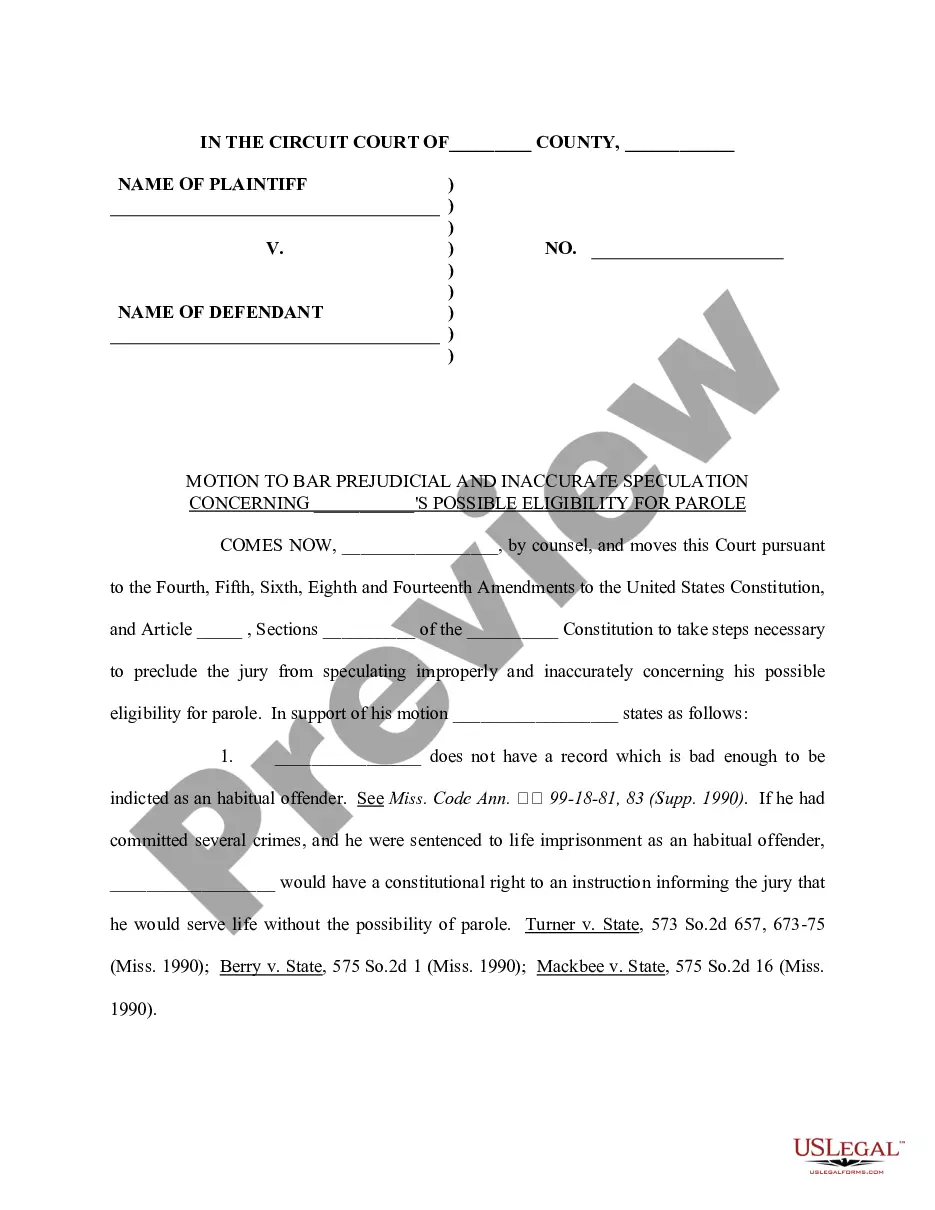
How to fill out Motion To Bar Use Of Certain Aggravating Circumstances?
Selecting the appropriate legal document template can be a challenge. Naturally, there are numerous templates accessible online, but how can you locate the legal form you require? Utilize the US Legal Forms website. This service offers a wide array of templates, such as the Wisconsin Motion to Bar Use of Certain Aggravating Circumstances, suitable for both business and personal needs. All the forms are reviewed by experts and comply with state and federal regulations.
If you are already registered, Log In to your account and click on the Download button to obtain the Wisconsin Motion to Bar Use of Certain Aggravating Circumstances. Use your account to browse through the legal forms you have previously purchased. Go to the My documents section of your account and download another copy of the document you need.
If you are a new user of US Legal Forms, here are simple instructions you can follow: First, ensure you have selected the correct form for your city/county. You can review the form using the Review button and read the form description to confirm it is the right one for you. If the form does not meet your needs, utilize the Search area to find the appropriate form. Once you are confident that the form is suitable, click on the Purchase now button to acquire the form. Choose the pricing plan you prefer and enter the required information. Create your account and pay for the transaction using your PayPal account or credit card. Select the file format and download the legal document template to your device. Fill out, edit, and print and sign the received Wisconsin Motion to Bar Use of Certain Aggravating Circumstances.
US Legal Forms is the largest repository of legal forms where you can find various document templates. Take advantage of the service to download well-crafted documents that adhere to state requirements.
- Utilize the US Legal Forms website for a wide range of templates.
- All templates are verified by professionals.
- Ensure you have the correct form for your jurisdiction.
- Review the form before finalizing your choice.
- Use the Search feature if needed.
- Download and complete the document as required.
Form popularity
FAQ
969.03 govern the release of a defendant from custody and do not apply if the defendant cannot post bond and is not released. A court may impose pretrial, no-contact provisions on incarcerated defendants under s. 940.47 if the terms of that statute are met.
Bail jumping in Wisconsin occurs when someone violates the conditions of their bond, which includes committing new crimes. Bail jumping can either be a misdemeanor or a felony. Misdemeanor bail jumping has maximum penalties of a $10,000 fine and 9 months in jail.
Before evidence of other acts is admitted, the trial court must apply a three-step test to determine that: 1) it is offered for an acceptable purpose under § 904.04(2)(a); 2) it is relevant; and, 3) its probative value is not outweighed by danger of unfair prejudice. State v. Sullivan, 216 Wis. 2d 768, 576 N.W.
946.49 Bail jumping. (1) Whoever, having been released from custody under ch. 969, intentionally fails to comply with the terms of his or her bond is: (a) If the offense with which the person is charged is a misdemeanor, guilty of a Class A misdemeanor.
973.01 Bifurcated sentence of imprisonment and extended supervision. (1) BIFURCATED SENTENCE REQUIRED. Whenever a court sentences a person to imprisonment for a felony or a misdemeanor, the court shall impose a bifurcated sentence under this section.
Wisconsin Legislature: 969.07. (a) A person accused of committing an offense under s. 940.01, 940.225 (1), 948.02 (1) or (2), 948.025, or 948.085. (b) A person accused of committing or attempting to commit a violent crime and the person has a previous conviction for committing or attempting to commit a violent crime.
The adequate provocation inquiry is fact-driven. If the victim's prior acts could contribute to a reasonable person's loss of self-control at the time of the crime, the acts are relevant to the objective component of the defense.
Wisconsin, like most states, has different limits depending on the type of crime involved. For example, misdemeanor charges have a three-year time limit for filing, while most felony charges have a six-year statute of limitations. There is no statutory limit on murder charges.