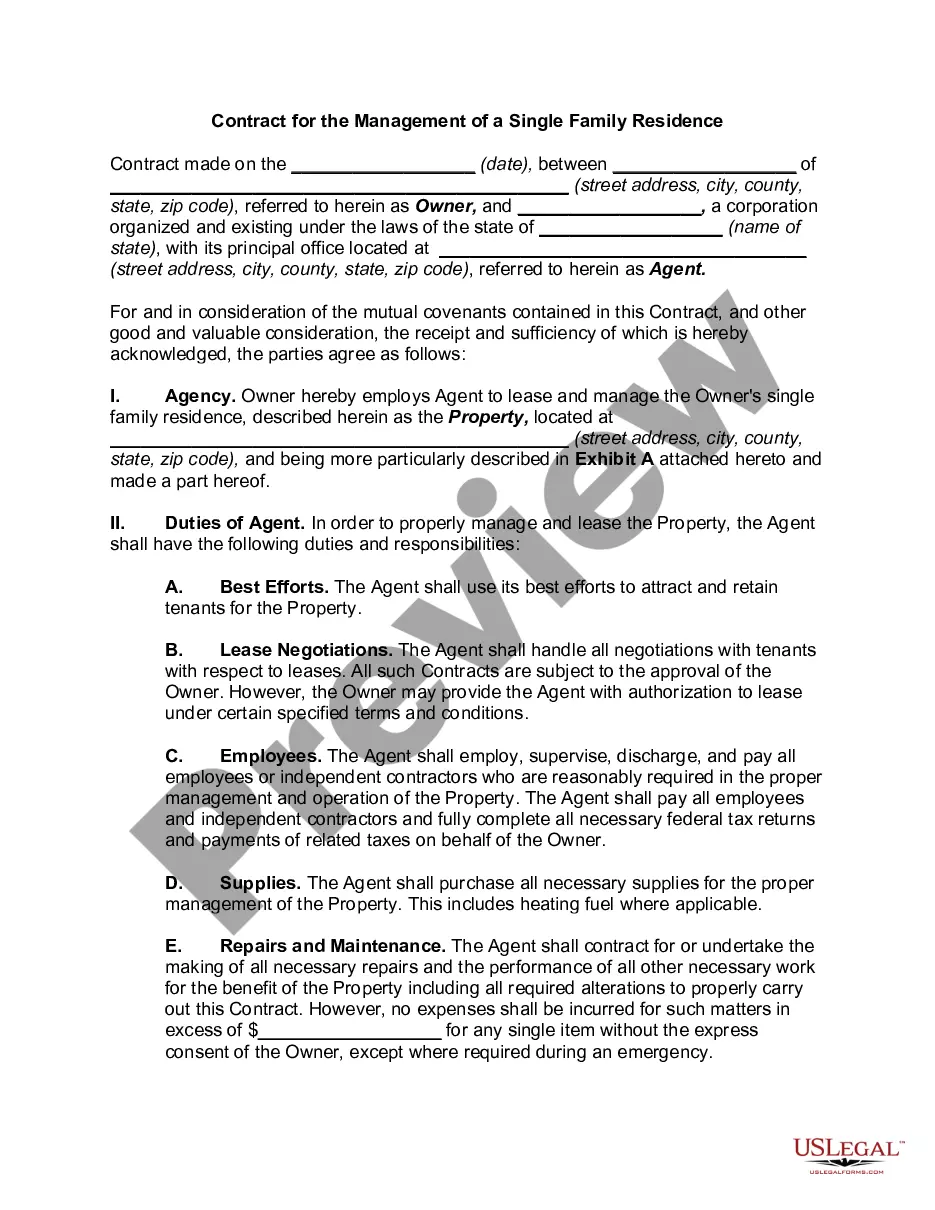
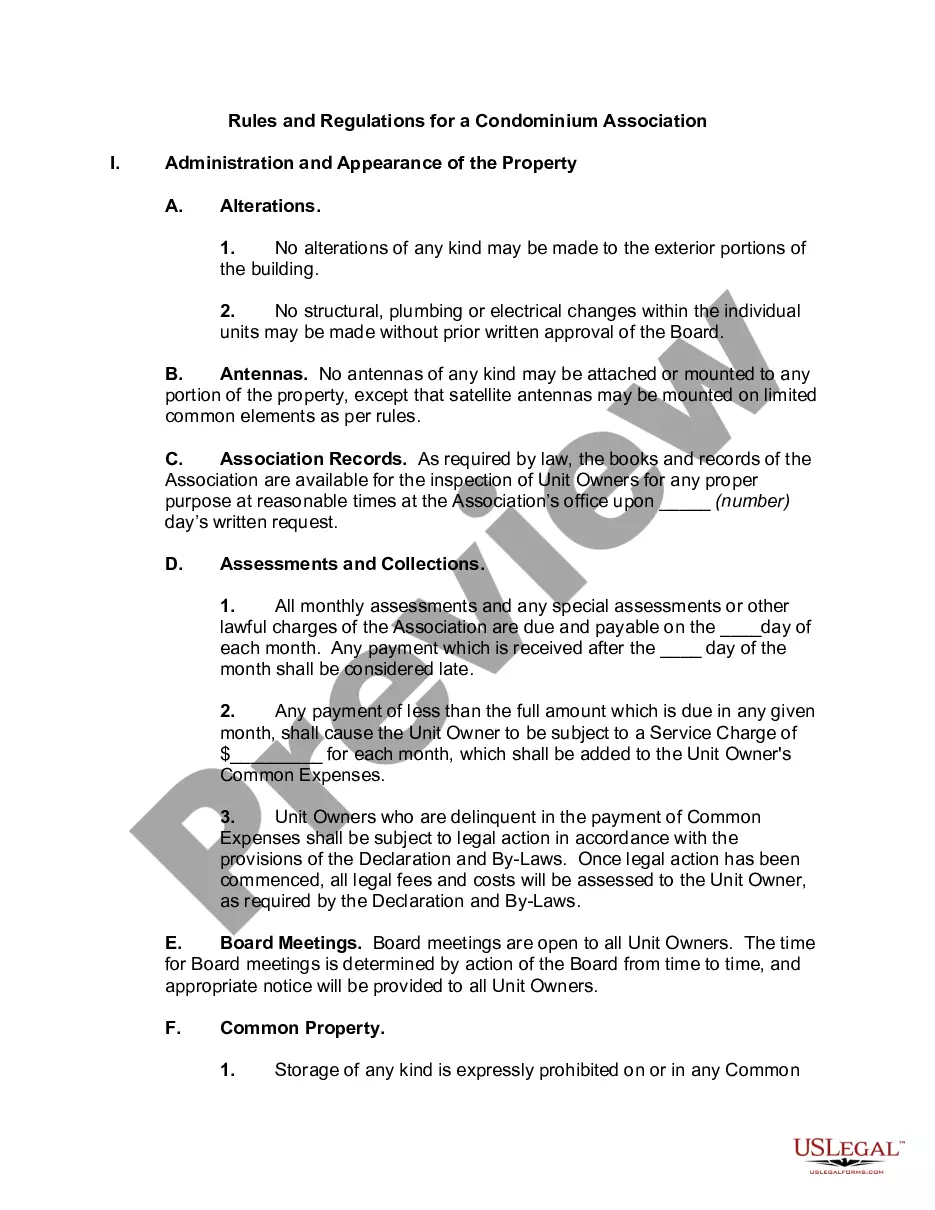
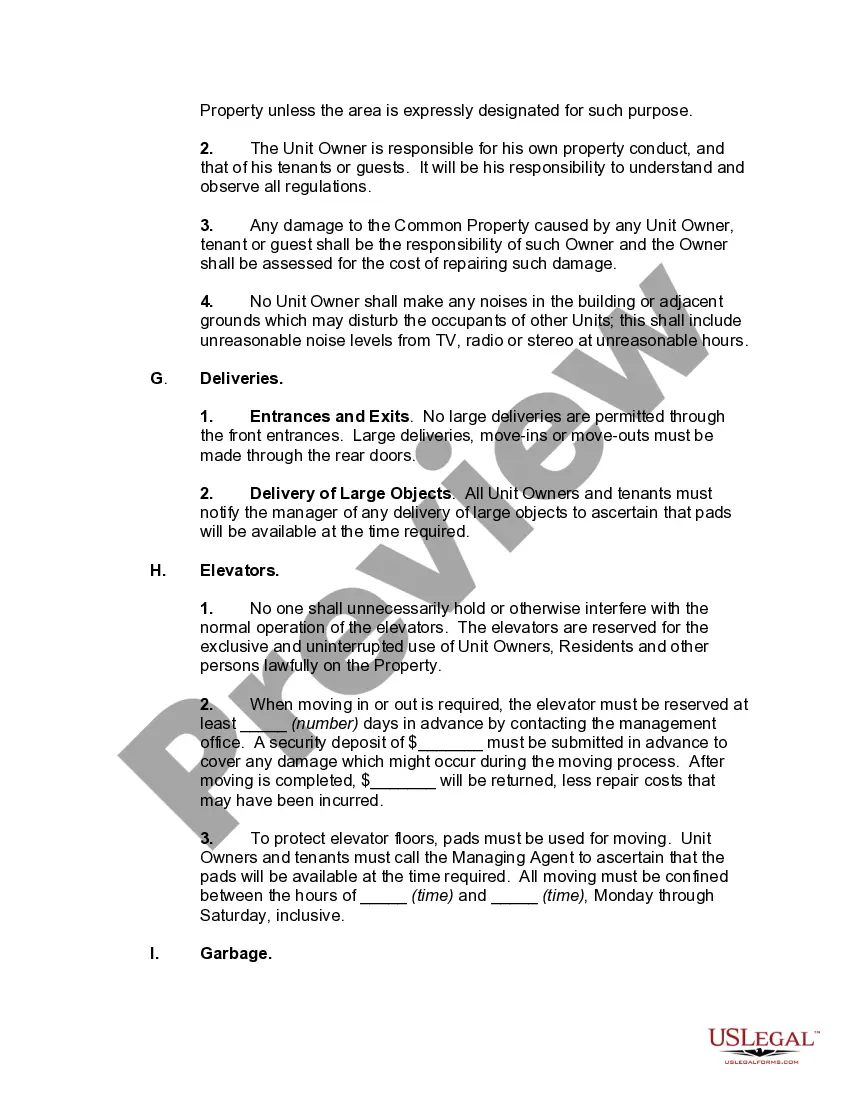
Washington Rules and Regulations for a Condominium Association
Description


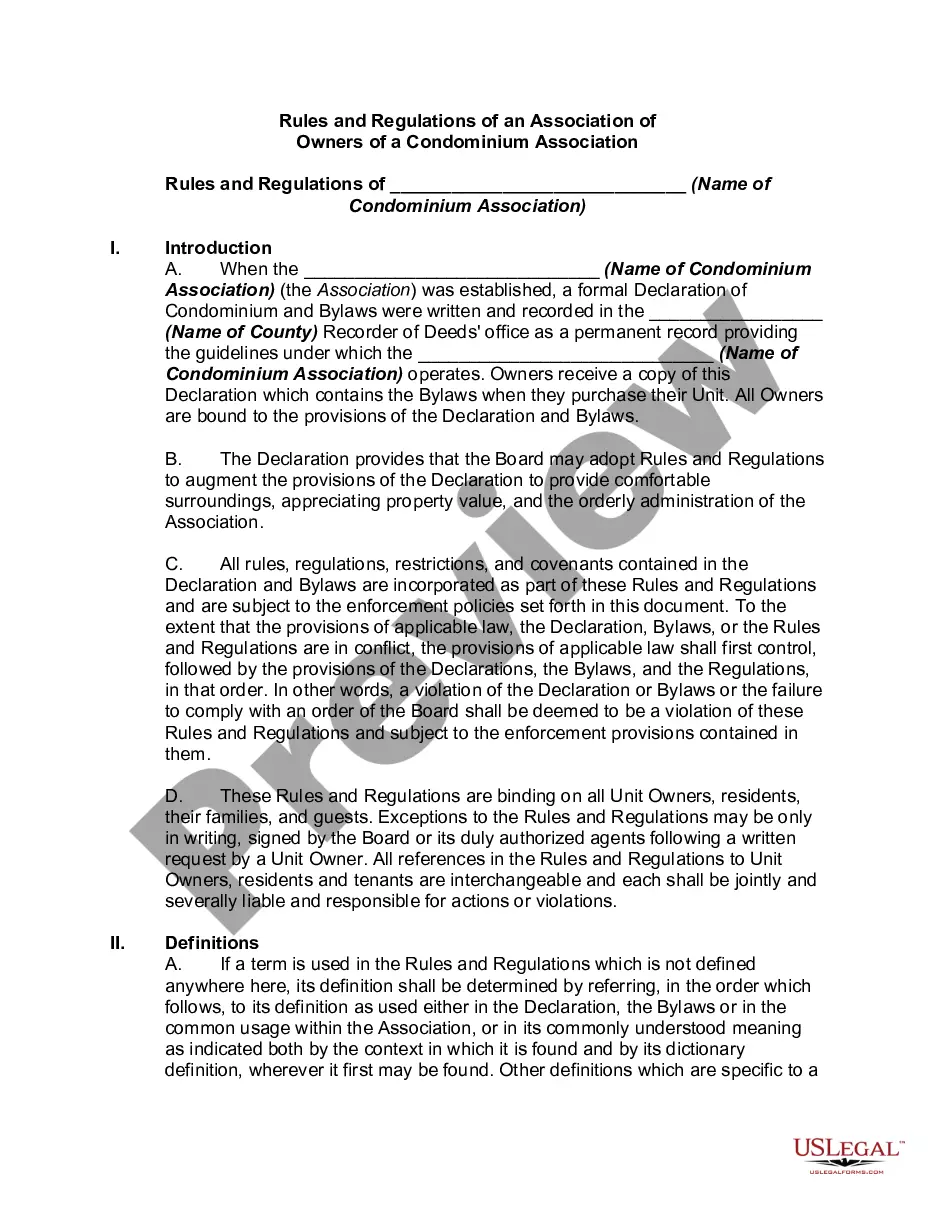
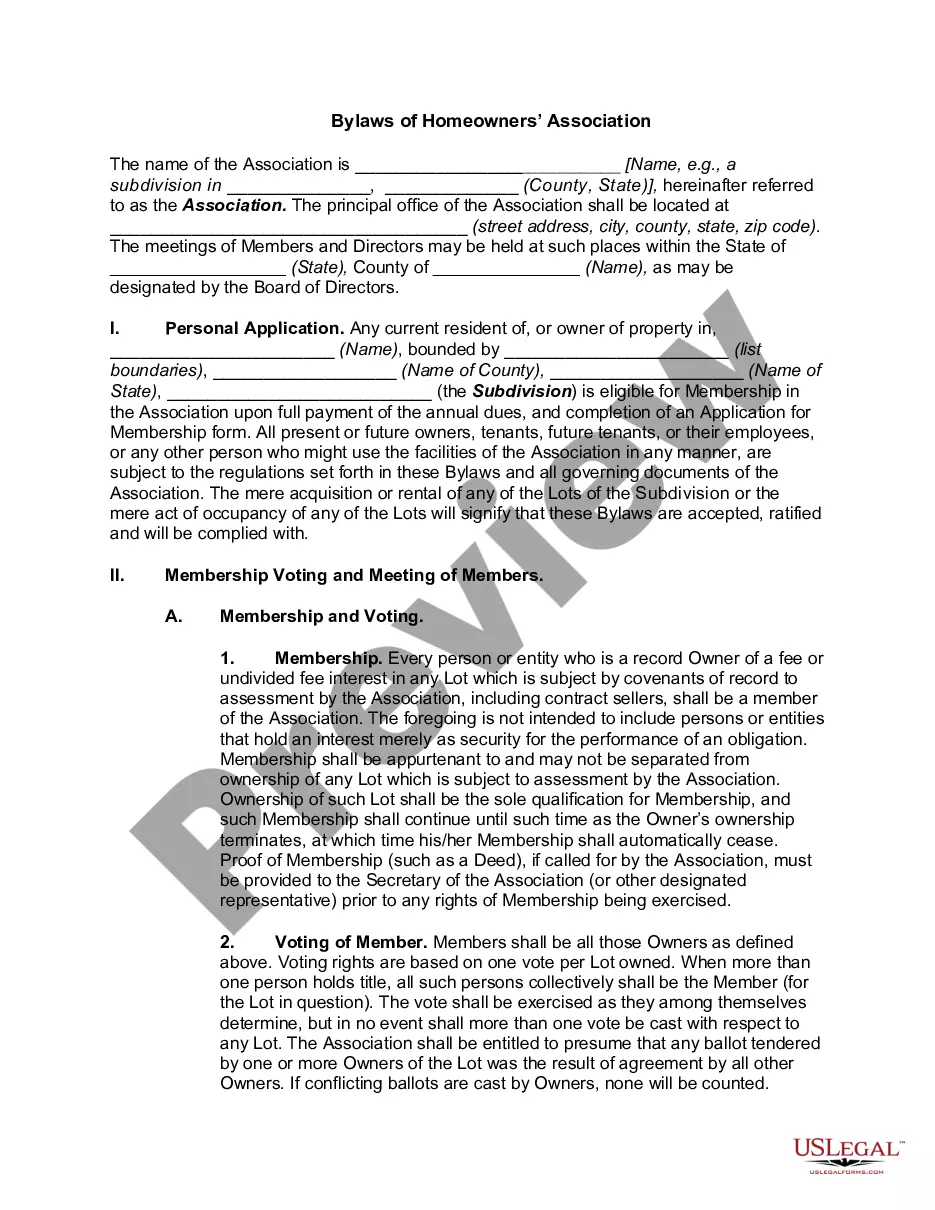
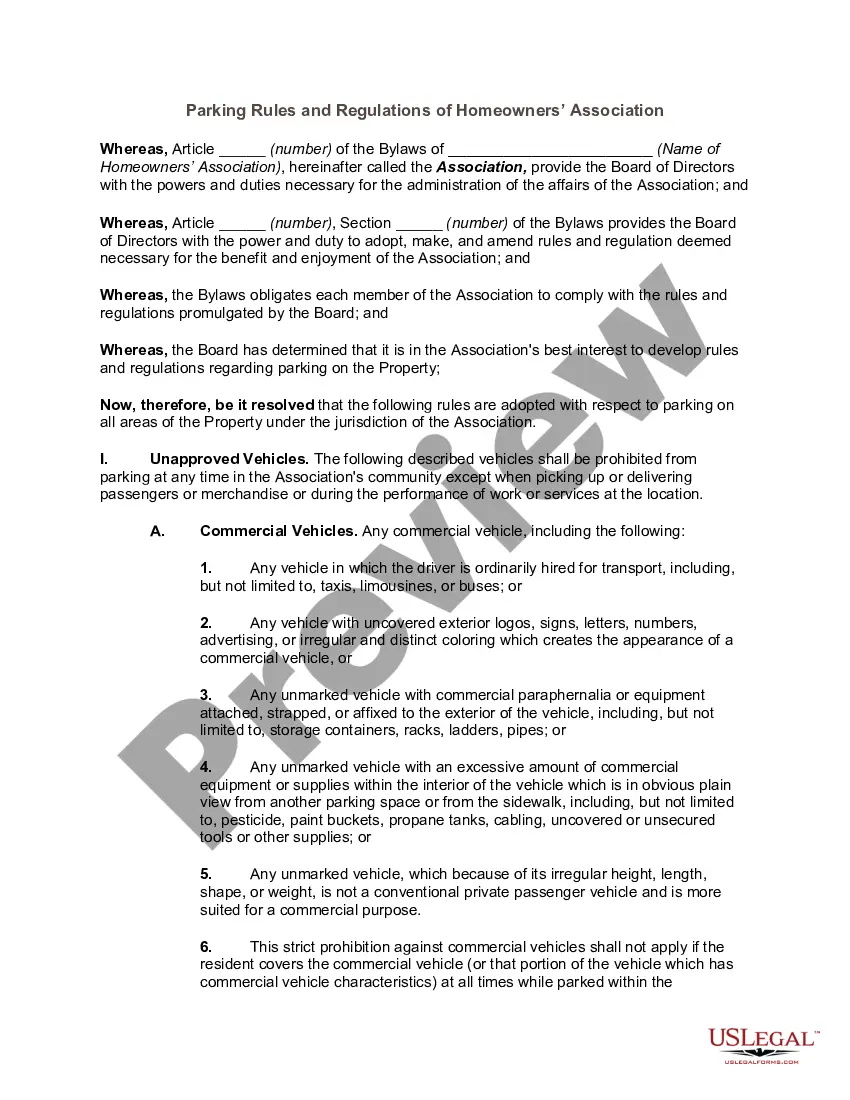
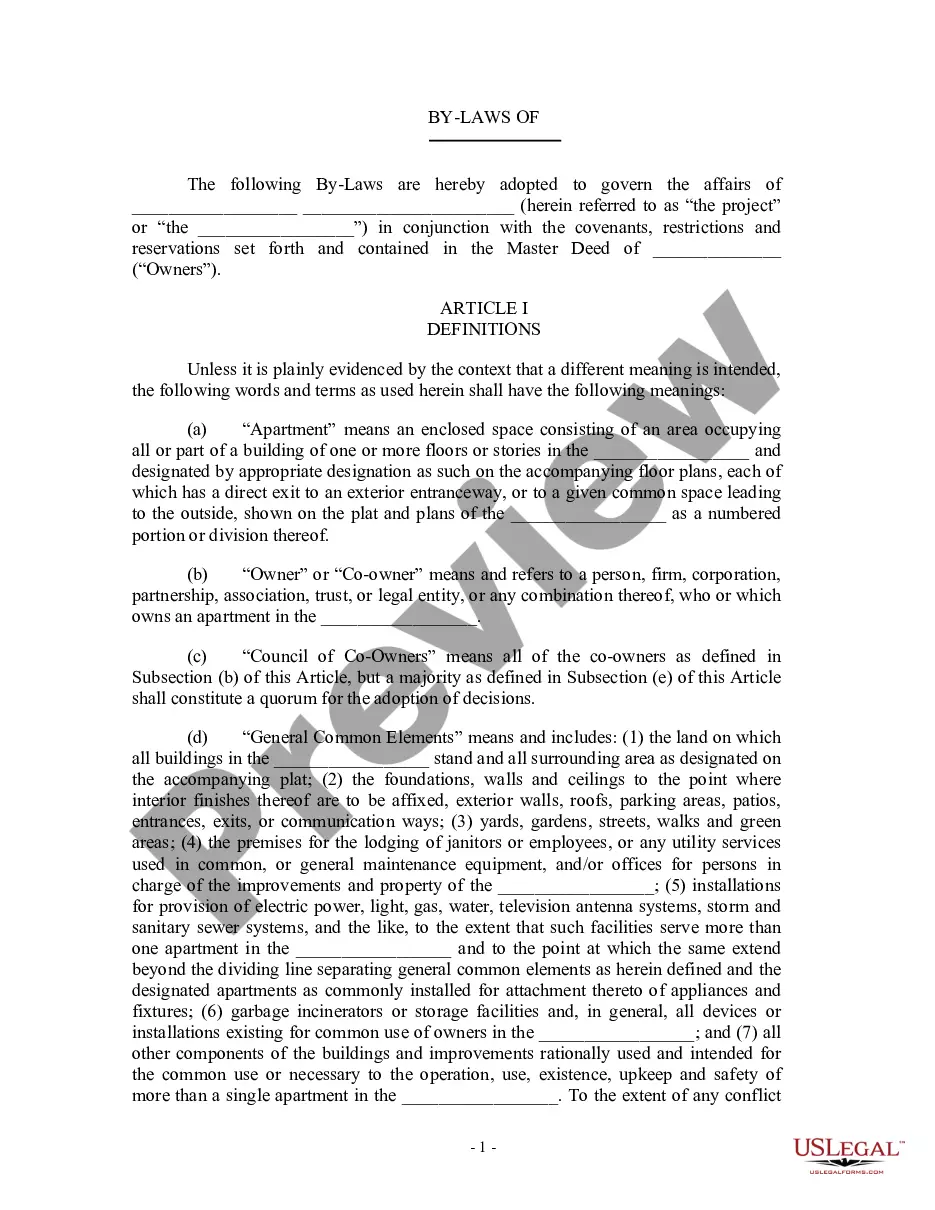
Get your form ready online
Our built-in tools help you complete, sign, share, and store your documents in one place.
Make edits, fill in missing information, and update formatting in US Legal Forms—just like you would in MS Word.
Download a copy, print it, send it by email, or mail it via USPS—whatever works best for your next step.
Sign and collect signatures with our SignNow integration. Send to multiple recipients, set reminders, and more. Go Premium to unlock E-Sign.
If this form requires notarization, complete it online through a secure video call—no need to meet a notary in person or wait for an appointment.
We protect your documents and personal data by following strict security and privacy standards.

Make edits, fill in missing information, and update formatting in US Legal Forms—just like you would in MS Word.

Download a copy, print it, send it by email, or mail it via USPS—whatever works best for your next step.

Sign and collect signatures with our SignNow integration. Send to multiple recipients, set reminders, and more. Go Premium to unlock E-Sign.

If this form requires notarization, complete it online through a secure video call—no need to meet a notary in person or wait for an appointment.

We protect your documents and personal data by following strict security and privacy standards.
Looking for another form?








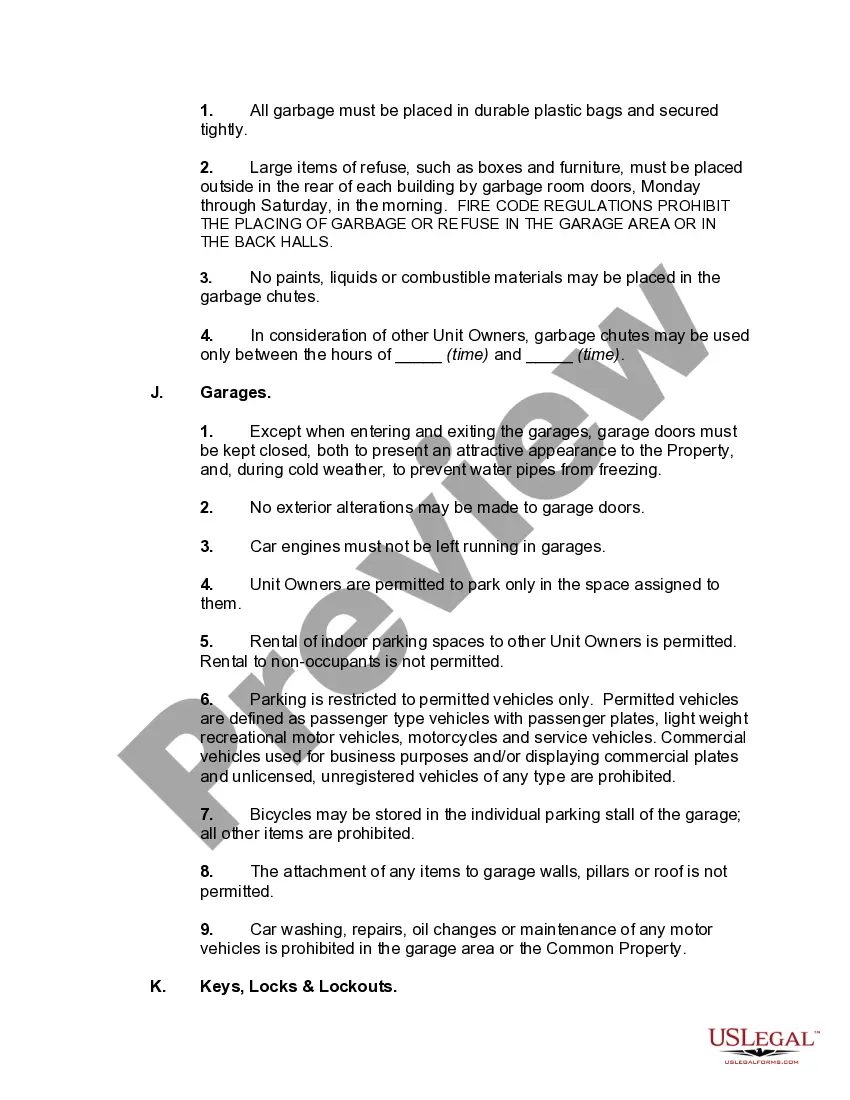
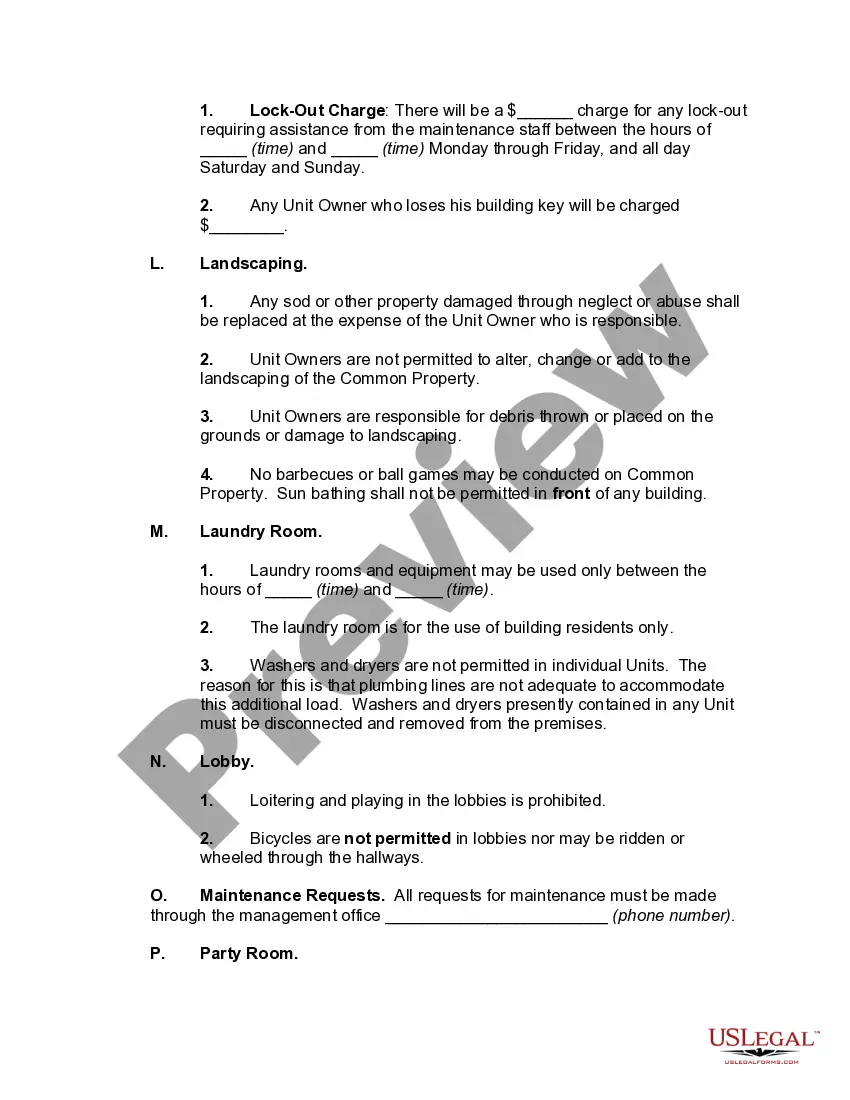
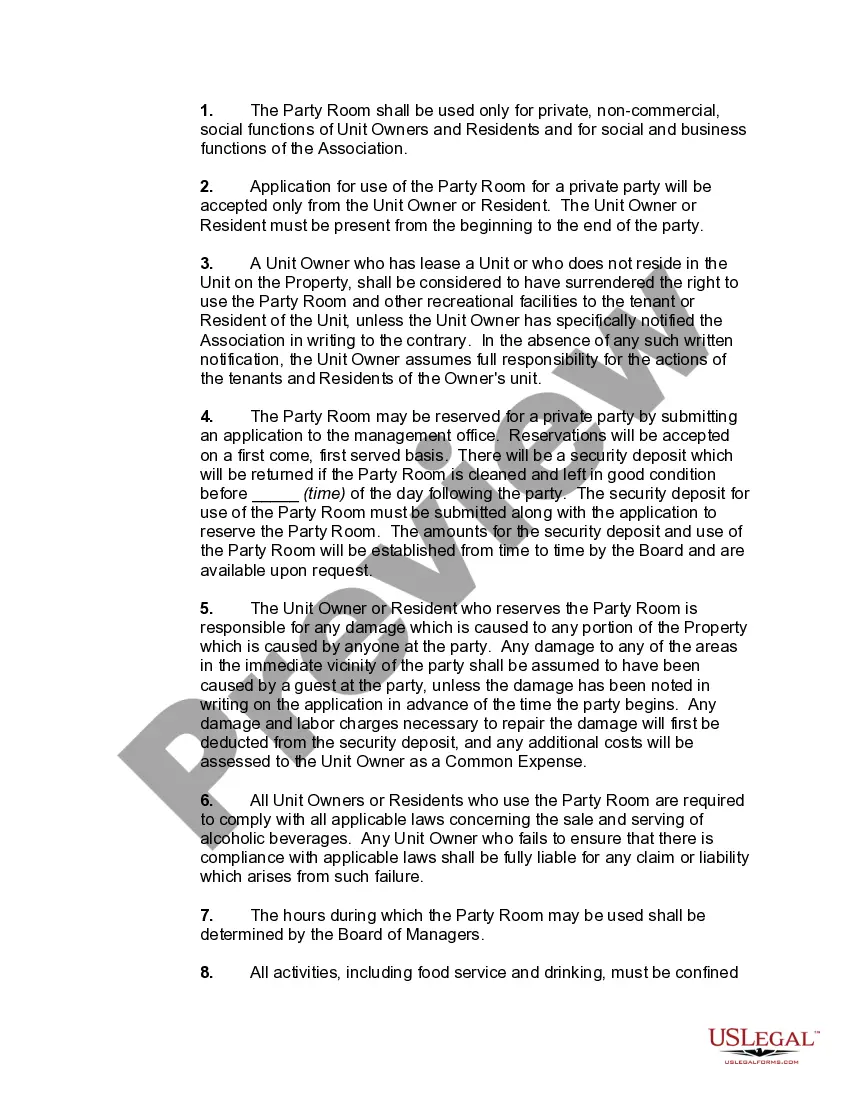
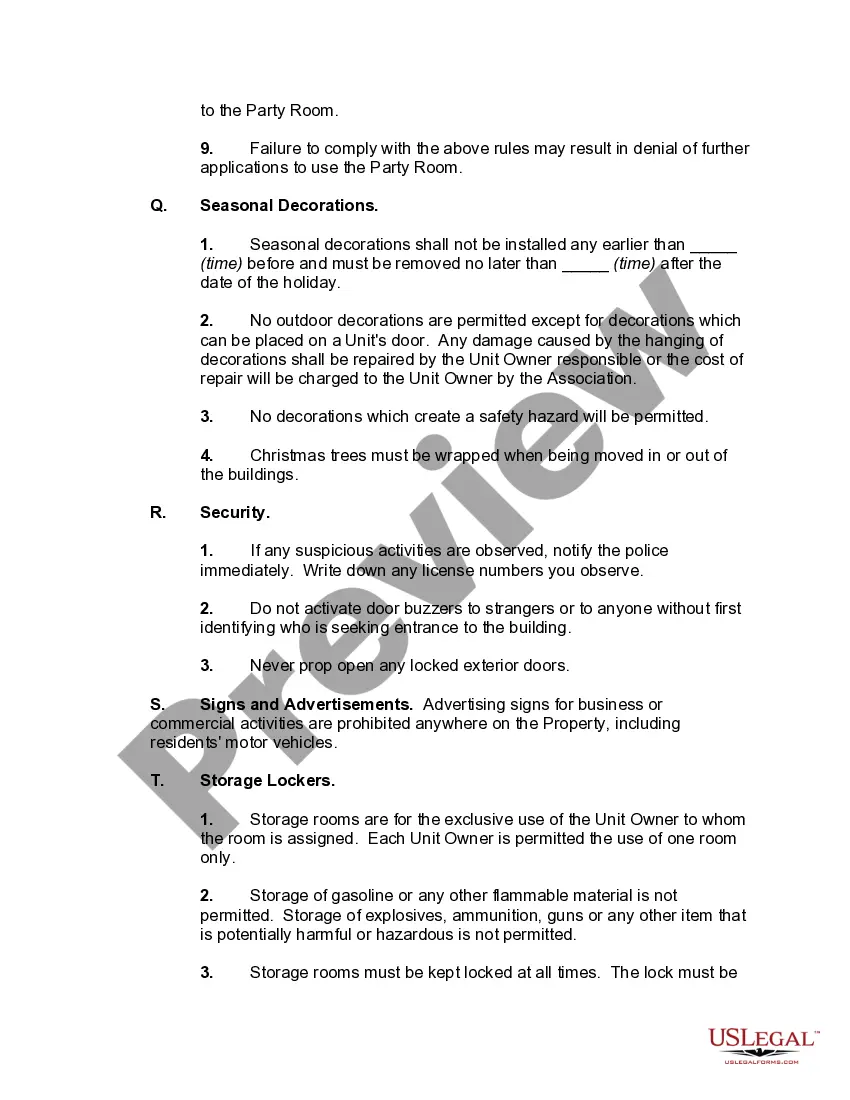
How to fill out Rules And Regulations For A Condominium Association?
Finding the appropriate legal document template can be challenging.
Of course, there are numerous templates accessible online, but how can you locate the legal form you require.
Utilize the US Legal Forms website.
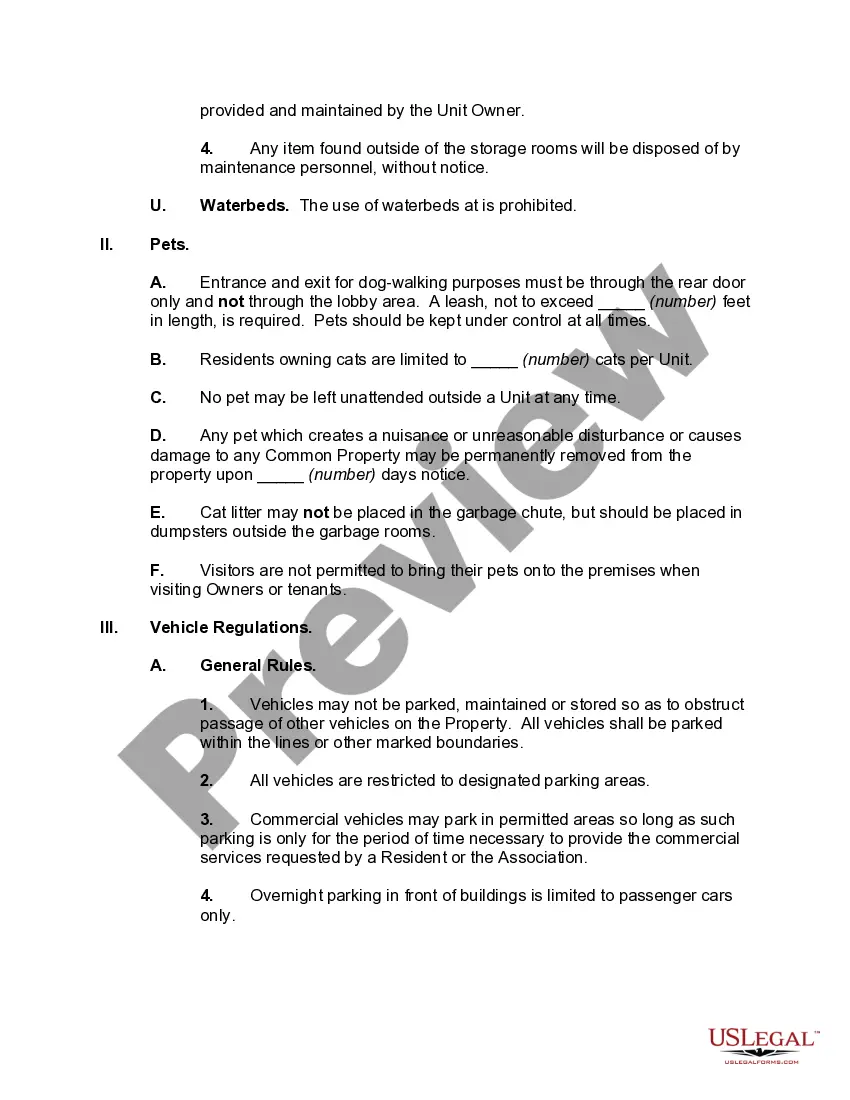
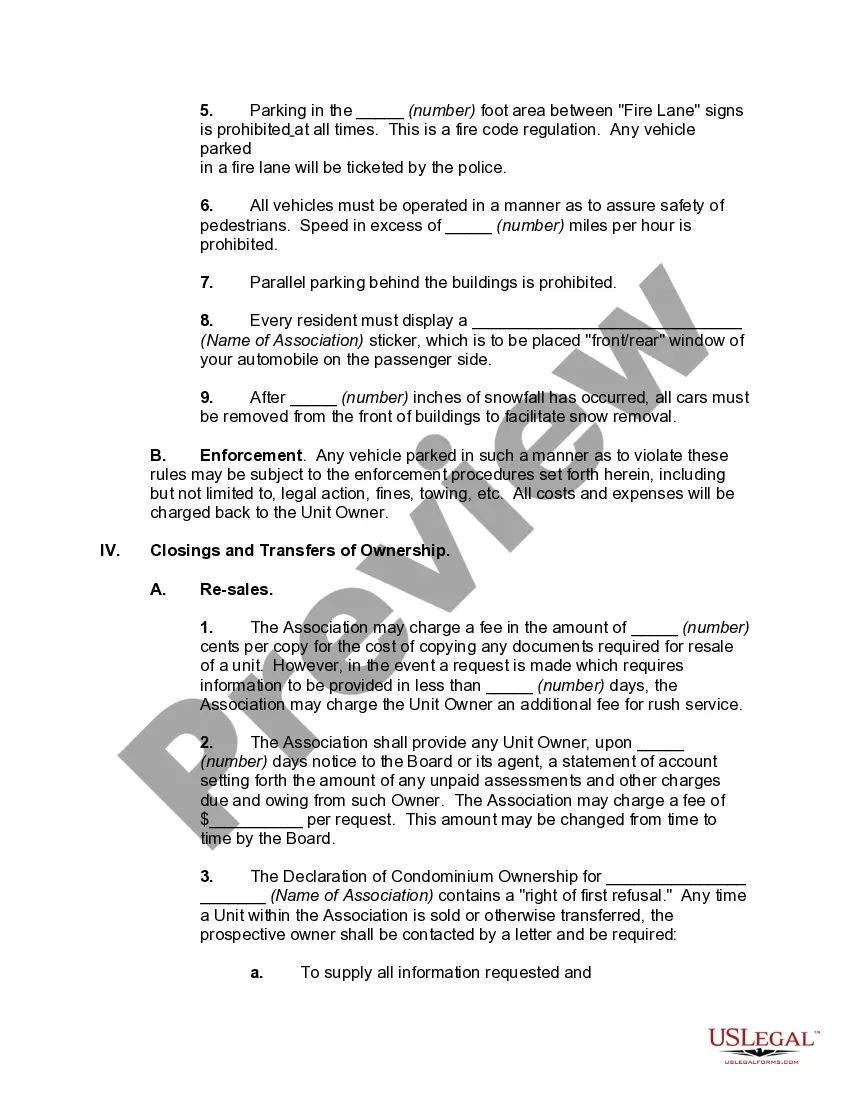
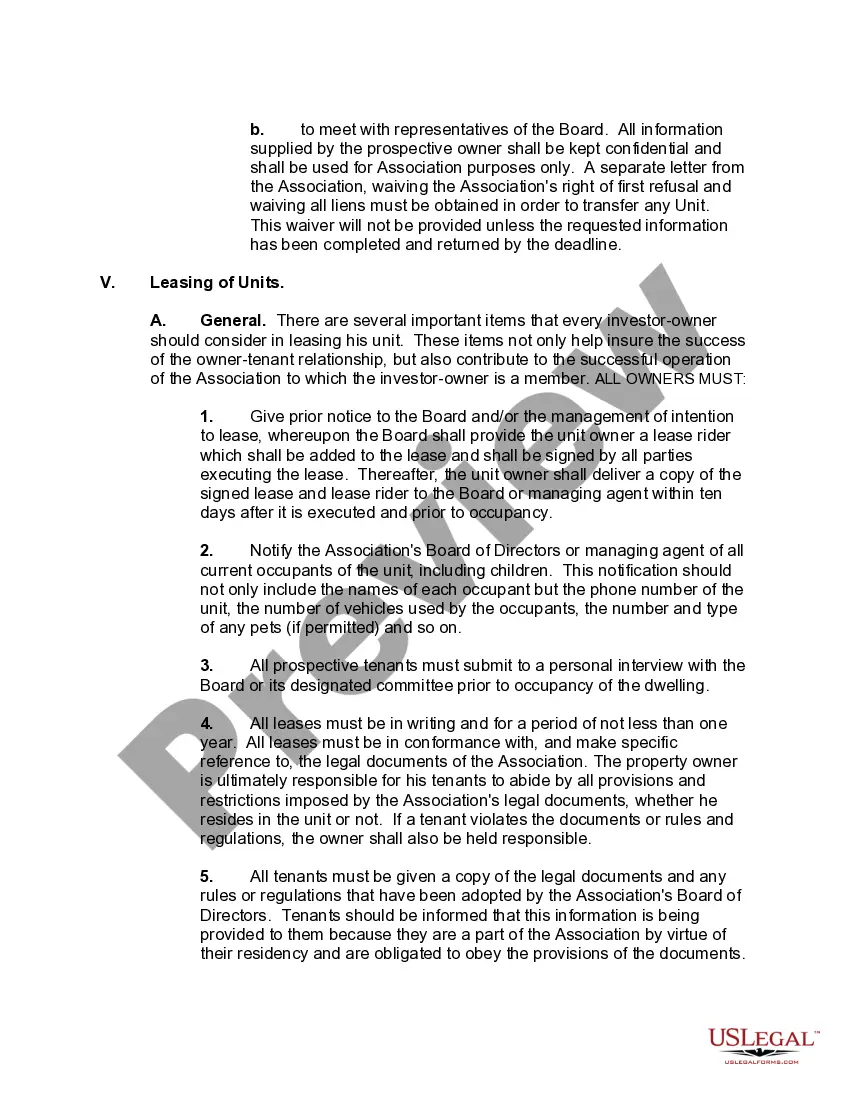
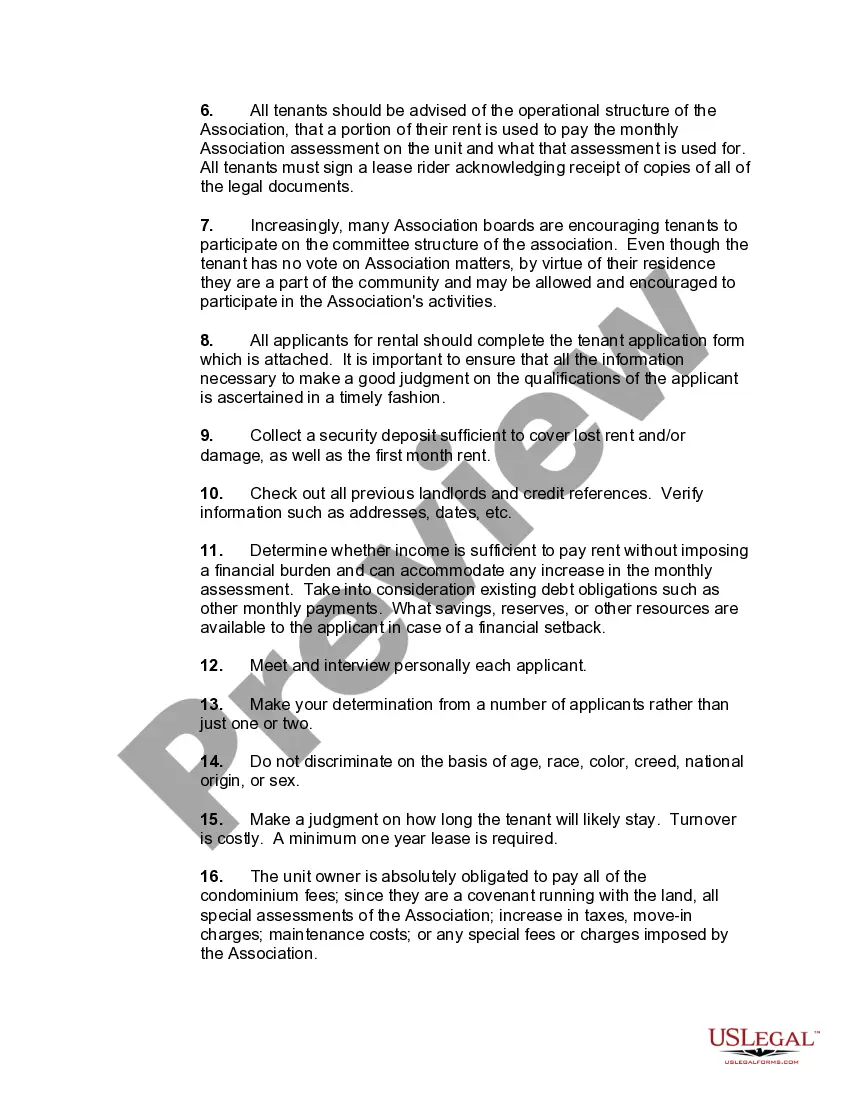
First, ensure you have selected the correct form for your region. You can browse the form using the Preview option and read the form description to confirm this is indeed the right one for you.
- This service offers a vast selection of templates, including the Washington Rules and Regulations for a Condominium Association, suitable for both business and personal use.
- All documents are reviewed by experts and comply with federal and state regulations.
- If you are already registered, Log Into your account and click the Download button to obtain the Washington Rules and Regulations for a Condominium Association.
- Use your account to search for the legal forms you have previously purchased.
- Visit the My documents tab in your account to access another copy of the document you need.
- If you are a new user of US Legal Forms, here are simple steps for you to follow.
Form popularity
FAQ
Call an association meeting and ask for a vote on dissolving the HOA. If approved, have the agreeing members sign the termination agreement. Settle any debts, dispose of assets belonging to the HOA, and file the necessary documentation with the SOS to complete the dissolution.
The members of any association may by the vote of two-thirds of the members voting thereon, at any regular meeting or at any special meeting called for that purpose, vote to dissolve said association after notice of the proposed dissolution has been given to all members entitled to vote thereon, in the manner provided
Your relationship with your HOA or housing development is not a one-way street for lawsuits. Just as they can potentially sue you, you can also sue them. Here are five common reasons you may want to sue your HOA: Harassment or discrimination.
The members of any association may by the vote of two-thirds of the members voting thereon, at any regular meeting or at any special meeting called for that purpose, vote to dissolve said association after notice of the proposed dissolution has been given to all members entitled to vote thereon, in the manner provided
Federal HOA Laws - In addition to state law regulations, the federal government has laws that govern the operation and management of common interest communities, condominiums, cooperatives, and residential properties in Washington. Horizontal Property Regimes Act (Condominiums), Wash. Rev. Code ? 64.32.
In summary, there are no restrictions in homeowners' associations against co-owners simultaneously serving on the board, while there is such a restriction for most condominiums, unless the co-owners own more than one unit, or there are insufficient candidates to require a contested election.
They can, but only under certain circumstances. The first is if the condominium has less than 10 units. If that is the case, then regardless of anything else so long as each spouse is eligible they can both be elected or appointed to the board.
Implement HOA Rules ChangeDraft your amendment to the rules. State in clear language what the rule amendment is.Notice of Proposal. Once the board has proposed an amendment, they must send out a notice between 10 and 30 days before the next board meeting; no more, no less.Board meeting approval.After rule approval.
Under the Washington Homeowners' Association Act (HOA act), an HOA must keep financial and other records detailed enough to provide each owner with an understanding of the association's financial status, as well as a yearly financial statement. Financial records should be kept for 7 years.