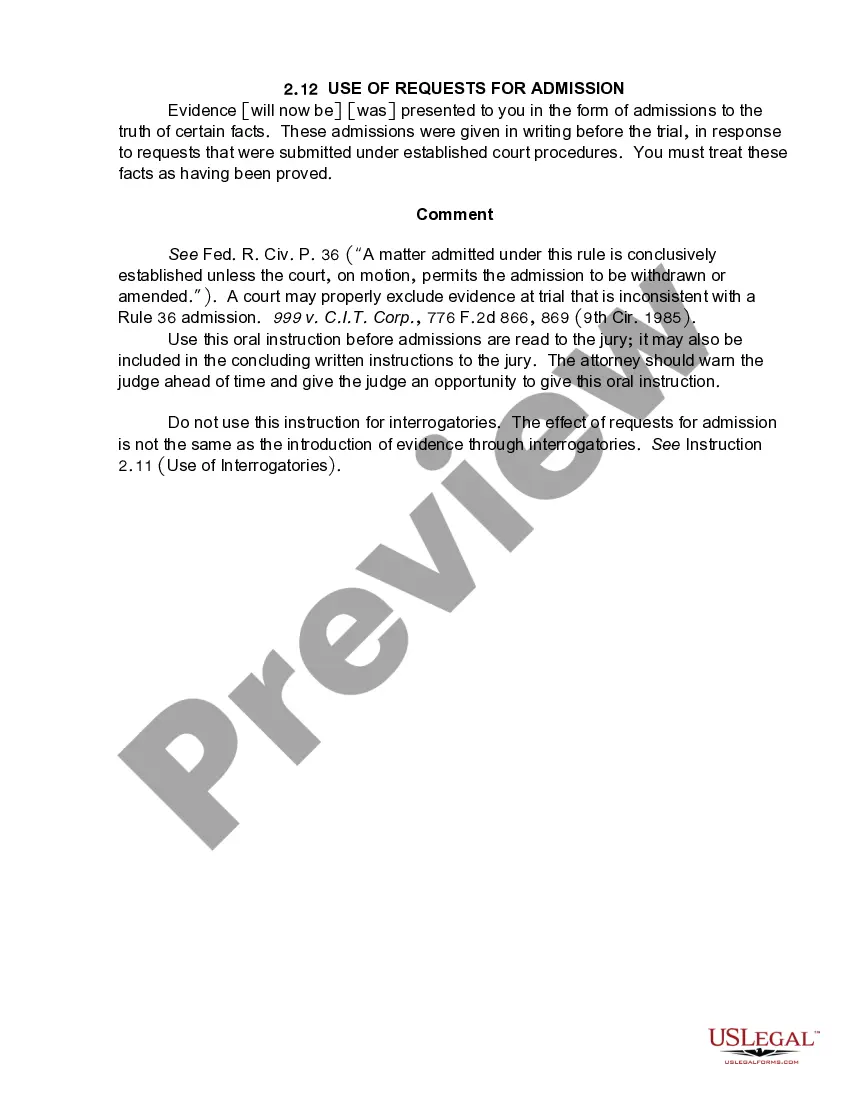
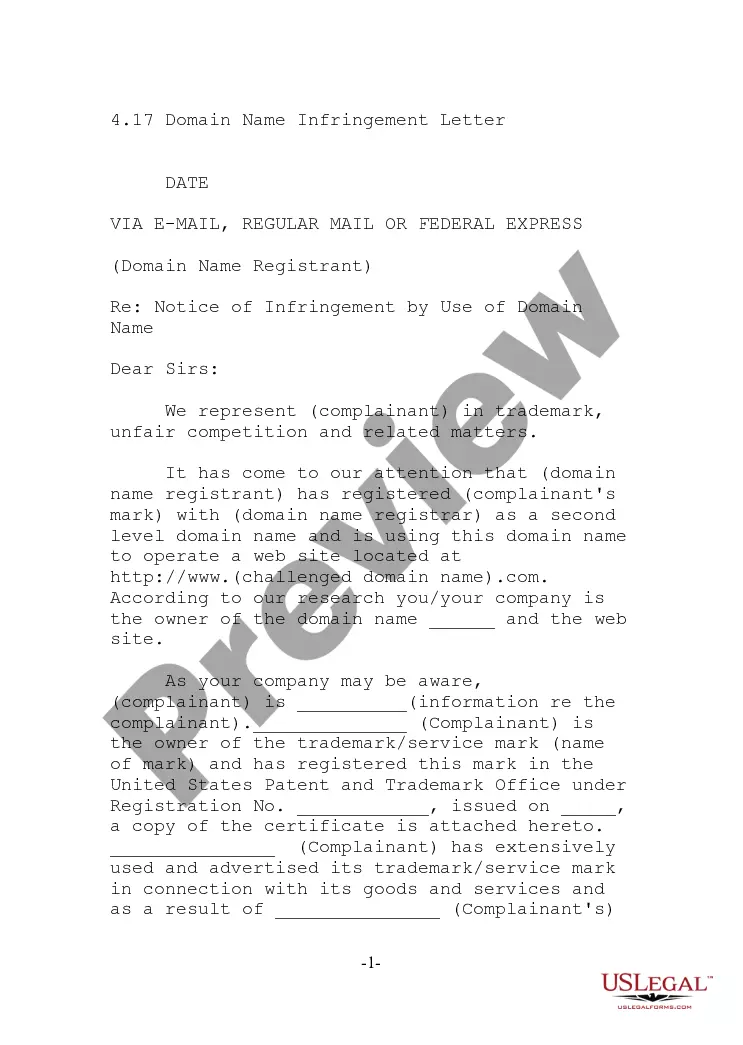
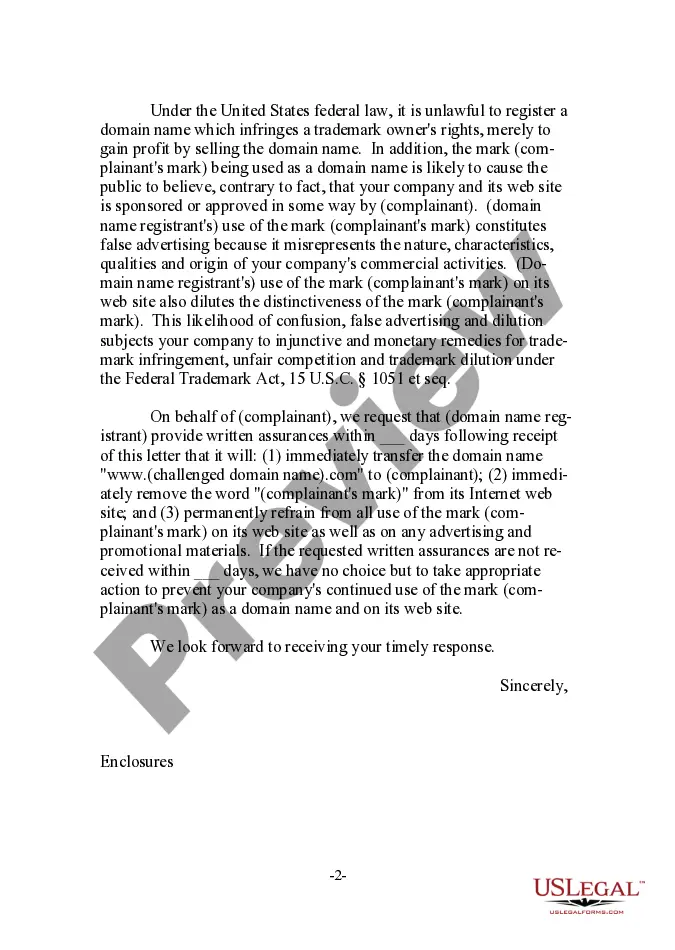
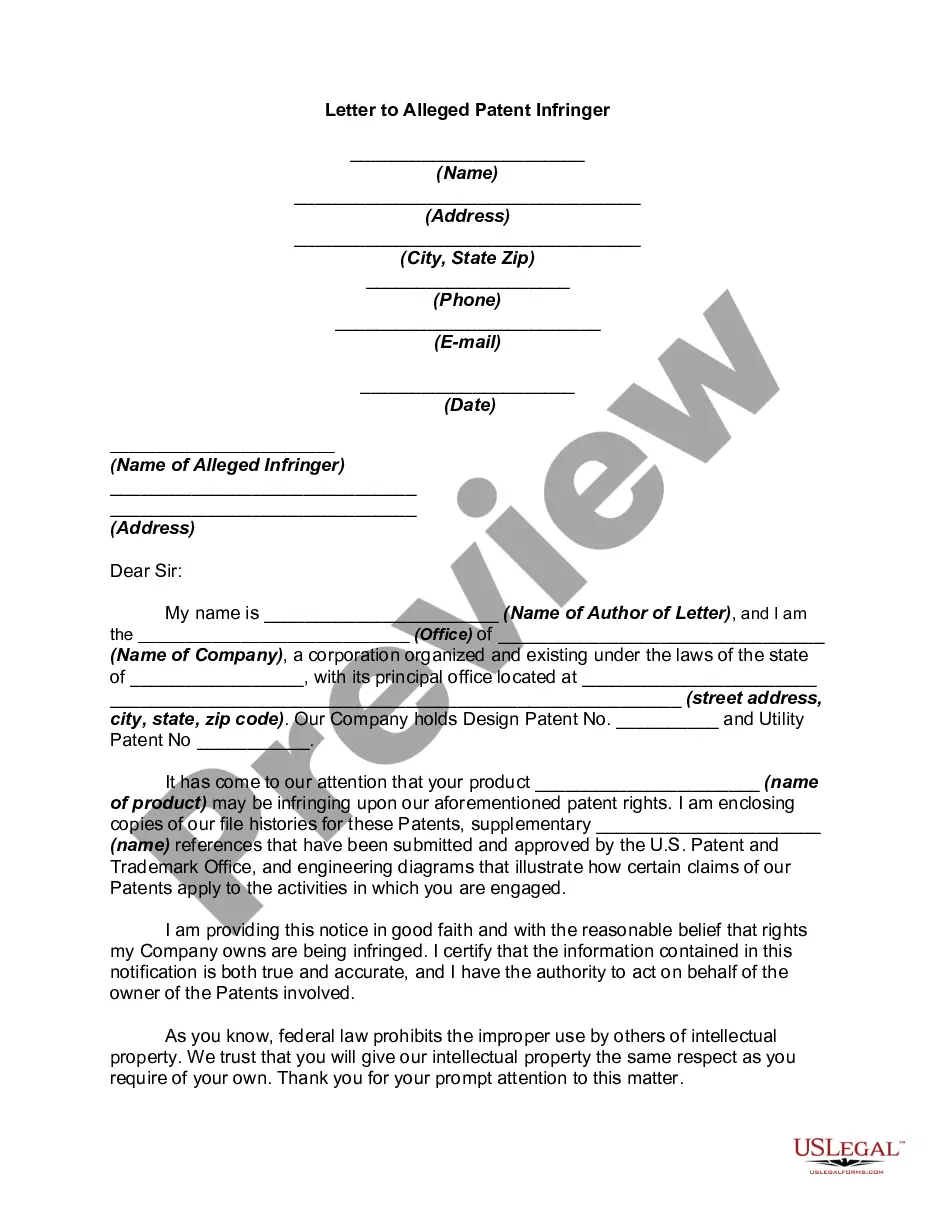
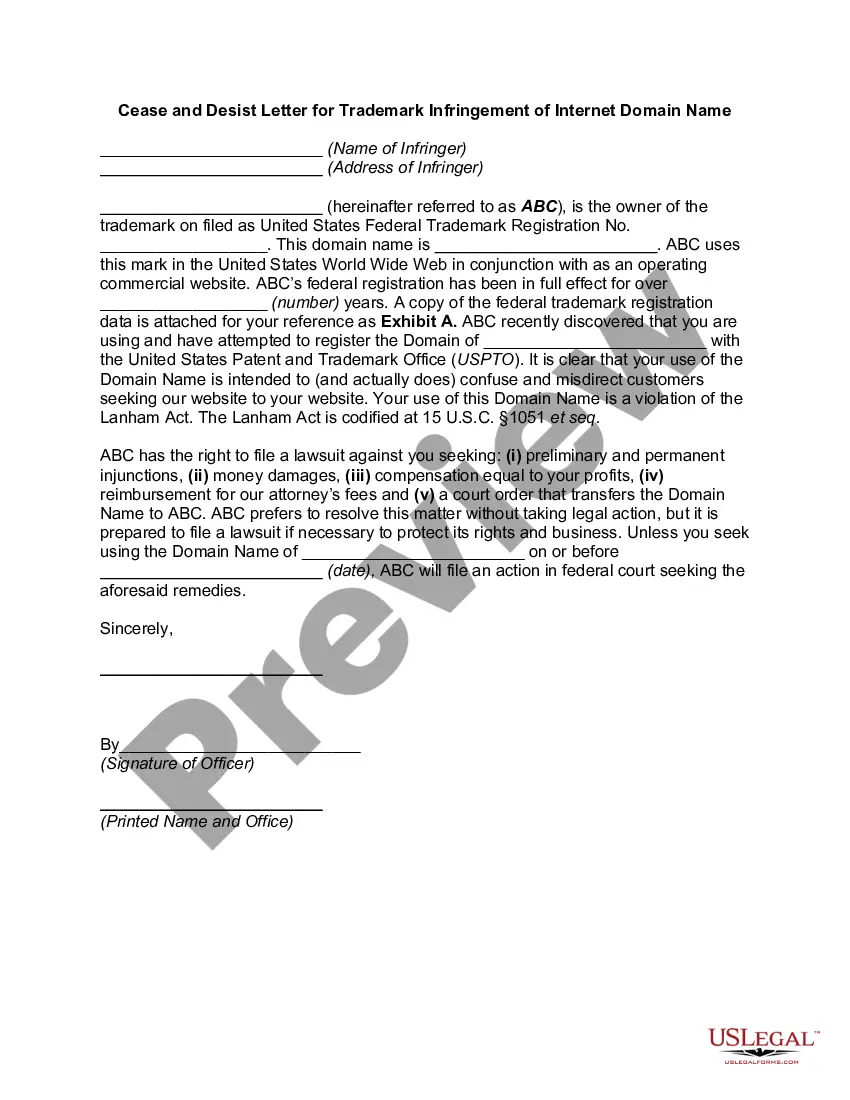
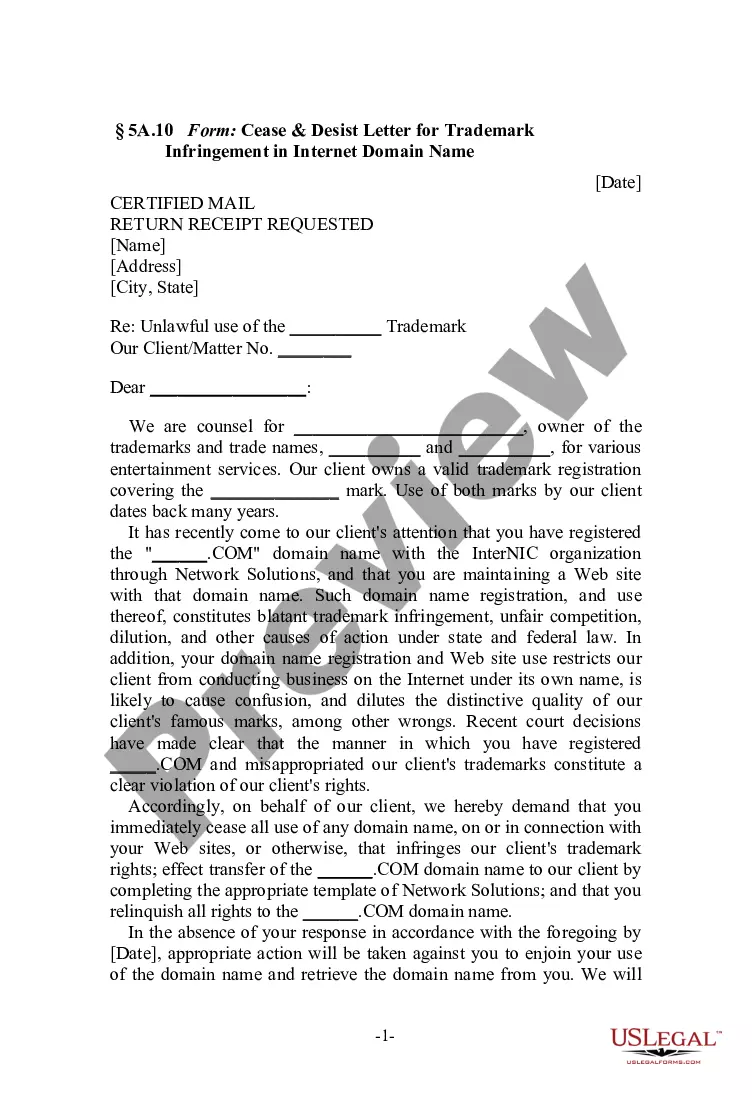
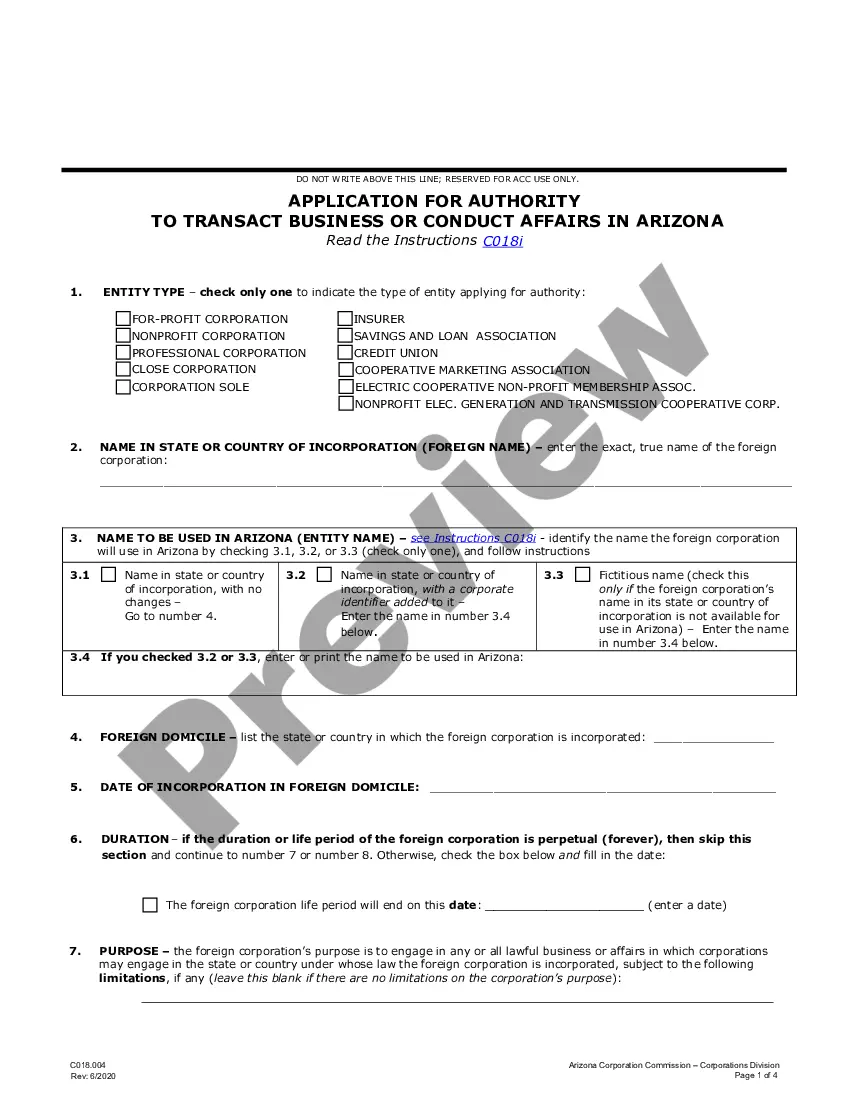
Vermont Domain Name Infringement Letter
Description

Get your form ready online
Our built-in tools help you complete, sign, share, and store your documents in one place.
Make edits, fill in missing information, and update formatting in US Legal Forms—just like you would in MS Word.
Download a copy, print it, send it by email, or mail it via USPS—whatever works best for your next step.
Sign and collect signatures with our SignNow integration. Send to multiple recipients, set reminders, and more. Go Premium to unlock E-Sign.
If this form requires notarization, complete it online through a secure video call—no need to meet a notary in person or wait for an appointment.
We protect your documents and personal data by following strict security and privacy standards.

Make edits, fill in missing information, and update formatting in US Legal Forms—just like you would in MS Word.

Download a copy, print it, send it by email, or mail it via USPS—whatever works best for your next step.

Sign and collect signatures with our SignNow integration. Send to multiple recipients, set reminders, and more. Go Premium to unlock E-Sign.

If this form requires notarization, complete it online through a secure video call—no need to meet a notary in person or wait for an appointment.

We protect your documents and personal data by following strict security and privacy standards.
Looking for another form?
How to fill out Domain Name Infringement Letter?
Discovering the right lawful record web template can be quite a have a problem. Of course, there are tons of themes accessible on the Internet, but how will you obtain the lawful type you need? Utilize the US Legal Forms website. The support delivers 1000s of themes, like the Vermont Domain Name Infringement Letter, which you can use for company and personal requires. All of the types are checked by experts and satisfy state and federal requirements.
In case you are already authorized, log in in your account and click the Obtain button to find the Vermont Domain Name Infringement Letter. Make use of account to search through the lawful types you may have ordered formerly. Proceed to the My Forms tab of your own account and obtain another backup in the record you need.
In case you are a brand new customer of US Legal Forms, allow me to share straightforward directions that you should follow:
- Initially, make sure you have selected the right type for your city/state. You may examine the form using the Review button and browse the form description to guarantee it is the right one for you.
- In case the type does not satisfy your expectations, make use of the Seach area to obtain the right type.
- When you are sure that the form is acceptable, click on the Buy now button to find the type.
- Select the costs strategy you need and enter the essential information. Build your account and purchase the transaction making use of your PayPal account or Visa or Mastercard.
- Select the submit file format and download the lawful record web template in your product.
- Total, modify and produce and indicator the received Vermont Domain Name Infringement Letter.
US Legal Forms is definitely the most significant library of lawful types that you can discover different record themes. Utilize the service to download expertly-made paperwork that follow status requirements.
Form popularity
FAQ
In a nutshell, a plaintiff in a trademark case has the burden of proving that the defendant's use of a mark has created a likelihood-of-confusion about the origin of the defendant's goods or services. To do this, the plaintiff should first show that it has developed a protectable trademark right in a trademark.
This type of domain infringement is similar to cybersquatting but occurs when the domain name holder registers a famous trademark. Competing use. Courts have prohibited such behavior from occurring. But competing claims is a complex field that still gets tangled up in many legal disputes.
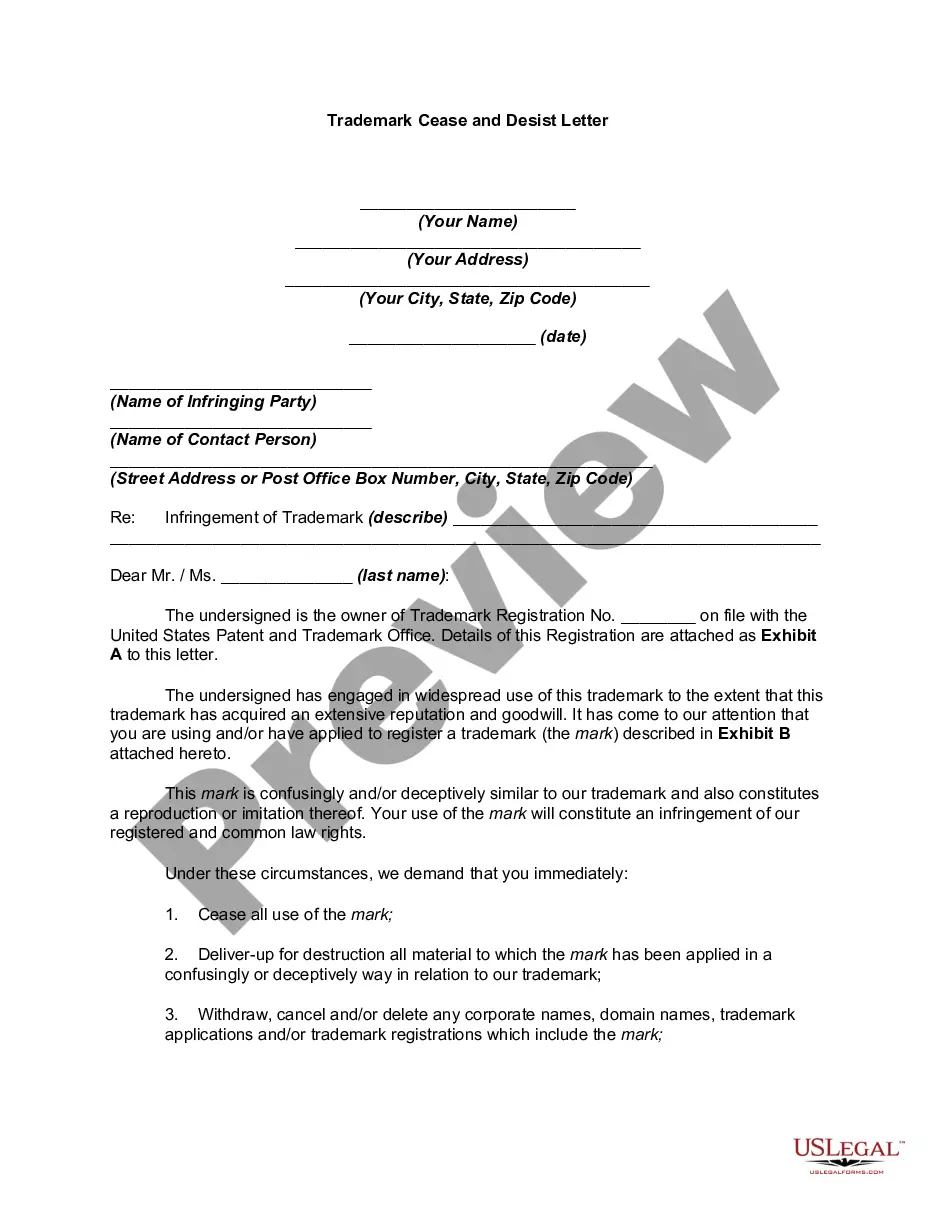
How to Write a Trademark Infringement Cease and Desist Letter Step 1 ? Fill Out the Letterhead & Delivery Information. ... Step 2 ? Include the Details of the Infringement. ... Step 3 ? Show Proof of Your Trademark Rights. ... Step 4 ? Provide a time frame for the infringing party to stop using the trademark.
If, for example, you have a jewelry company with a trademarked name of Romantic Stones, and another company comes along and starts selling jewelry under the name Romantic Stones, you have a pretty clear-cut claim for trademark infringement on your hands.
A domain name cease and desist letter is usually written by an attorney, although sometimes it's written by the trademark owner. The letter is not a court order, so it isn't legally enforceable. The letter contains your opinion, while notifying the offender that they're intruding upon your trademark.
Dear [Infringer's Name]: We have recently discovered that your business is using the mark [mark/domain] for your service or product. We believe your use infringes on our ownership of the [registered trademark/domain] mark. We learned of your use of the same or similar [mark/domain] mark on [date].
§ 1125(a), the plaintiff must demonstrate that (1) it has a valid and legally protectable mark; (2) it owns the mark; and (3) the defendant's use of the mark to identify goods or services causes a likelihood of confusion.