Vermont USLegal Guide to Advance Directives for Health Care
Description
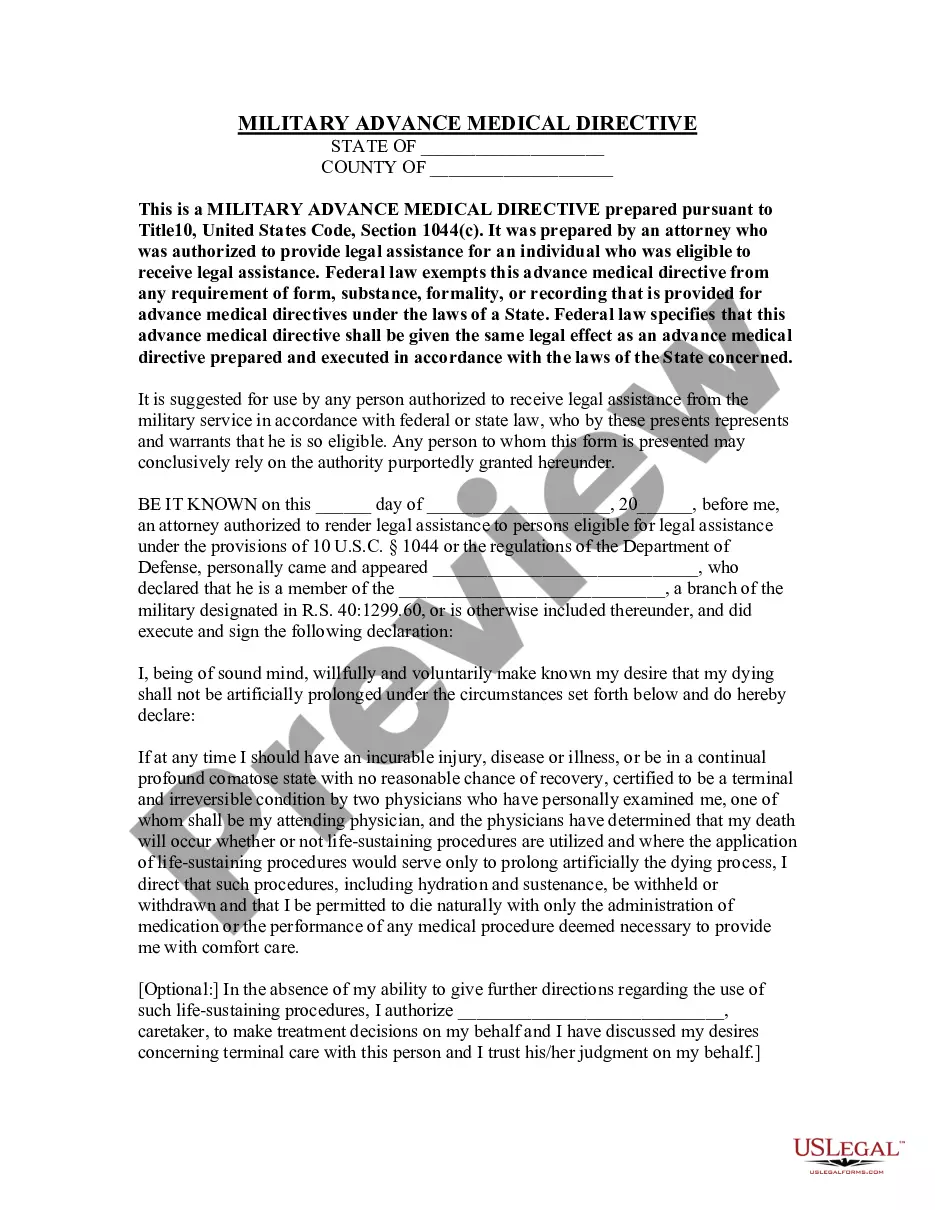
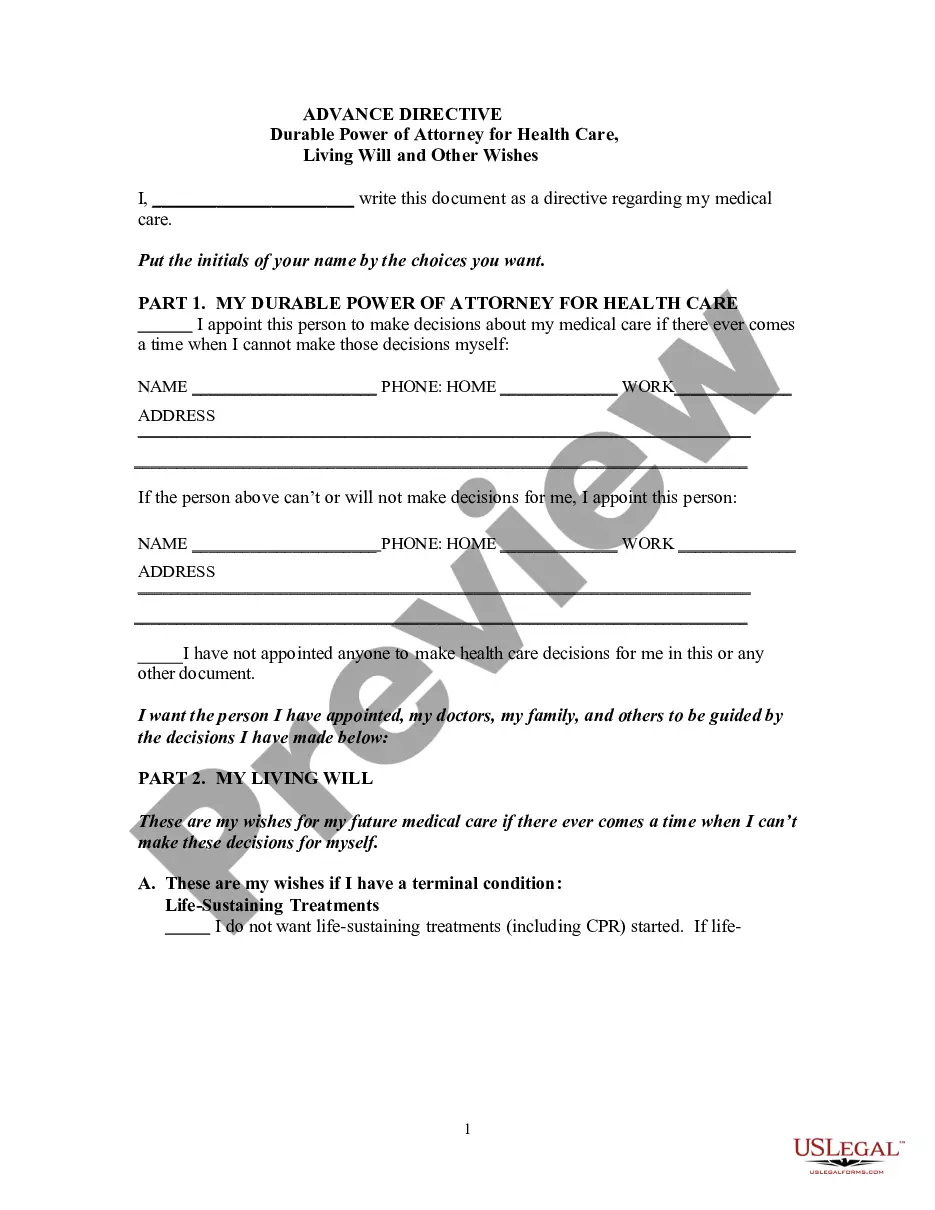
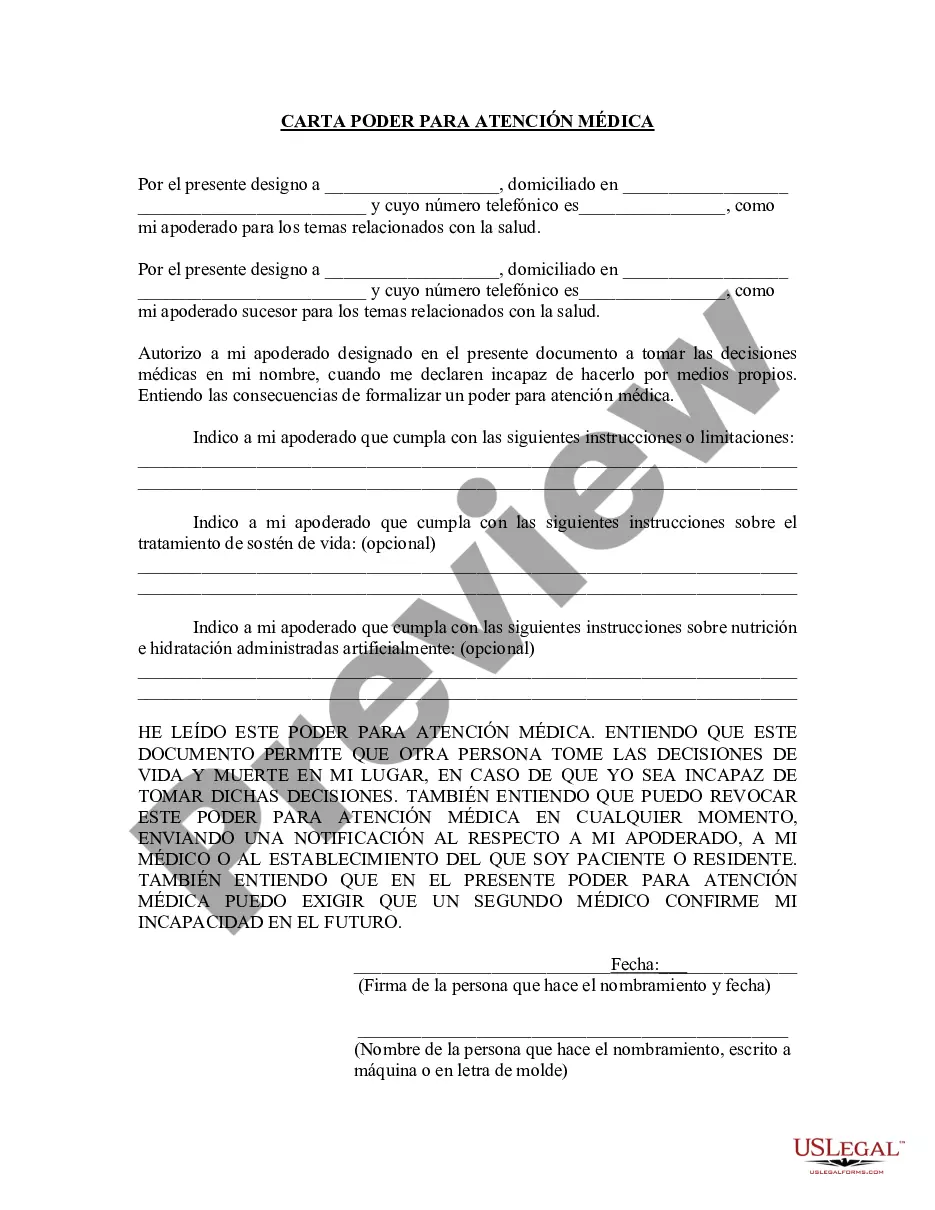
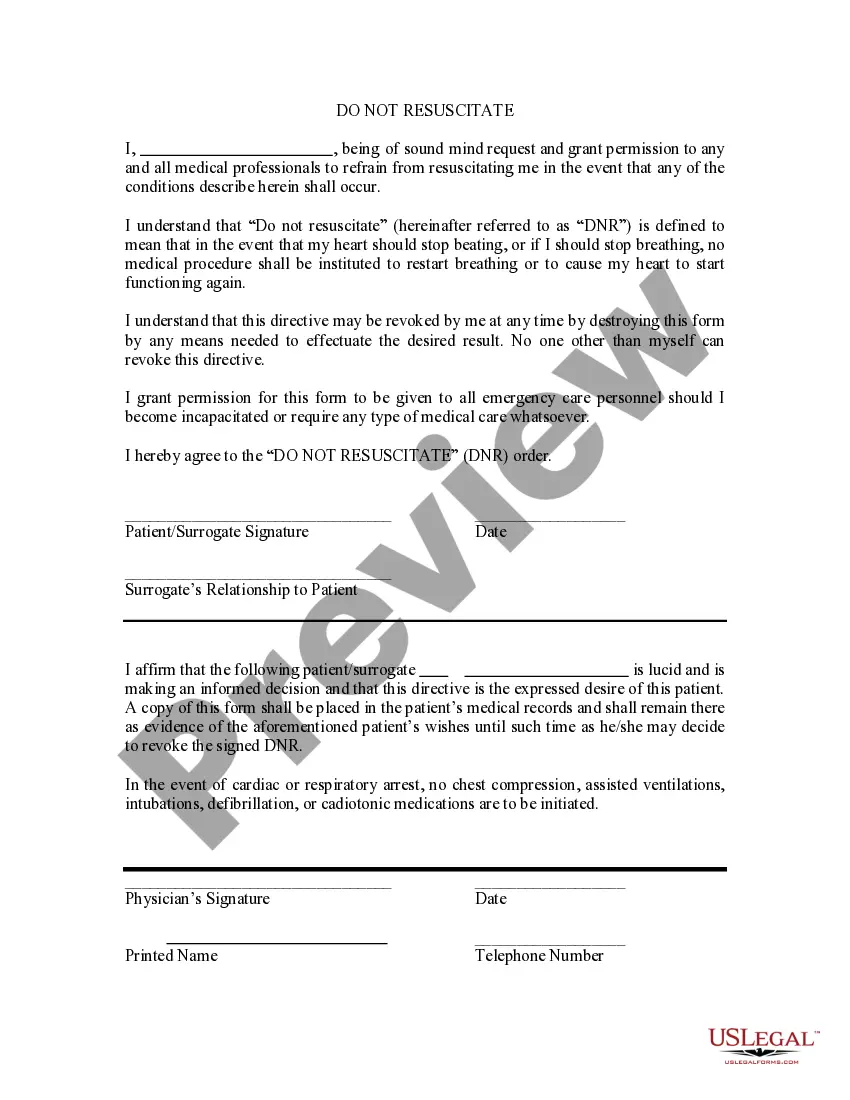



How to fill out USLegal Guide To Advance Directives For Health Care?
Selecting the optimal legal document template can be challenging. Naturally, there are numerous templates available online, but how do you discover the legal document you require.
Utilize the US Legal Forms website. The platform offers a vast selection of templates, such as the Vermont USLegal Guide to Advance Directives for Health Care, which you can employ for business and personal purposes.
All the templates are verified by professionals and comply with state and federal regulations.
Once you are confident that the document is suitable, click the Get now button to acquire the document. Choose the pricing plan you wish and input the required information. Create your account and pay for the transaction using your PayPal account or Visa or Mastercard. Select the file format and download the legal document template to your device. Complete, modify, print, and sign the received Vermont USLegal Guide to Advance Directives for Health Care. US Legal Forms is the largest collection of legal forms from which you can discover numerous document templates. Take advantage of the service to download professionally crafted documents that comply with state requirements.
- If you are already registered, Log In to your account and click on the Download button to retrieve the Vermont USLegal Guide to Advance Directives for Health Care.
- Use your account to browse through the legal documents you may have previously purchased.
- Visit the My documents tab of your account and obtain another copy of the document you need.
- If you are a new user of US Legal Forms, here are simple steps to follow.
- First, ensure you have selected the correct document for your city/county. You can view the document using the Review button and read the document description to confirm it is suitable for you.
- If the document does not meet your requirements, utilize the Search section to find the appropriate document.
Form popularity
FAQ
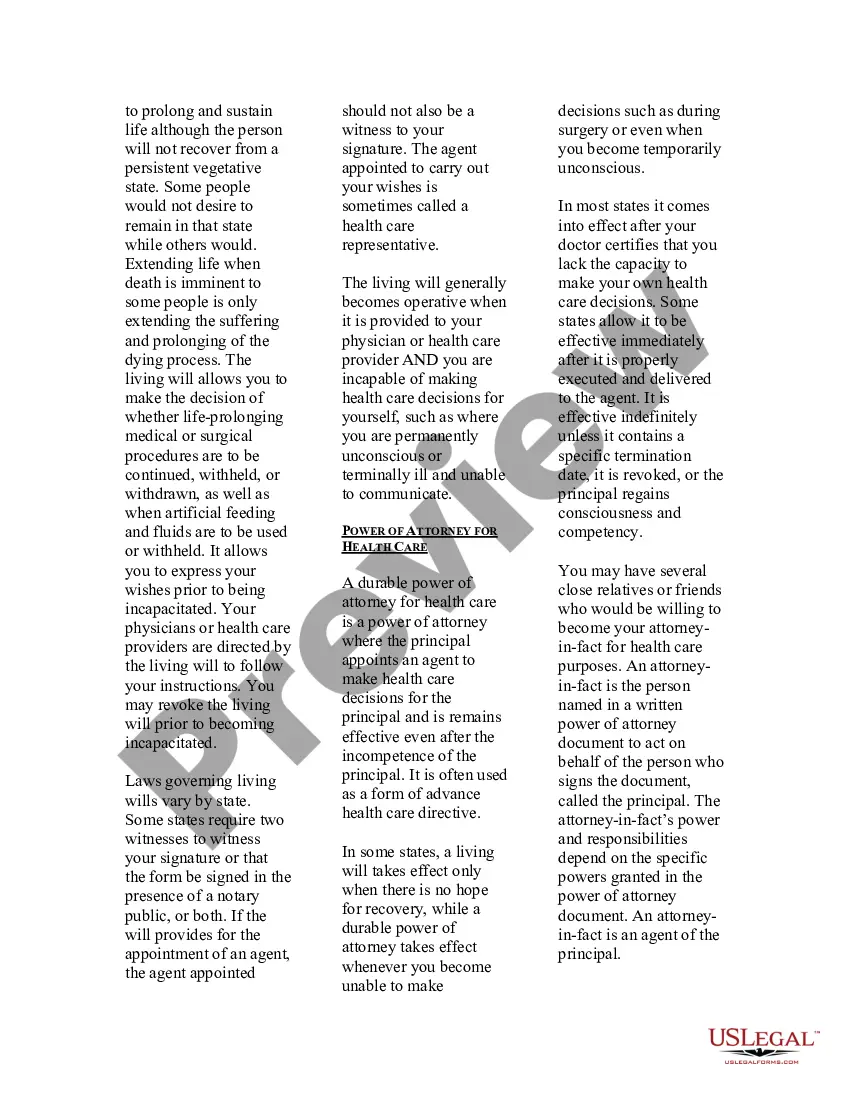
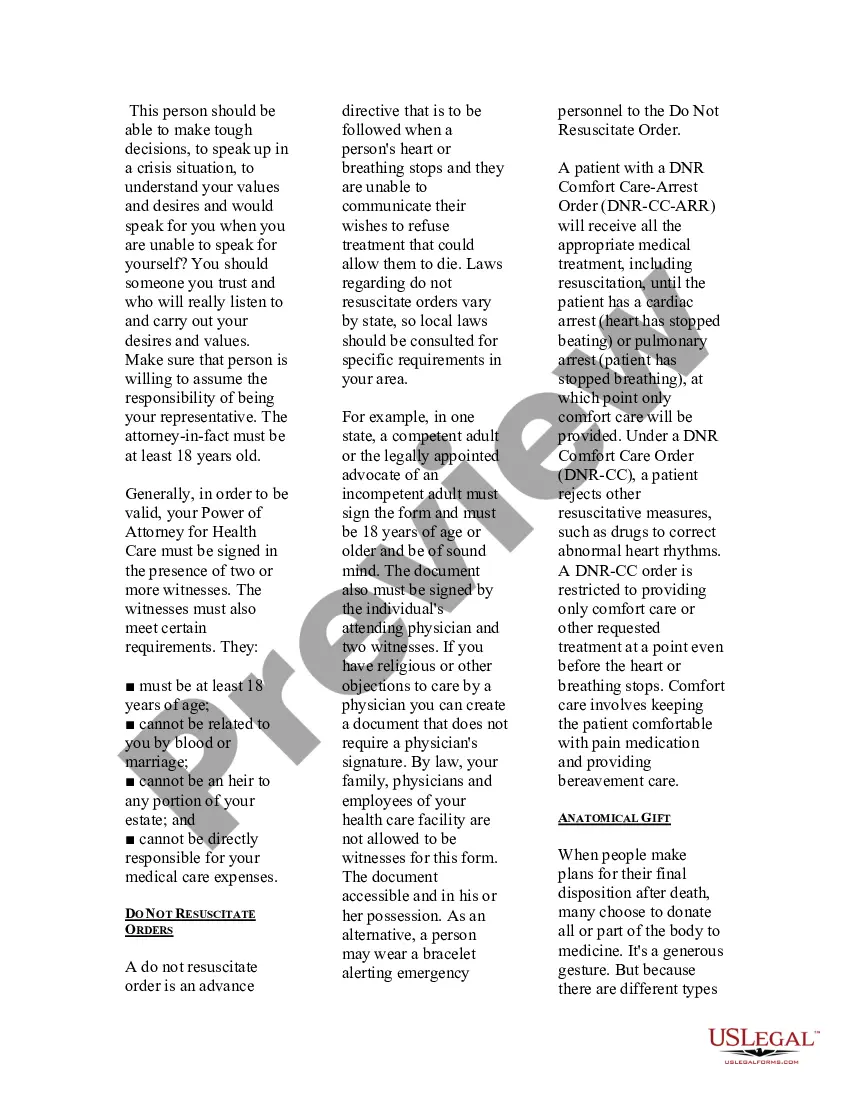
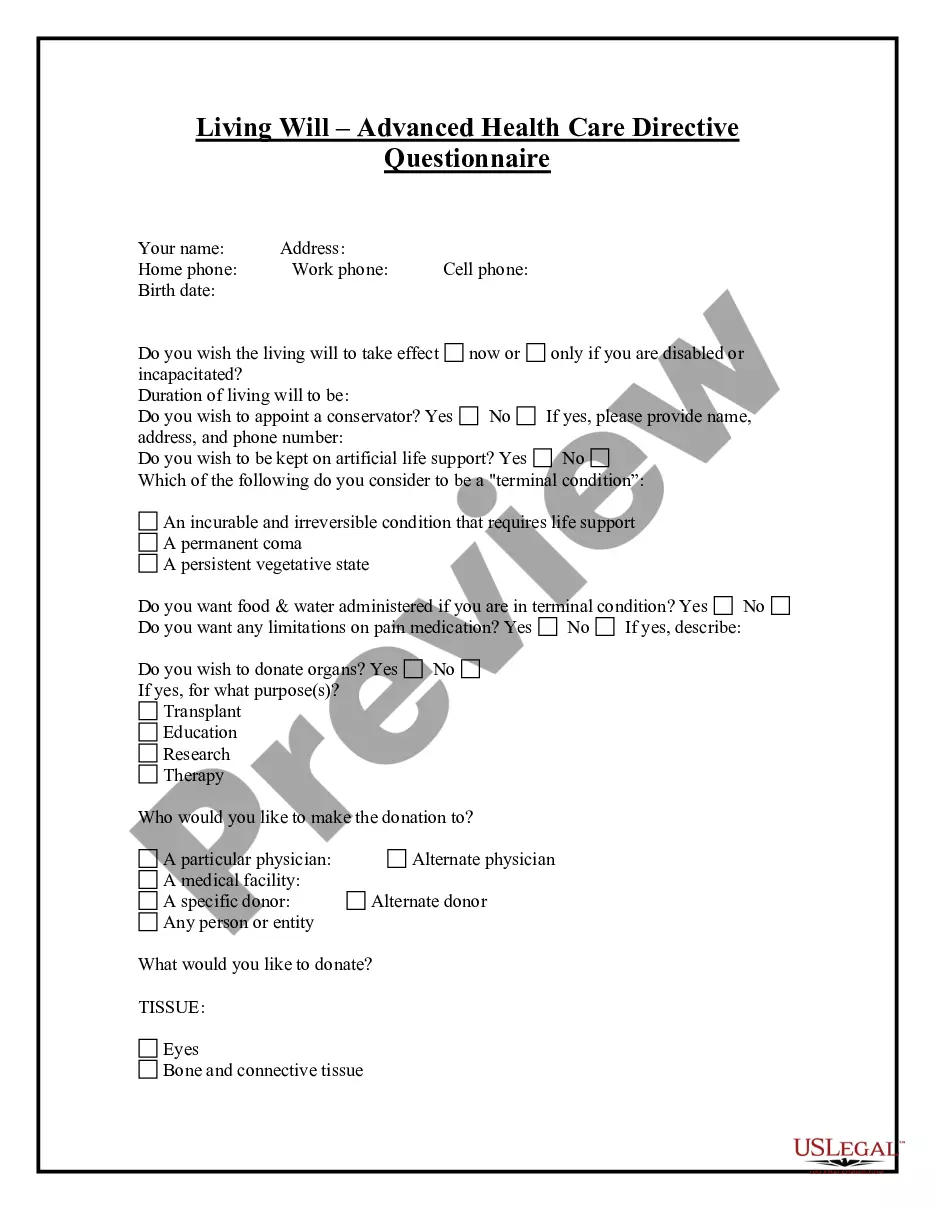
Patients can utilize three main advance directives: a living will, which details your preferences for treatment, a durable power of attorney for healthcare, which appoints someone to make decisions on your behalf, and the option of a DNR order if you wish to refuse resuscitation. Each directive serves a specific purpose, allowing you to express your healthcare wishes clearly. Using the Vermont USLegal Guide to Advance Directives for Health Care can provide you with the knowledge to select and implement these directives with confidence.
First, ensure your advance directives are clear and specific to prevent any misunderstandings about your healthcare choices. Second, share your directives with your healthcare provider and family members, as open communication is key to effective planning. Lastly, review and update your directives regularly, especially after any major life changes. The Vermont USLegal Guide to Advance Directives for Health Care offers a roadmap to navigate these guidelines smoothly.
An advance directive typically consists of three parts: a living will, which outlines your healthcare wishes, a durable power of attorney for healthcare, which designates someone to make decisions on your behalf, and a DNR order, if desired, which indicates your choice for resuscitation efforts. Each component plays a crucial role in communicating your healthcare preferences. By consulting the Vermont USLegal Guide to Advance Directives for Health Care, you can create a comprehensive plan that addresses each area effectively.
The most common advance directives include a living will, a durable power of attorney for health care, and do-not-resuscitate (DNR) orders. These documents outline your wishes regarding medical treatment and appoint a trusted individual to make decisions on your behalf. Exploring these types through the Vermont USLegal Guide to Advance Directives for Health Care can help you prepare for any situation and ensure your preferences are honored.
Filling out an advance directive involves selecting a preferred decision-maker and documenting your health care preferences. Be specific about the types of medical treatments you want or do not want. For accurate guidance, the Vermont USLegal Guide to Advance Directives for Health Care is an excellent resource to ensure your directive is completed properly.
Typically, advance directives comprise a living will and a durable power of attorney for health care. The living will outlines your medical wishes, while the durable power of attorney designates someone to make decisions if you are unable to do so. Using the Vermont USLegal Guide to Advance Directives for Health Care can provide further insights into these important documents.
In Oregon, advance directives do not need to be notarized. However, they must be signed by you and witnessed by two individuals or a notary public. Referring to the Vermont USLegal Guide to Advance Directives for Health Care ensures you are aware of the requirements specific to your state, and it makes the process clearer.
The most common written advance directive is the living will. This document specifies which medical treatments you do or do not want if you face a terminal illness or are incapacitated. Using the Vermont USLegal Guide to Advance Directives for Health Care can help you draft a living will that meets your specific needs.
To fill out an advance directive, you first need to select a person you trust to make decisions on your behalf. Next, outline your wishes regarding medical treatments and end-of-life care clearly. It is important to follow your state's regulations, and using the Vermont USLegal Guide to Advance Directives for Health Care can make this process easier and more compliant.
A sample wording for an advance directive typically includes statements about your health care preferences. You can specify who will make decisions for you if you are unable to do so. For example, you may state, 'If I am unable to make decisions for myself, I appoint Name to make health care decisions on my behalf.' Using the Vermont USLegal Guide to Advance Directives for Health Care can help you understand the necessary language.