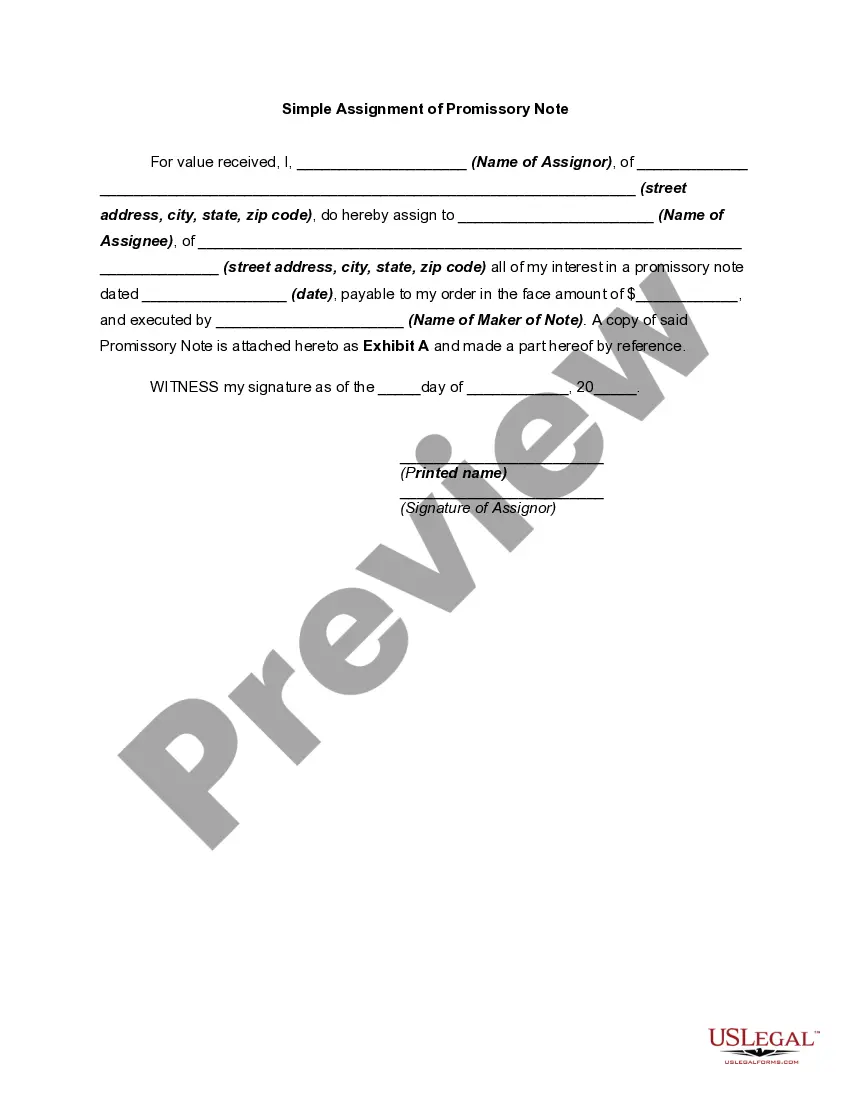
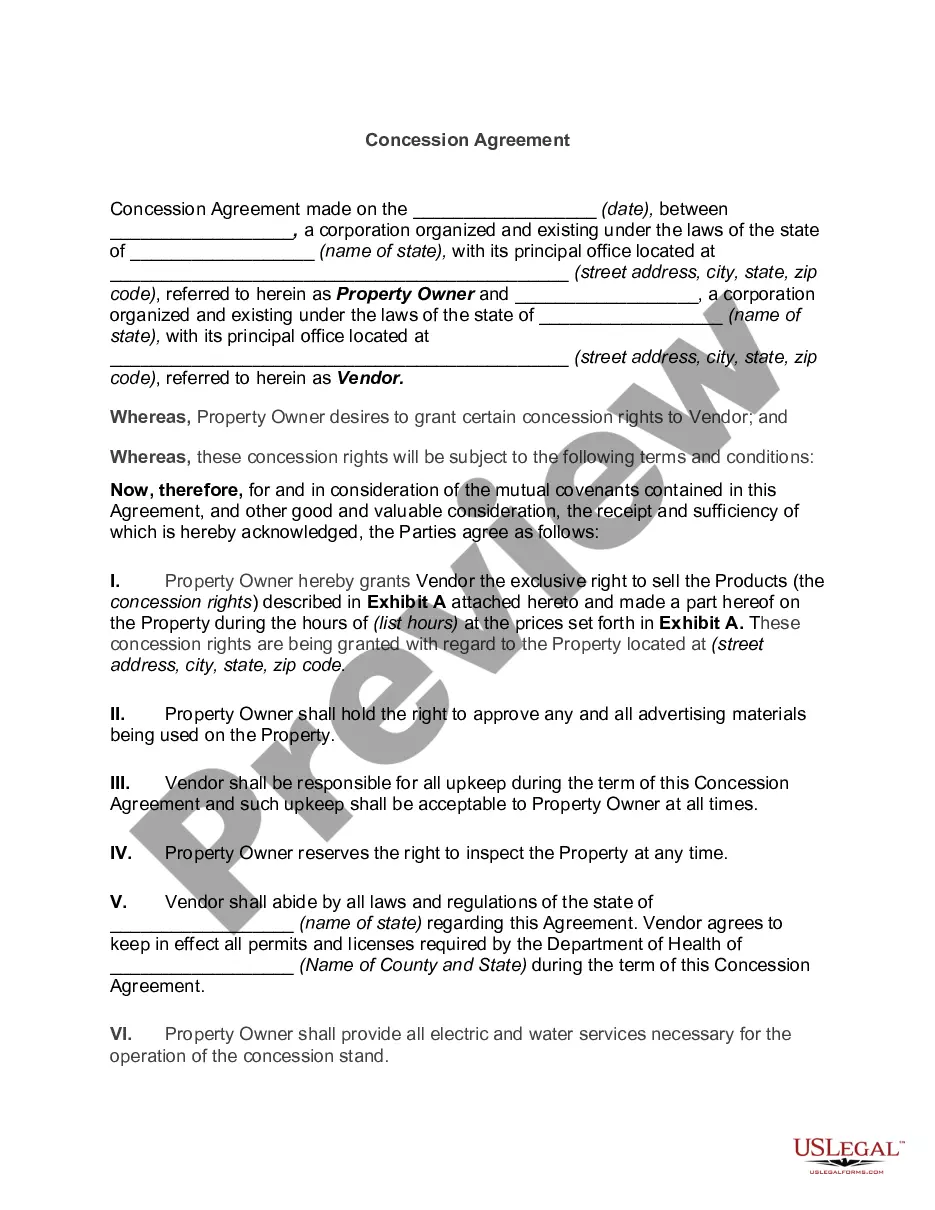
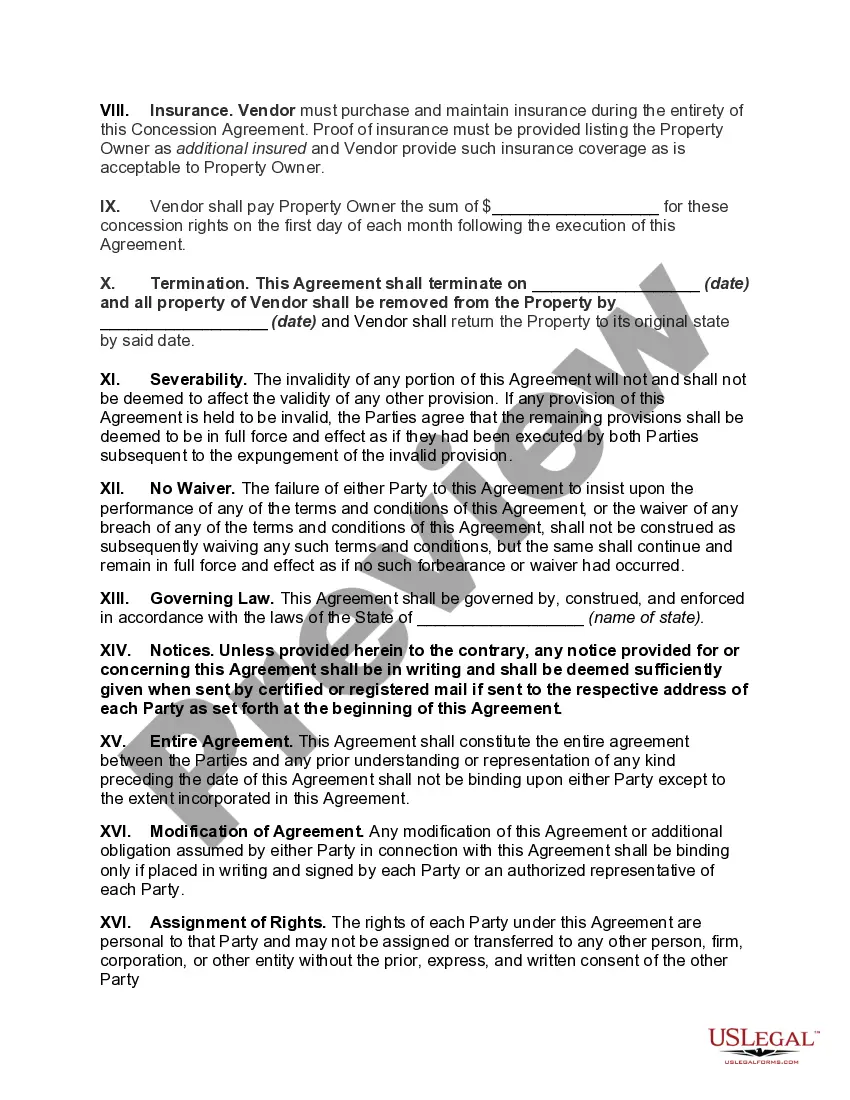
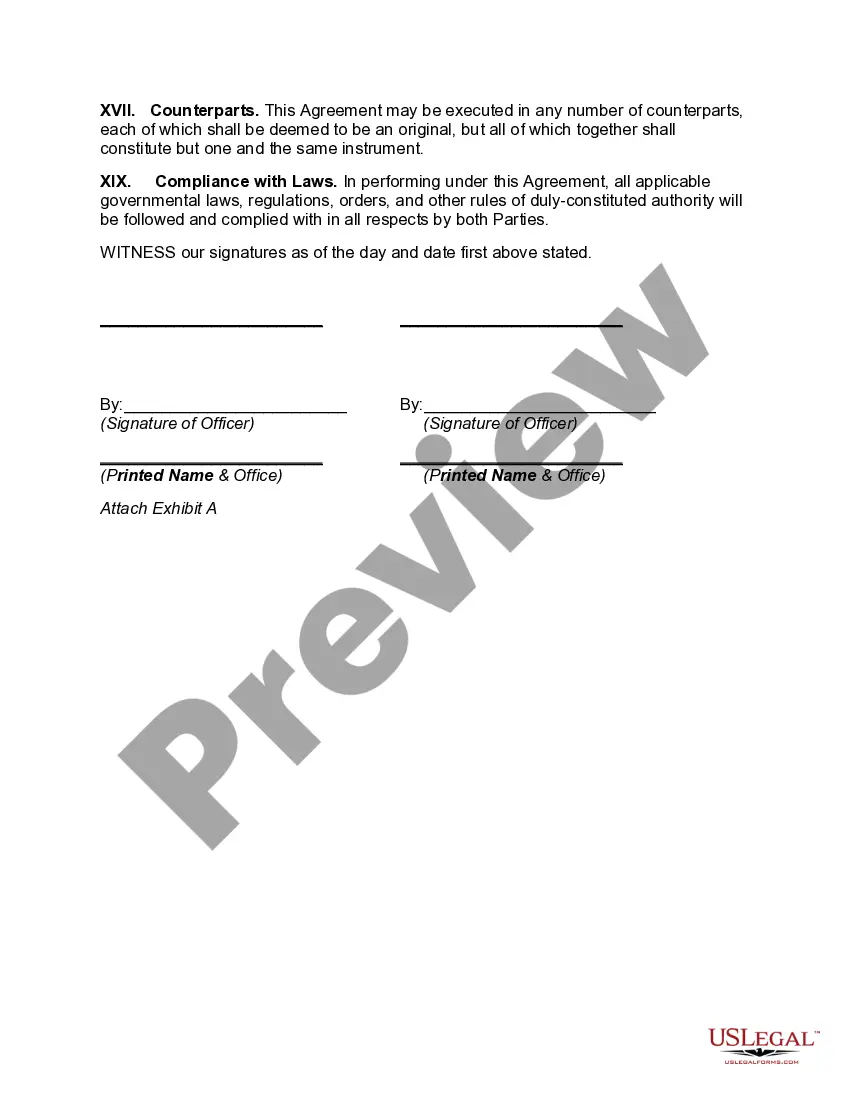
Vermont Concession Agreement
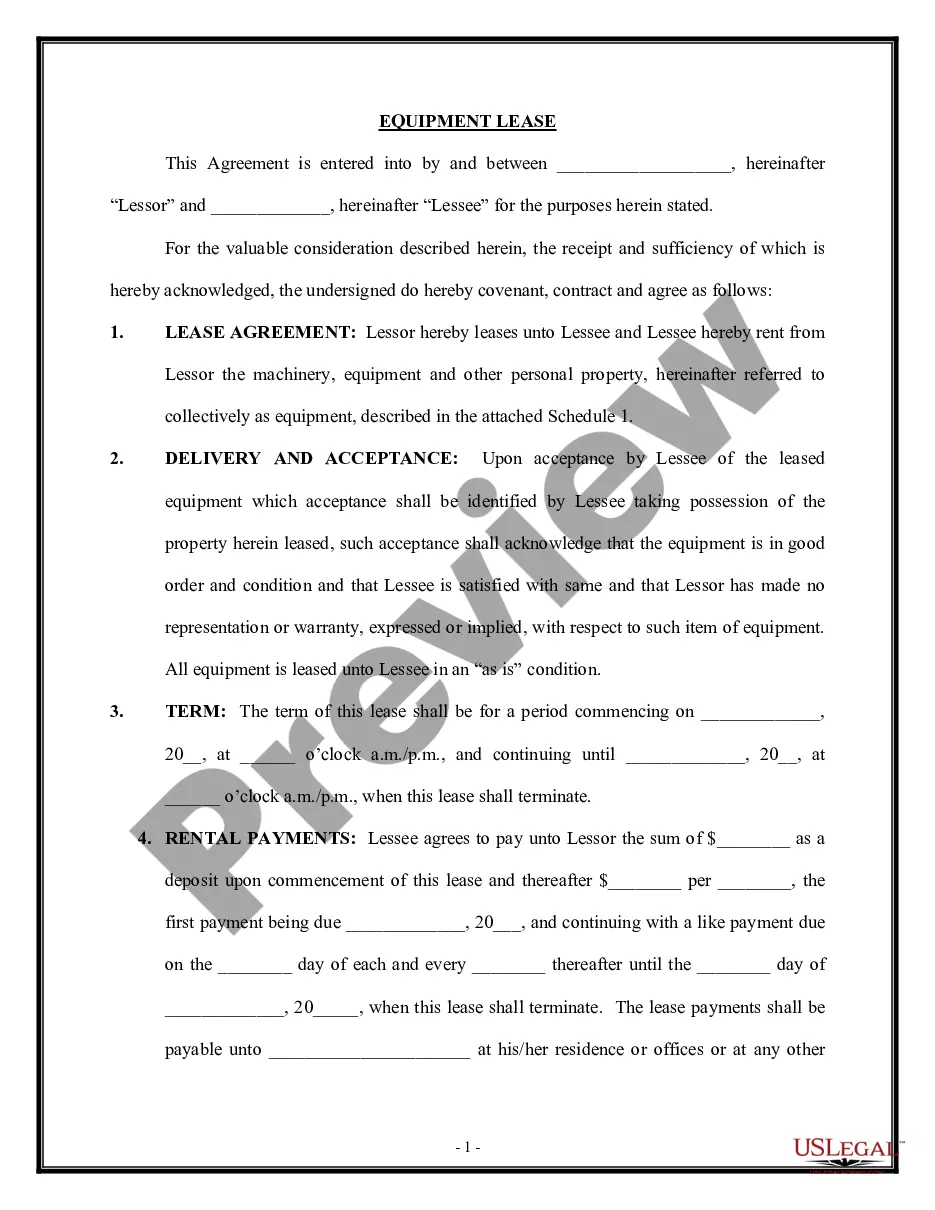
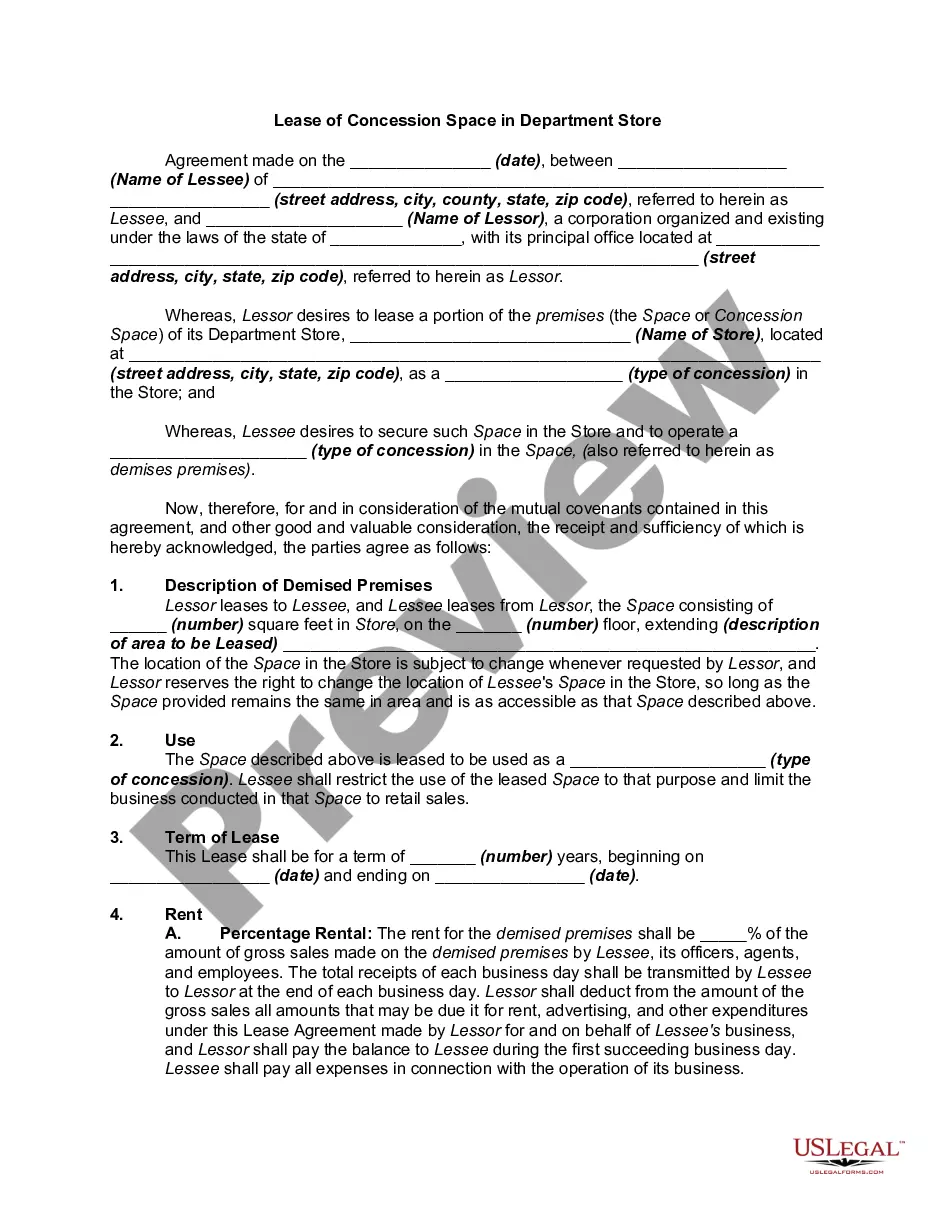
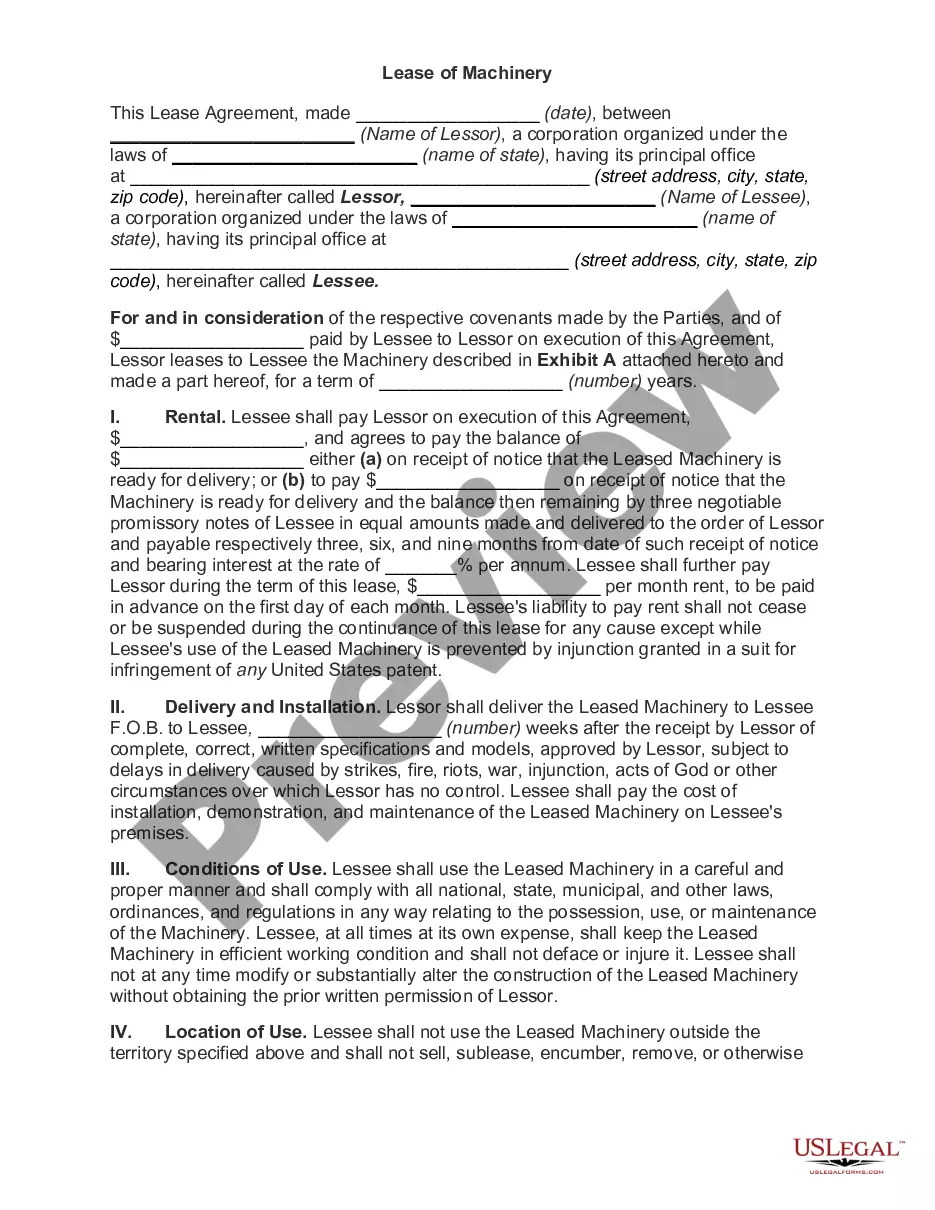
Description
Get your form ready online
Our built-in tools help you complete, sign, share, and store your documents in one place.
Make edits, fill in missing information, and update formatting in US Legal Forms—just like you would in MS Word.
Download a copy, print it, send it by email, or mail it via USPS—whatever works best for your next step.
Sign and collect signatures with our SignNow integration. Send to multiple recipients, set reminders, and more. Go Premium to unlock E-Sign.
If this form requires notarization, complete it online through a secure video call—no need to meet a notary in person or wait for an appointment.
We protect your documents and personal data by following strict security and privacy standards.

Make edits, fill in missing information, and update formatting in US Legal Forms—just like you would in MS Word.

Download a copy, print it, send it by email, or mail it via USPS—whatever works best for your next step.

Sign and collect signatures with our SignNow integration. Send to multiple recipients, set reminders, and more. Go Premium to unlock E-Sign.

If this form requires notarization, complete it online through a secure video call—no need to meet a notary in person or wait for an appointment.

We protect your documents and personal data by following strict security and privacy standards.
Looking for another form?

How to fill out Concession Agreement?
US Legal Forms - one of the largest collections of legal documents in the United States - offers a selection of legal paper templates that you can download or print.
By using the website, you can access numerous forms for business and personal purposes, organized by categories, states, or keywords. You can find the latest versions of documents like the Vermont Concession Agreement in moments.
If you already have a subscription, Log In and download the Vermont Concession Agreement from the US Legal Forms repository. The Download button will appear on every form you view. You can access all previously downloaded forms in the My documents section of your account.
Process the payment. Use your Visa or Mastercard or PayPal account to complete the payment.
Choose the format and download the document to your device. Make edits. Fill out, modify, and print and sign the downloaded Vermont Concession Agreement. Each template you add to your account has no expiration date and is yours indefinitely. Thus, if you wish to download or print another copy, simply visit the My documents section and click on the document you need. Access the Vermont Concession Agreement through US Legal Forms, one of the most extensive collections of legal document templates. Take advantage of a multitude of professional and state-specific templates that meet your business or individual needs.
- If you are using US Legal Forms for the first time, here are simple steps to get started.
- Ensure you have chosen the correct document for your state/region. Click the Preview button to review the document’s content.
- Check the document details to ensure you have selected the appropriate file.
- If the document does not suit your requirements, utilize the Search field at the top of the page to find the one that does.
- If you are satisfied with the document, confirm your choice by clicking the Purchase now button.
- Select the payment plan you prefer and provide your information to register for an account.
Form popularity
FAQ
Some of the essential clauses in a concession agreement are as follows:Definition clause.Scope of the project.Grant of concession.Concession period.Conditions precedent.Damages for delay by the authority.General obligation of the concession holder.General obligation of the authority.More items...?11-Jul-2021
Disadvantages of a concession agreementIt requires closer regulatory oversight by the government.It creates contingent liabilities to the government, especially if the term of the project is long.It can have underlying fiscal costs to the government.More items...?
A concession agreement is an agreement between a Government Authority and a Private entity, through which the Government grants certain rights to the Private entity for a limited period of time. These agreements are common in the development of infrastructural projects under the Public-Private Partnership (PPP) model.
Concession agreements often involve contracts between the nongovernmental owner of a facility and a concession owner, or concessionaire. The agreement grants the concessionaire exclusive rights to operate their business in the facility for a stated time and under specified conditions.
There are different types of concession contracts, including: ex-leasing, franchise, build- operate-transfer (BOT) etc. Private finance initiatives (PFIs) may also be considered similar to concessions.
Model Concession Agreement (MCA) forms the core of public private partnership (PPP) projects in India. The MCA spells out the policy and regulatory framework for implementation of a PPP project.
A concession is typically for a period of 25 to 30 years (i.e., long enough at least to fully amortize major initial investments). Asset ownership typically rests with the awarding authority and all rights in respect to those assets revert to the awarding authority at the end of the concession.
The concession process typically involves the following steps: Development of technical, economic and financial analyses documents for the Data Room. Pre-qualification of bidders. Request for Proposal invitations to pre-qualified bidders.
There are different types of concession contracts, including: ex-leasing, franchise, build- operate-transfer (BOT) etc. Private finance initiatives (PFIs) may also be considered similar to concessions.