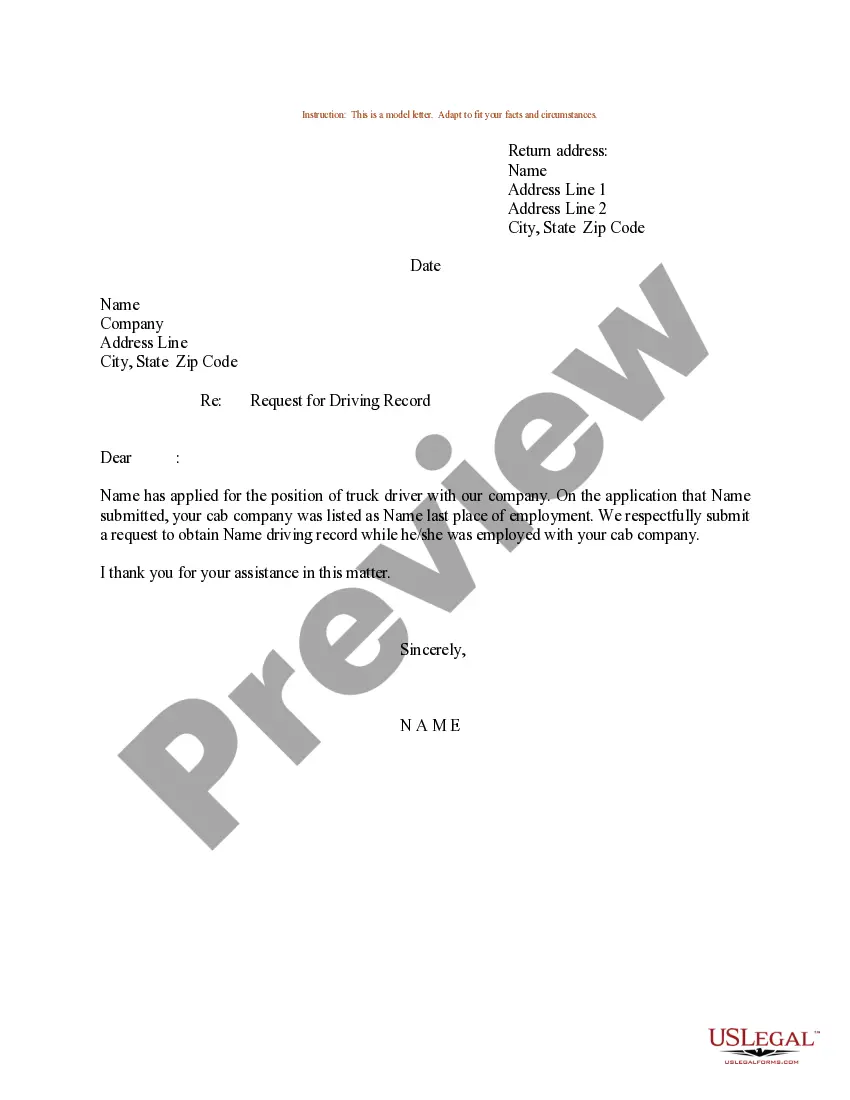
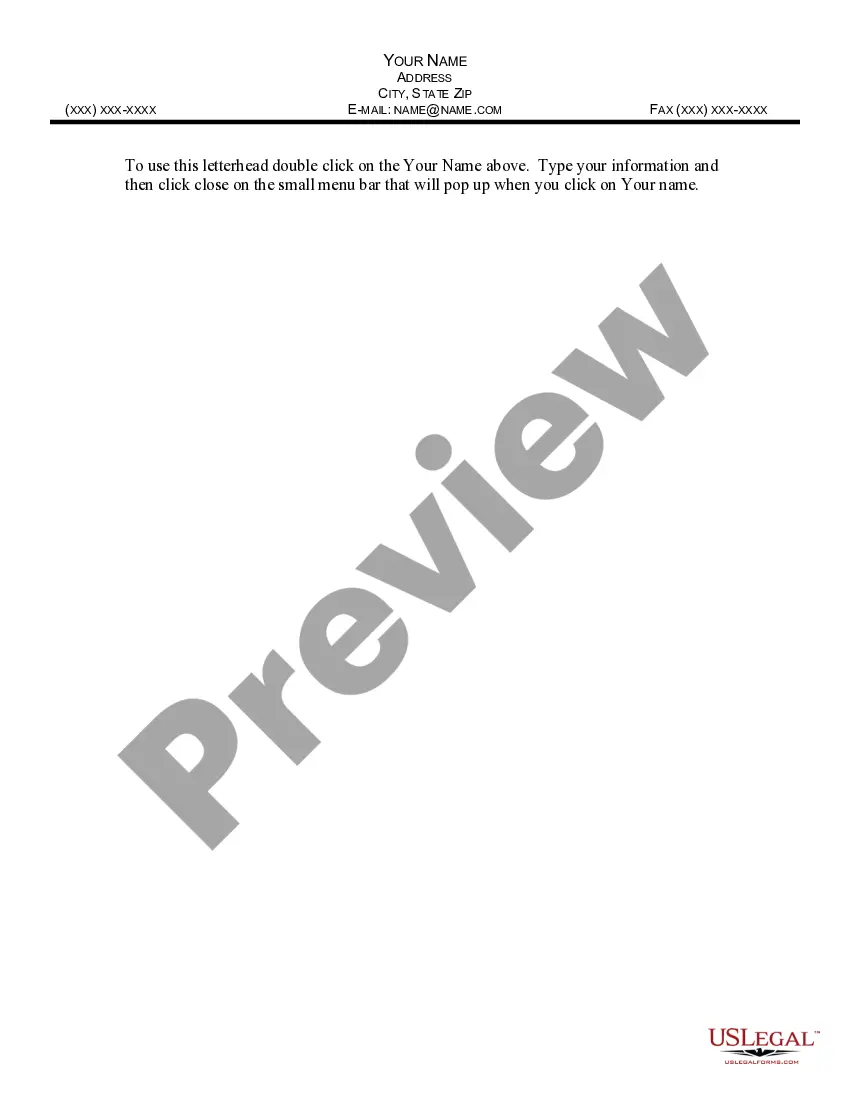
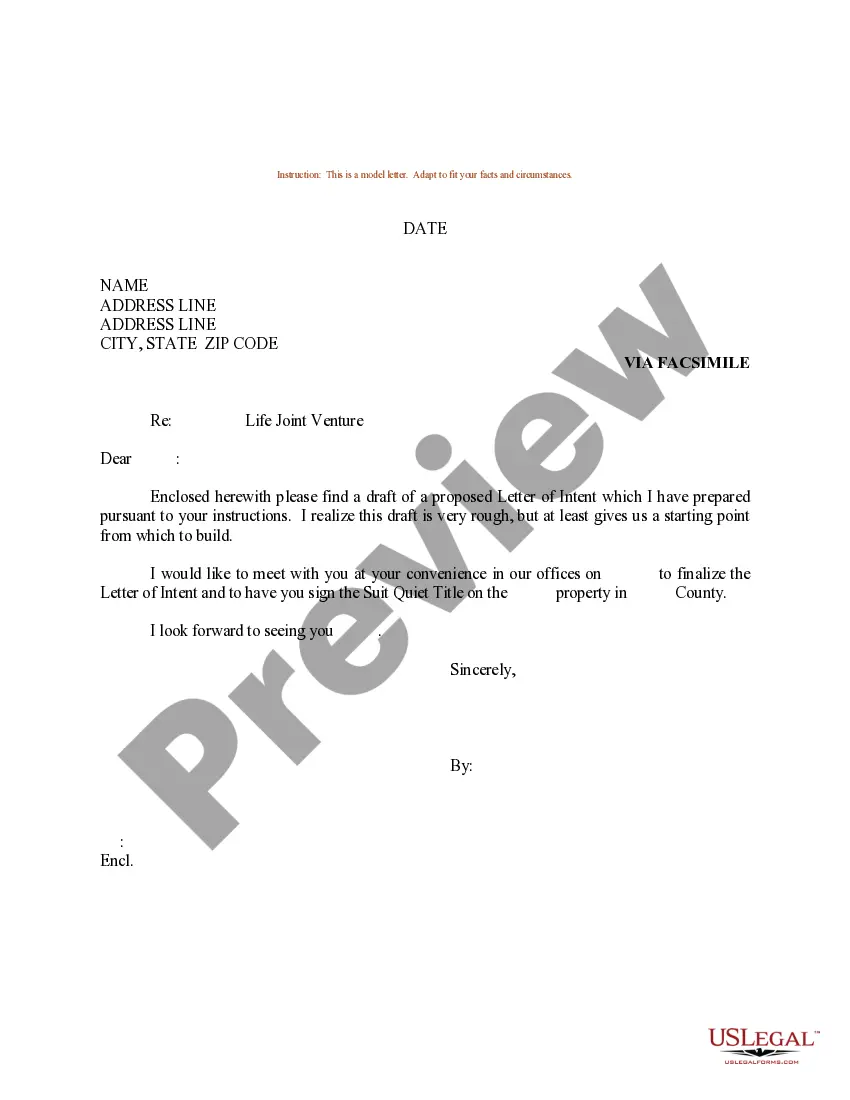
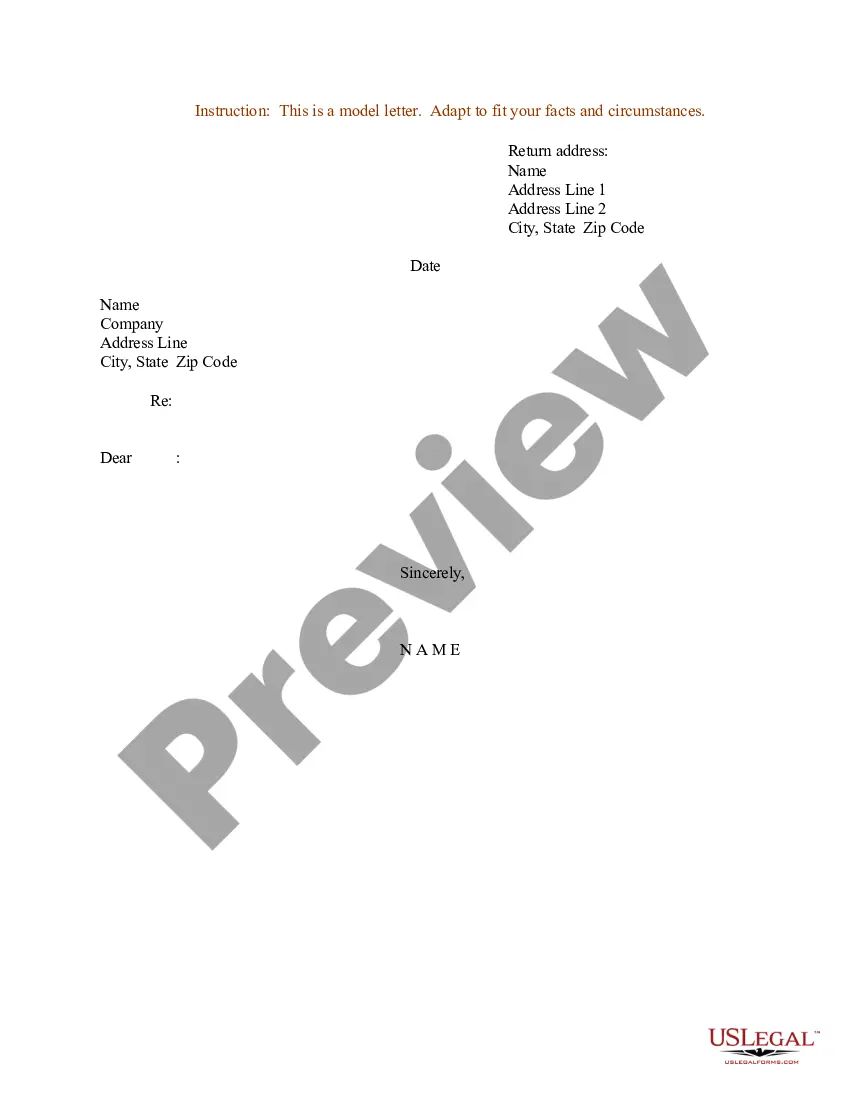
Vermont Sample Letter for Letter Template #3
Description
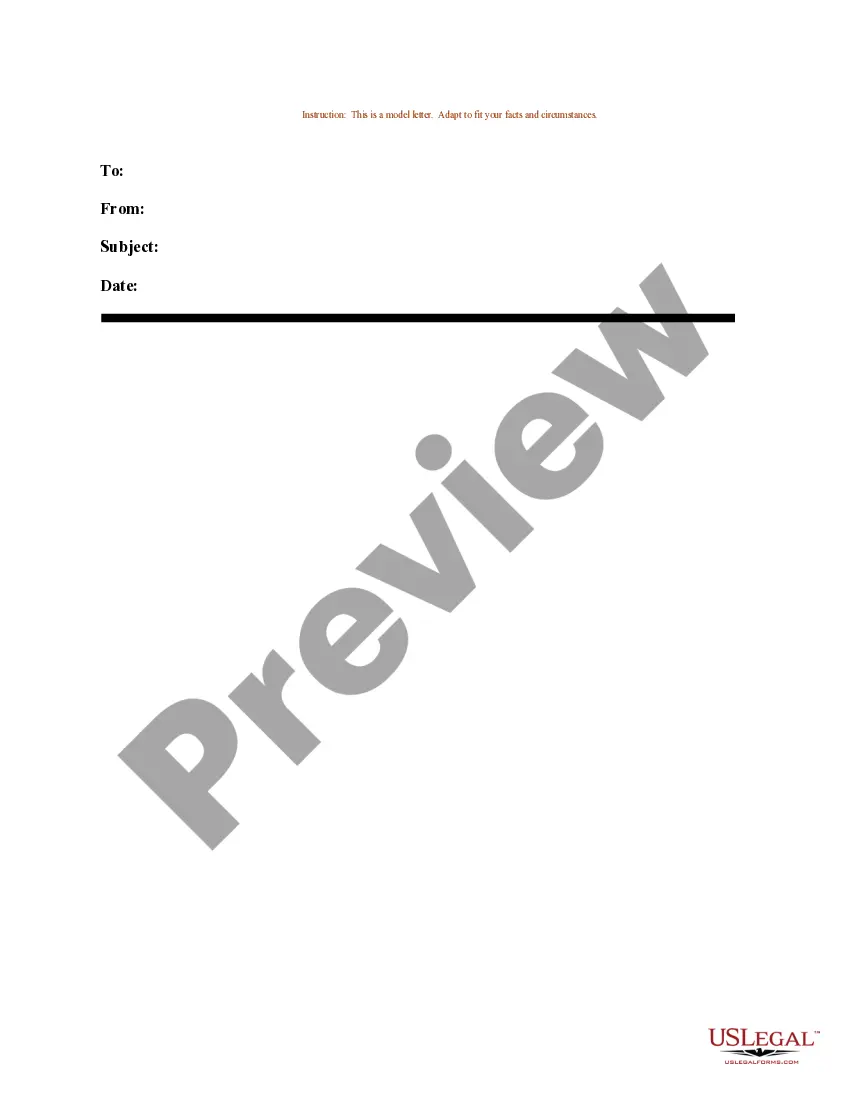
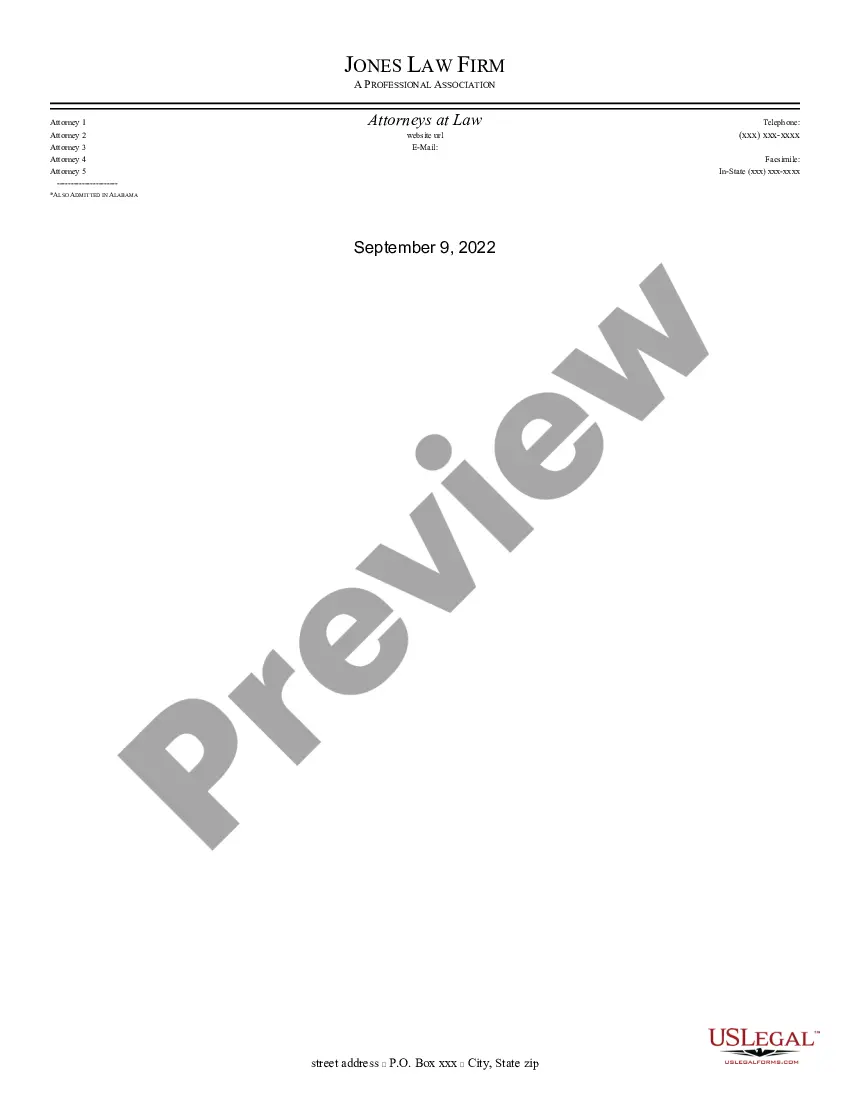
Get your form ready online
Our built-in tools help you complete, sign, share, and store your documents in one place.
Make edits, fill in missing information, and update formatting in US Legal Forms—just like you would in MS Word.
Download a copy, print it, send it by email, or mail it via USPS—whatever works best for your next step.
Sign and collect signatures with our SignNow integration. Send to multiple recipients, set reminders, and more. Go Premium to unlock E-Sign.
If this form requires notarization, complete it online through a secure video call—no need to meet a notary in person or wait for an appointment.
We protect your documents and personal data by following strict security and privacy standards.

Make edits, fill in missing information, and update formatting in US Legal Forms—just like you would in MS Word.

Download a copy, print it, send it by email, or mail it via USPS—whatever works best for your next step.

Sign and collect signatures with our SignNow integration. Send to multiple recipients, set reminders, and more. Go Premium to unlock E-Sign.

If this form requires notarization, complete it online through a secure video call—no need to meet a notary in person or wait for an appointment.

We protect your documents and personal data by following strict security and privacy standards.
Looking for another form?


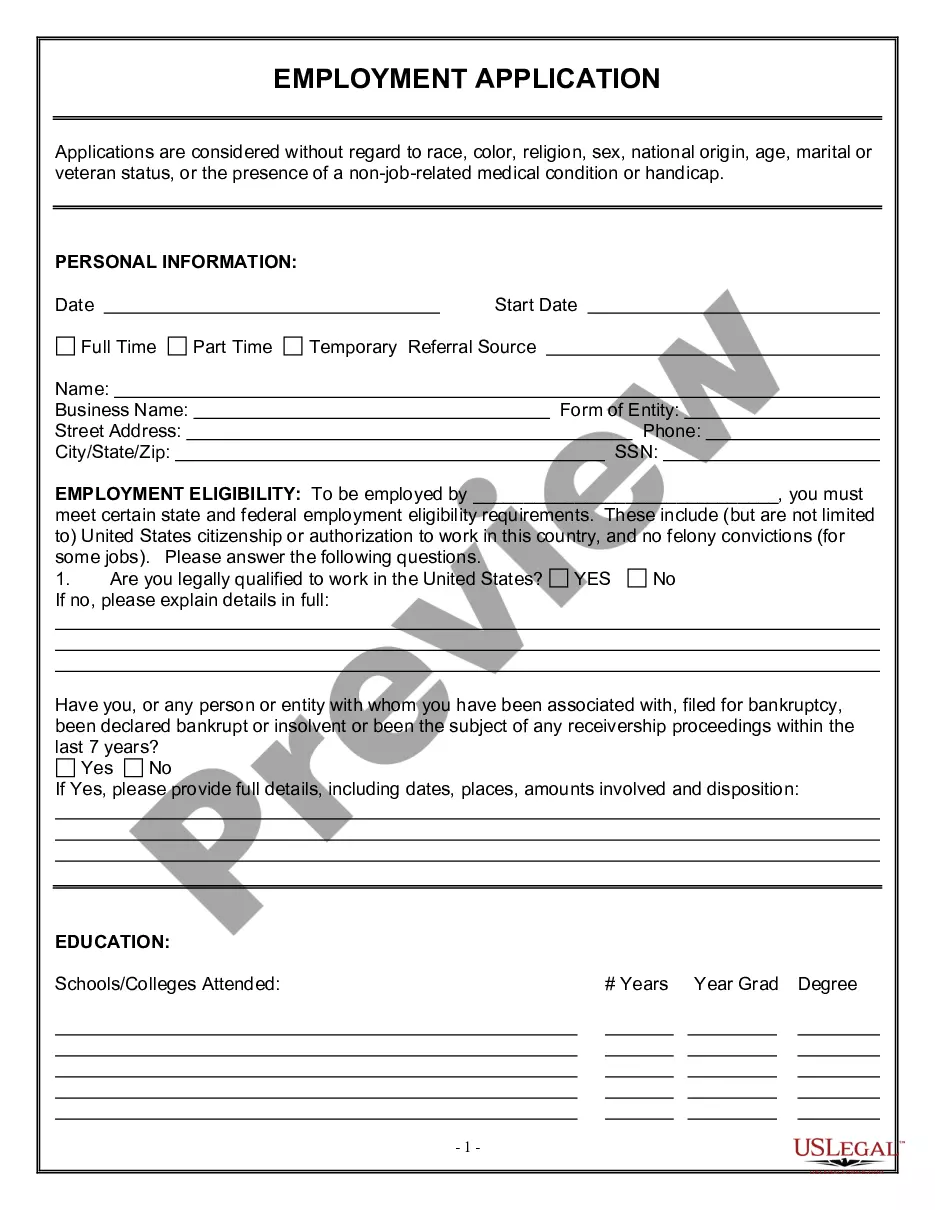
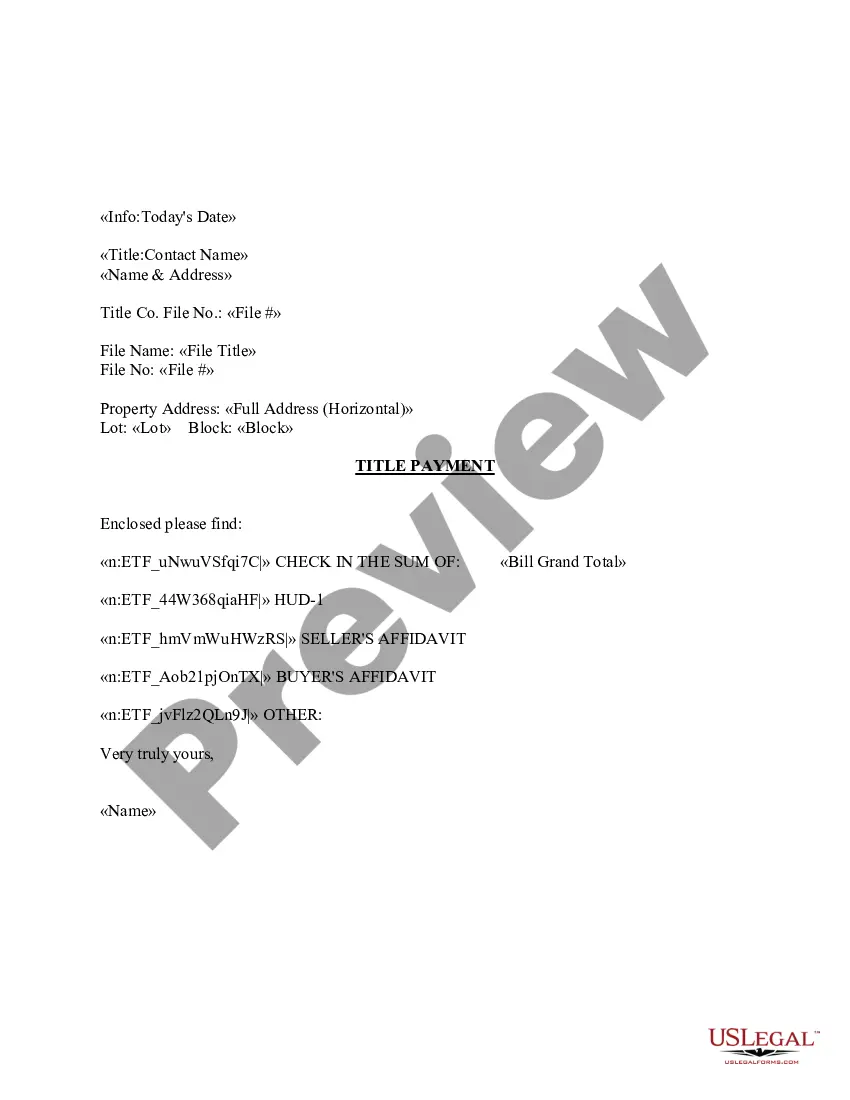

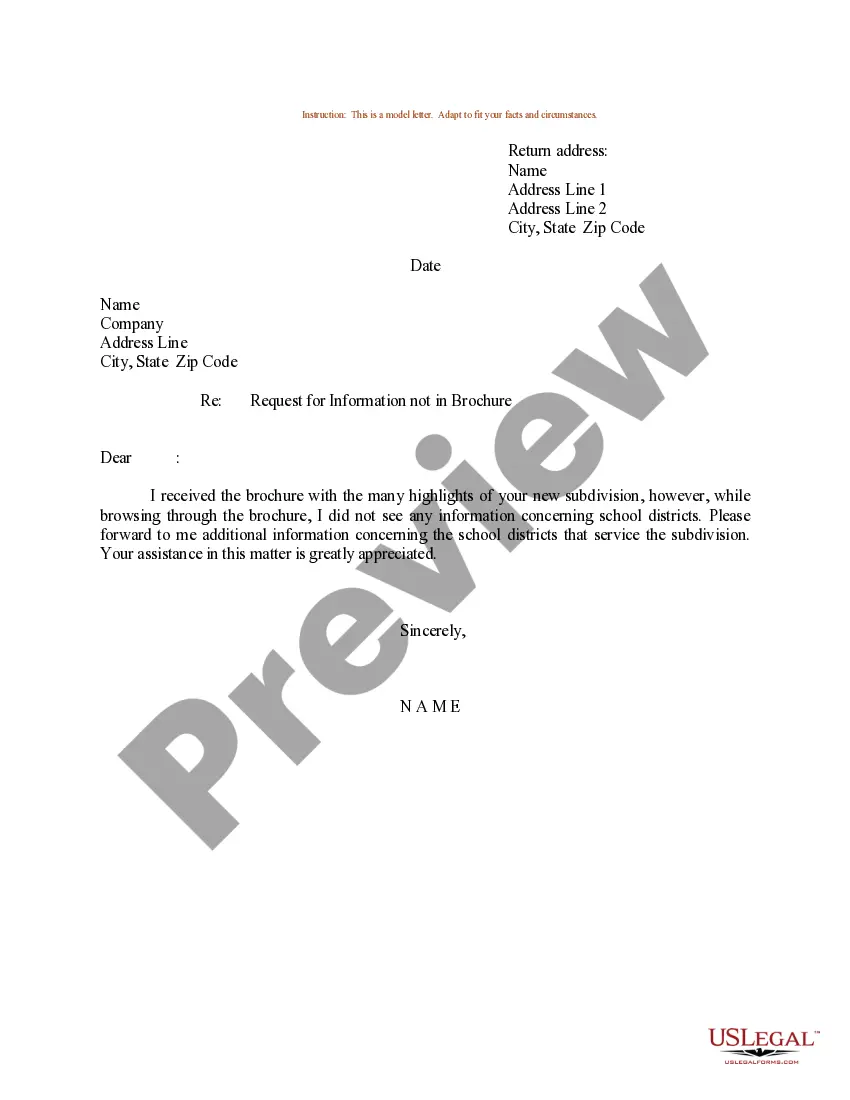

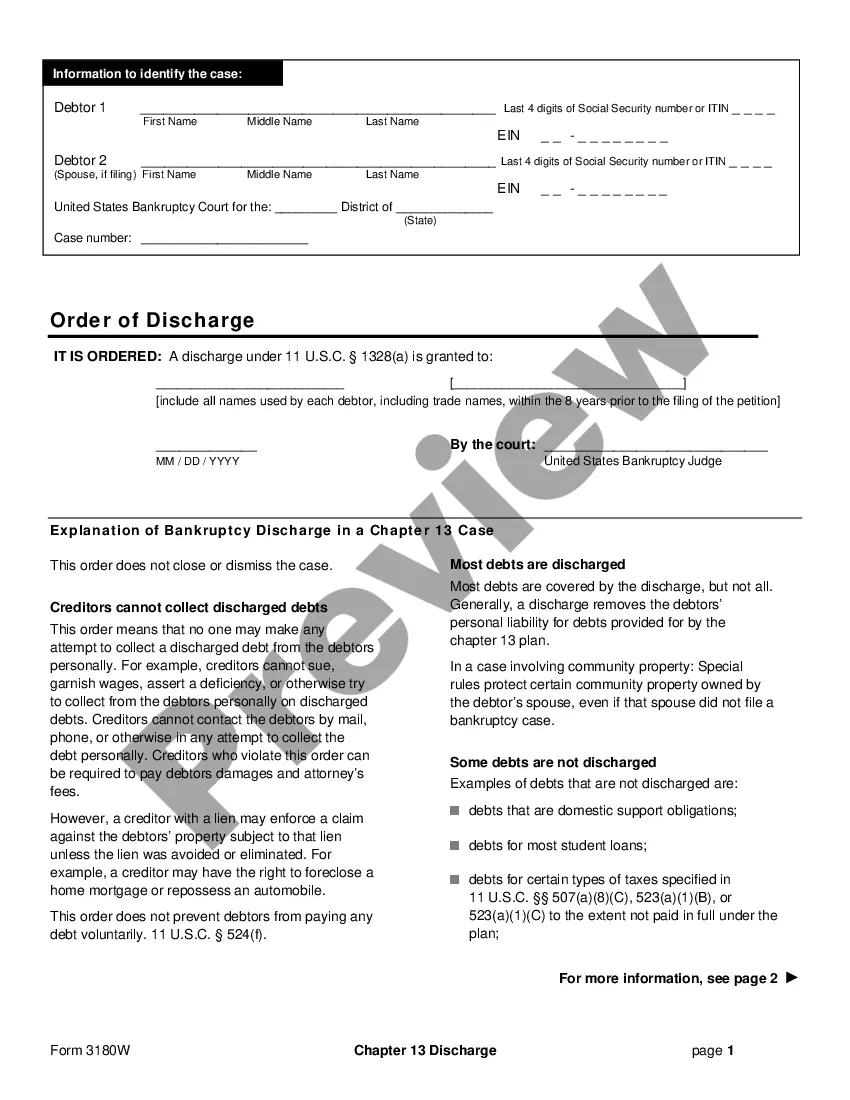
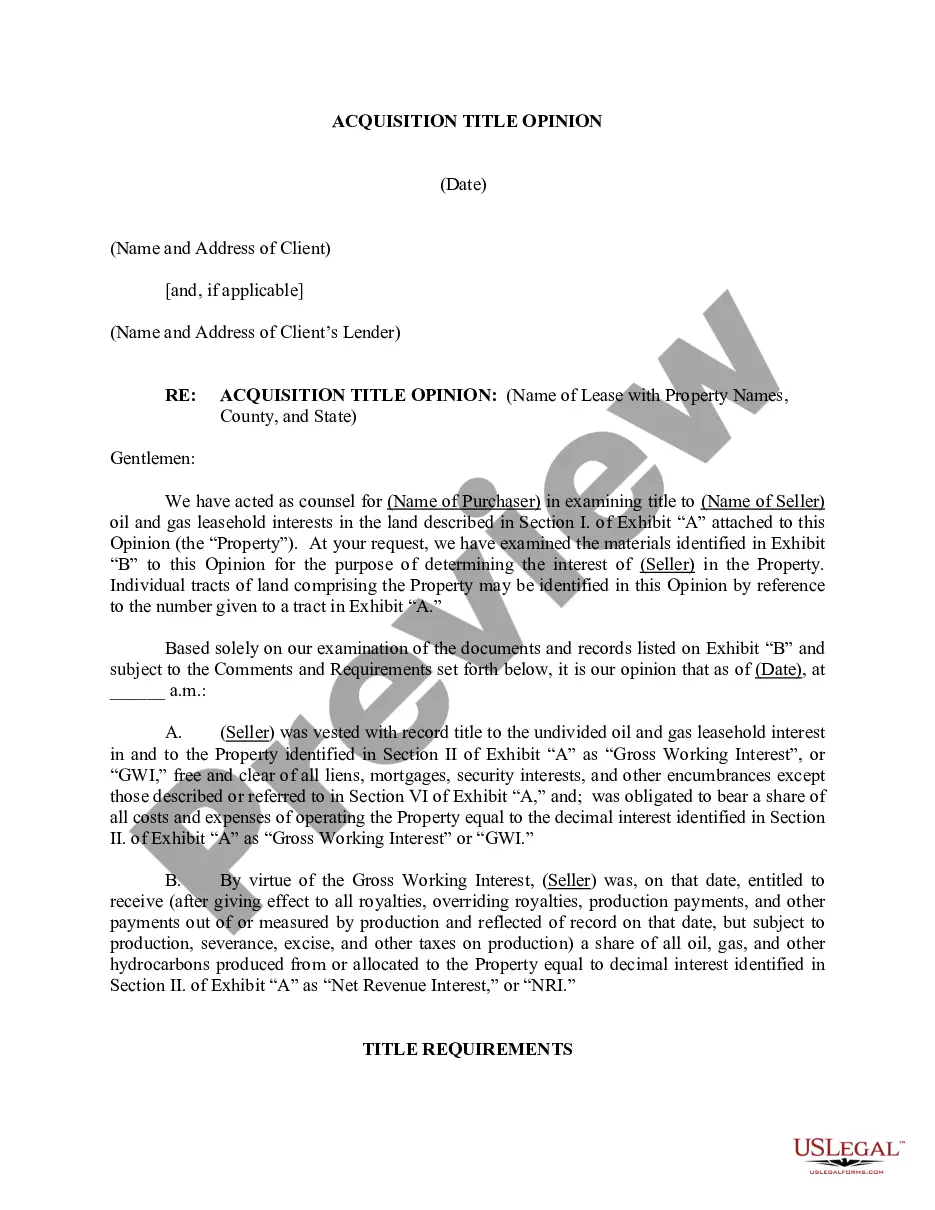
How to fill out Sample Letter For Letter Template #3?
You might devote time online searching for the legal document template that fulfills the federal and state requirements you will necessitate.
US Legal Forms offers thousands of legal documents that have been vetted by experts.
You can actually download or print the Vermont Sample Letter for Letter Template #3 from the service.
If available, utilize the Preview button to view the document template as well.
- If you already possess a US Legal Forms account, you can Log In and then click the Download button.
- Subsequently, you can complete, edit, print, or sign the Vermont Sample Letter for Letter Template #3.
- Every legal document template you purchase is yours indefinitely.
- To obtain an additional copy of any purchased form, go to the My documents tab and click the corresponding button.
- If this is your first time using the US Legal Forms website, follow the simple instructions below.
- First, ensure you have selected the appropriate document template for the region/area of your choice.
- Review the form description to confirm you have selected the correct form.
Form popularity
FAQ
Indeed, VT stands for Vermont. This abbreviation is recognized nationally and is important for clarity in communication. When drafting any correspondence, including a Vermont Sample Letter for Letter Template #3, using the correct abbreviation helps maintain professionalism.
FeffHow to write a cover letter with no experienceCarefully review the job posting and research the company's website.List your contact information at the top of the document.Greet the reader and introduce yourself.Explain your skills and achievements relevant to the position.Remind them why you're best for the position.More items...?
How to write an application letterResearch the company and job opening.Use a professional format.State the position you're applying for.Explain why you're the best fit for the job.Summarize your qualifications.Mention why you want the job.Include a professional closing.
When writing a cover letter, specific information needs to be included: a contact section, a salutation, an introduction to the hiring manager, information on why you are qualified for the job, a closing, and your signature. The way the information is listed and the format depend on how you are sending your letter.
There are seven sections that every cover letter should include to fit employer expectations and highlight your best qualities:Header.Greeting.Introduction.Qualifications.Values and goals.Call to action.Signature.
In general, cover letters come in one of two forms: application letters and prospecting letters. Application letters are written in response to a specific job opening or vacancy notice. This letter is used to formally apply for the position and show the employer how your qualifications match what the position requires.
A cover letter template helps you with the layout of your letter. Templates also show you what elements you need to include in your letter, such as introductions and body paragraphs.
Format and Page Margins: A letter of application should be single-spaced with a space between each paragraph. Use about 1" margins and align your text to the left, which is the standard alignment for most documents. Font: Use a traditional font such as Times New Roman, Arial, or Calibri.
Key Elements of a Cover LetterInformation about you.Date.Contact Person's Name, Title, Employer, and Address.Salutation.Opening Paragraph.Middle Paragraph.Second Middle Paragraph.Contact Information and Closing.
Cover letters generally fall into one of two categoriesLetter of application: applying for a specific, advertised opening. See sample letters below.Letter of inquiry: expressing interest in an organization, but you are not certain if there are current openings. See sample letters below.