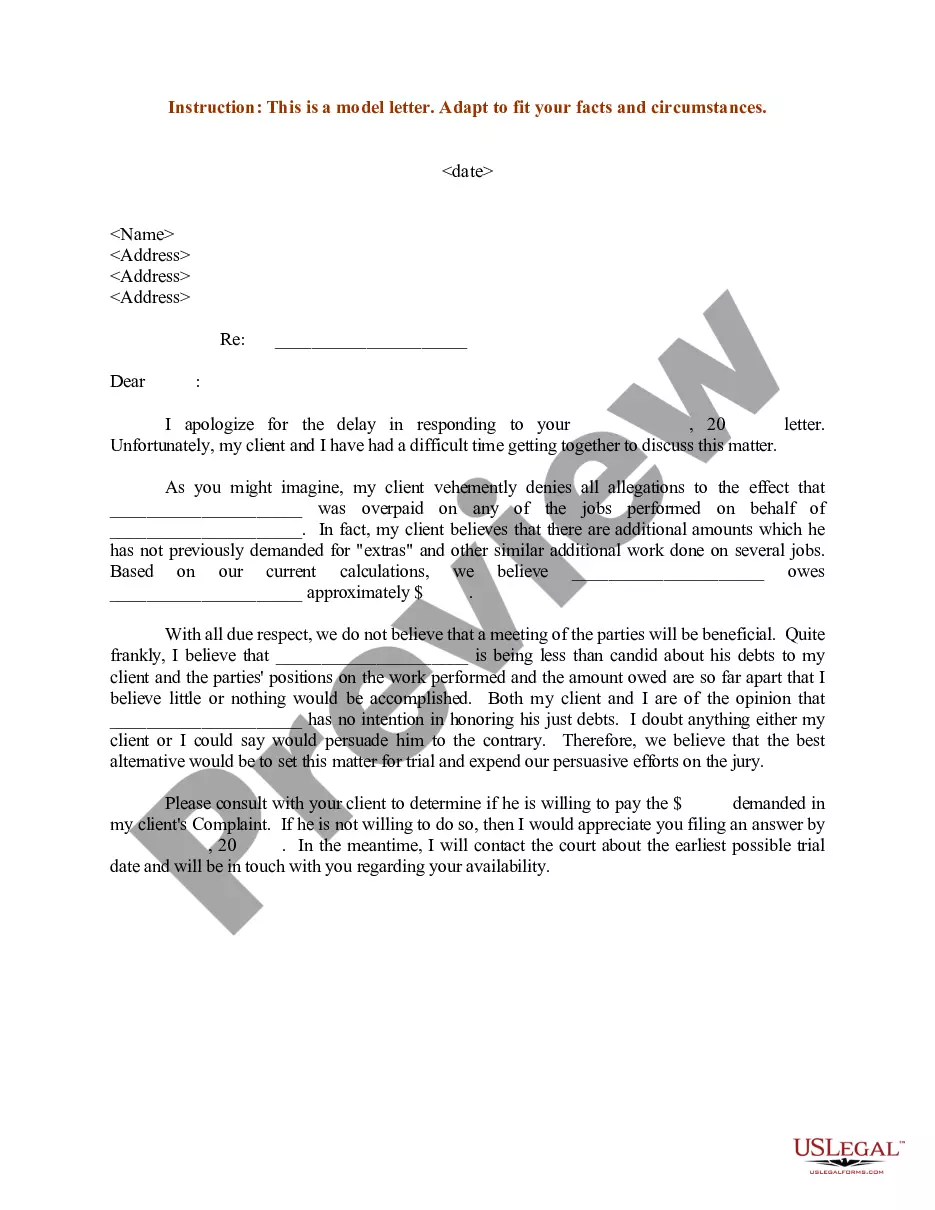
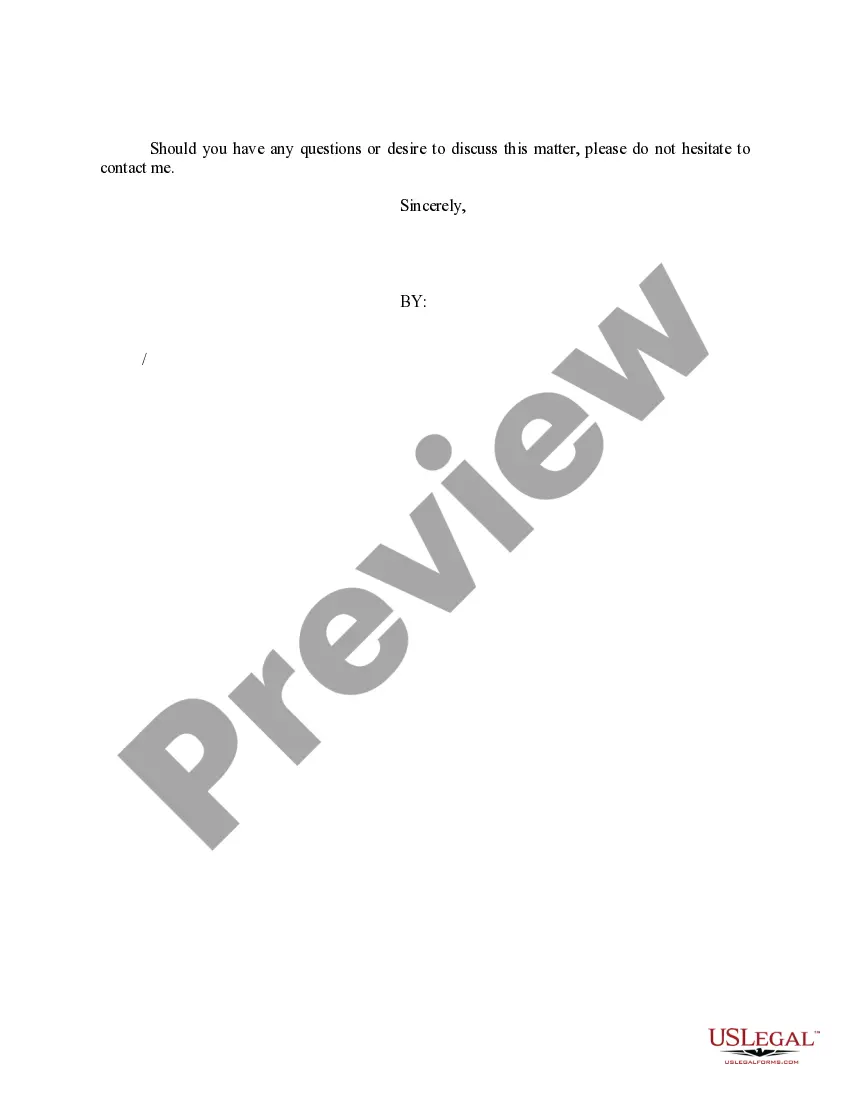
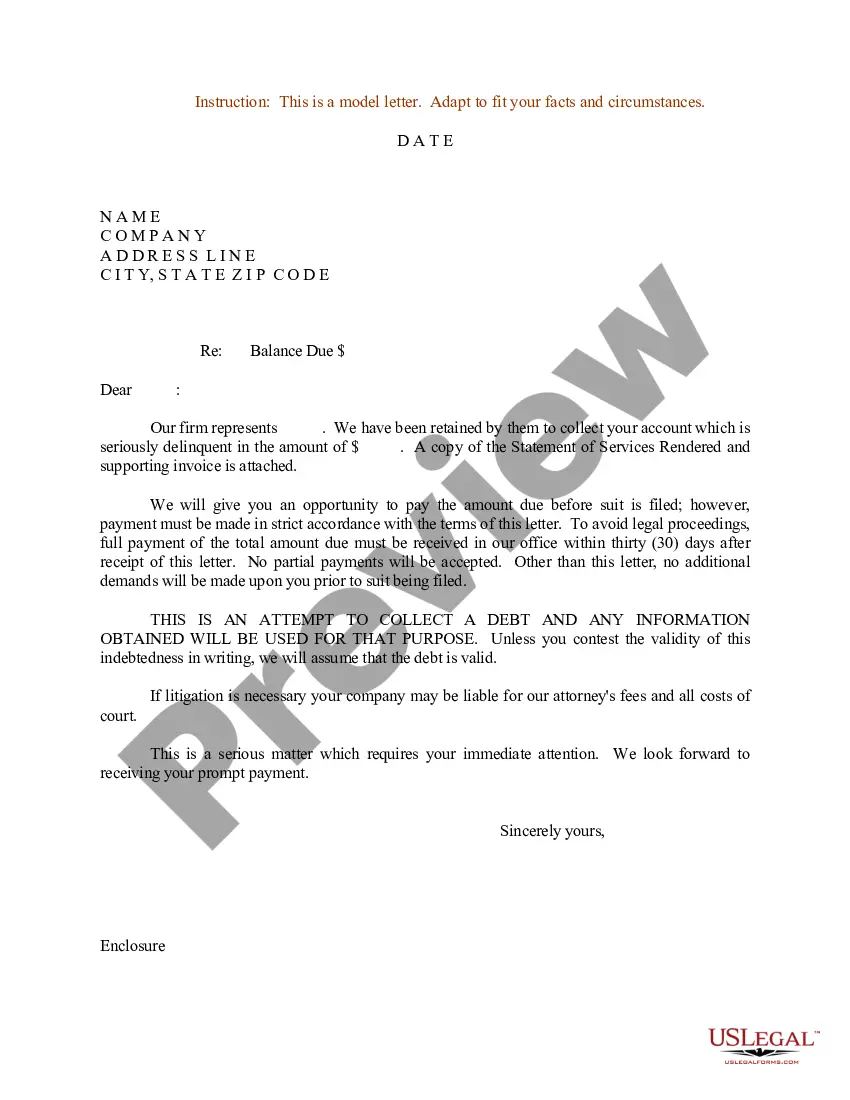
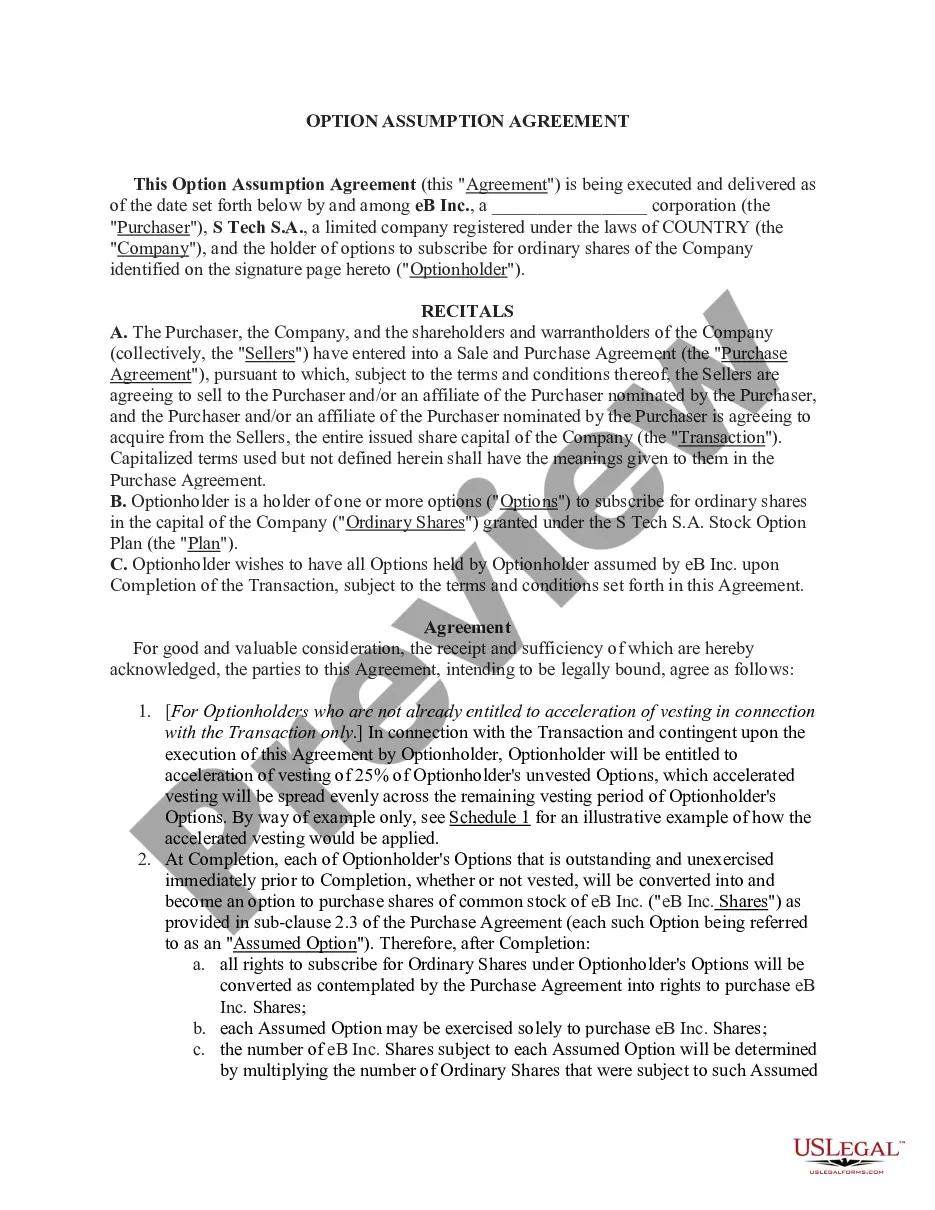
Vermont Sample Letter for Alleged Payments Due from Defendant
Description
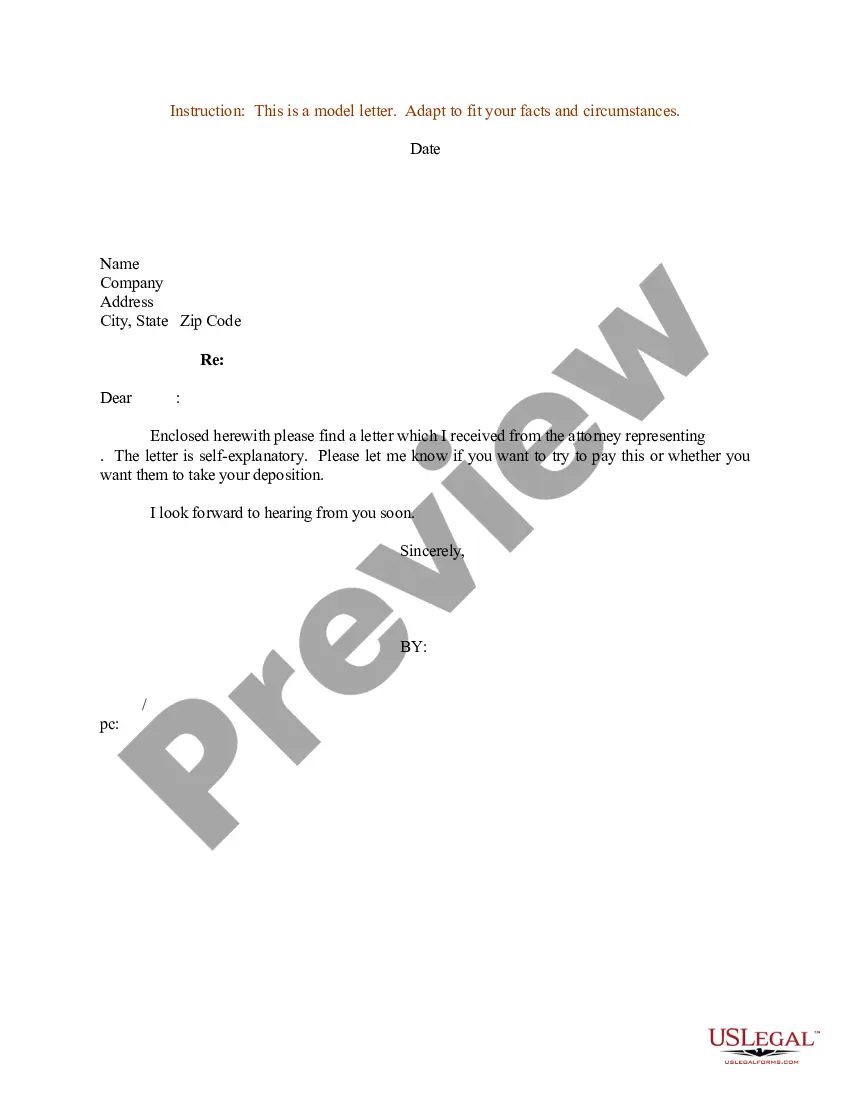
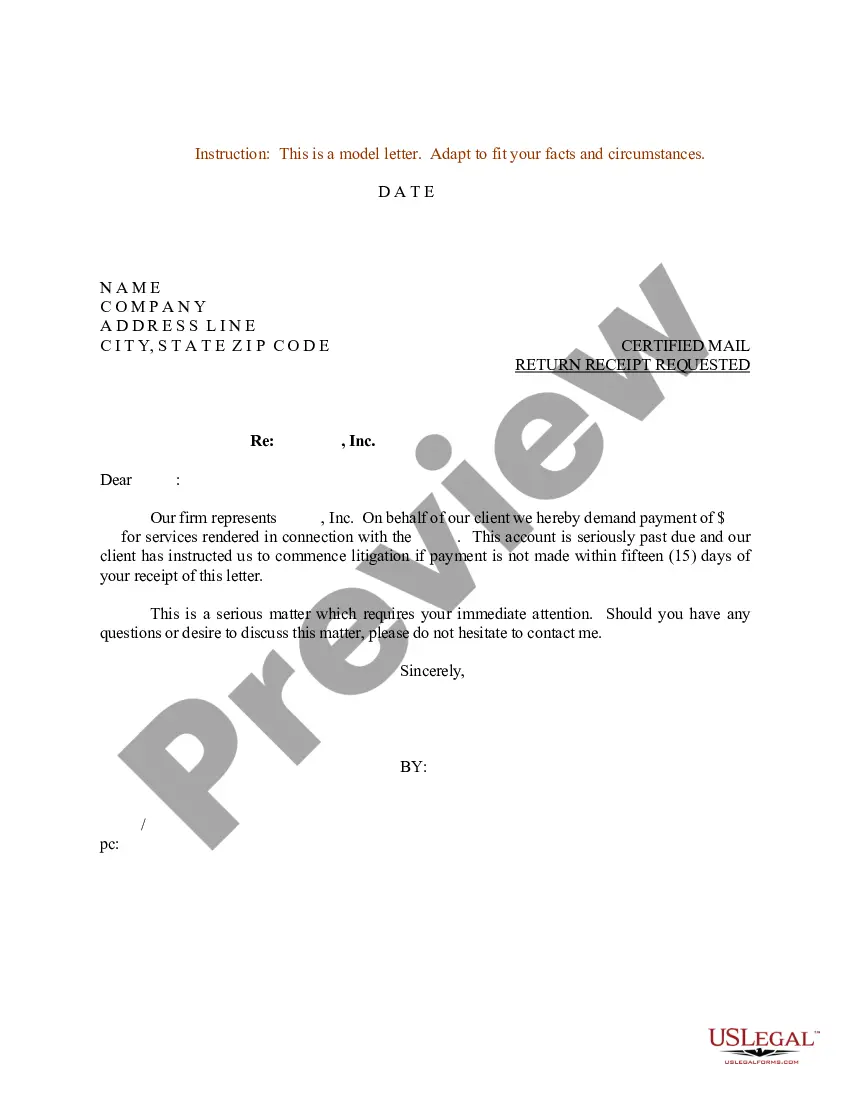
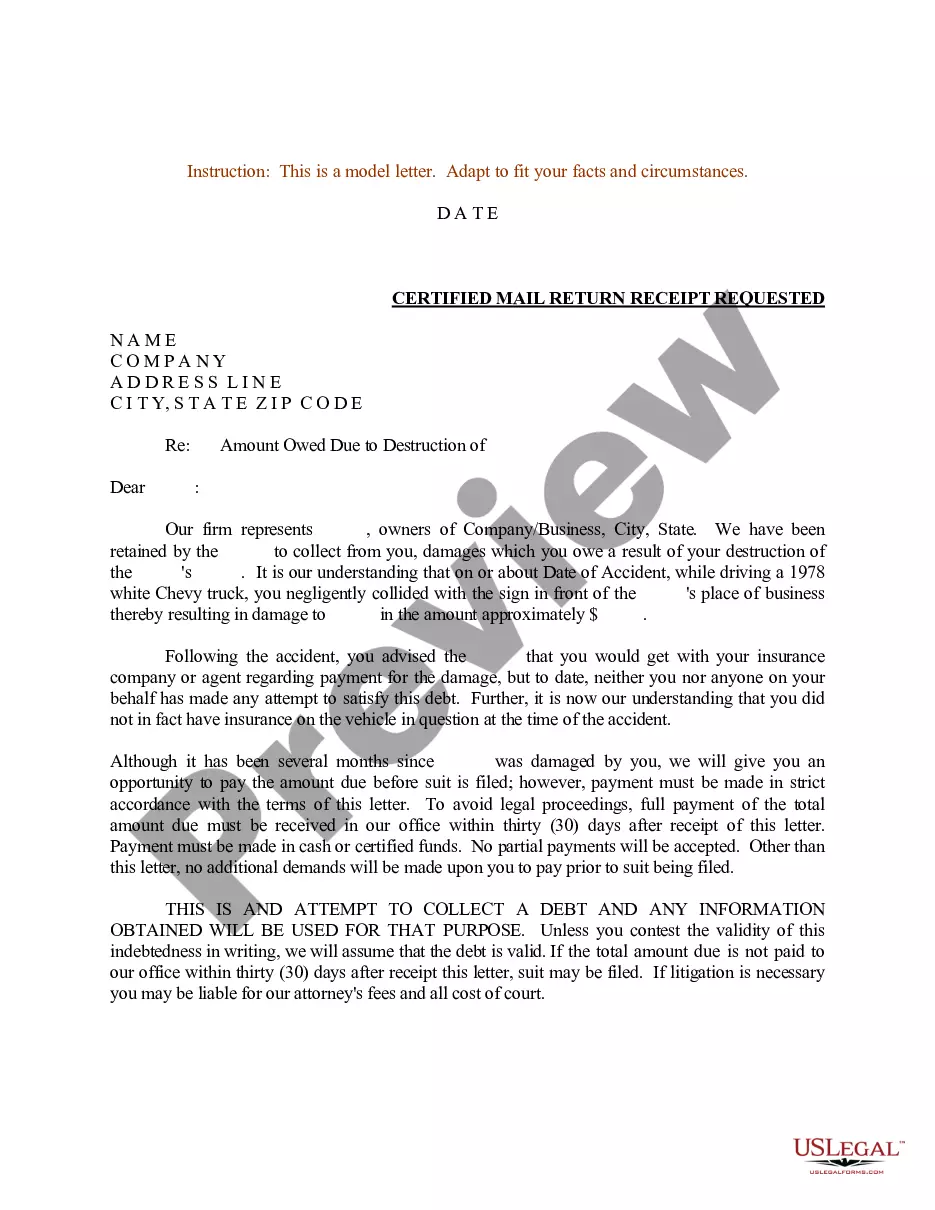
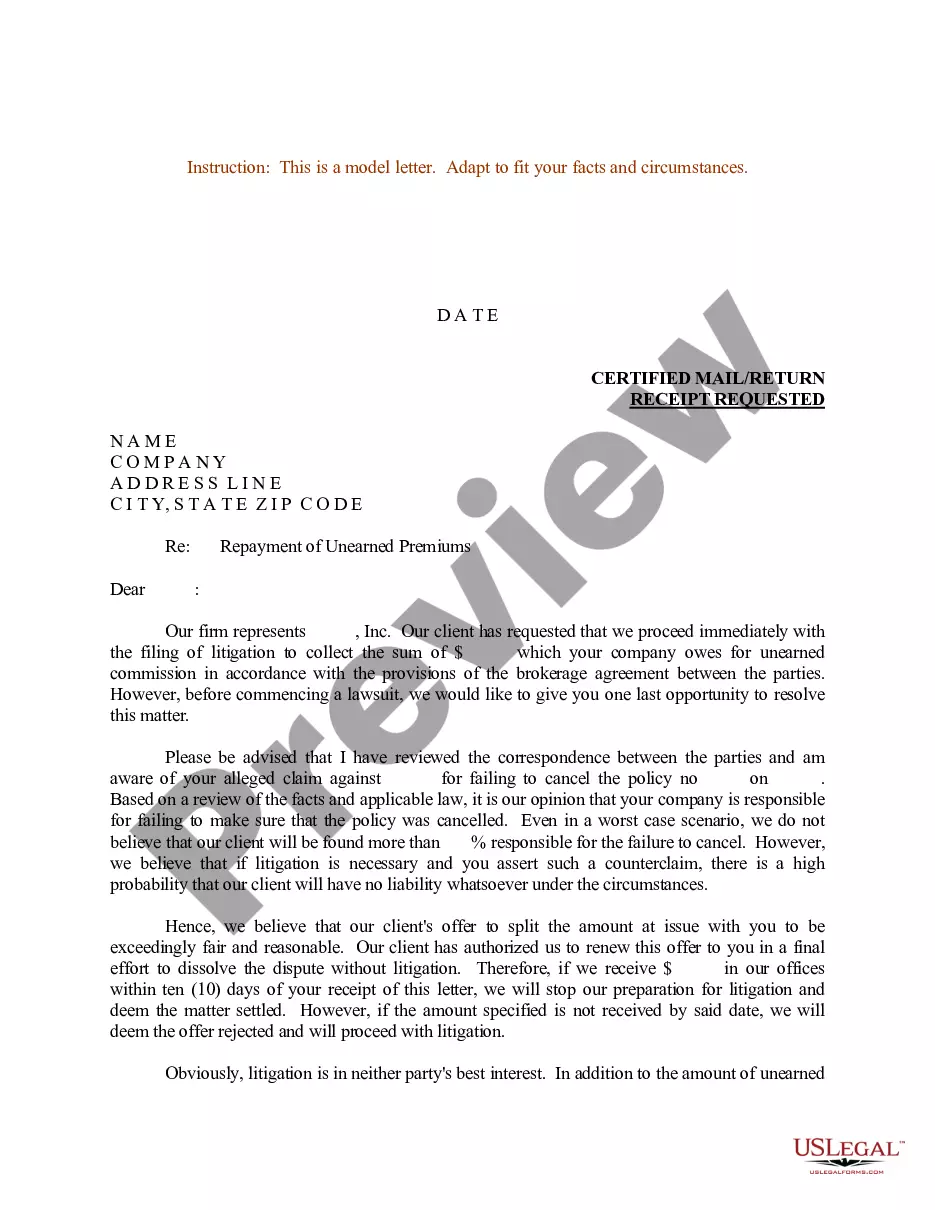
Get your form ready online
Our built-in tools help you complete, sign, share, and store your documents in one place.
Make edits, fill in missing information, and update formatting in US Legal Forms—just like you would in MS Word.
Download a copy, print it, send it by email, or mail it via USPS—whatever works best for your next step.
Sign and collect signatures with our SignNow integration. Send to multiple recipients, set reminders, and more. Go Premium to unlock E-Sign.
If this form requires notarization, complete it online through a secure video call—no need to meet a notary in person or wait for an appointment.
We protect your documents and personal data by following strict security and privacy standards.

Make edits, fill in missing information, and update formatting in US Legal Forms—just like you would in MS Word.

Download a copy, print it, send it by email, or mail it via USPS—whatever works best for your next step.

Sign and collect signatures with our SignNow integration. Send to multiple recipients, set reminders, and more. Go Premium to unlock E-Sign.

If this form requires notarization, complete it online through a secure video call—no need to meet a notary in person or wait for an appointment.

We protect your documents and personal data by following strict security and privacy standards.
Looking for another form?
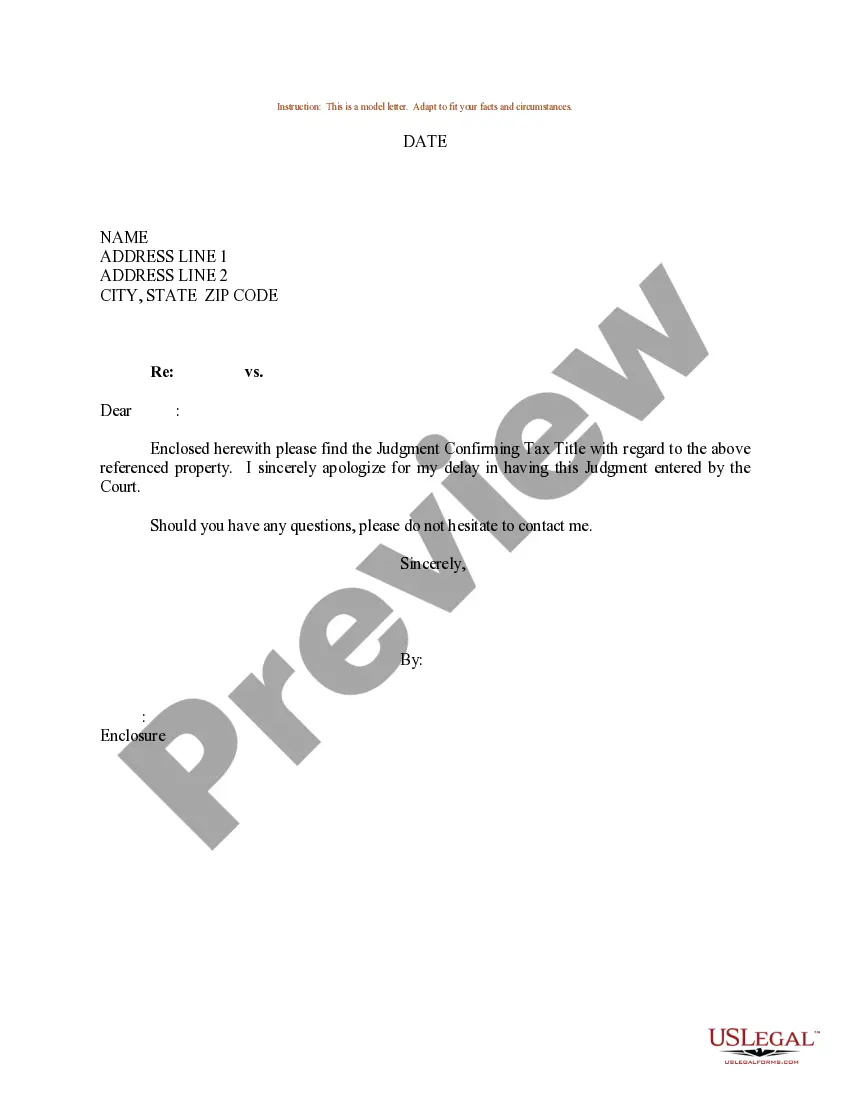
How to fill out Sample Letter For Alleged Payments Due From Defendant?
Are you presently in a position where you require documents for either business or personal purposes almost every day.
There are numerous legal document templates available online, but finding forms you can rely on is challenging.
US Legal Forms offers a vast array of template forms, including the Vermont Sample Letter for Alleged Payments Due from Defendant, which are designed to comply with federal and state regulations.
Choose the pricing plan you prefer, complete the required information to create your account, and pay for the transaction using your PayPal or credit card.
Select a convenient file format and download your copy. Access all the document templates you have purchased in the My documents section. You can obtain another copy of the Vermont Sample Letter for Alleged Payments Due from Defendant anytime if necessary. Just select the required form to download or print the document template. Use US Legal Forms, one of the most extensive collections of legal forms, to save time and avoid mistakes. The service provides expertly crafted legal document templates suitable for various purposes. Create an account on US Legal Forms and start making your life a bit easier.
- If you are already familiar with the US Legal Forms website and have an account, simply Log In.
- Then, you can download the Vermont Sample Letter for Alleged Payments Due from Defendant template.
- If you do not have an account and wish to start using US Legal Forms, follow these steps.
- Locate the form you need and ensure it is for the correct city/county.
- Use the Review option to examine the form.
- Review the summary to ensure you have selected the appropriate form.
- If the form is not what you are looking for, utilize the Lookup section to find the form that suits your needs and requirements.
- Once you find the correct form, click Acquire now.
Form popularity
FAQ
A late fee, which is not reasonably related to the landlord's expenses, is invalid and the tenant does not have to pay it. (This was established by a Vermont Supreme Court ruling in 1991.
The amount has to be $10,000 or less. If you want something other than money damages if you win your case, then you will have to file a case in the Civil Division of Superior Court instead. To be filed in small claims court, the limit for most cases is $10,000.
If the court finds you have the ability to pay but are refusing to pay, you may be subject to civil contempt proceedings. If the Restitution Unit needs to enforce your order to pay restitution, all fees, direct costs and attorney's fees will be collected from you in addition to the amount of restitution owed.
§ 4460. (c) A landlord may only enter the dwelling unit without consent or notice when the landlord has a reasonable belief that there is imminent danger to any person or to property. (Added 1985, No. 175 (Adj. Sess.), § 1.)
The State of Vermont Restitution Unit was created by Vermont's legislature on July 1, 2004 to help address the financial hardship caused to crime victims. The Restitution Unit enforces and collects court-ordered restitution and directs the offender payments to victims.
In cases of nonpayment of rent, the landlord can file a motion that tells the tenant they must pay overdue rent. A Rent Escrow Hearing is then scheduled so that the court can determine the amount to be paid and how often the tenant will have to pay it.
The mediation process is typically much quicker than going through the courts. After both parties indicate their willingness to participate through an application to the program (landlords) and eligibility is met at or below 80% of area median income (tenants), a mediator is generally assigned within a week.
The eviction process will generally take at least two months from the time notice is given to tenants to the time a court order is issued. Some evictions last much longer. Despite the length of the eviction process, landlords must carefully adhere to the proper procedure.