Virginia Waiver and Release From Liability For Minor Child for Scuba Diving and Skin Diving
Description
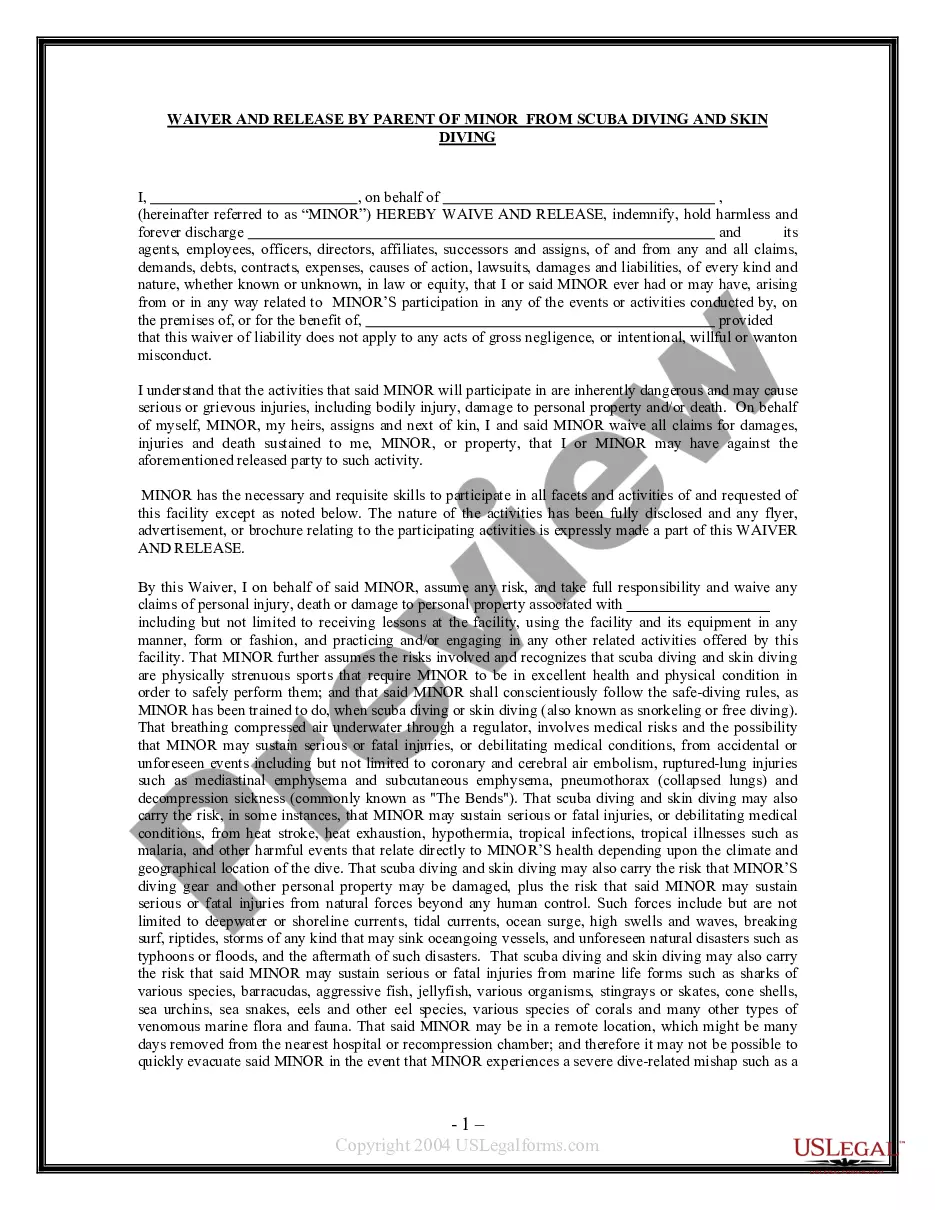
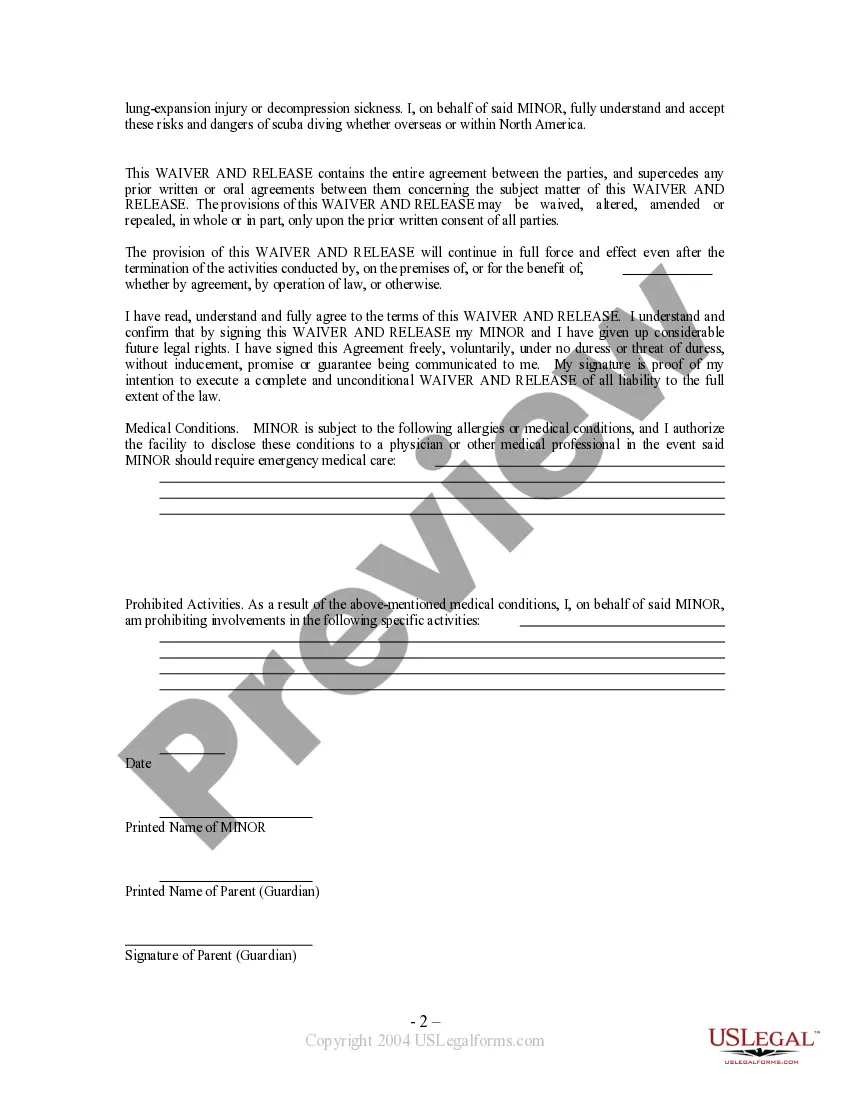
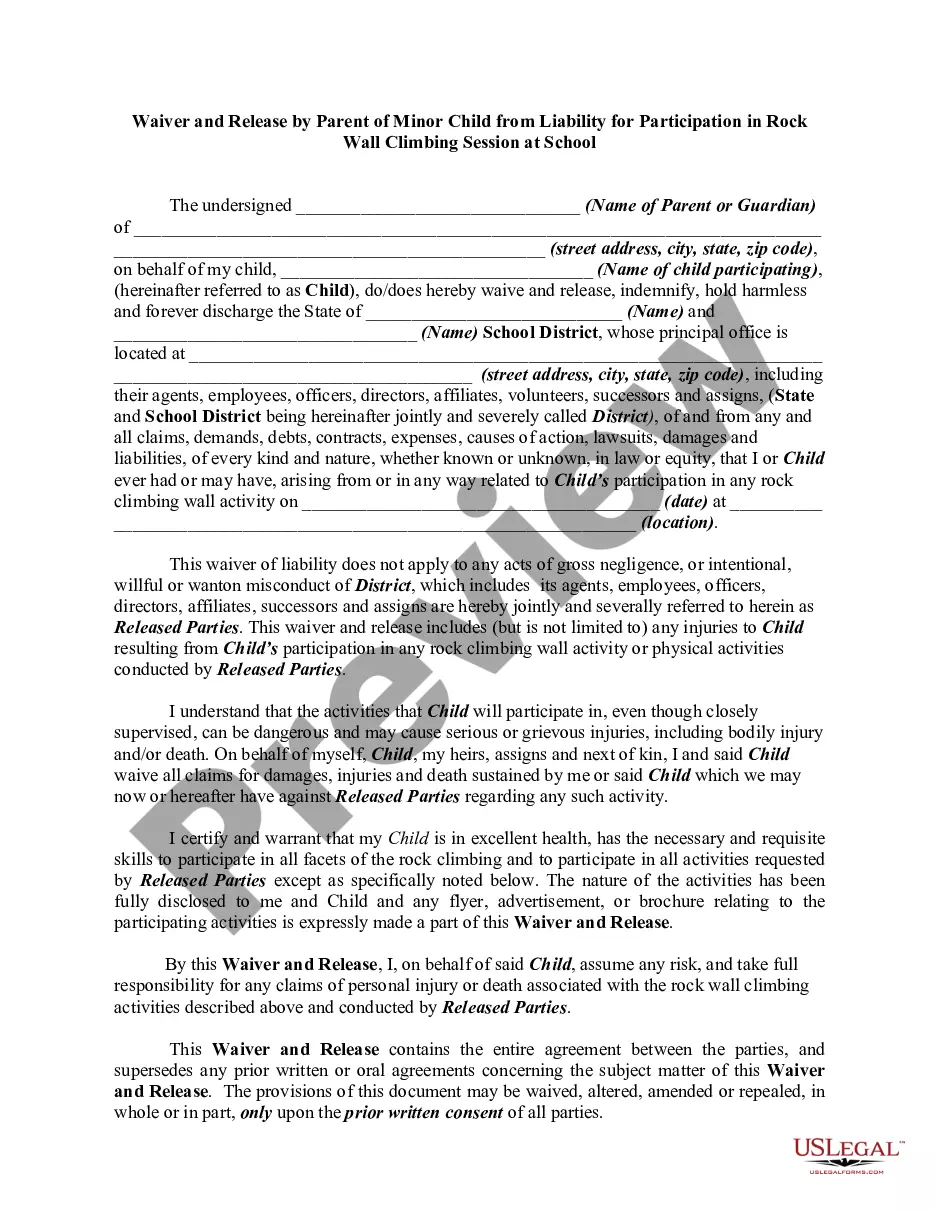
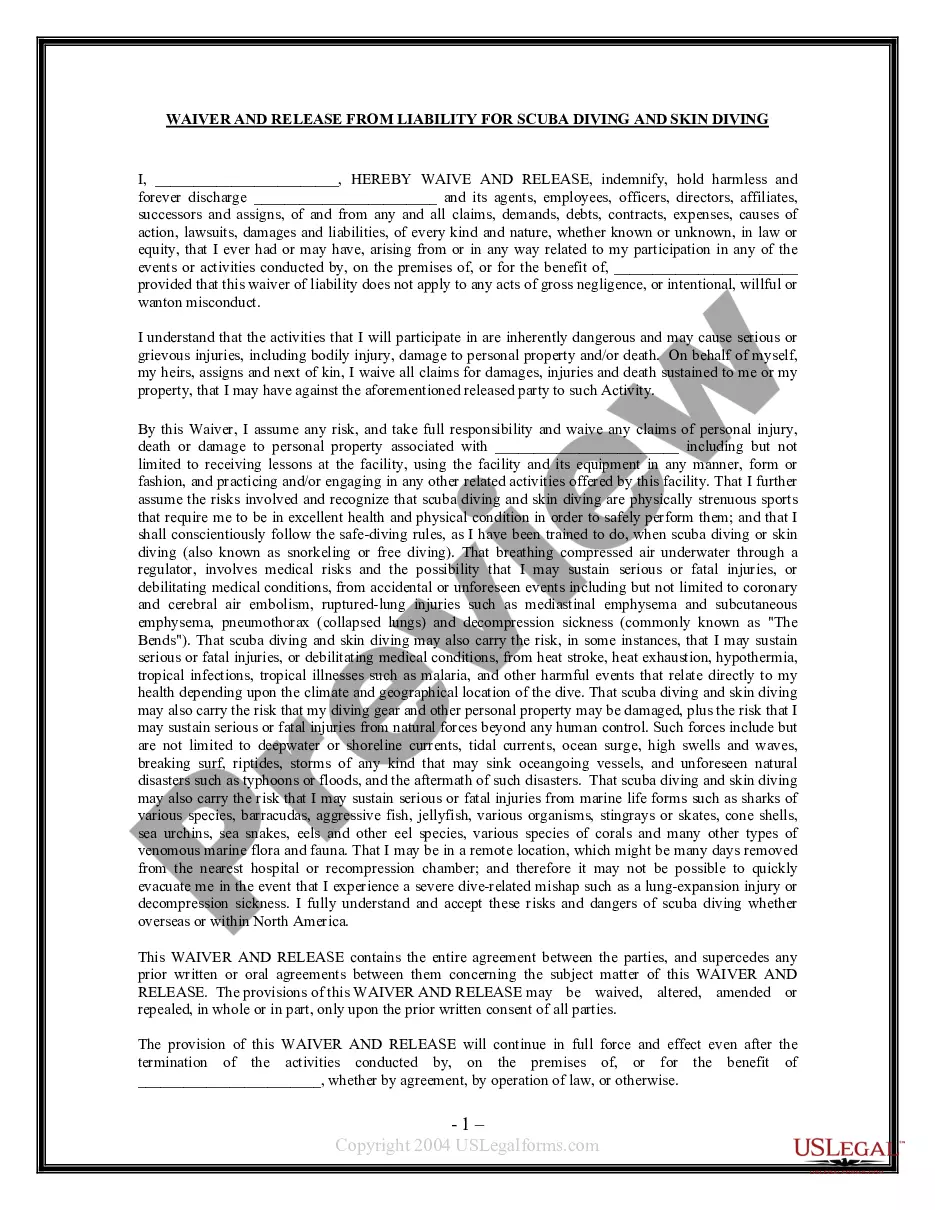
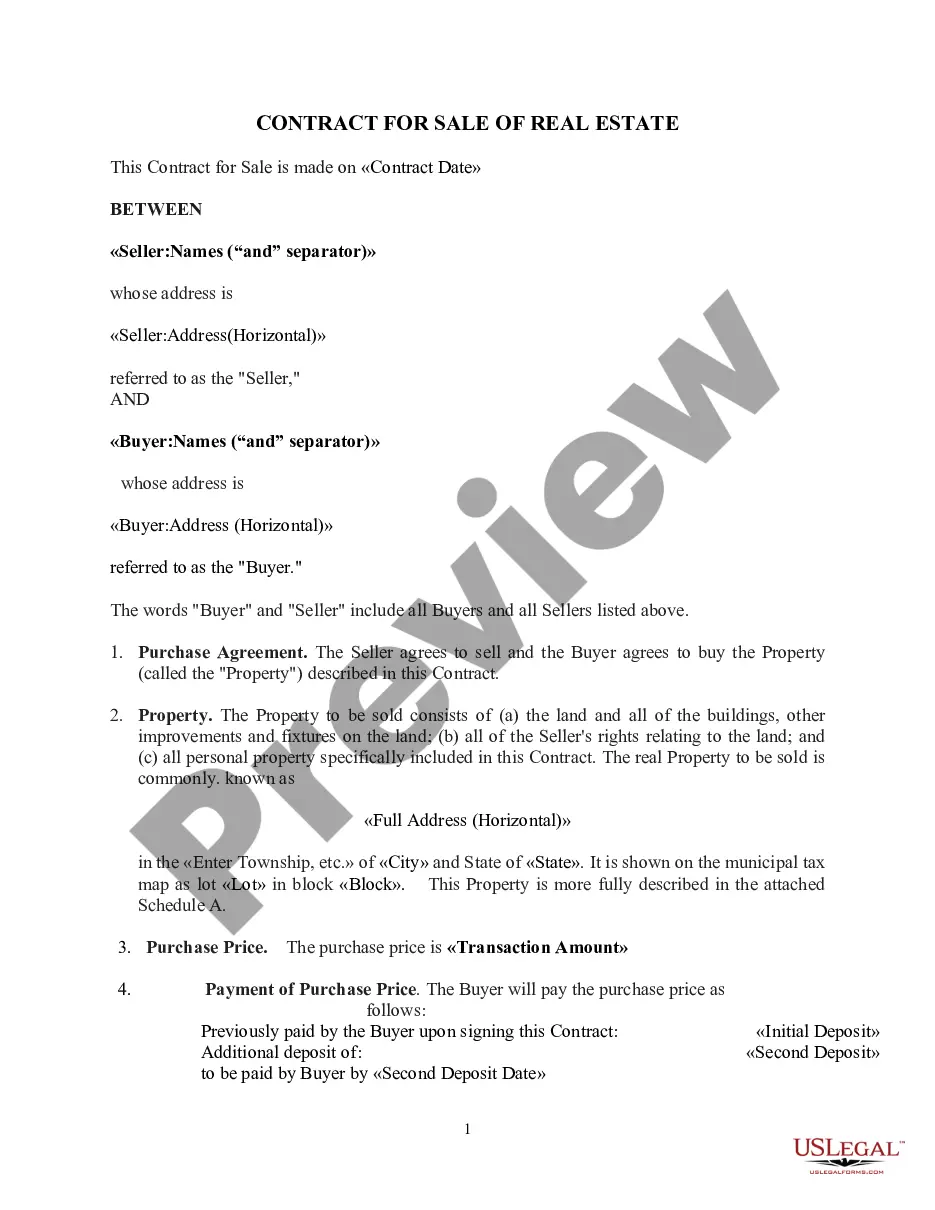
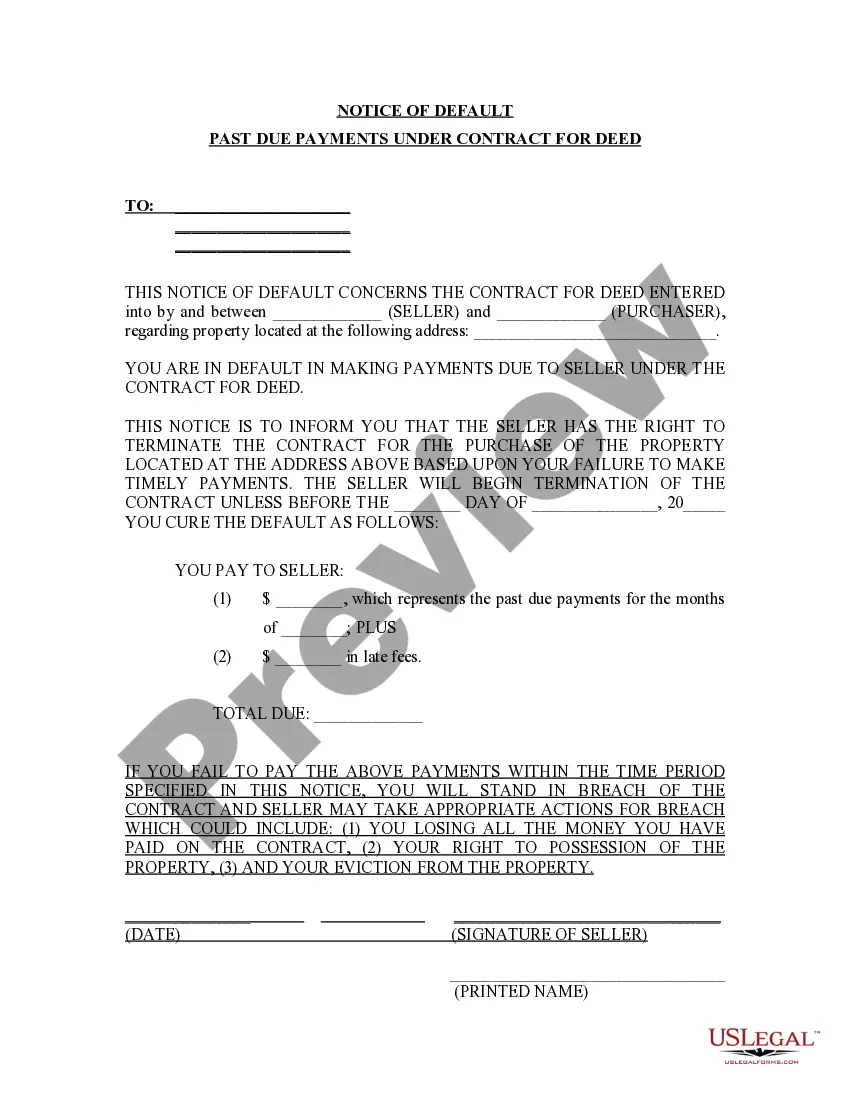
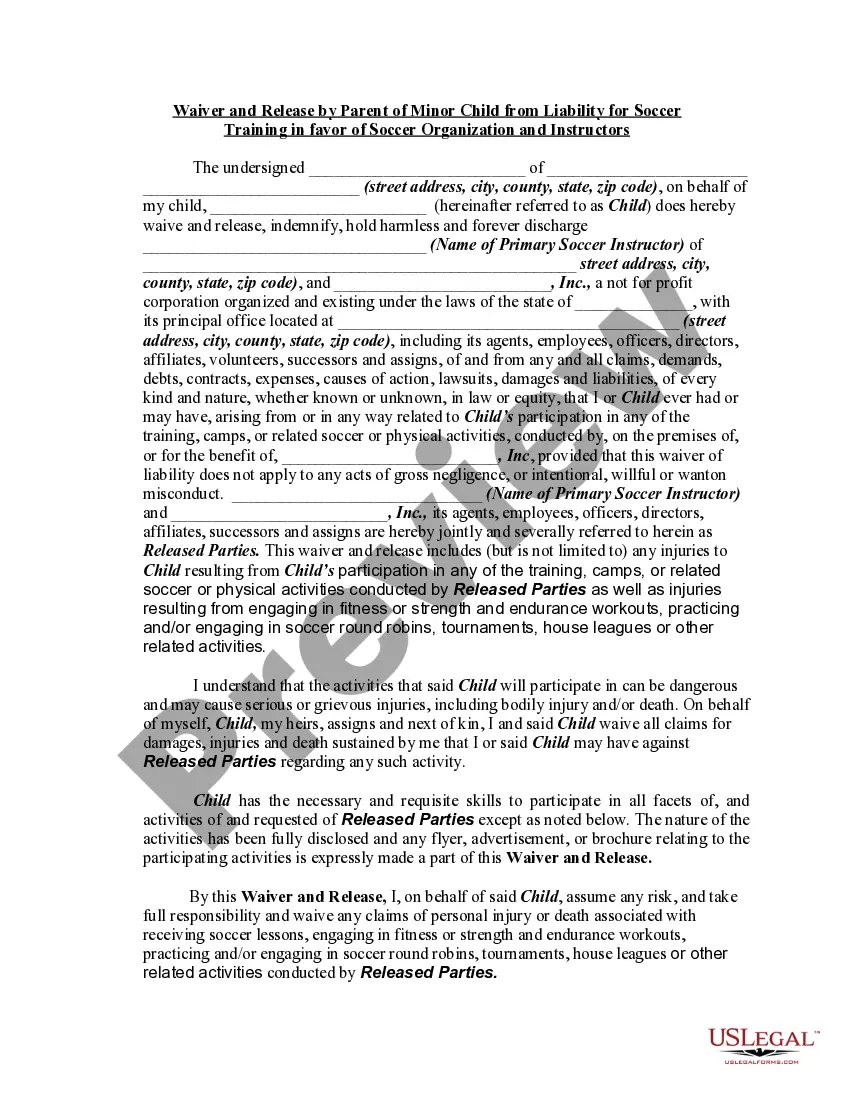
How to fill out Waiver And Release From Liability For Minor Child For Scuba Diving And Skin Diving?
If you need to finish, obtain, or print legal document templates, utilize US Legal Forms, the largest selection of legal forms available online.
Take advantage of the site’s user-friendly and convenient search to find the documents you require.
A range of templates for business and personal needs are organized by categories and states, or keywords.
Step 4. Once you have found the form you need, click the Buy now button. Choose the pricing plan you prefer and enter your details to register for an account.
Step 5. Process the payment. You can use your credit card or PayPal account to complete the transaction.
- Use US Legal Forms to access the Virginia Waiver and Release From Liability For Minor Child for Scuba Diving and Skin Diving with just a few clicks.
- If you are already a US Legal Forms user, Log In to your account and click the Obtain button to find the Virginia Waiver and Release From Liability For Minor Child for Scuba Diving and Skin Diving.
- You can also access forms you previously downloaded in the My documents section of your account.
- If you are using US Legal Forms for the first time, follow the directions below.
- Step 1. Ensure you have selected the form for the correct region/state.
- Step 2. Utilize the Preview feature to review the form’s content. Don’t forget to read the description.
- Step 3. If you are not satisfied with the form, use the Search section at the top of the screen to find other types in the legal form directory.
Form popularity
FAQ
Yes, scuba diving is allowed for children, but it often requires parental consent and appropriate safety measures. To dive with minors, parents should complete a Virginia Waiver and Release From Liability For Minor Child for Scuba Diving and Skin Diving. This ensures that all parties understand the risks involved. Many diving schools offer programs tailored specifically for younger divers, combining fun and safety.
The minimum age for scuba certification typically starts at 10 years old with some agencies. However, if you plan to take your child scuba diving, you will need a Virginia Waiver and Release From Liability For Minor Child for Scuba Diving and Skin Diving. This waiver protects both the diving facility and the parents. Always check the specific requirements of the certification agency you choose.
Although legal in their own right, waivers can't be used to completely shield event organisers from liability as a result of their negligence. Under the Unfair Contract Terms Act, activity providers can't exclude or restrict liability for injury or death caused as a result of their negligence.
A liability waiver is a legal document that a person who participates in an activity may sign to acknowledge the risks involved in their participation. By doing so, the company attempts to remove legal liability from the business or person responsible for the activity.
A waiver is an exculpatory contract. That means it's used to excuse a party from responsibility when the other contracted party is injured by either known or unknown risks in a particular activity. This includes inherent risks and ordinary negligence.
A liability waiver may be deemed invalid if it is not clear, explicit, and comprehensible. A waiver that is written in a small font such that it is not clearly legible, or one that is written in language that is especially difficult or confusing, may be invalid under the law.
The Waiver must be clearly worded and unambiguous in its intent to relieve any and all legal liability, even liability for negligence. The Waiver should be prominent and not hidden in the fine print of a long contract. The Waiver must be signed by the person who it is being used against.
The waiver contains errors that make it invalid. The language of the waiver must obey relevant state laws. An improperly worded or drafted waiver, as well as one that violates the law or public policy, may not hold up in court.
Liability waivers are enforceable in California solely to the extent they shift to the customer the risk of ordinary negligence. Under California law, a liability waiver cannot excuse an injury caused by a defendant's gross negligence, recklessness or intentionally wrongful act.
Although a waiver is legal, it is misleading. An organiser or business owner cannot exclude or restrict liability for personal injury or death caused by negligence. This is set out in the Unfair Contract Terms Act 1977. Businesses such as gyms and event organisers must comply with the various sections of this Act.