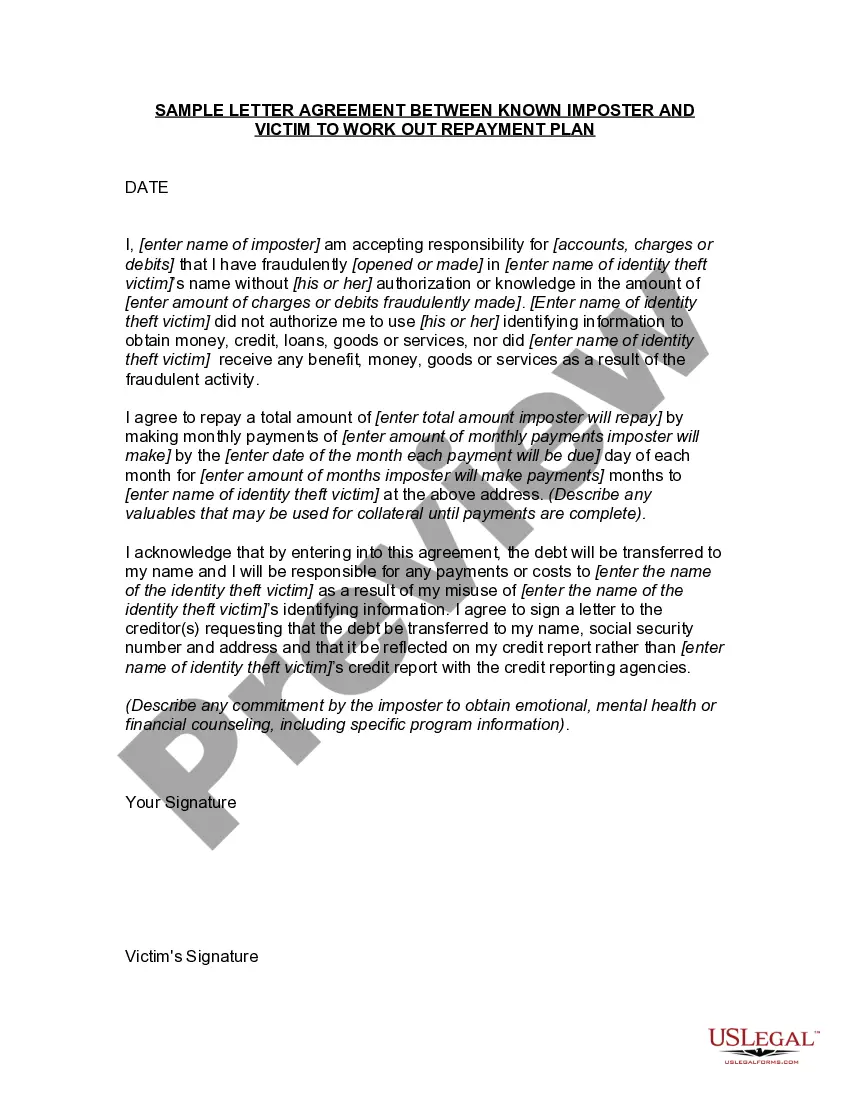
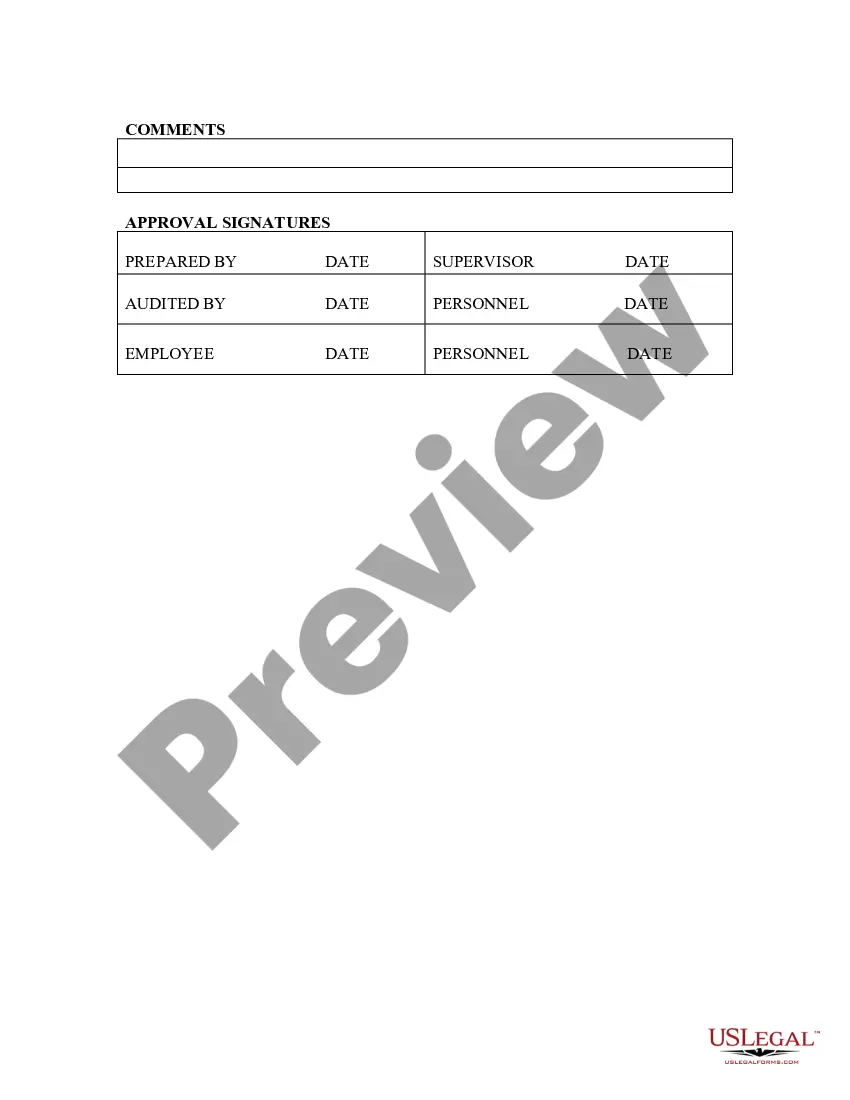
Virginia Personnel Change Notice
Description
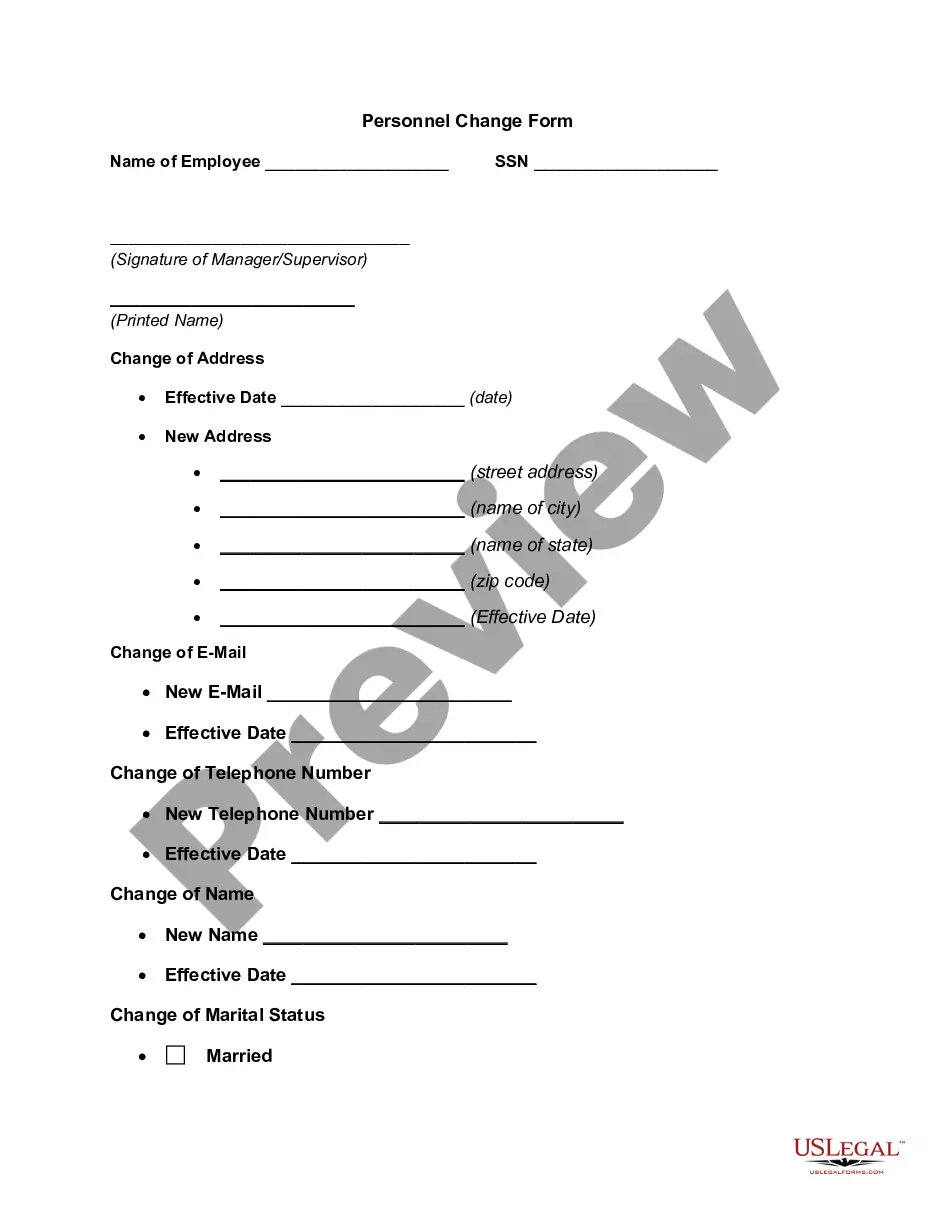
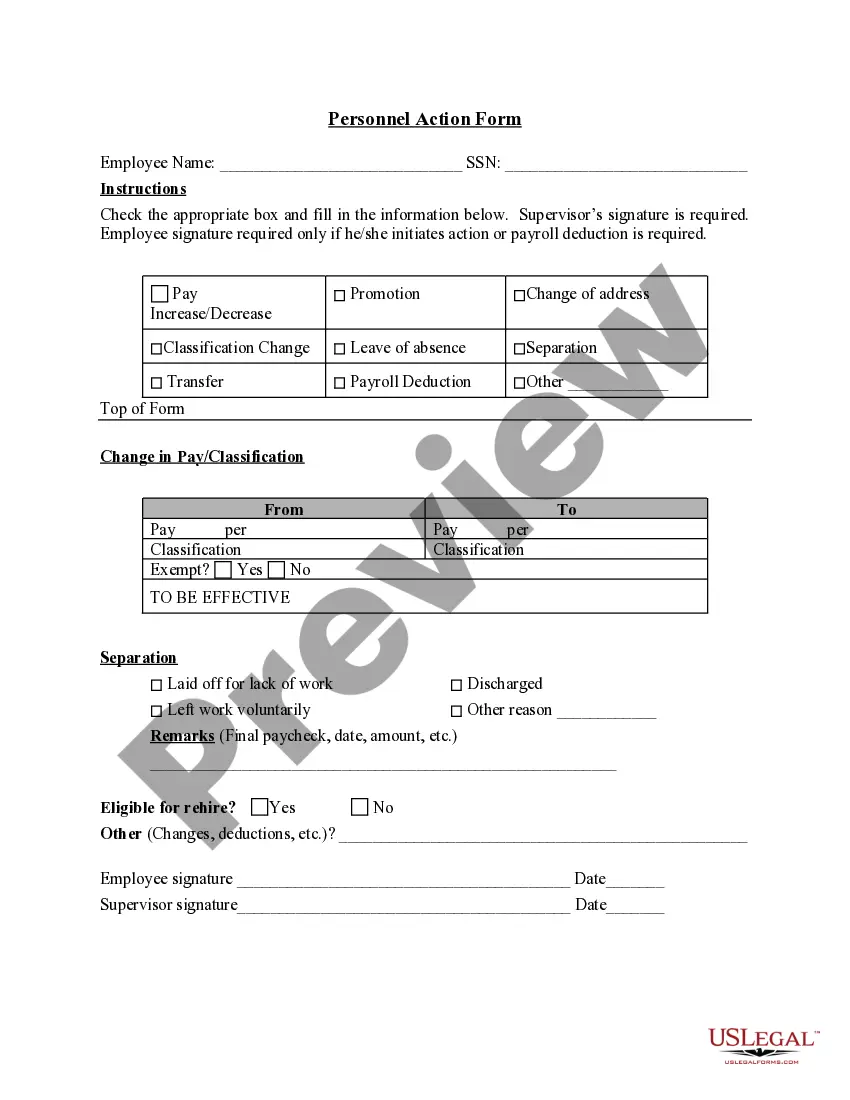
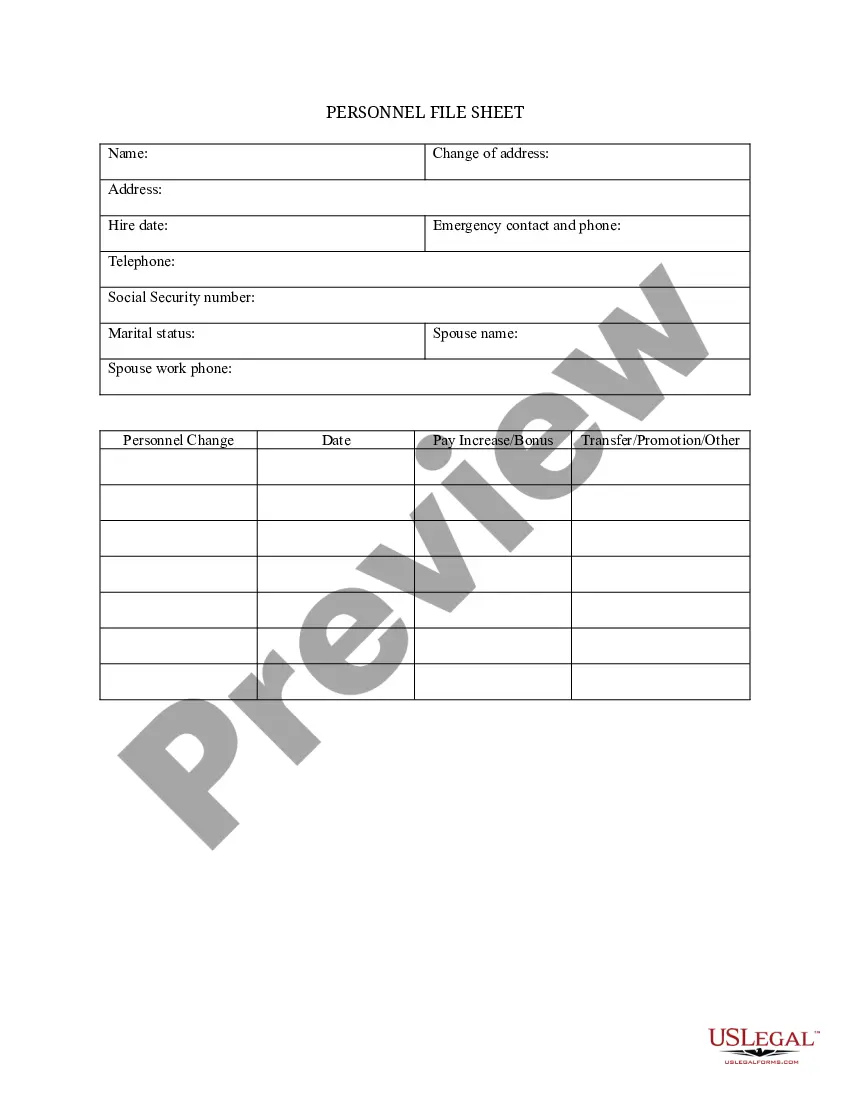
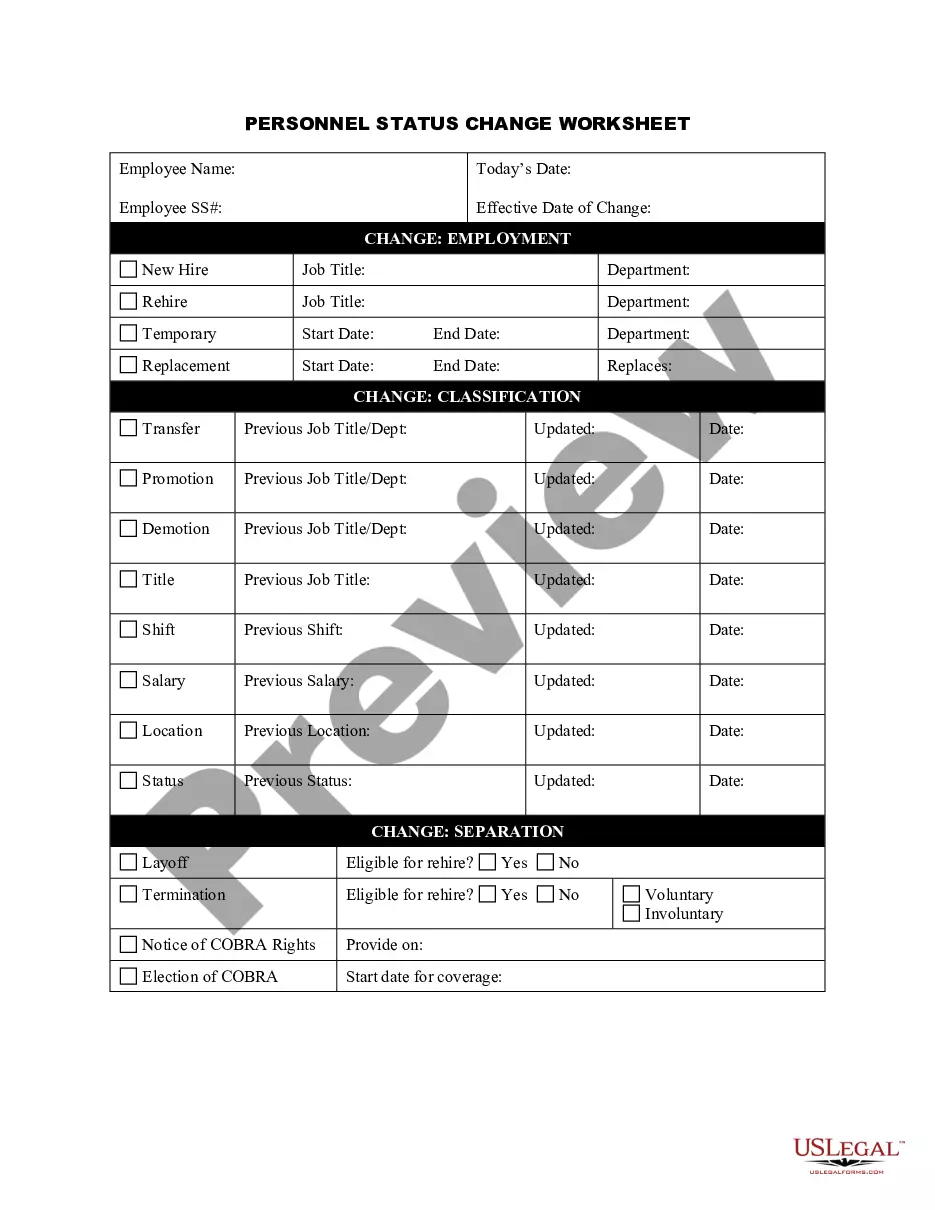
Get your form ready online
Our built-in tools help you complete, sign, share, and store your documents in one place.
Make edits, fill in missing information, and update formatting in US Legal Forms—just like you would in MS Word.
Download a copy, print it, send it by email, or mail it via USPS—whatever works best for your next step.
Sign and collect signatures with our SignNow integration. Send to multiple recipients, set reminders, and more. Go Premium to unlock E-Sign.
If this form requires notarization, complete it online through a secure video call—no need to meet a notary in person or wait for an appointment.
We protect your documents and personal data by following strict security and privacy standards.

Make edits, fill in missing information, and update formatting in US Legal Forms—just like you would in MS Word.

Download a copy, print it, send it by email, or mail it via USPS—whatever works best for your next step.

Sign and collect signatures with our SignNow integration. Send to multiple recipients, set reminders, and more. Go Premium to unlock E-Sign.

If this form requires notarization, complete it online through a secure video call—no need to meet a notary in person or wait for an appointment.

We protect your documents and personal data by following strict security and privacy standards.
Looking for another form?



How to fill out Personnel Change Notice?
If you desire to finalize, obtain, or create legal document templates, utilize US Legal Forms, the largest collection of legal documents that are accessible online.
Employ the site’s straightforward and user-friendly search feature to find the documents you need.
Various templates for business and personal purposes are organized by categories and states, or keywords.
Every legal document template you purchase is yours indefinitely. You will have access to all forms you saved in your account.
Click the My documents section and select a form to print or download again. Stay competitive and obtain, and print the Virginia Personnel Change Notification with US Legal Forms. There are thousands of professional and state-specific documents you can use for your business or personal needs.
- Use US Legal Forms to acquire the Virginia Personnel Change Notification in just a few clicks.
- If you are already a US Legal Forms customer, Log In to your account and click the Obtain button to receive the Virginia Personnel Change Notification.
- You can also access documents you previously saved in the My documents section of your account.
- If you are using US Legal Forms for the first time, follow the steps below.
- Step 1. Ensure you have selected the form for your specific town/region.
- Step 2. Utilize the Review feature to check the content of the form. Be sure to read the description.
- Step 3. If you are dissatisfied with the form, use the Search box at the top of the screen to find other versions of the legal form template.
- Step 4. Once you have found the form you need, hit the Acquire now button. Select your preferred pricing plan and enter your information to register for an account.
- Step 5. Complete the transaction. You can use your credit card or PayPal account to finalize the purchase.
- Step 6. Choose the format of your legal document and download it to your device.
- Step 7. Complete, edit, and print or sign the Virginia Personnel Change Notification.
Form popularity
FAQ
As a general proposition, a Virginia employer is not legally obligated to provide the employee with written notice of a termination decision. Some employers, however, prefer to do so. In addition, sometimes the employee will not be returning to the employer's premisesin such a case, a termination letter is necessary.
Put Documentation in Employee File: All documentation, including receipts for returned items and termination letters, need to go into that employee's file. You can include documentation for discipline, warnings, and performance reviews that help show why you're firing that employee.
In most cases, yes. Federal employment lawsmost notably the Fair Labor Standards Act (FLSA)allow for a number of employer changes, including changing the employee's schedule.
Yes, in some cases. Generally, unless an employment contract or a collective bargaining agreement states otherwise, an employer may change an employee's job duties, schedule or work location without the employee's consent.
If your contract is clear and says that your employer can make the specific change that they want to make e.g. to vary or reduce your hours, then your employer may be able to make the change without your agreement. Although you may still have rights to protest the change.
Federally, and in most states, a termination letter is not legally required. In some states, currently including Arizona, California, Illinois and New Jersey, written termination notices are required by law. Some of these states have specific templates employers must use for the letter.
Employers must provide employees with prompt notice of any schedule changes. Schedule changes can occur in a smaller than 14-day window. Most scheduling laws require at least a 24-hour notice, however.
An employer should give an employee who works an irregular shift pattern reasonable notice of their hours. Normally this would be included in the contract of employment and the standard notice period is around 7 days.
In 2016, the Virginia Supreme Court held that employers and employees need not provide advance notice before terminating an at will employment relationship.
In jurisdictions like Virginia that follow the legal doctrine of at-will employment, there are few restrictions on termination. Under this doctrine, an employer can terminate at any time, for any reason, with or without a cause. Similarly, an employee may resign at any time, for any reason, and with or without cause.