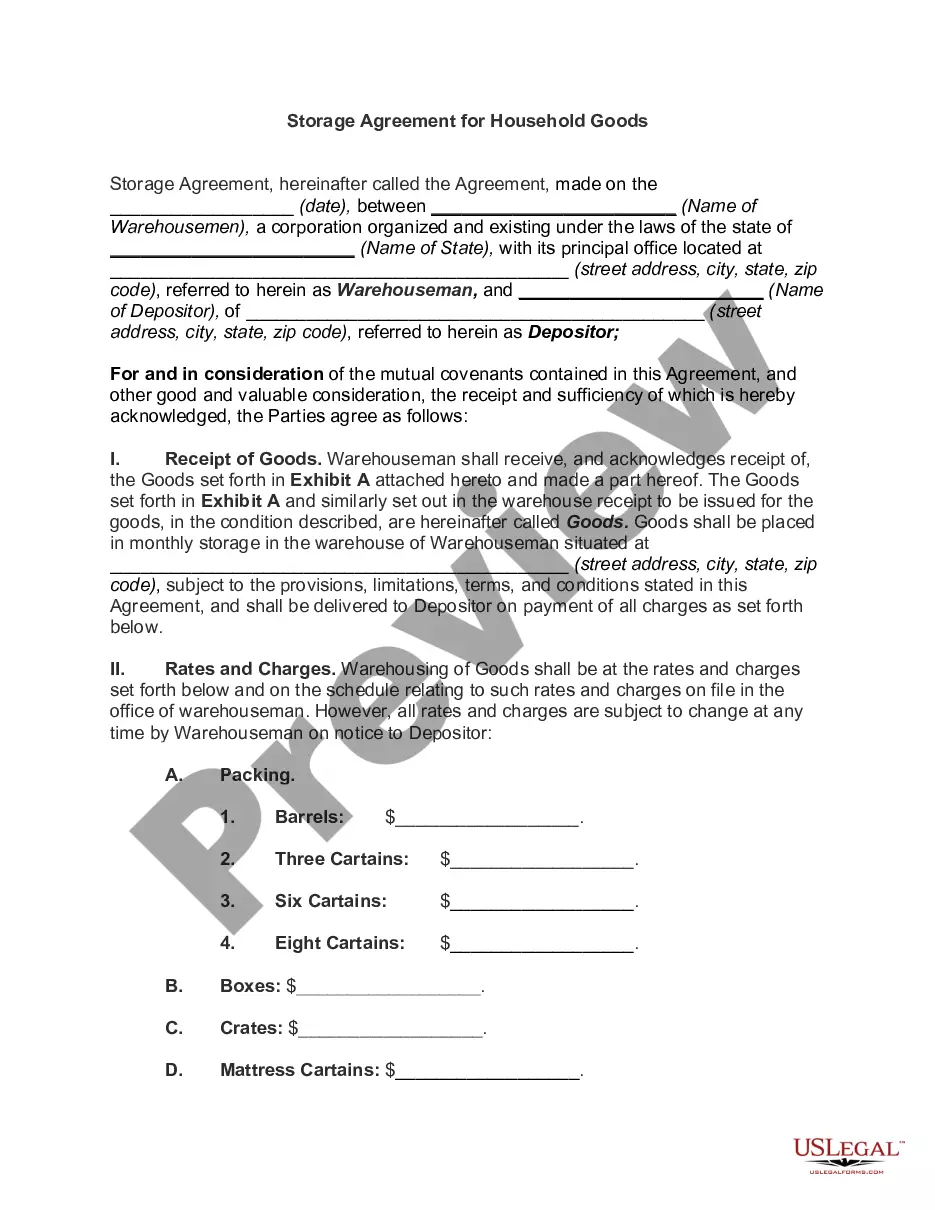
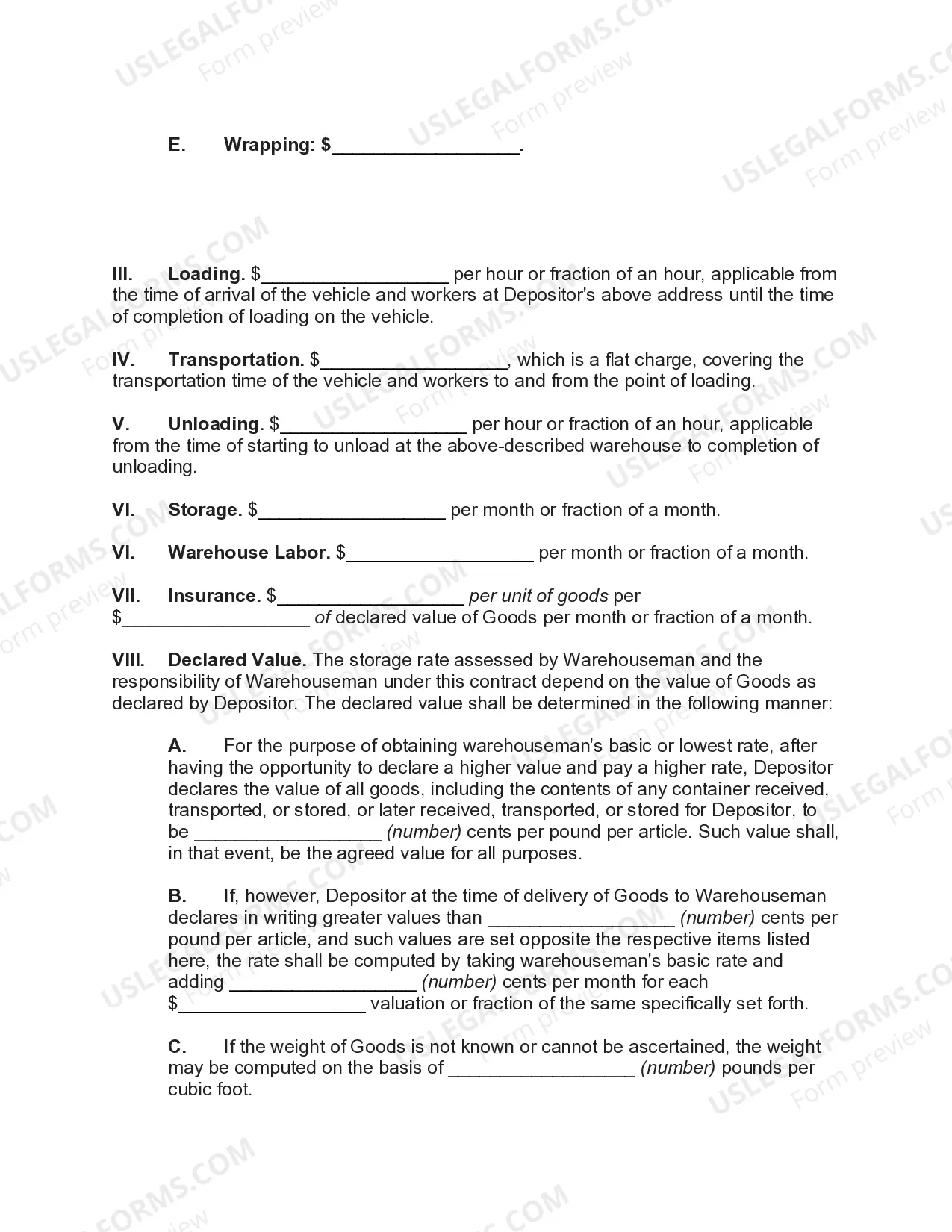
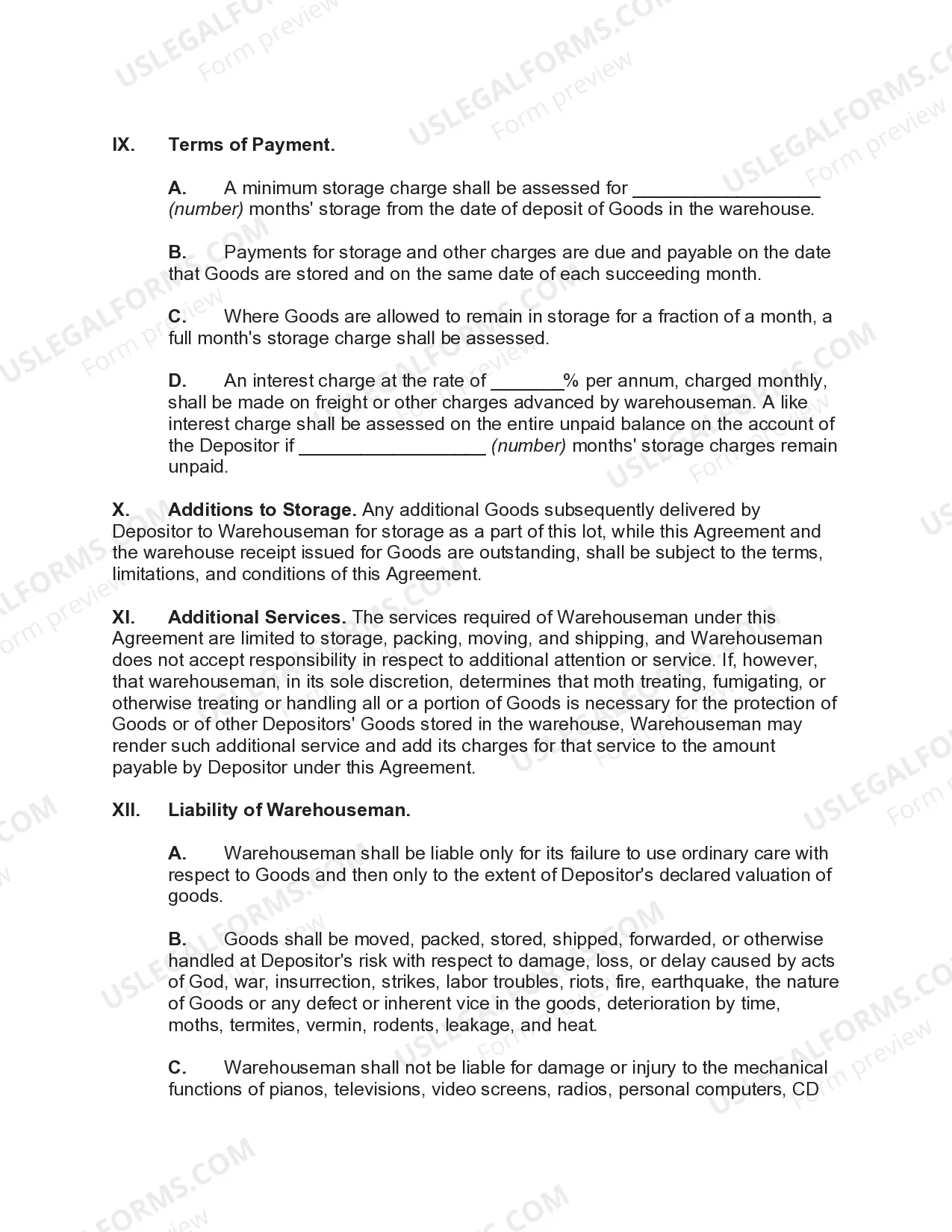
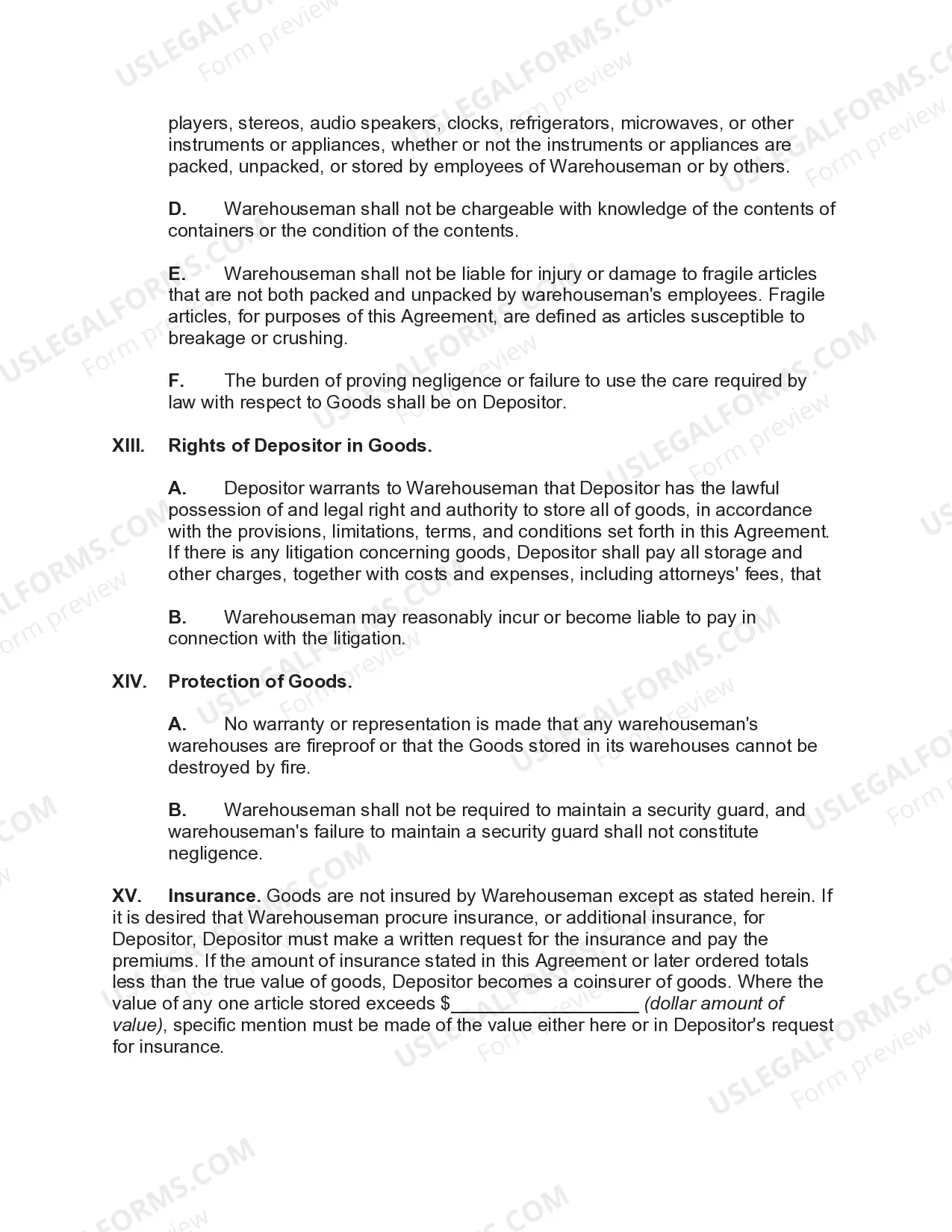
Virginia Storage Agreement for Household Goods
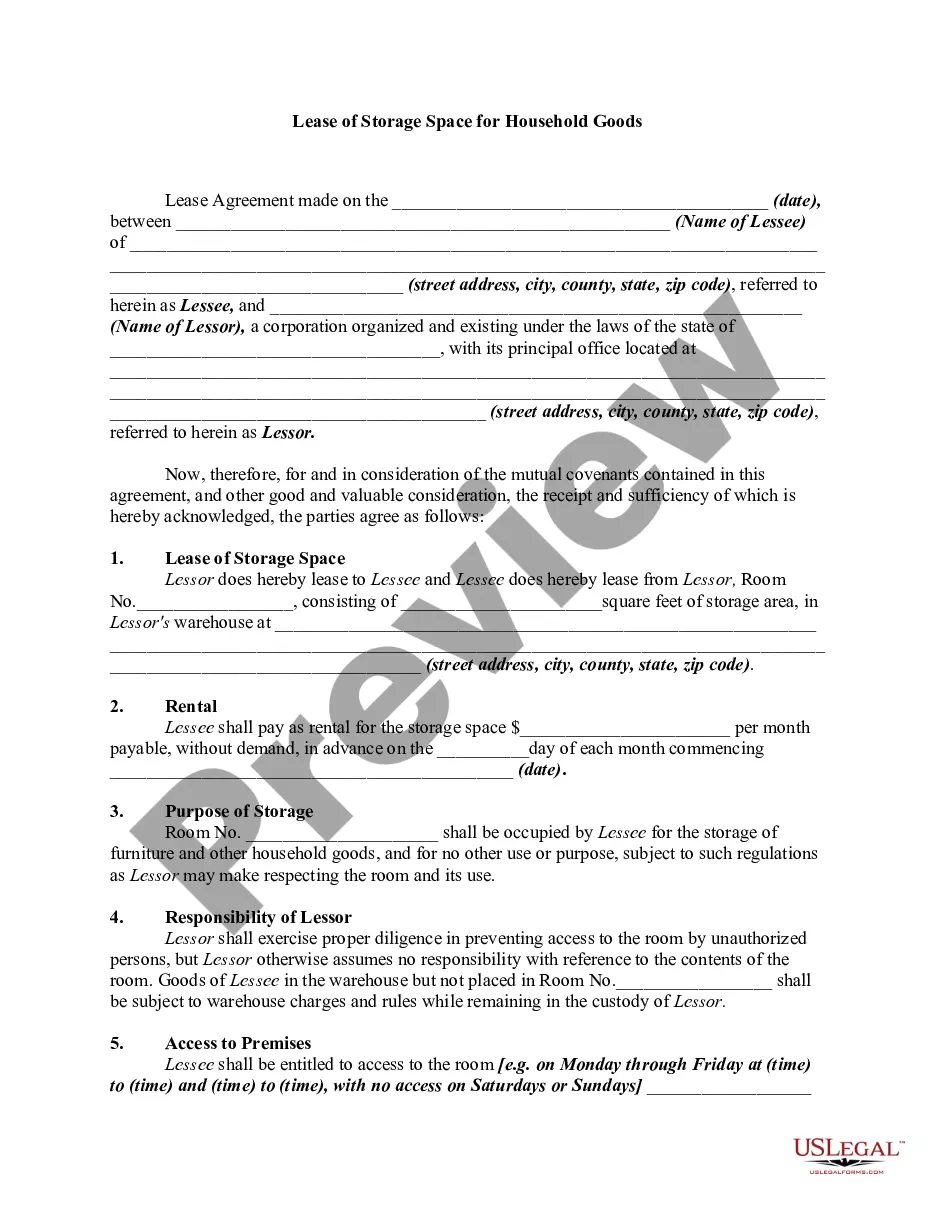
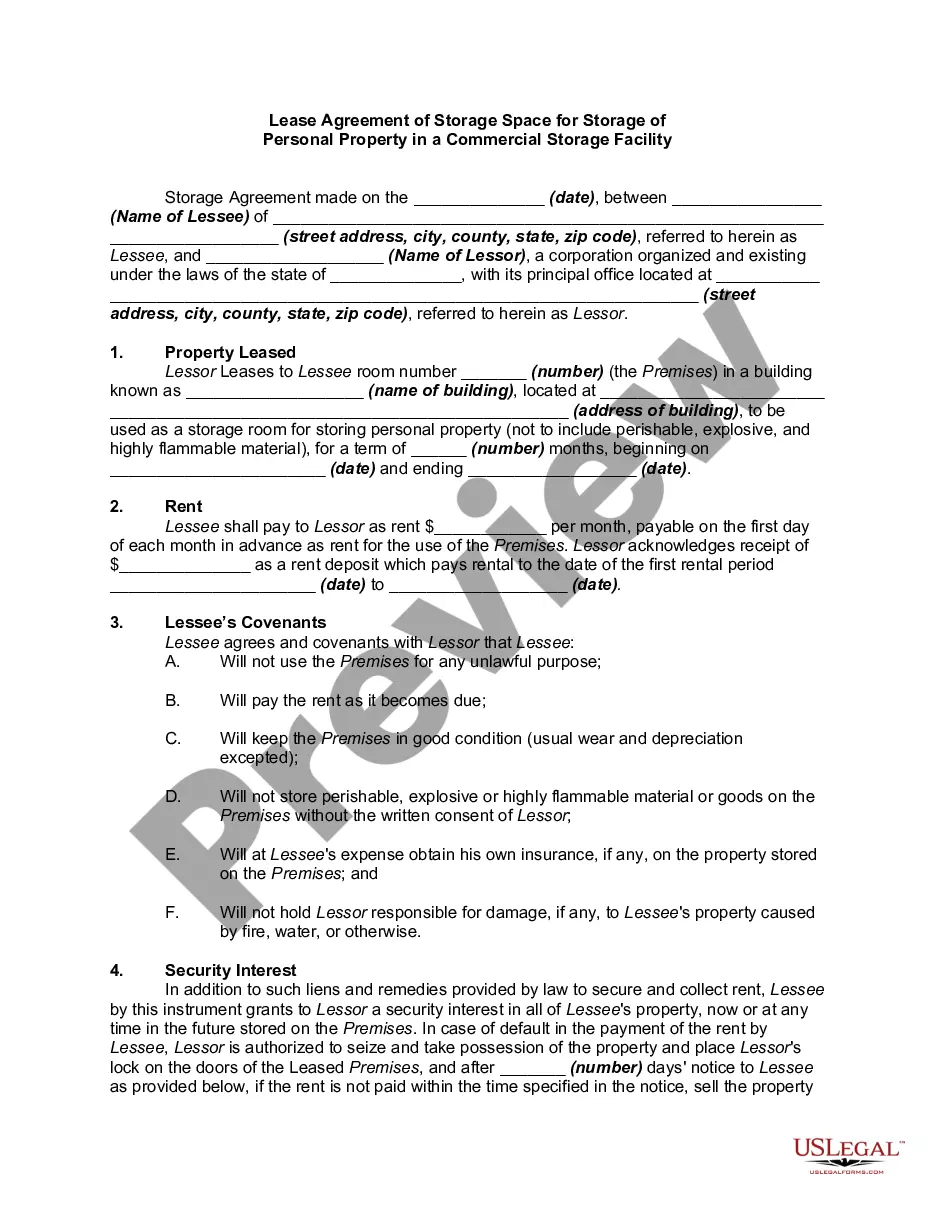
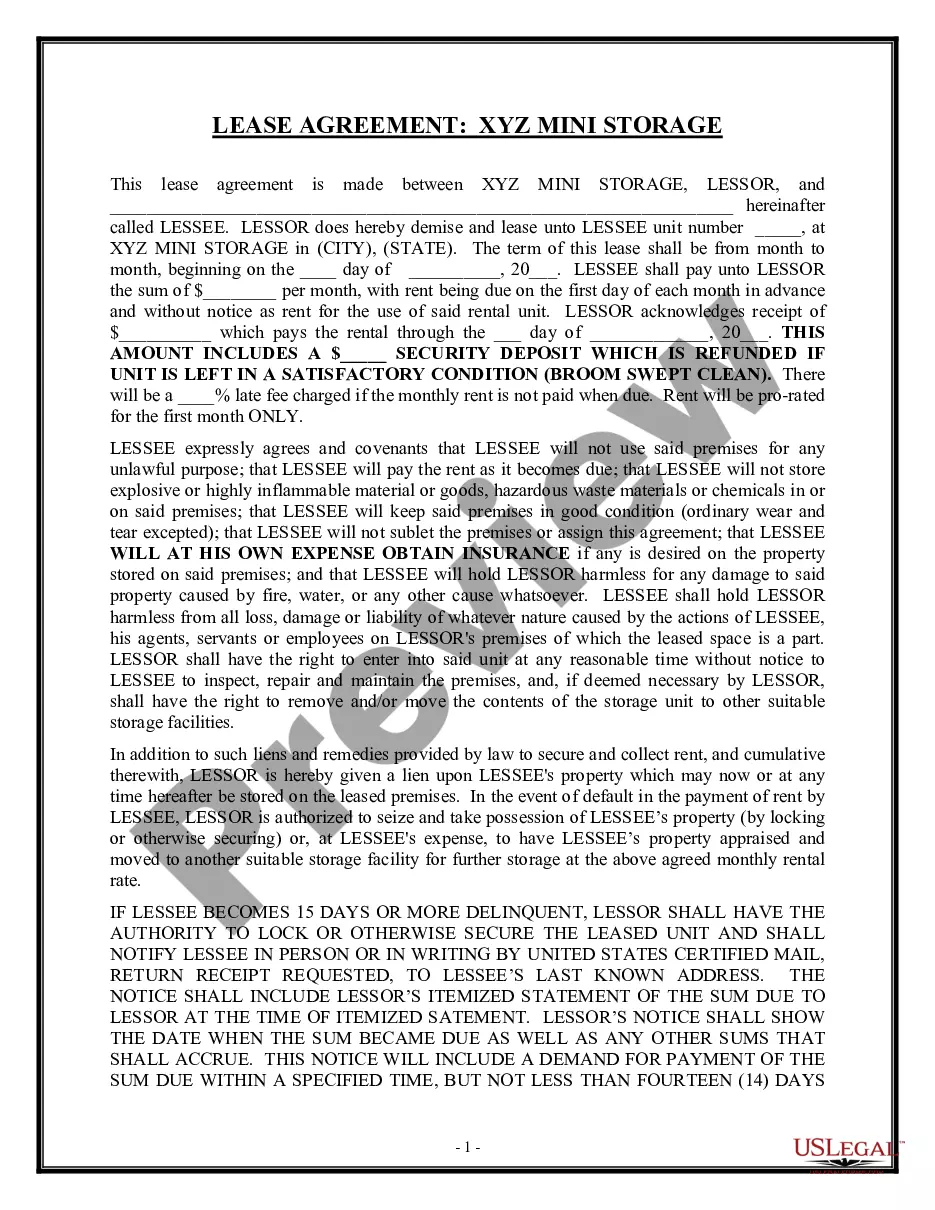
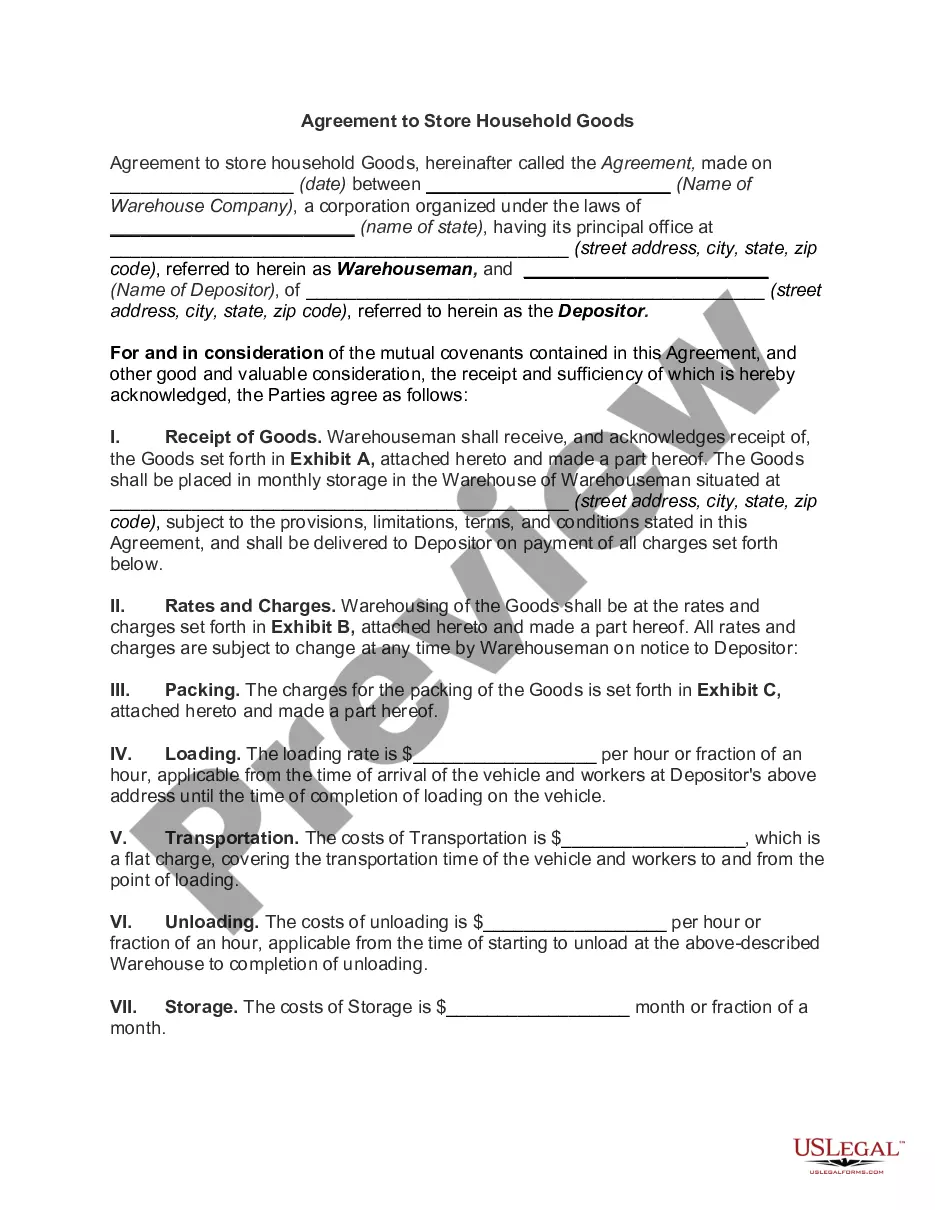
Description
Get your form ready online
Our built-in tools help you complete, sign, share, and store your documents in one place.
Make edits, fill in missing information, and update formatting in US Legal Forms—just like you would in MS Word.
Download a copy, print it, send it by email, or mail it via USPS—whatever works best for your next step.
Sign and collect signatures with our SignNow integration. Send to multiple recipients, set reminders, and more. Go Premium to unlock E-Sign.
If this form requires notarization, complete it online through a secure video call—no need to meet a notary in person or wait for an appointment.
We protect your documents and personal data by following strict security and privacy standards.

Make edits, fill in missing information, and update formatting in US Legal Forms—just like you would in MS Word.

Download a copy, print it, send it by email, or mail it via USPS—whatever works best for your next step.

Sign and collect signatures with our SignNow integration. Send to multiple recipients, set reminders, and more. Go Premium to unlock E-Sign.

If this form requires notarization, complete it online through a secure video call—no need to meet a notary in person or wait for an appointment.

We protect your documents and personal data by following strict security and privacy standards.
Looking for another form?
How to fill out Storage Agreement For Household Goods?
US Legal Forms - one of the most prominent collections of legal templates in the USA - provides a range of legal document formats you can obtain or create.
Through the website, you can access thousands of forms for business and personal purposes, organized by categories, states, or keywords.
You will find the latest versions of forms such as the Virginia Storage Agreement for Household Goods in just minutes.
If the form does not meet your needs, use the Search bar at the top of the screen to find one that does.
If you are satisfied with the form, confirm your choice by clicking the Buy now button. Then, select the payment plan you prefer and provide your details to register for an account.
- If you are already a subscriber, Log In and obtain the Virginia Storage Agreement for Household Goods from the US Legal Forms library.
- The Download button will be visible on each form you view.
- You can access all previously downloaded forms in the My documents section of your account.
- If you wish to use US Legal Forms for the first time, here are simple instructions to get started.
- Ensure you have selected the correct form for your city/county. Click the Review button to examine the form’s content.
- Check the form details to confirm you have chosen the right form.
Form popularity
FAQ
How to Keep Your Items Safe While in StorageChoose a Safe, Secure Storage Facility.Opt for Climate-Controlled Storage.Find Out if You're Insured.Pack Small Items in Boxes.Prepare Furniture & Appliances Properly.Keep a Record of Stored Items.Keep Up with Storage Payments.Rent a Storage Unit Near Washington, DC.
As a general rule, if you can't afford to lose it, you probably shouldn't be putting it in your storage unit. A majority of the time your belongings will be just fine and there's nothing to worry about, but self storage always come with a risk albeit a small one that items will get damaged or lost.
Your rental contract will specify what you can and cannot use your storage unit for, including what items are forbidden, plus that most important of caveats NO SLEEPING OR LIVING IN YOUR STORAGE UNIT. The bottom line is that the storage facility is liable for any injuries or damage that may occur on its premises.
Packing your possessions in waterproof boxes or with silica gel will prevent mold from growing. Preventing moisture from forming in your storage unit is the most effective way to combat it. Investing in a high-quality, moisture-resistant storage unit would minimize all of your stress and anxiety.
#2 Hazardous Materials For example, fertilizers and even some cleaning chemicals can prove harmful if improperly stored. The decision to house these hazardous materials can quickly turn your storage unit and the surrounding areas into a danger for customers of the entire property.
Your Storage Unit Will Go Into Default To put it simply, this is the maximum amount of days that you can go without paying rent before things start to get real. It's usually about 30 days. Once you're in default, you'll be locked out of the property and out of your unit.
If you're looking to save space, try storing belongings in a vertical position. Also, all large and heavy items should be placed on the bottom. If laying your mattress flat, avoid putting it at the very bottom of the storage unit, as belongings on top are sure to put pressure on the padding and springs.
If you are caught living in a storage unit, you will mostly likely be evicted immediately. That means you, and your stuff, will be kicked to the curb. You could also face potential criminal charges, especially if you have children, as storage units are not consider fit for human habitation.
Anything that can catch fire or explode is not allowed. This includes gasoline, propane, oil, grease, chemicals, cleaners, and paint. And, of course, fireworks or explosives are prohibited. There is no storing of moonshine or the chemicals needed to become your very own Walter White from Breaking Bad.
Can You Live in a Storage Unit? No. Living in a storage unit is prohibited by various local and federal housing laws. Storage facilities must evict any person they find living on the premises to comply with the law and most insurance policies.