Virginia Tenant Acceptance Agreement or Letter
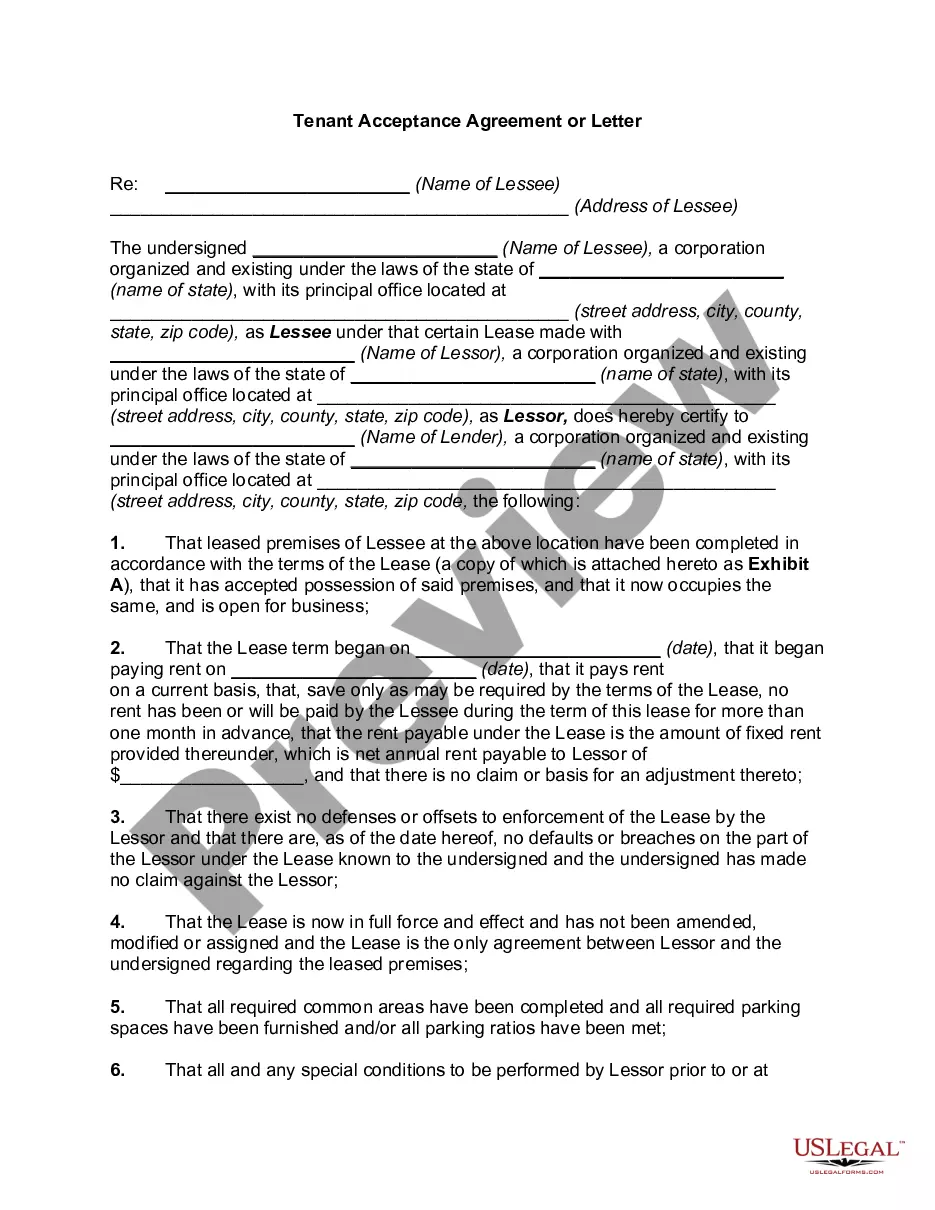
Description
Get your form ready online
Our built-in tools help you complete, sign, share, and store your documents in one place.
Make edits, fill in missing information, and update formatting in US Legal Forms—just like you would in MS Word.
Download a copy, print it, send it by email, or mail it via USPS—whatever works best for your next step.
Sign and collect signatures with our SignNow integration. Send to multiple recipients, set reminders, and more. Go Premium to unlock E-Sign.
If this form requires notarization, complete it online through a secure video call—no need to meet a notary in person or wait for an appointment.
We protect your documents and personal data by following strict security and privacy standards.

Make edits, fill in missing information, and update formatting in US Legal Forms—just like you would in MS Word.

Download a copy, print it, send it by email, or mail it via USPS—whatever works best for your next step.

Sign and collect signatures with our SignNow integration. Send to multiple recipients, set reminders, and more. Go Premium to unlock E-Sign.

If this form requires notarization, complete it online through a secure video call—no need to meet a notary in person or wait for an appointment.

We protect your documents and personal data by following strict security and privacy standards.
Looking for another form?

How to fill out Tenant Acceptance Agreement Or Letter?
Locating the appropriate valid document template can be challenging. Obviously, there are numerous formats accessible online, but how will you acquire the valid version you require? Utilize the US Legal Forms website.
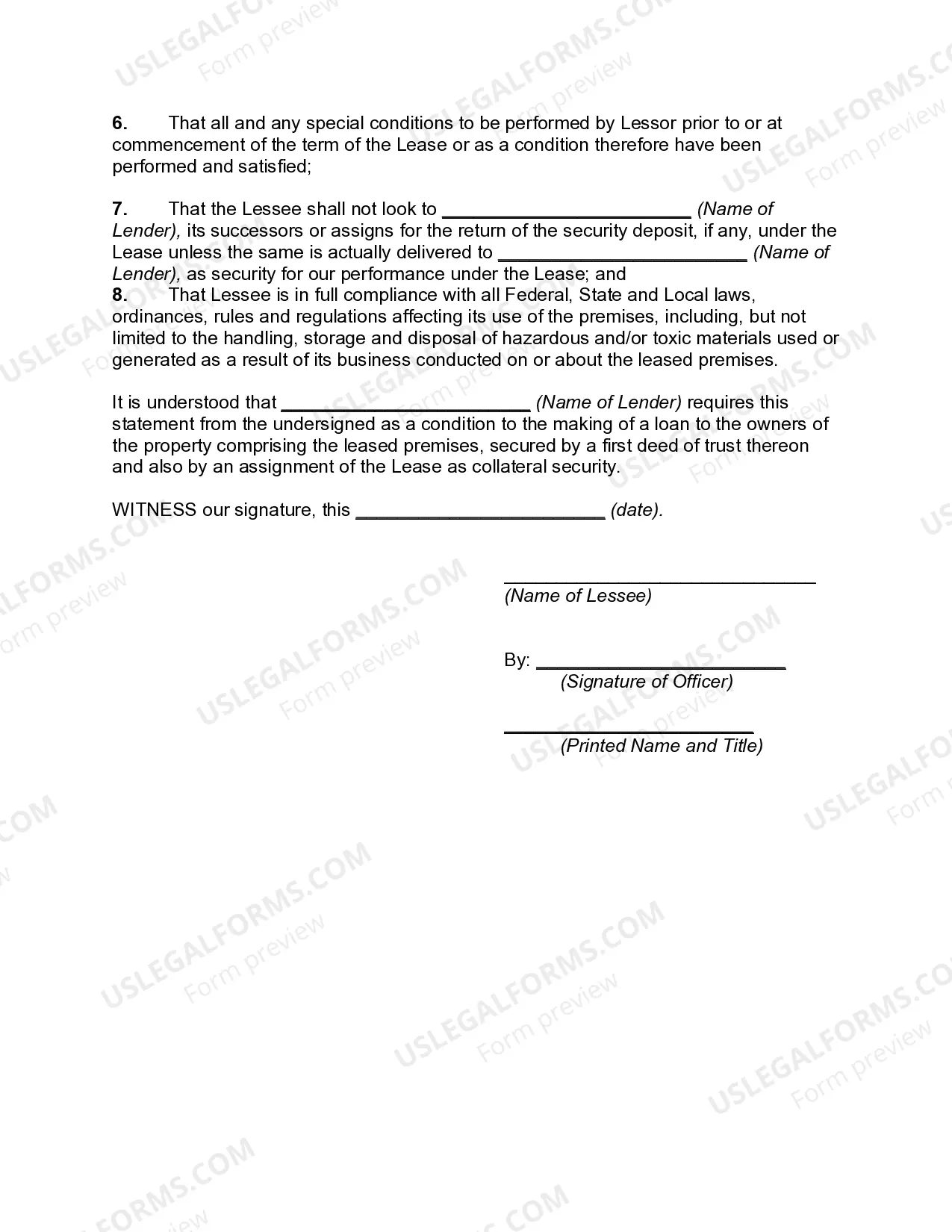
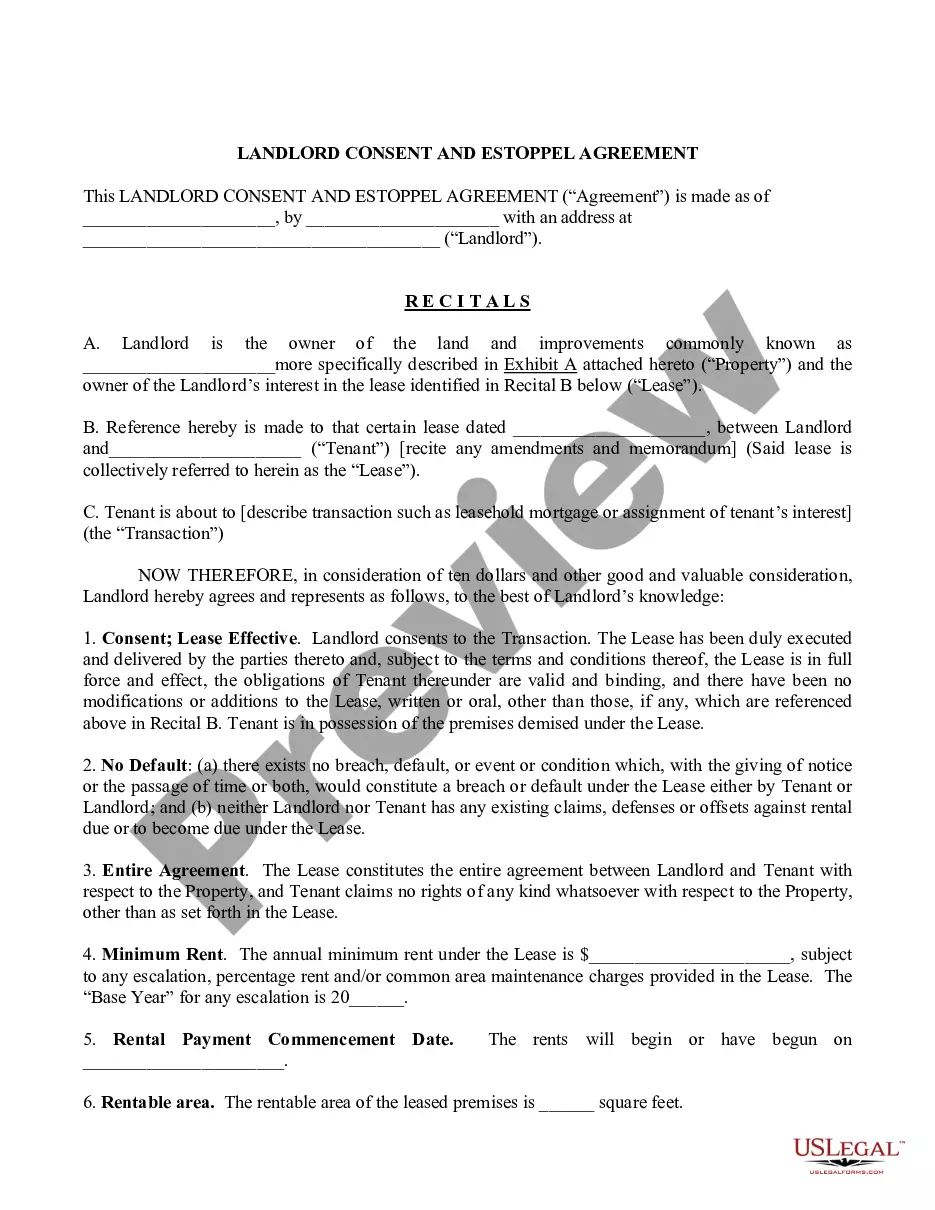
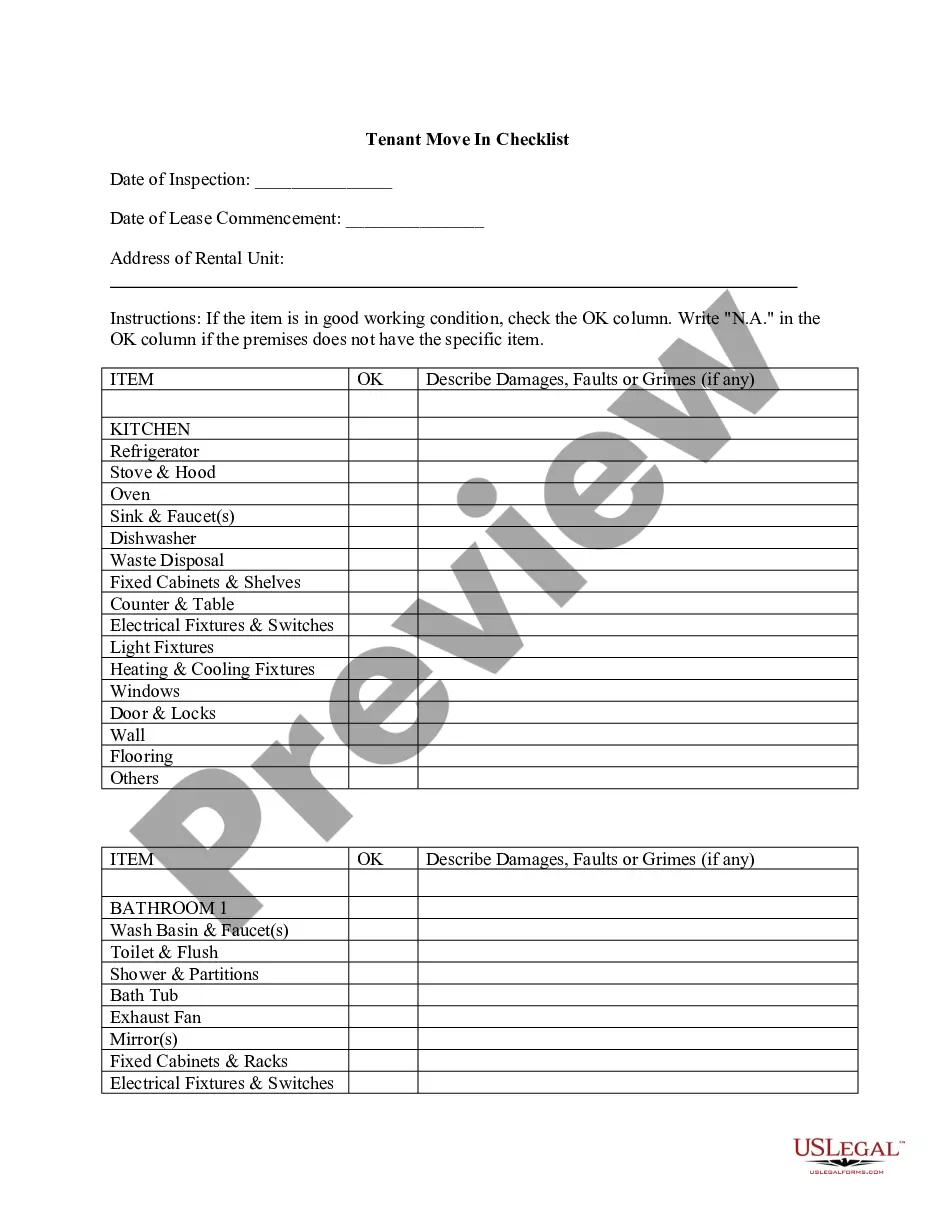
The service offers a vast array of formats, including the Virginia Tenant Approval Agreement or Letter, which can be utilized for both business and personal purposes. All of the forms are verified by professionals and comply with federal and state regulations.
If you are already registered, Log Into your account and then click the Download button to obtain the Virginia Tenant Approval Agreement or Letter. Use your account to access the legal forms you have previously ordered. Visit the My documents section of your account and download another version of the document you need.
Fill out, modify, print, and sign the acquired Virginia Tenant Approval Agreement or Letter. US Legal Forms is the largest repository of legal forms where you can find various document templates. Utilize the service to obtain professionally crafted paperwork that adheres to state regulations.
- If you are a first-time user of US Legal Forms, here are simple steps for you to follow.
- First, ensure you have chosen the correct form for your locality. You can review the form using the Preview button and read the form description to confirm that it is suitable for your needs.
- If the form does not satisfy your requirements, use the Search field to find the right form.
- When you are confident the form is appropriate, click the Get now button to obtain the form.
- Select the pricing plan you desire and enter the required information. Create your account and pay for the order using your PayPal account or credit card.
- Choose the file format and download the legal document template to your device.
Form popularity
FAQ
A tenancy agreement is a legally binding document as soon as it has been signed by all of the relevant parties. Usually, this is the tenant and the landlord, though it may also include a guarantor if the rental requires one.
Virginia is a moderately landlord-friendly state as there is no rent control and landlords have a large amount of freedom when picking tenants. The information for this answer was found on our Virginia Landlord Tenant Rights answers.
There is no rent control in Virginia. A landlord can increase rent to whatever the rental market will bear, regardless of how long you have rented there. However, rent cannot be increased during the term of the rental agreement.
Signing the document in advance provides the tenant and landlord assurance the tenancy will begin. However, once the contract is signed, it's difficult for either party to withdraw. Once a tenant signs a tenancy agreement, they are agreeing to pay rent for the entirety of the tenancy.
Is Virginia a Landlord-Friendly State? Overall, this is considered a landlord-friendly state since the Virginia landlord-tenant law doesn't impose any rent control policies for landlords.
Yes, a contract to lease is binding in Virginia. Like some other states, Virginia only requires the signature of one party to be binding. If the landlord doesn't sign a lease that has been signed by the tenant, accepting rent has the same effect as signing the lease.
Unwinding the contract Ending the contract because of a misleading action is called 'unwinding'. Ask your landlord or agent to agree to end the tenancy if you think you were misled. You have to do it within the first 90 days of your tenancy. You can ask for your money back.
In Virginia, landlords can evict tenants for a lease violation. The landlord must give tenants a 30-Day Notice to Comply, which provides them with 21 days to fix the issue. Should the tenant be unable to resolve the issue within 21 days, the tenant has the remaining 9 days to vacate the rental property.
To that end, some of the most landlord-friendly states in 2021 are as follows:Alabama.Arizona.Florida.Illinois.Pennsylvania.Ohio.Georgia.Kentucky.More items...
Inability to Rescind NoticeOnce you give proper notice, the notice is legally binding. The landlord or property manager is not obligated to let you rescind it. Thus, if you stay beyond the notice period, you can be held liable for additional expenses and face the threat of a formal eviction.